Complimentary insured shipping, both waysEngagement ring diamonds certified by IGI or GIAGrown by light. Conflict-free by natureComplimentary insured shipping, both ways
Engagement RingsWedding BandsEarrings

NecklaceBraceletsAbout
Each engagement ring here is a setting that you pair with a center diamond in the next step. Our engagement ring cost guide shows what rings run by carat. Start with the ring's style, whether a single solitaire, a halo, a band of side stones or three stones in a row.
Then choose the center shape and the metal. New to ring shopping? Our guide to where to buy an engagement ring lists what to check with any jeweler. Most settings take ten shapes, so you can move from round to oval or emerald without giving up the design you like.
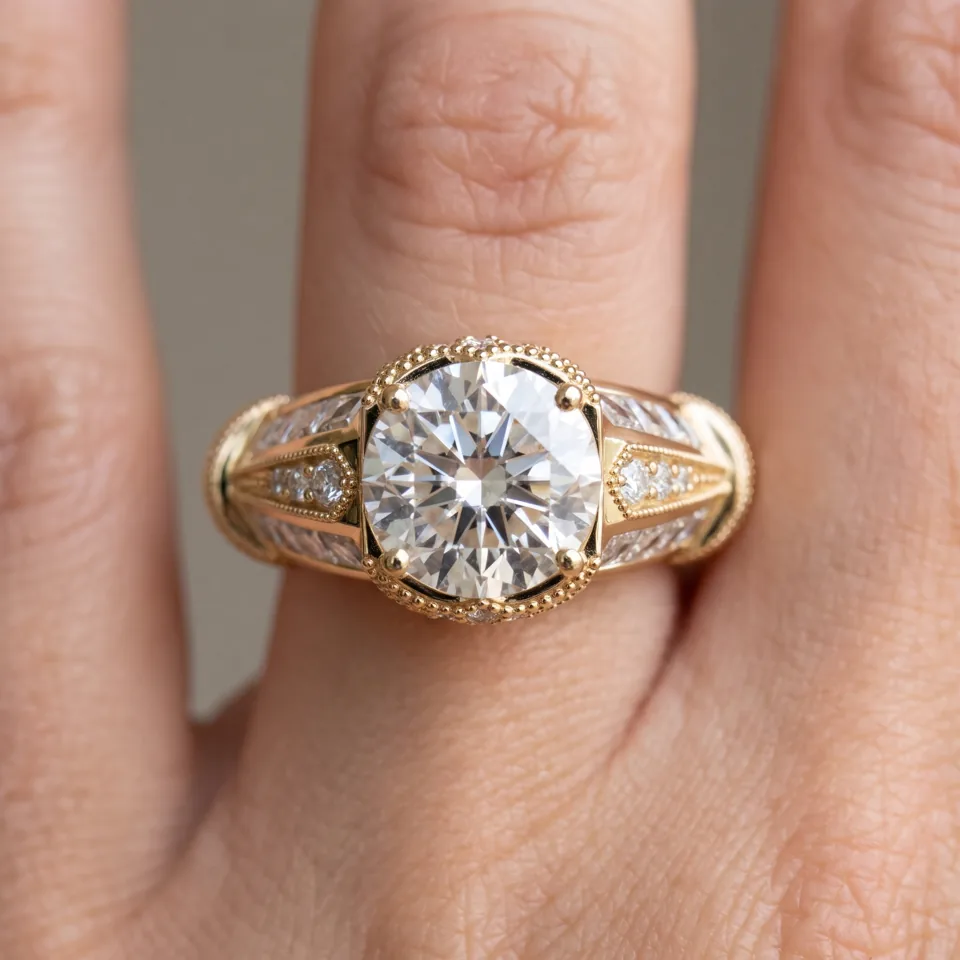 Vintage Engagement Rings
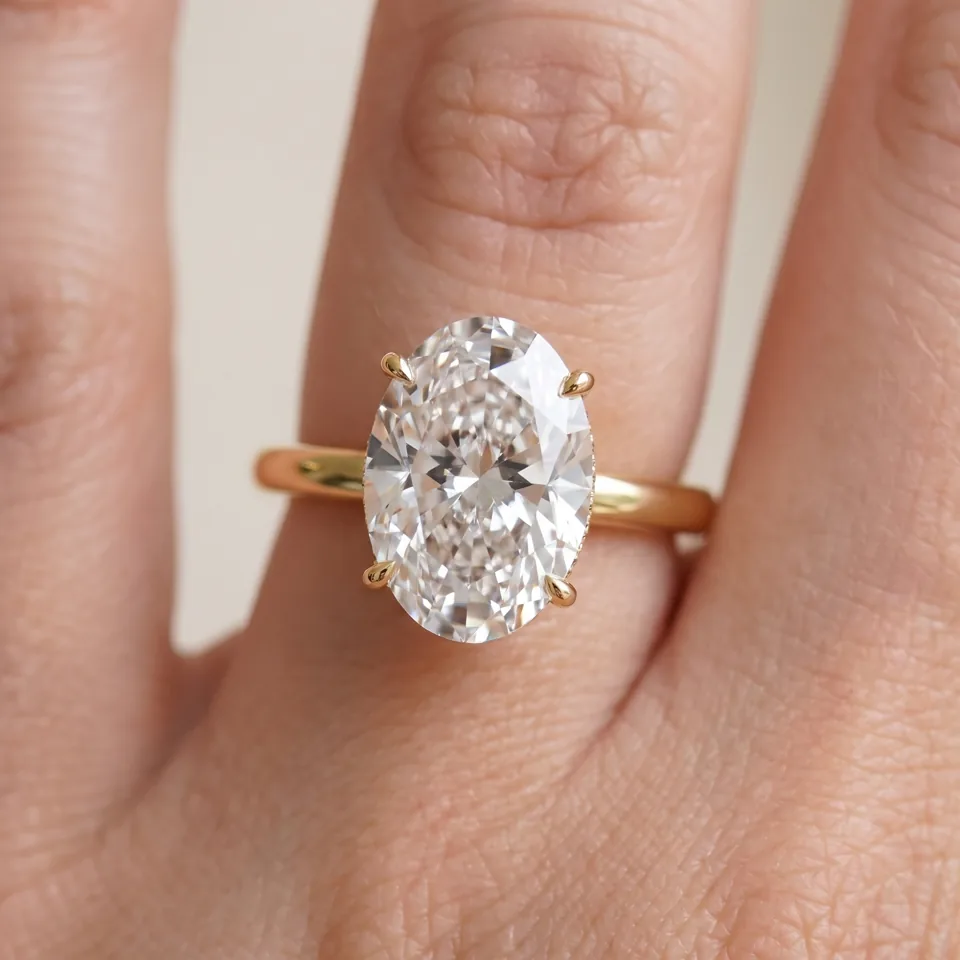 Solitaire Engagement Rings
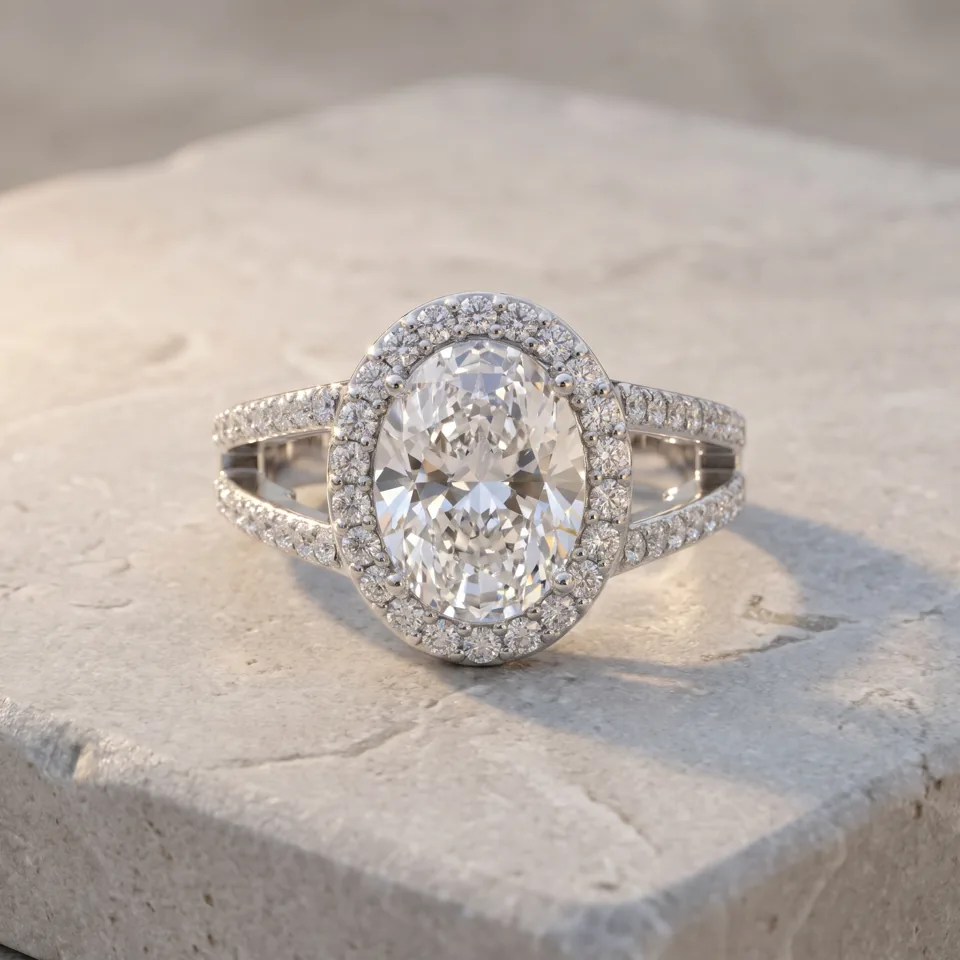 Halo Engagement Rings
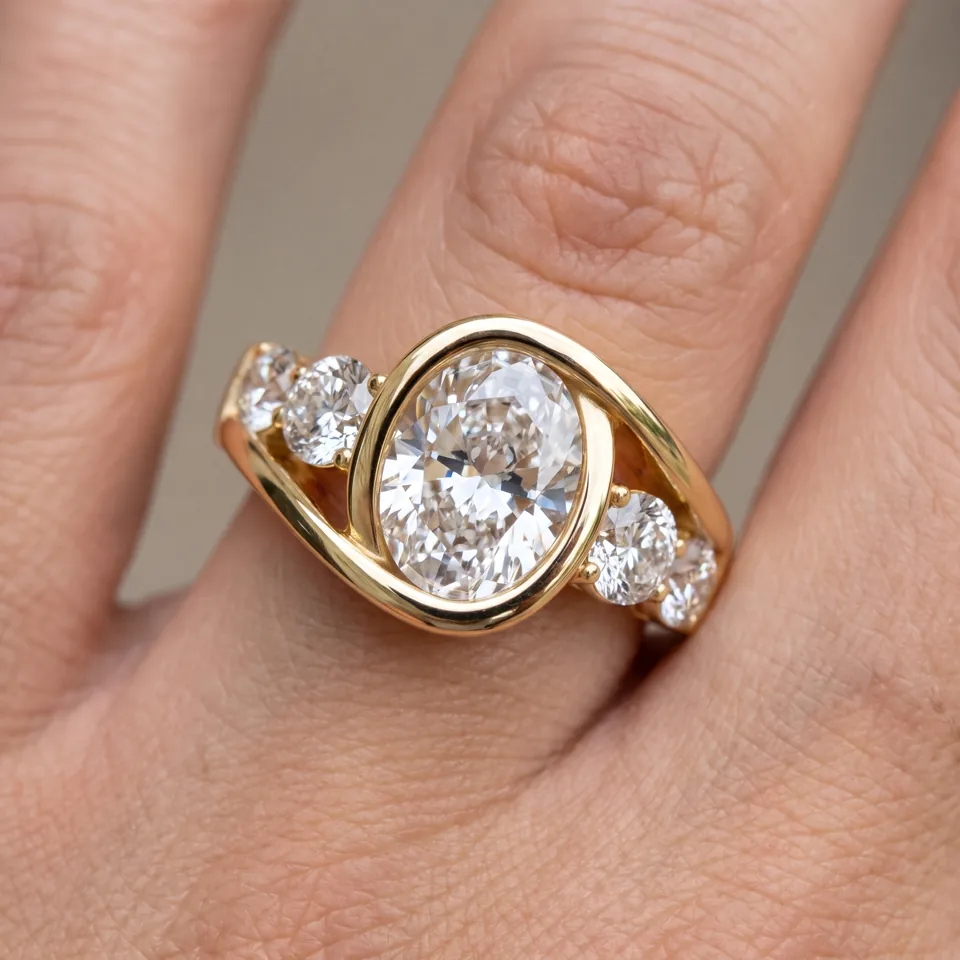 Bezel Engagement Rings
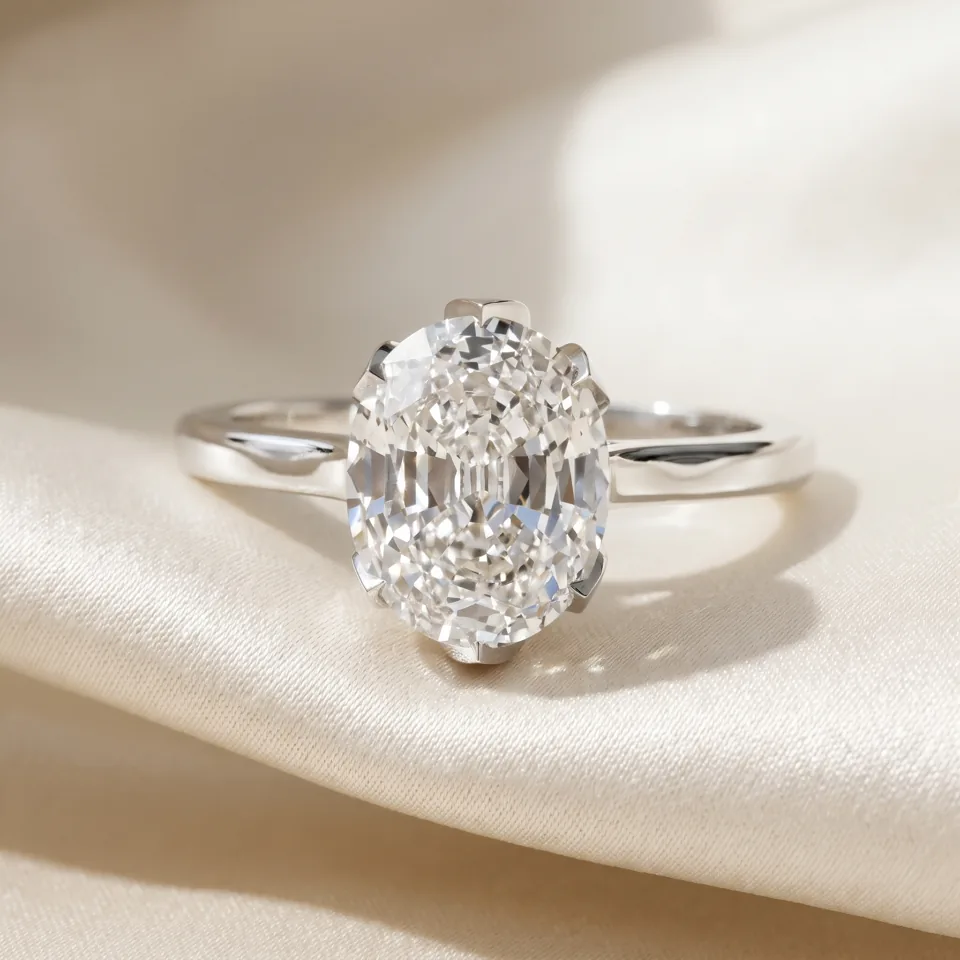 Floral Engagement Rings
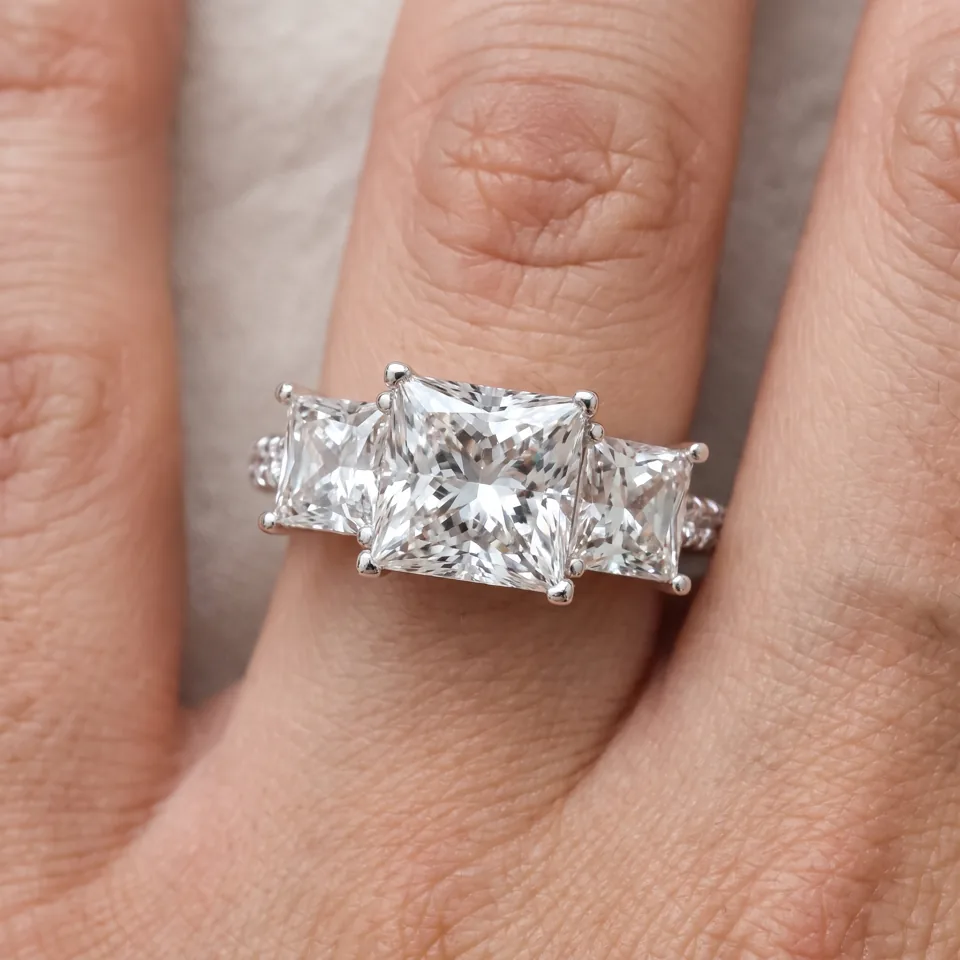 Three Stone Engagement Rings
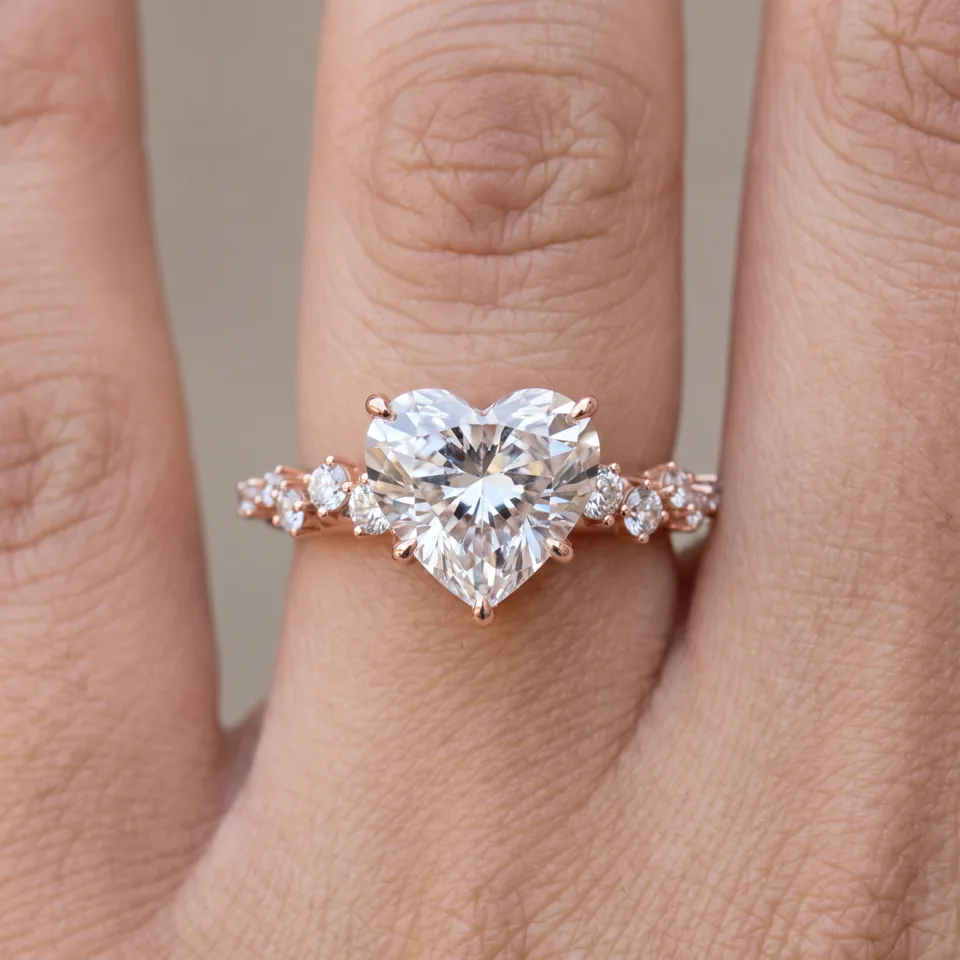 Cluster Side Stone Engagement Rings
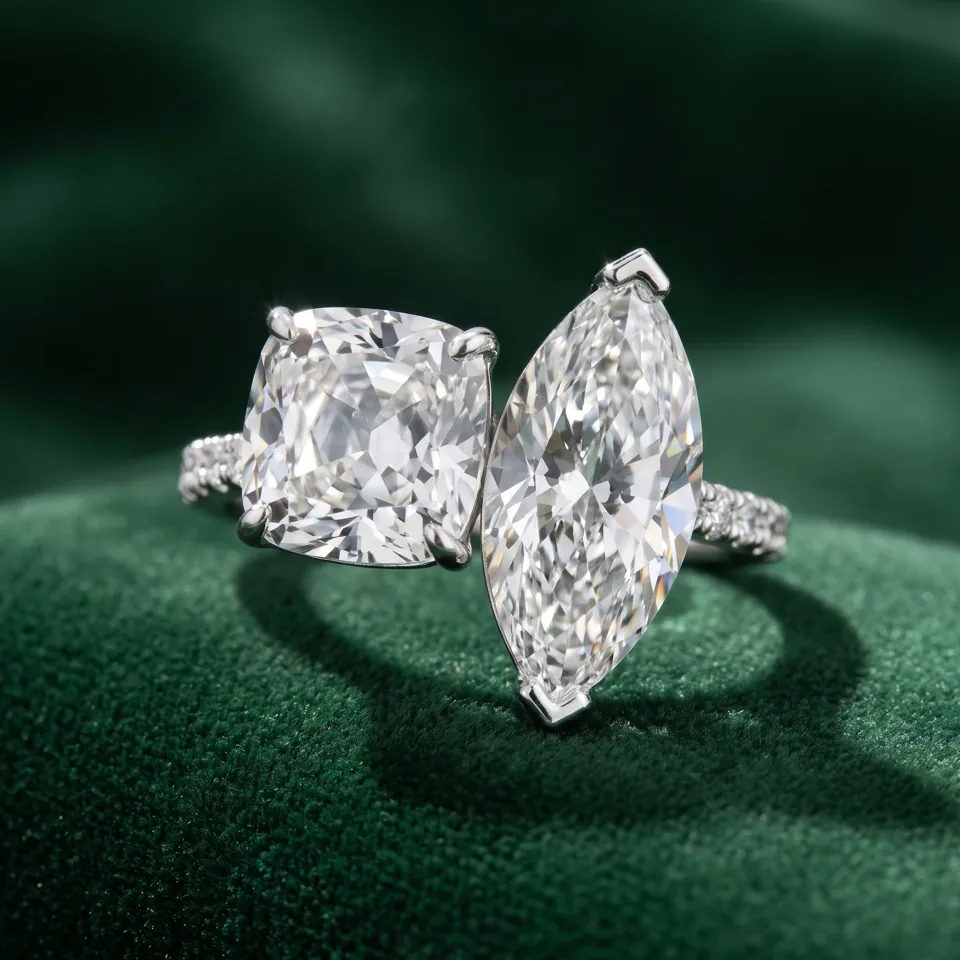 Toi et Moi Two Stone Engagement Rings
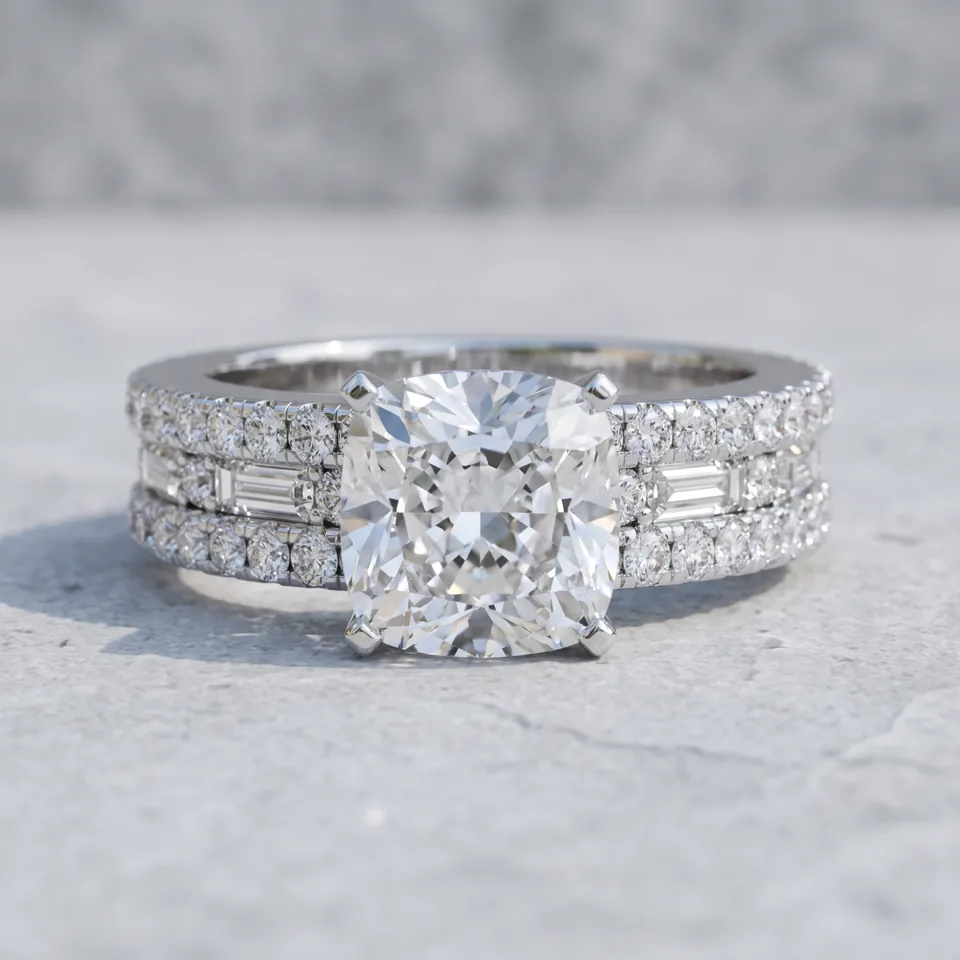 Engagement Rings with Baguette Side Stones
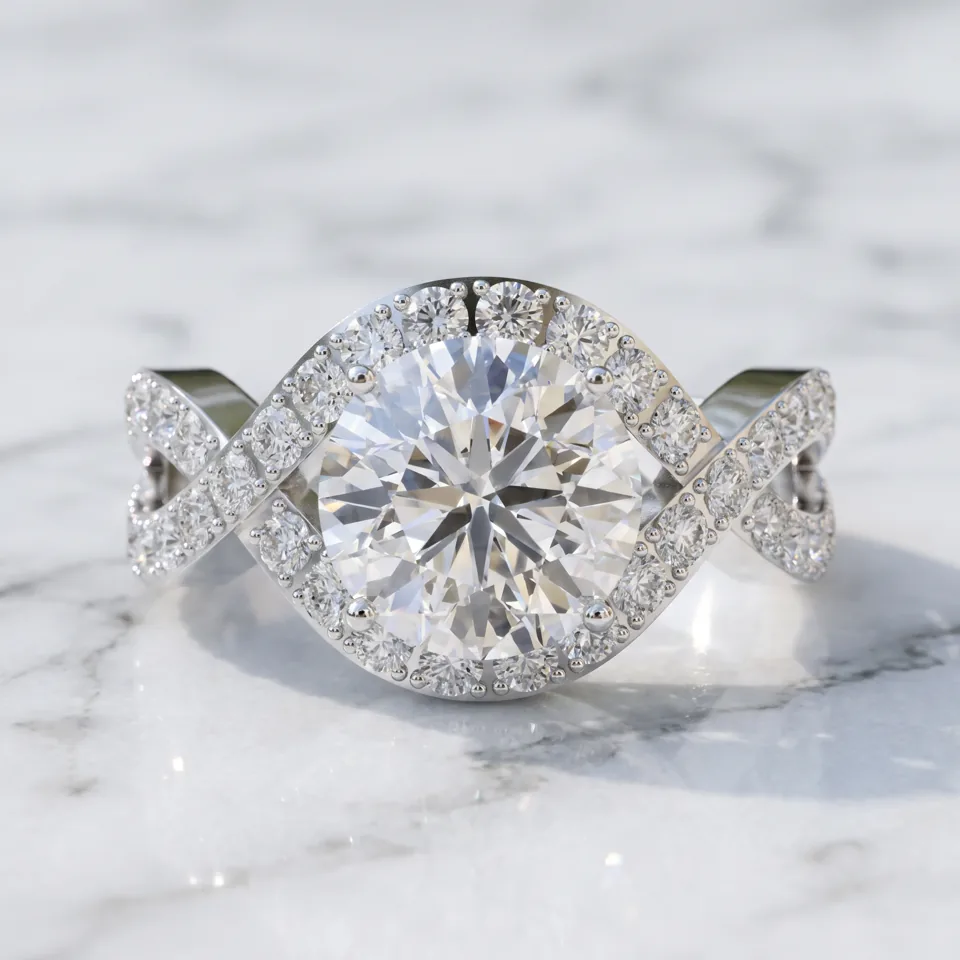 Infinity Rings
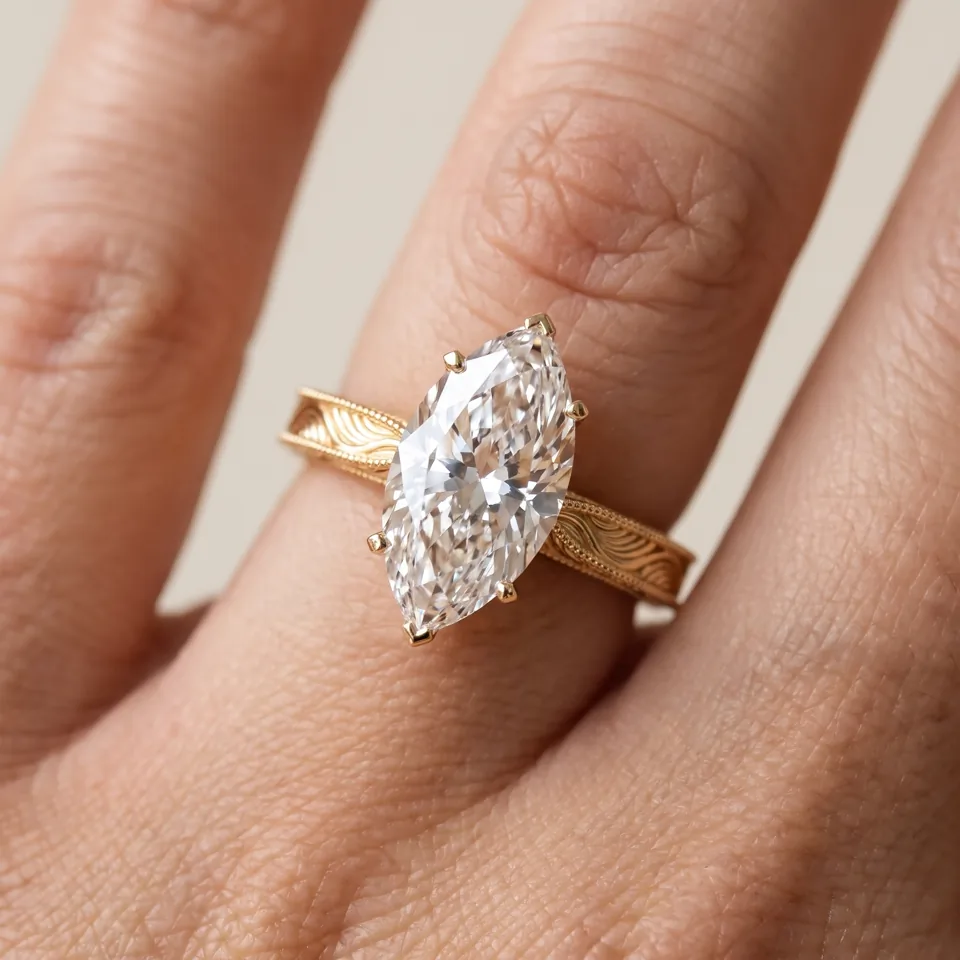 Engraved Rings
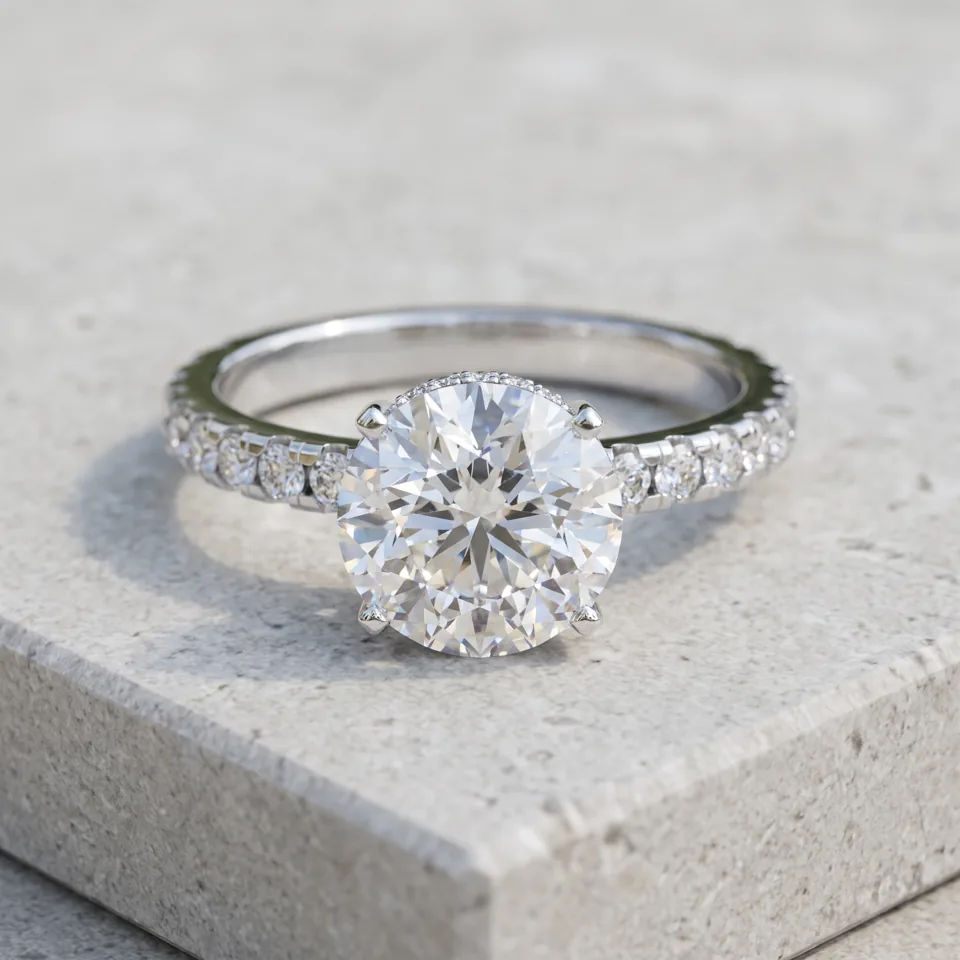 Pave Engagement Rings
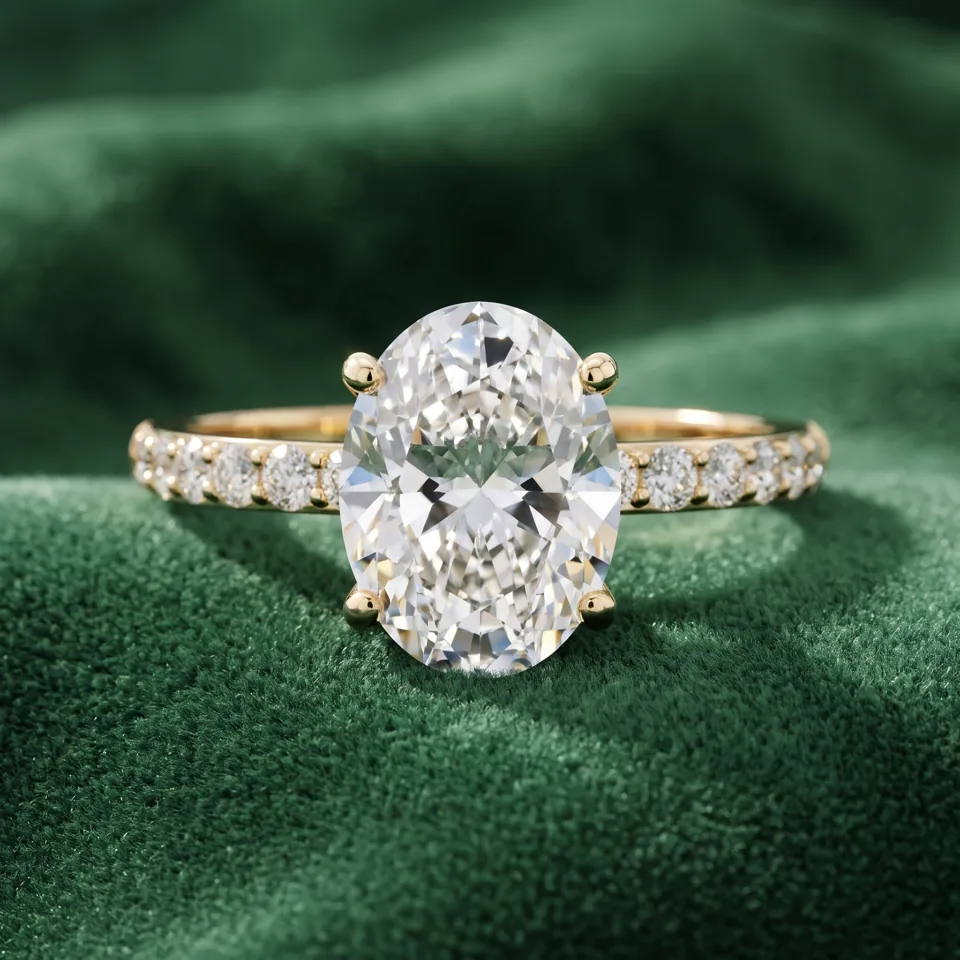 Gold Rings
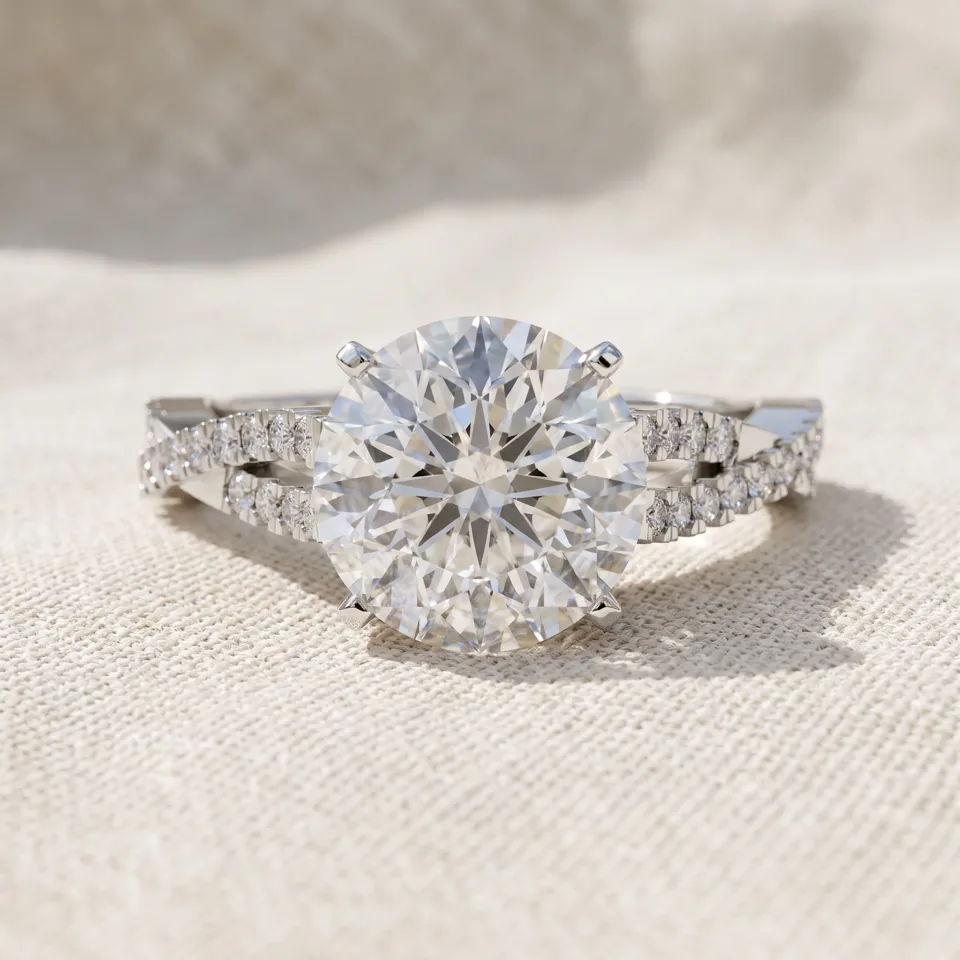 Sterling Silver Engagement Rings
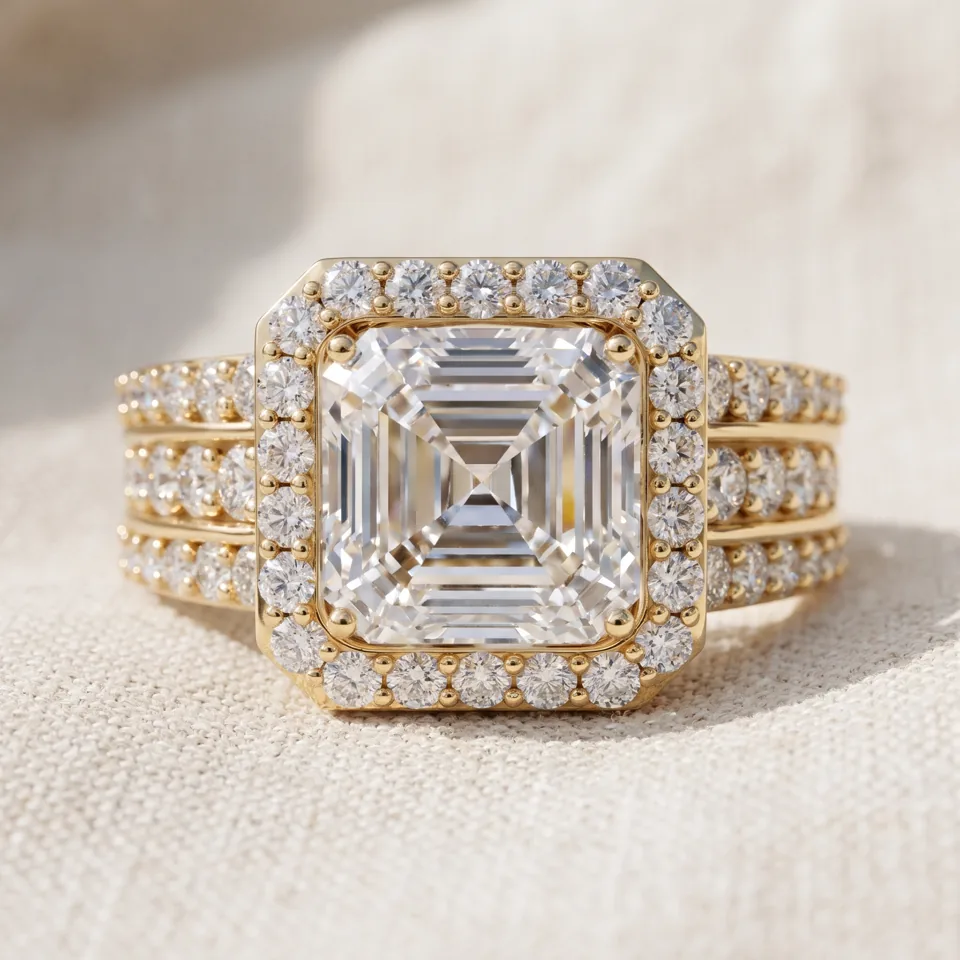 2 Carat Lab-Grown Diamond Rings
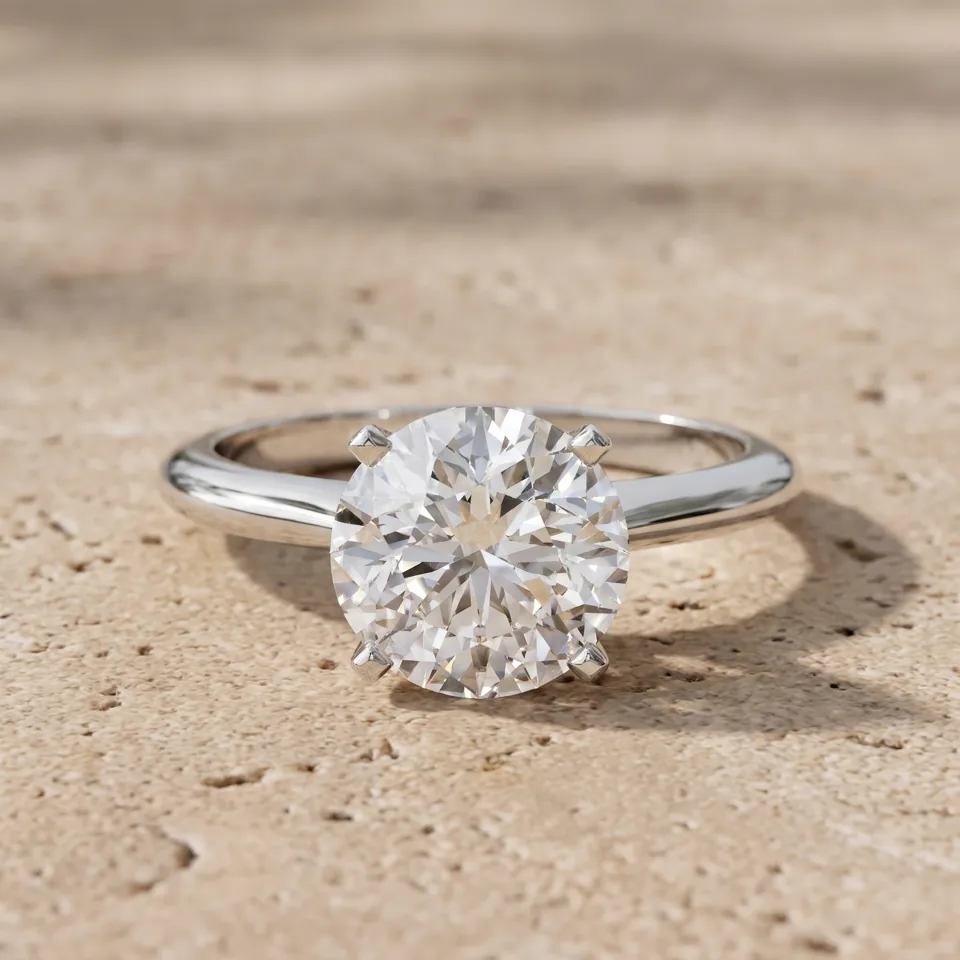 White Gold Diamond Engagement Rings
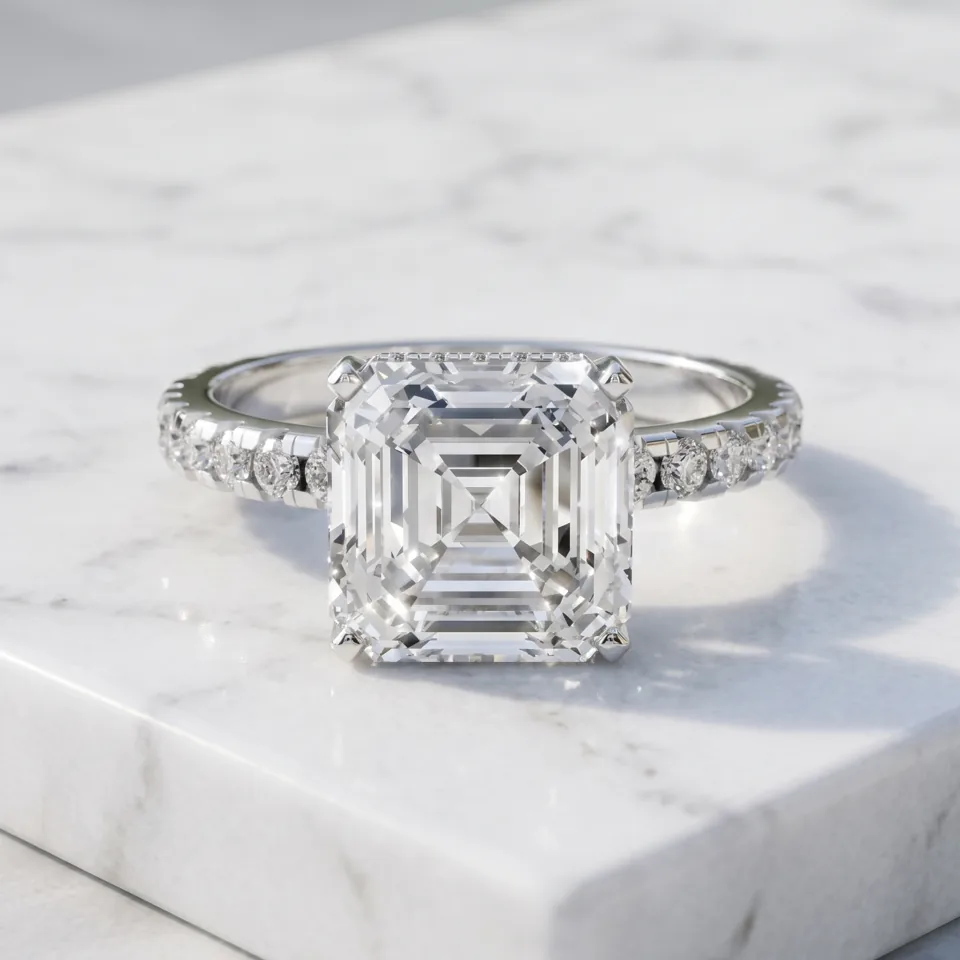 3 Carat Lab-Grown Diamond Rings
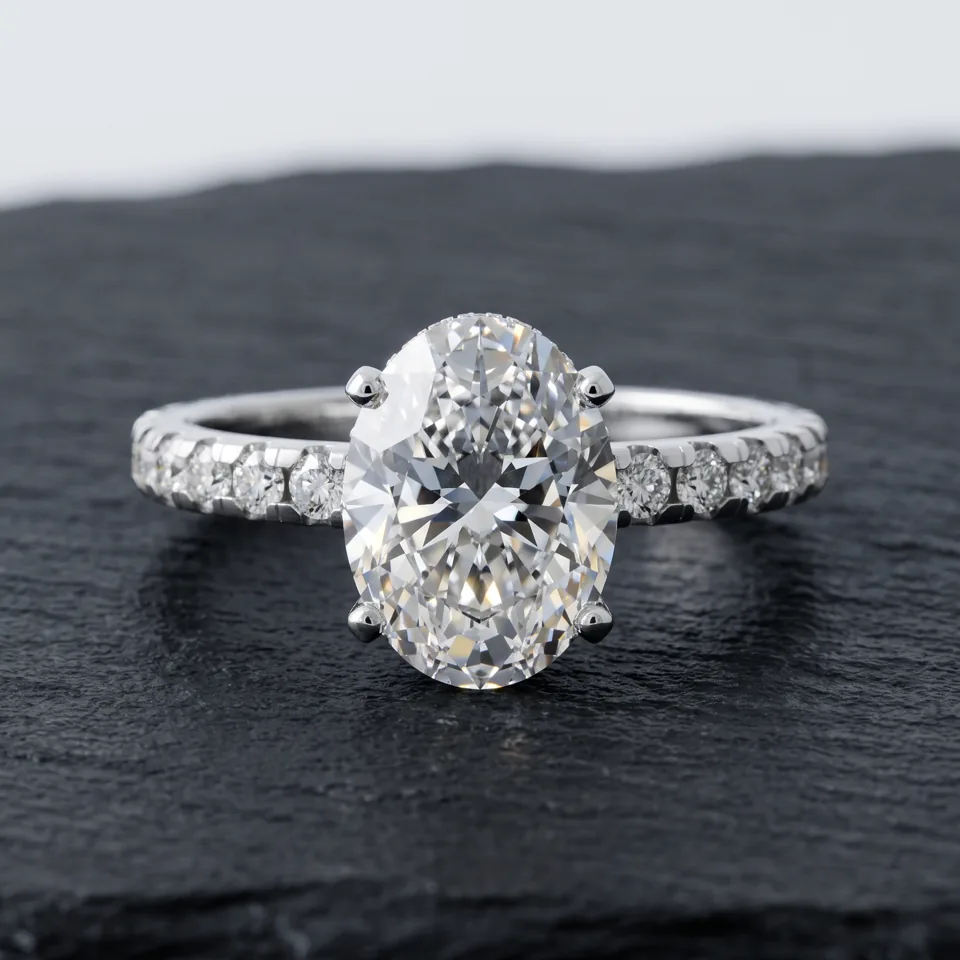 Platinum Engagement Rings
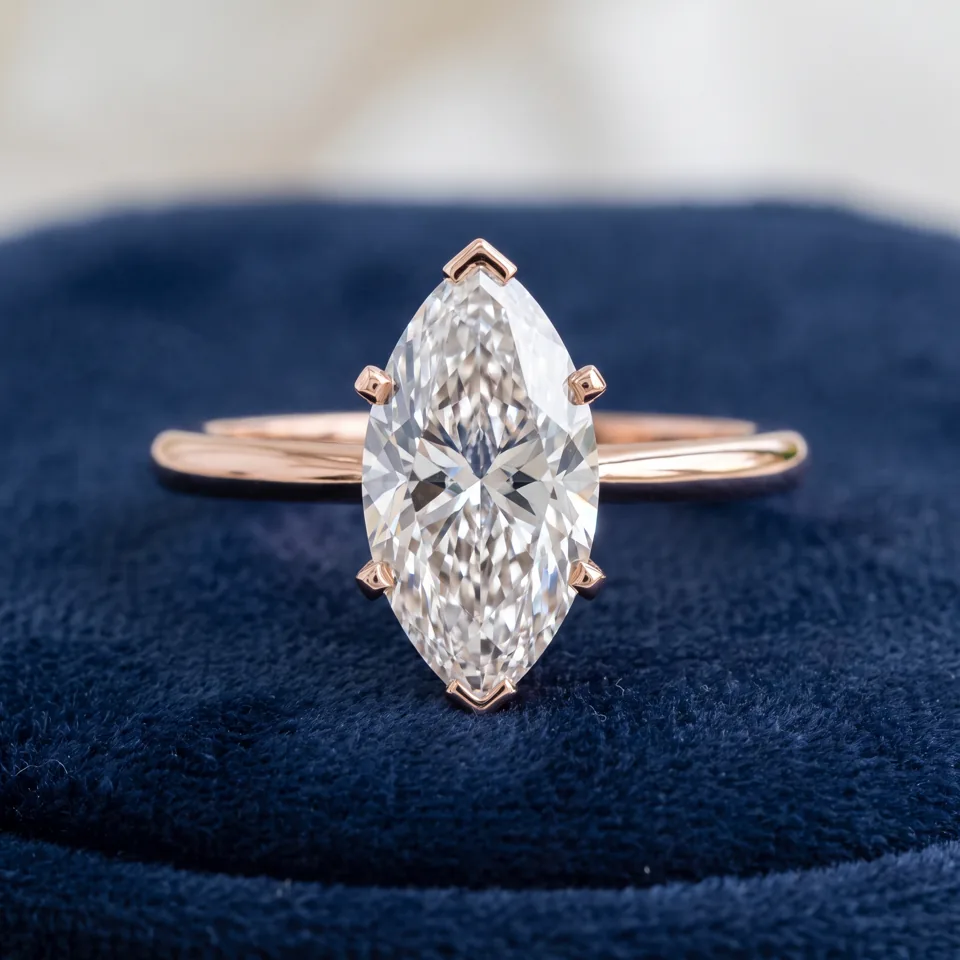 Rose Gold Engagement Rings
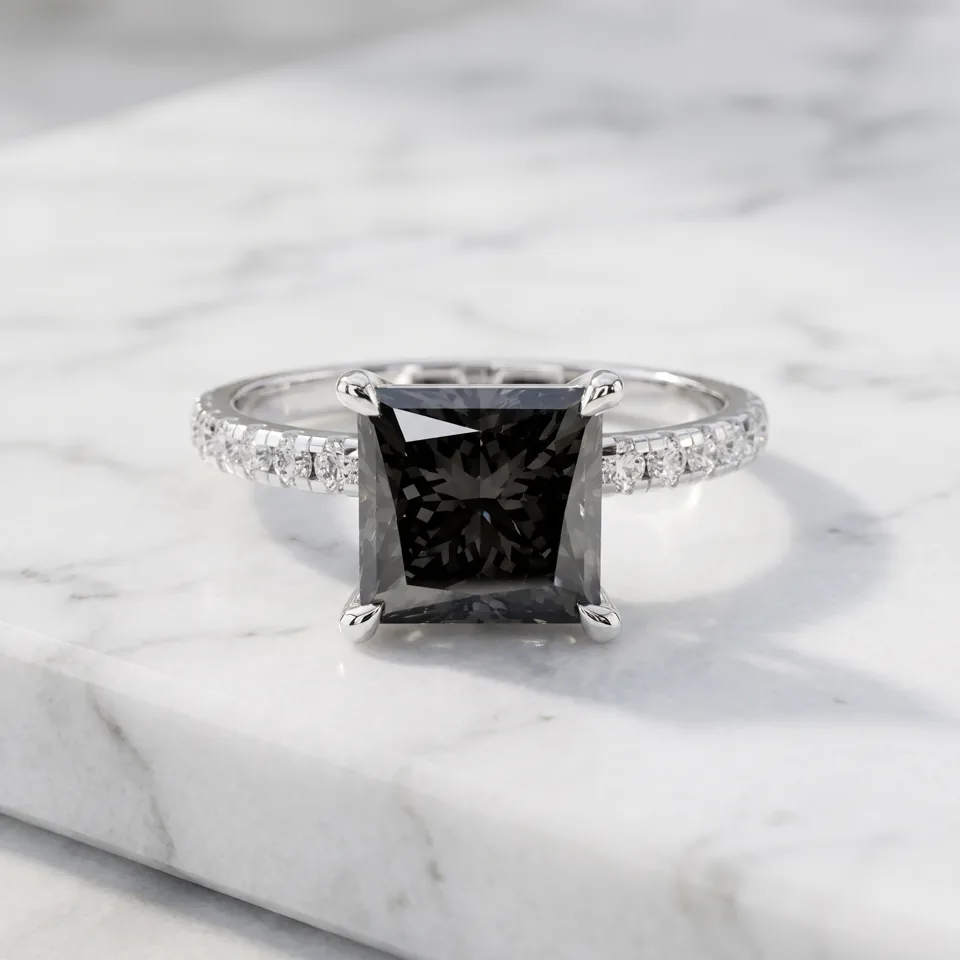 Black Diamond Engagement Rings
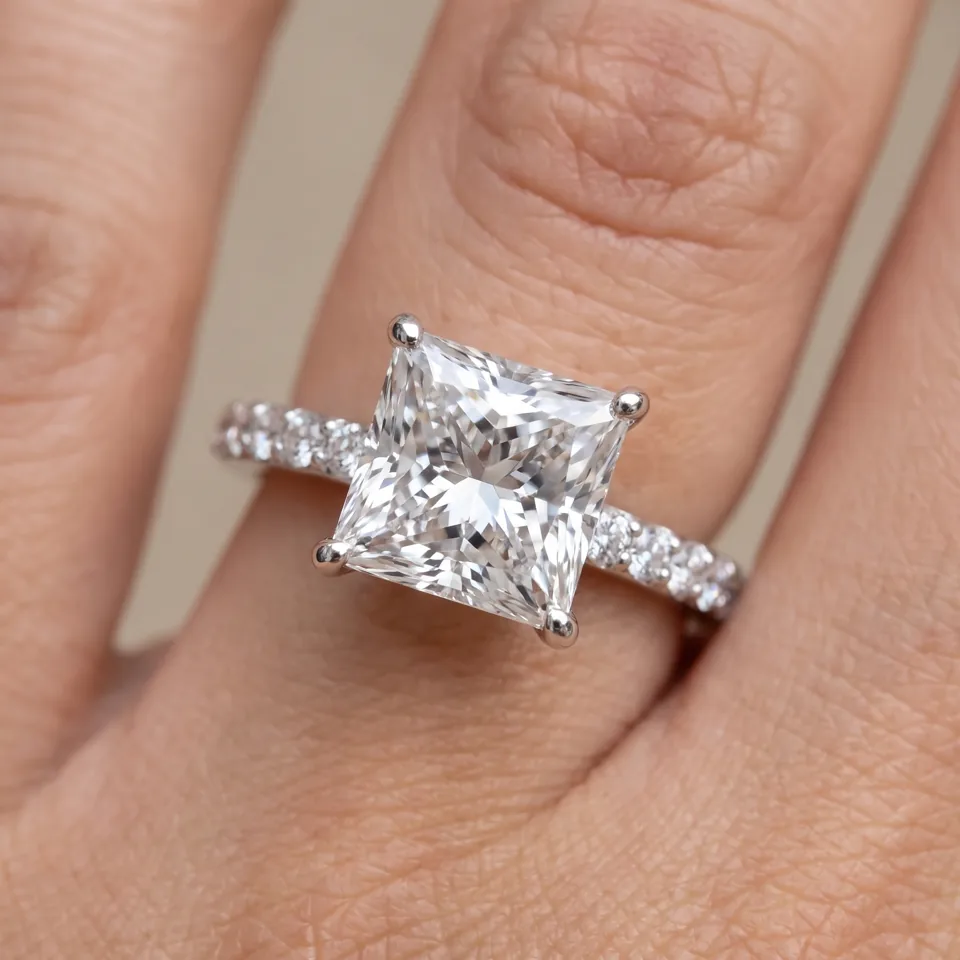 5 Carat Lab-Grown Diamond Rings
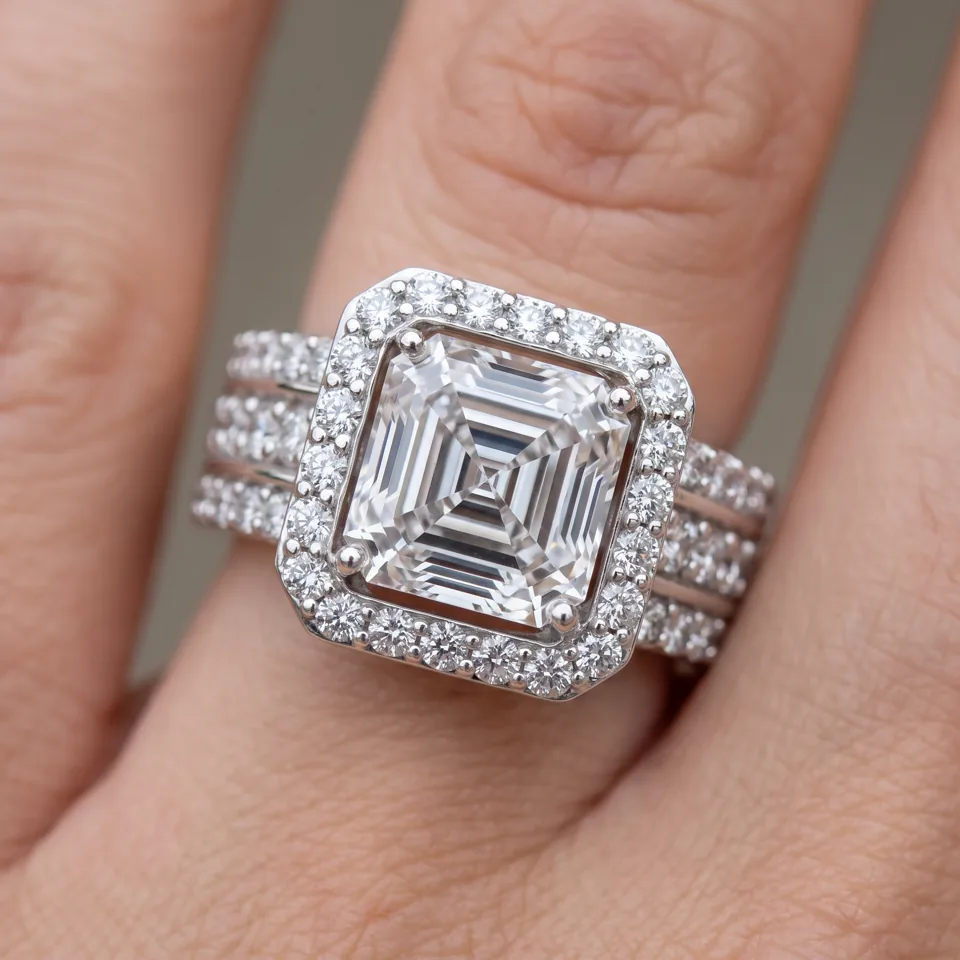 4 Carat Lab-Grown Diamond Rings
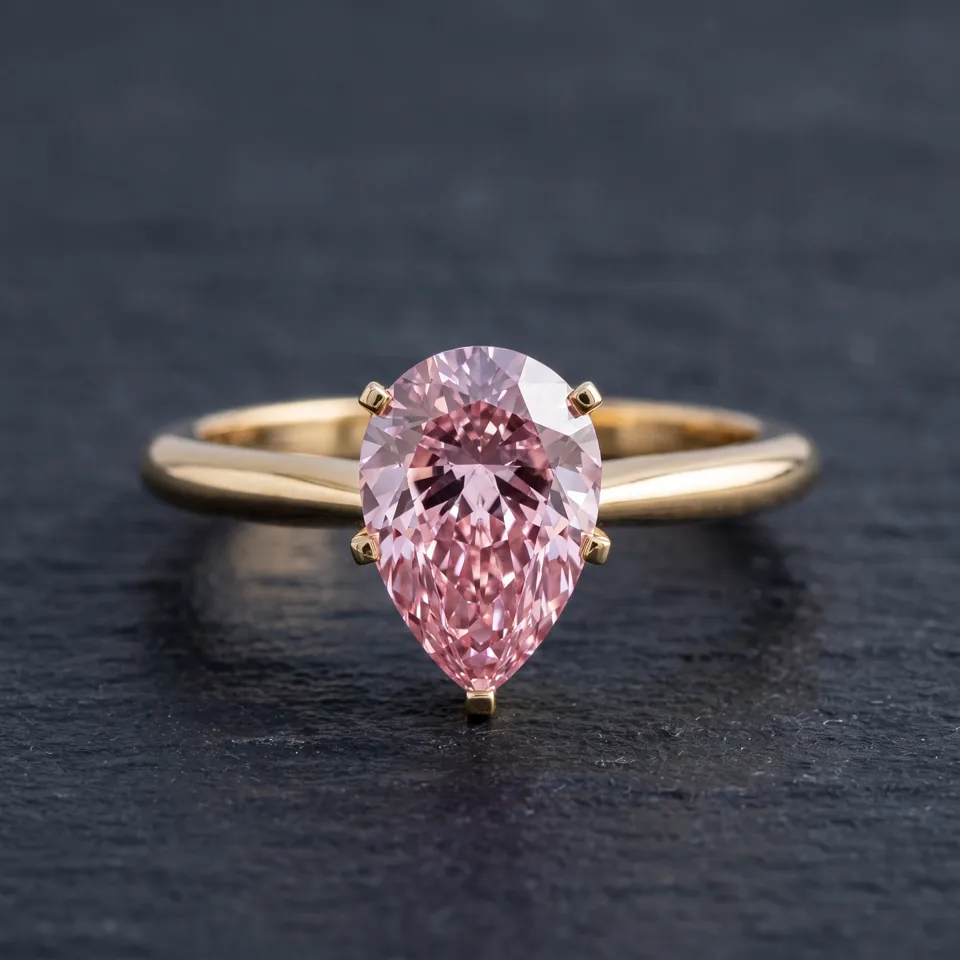 Pink Diamond Rings
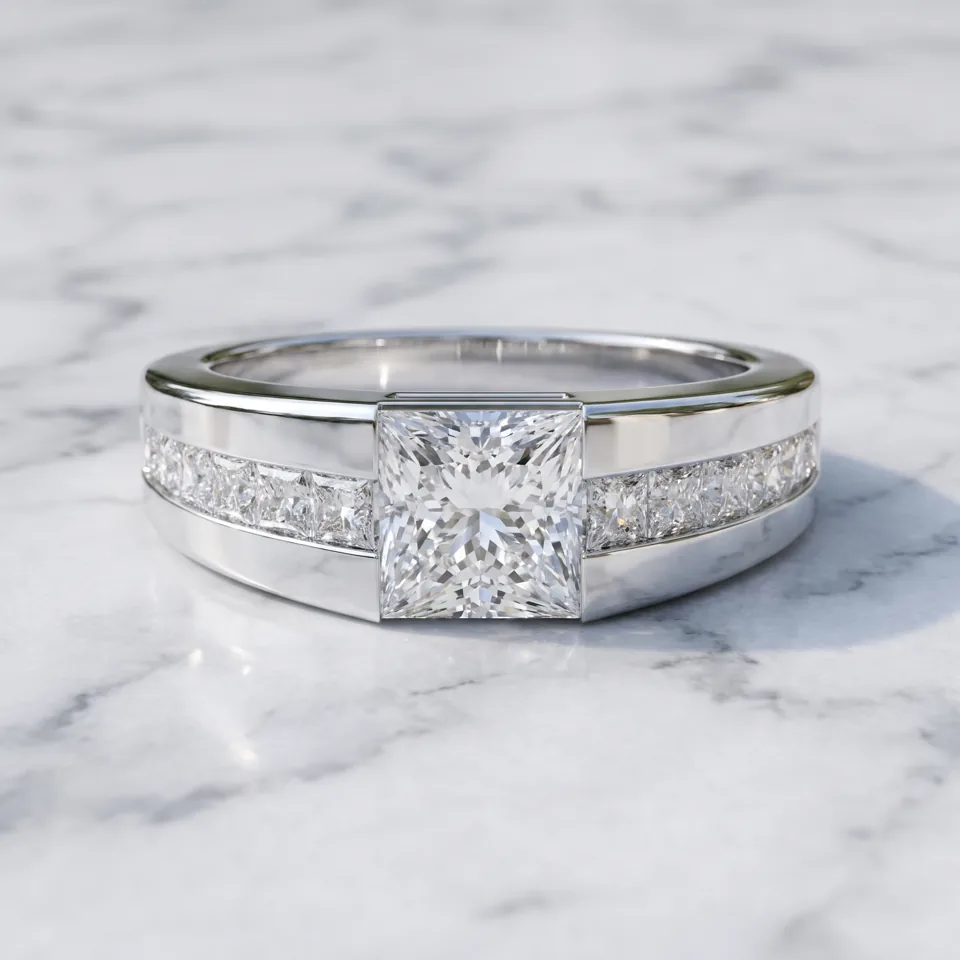 Men's Engagement Rings
With a solitaire, the eye goes straight to the center, and pairing it with a wedding band later is easy. Our guide to engagement ring vs wedding ring explains how the two are worn together. Here are five ways to stack a band with a solitaire. Pavé settings, the largest group, set a row of tiny laboratory-grown diamond accents along the band. A halo frames the center in a ring of lab-grown diamond accents to add apparent size, while a hidden halo tucks small stones beneath the center and peeks out in profile. For more than one focal point, look at toi et moi pairs and three stone rings.
Round shows the most brilliance and reads as the classic choice. Elongated shapes, namely oval, pear and marquise, slim the finger and face up bigger than a round at equal carat weight. Emerald and Asscher cuts have long step facets with a calm, mirror-like flash. Cushion, radiant and princess sit between the two, with softer or sharper corners. Most settings will also take a center in a fancy color: yellow, blue, pink and green are widely offered, black on fewer designs.
Nearly every design can be made in platinum or in any of three gold colors at 10K, 14K or 18K, and Silvadium, a tarnish-resistant sterling silver, suits a second ring. Platinum is dense and holds prongs securely, which suits active hands. 14K gold balances hardness and color for daily wear. Silver costs least but scratches more easily, so it works well for travel or a tighter budget.
Most bands here measure between about 1.8 and 2.5 mm. Thin shanks make the center seem larger and leave room for a stacked wedding band. A wider band feels sturdier and holds up better over decades. Split shank and twisted designs spread the metal out for a bolder look without a wide flat shank.
We build your setting to order over 10–15 days, and the center diamond you choose arrives with an IGI or GIA report. Before you compare stones, see what each line of a diamond certificate means. Free insured shipping runs both ways, returns stay open for 30 days, and your first resize within 60 days of delivery is on us. Our ring size guide shows how to measure, even for a surprise.
The round solitaire is the style that has stayed in fashion the longest. A single center stone on a slim, simple band suits any hand, any center size and any wedding band you add later. Solitaires are one of the largest groups of Whitemoon settings, and you can choose one with a pavé band if you want a little more sparkle without changing the classic outline.
Round is still the most chosen cut, followed closely by oval, which has grown fast since it faces up bigger per carat and makes the finger look slimmer. Elongated shapes such as pear, radiant and emerald are also in demand. Most Whitemoon settings accept all of these, so you can compare shapes on the same design before you decide.
There's no single right weight, but 1 to 2 carats is a common range for a center today. Look at the size of the hand, the setting style and the budget together. Halos and pavé bands make a smaller center look fuller. Because Whitemoon settings are sold without the center, you pick its weight in the next step and see the total before you order.
It depends mostly on the center. Whitemoon settings start under $150, and most land between about $850 and $1,150 without a center. You add the center diamond in the next step, and its size, shape and grade set the final total. Lab-grown diamonds cost far less than mined diamonds of the same size, which leaves more room in the budget for the setting.
No. A


