Complimentary insured shipping, both waysEngagement ring diamonds certified by IGI or GIAGrown by light. Conflict-free by natureComplimentary insured shipping, both ways
Engagement RingsWedding BandsEarrings

NecklaceBraceletsAbout
These gold rings are engagement ring settings in yellow, white and rose gold, many lined with laboratory-grown diamond accents. You choose the center diamond in the next step. Our guide to affordable engagement rings shows what each karat costs.
Begin with the gold color, since it changes how the center looks, then pick a style and a center shape. Most settings accept ten center shapes, heart and Asscher included.
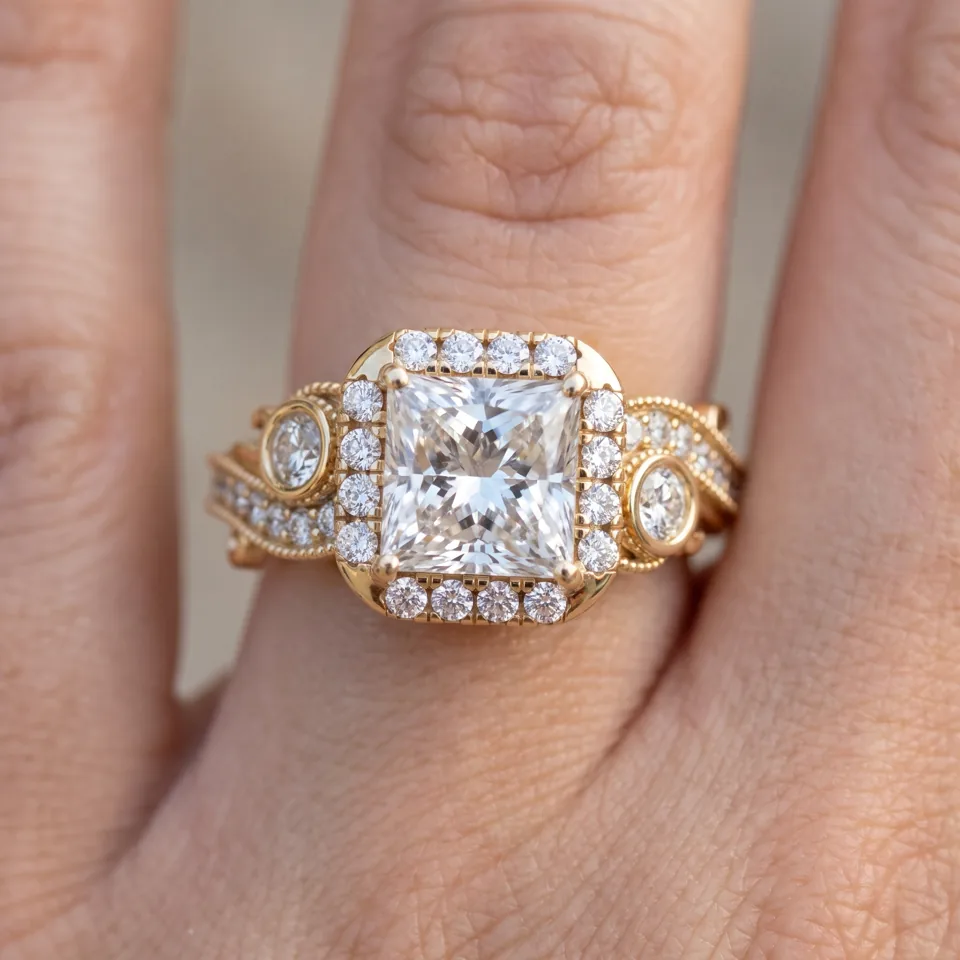 Vintage Gold Engagement Rings
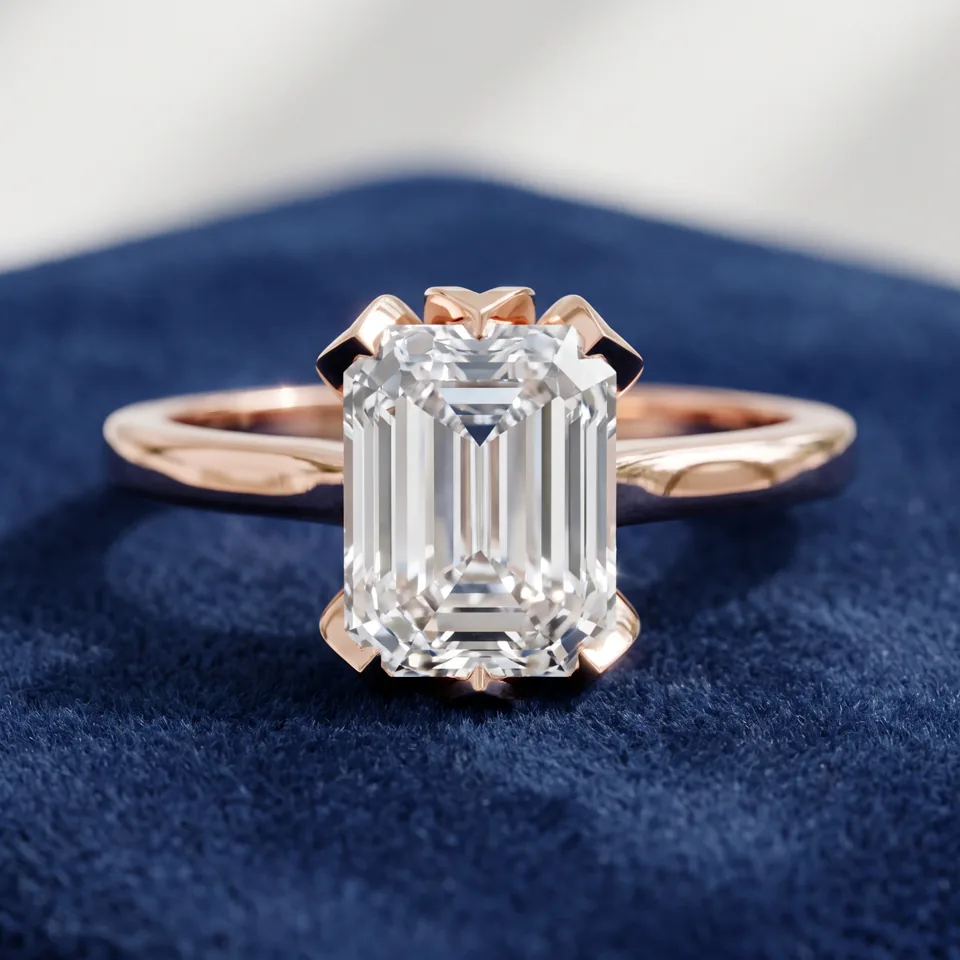 Floral Gold Rings
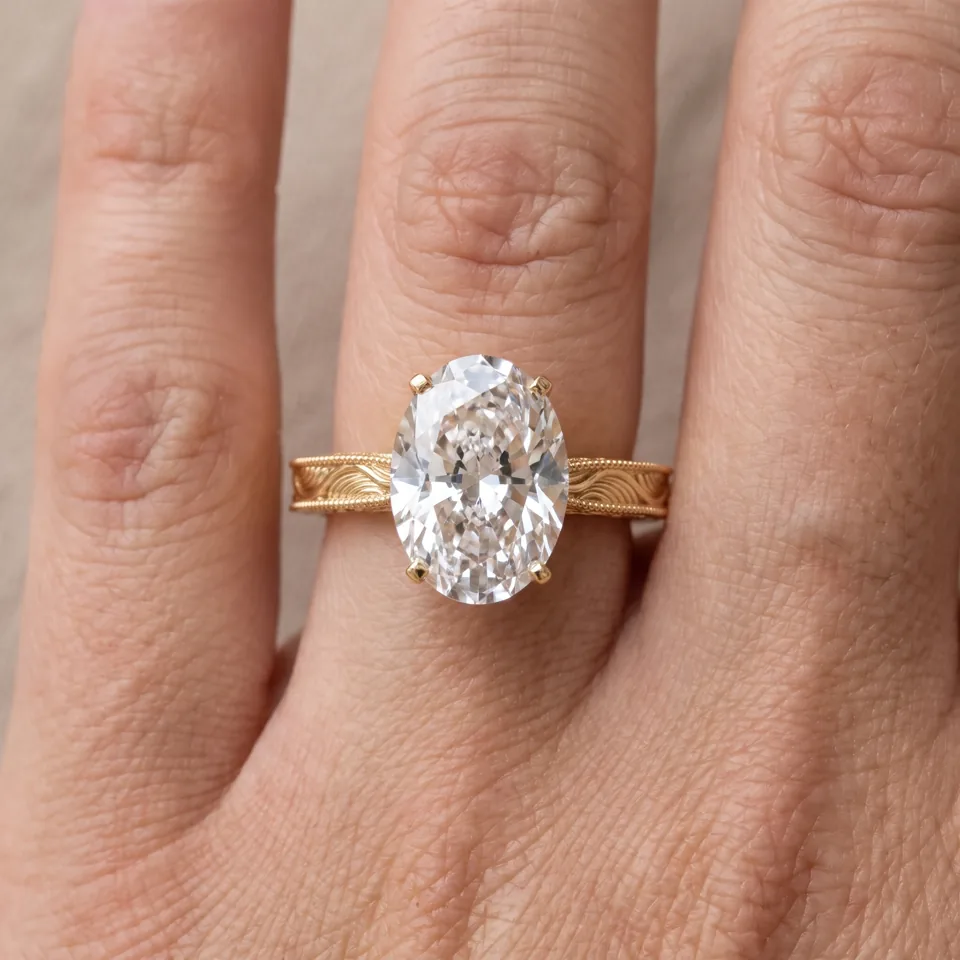 Engraved Gold Rings
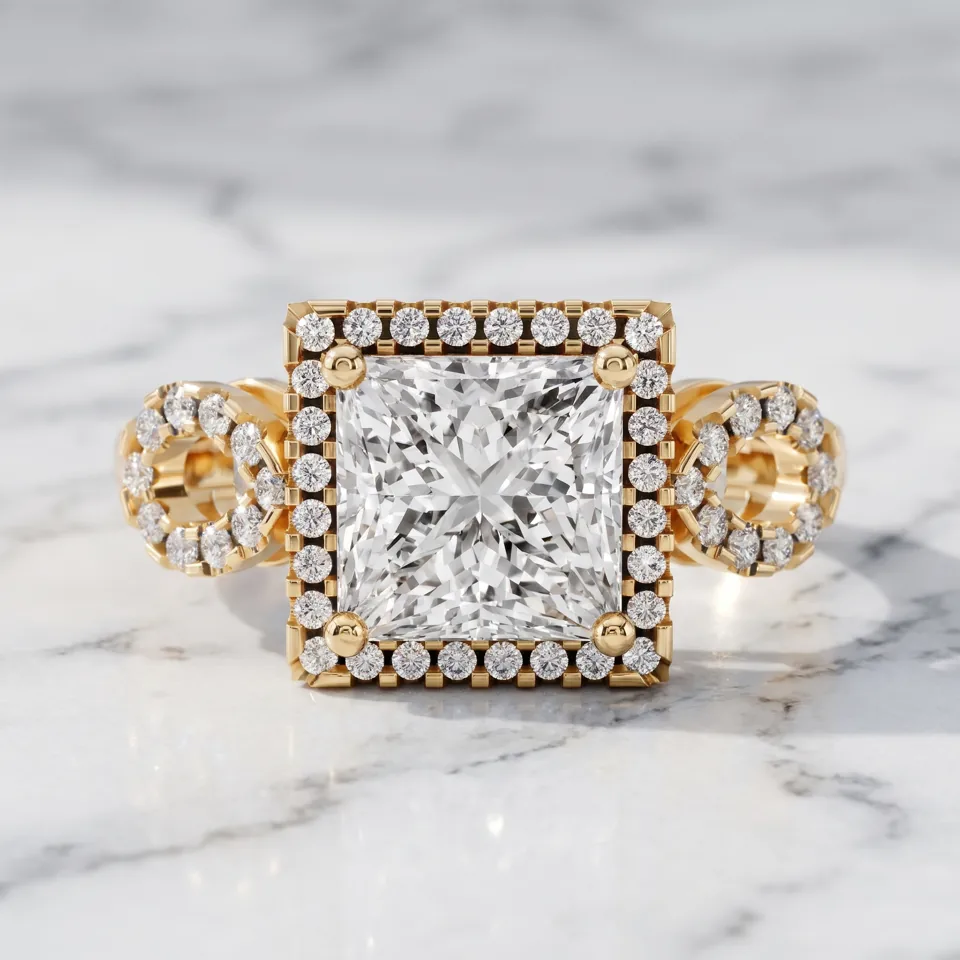 Gold Infinity Rings
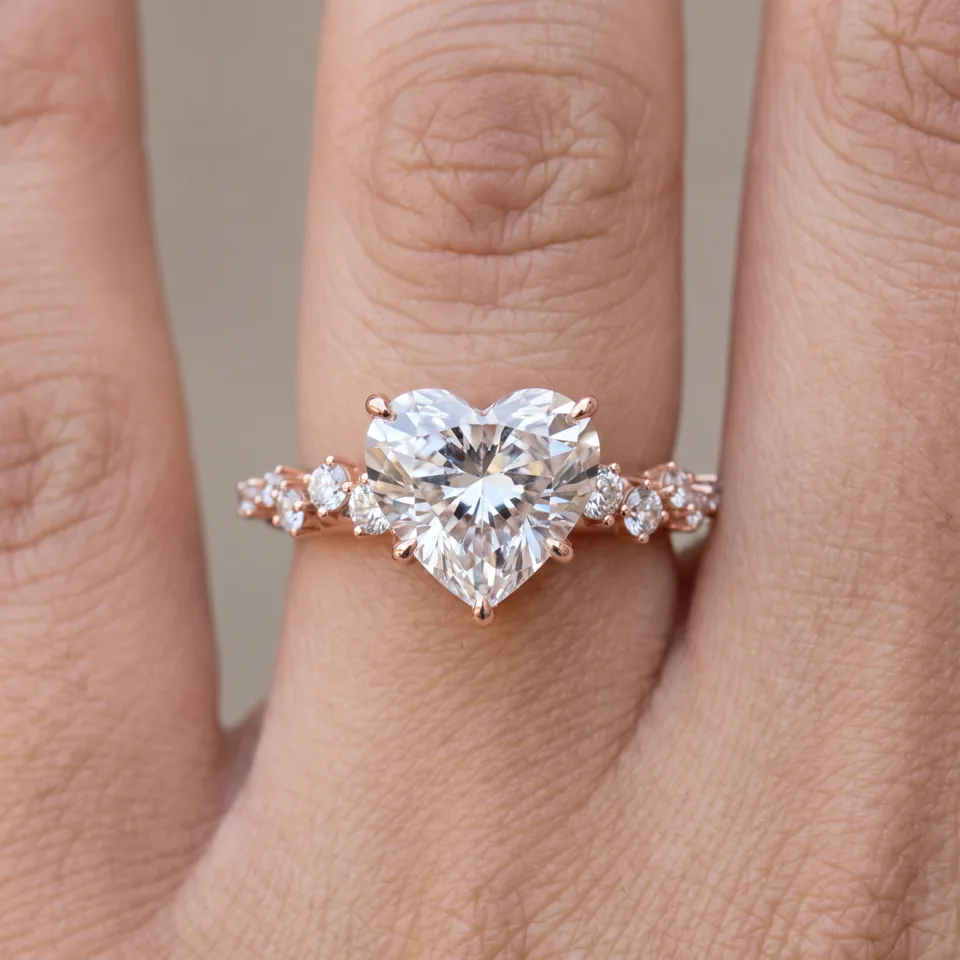 Gold Cluster Rings
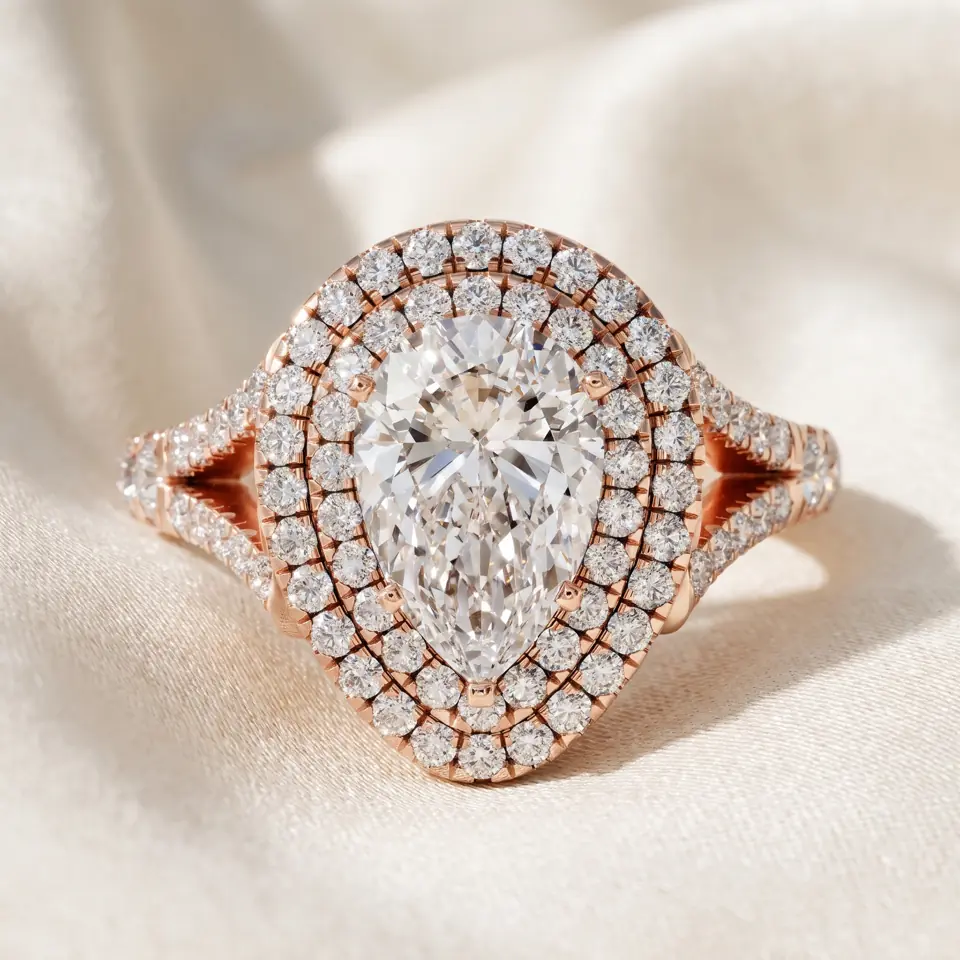 Gold Halo Engagement Rings
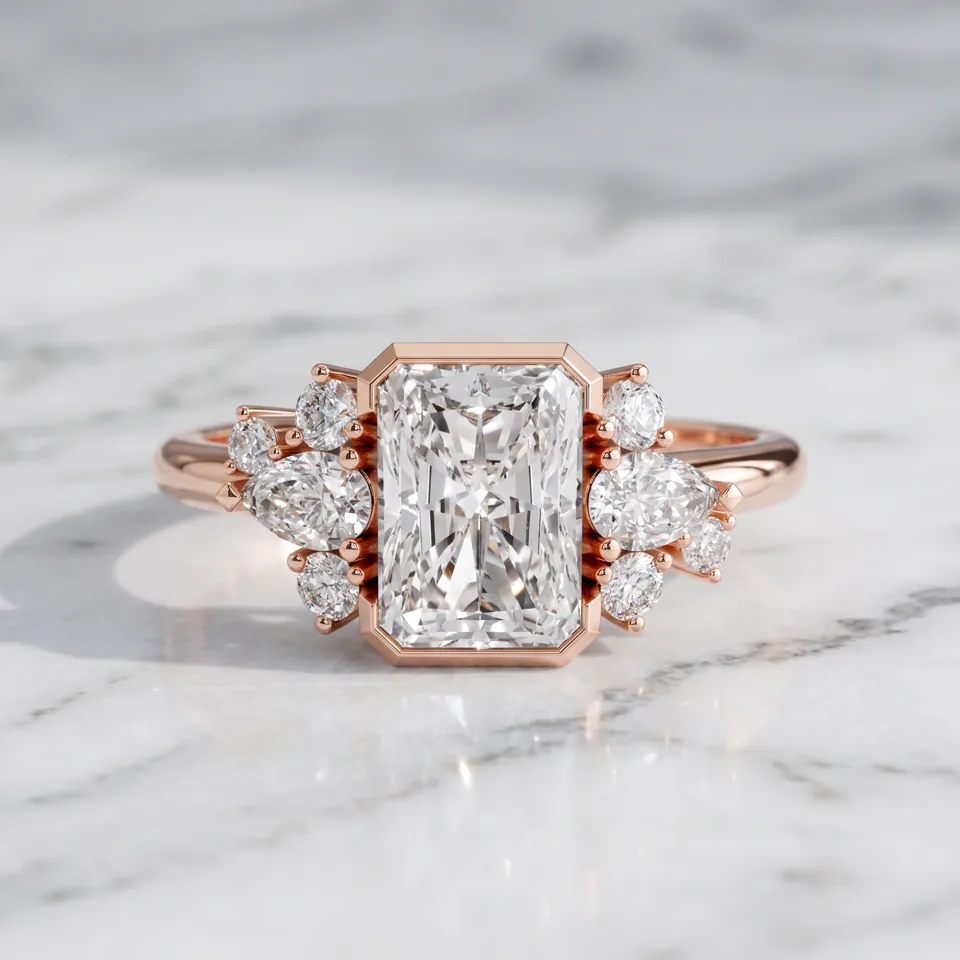 Gold Bezel Rings
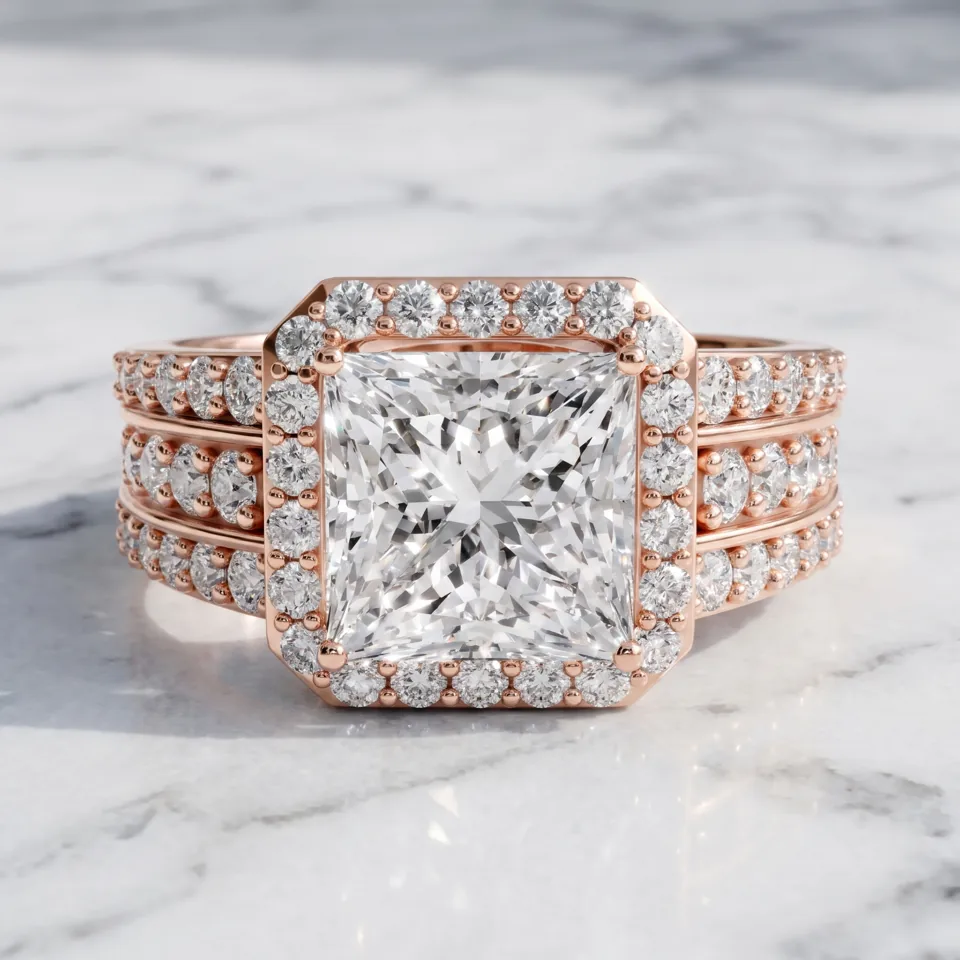 Gold Filigree Rings
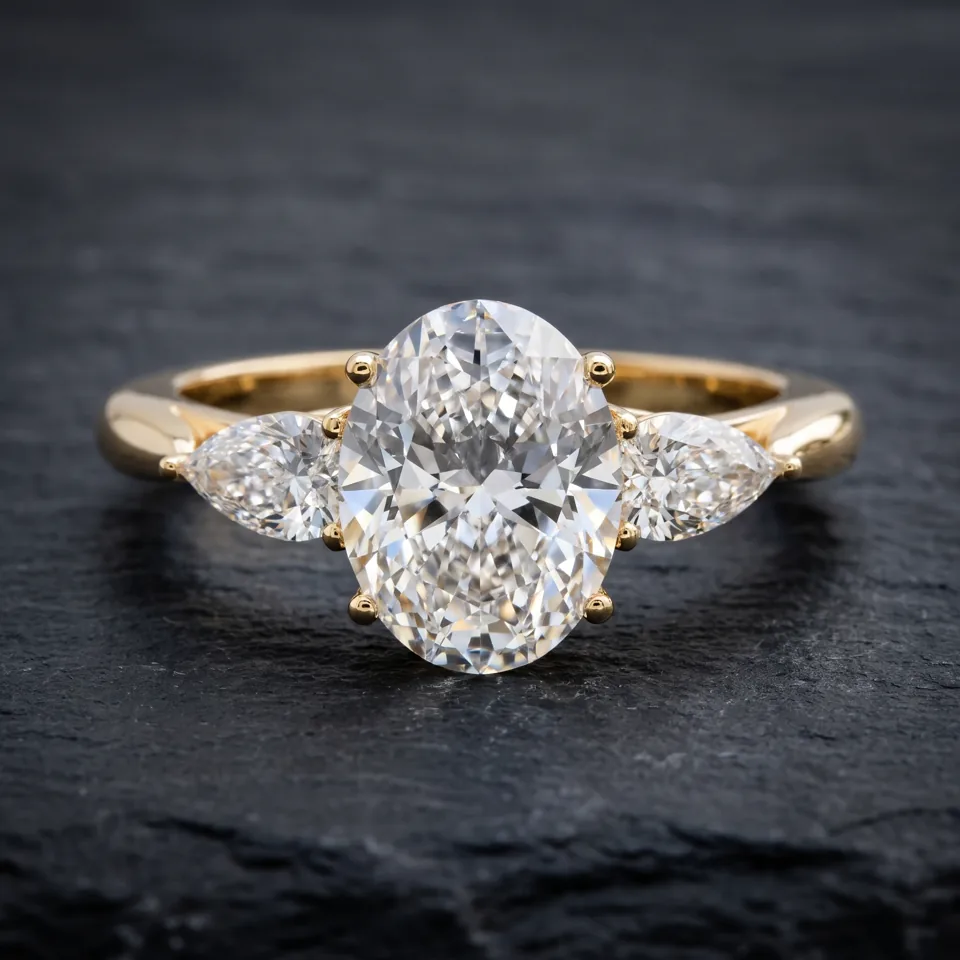 Gold Three Stone Engagement Rings
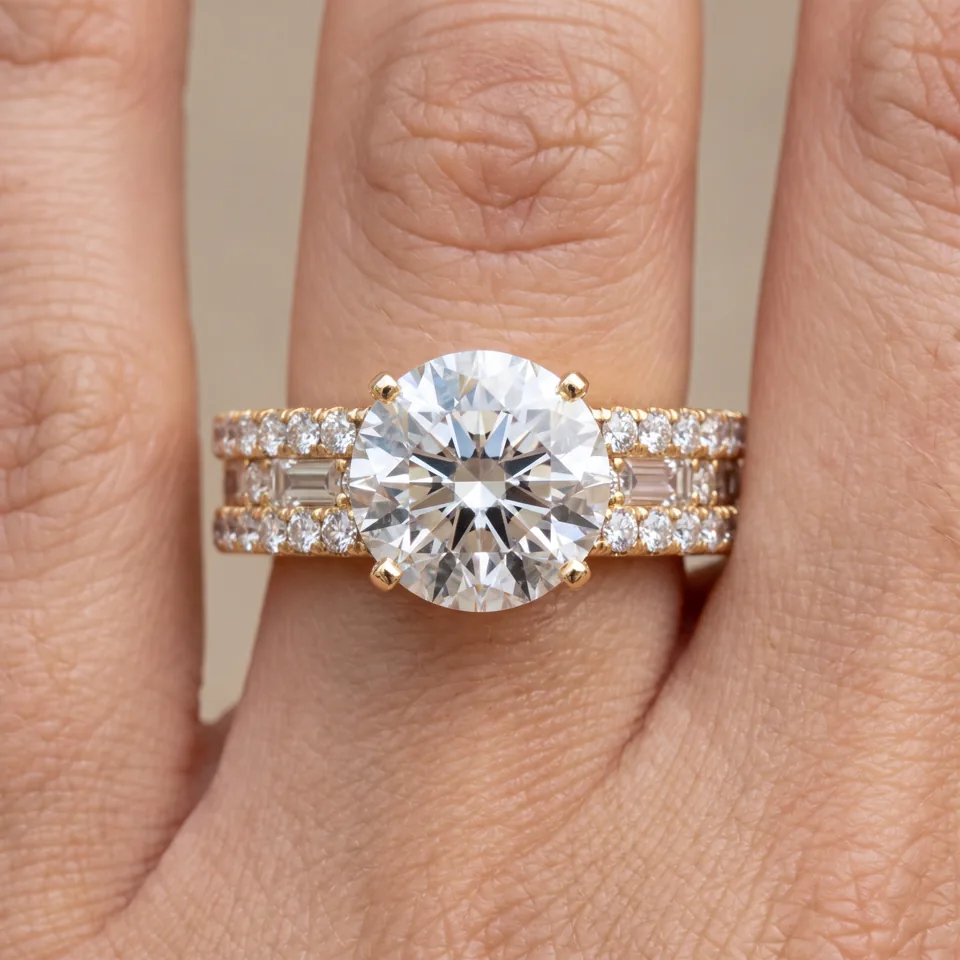 Gold Baguette Side Stone Rings
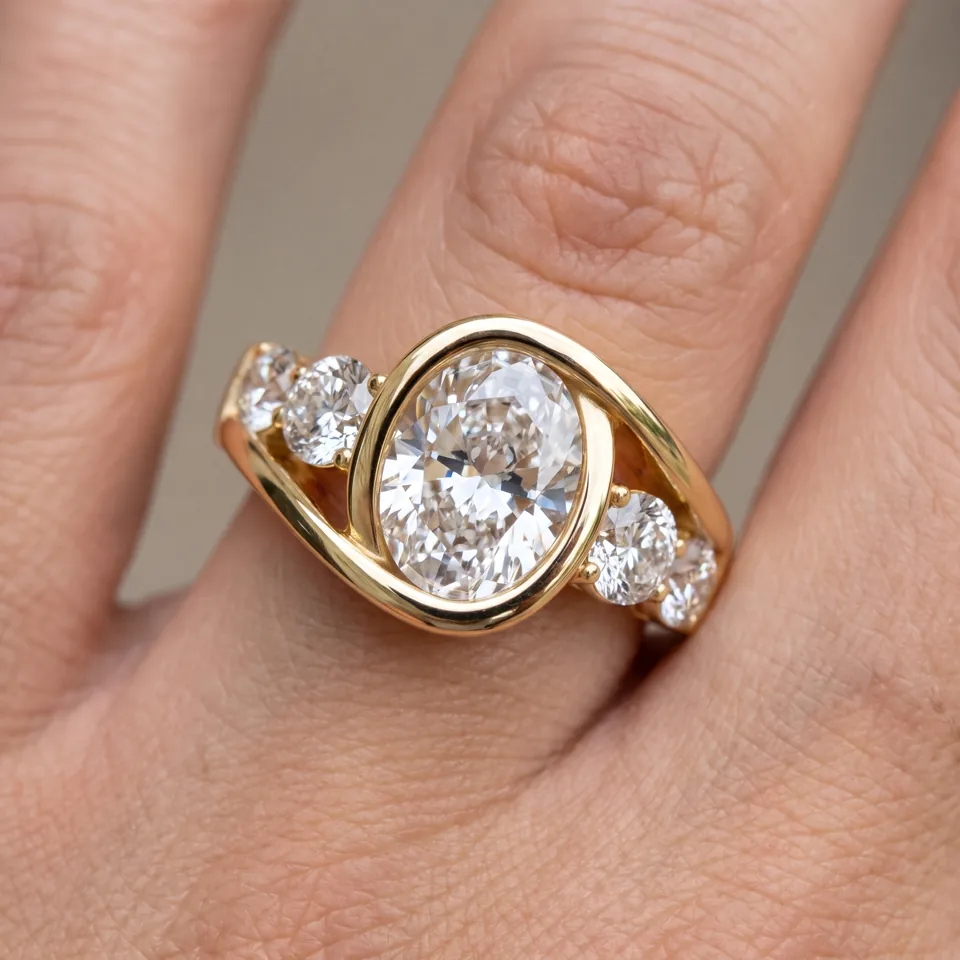 Gold Bypass Rings
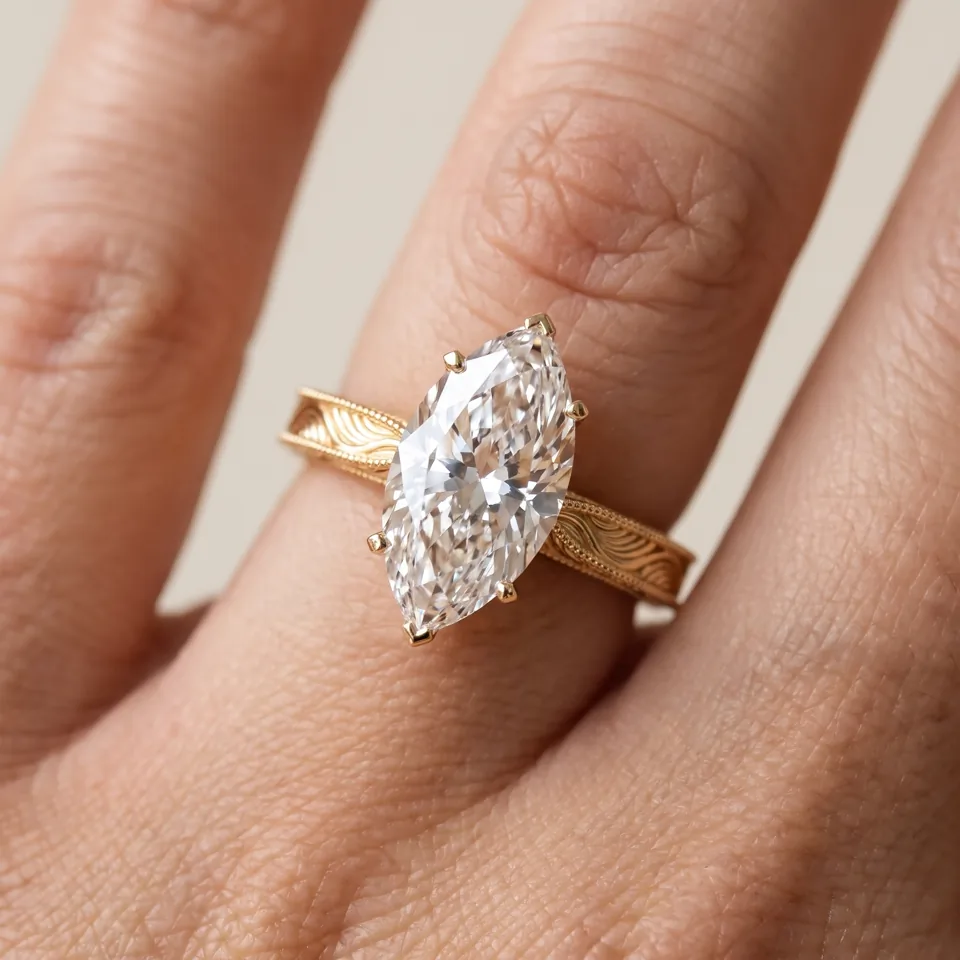 Gold Milgrain Rings
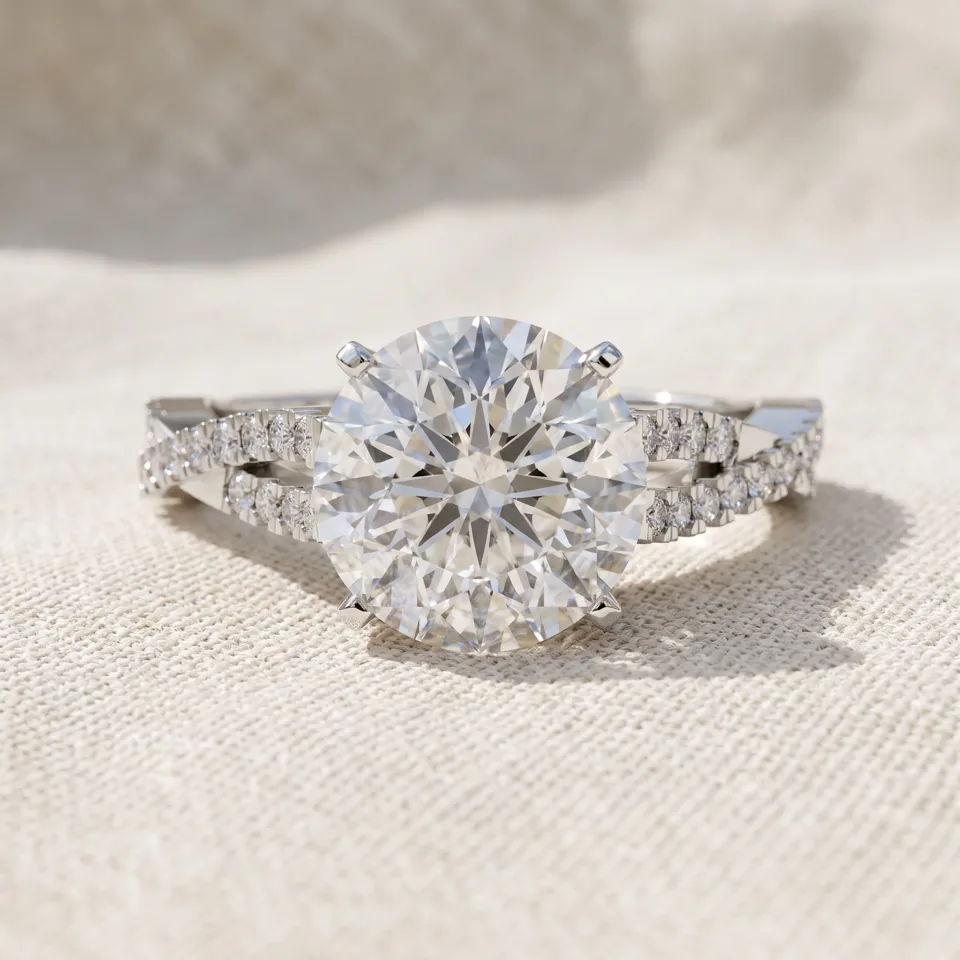 Sterling Silver Engagement Rings
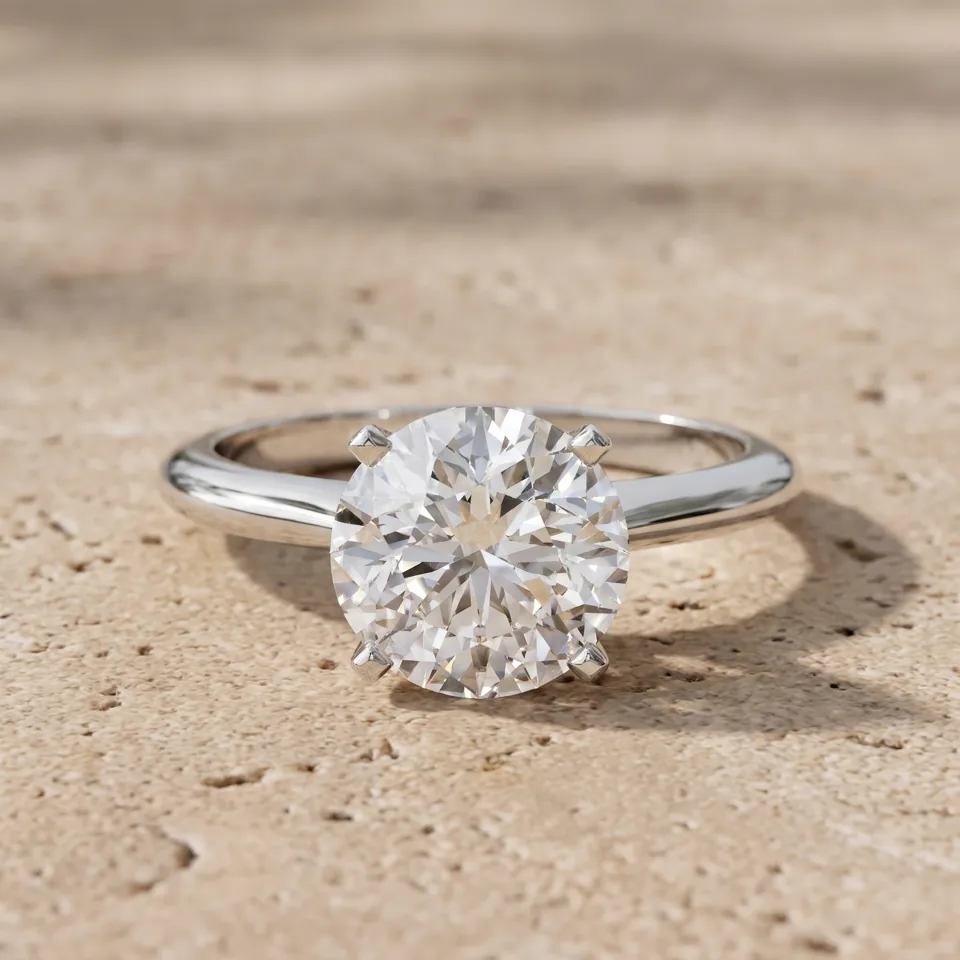 White Gold Diamond Engagement Rings
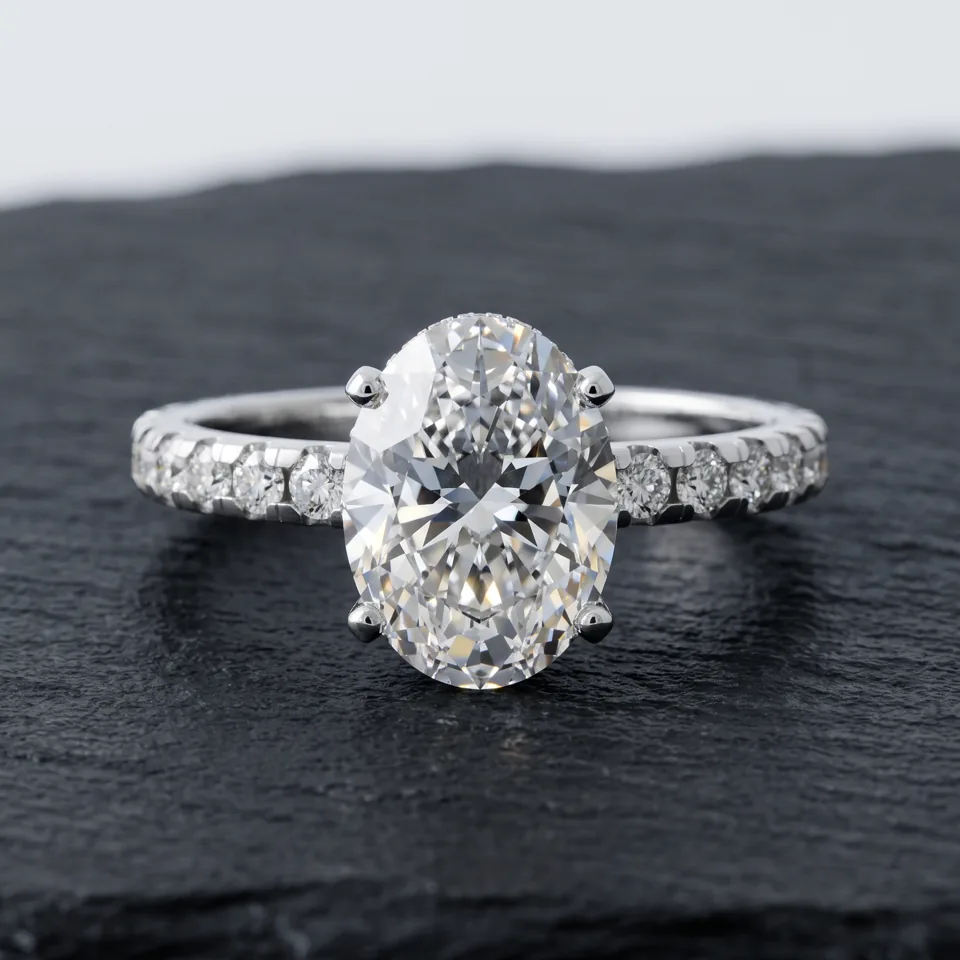 Platinum Engagement Rings
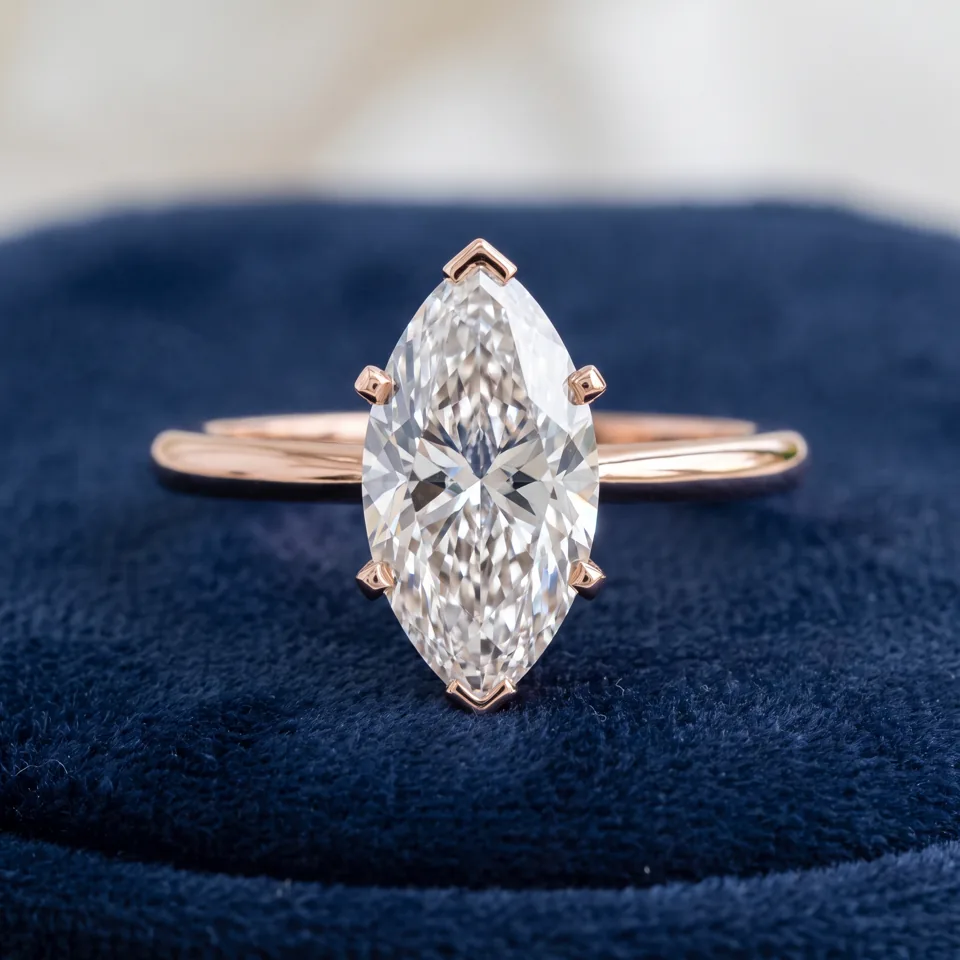 Rose Gold Engagement Rings
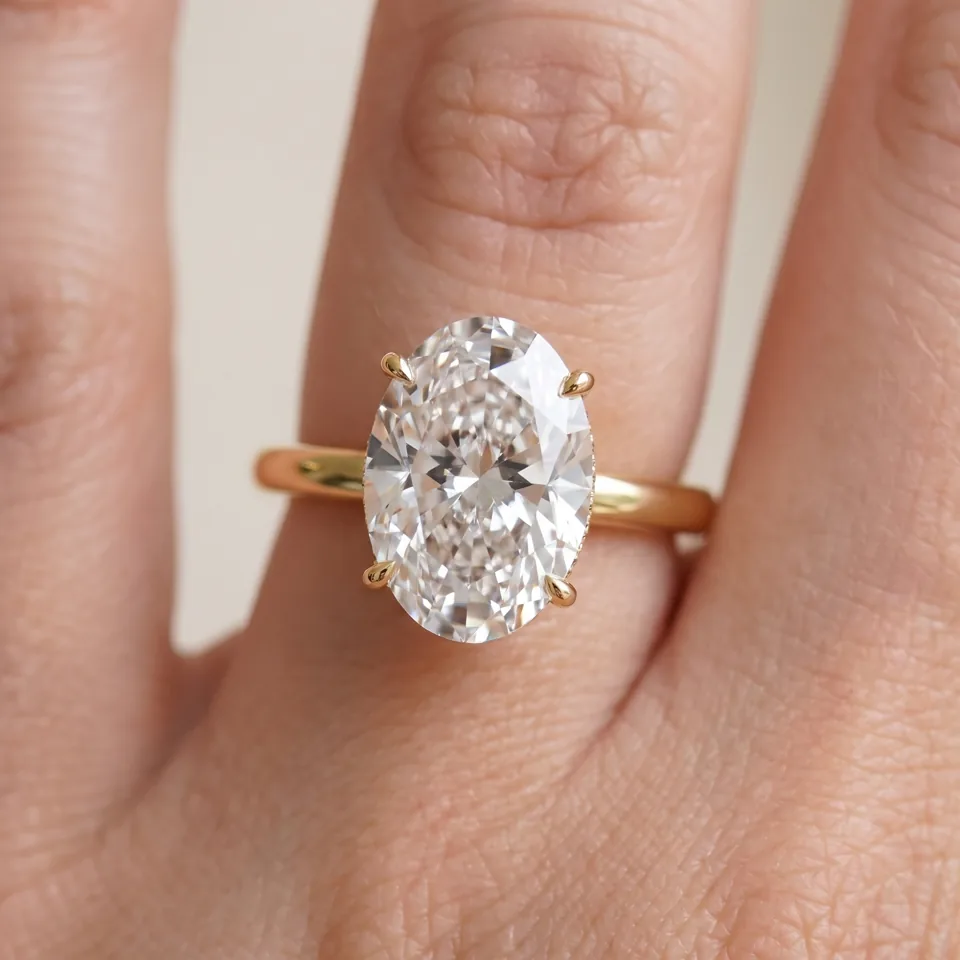 Yellow Gold Diamond Engagement Rings
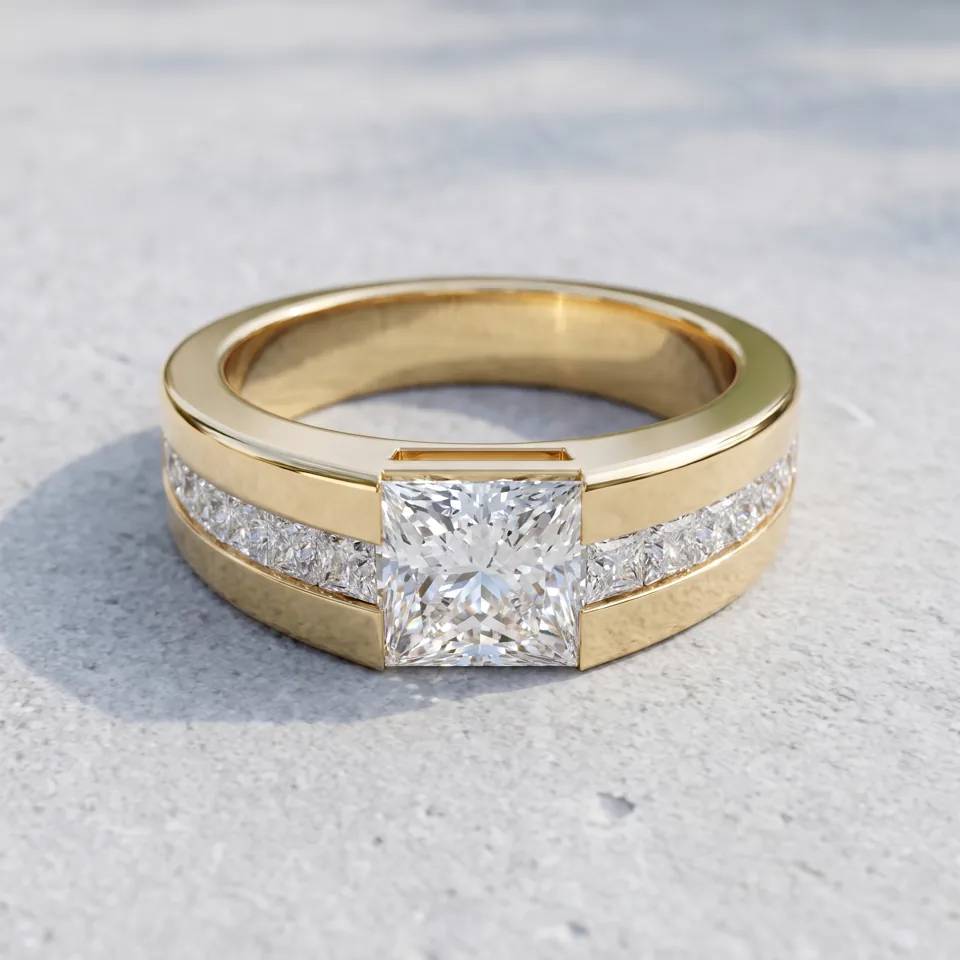 Gold Men's Engagement Rings
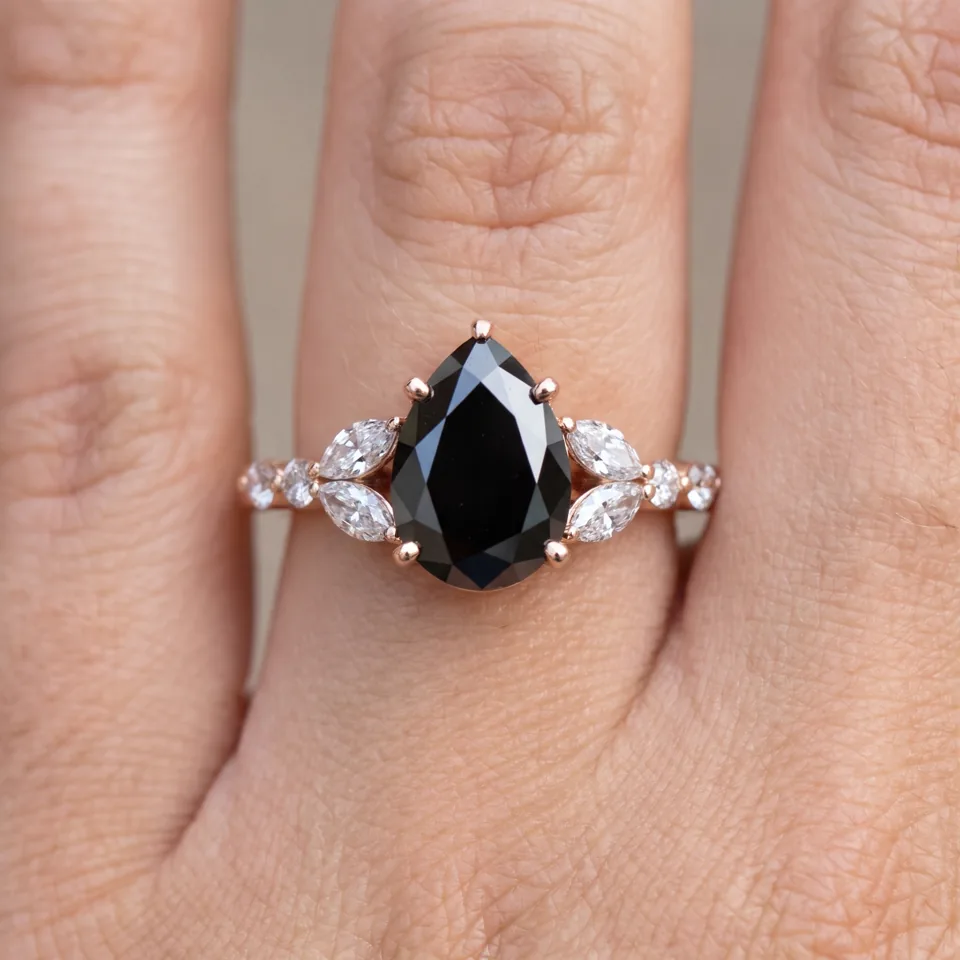 Gold Black Diamond Rings
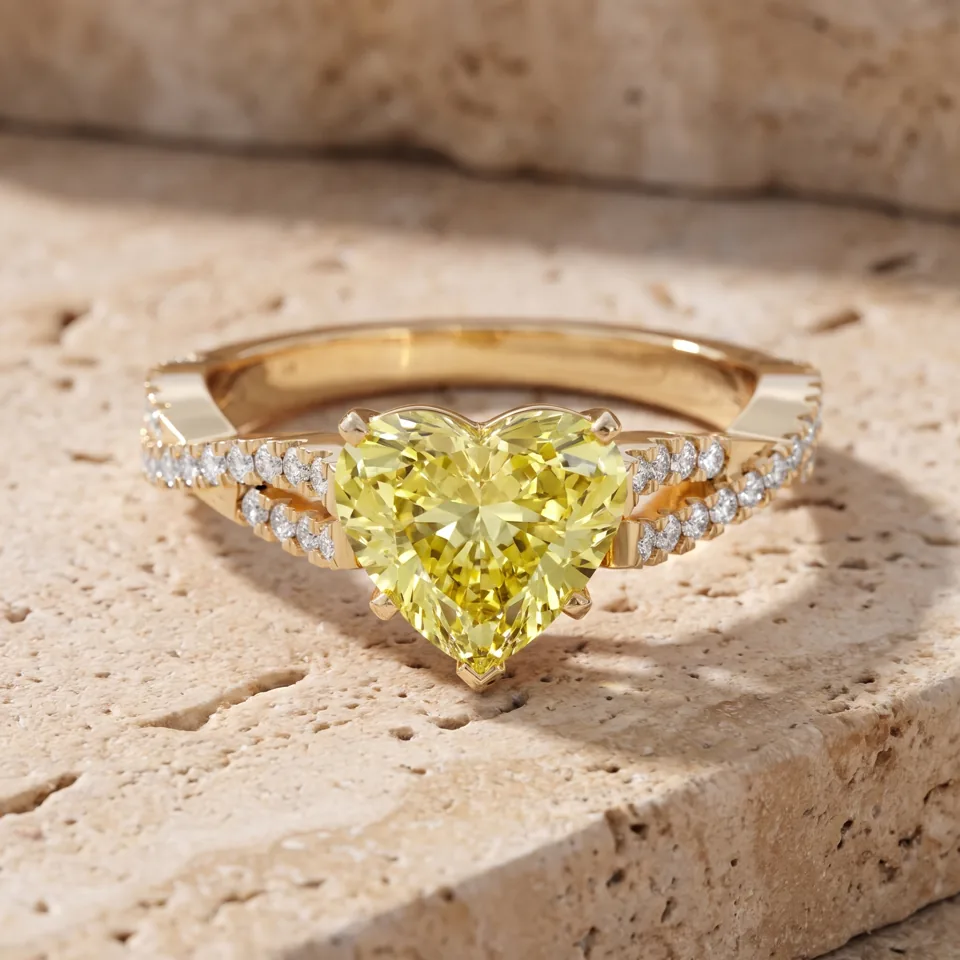 Gold Yellow Diamond Rings
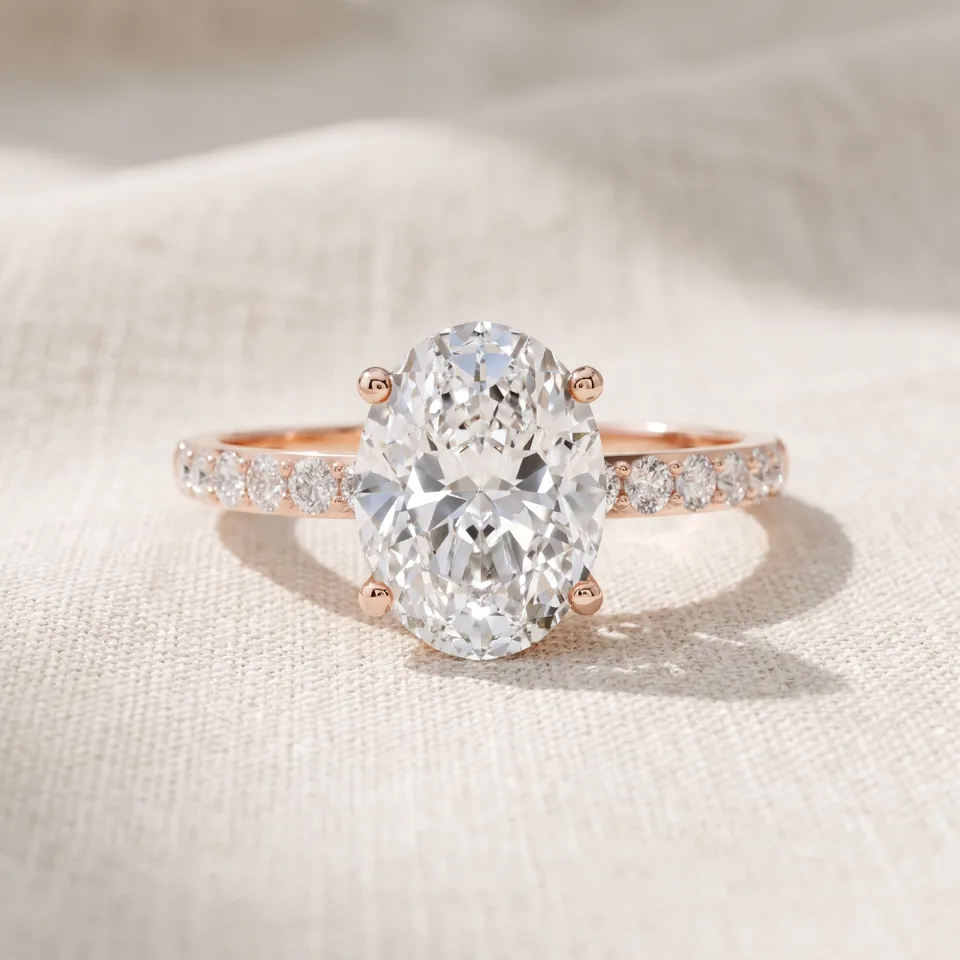 1 Carat Lab-Grown Diamond Gold Rings
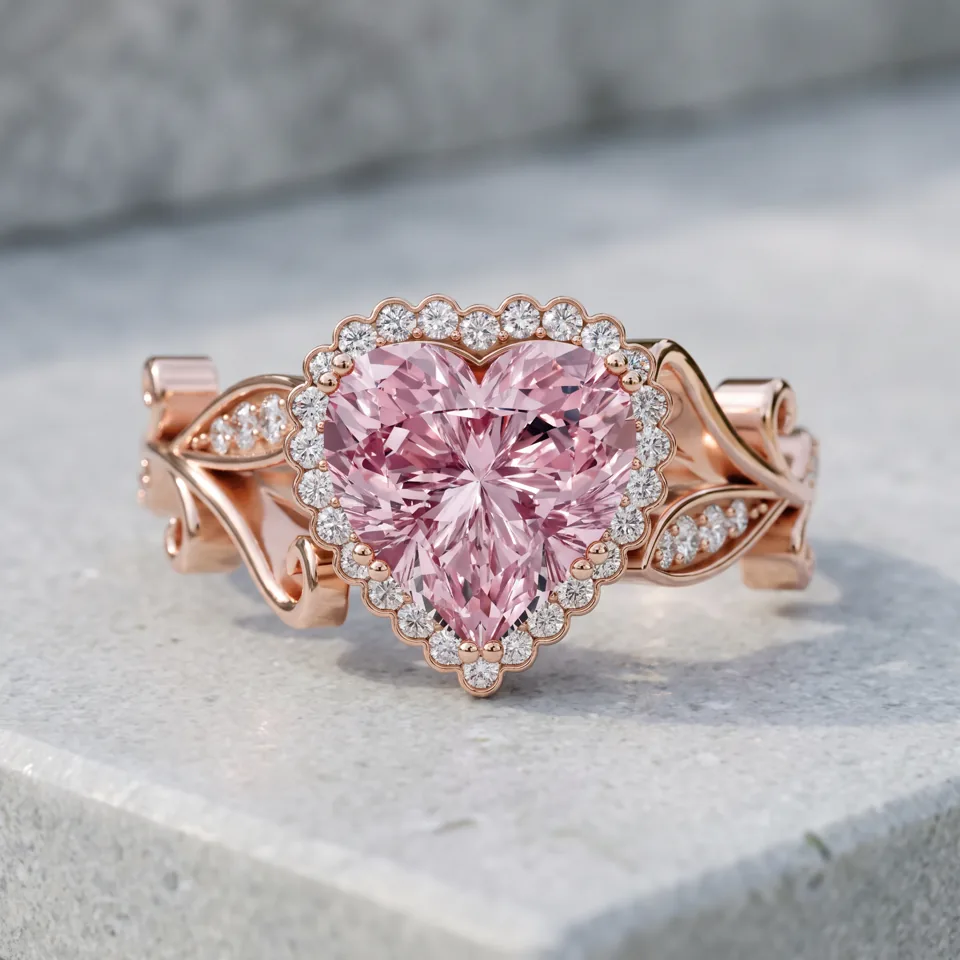 Gold Pink Diamond Rings
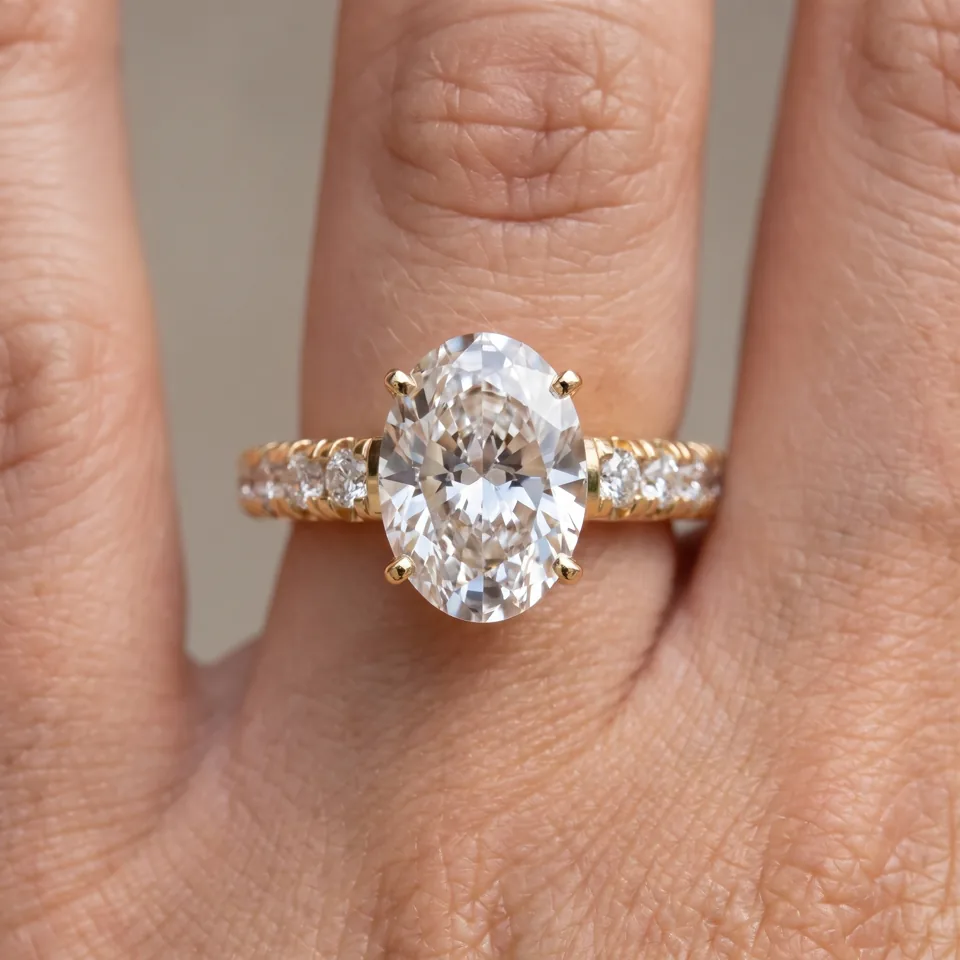 2 Carat Lab-Grown Diamond Gold Rings
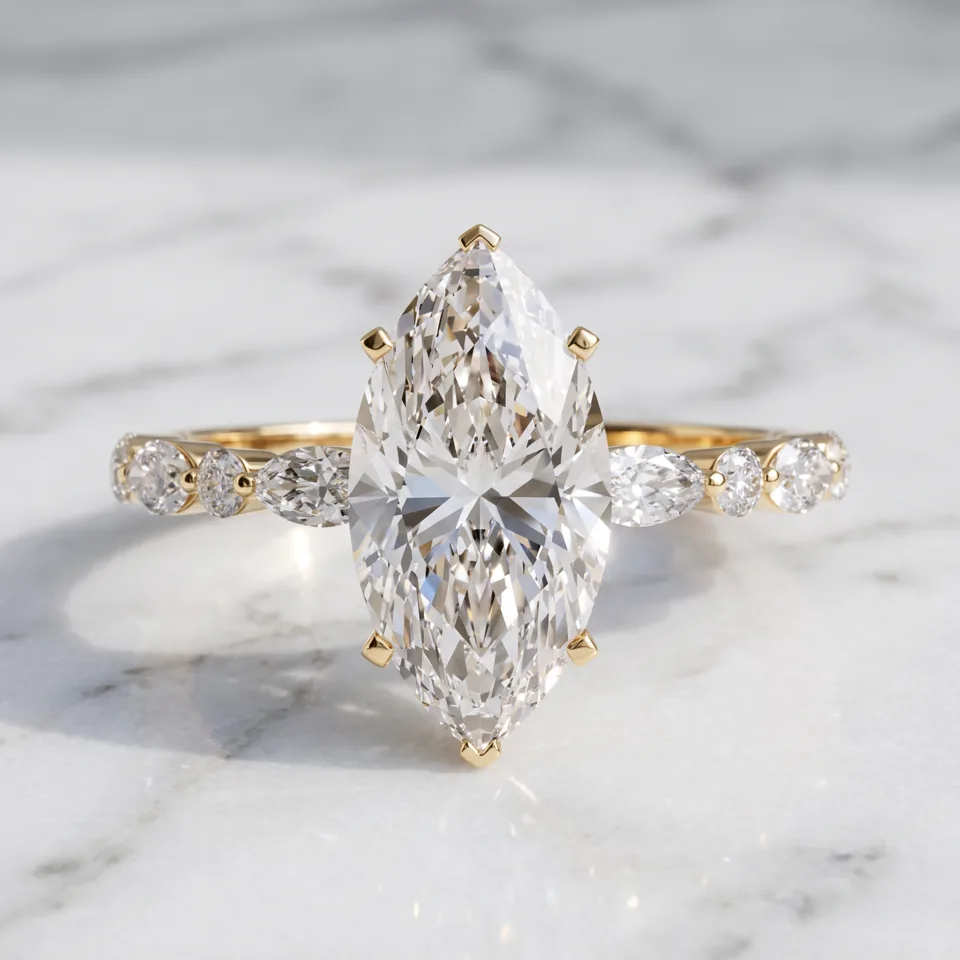 3 Carat Gold Lab-Grown Diamond Rings
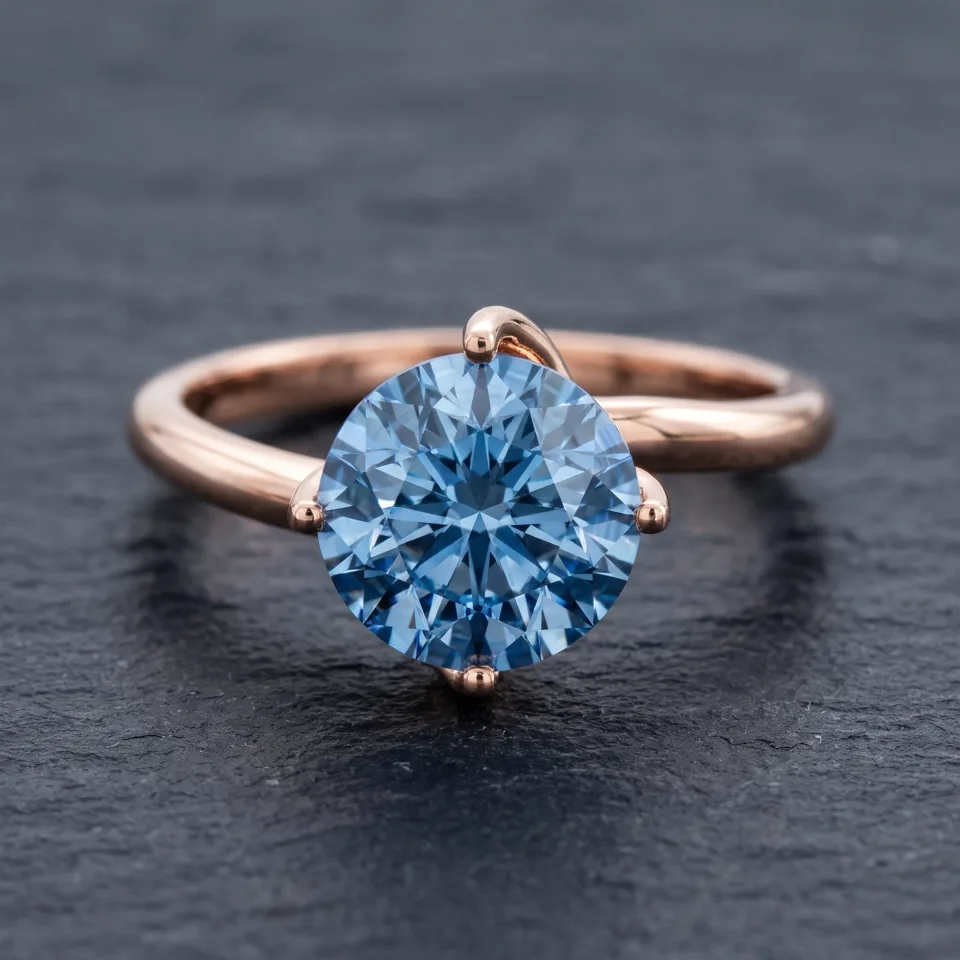 Blue Diamond Gold Rings
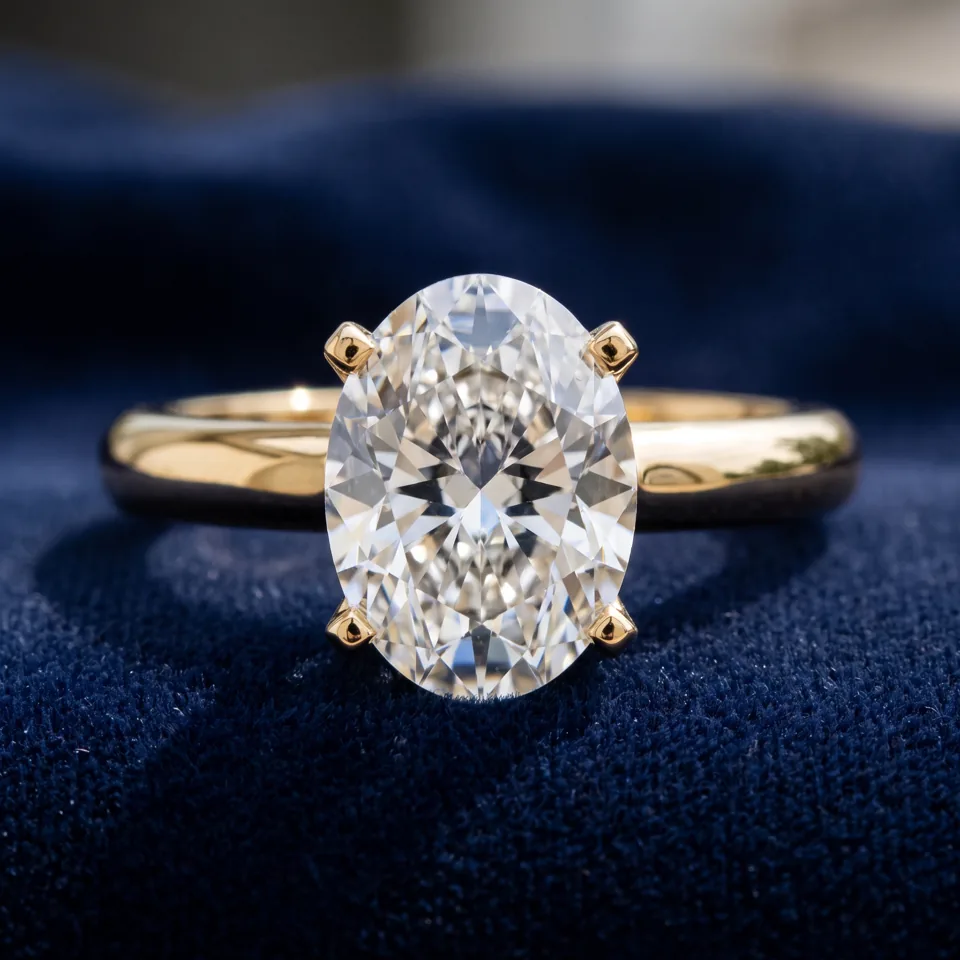 5 Carat Gold Rings
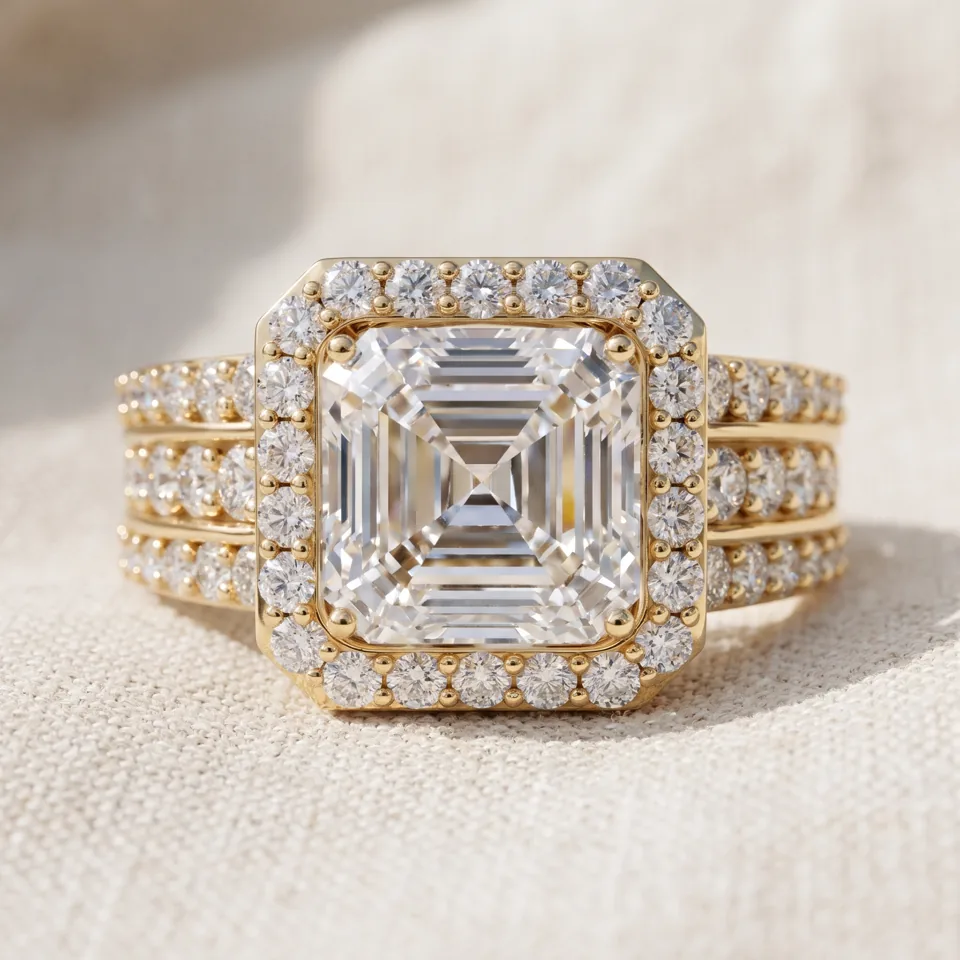 1/2 Carat Lab-Grown Diamond Gold Rings
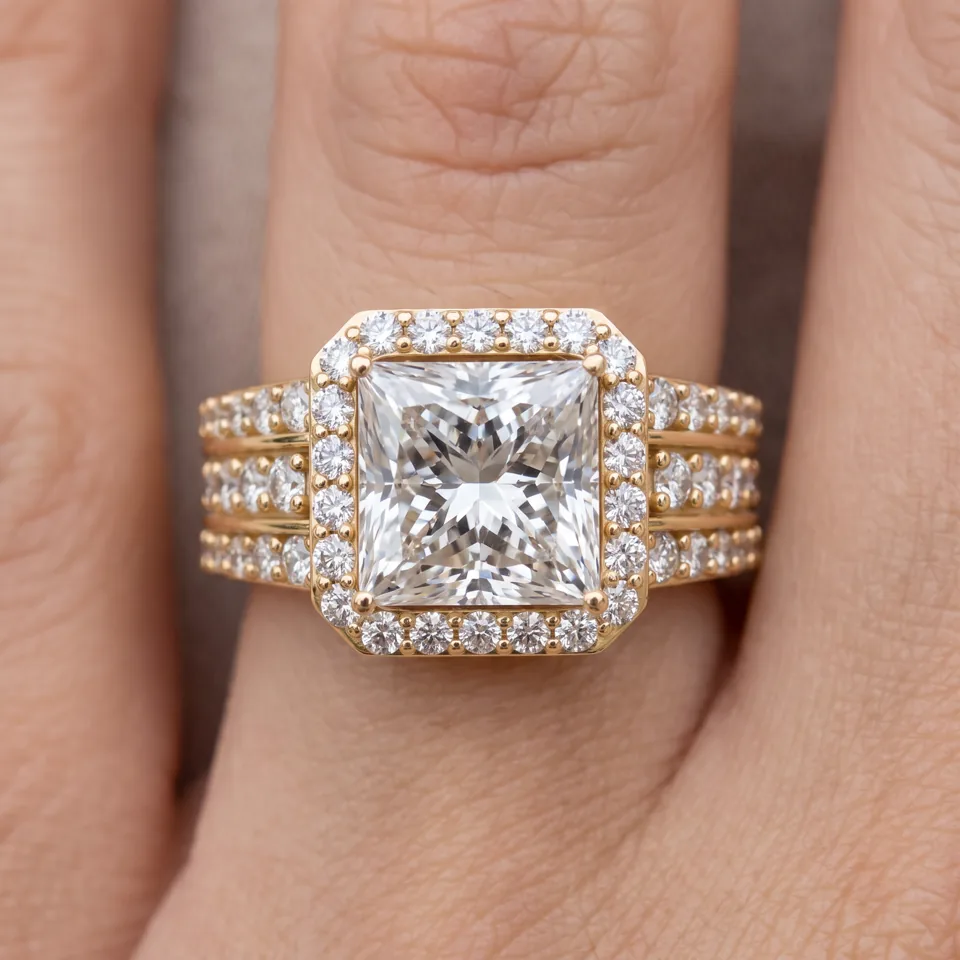 4 Carat Gold Lab-Grown Diamond Rings
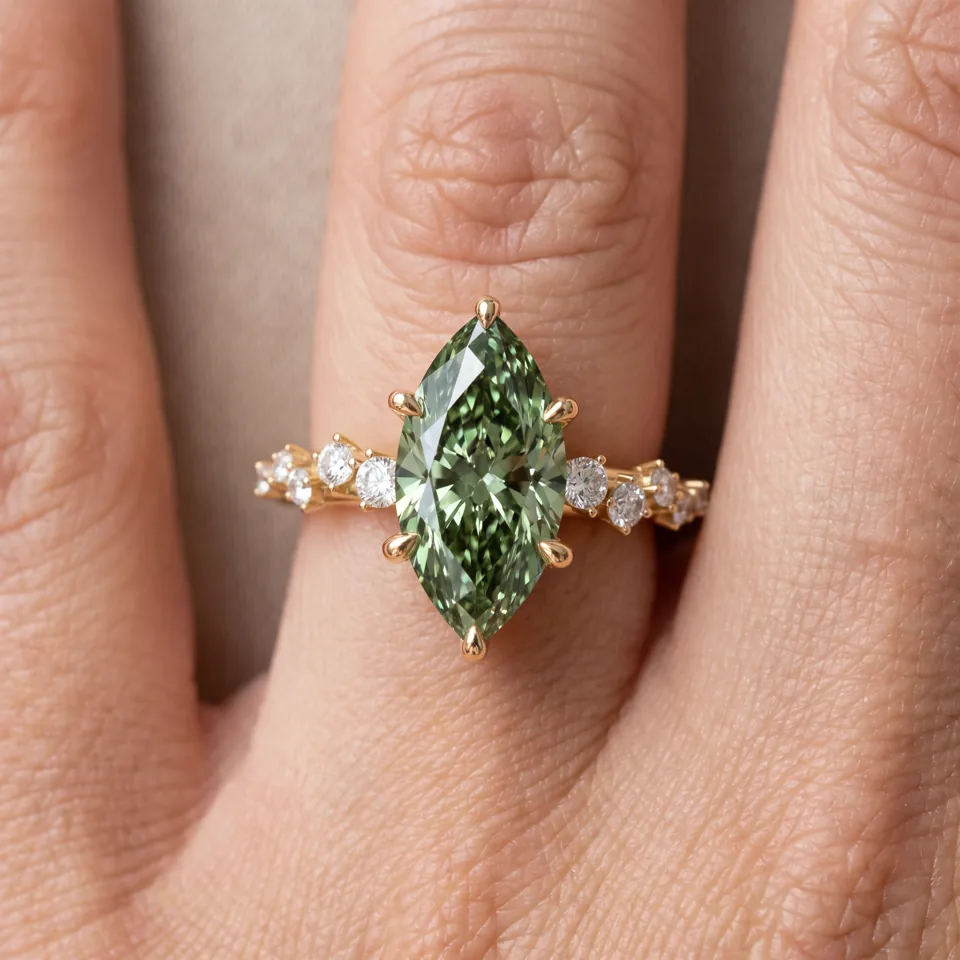 Gold Green Diamond Rings
Yellow gold reflects a warm tone into the center, which suits fancy yellow stones and vintage designs. A colorless center appears whiter in white gold, which also matches silver-toned jewelry. Rose gold softens the whole ring and pairs well with a fancy pink center. If you like a mixed look, wear the setting in one gold color and a wedding band in another.
The karat sets how much pure gold the ring holds and how it wears. Our 10K vs 14K vs 18K gold guide has the numbers behind each karat. 14K is the usual choice for engagement rings: firm enough to keep prongs and accents tight, with good color. 18K gives a richer yellow or pink but is softer, so it suits careful wearers. 10K costs least and resists dents best.
A plain solitaire shank shows the most gold and the cleanest line. Pavé bands, the biggest group of designs, cover the top of the shank with lab-grown diamond accents, so less metal shows. Twisted, split shank and filigree designs work the gold into shapes of their own, and milgrain edges add a fine beaded border with a vintage feel.
Most of these settings can take a center with fancy color, choosing among yellow, pink, green or blue, and some designs accept black. Gold color and center color work as a pair: yellow on yellow looks rich and tonal, blue and green look crisp against white gold, and black stands out boldly in rose or yellow gold.
Whitemoon crafts each gold setting to order in 10–15 days and sends it with free insured shipping both ways. The center diamond you pick comes with an IGI or GIA report. You can return the ring unworn within 30 days, and one resize inside the first 60 days after delivery is free.
It depends on the stone. A colorless center looks whitest in white gold, which adds no tint. Yellow gold makes a center look slightly warmer, which many people like and which also hides a faint tint in lower color grades. Fancy yellow centers glow in yellow gold, and fancy pink centers often look best in rose gold.
14K is the better choice for most engagement rings. It's harder, so prongs and pavé accents hold their shape through years of daily wear, and it costs less. 18K has a deeper color and is a good pick if you want a rich yellow tone and treat the ring gently. Whitemoon gold settings are offered in 10K, 14K and 18K.
On resale, most of the value is the gold, which is priced by weight at about 58 percent purity for 14K. The stones add value too, but how much depends on whether they're mined or lab-grown, and lab-grown stones bring little secondhand. A new Whitemoon gold setting starts from about $400, with most between about $900 and $1,150 before the center is added.
Platinum is the tougher metal for daily wear. Being denser, it wears by shifting metal rather than losing it, and it stays white without any plating. 18K gold is lighter, warmer in color and usually costs less, but it scratches and bends more easily. Choose 18K if color matters most to you, and platinum if durability does.
It can, though rarely. 14K gold is about 42 percent other metals, and copper among them can react with sweat, lotion or some soaps to leave a green mark on the skin. The ring itself isn't damaged. Keeping the ring and your finger clean and dry usually stops it, and white gold with a rhodium finish is less likely to do it.


