Complimentary insured shipping, both waysEngagement ring diamonds certified by IGI or GIAGrown by light. Conflict-free by natureComplimentary insured shipping, both ways
Engagement RingsWedding BandsEarrings

NecklaceBraceletsAbout
Rose gold engagement rings wrap the center in a warm, pink-toned metal, offered in 10K, 14K or 18K. Begin with the center's outline: round, oval, pear, emerald, heart and others. Then decide on the setting, whether solitaire, pavé, halo, toi et moi or vintage. The center diamond is picked in the next step and comes with an IGI or GIA report.
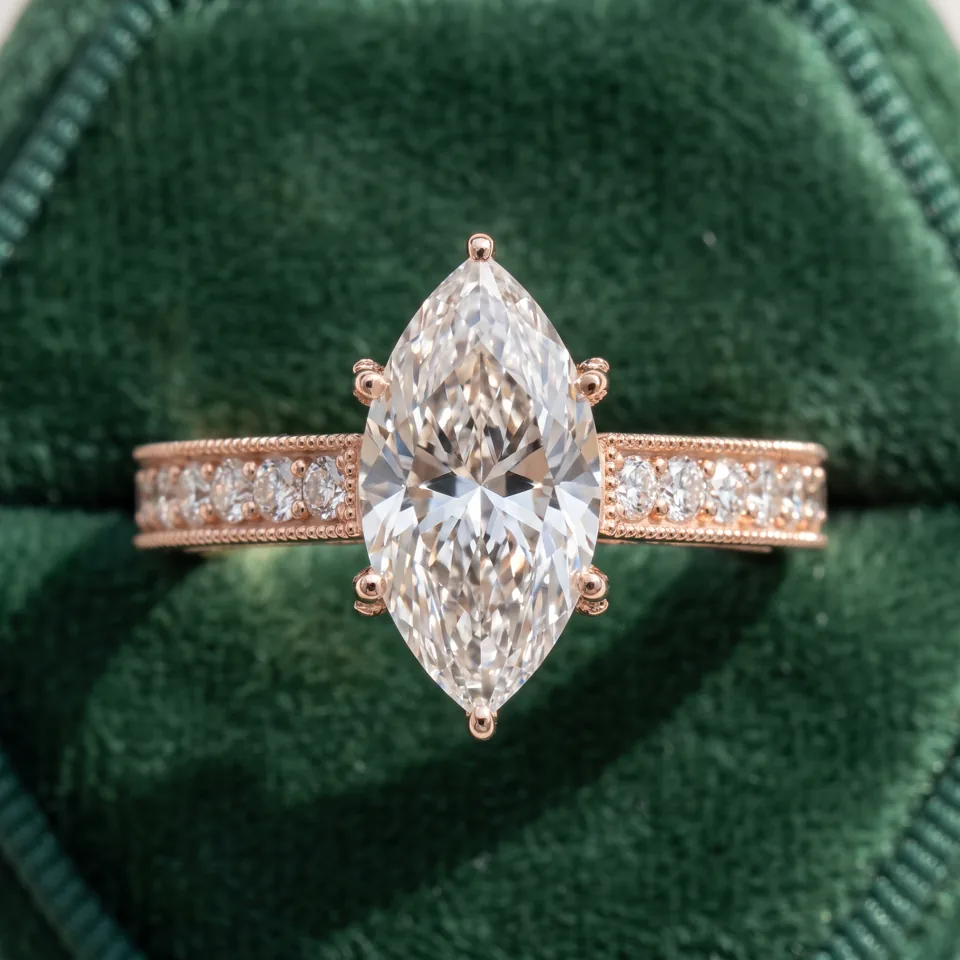 Rose Gold Vintage Engagement Rings
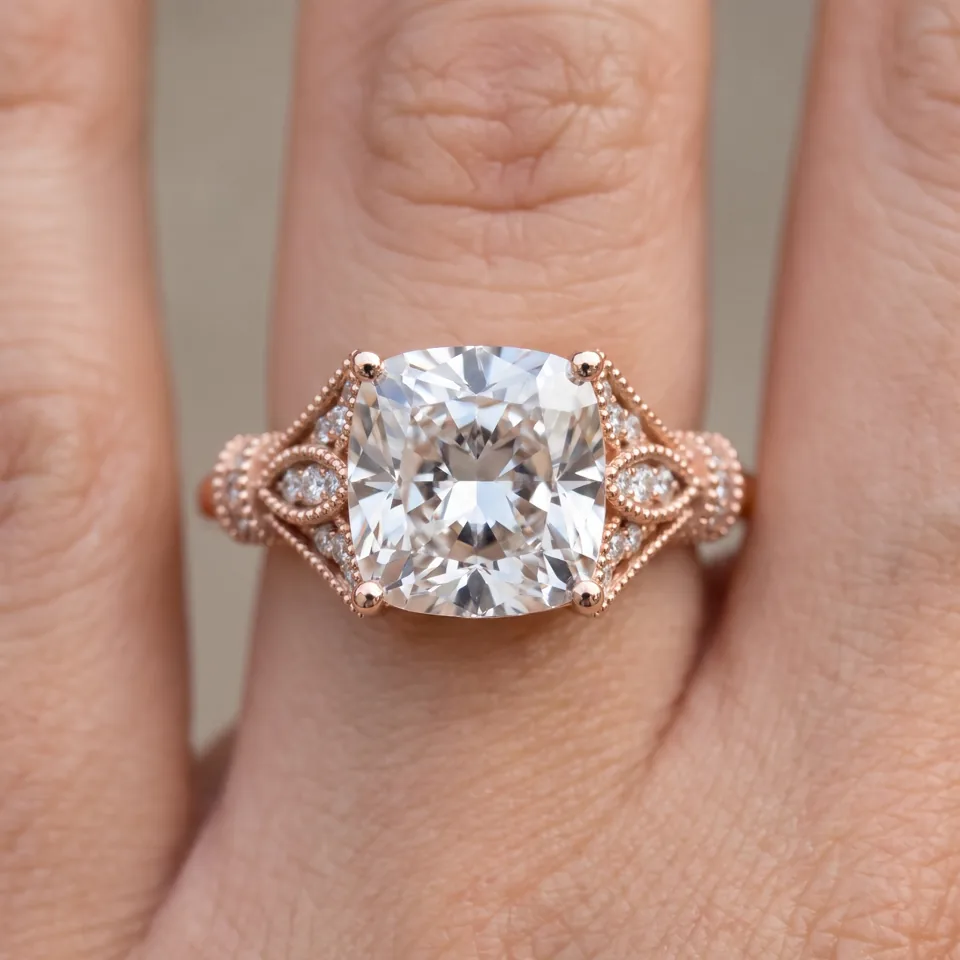 Rose Gold Floral Rings
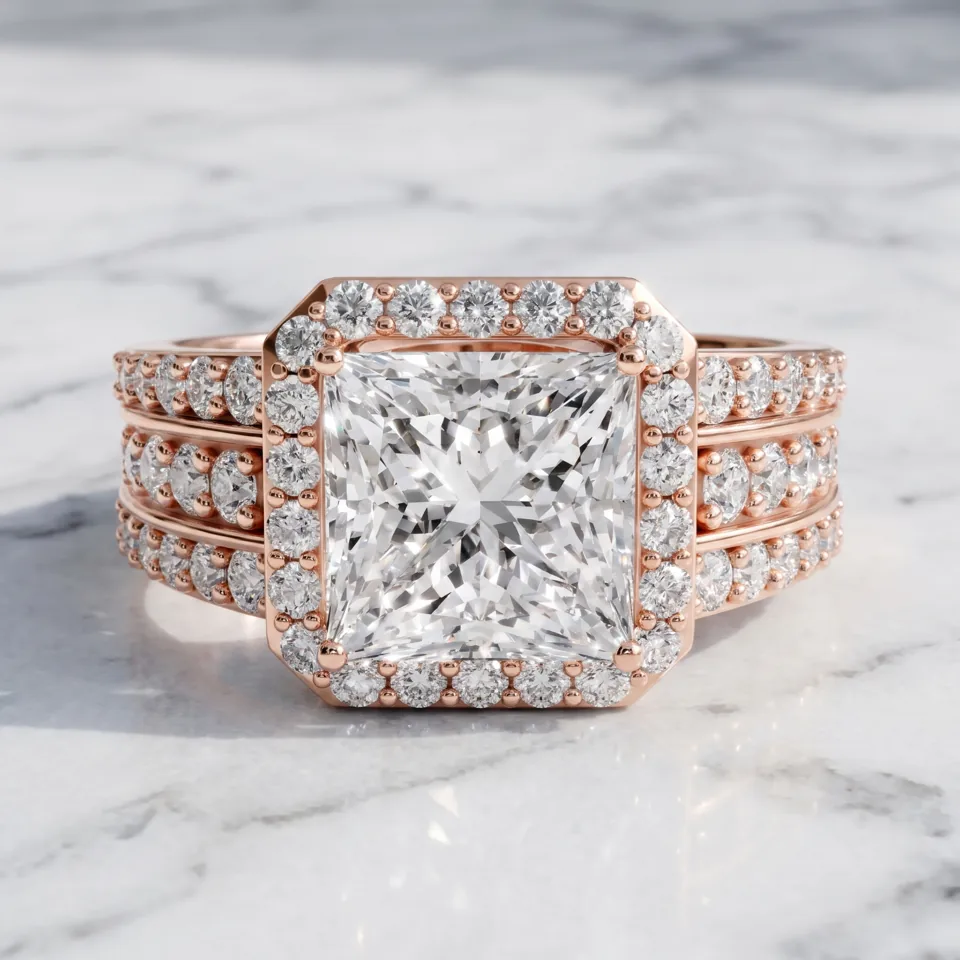 Rose Gold Halo Engagement Rings
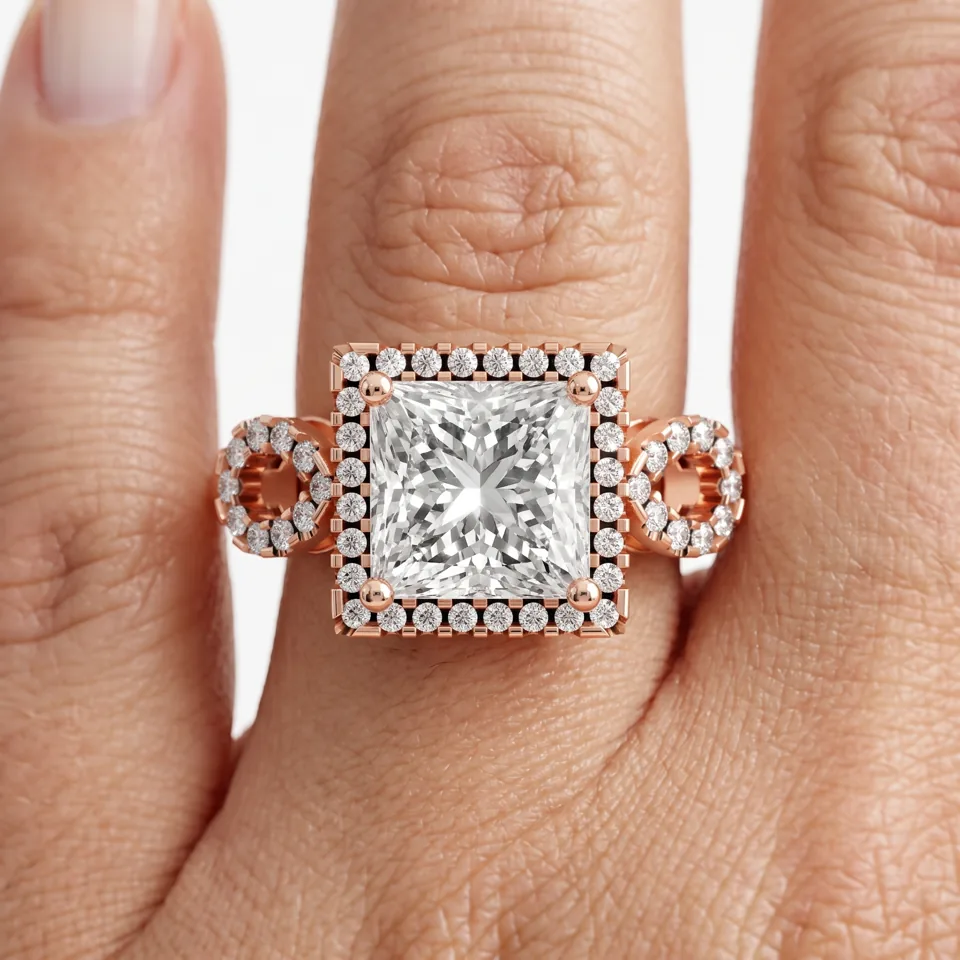 Rose Gold Infinity Rings
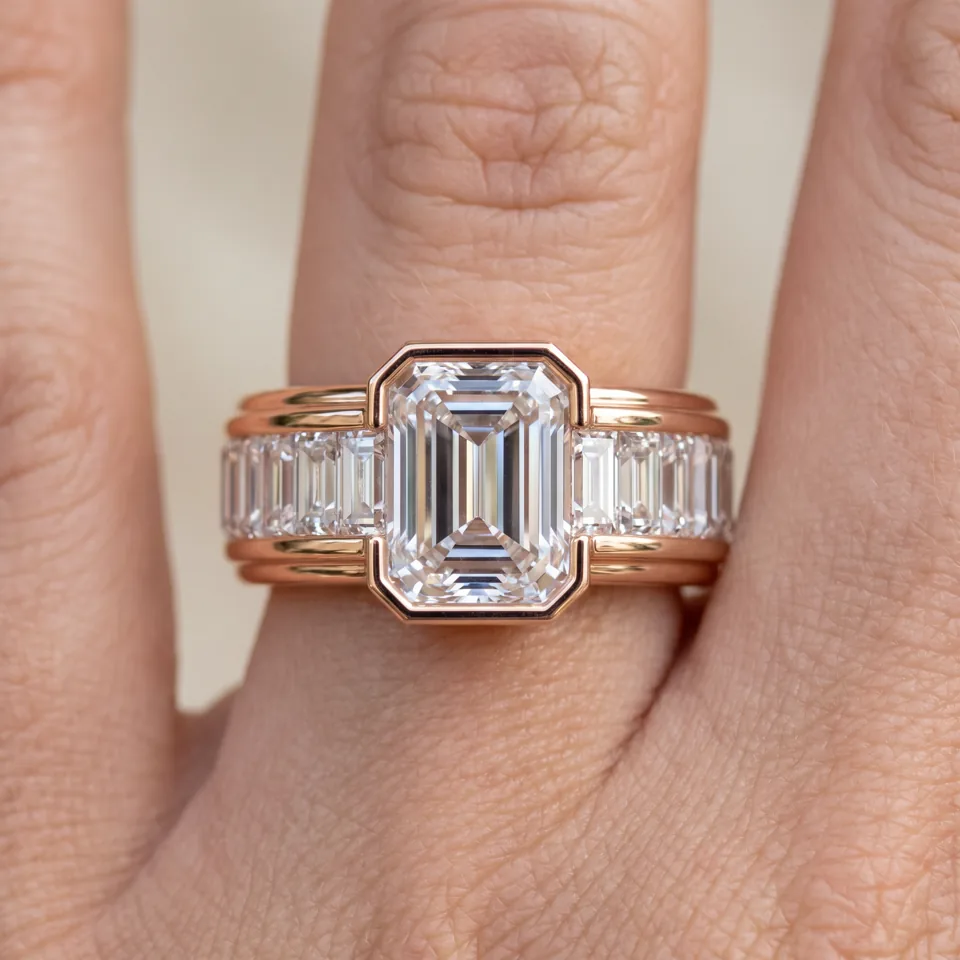 Rose Gold Bezel Engagement Rings
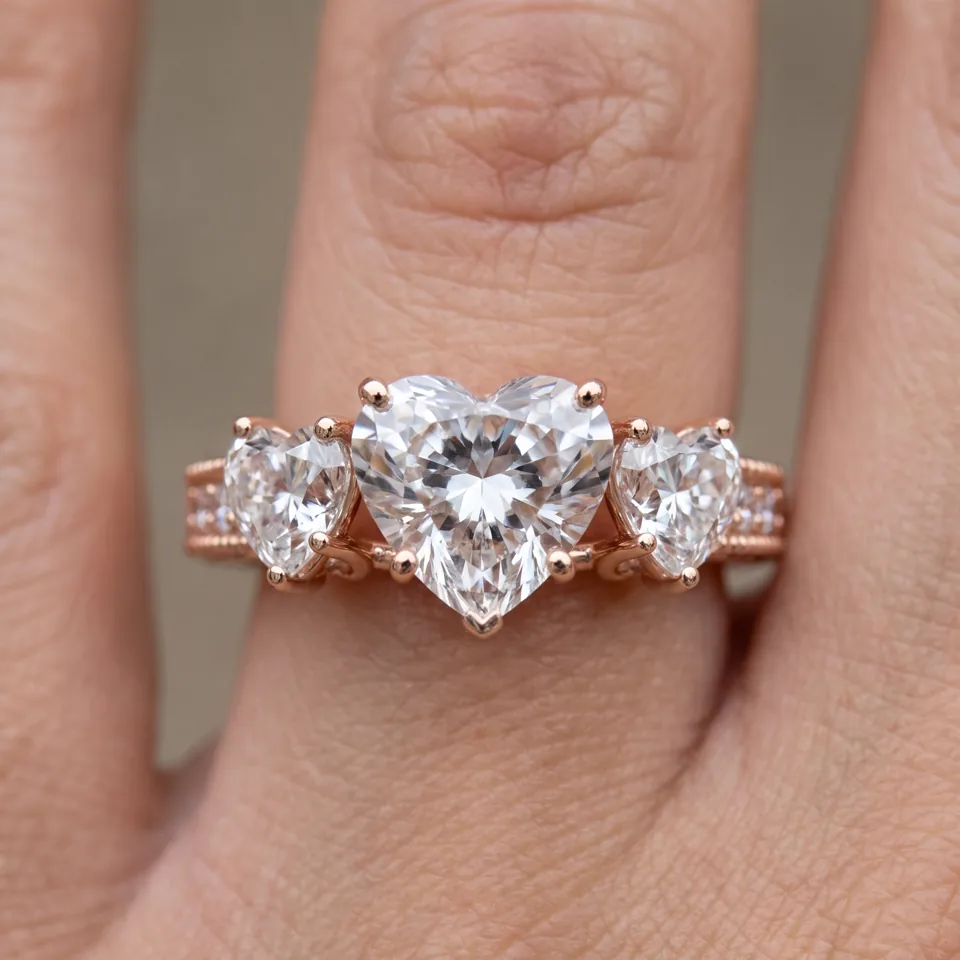 Rose Gold Three Stone Engagement Rings
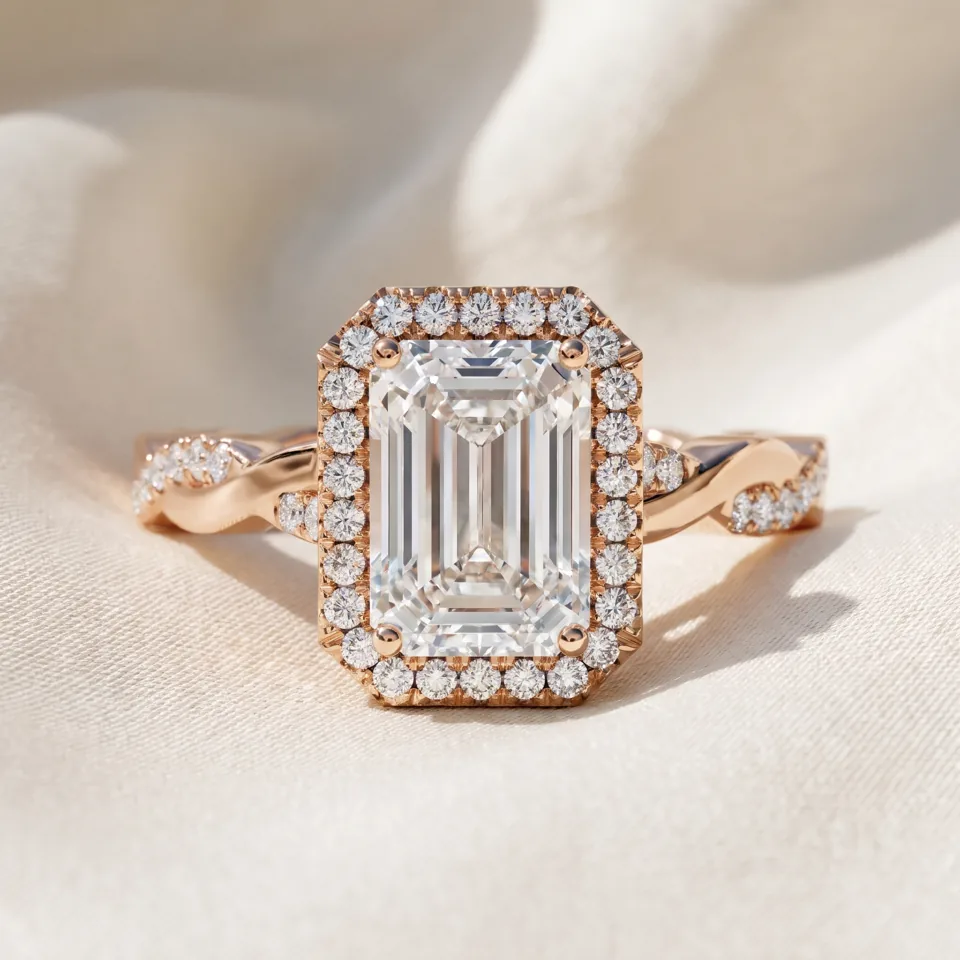 Rose Gold Twisted Rings
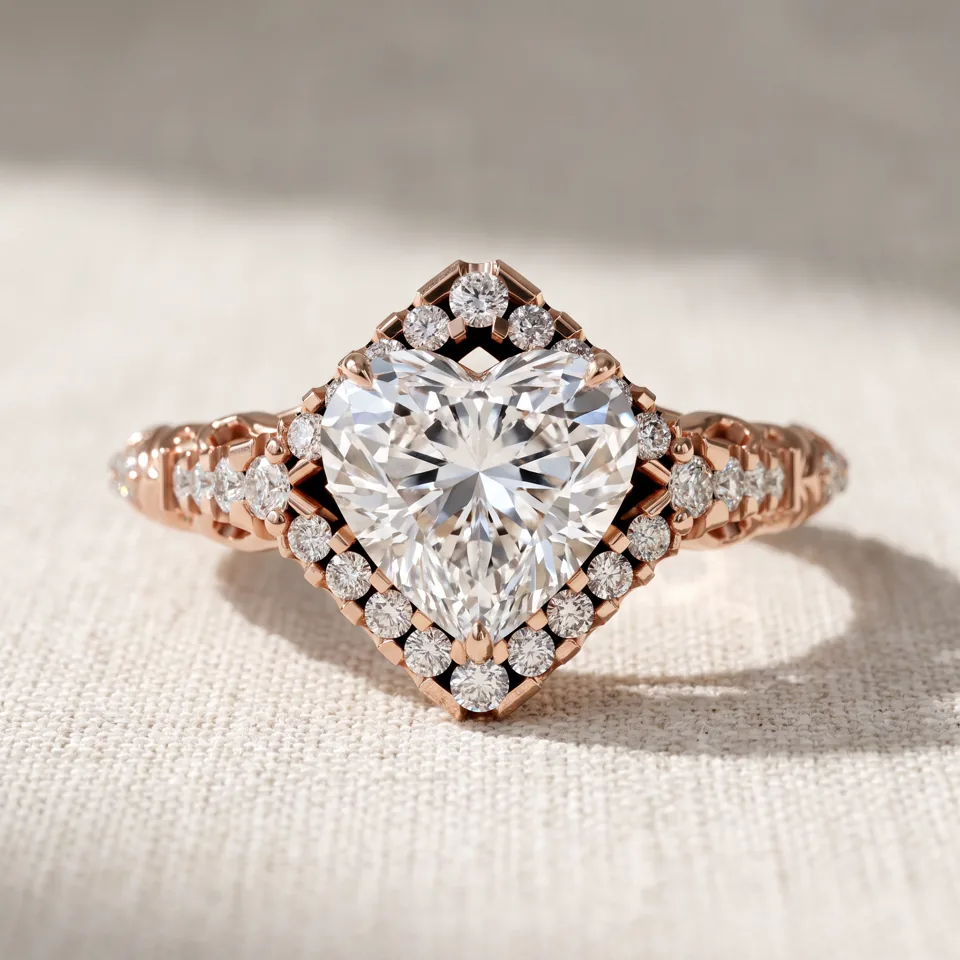 Rose Gold Filigree Rings
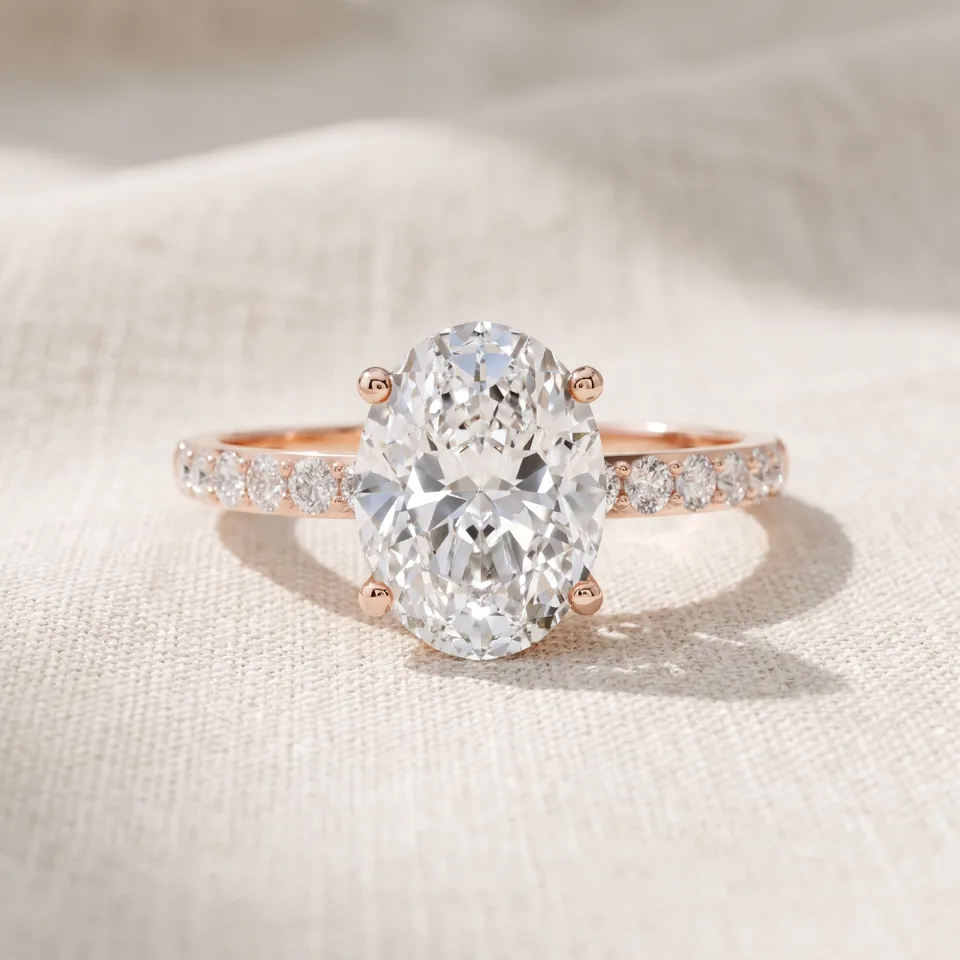 Rose Gold Pave Rings
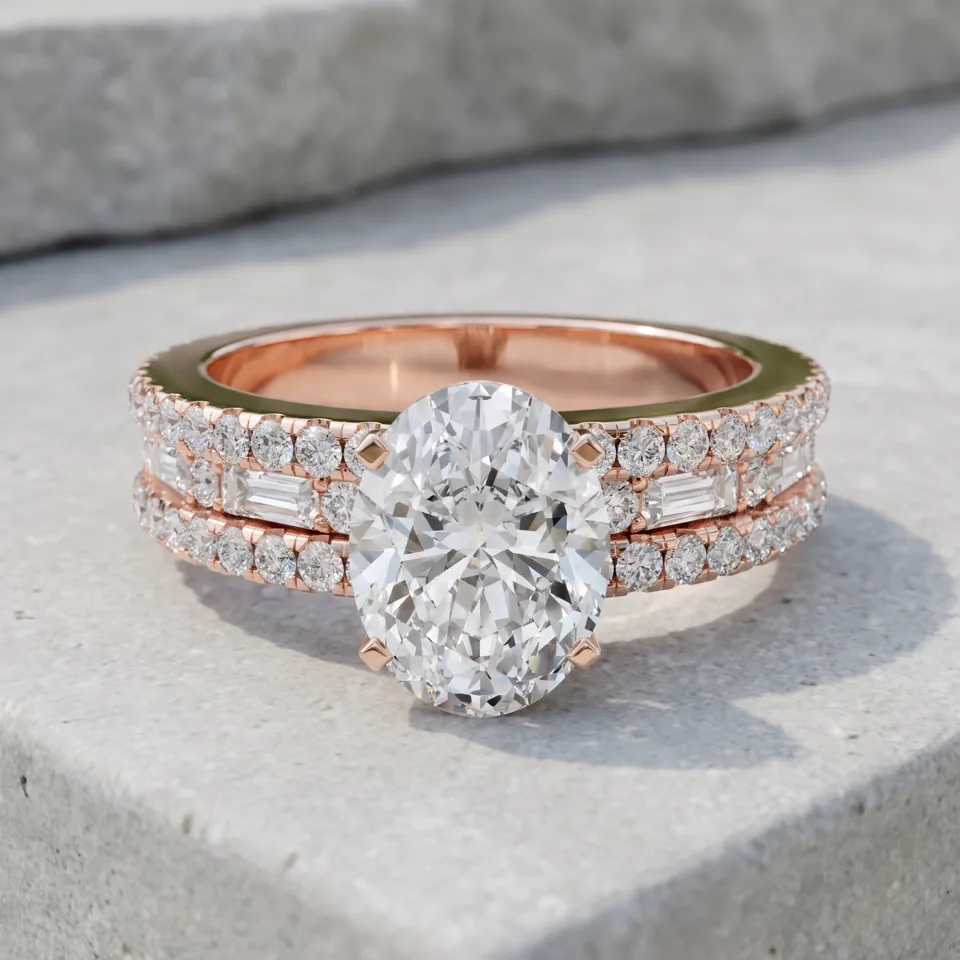 Rose Gold Baguette Side Stone Rings
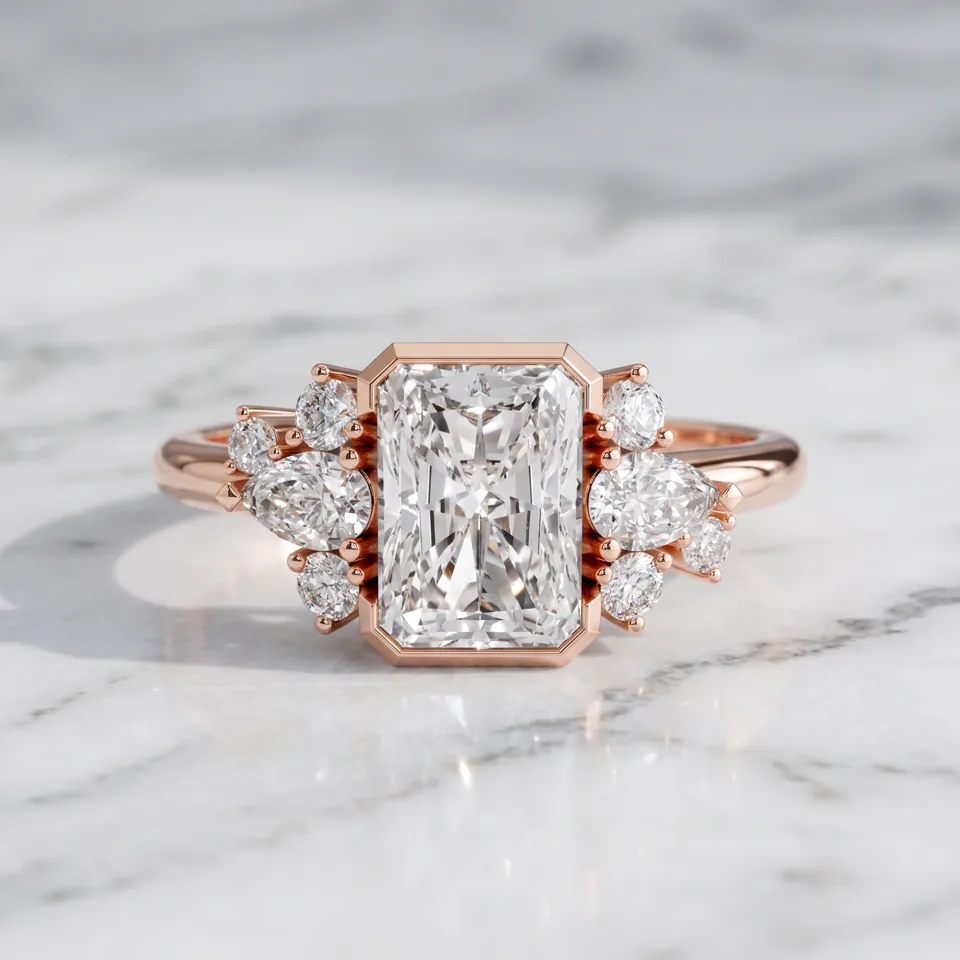 Rose Gold Cluster Rings
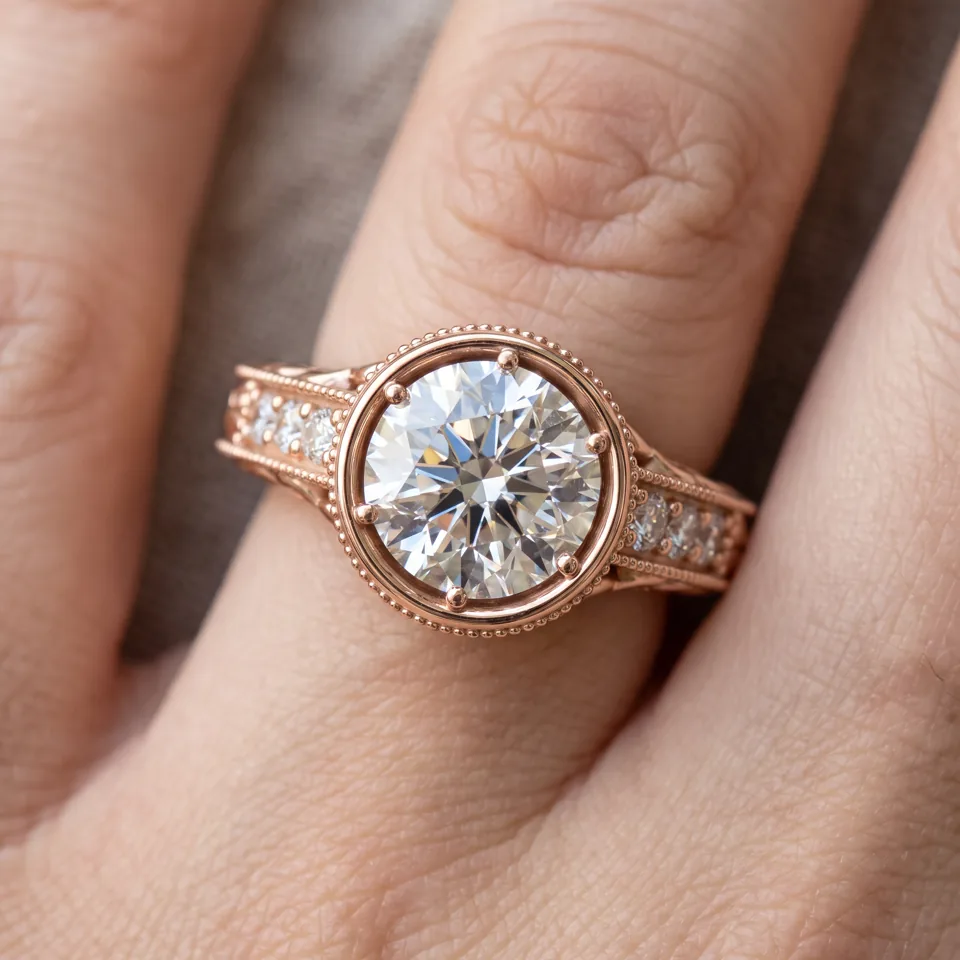 Rose Gold Engraved Rings
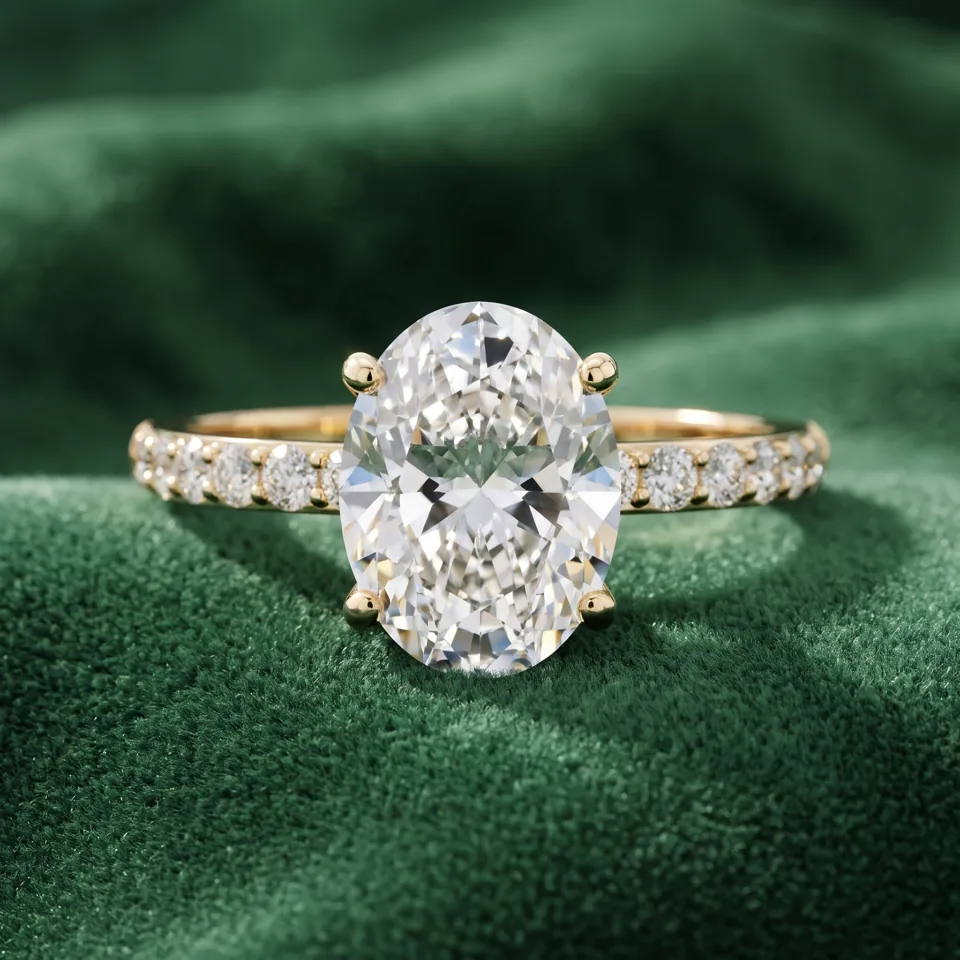 Gold Rings
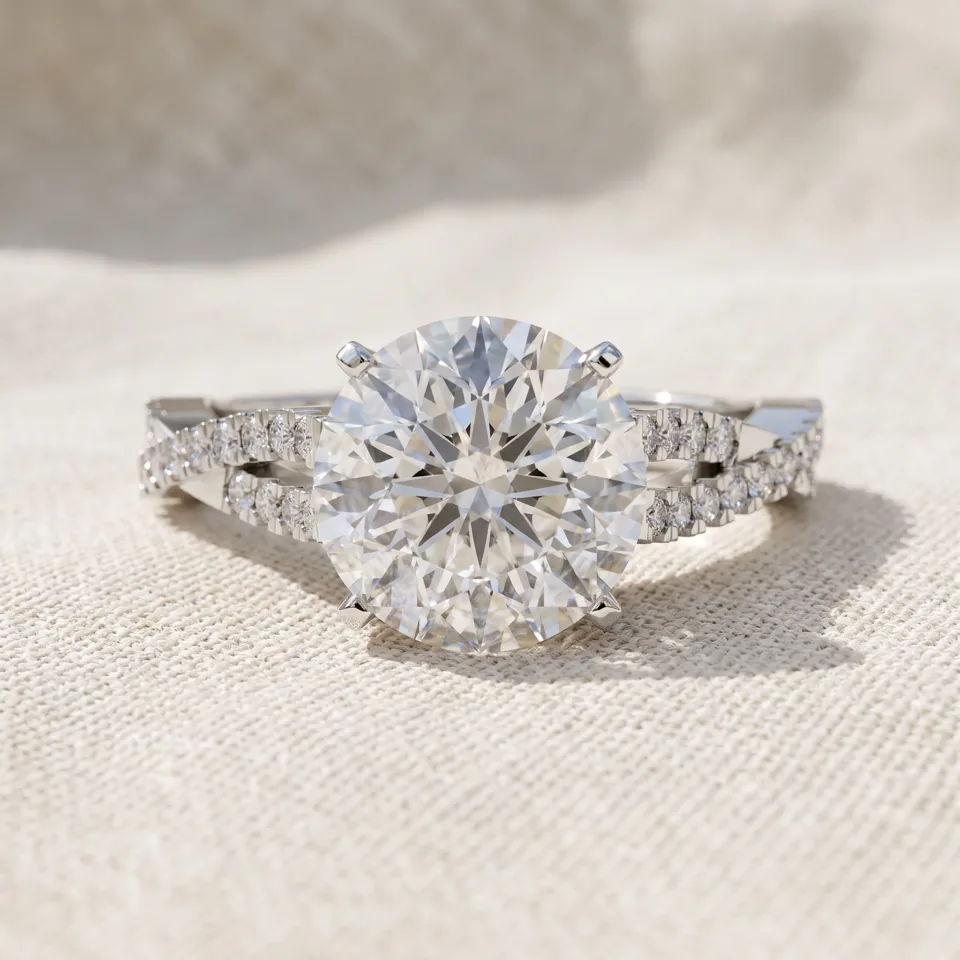 Sterling Silver Engagement Rings
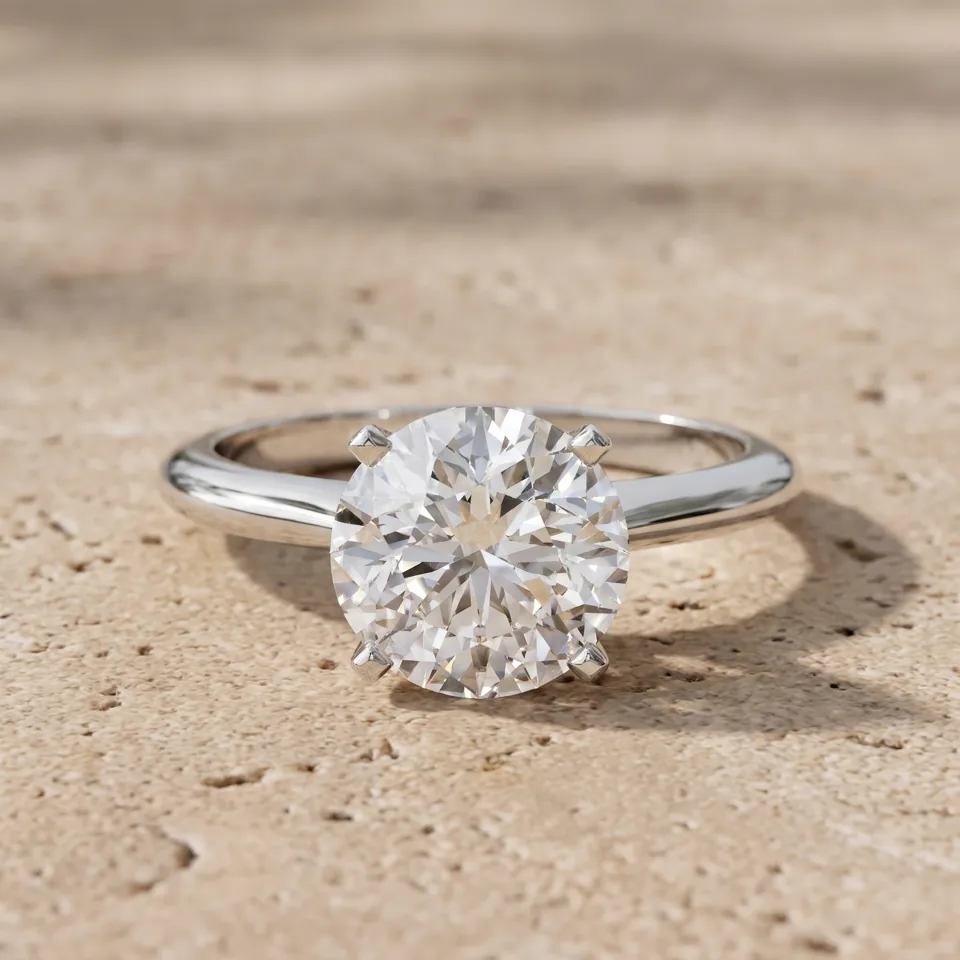 White Gold Diamond Engagement Rings
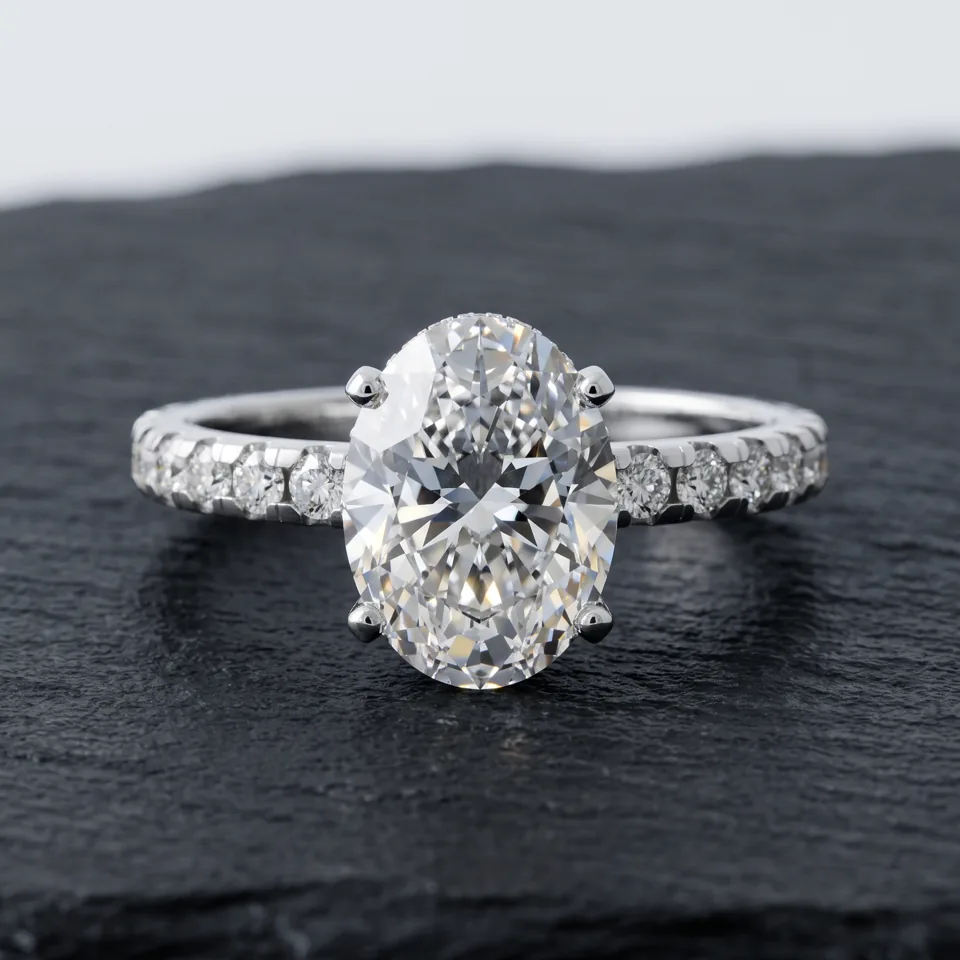 Platinum Engagement Rings
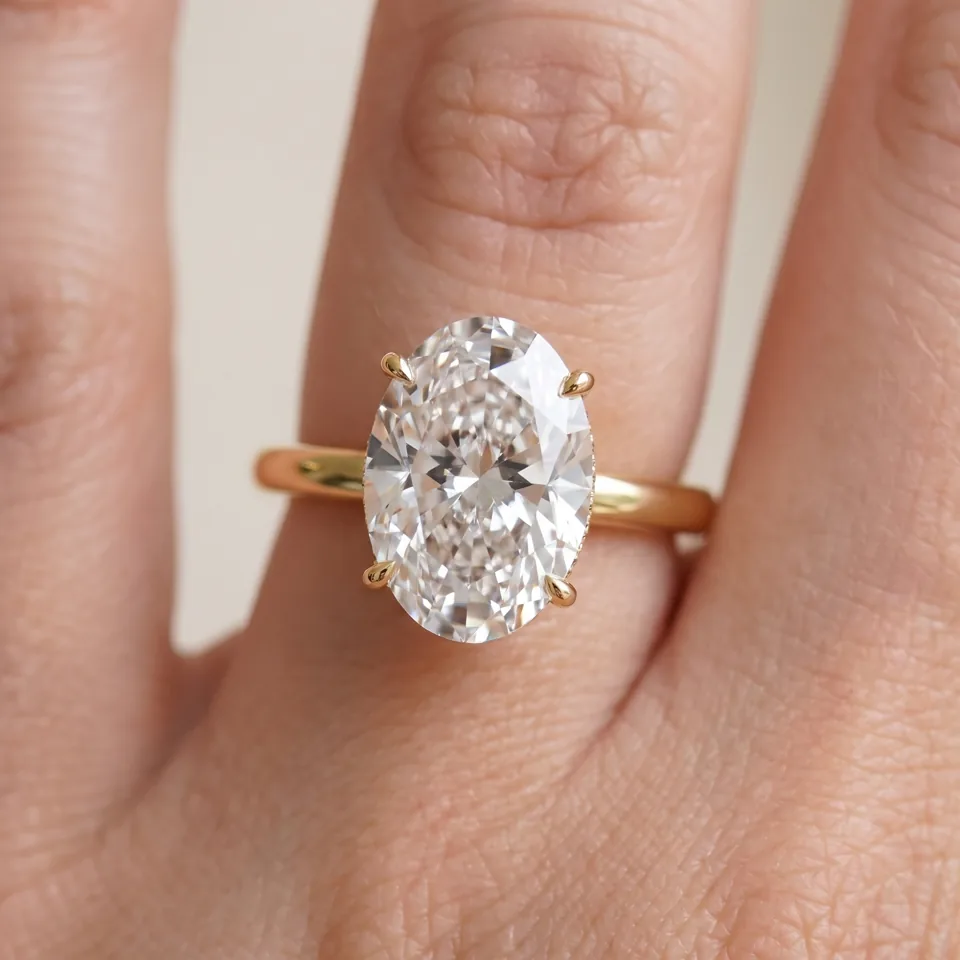 Yellow Gold Diamond Engagement Rings
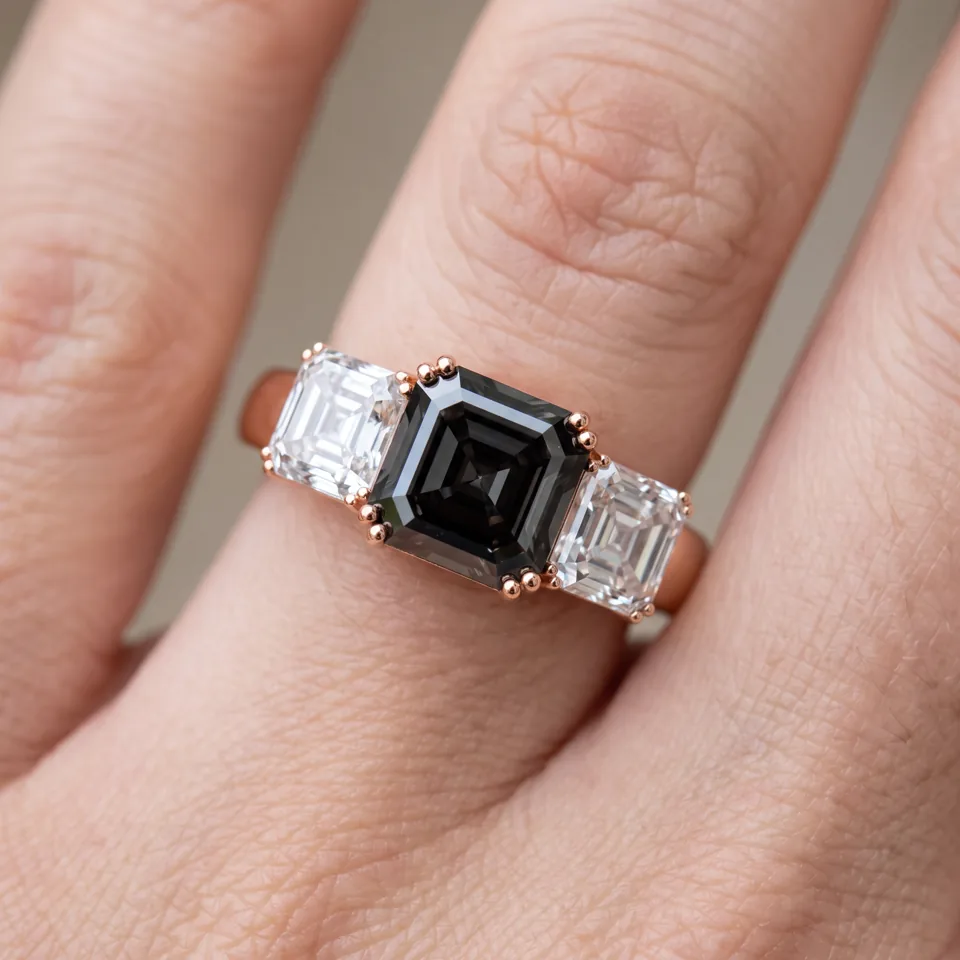 Rose Gold Black Diamond Rings
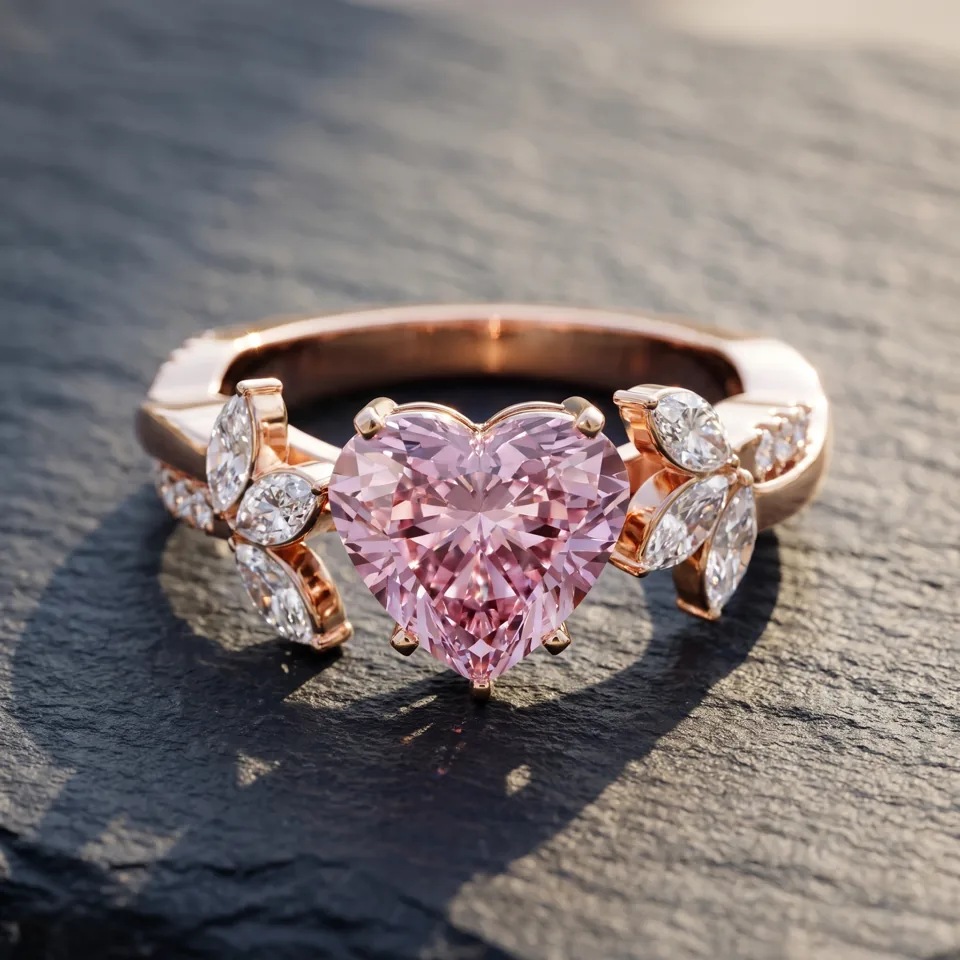 Rose Gold Pink Diamond Rings
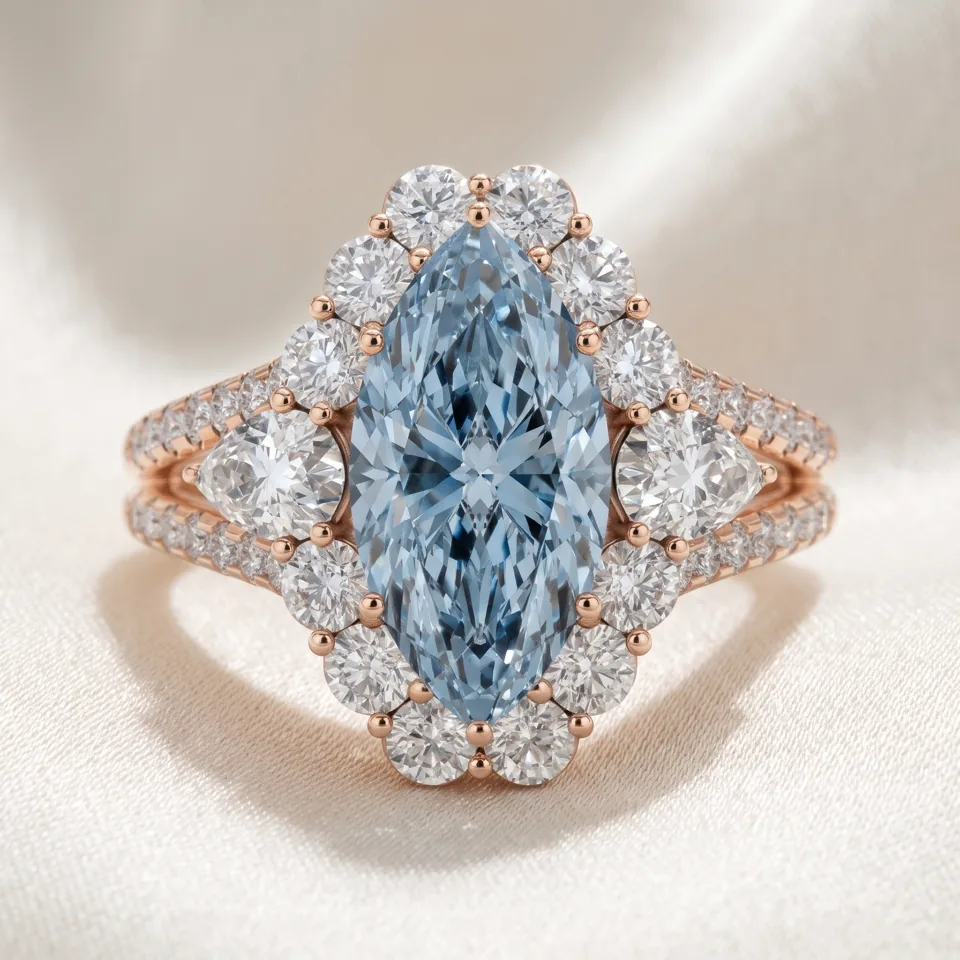 Rose Gold Blue Diamond Engagement Rings
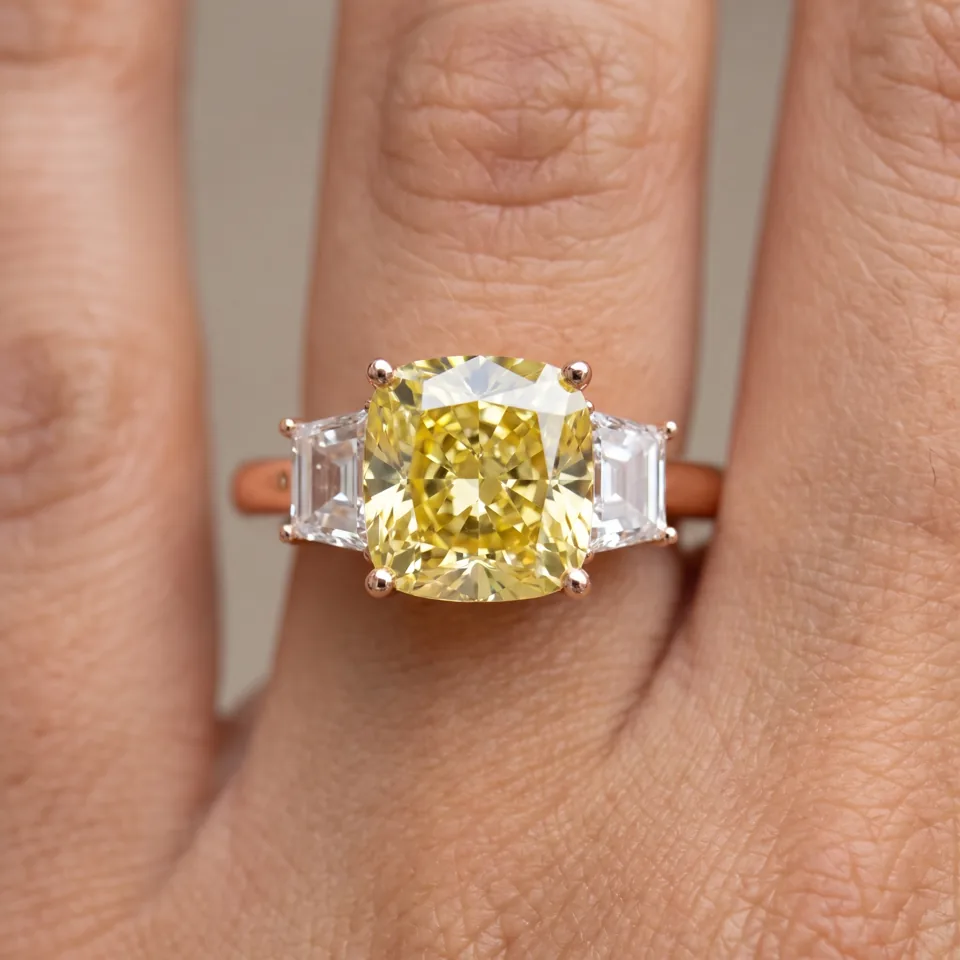 Rose Gold Yellow Diamond Rings
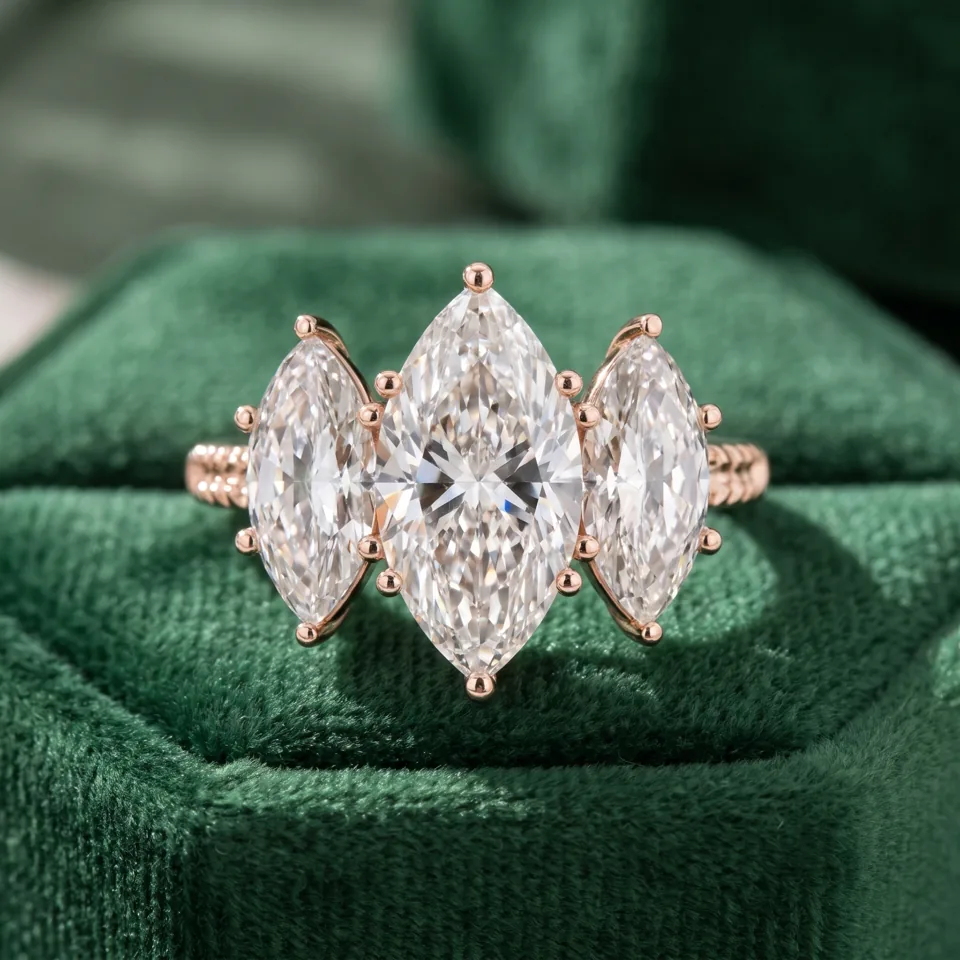 2 Carat Rose Gold Engagement Rings
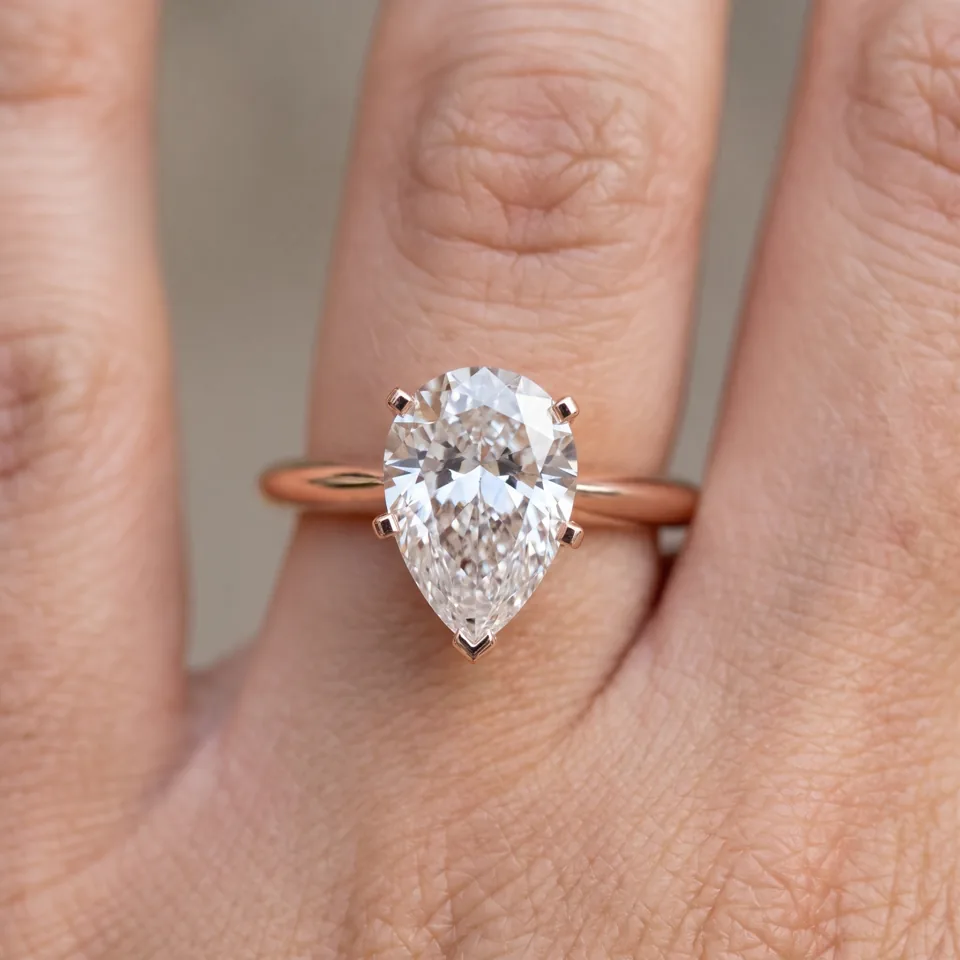 1 Carat Rose Gold Engagement Rings
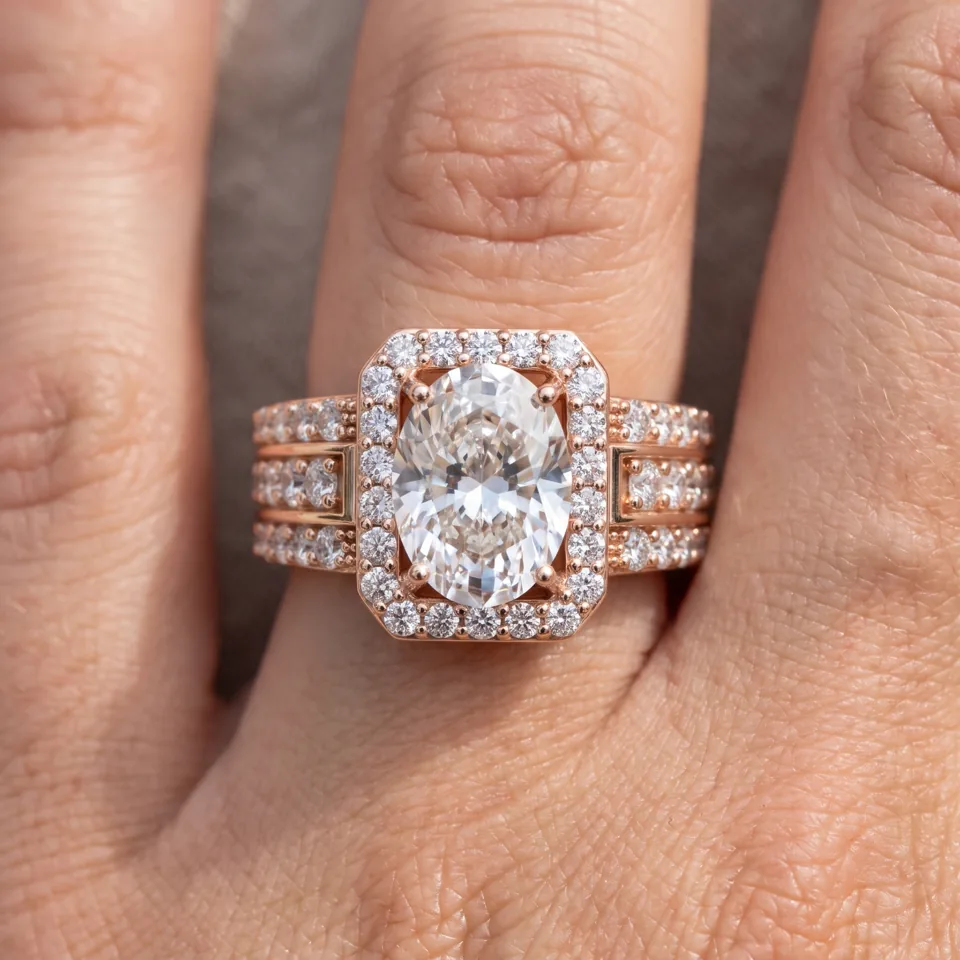 3 Carat Rose Gold Engagement Rings
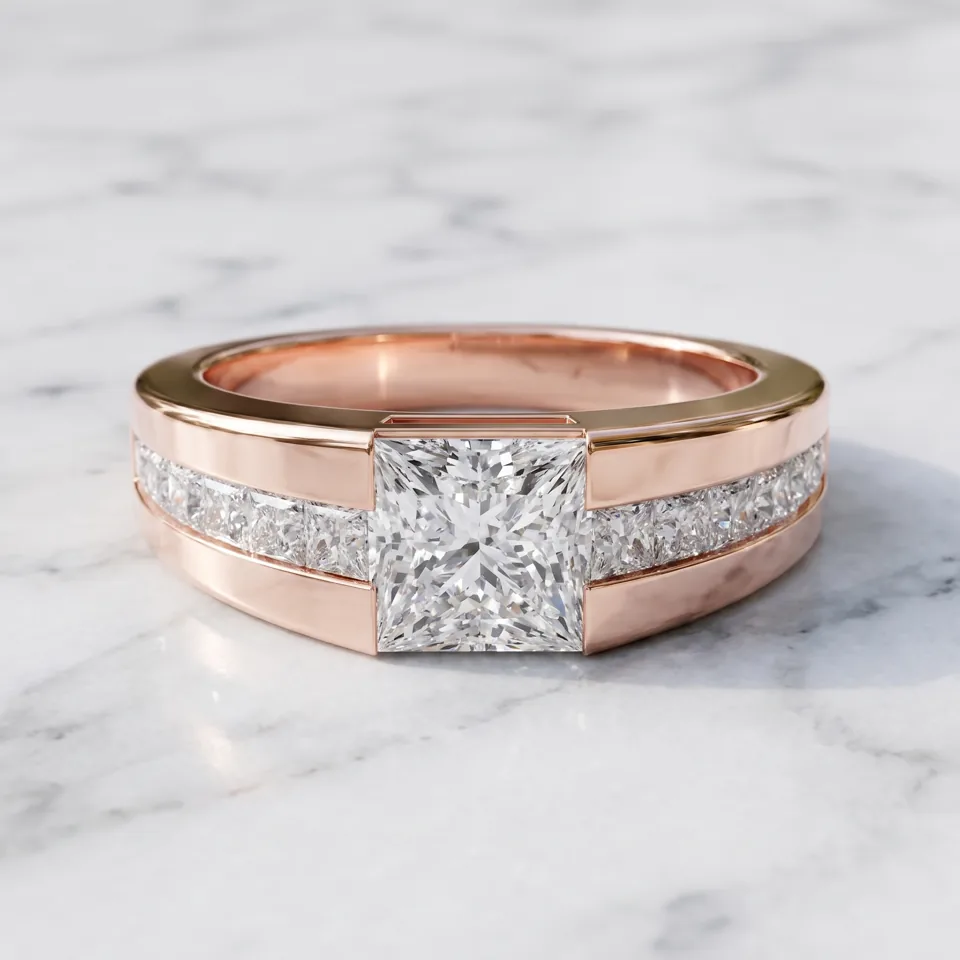 Rose Gold Men's Engagement Rings
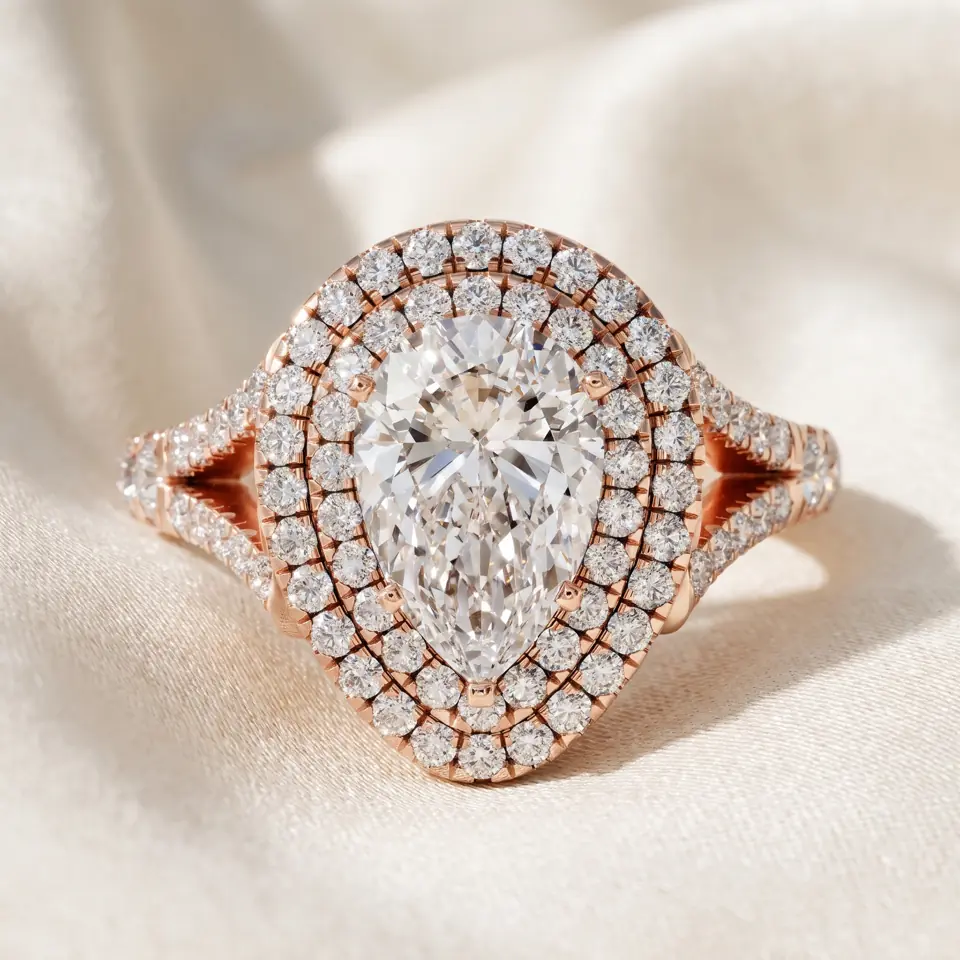 Rose Gold Double Halo Engagement Rings
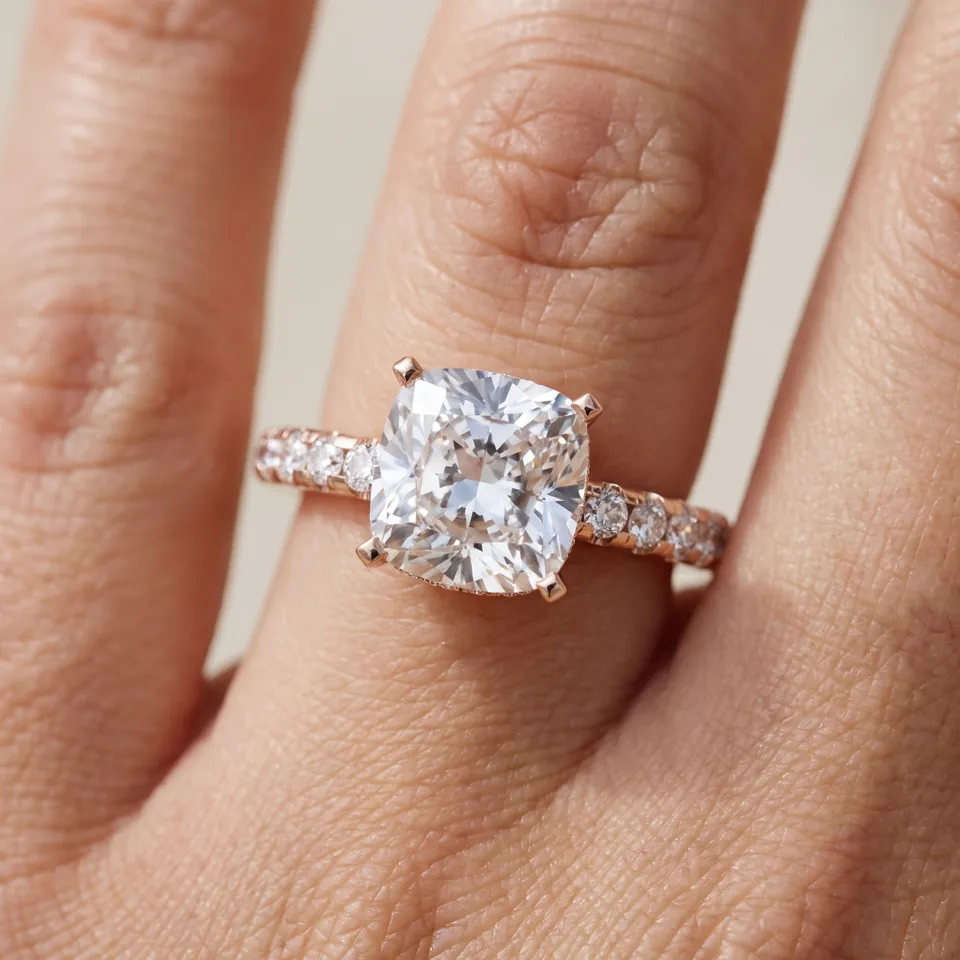 Rose Gold Hidden Halo Engagement Rings
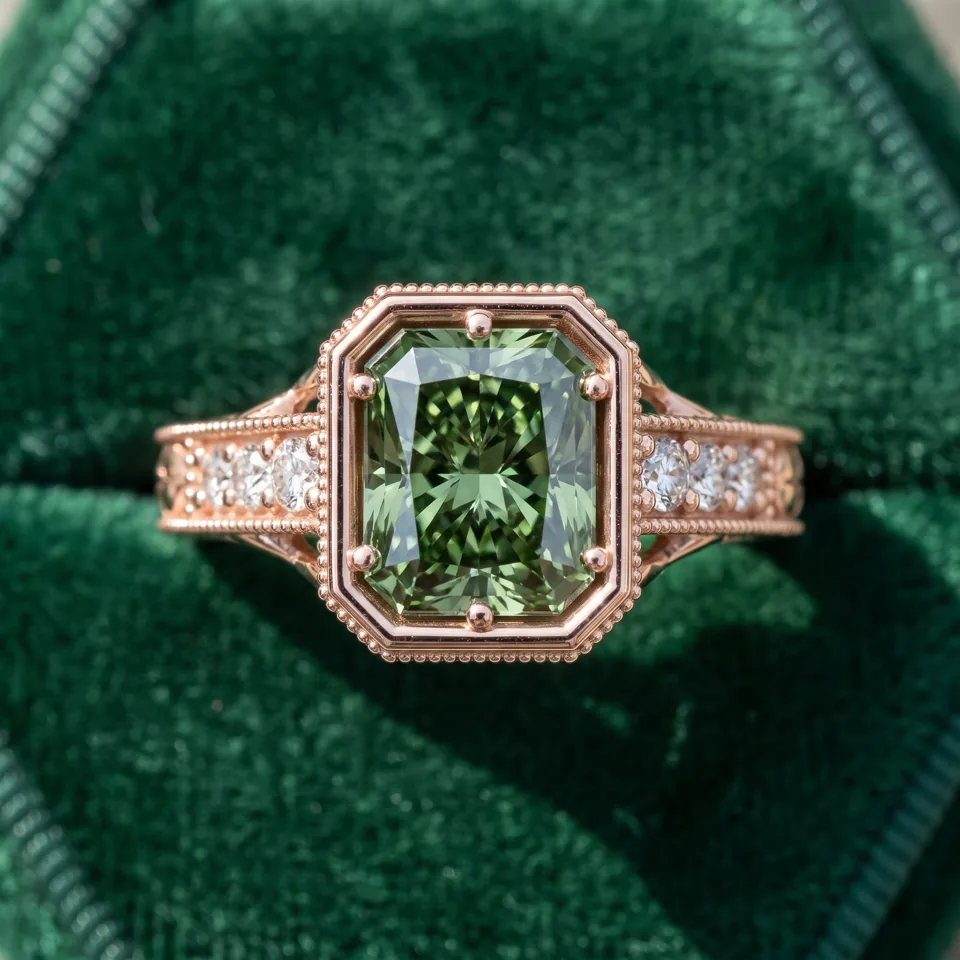 Rose Gold Green Diamond Rings
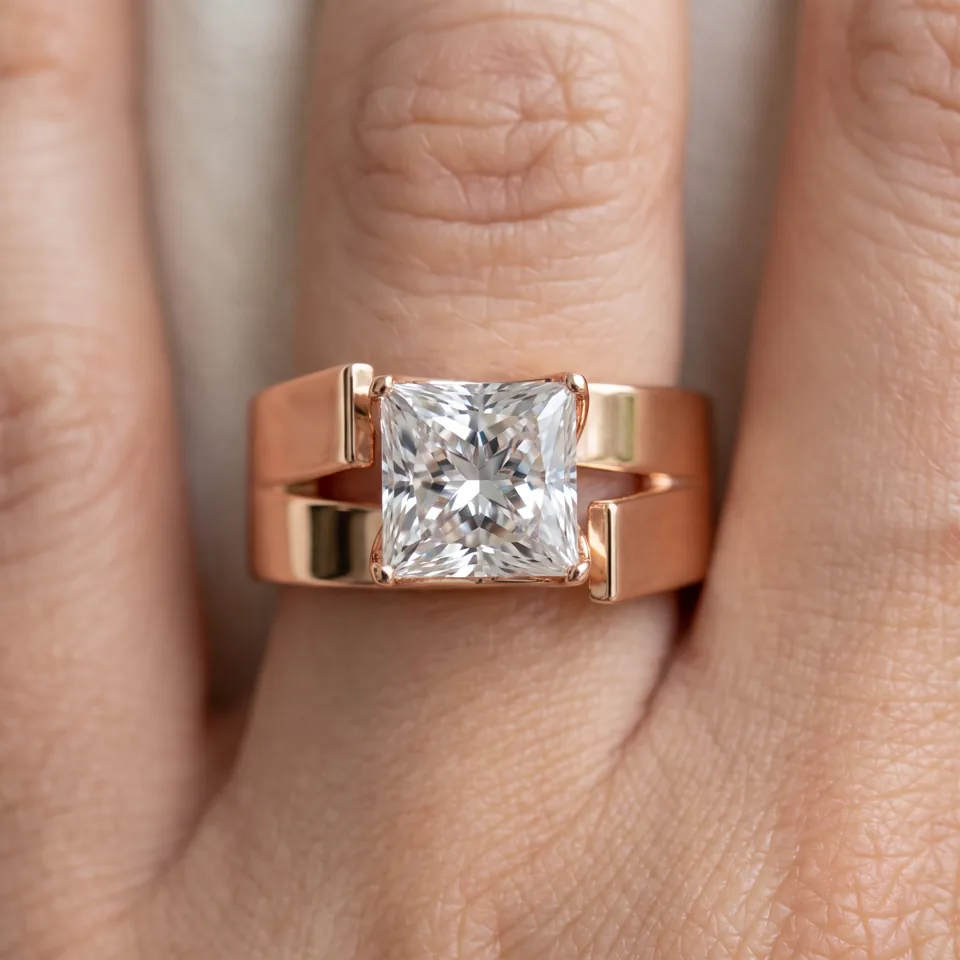 Rose Gold Bypass Engagement Rings
Copper blended into the gold creates the pink. With the highest copper share, 10K is both the pinkest and the hardest. 14K is a balanced middle with a soft blush. 18K carries the most gold, giving a peachier tone and a band that marks a bit more readily.
A colorless center stands out crisply in pink gold, and that contrast is part of the appeal. The pink metal tints the stone ever so slightly, so a center a grade or two lower in color rarely looks different. A fancy pink center leans into the theme, while a black center makes a bold dark spot against the pink.
This range leans heavily on pavé: rows of laboratory-grown diamond accents that make a clear white pattern against pink gold. Vintage designs with milgrain and filigree look especially at home in rose gold. Toi et moi rings pair two stones for a softer look, and solitaires keep everything simple.
Rose gold tones differ between karats, so order the wedding band in the same karat as the engagement ring to keep the colors identical side by side. Mixed metals work too: a white gold or platinum band next to rose gold makes a deliberate two-tone stack.
Your rose gold setting is made to your choices in 10–15 days and comes by insured shipping, free in both directions. The center arrives with its IGI or GIA report. Within 30 days you can return it unworn with the certificate, and you get one free resize in the 60 days after it arrives.
Yes. The copper that gives rose gold its color also toughens it a little compared with yellow gold at an equal karat. It flatters many skin tones, sets off colorless centers, and holds its hue without any plating. Pick 14K for a balance of strength and tone, or 10K for the hardest band.
Yes, though it now feels more like a lasting option than a passing trend. Rose gold engagement rings remain a steady choice, especially in vintage, floral and halo styles. Its warm color also suits mixed-metal stacks with yellow or white gold, which keeps it current. If you love the color, it will not look dated on your hand.
No. Unlike silver, rose gold won't tarnish. Over many years the copper in the alloy can deepen the color slightly, which many people like. Lower karats such as 10K show this a little more. A soak in mild soapy water plus a gentle brushing keeps the surface bright, and a jeweler can polish away scratches.
14K is the best all-round karat for most rose gold engagement rings. It has a clear pink tone and is hard enough for daily wear. 10K is pinker and tougher but holds less gold, while 18K trades some hardness for a warmer, peachy color. Rose gold settings here come in all three, so you can pick the tone you like.
Colorless diamonds look sharp in rose gold, and since the metal is warm, near-colorless grades still read white. For a coordinated look, a fancy pink center echoes the metal; for contrast, a black center stands out strongly. Most designs here let you choose pink, yellow, blue or green centers, with black available on some.


