Complimentary insured shipping, both waysEngagement ring diamonds certified by IGI or GIAGrown by light. Conflict-free by natureComplimentary insured shipping, both ways
Engagement RingsWedding BandsEarrings

NecklaceBraceletsAbout
Platinum engagement rings hold your center in a naturally white, dense metal that needs no plating. Start with the center's shape (round, oval, emerald, pear, heart and more), then the setting style: solitaire, pavé, halo, toi et moi and others. Your center diamond is chosen on the following page, and its IGI or GIA report travels with the ring.
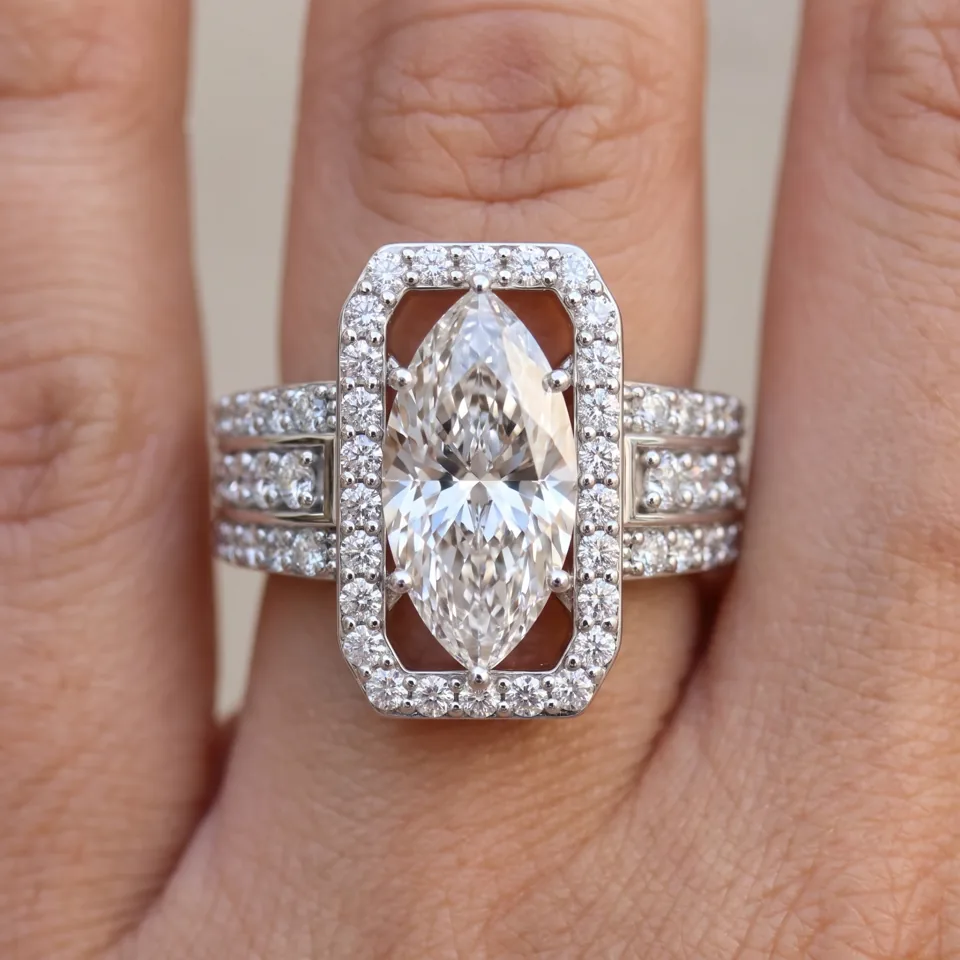 Platinum Vintage Rings
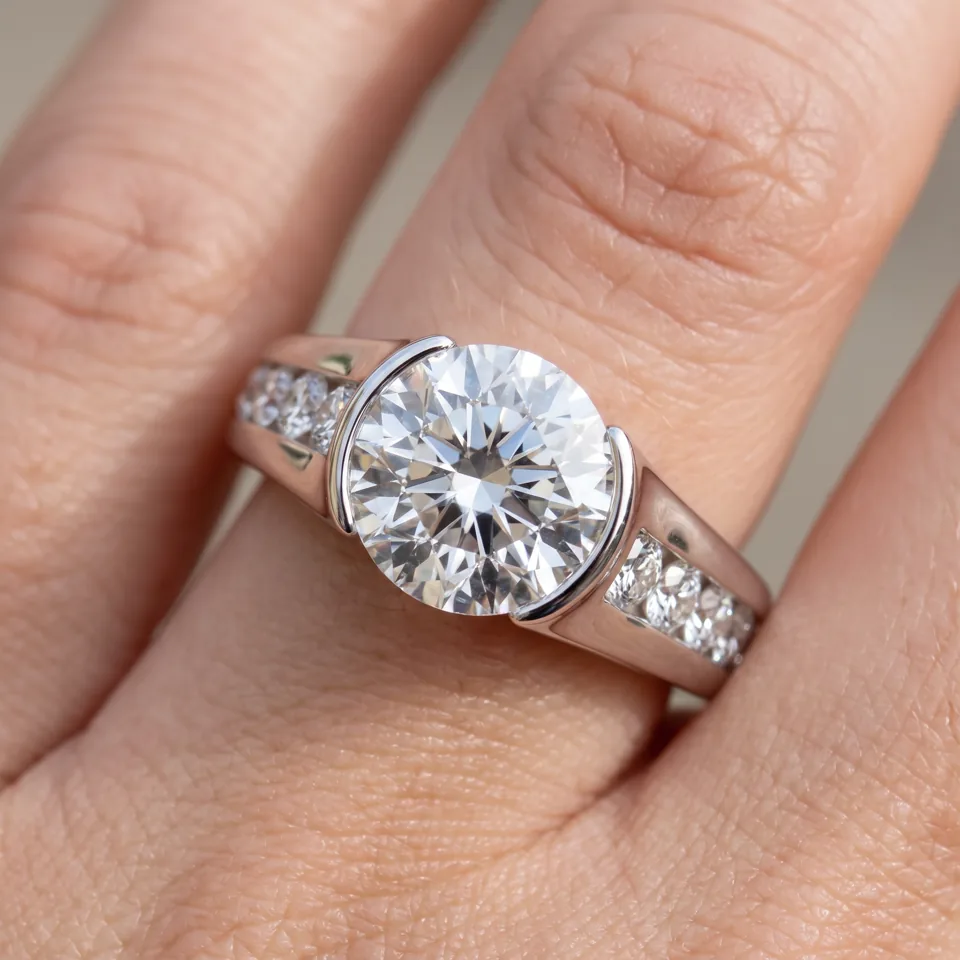 Platinum Bezel Engagement Rings
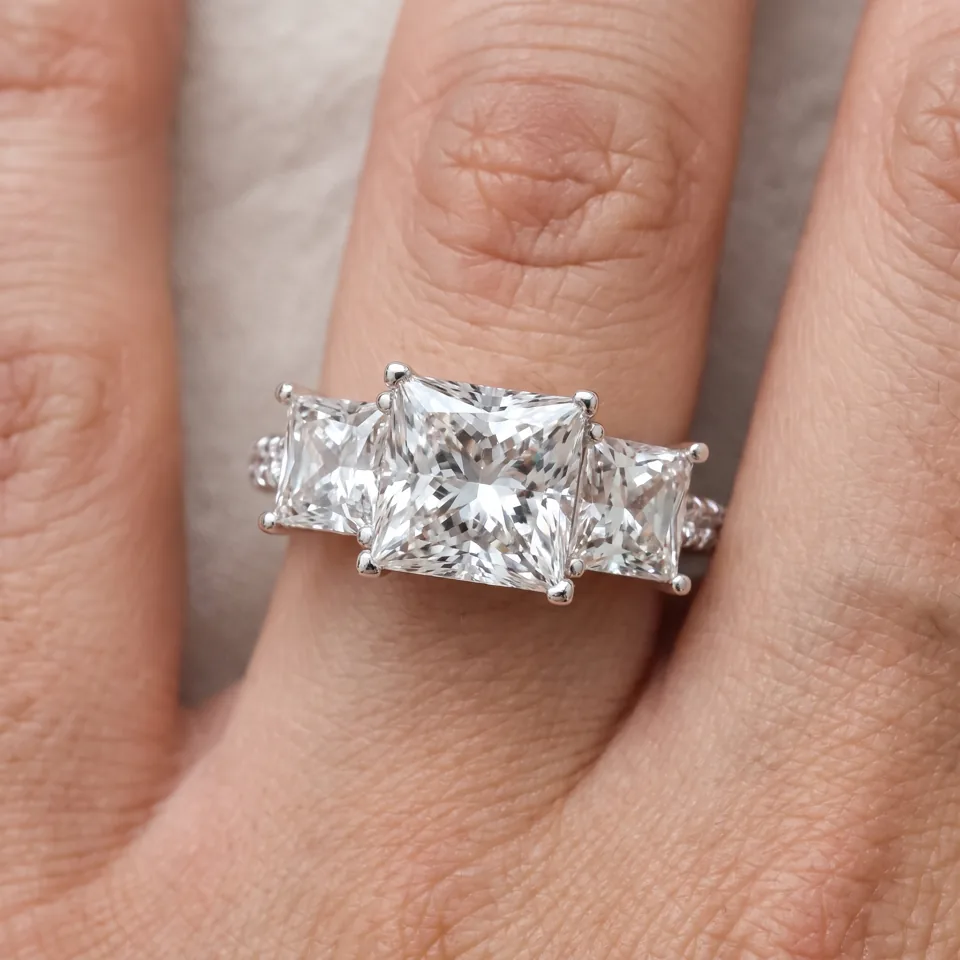 Platinum Three Stone Engagement Rings
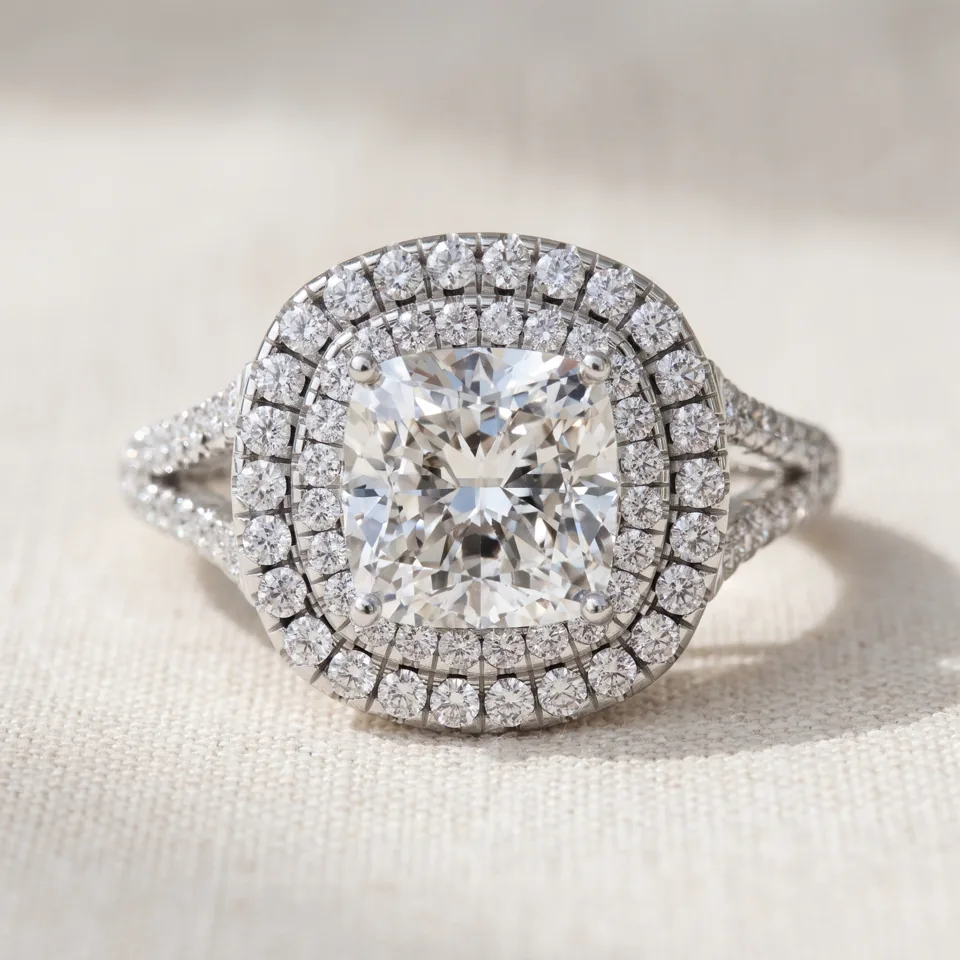 Platinum Halo Engagement Rings
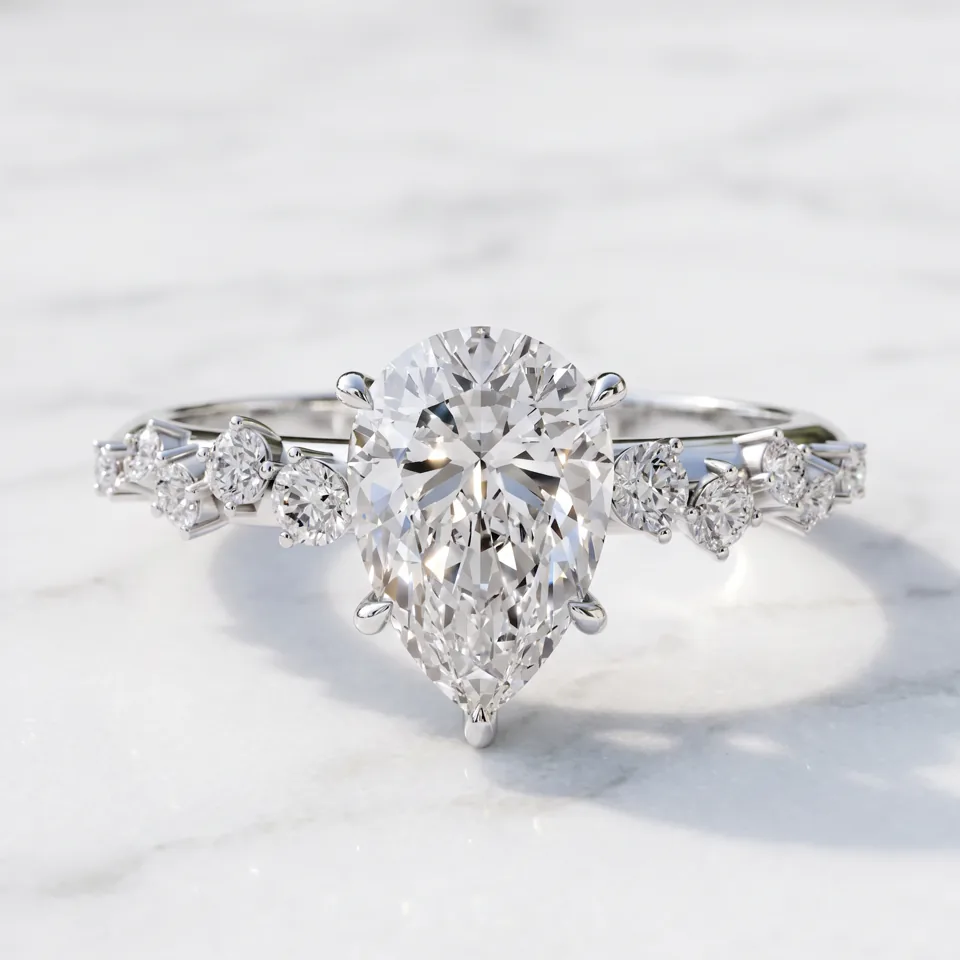 Platinum Cluster Rings
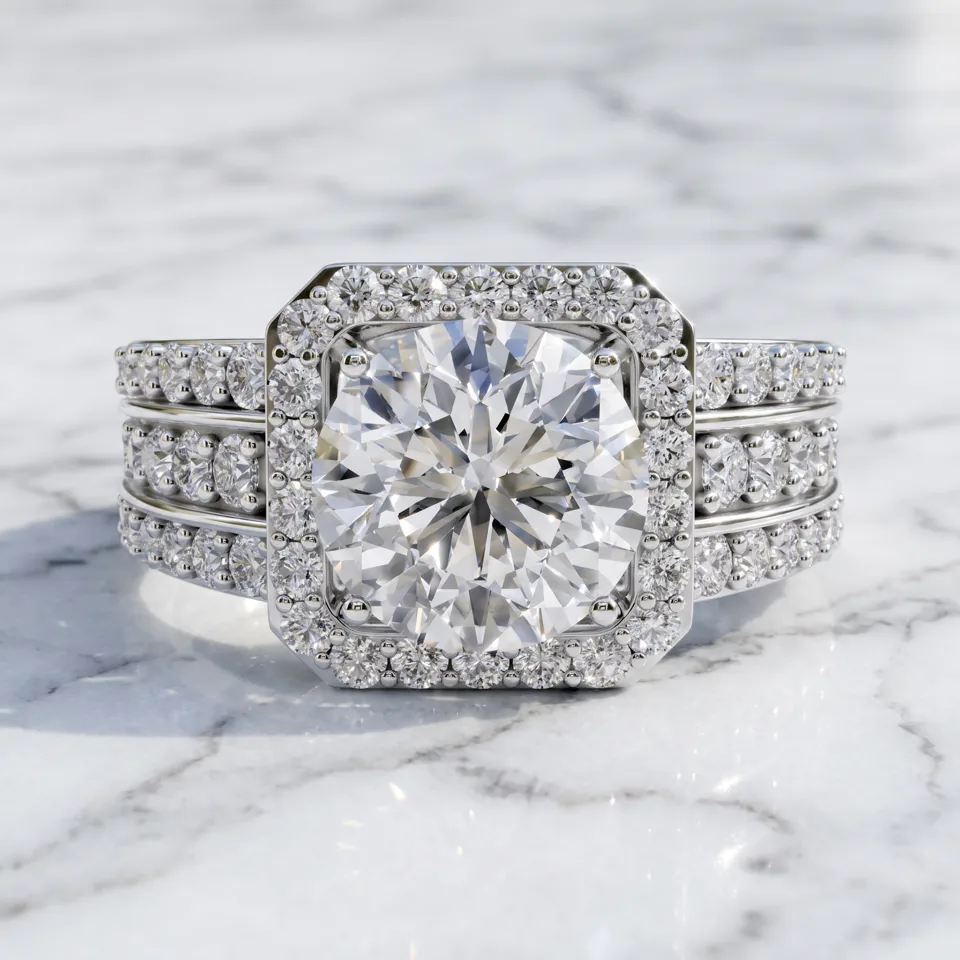 Platinum Filigree Rings
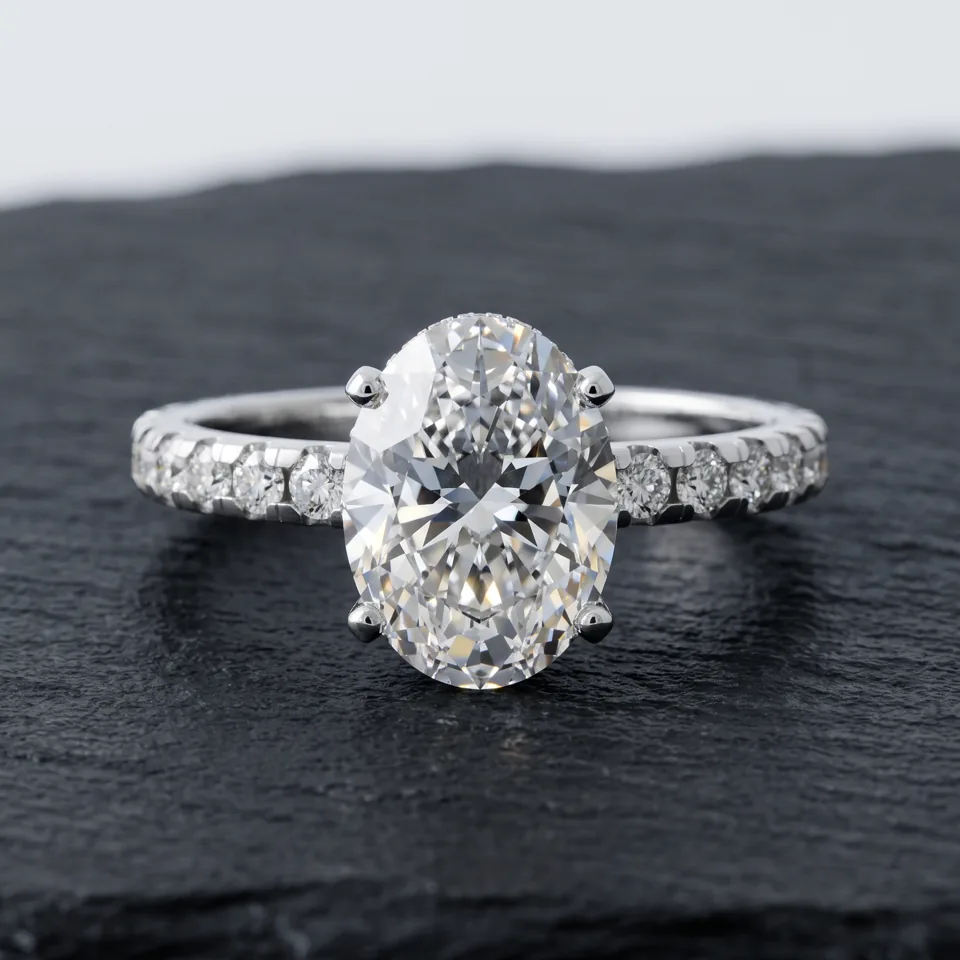 Platinum Hidden Halo Engagement Rings
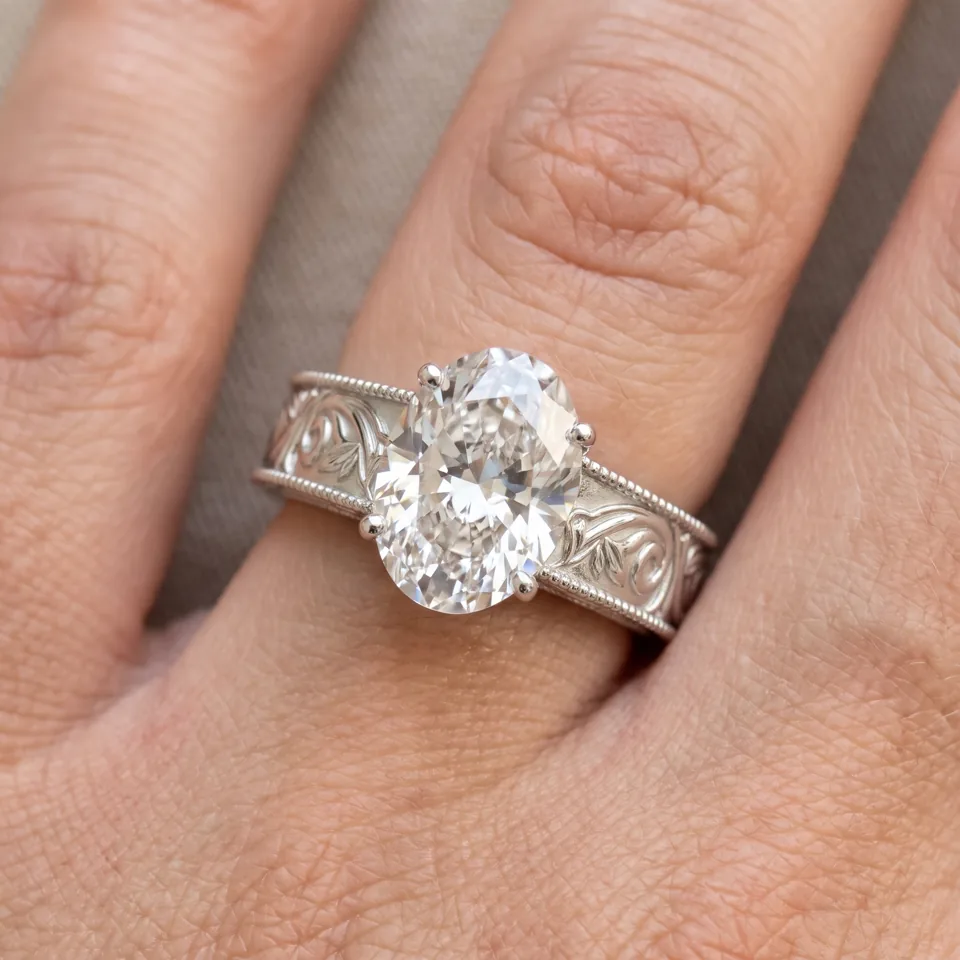 Platinum Engraved Rings
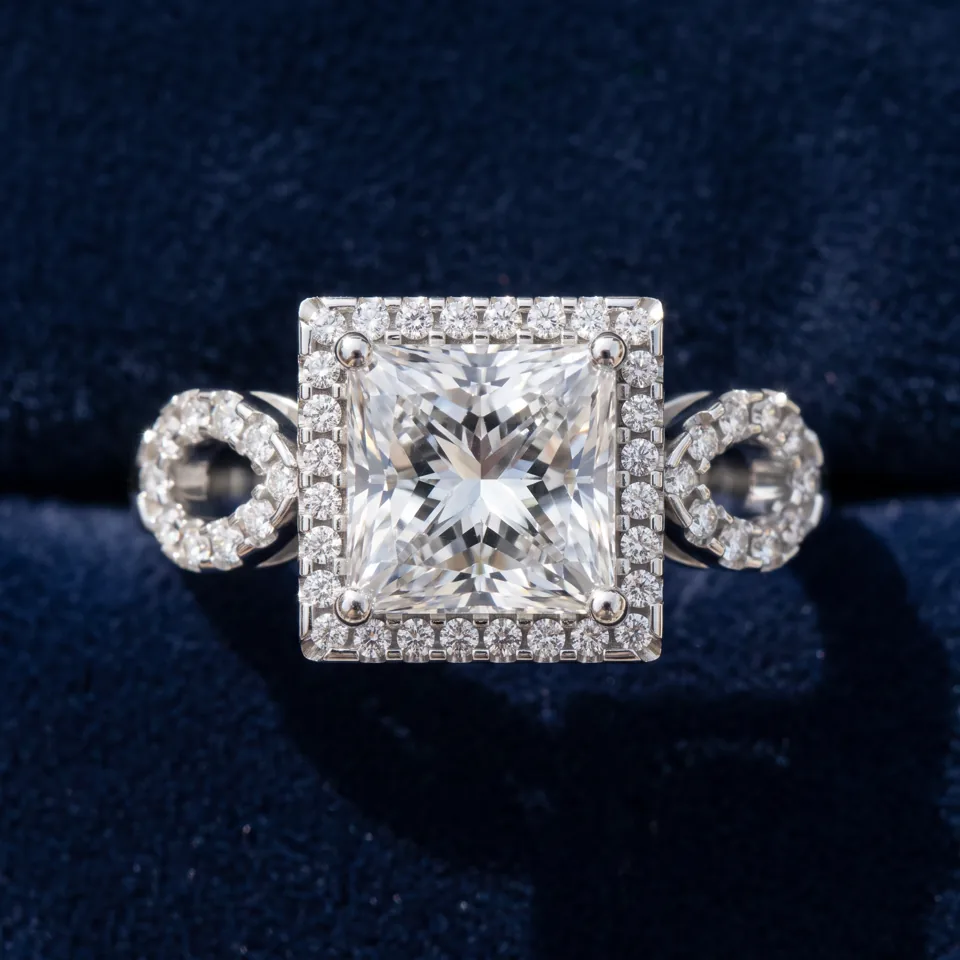 Platinum Infinity Rings
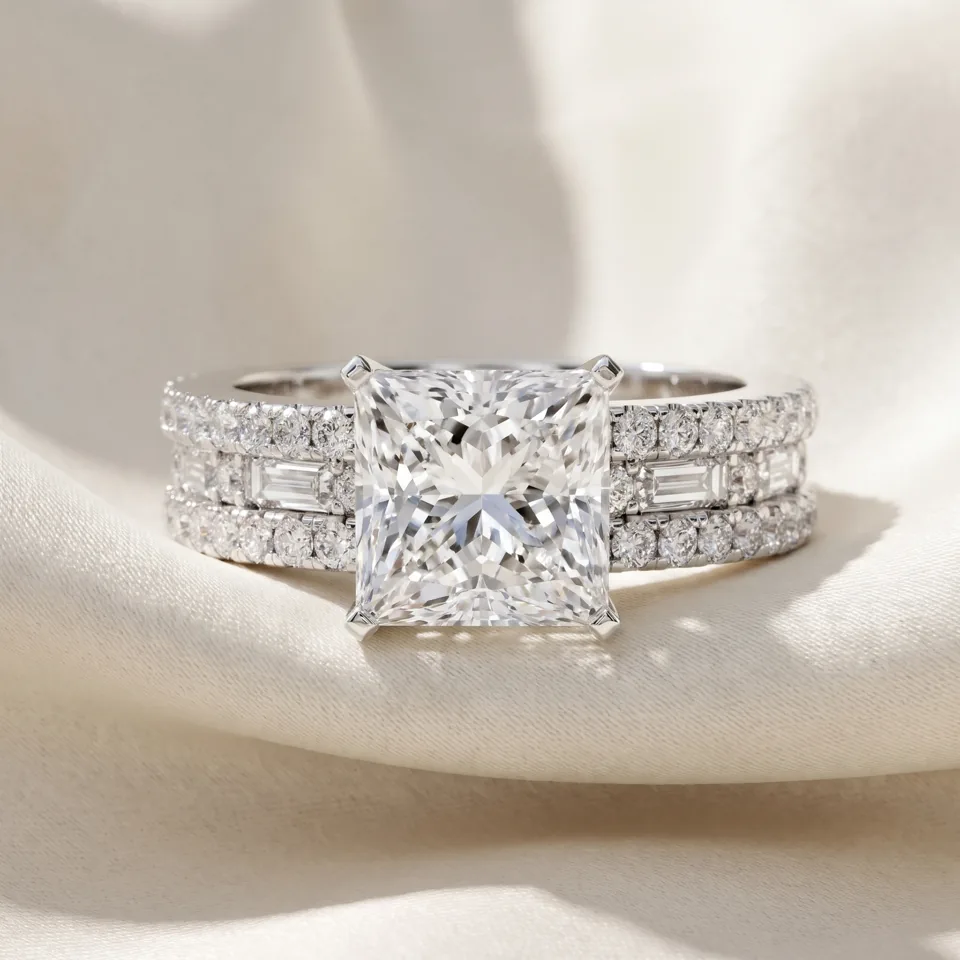 Platinum Baguette Engagement Rings
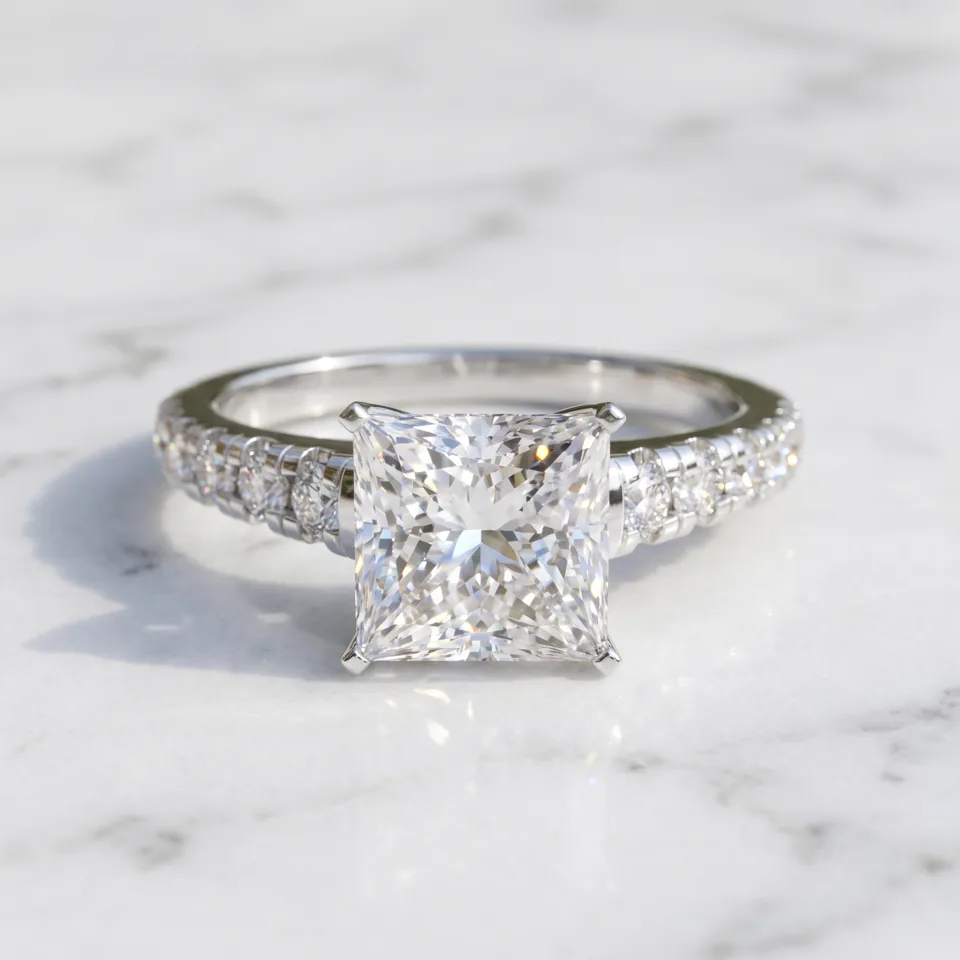 Platinum Pave Rings
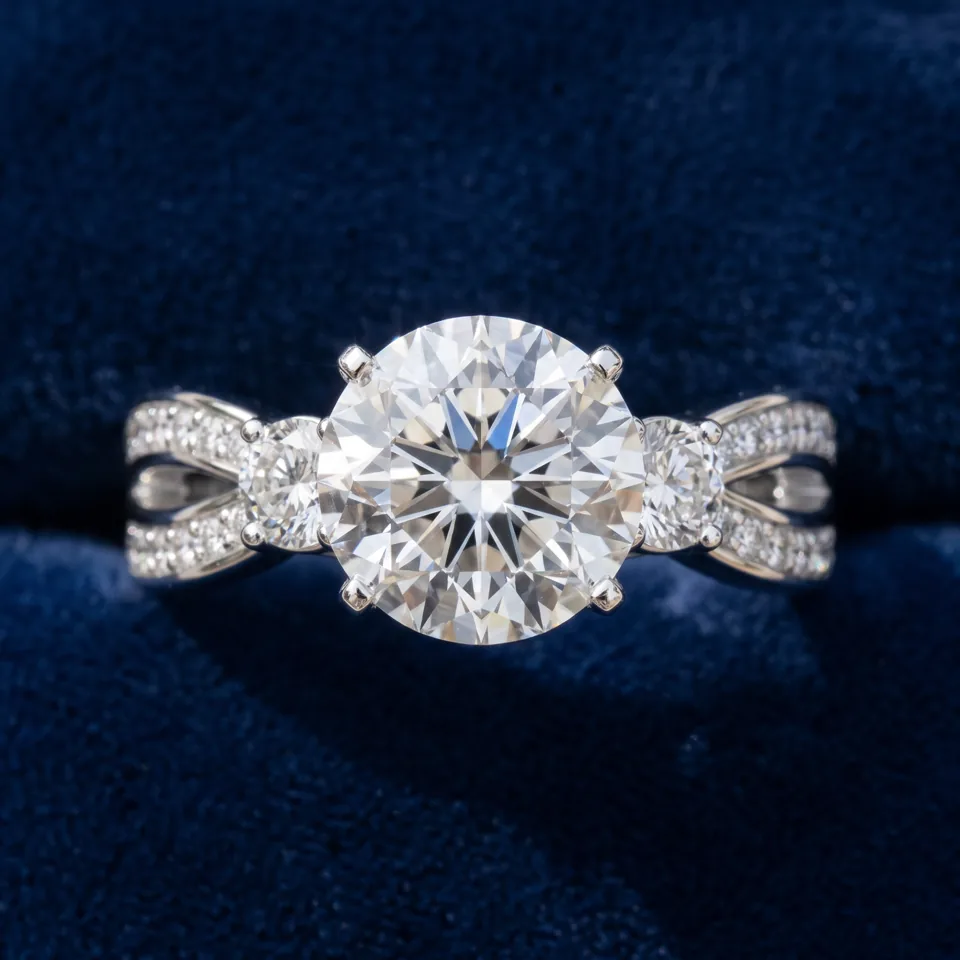 Twisted Platinum Rings
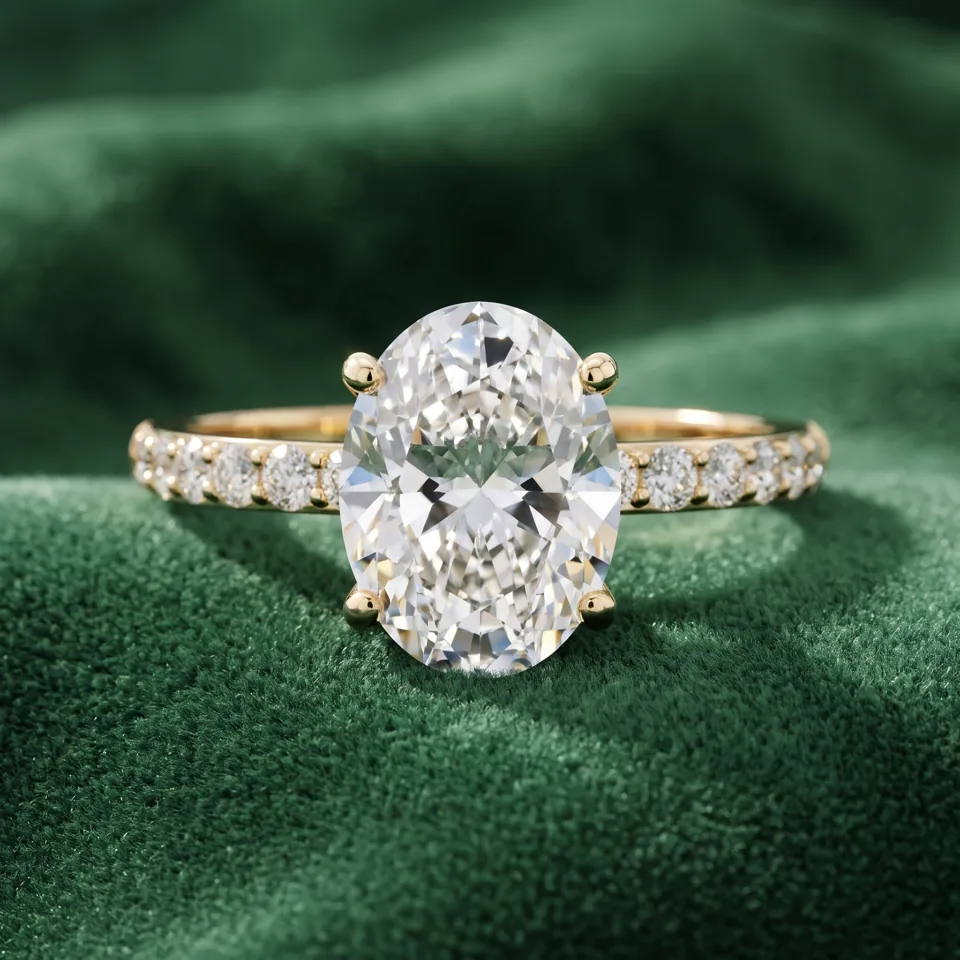 Gold Rings
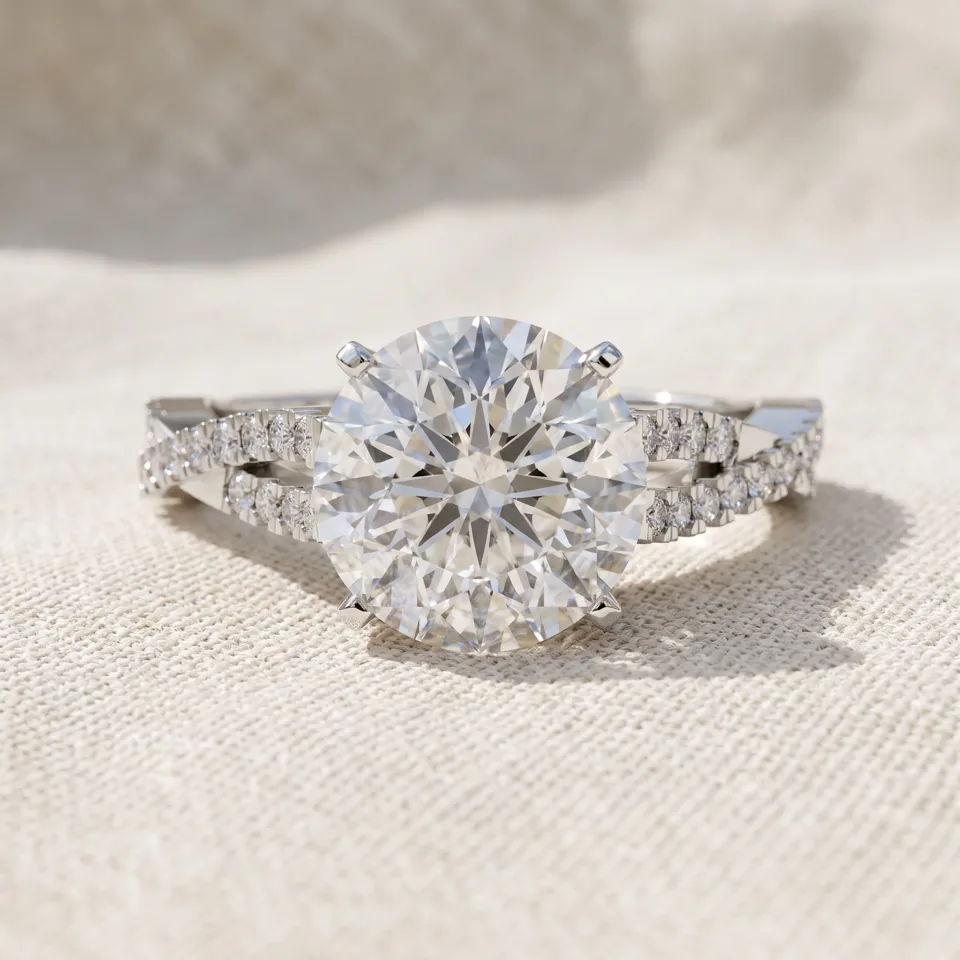 Sterling Silver Engagement Rings
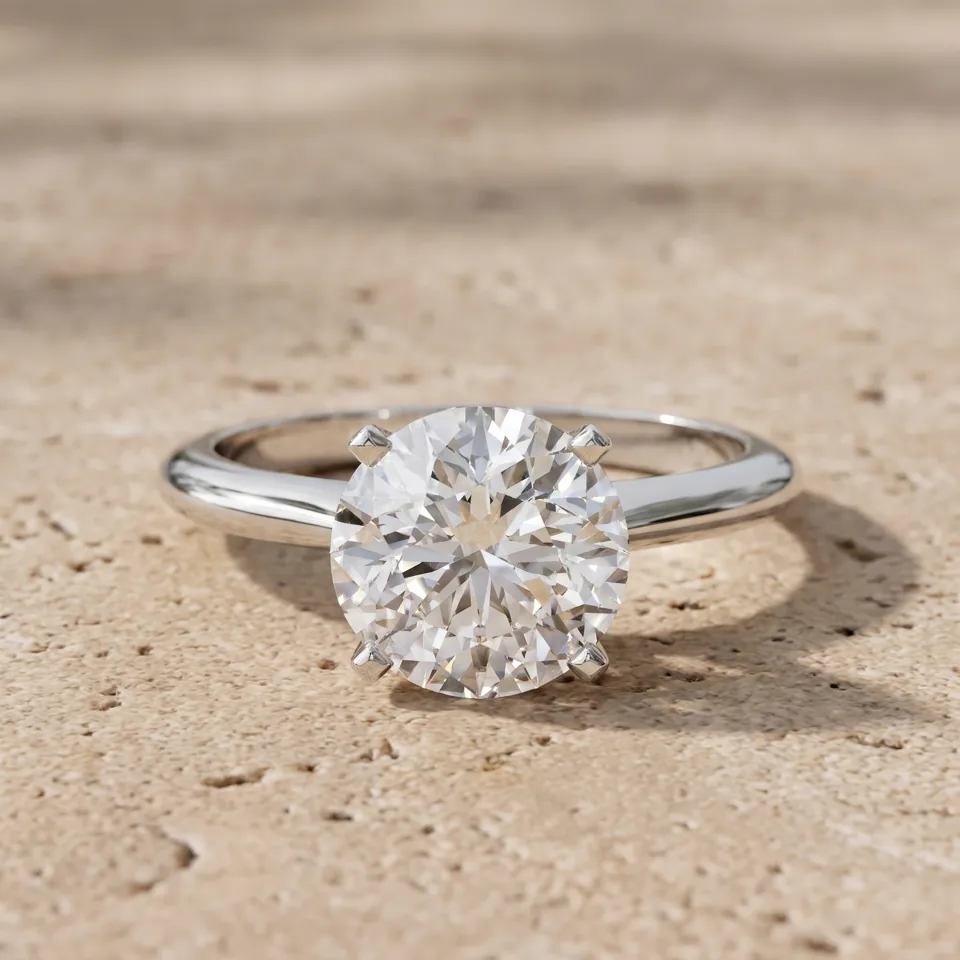 White Gold Diamond Engagement Rings
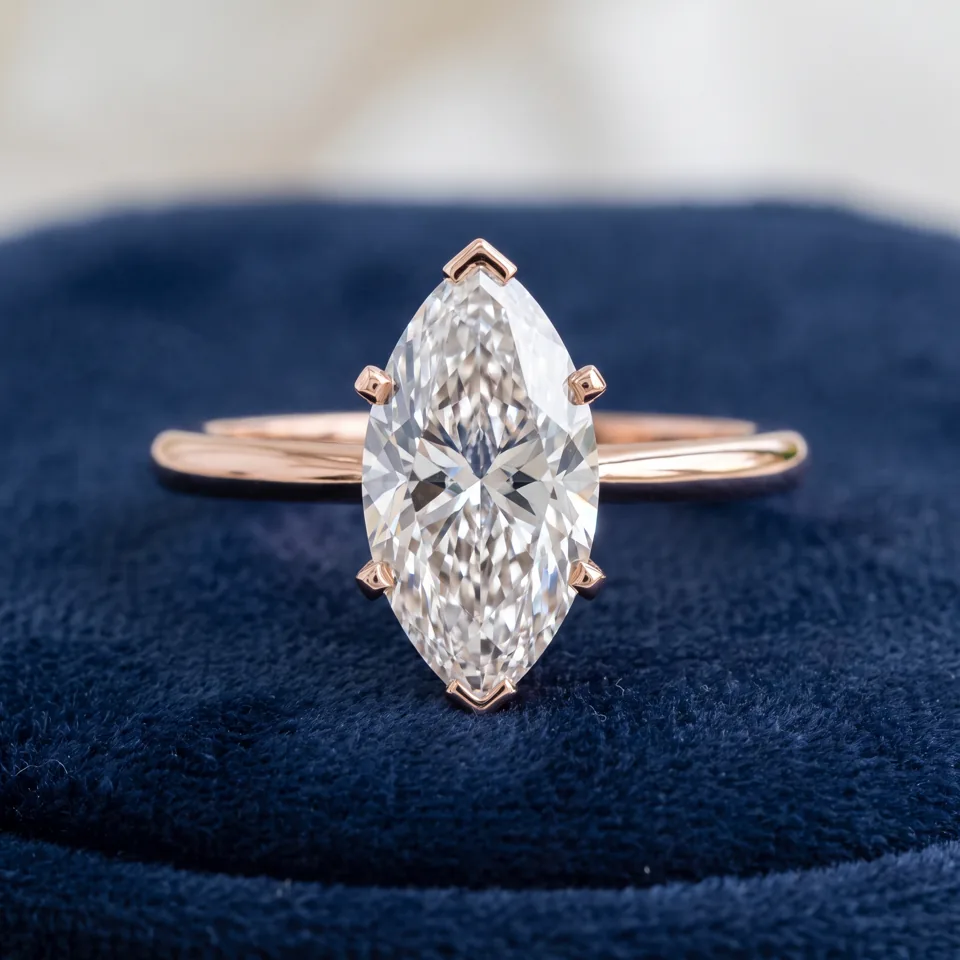 Rose Gold Engagement Rings
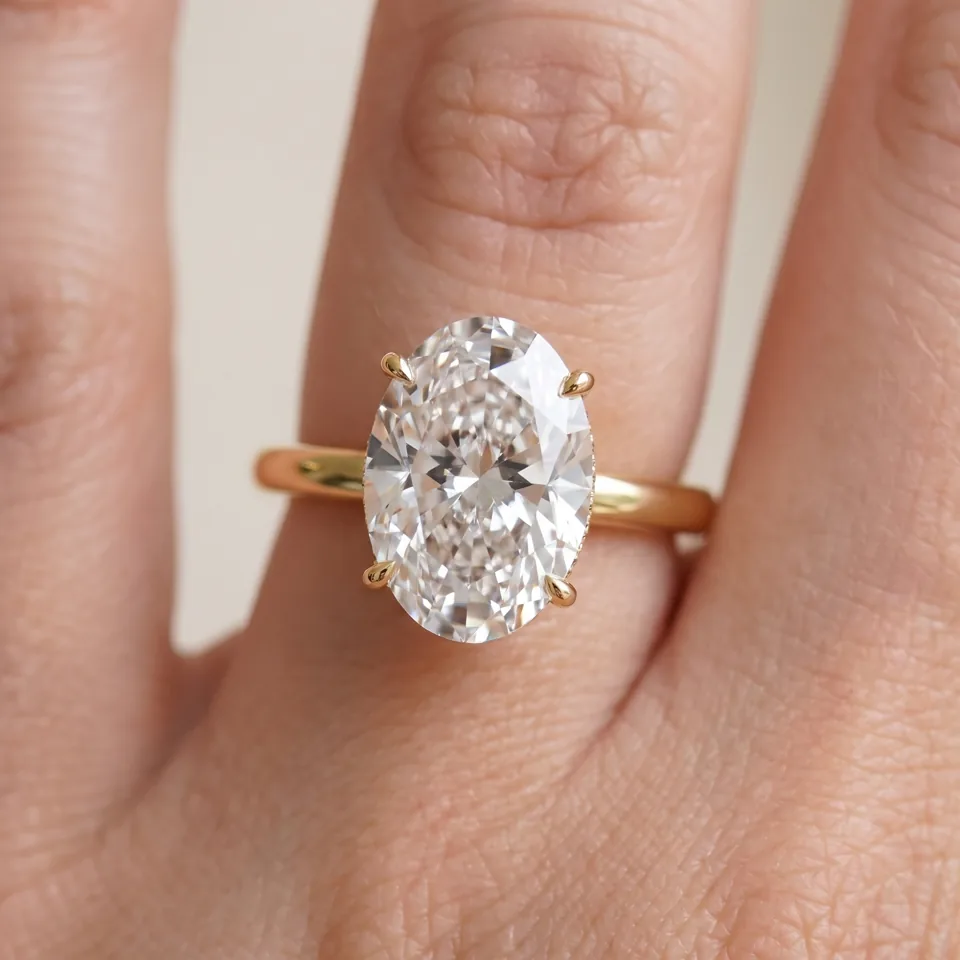 Yellow Gold Diamond Engagement Rings
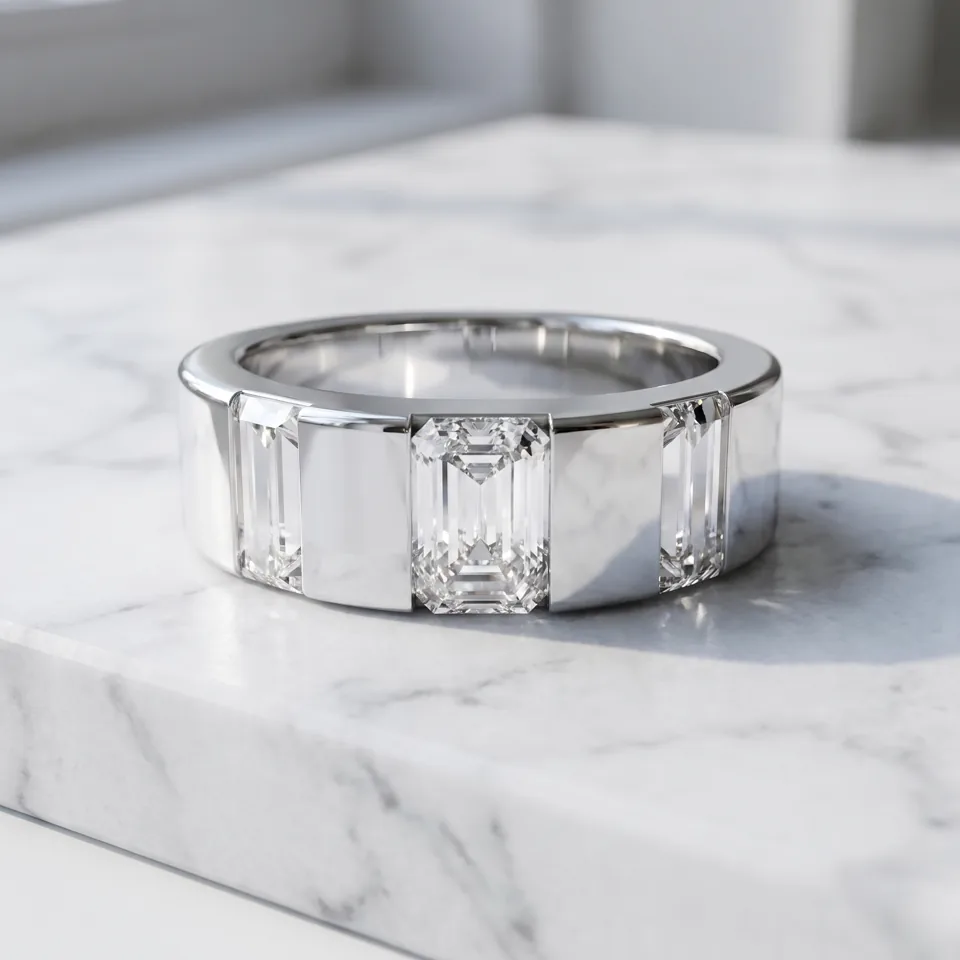 Platinum Men's Engagement Rings
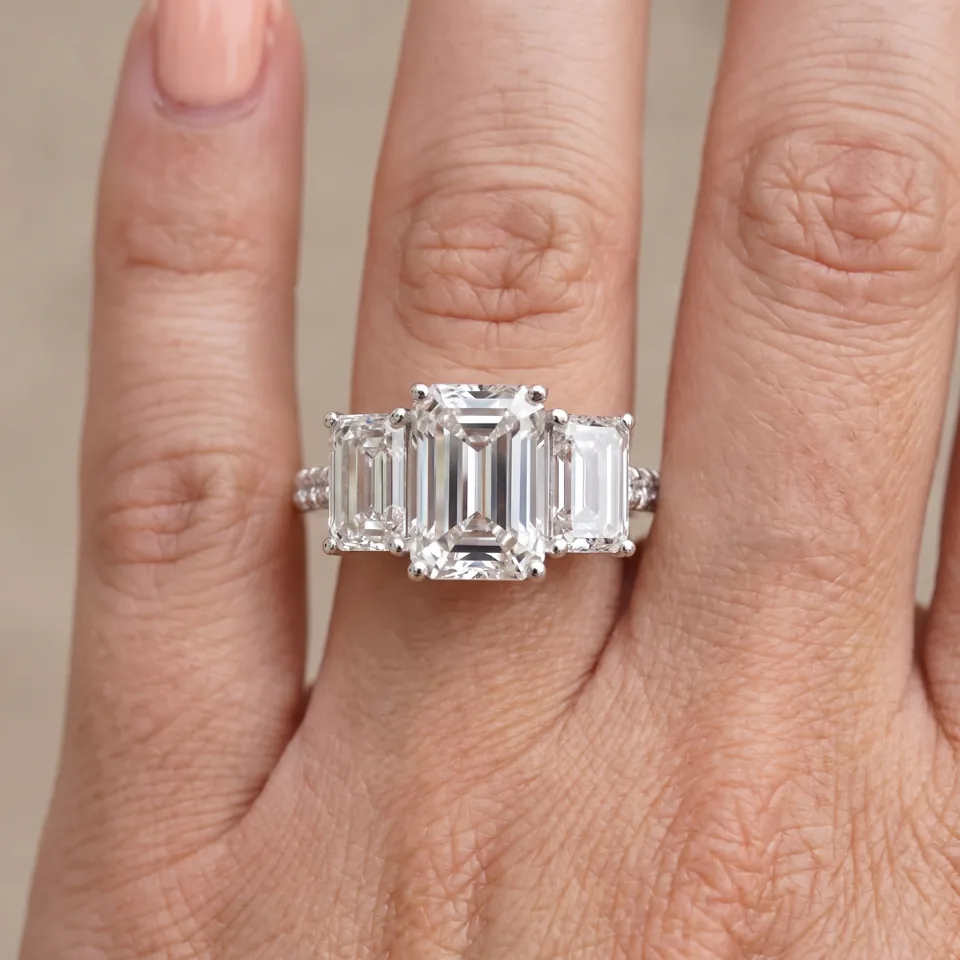 2 Carat Platinum Engagement Rings
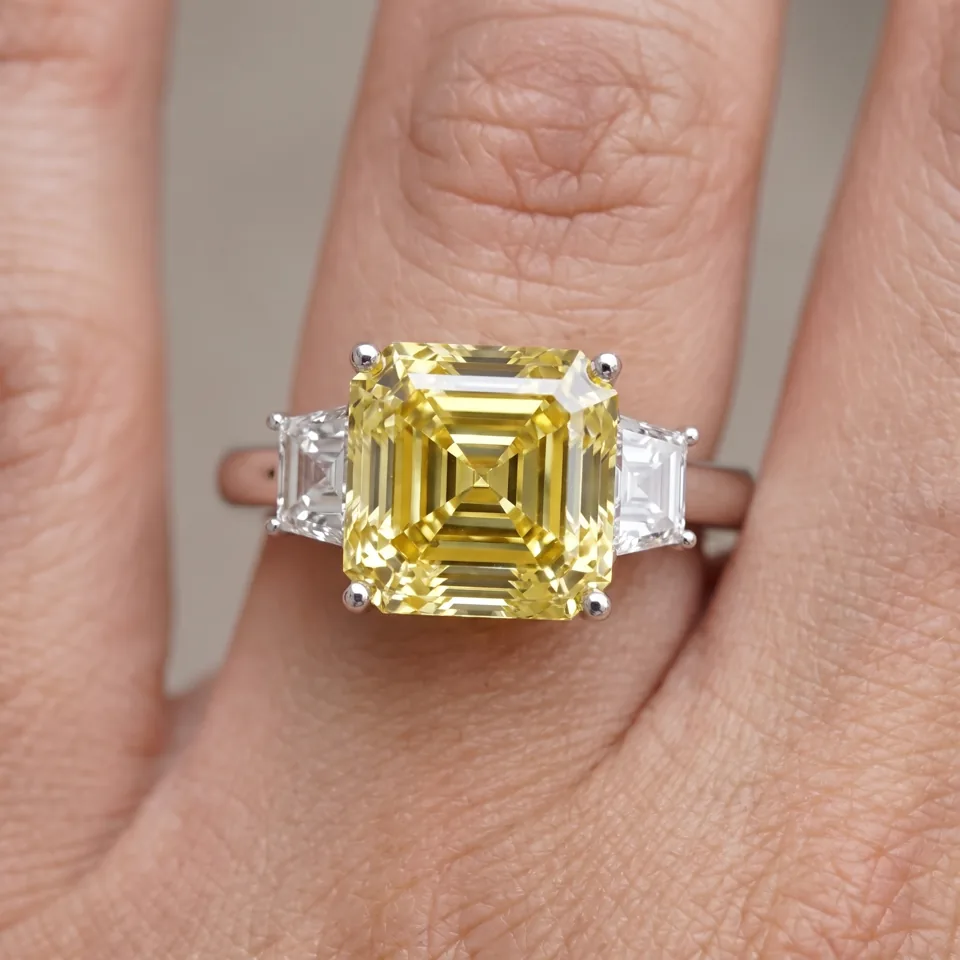 Platinum Yellow Diamond Rings
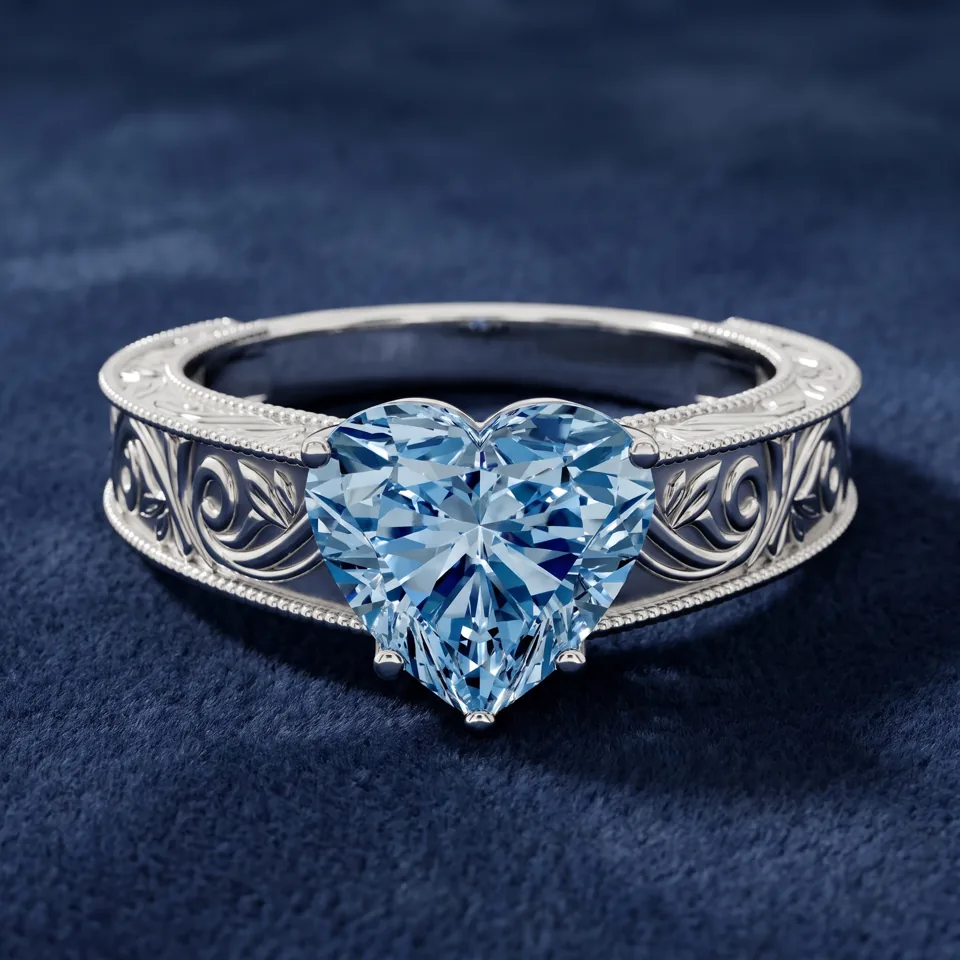 Platinum Blue Diamond Engagement Rings
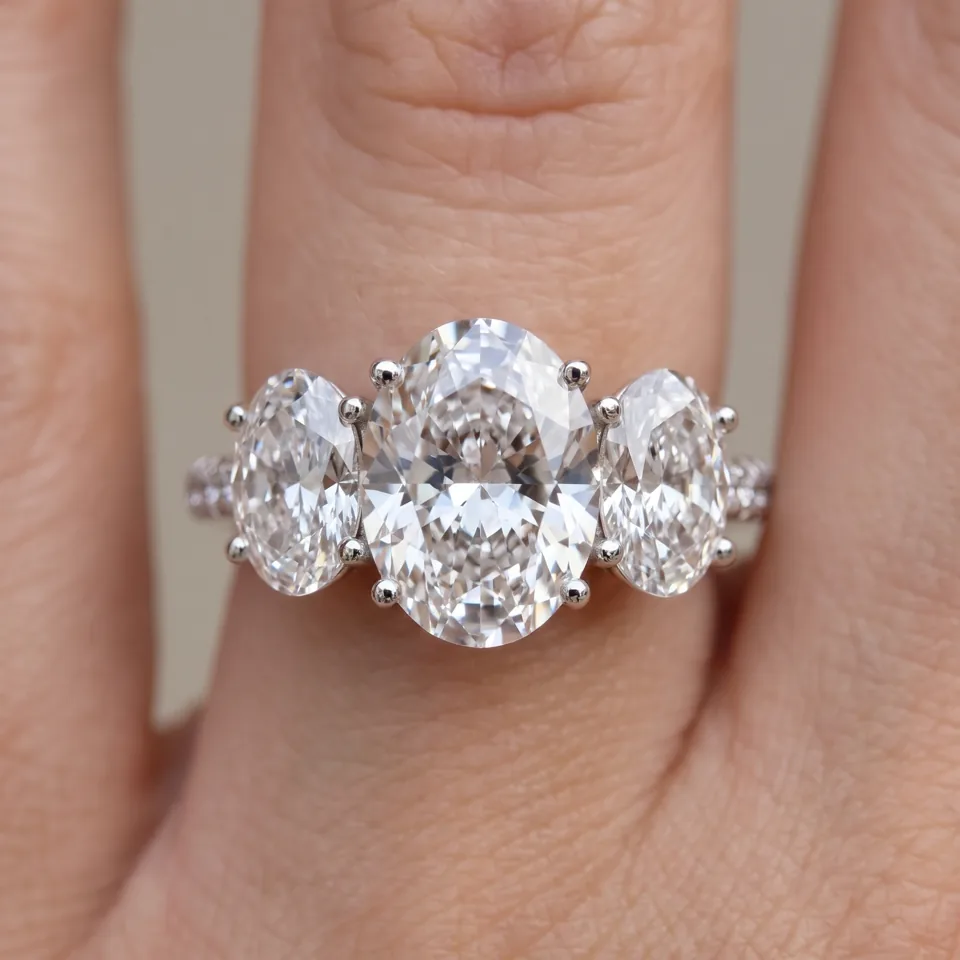 3 Carat Platinum Rings
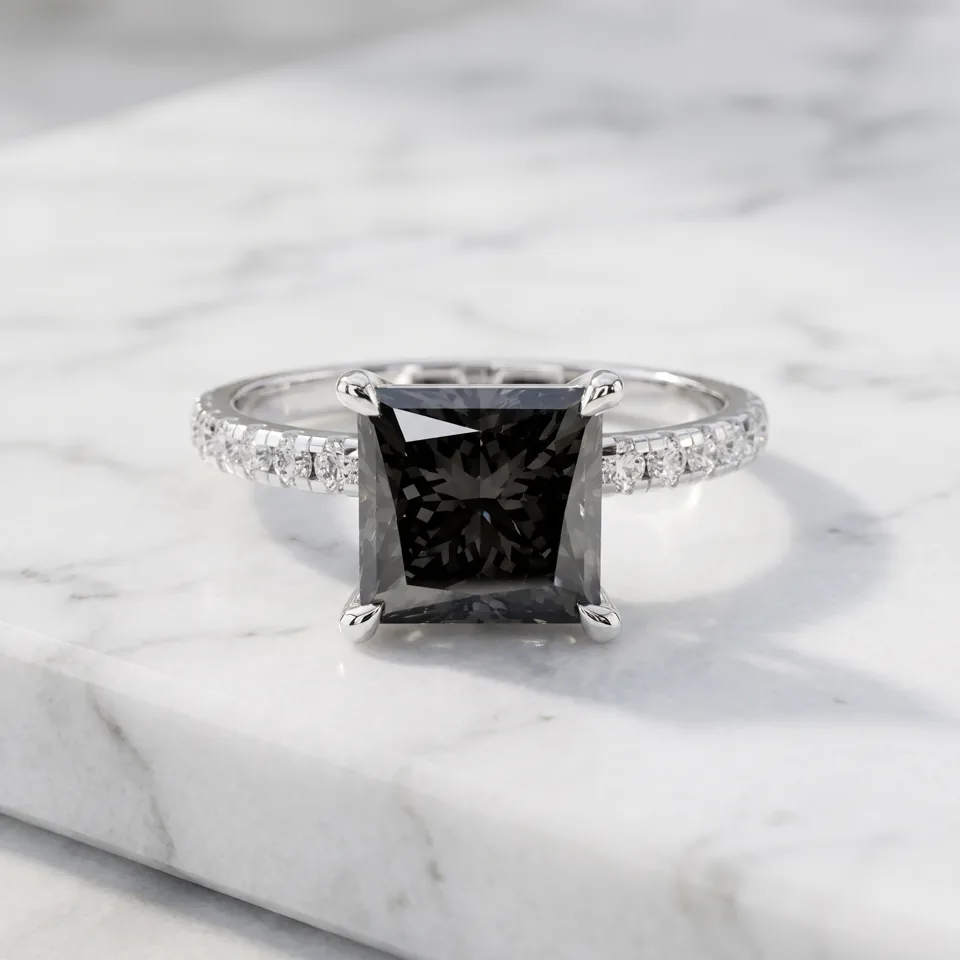 Platinum Black Diamond Rings
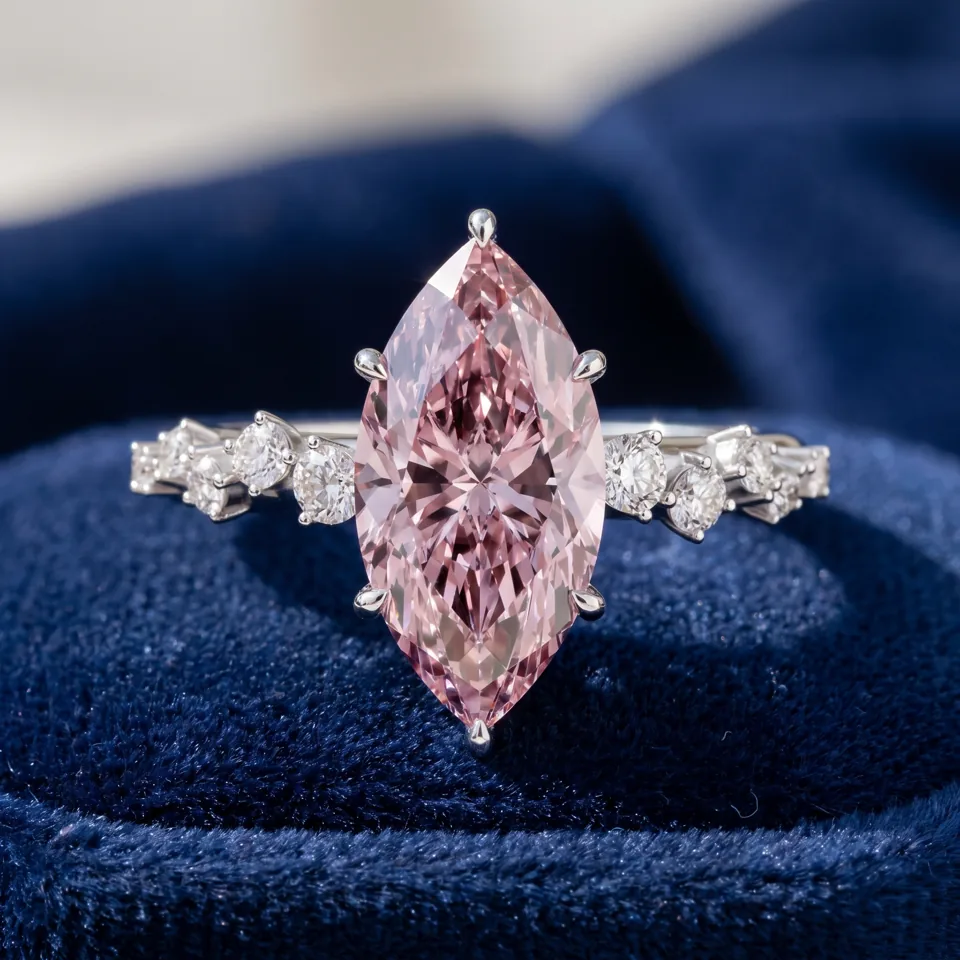 Platinum Pink Diamond Rings
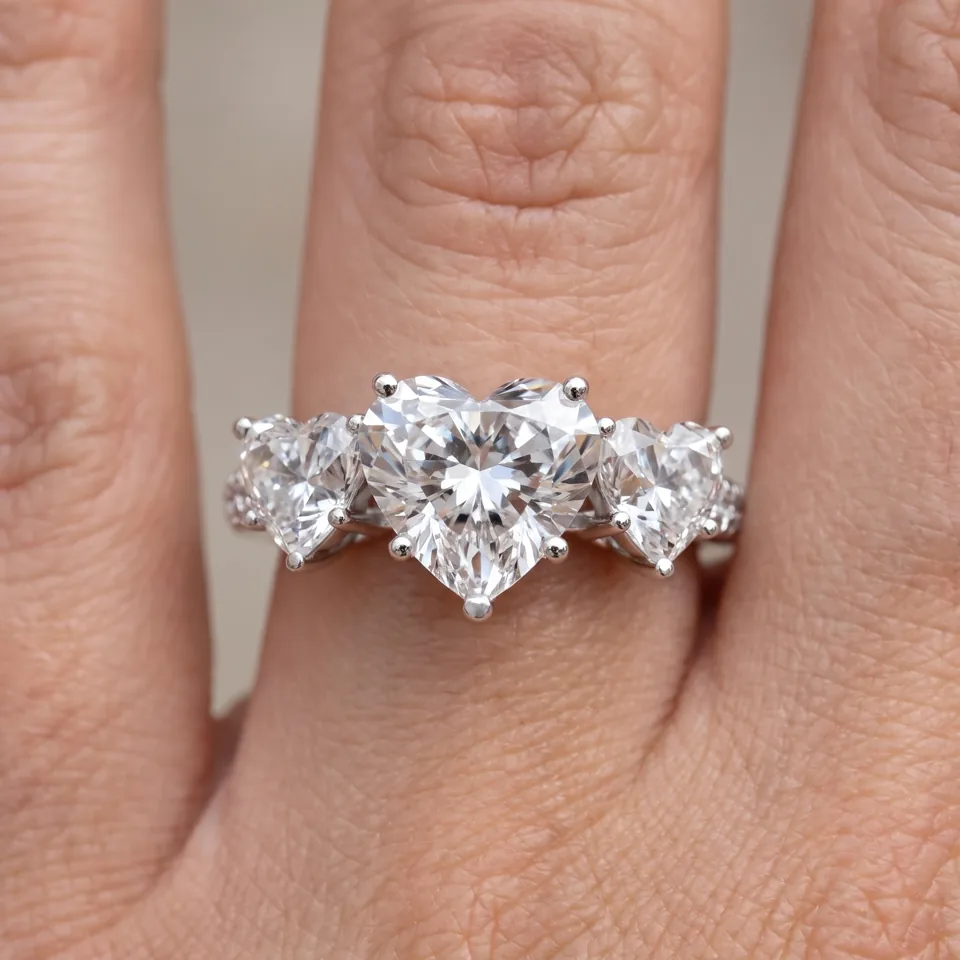 Platinum 1/2 Carat Lab-Grown Diamond Rings
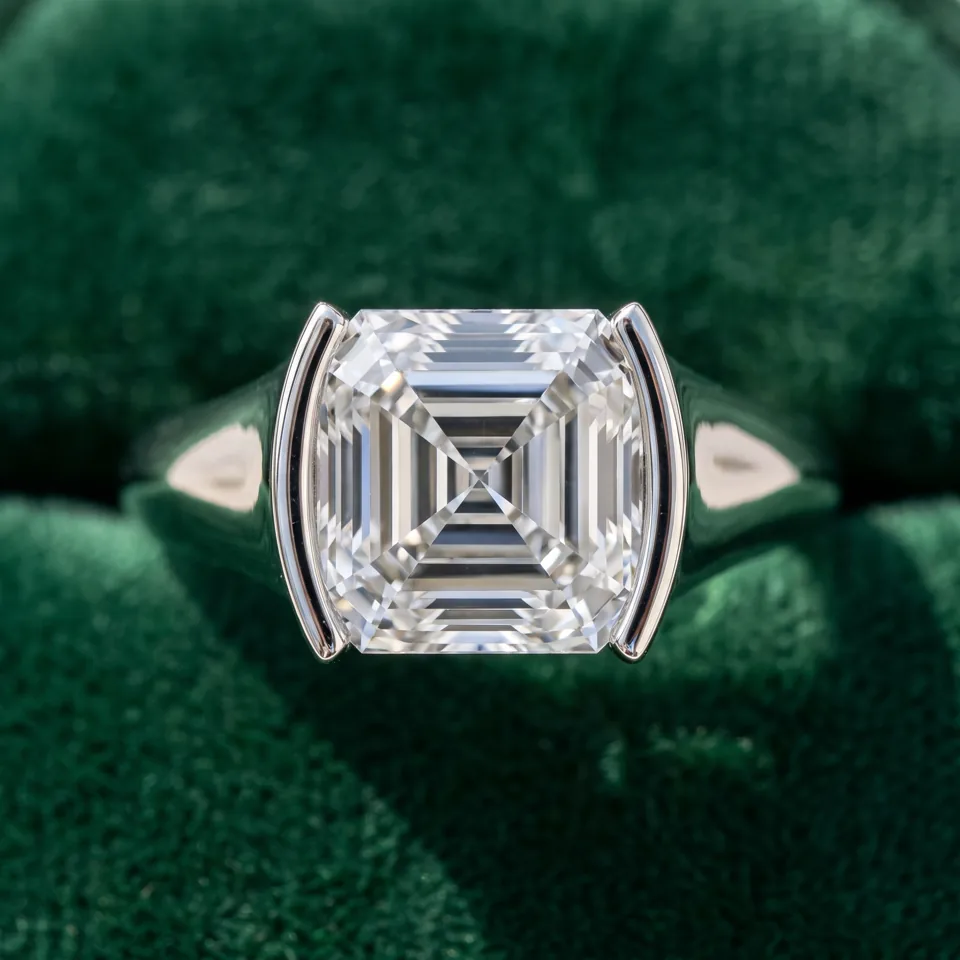 Platinum Tension Engagement Rings
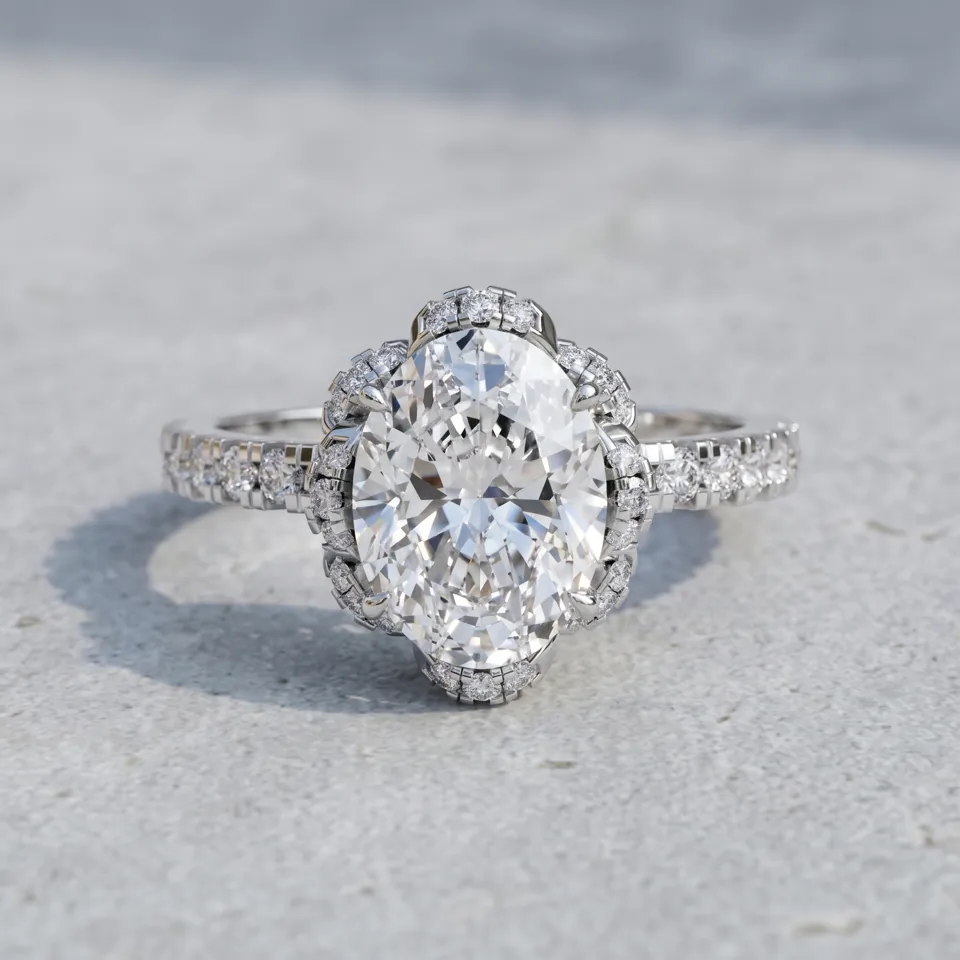 Platinum Floral Rings
A platinum ring is heavier than the same ring in gold, and you feel that weight on the hand. Our engagement ring cost guide compares the same settings in platinum and gold. It stays white without rhodium plating, so no yellow tint shows through as the ring ages. Our rhodium plating guide explains that finish and how it wears. It also costs more as a metal, which is why platinum settings carry a higher price than gold ones.
Pavé bands lined with laboratory-grown diamond accents lead the range, with solitaires, halos and side stone designs next. Platinum grips small stones firmly, so fine pavé and milgrain edges keep their detail for years. Toi et moi designs pair two stones next to each other, and vintage designs add filigree or engraving.
You'll find all the main shapes here, including cushion, radiant, heart, marquise and Asscher alongside round and oval. A white metal makes colorless centers look brighter and gives a fancy blue or green center a cool frame. If you plan a fancy pink or yellow center, platinum keeps the color true because the prongs add no warmth of their own.
Platinum does not wear away like gold; a scratch pushes the metal aside instead of removing it. Over months the surface softens to a satin finish called patina. Some people like that look on their platinum wedding and engagement rings; others have them polished back to a mirror shine.
Each platinum setting takes 10–15 days to make after you order and reaches you by insured shipping, paid by us in both directions. Your center ships with an IGI or GIA report. Returns within 30 days are fine if the ring is unworn and sent with its certificate, and resizing is free once in the first 60 days after delivery.
Some bench jewelers find platinum harder to work with. It melts at a much higher temperature than gold, needs its own tools to avoid contamination, and takes longer to polish, so repairs and resizing cost more. None of that makes it worse to wear: it is dense, naturally white and very secure for holding stones, which keeps it a favorite for engagement rings.
Platinum engagement ring settings at Whitemoon begin just below $1,000, with most landing between about $1,700 and $2,050. You pay for the center separately, after selecting it. Designs with pavé, halos or many side accents sit at the higher end because they need extra metal and extra lab-grown diamond accents.
After 10 years a platinum ring usually has a soft satin patina instead of a bright polish, with fine scratches across the band. The metal has mostly moved rather than worn away, so the band keeps its thickness well. A quick professional polish restores the mirror finish, and no replating is ever needed to keep the color white; still have the prongs checked yearly.
Soak the ring for 20 minutes in warm, mildly soapy water (gentle dish detergent works), then scrub lightly with a soft-bristled brush, especially under the center where lotion and dust build up. Rinse it clean and pat it dry with a soft, lint-free cloth. Avoid chlorine and harsh cleaners, and book a yearly prong check with a jeweler.
Go platinum if you want a naturally white metal that never needs replating and a heavier feel; choose white gold to spend less. Most white gold carries a rhodium coating that thins over a few years and needs redoing to keep its bright color. Platinum develops a patina instead and can be polished. Both hold a center securely.


