Complimentary insured shipping, both waysEngagement ring diamonds certified by IGI or GIAGrown by light. Conflict-free by natureComplimentary insured shipping, both ways
Engagement RingsWedding BandsEarrings

NecklaceBraceletsAbout
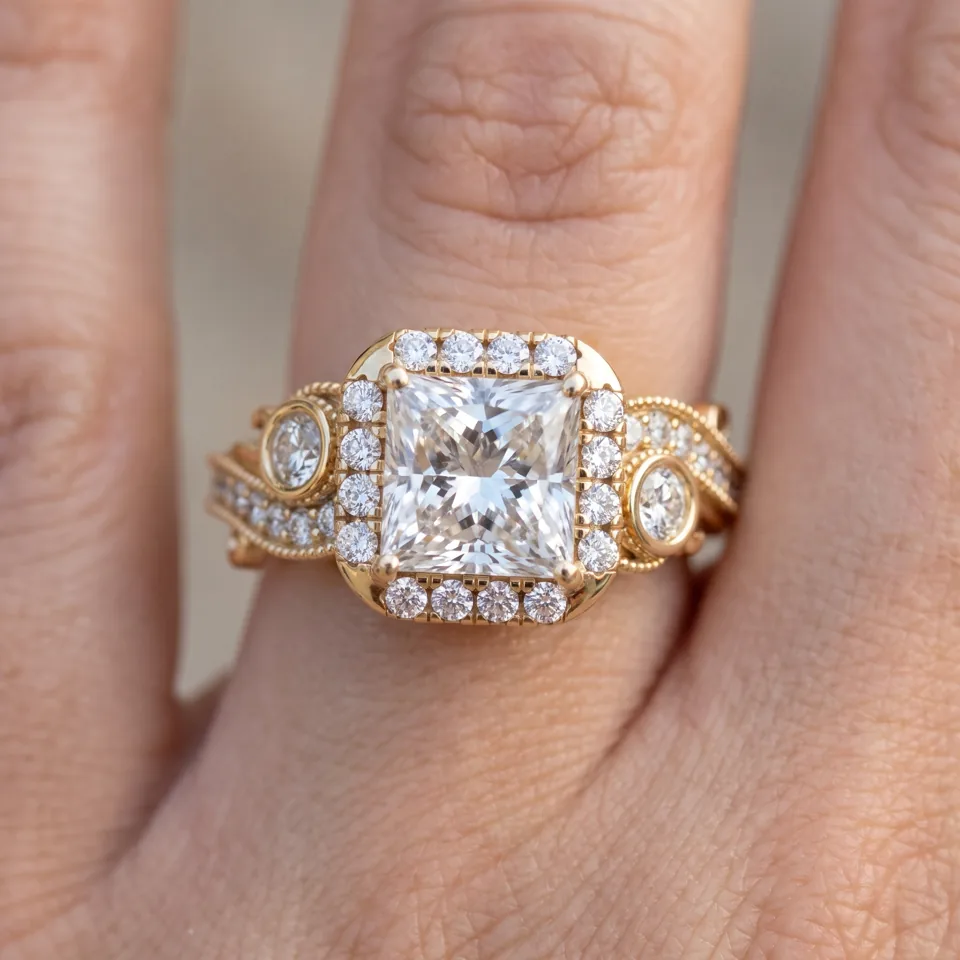
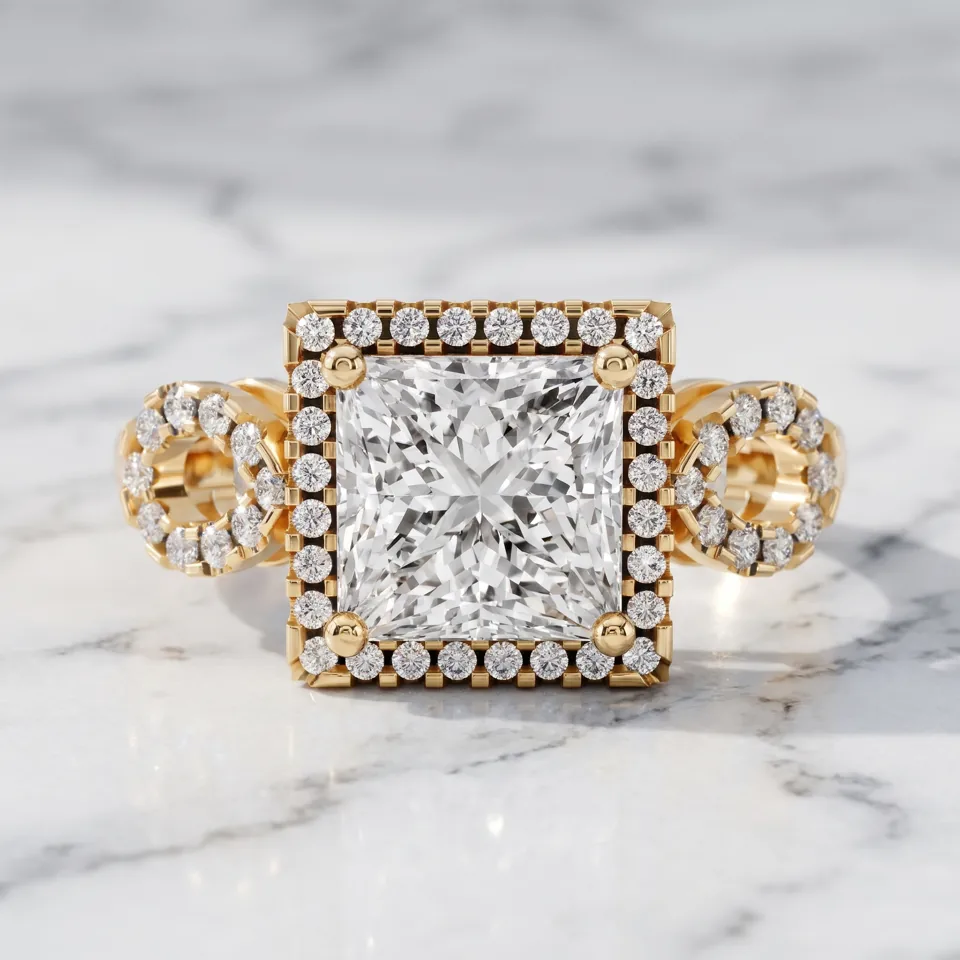
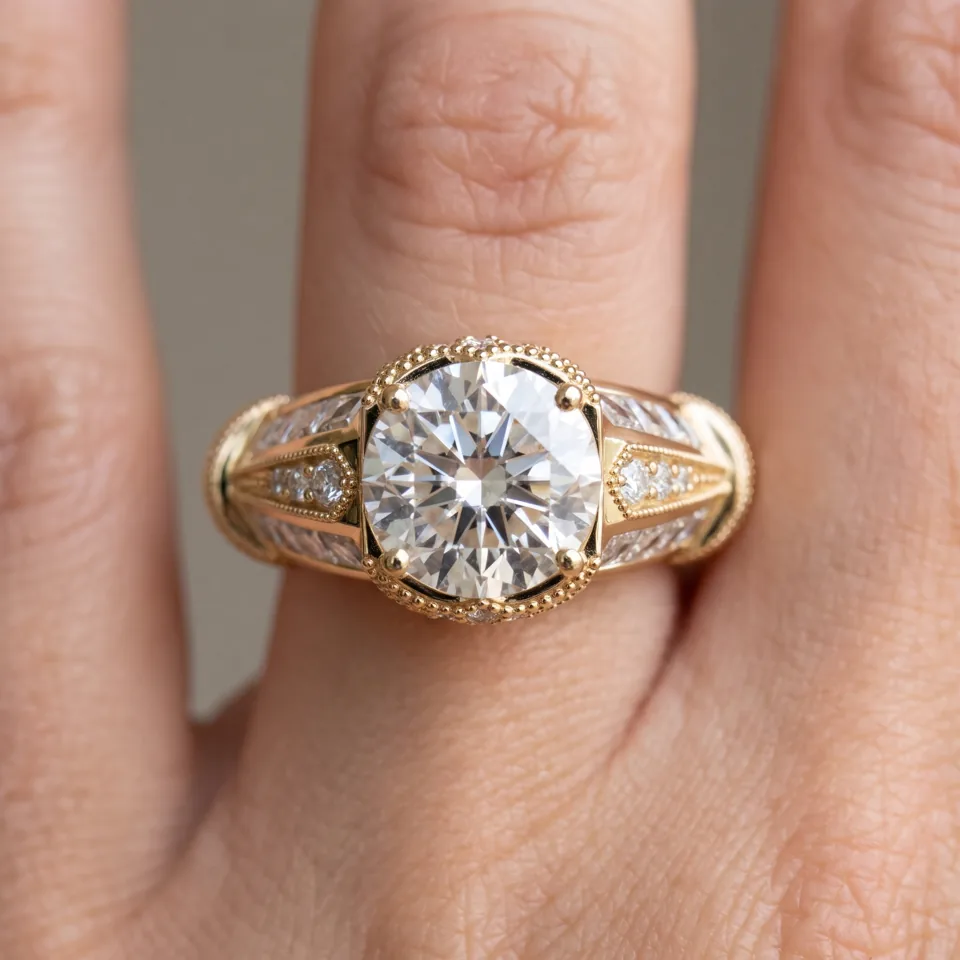
Milgrain means tiny beads of metal worked along an edge, and it gives every ring here a vintage finish. To choose a milgrain gold ring, settle on a halo or solitaire, the shape of the center, and the gold color. What you buy here is the setting; your center diamond comes as a separate choice after.
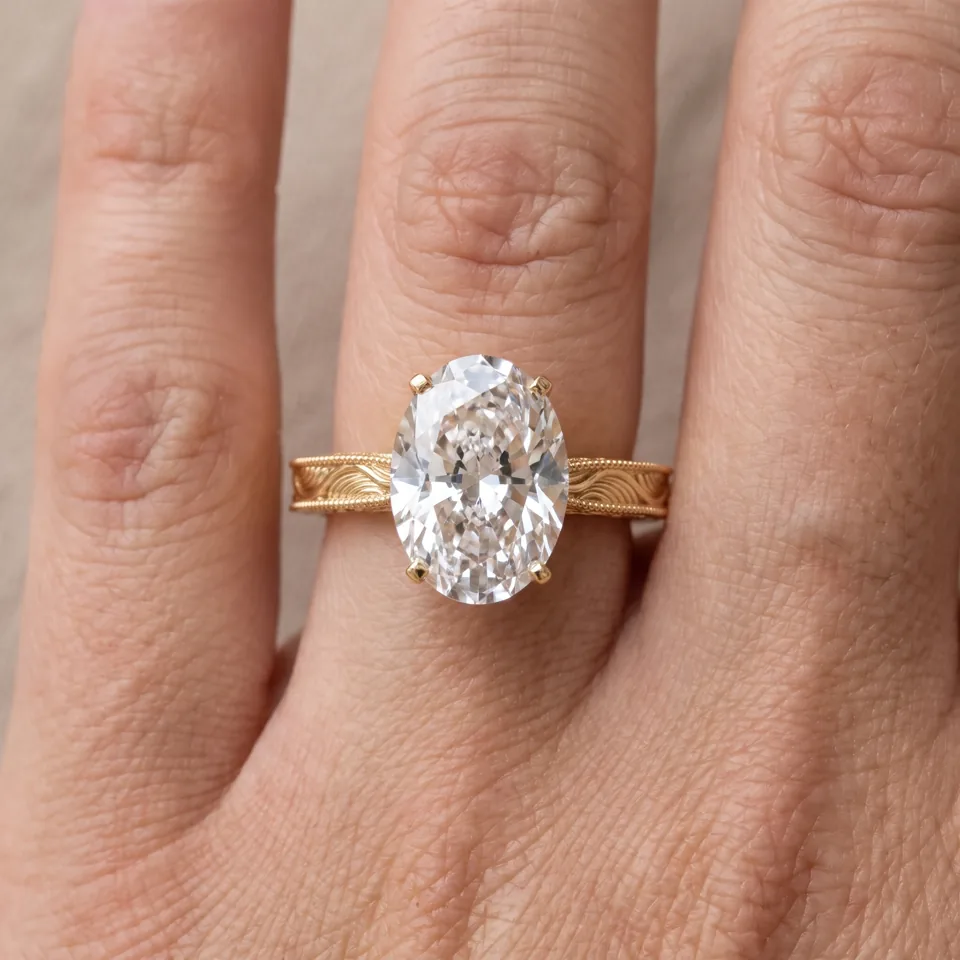
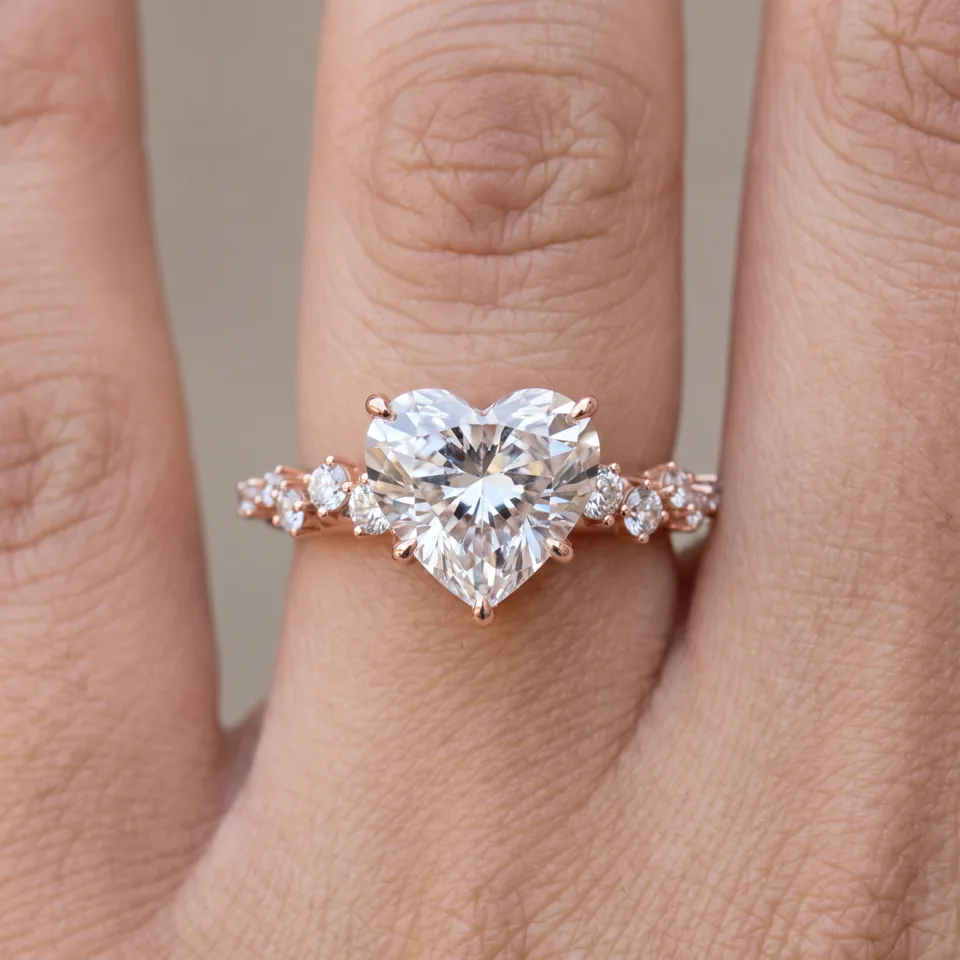
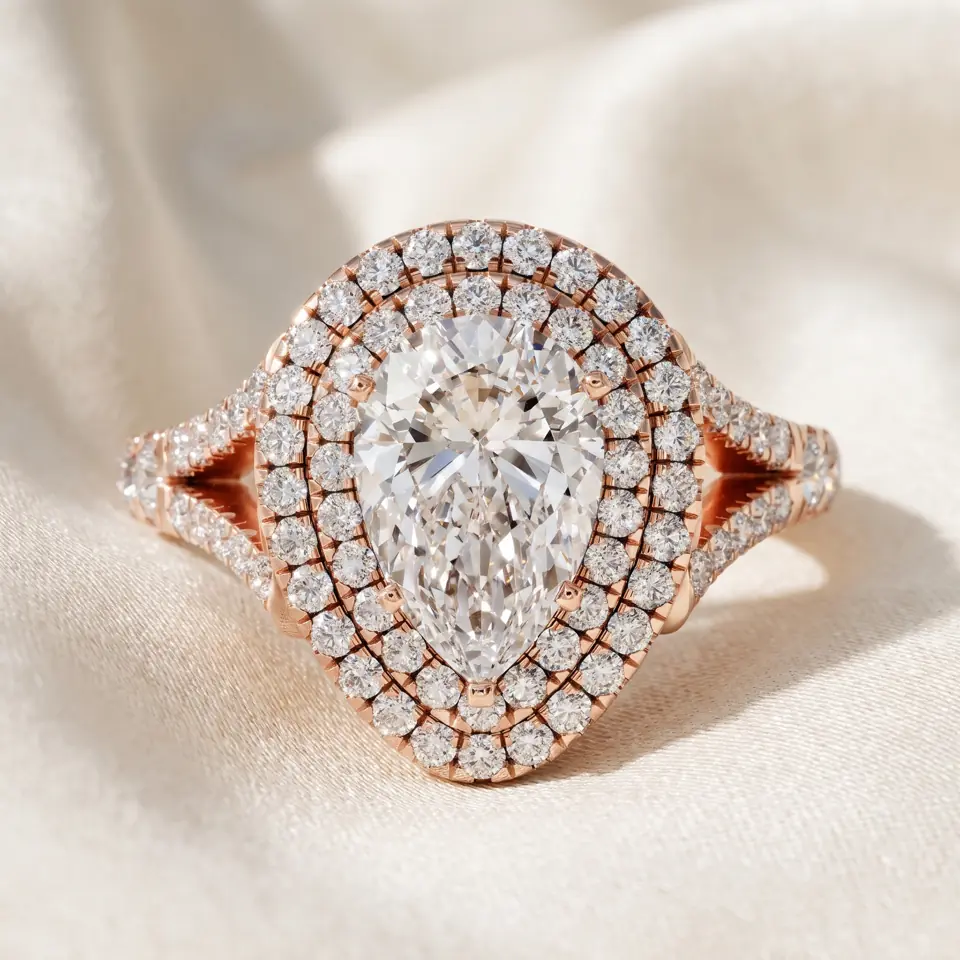
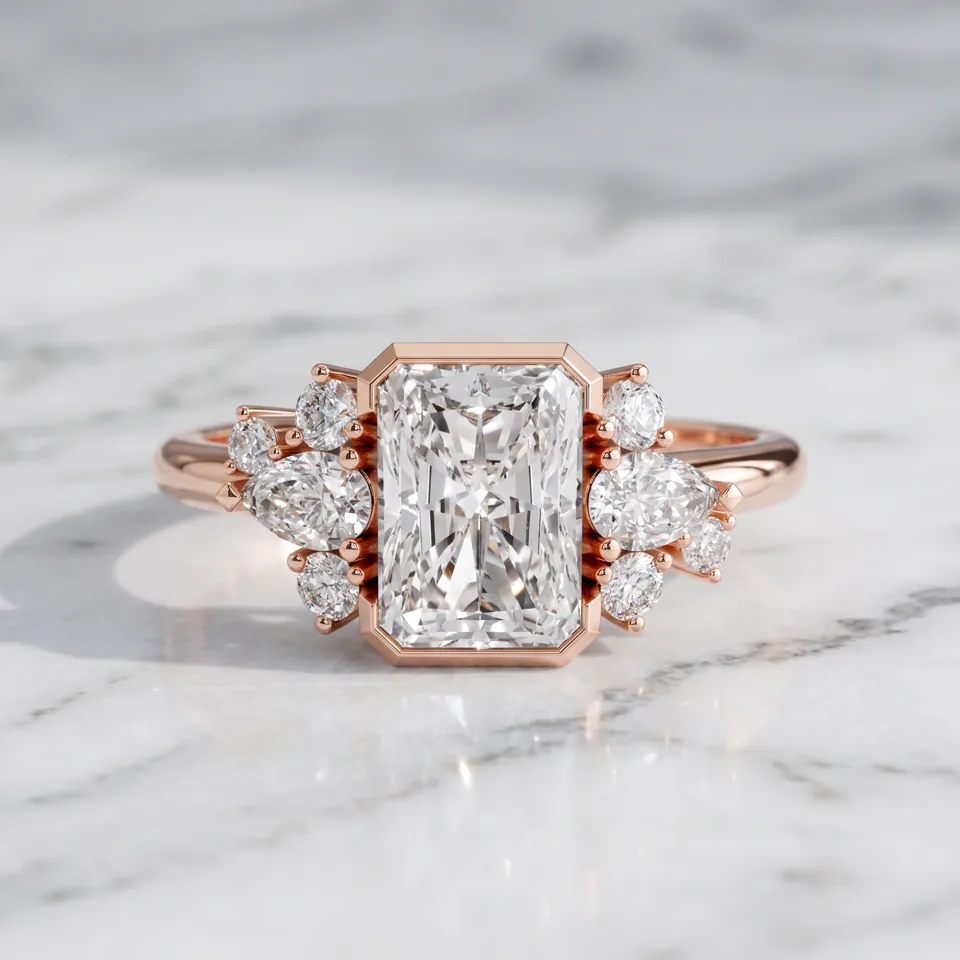
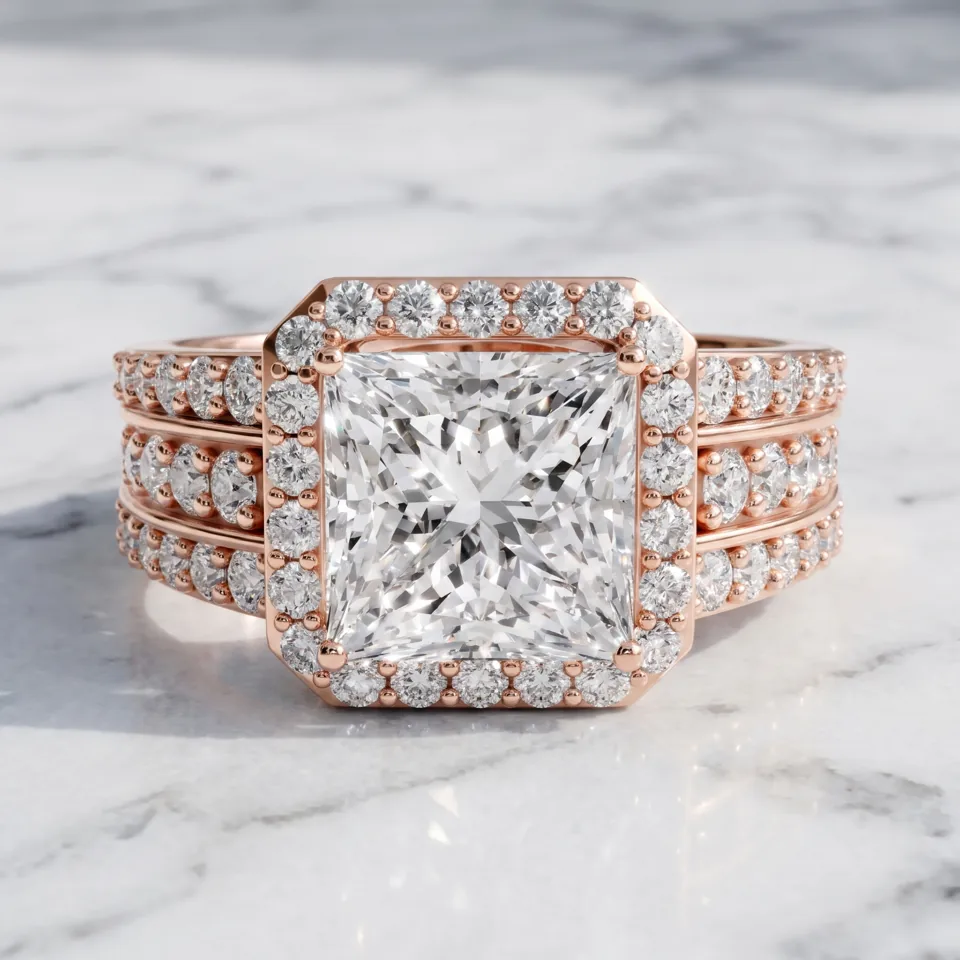
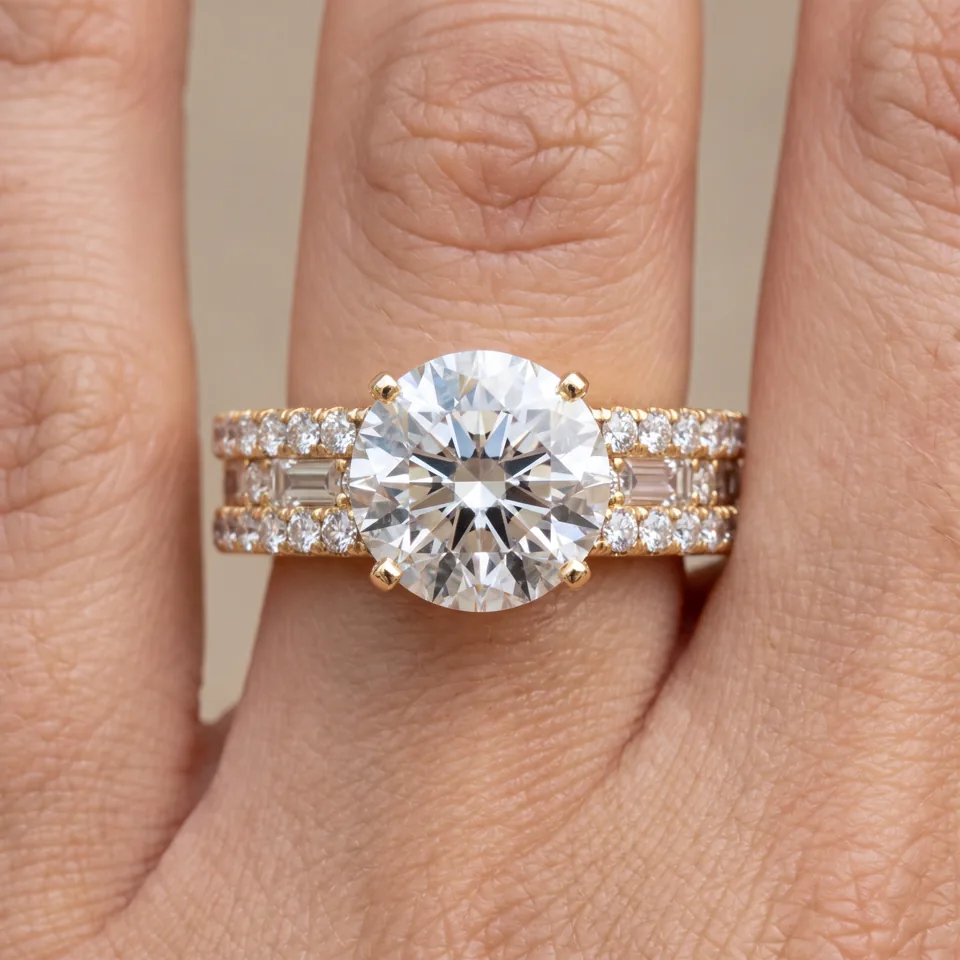
Milgrain can trim the band's edges, outline a halo, frame bezel accents or border filigree. On a pavé band it runs along both sides of the laboratory-grown diamond accents. On a plain or engraved band it becomes the main detail, such as an XO pattern or an X motif. Look at product photos close up to see how much beading each design carries.
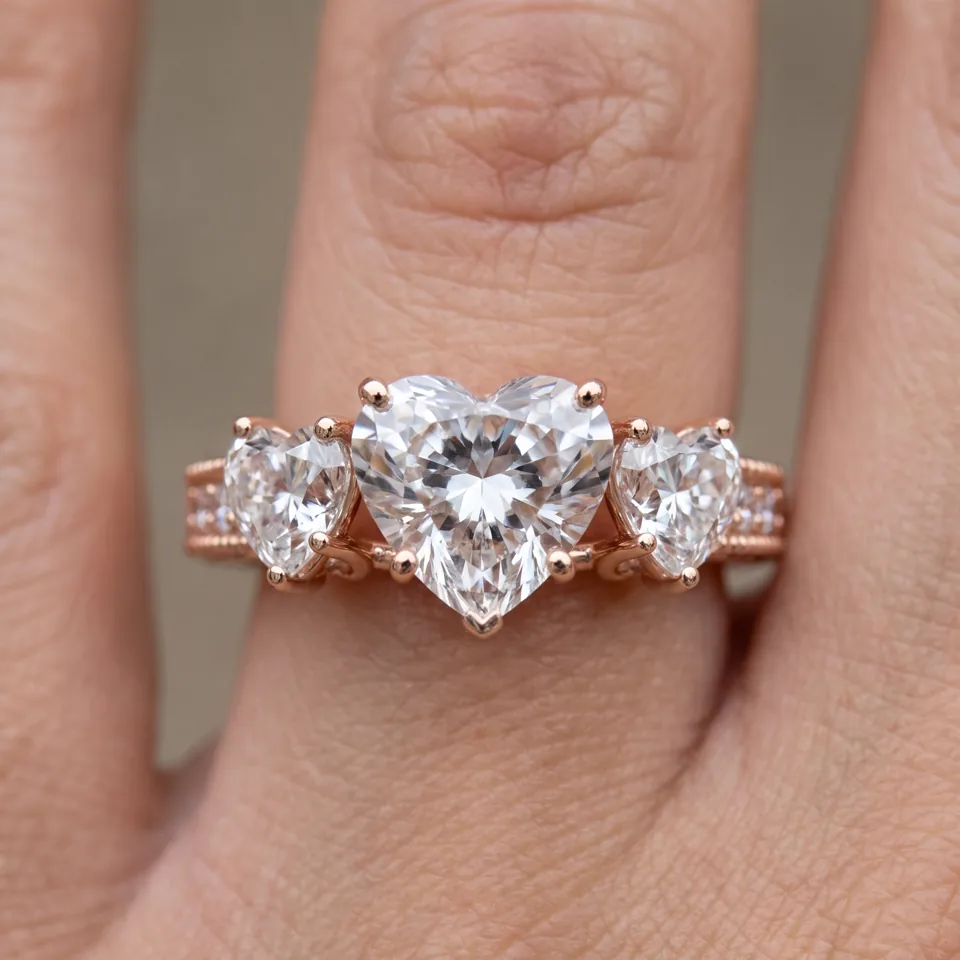
White and rose gold are offered on every design, and yellow on all but one, at 10K, 14K or 18K. Rose and yellow gold show the beading's shadows most, while white gold gives a crisper, brighter edge. Over time the beads round off a little, and a jeweler can re-cut them for a crisper edge.
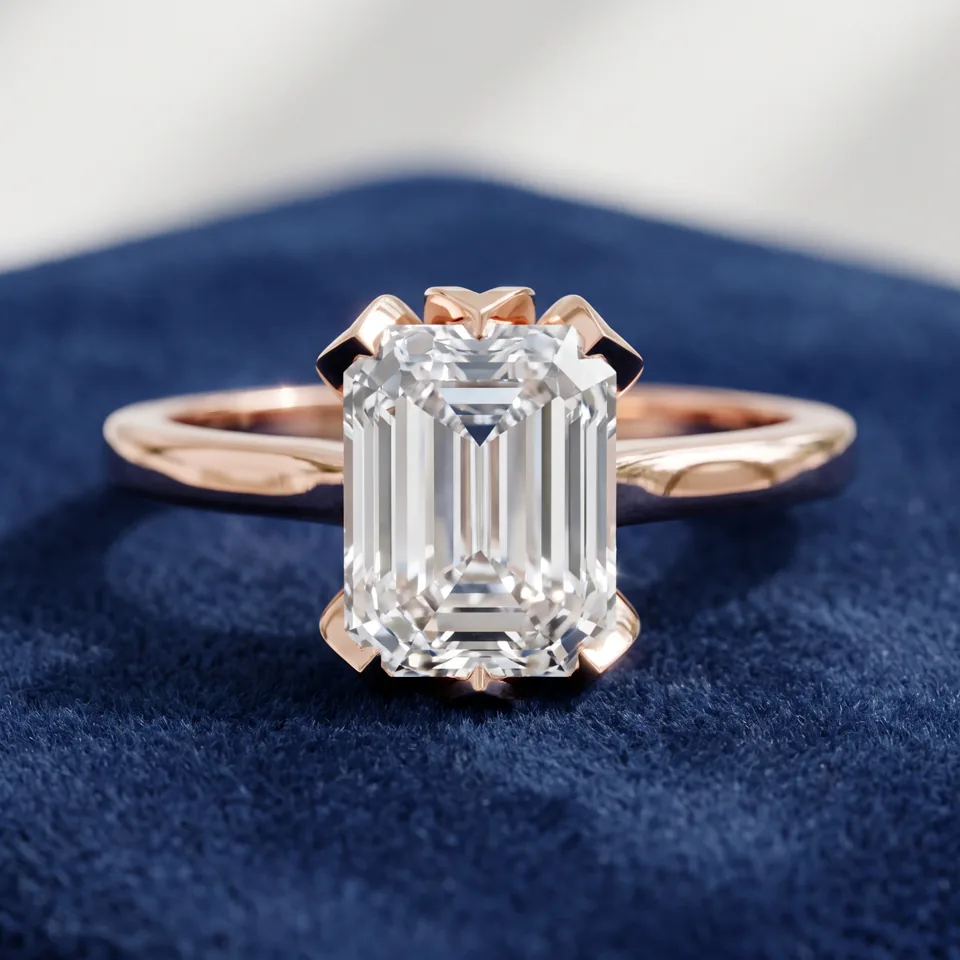
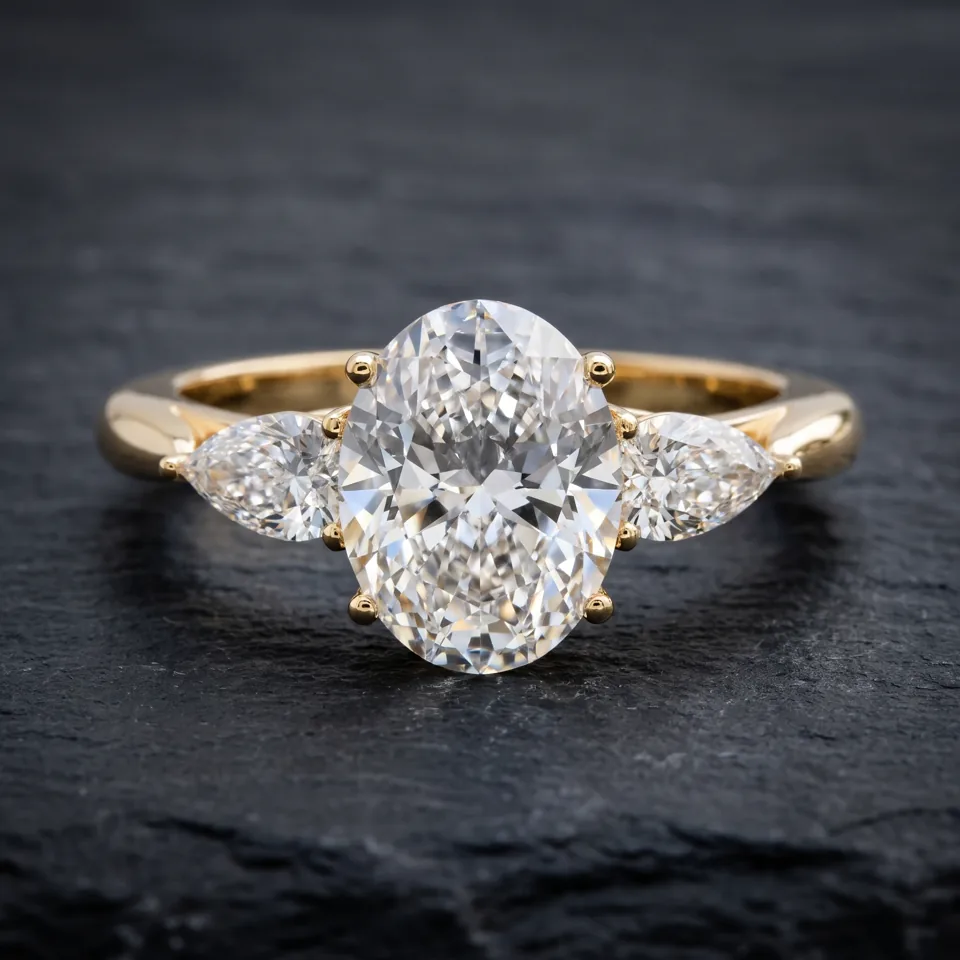
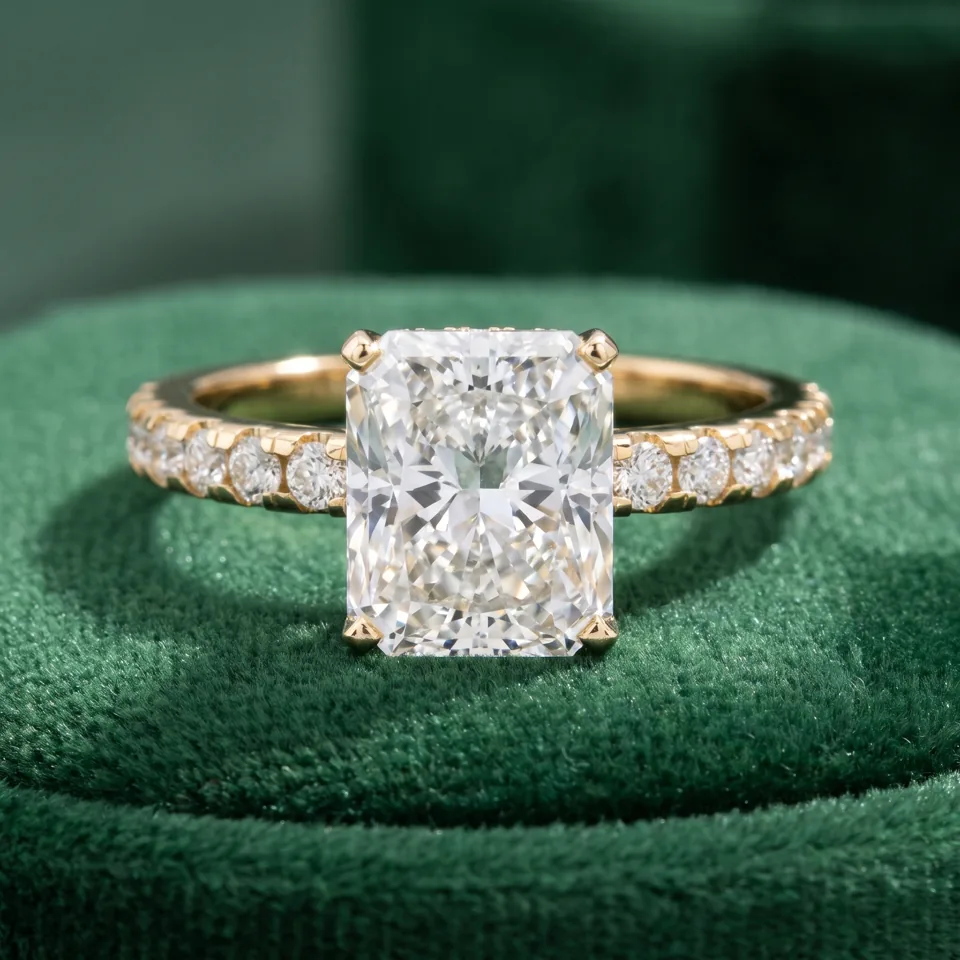
Round fits most designs, with oval, cushion, marquise, emerald, heart, princess, radiant, pear and Asscher on many. Many also work with a colored center, whether pink, blue, yellow or green. Prices for the setting begin at roughly $600, and the majority sit from about $850 to $1,150.
Each setting is cast and finished for you in 10–15 days, with free insured shipping both ways. The center diamond ships with an IGI or GIA report. You can return the unworn ring within 30 days, and a single resize within 60 days of delivery costs nothing.