Complimentary insured shipping, both waysEngagement ring diamonds certified by IGI or GIAGrown by light. Conflict-free by natureComplimentary insured shipping, both ways
Engagement RingsWedding BandsEarrings

NecklaceBraceletsAbout
Pavé engagement rings carry rows of small laboratory-grown diamond accents pressed close along the metal, so the band itself sparkles. Each one here is a setting, and the center diamond is your pick in the next step.
Decide how much of the band you want covered, whether a halo frames the center, and which metal holds it all. Most of them accept ten center shapes, heart and Asscher among them.
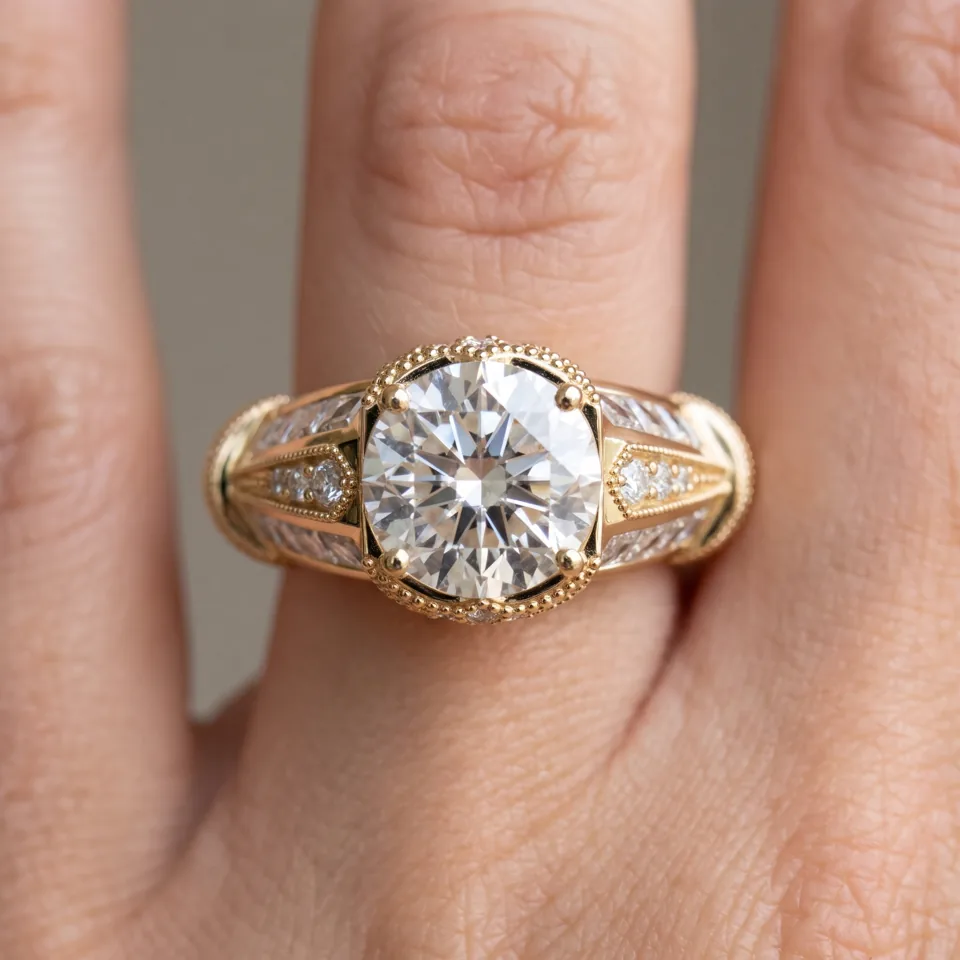 Vintage Engagement Rings
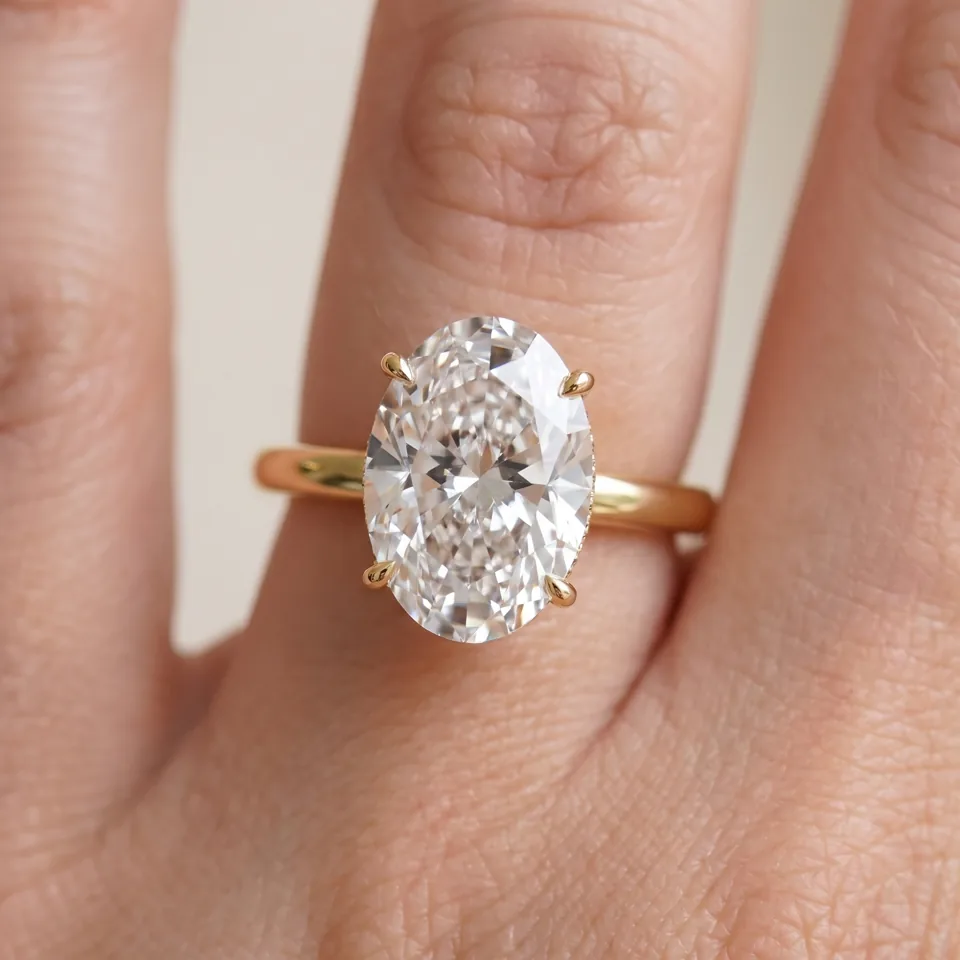 Solitaire Engagement Rings
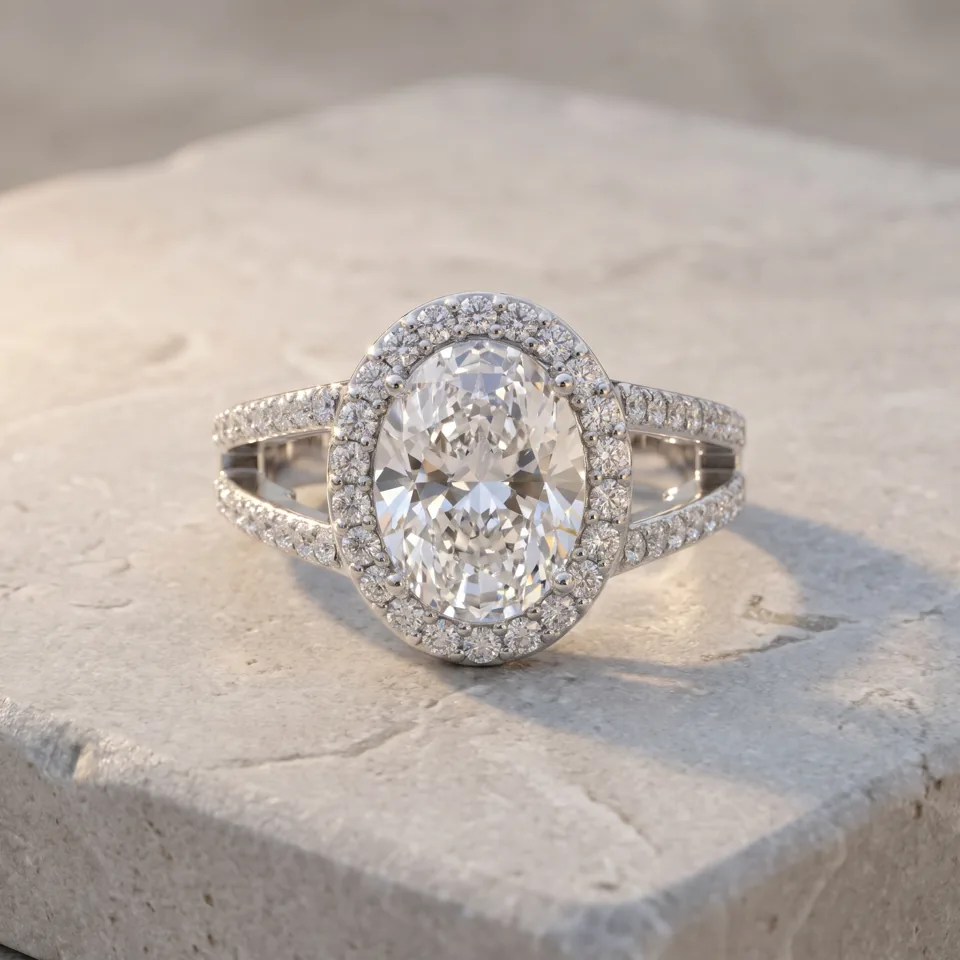 Halo Engagement Rings
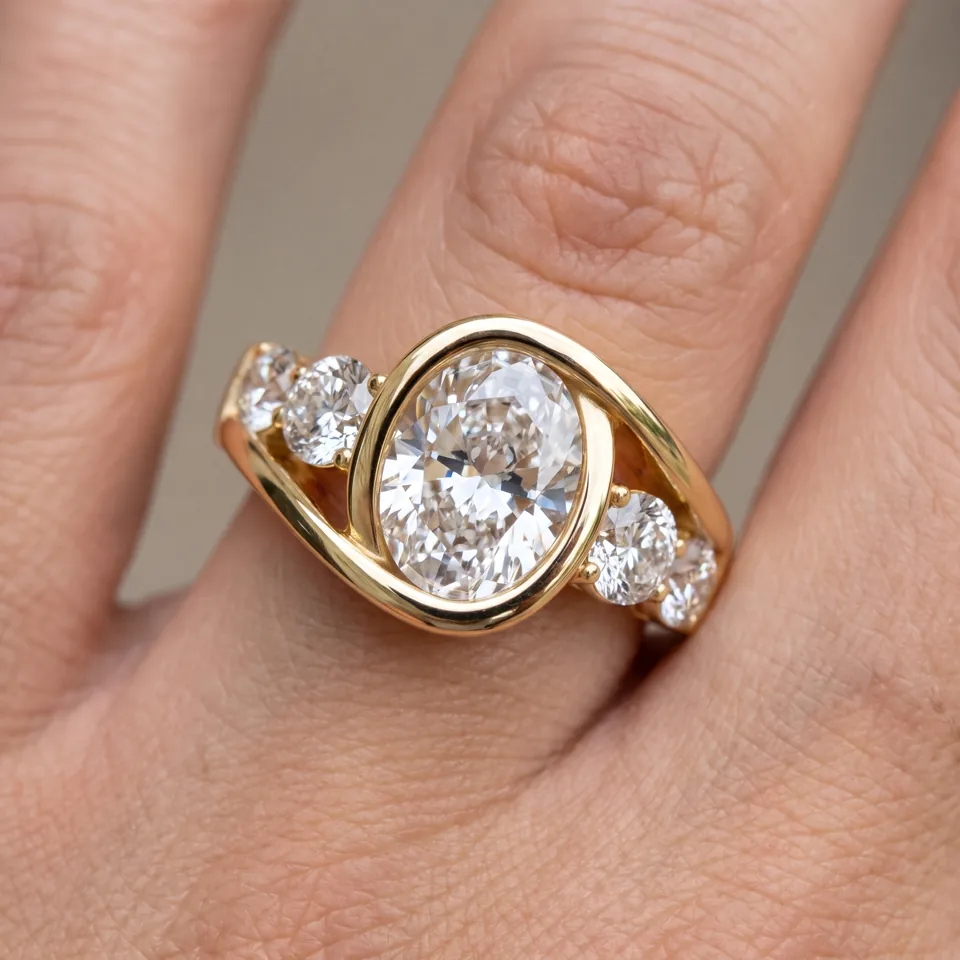 Bezel Engagement Rings
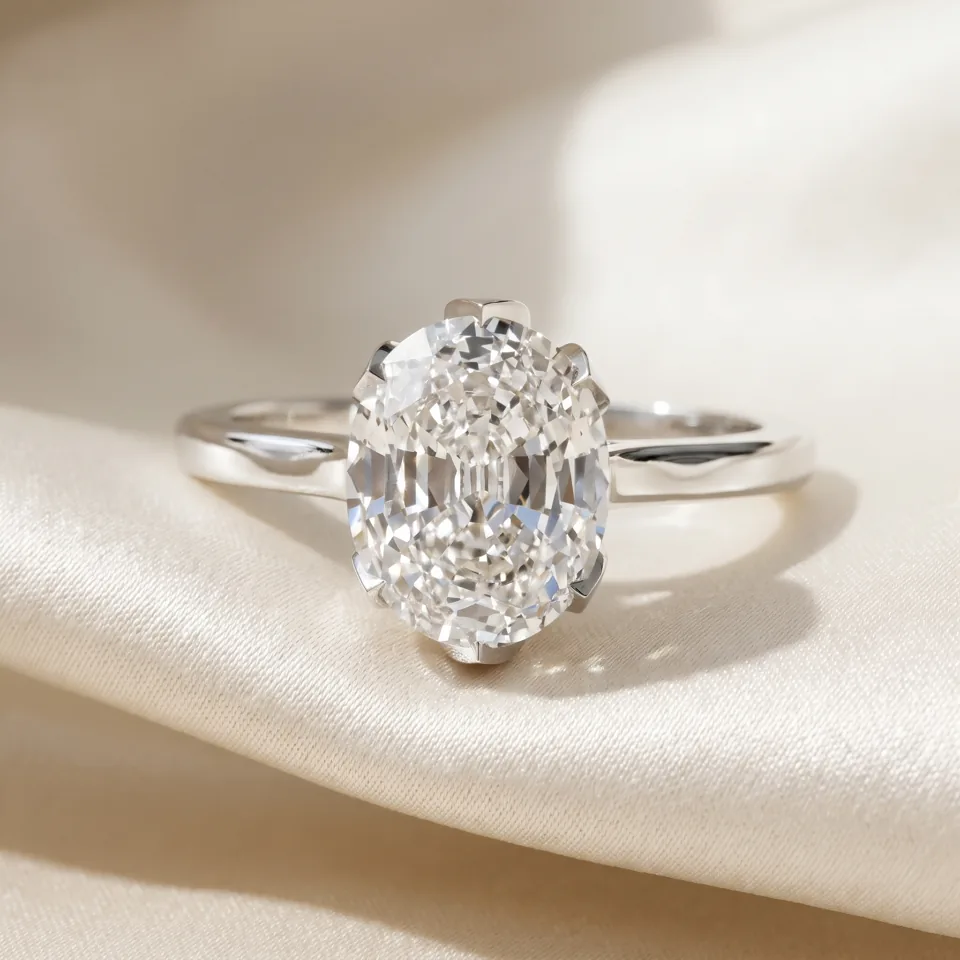 Floral Engagement Rings
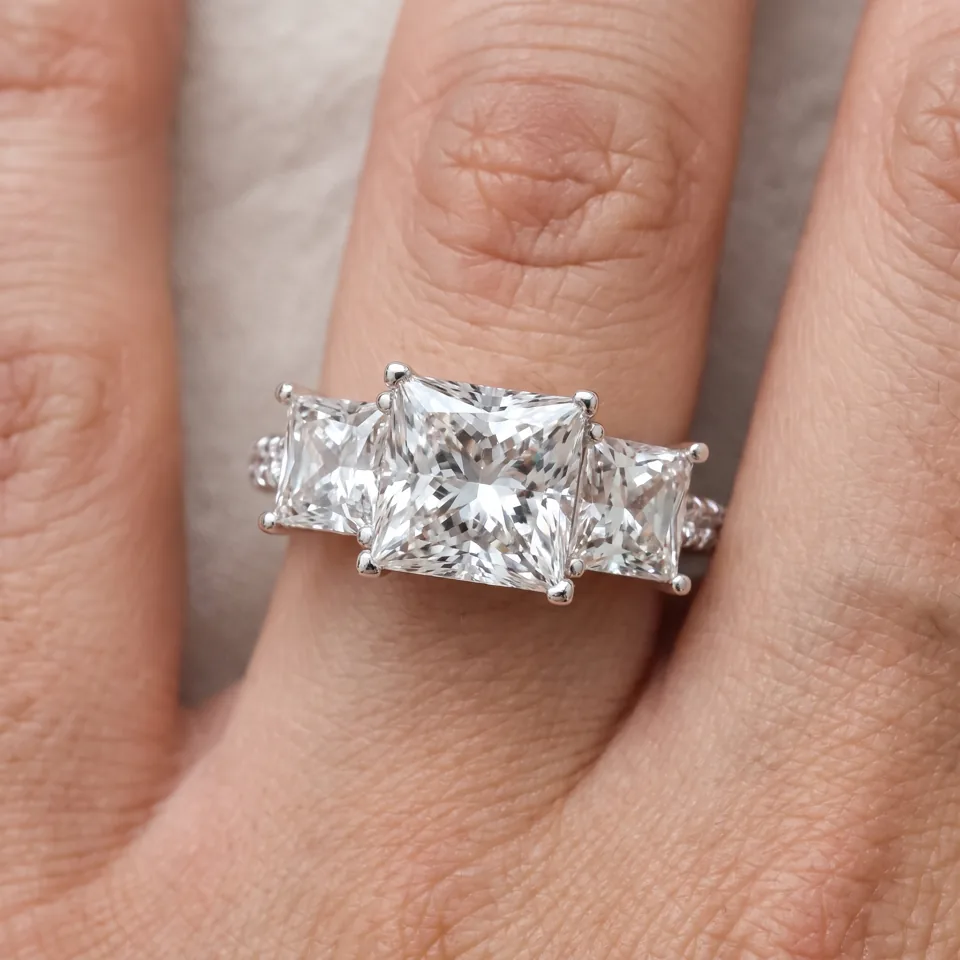 Three Stone Engagement Rings
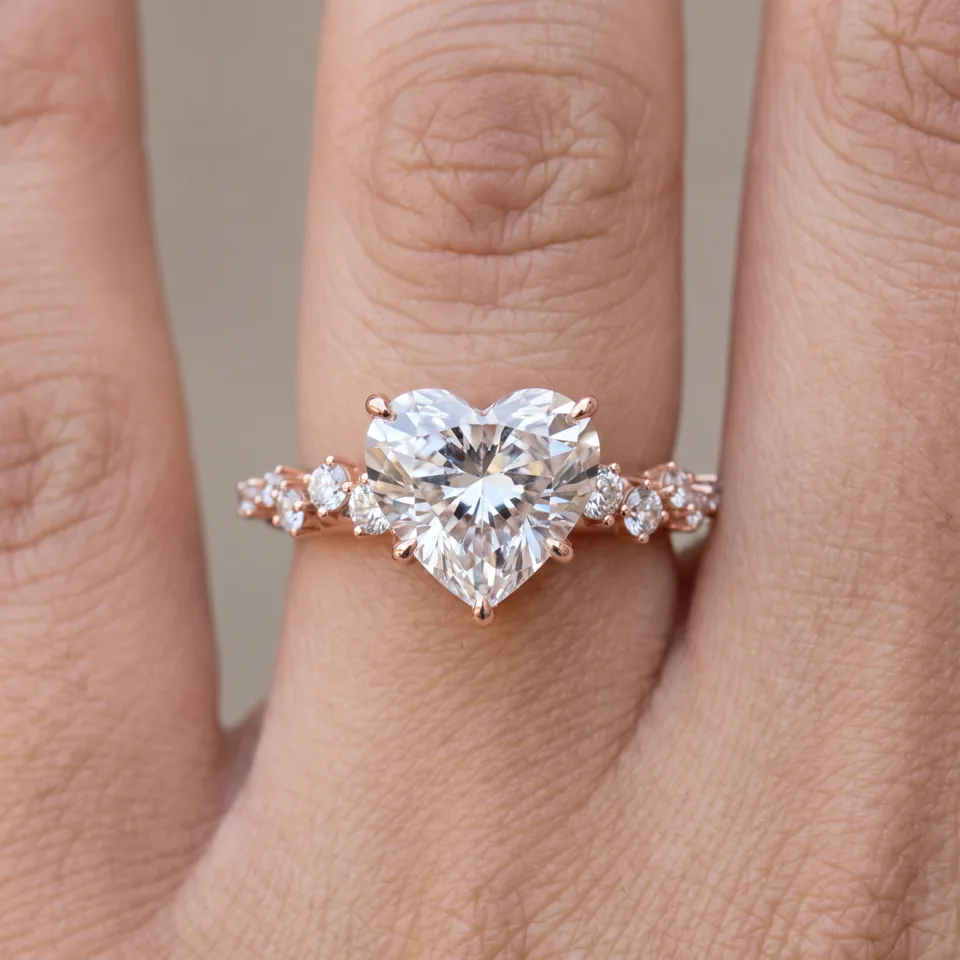 Cluster Side Stone Engagement Rings
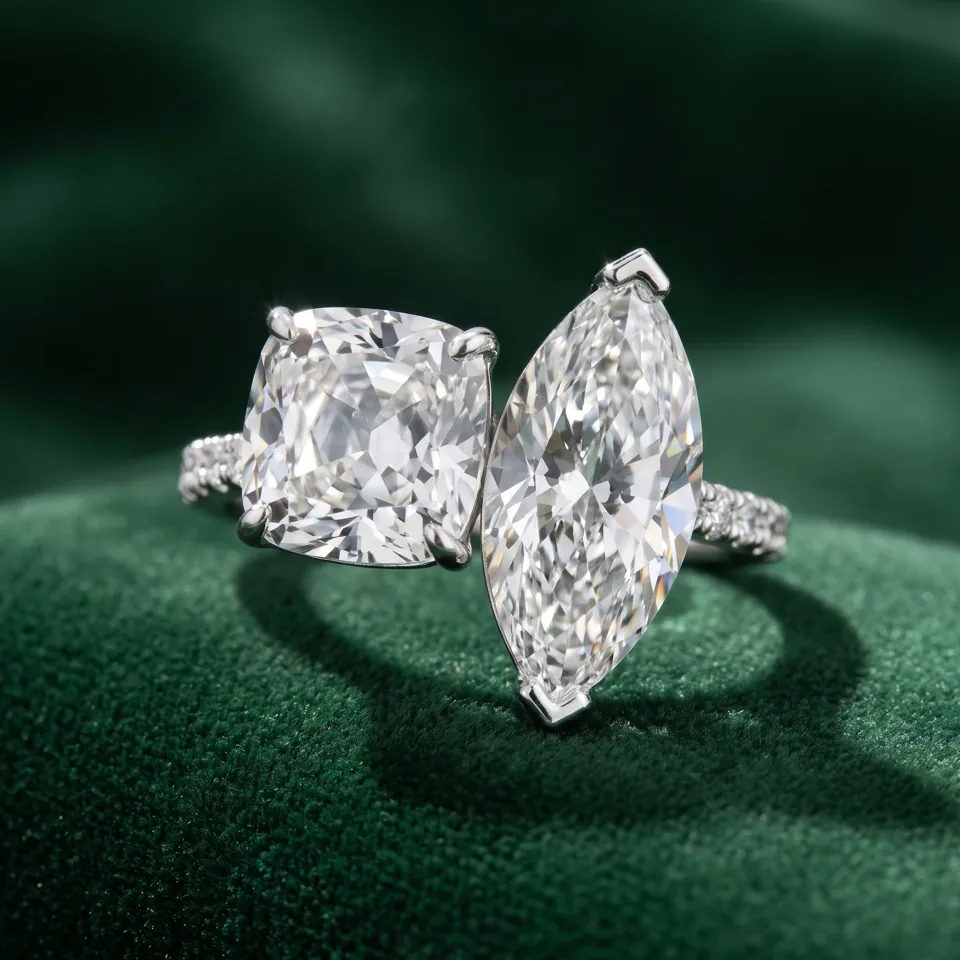 Toi et Moi Two Stone Engagement Rings
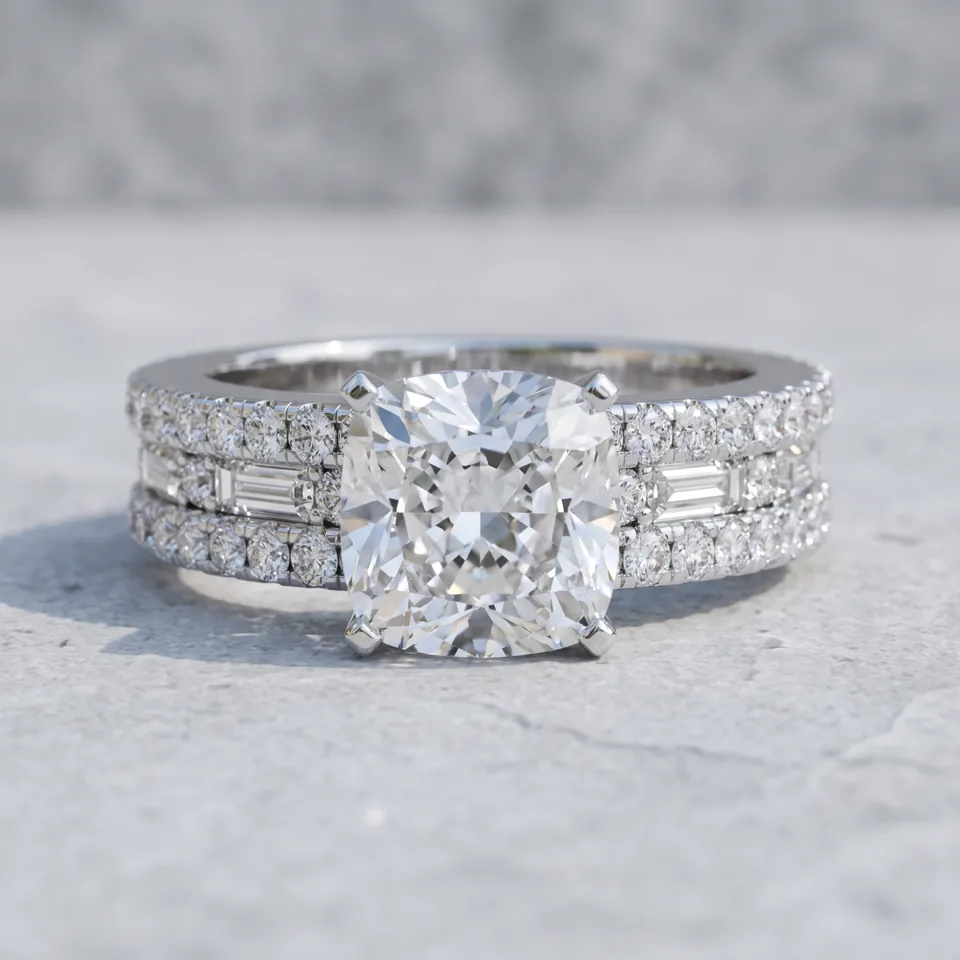 Engagement Rings with Baguette Side Stones
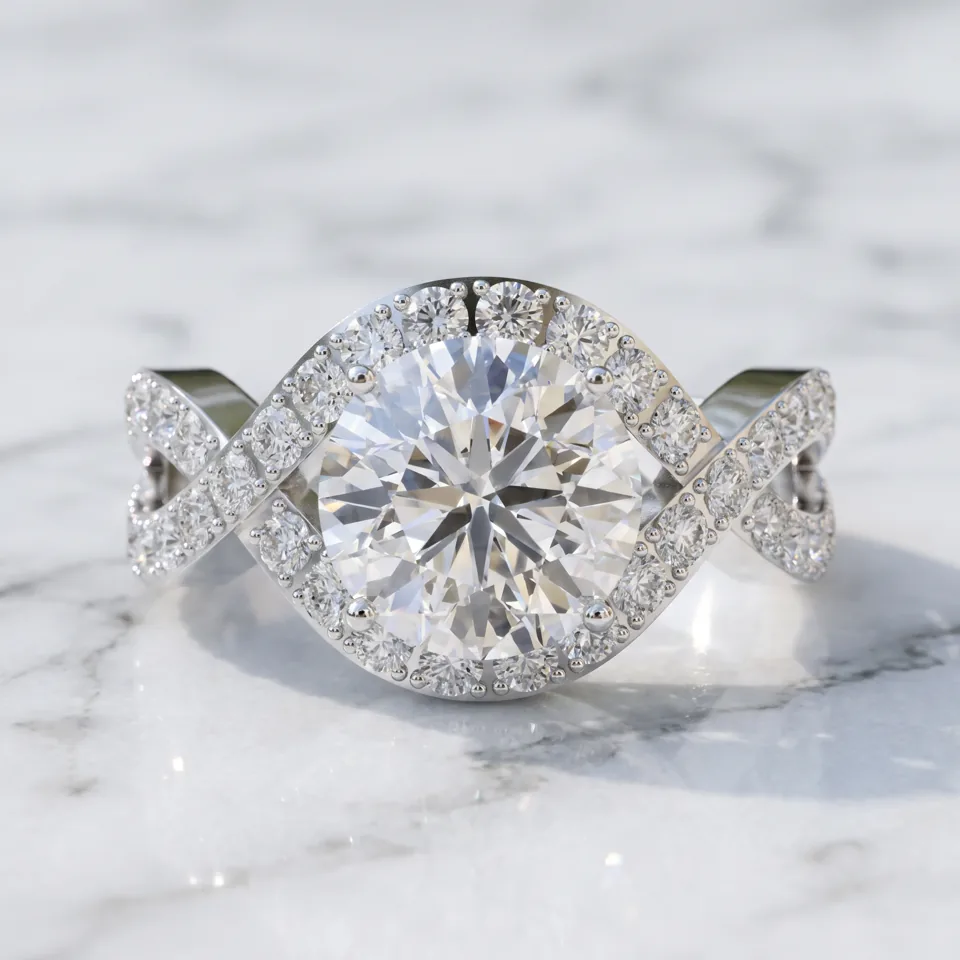 Infinity Rings
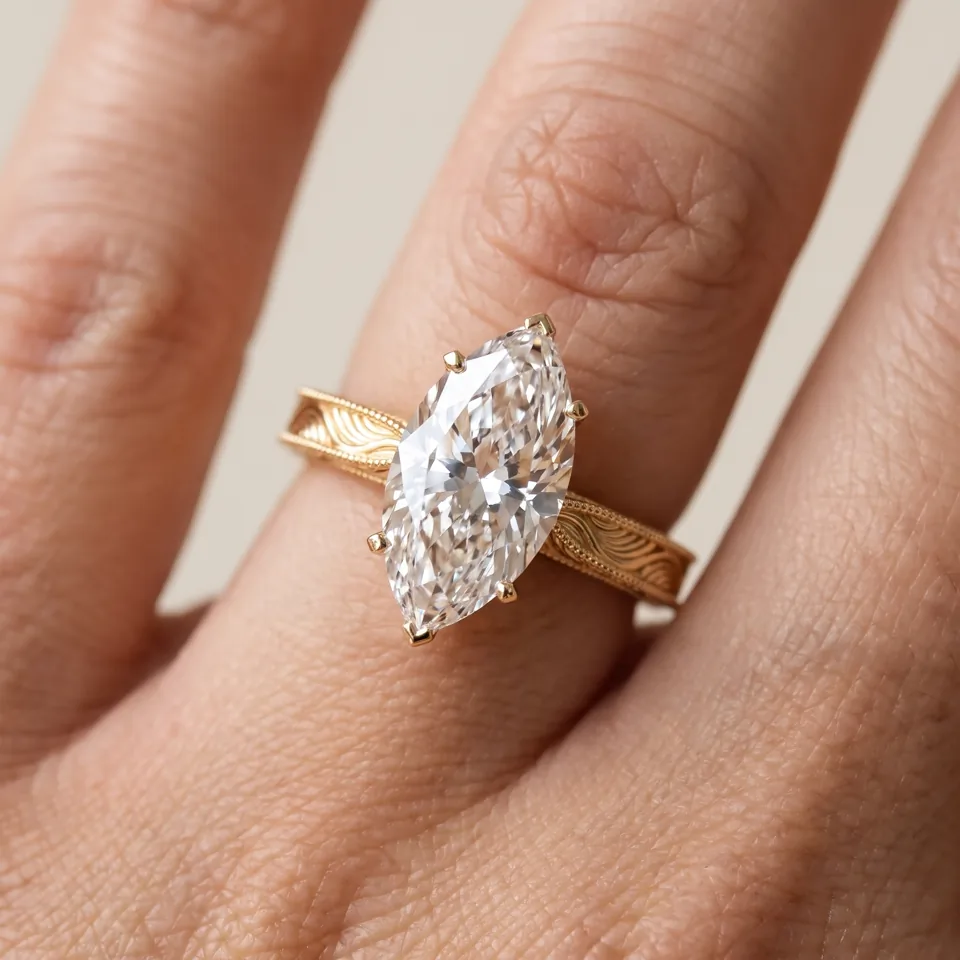 Engraved Rings
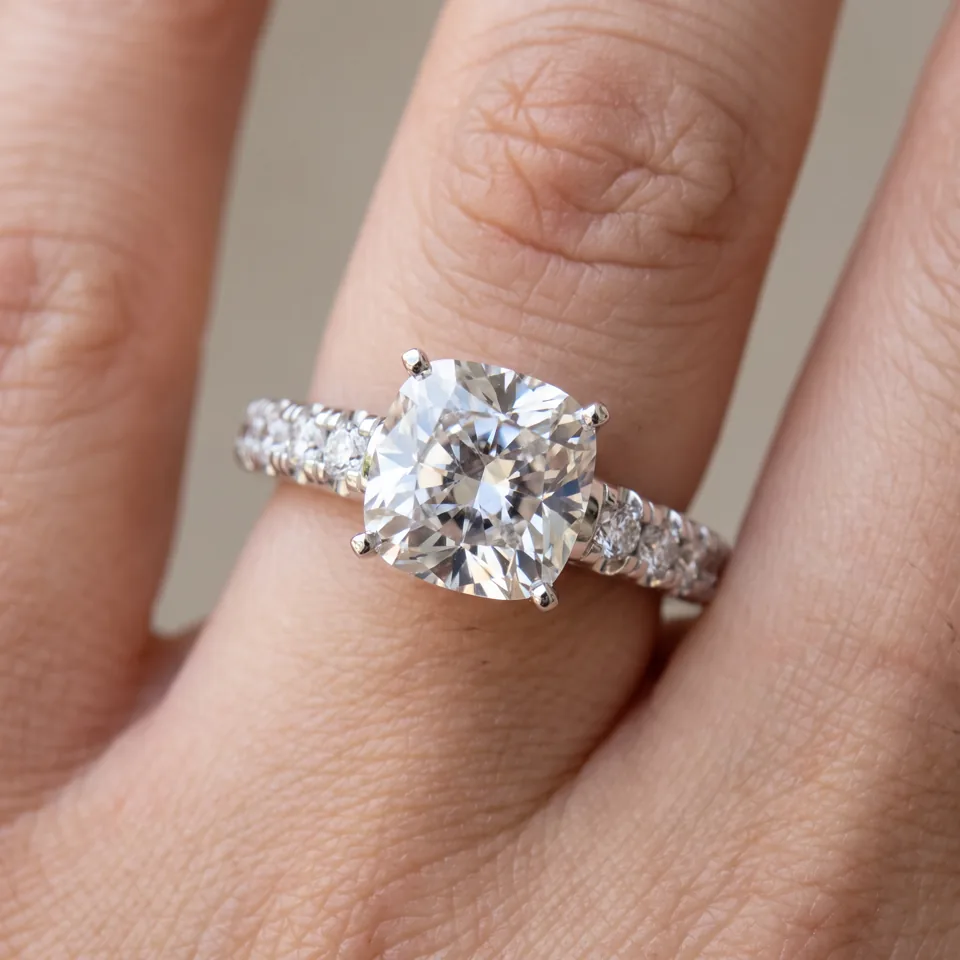 Cathedral Setting Rings
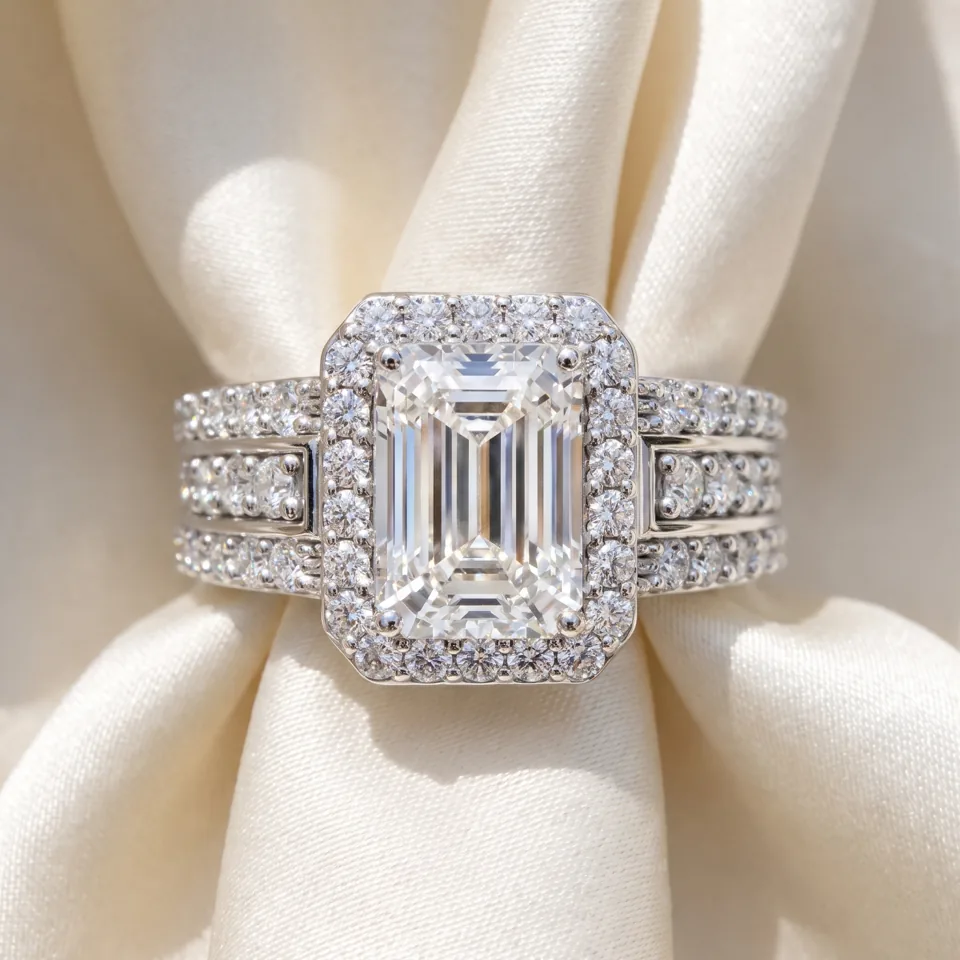 Pavé Vintage Rings
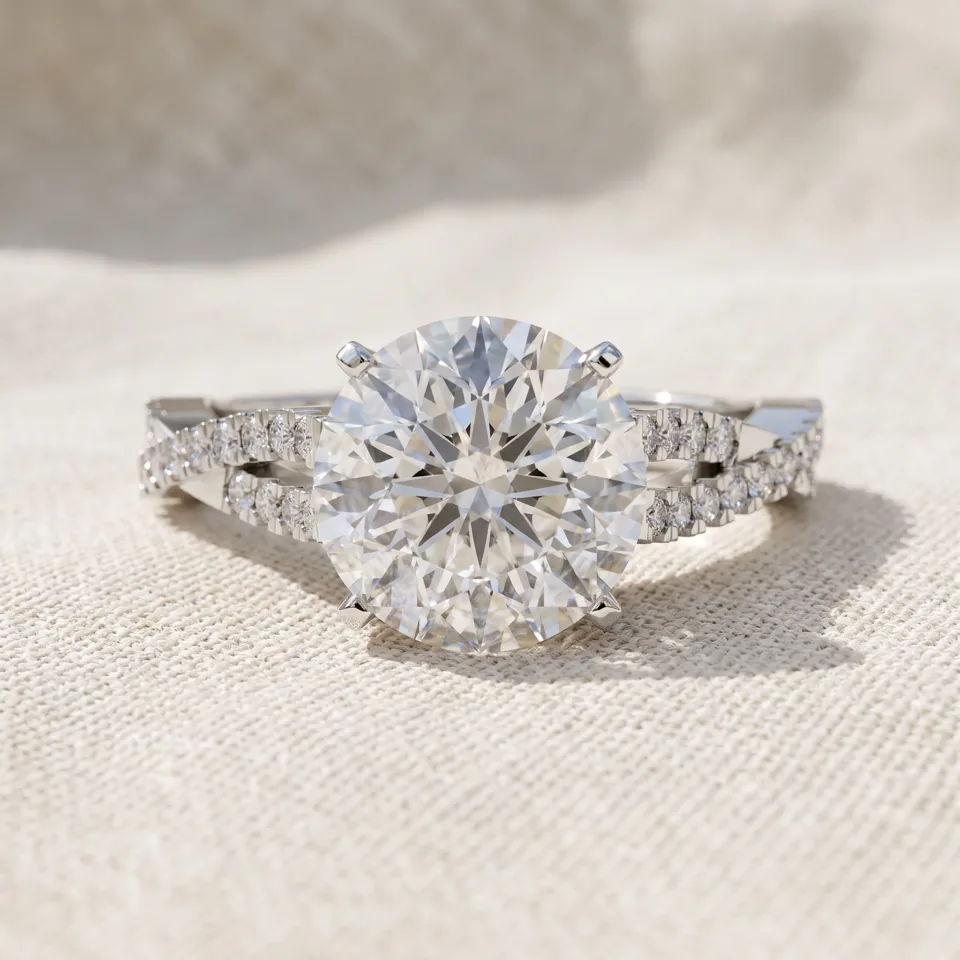 Pavé Twisted Engagement Rings
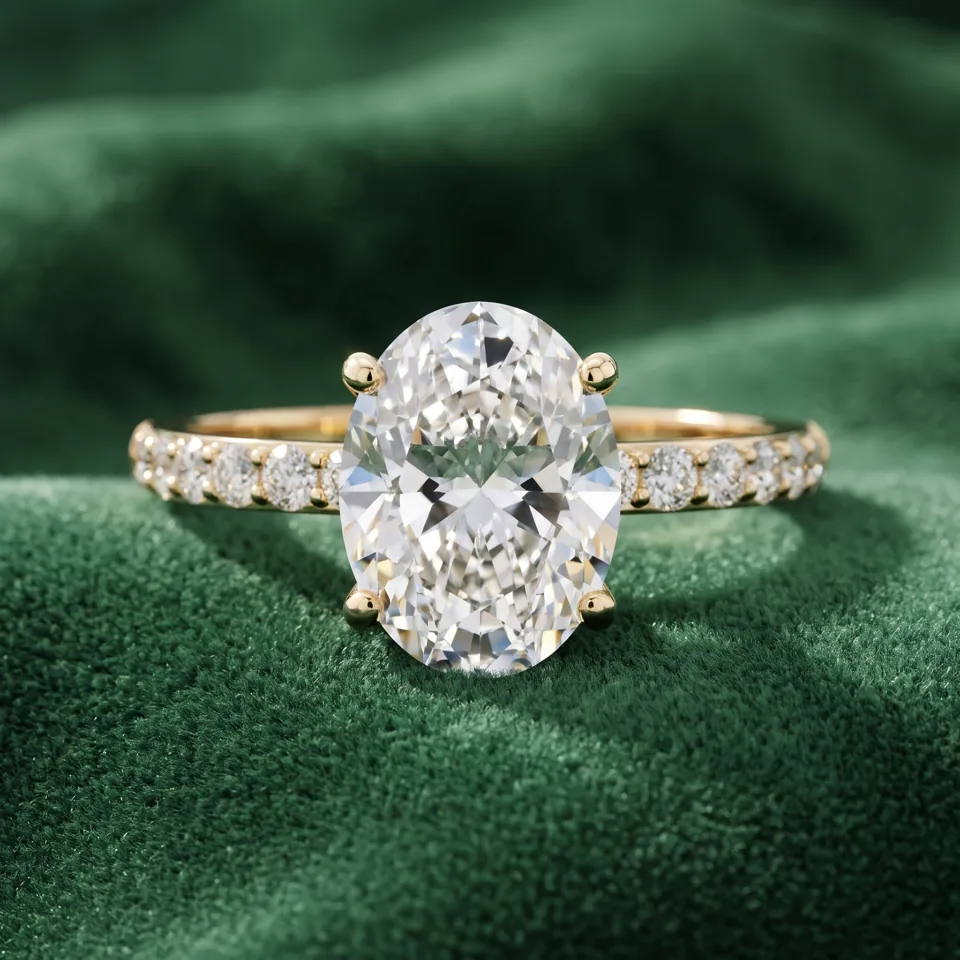 Pavé Solitaire Engagement Rings
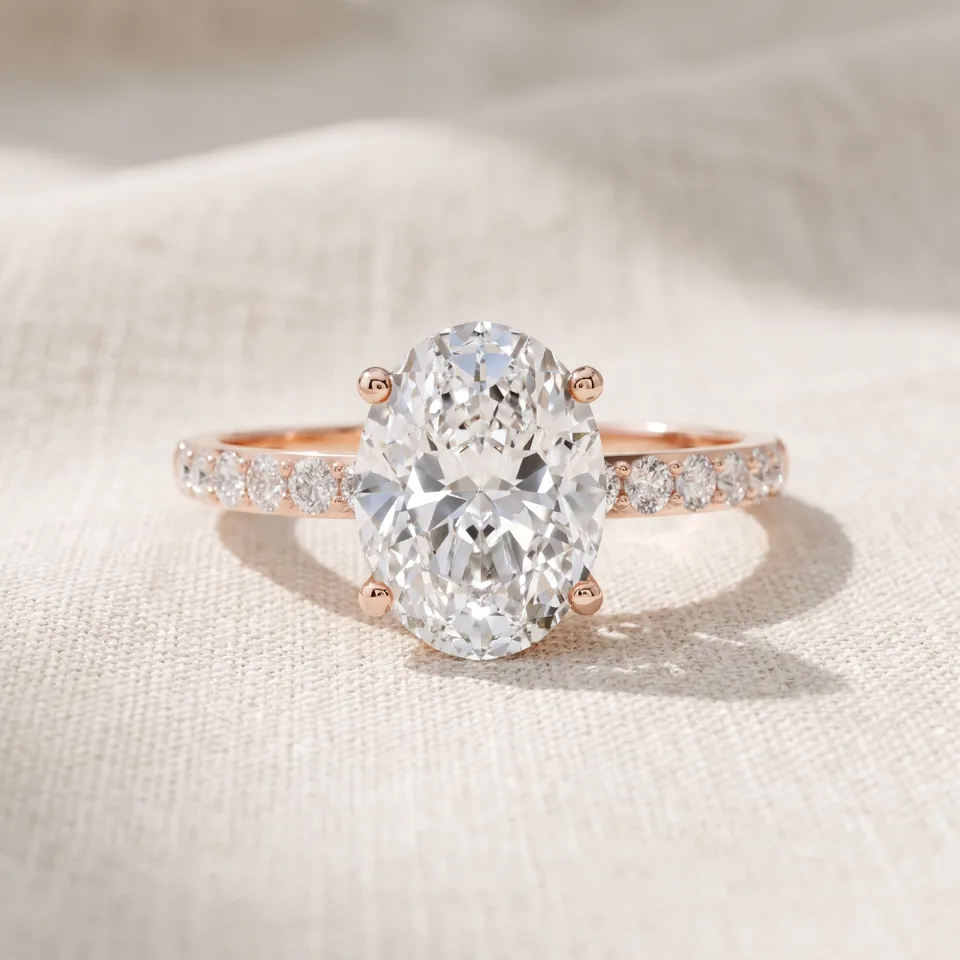 Rose Gold Pave Rings
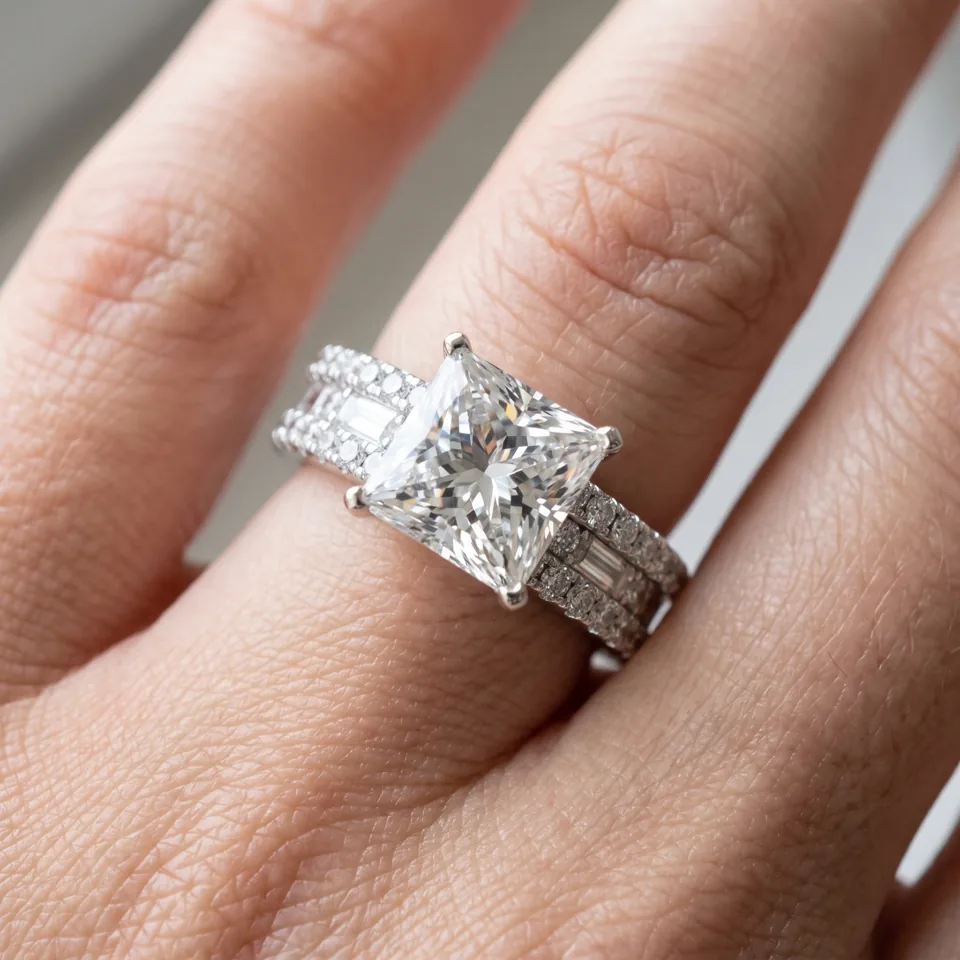 Sterling Silver Pave Rings
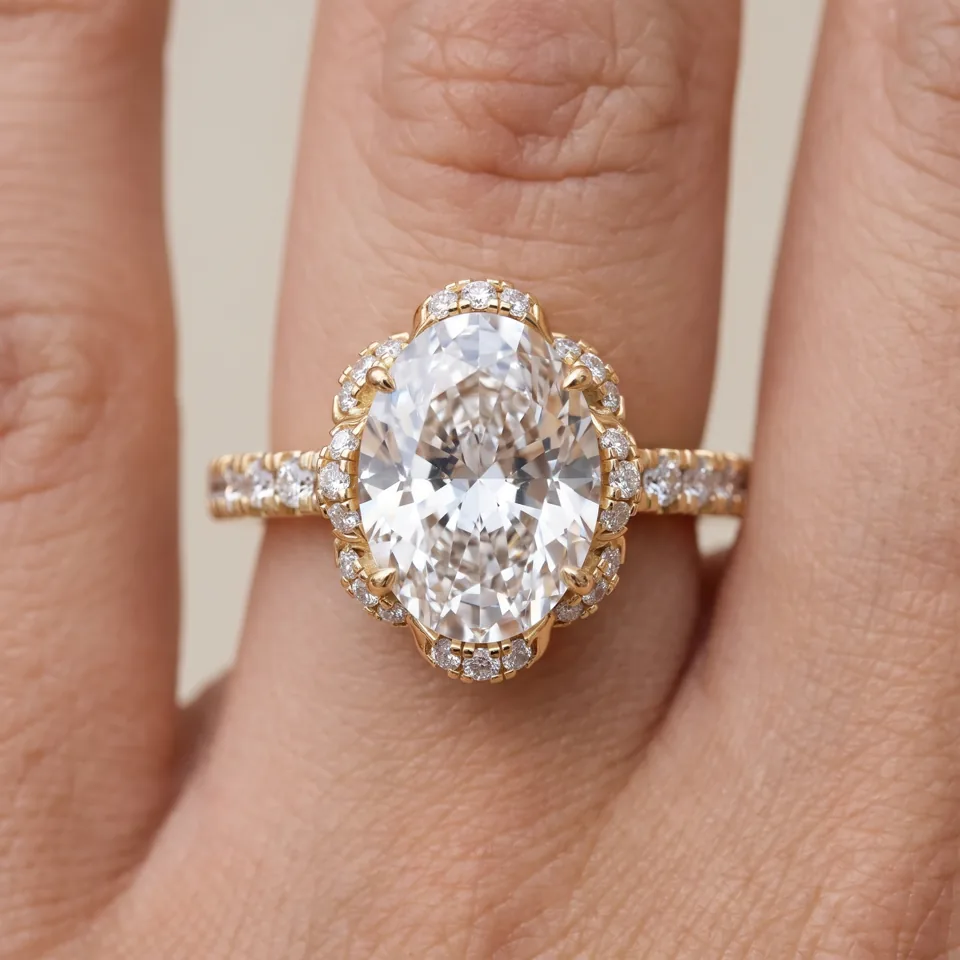 Pave Flower Engagement Rings
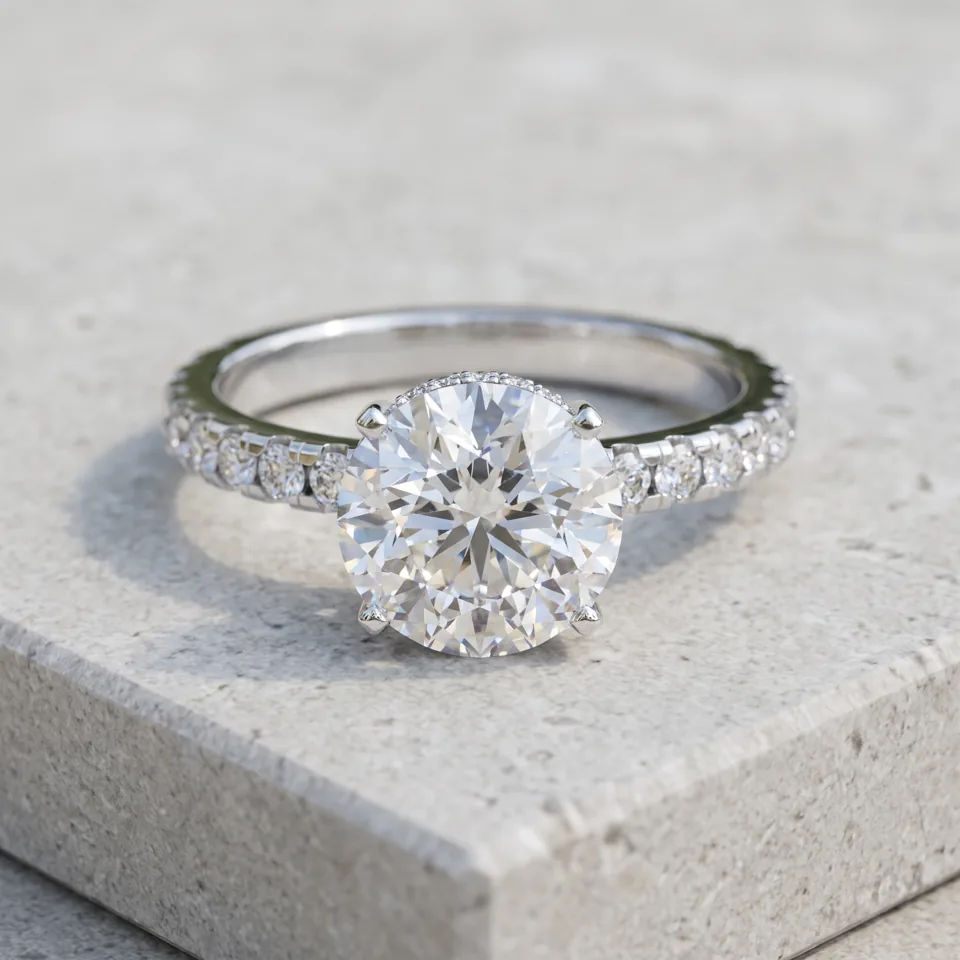 White Gold Pave Rings
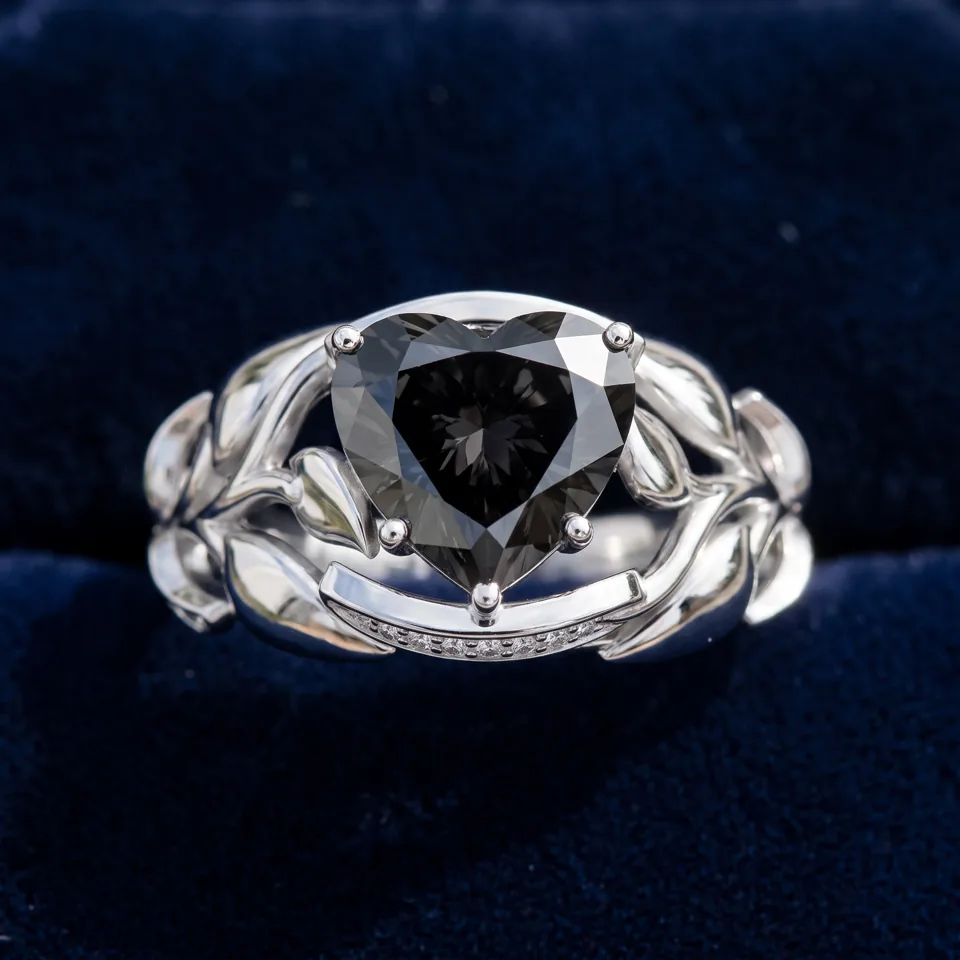 Black Diamond Pave Rings
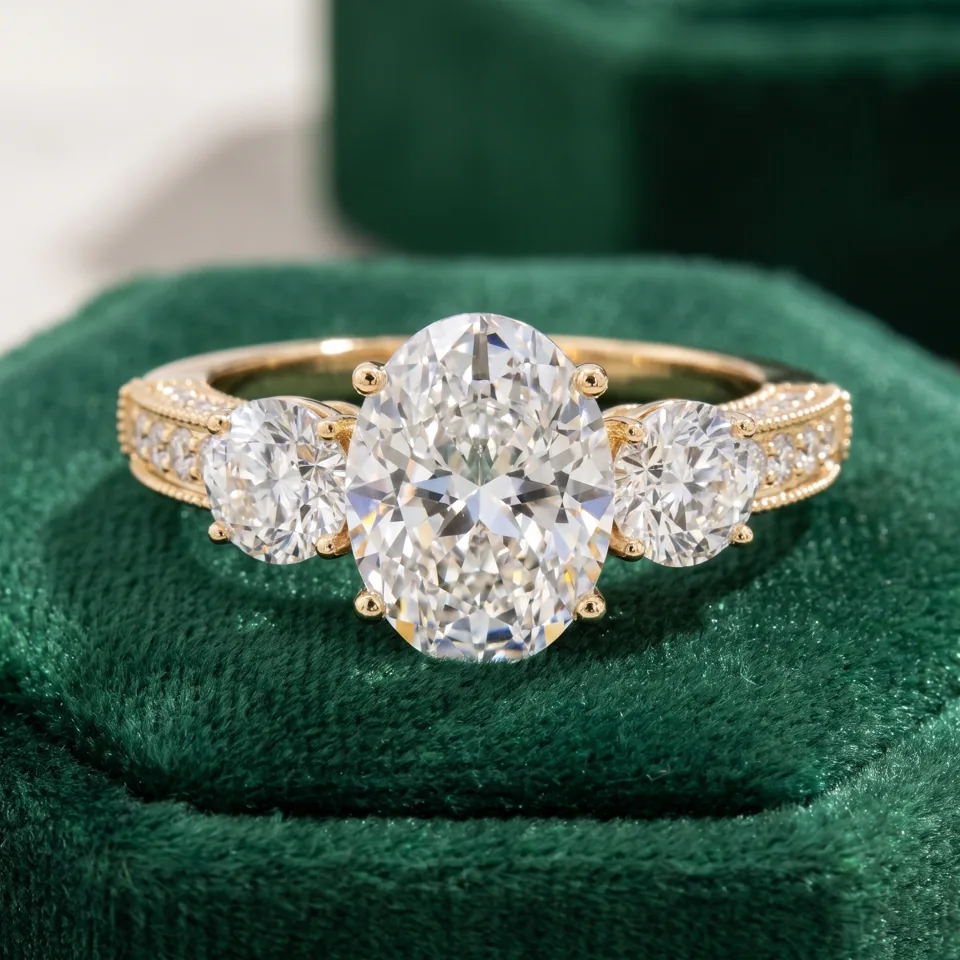 Pavé Three Stone Engagement Rings
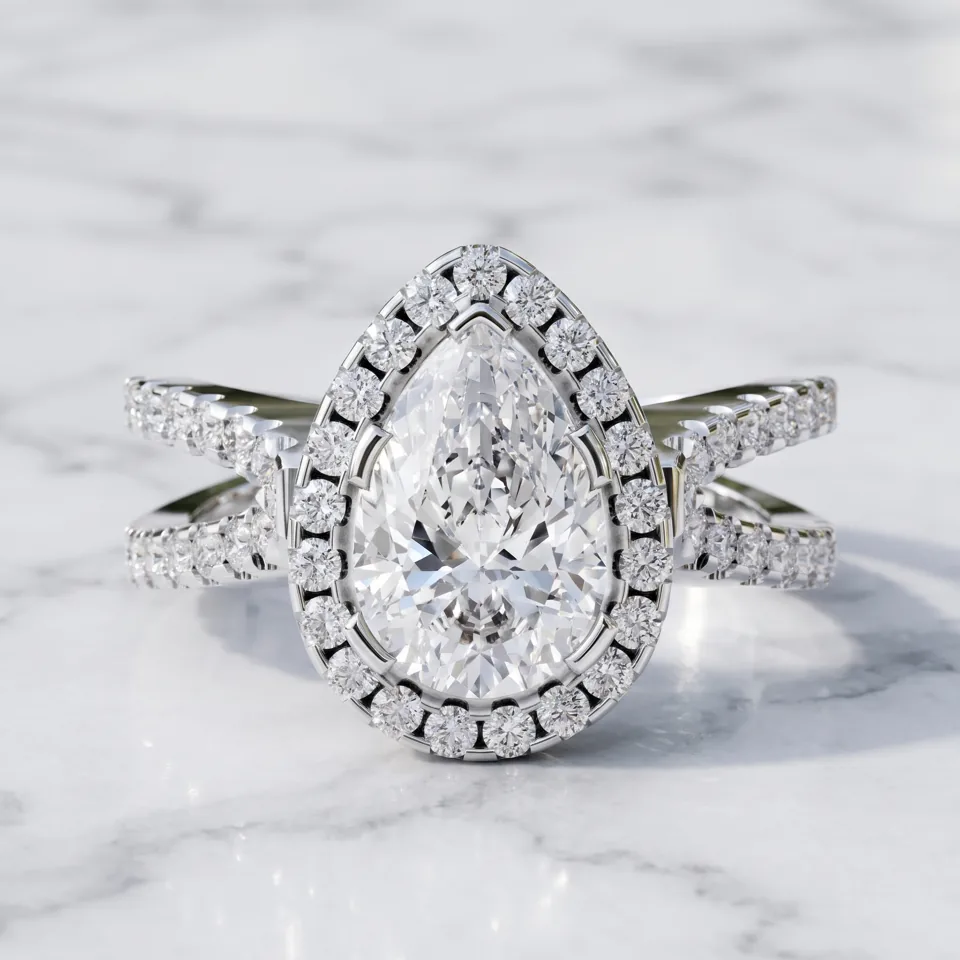 Pavé Split Shank Engagement Rings
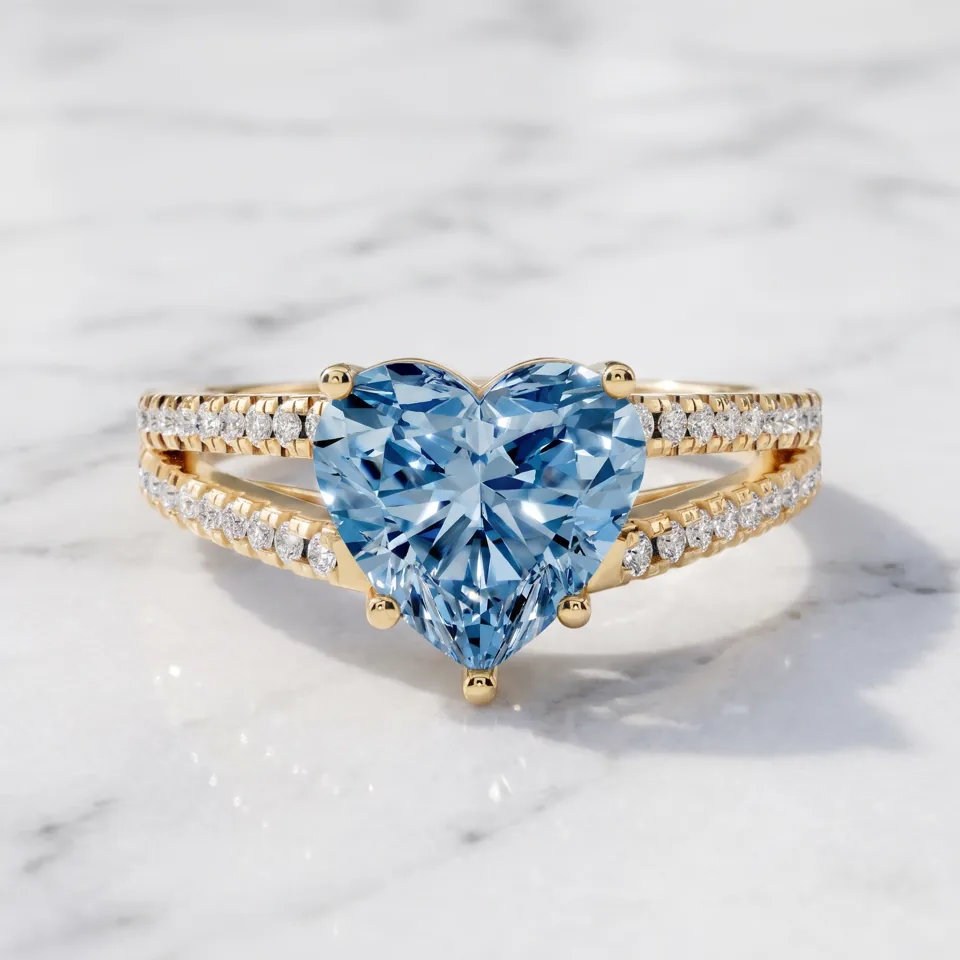 Blue Diamond Pave Rings
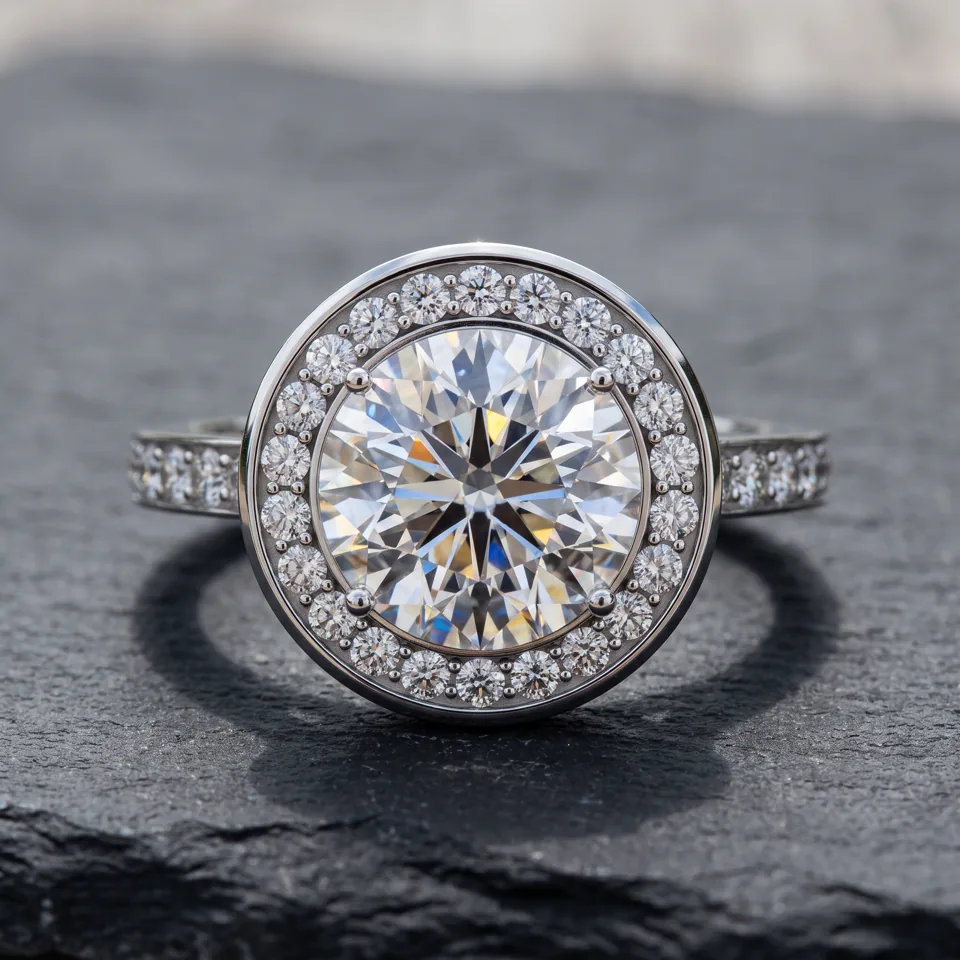 Bezel Pave Engagement Rings
Pavé can run just along the shoulders, across the top half of the shank, or in several rows for a wider band of sparkle. Single-row pavé keeps the ring slim and lets the center lead. Scalloped and shared-prong bands show more of each lab-grown diamond accent from the side, and multi-row shoulders give a fuller, glittering look.
Split shank, twisted, vintage and toi et moi designs are also lined with pavé.
Pavé relies on many small beads of metal, so the metal choice affects how the stones stay put. Those beads also need a gentle hand, as our guide on cleaning a diamond ring without damaging it explains. Platinum, offered on almost every design, is dense and keeps those beads firm. Gold is offered in yellow, white or rose at 10K, 14K or 18K; most buyers settle on 14K. Silvadium, a tarnish-resistant sterling silver, costs less but is softer, so it suits a ring you take off for heavy work. The lowest-priced setting is under $200; most are about $900 to $1,250, with the center added on top.
Fancy pink, yellow, blue and green centers suit most designs; black suits some. Set a pink center among colorless accents and you have a pink pavé ring where the color looks deeper by contrast; yellow gold does the same for a yellow center.
Each pavé setting is made with your center in 10–15 days, and the center diamond comes with an IGI or GIA report. Free insured shipping covers the trip both ways, you may return the unworn ring within 30 days, and one free resize is included within 60 days of delivery.
A pavé ring has small diamonds set close together across its surface, each gripped by small raised beads of metal; the result resembles a paved surface. Pavé is French for paved, as in a cobbled street. Here the pavé stones are lab-grown diamond accents set into the shank, and on halo designs around the center too, while the center itself is chosen separately.
No. Well-made pavé looks refined because the small stones are matched in size and set evenly, so the band shows an unbroken strip of light. It can look busy when the stones are uneven or the metal beads are thick. A single row of pavé beside a larger center is a classic choice, and multi-row designs suit anyone who wants more sparkle.
Usually a little, compared with a plain band in the same metal. The small stones themselves cost little each, but setting dozens of them takes skilled labor, and that adds to the price. Here the setting price already includes its lab-grown diamond accents, and the center gets its own price once you select it, so you can see exactly what the pavé adds.
Yes, with sensible care. Each pavé stone is small and anchored by little metal grains, so a hard knock can loosen one. Remove it before weight training, yard work or moving furniture, and ask a jeweler to inspect the stones yearly. Platinum and 14K gold grip pavé more firmly than softer metals, a point to consider for hands-on jobs.
The difference is how much metal shows. Standard pavé holds each small stone with beads raised from the metal around it. French pavé cuts a V-shaped notch under each stone, so thin metal touches the stone and more of its side is visible. French pavé tends to look lighter and brighter, while standard pavé gives the stones a little more metal for support.


