Complimentary insured shipping, both waysEngagement ring diamonds certified by IGI or GIAGrown by light. Conflict-free by natureComplimentary insured shipping, both ways
Engagement RingsWedding BandsEarrings
NecklaceBraceletsAbout
On a cathedral setting ring, two curved supports climb from the band to cradle the center, a bit like the vaulted ceiling the style is named after. Most cathedral engagement rings in this group are solitaires; a handful add pave, channel-set or engraved shoulders.
Choose the setting here, in platinum, silver or rose, white or yellow gold. Your center diamond is selected in the next step.
The arches hold up the head, so the center rides higher than on a flat shank. That lift lets light into the stone's sides and gives even a modest center a substantial look. It also changes how a wedding band meets it: some cathedral designs leave a slight gap, so test the pair side by side if a flush fit matters.
Plain shoulders or accents
Plain arched or tapered bands: the cleanest outline, quickest to wipe clean
Pave or graduated shoulders: laboratory-grown diamond accents run up each arch
Channel-set bands: lab-grown diamond accents held between two rails of metal, smooth for busy hands
Vintage and engraved: carved detail on the band and under the head
Matching the center shape to the arches
Most designs accept any of ten shapes, round, oval, marquise, emerald and heart among them. Rounds and cushions echo the symmetry of the arches, while pear and marquise centers draw the eye down the finger and make the shoulders feel longer. Nearly all of these settings take a pink, yellow, blue or green fancy-color center; a few take black.
Which metal to set it in
Gold comes in 10K, 14K or 18K in all three colors. Platinum, the heaviest choice, keeps prongs tight for decades. There's also Silvadium, a tarnish-resistant sterling silver, the budget-friendly pick; as the softest of the metals here, silver rewards gentle wear. Prices begin below $200 for the setting, with typical settings at roughly $1,000 to $1,150, center not included.
Ordering from Whitemoon
We make your setting and mount the center you pick in 10–15 days, and that diamond comes with an IGI or GIA report. You get free insured shipping both ways and 30 days to return the ring. If the fit is off, one resize within 60 days of delivery costs nothing.
FAQ
Questions about Cathedral Setting Rings
What does a cathedral engagement ring mean?
It means the ring is built on a cathedral setting, where curved supports sweep up from each side of the band to hold the head, echoing the vaults of a church. The name describes the structure only. Here you'll find it on solitaires, vintage styles and pave designs, and you pick the center shape.
What is the difference between a cathedral ring and a non-cathedral ring?
The difference is how the center is supported. On a cathedral ring the shoulders sweep upward into the head, so the stone sits on raised arches. On a non-cathedral ring the head rises straight from the top of a flat band, giving a lower, simpler profile. Cathedral styles look taller from the side and add structure; non-cathedral styles sit closer to the finger and pair with a straight wedding band more easily.
Is cathedral setting more expensive?
Usually a little, because the arches use more metal than a flat band. The bigger price drivers are still the center diamond, the metal and any accents. Here, cathedral settings begin below $200, and a typical one costs about $1,000 to $1,150 before the center, which you choose and price in the next step.
What are the pros and cons of a cathedral setting ring?
The main pros are height, extra support around the head and a lifted look that flatters small and large centers alike. The cons: the raised stone can catch on knits and gloves, dirt collects under the arches, and some wedding bands won't sit flush against it. A tapered or plain arched band keeps the profile cleaner for hands that stay busy.
Does cathedral setting make rings look bigger?
A little, in effect. The setting doesn't change the stone's size, but the raised head and sweeping shoulders give the ring more presence, and a slim tapered band makes the center look broader by contrast. Pave accents up the arches add sparkle around it. For the largest face-up look, combine the arches with an oval or marquise center.

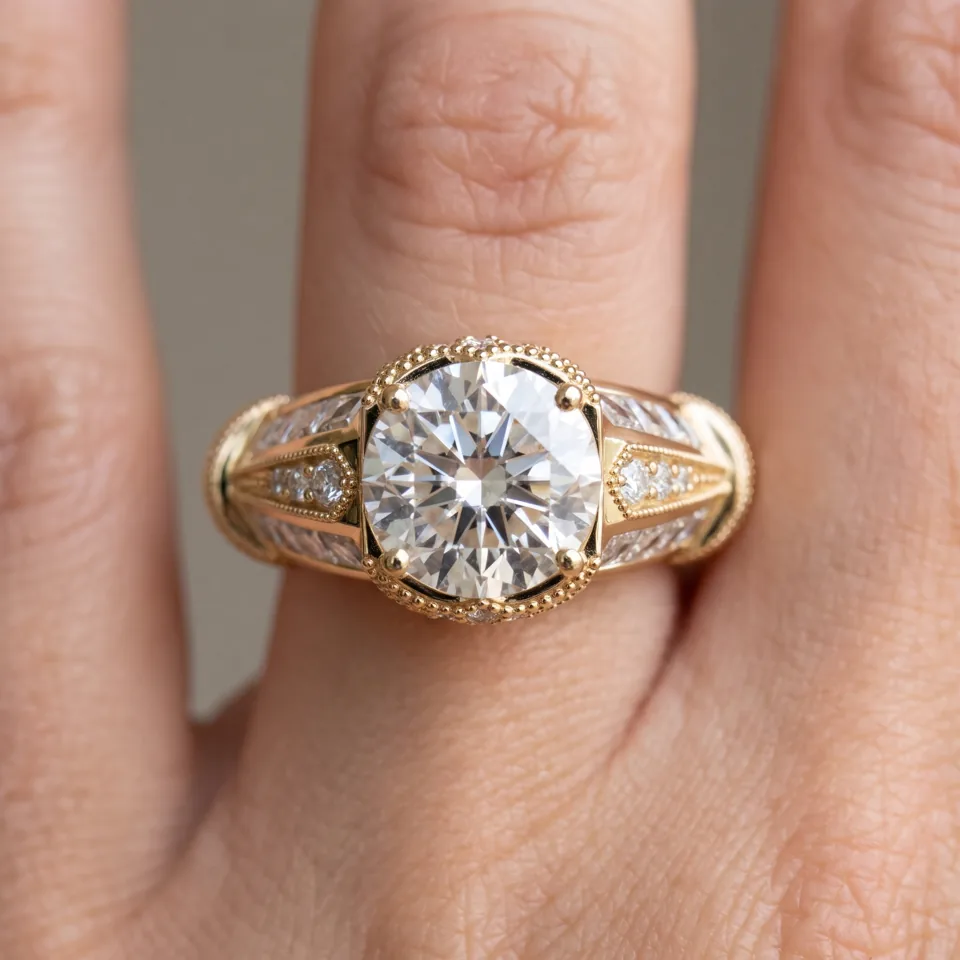 Vintage Engagement Rings
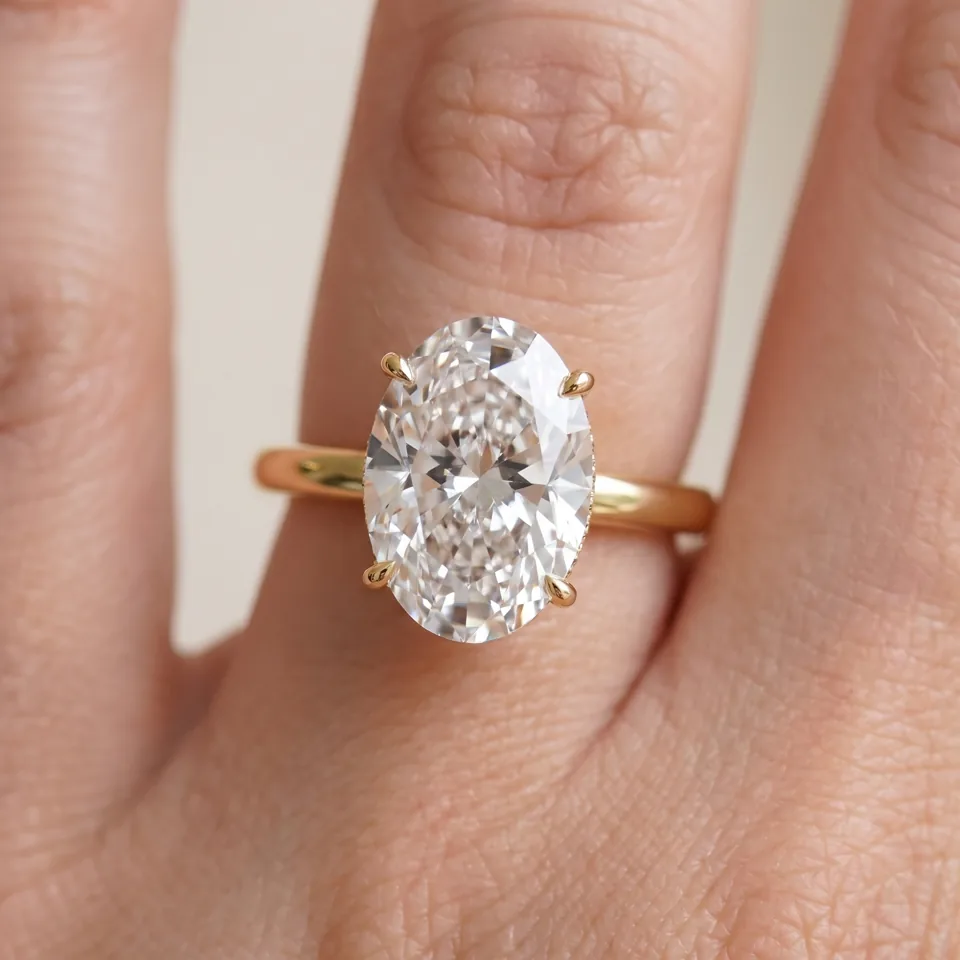 Solitaire Engagement Rings
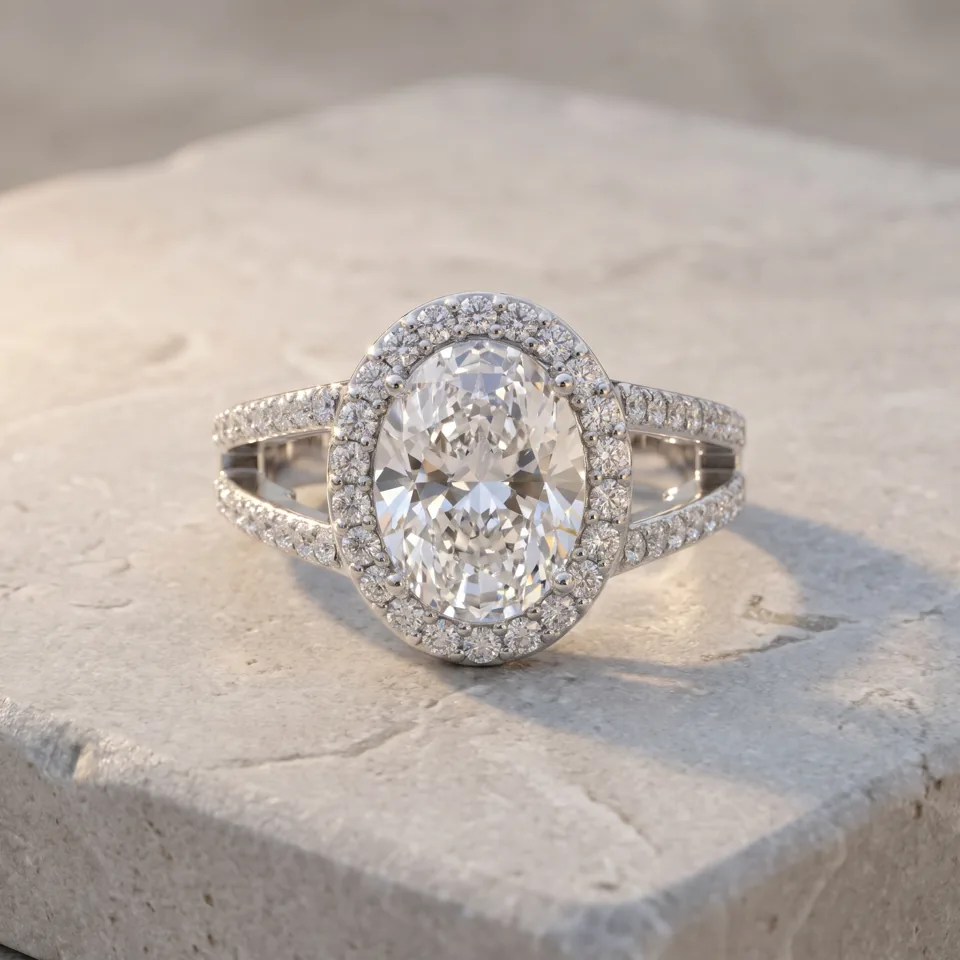 Halo Engagement Rings
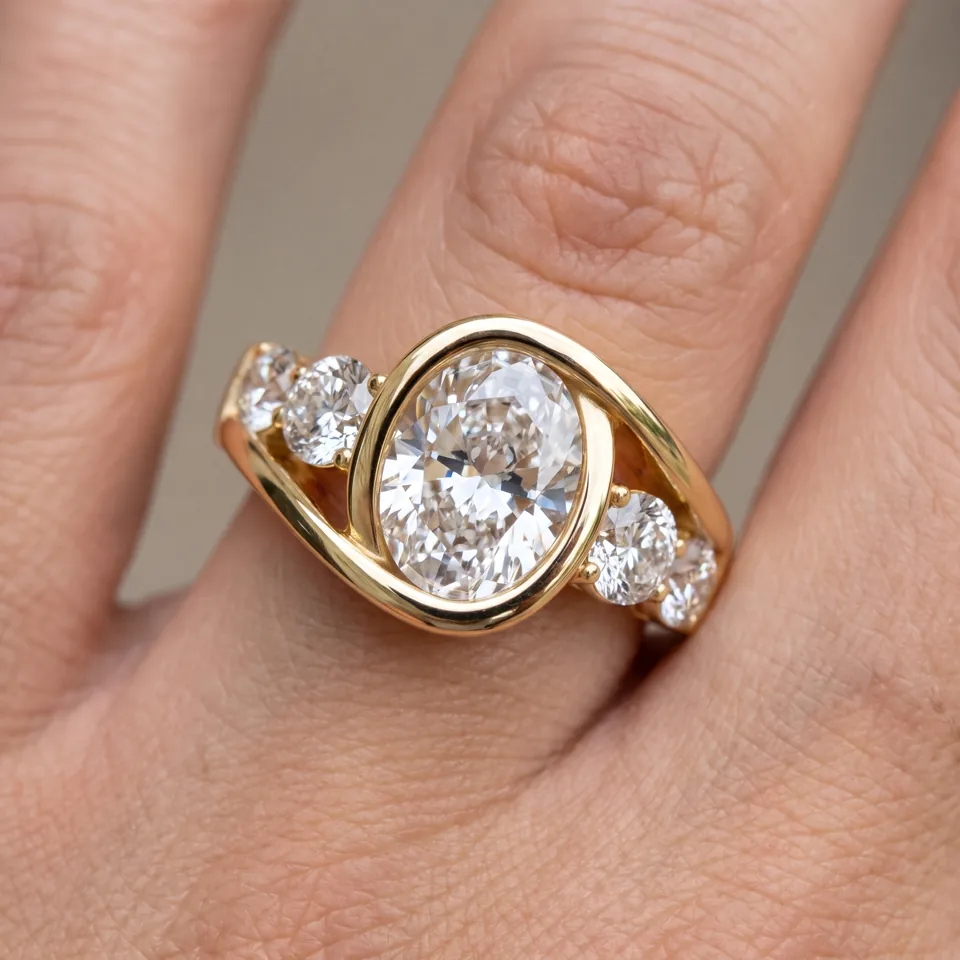 Bezel Engagement Rings
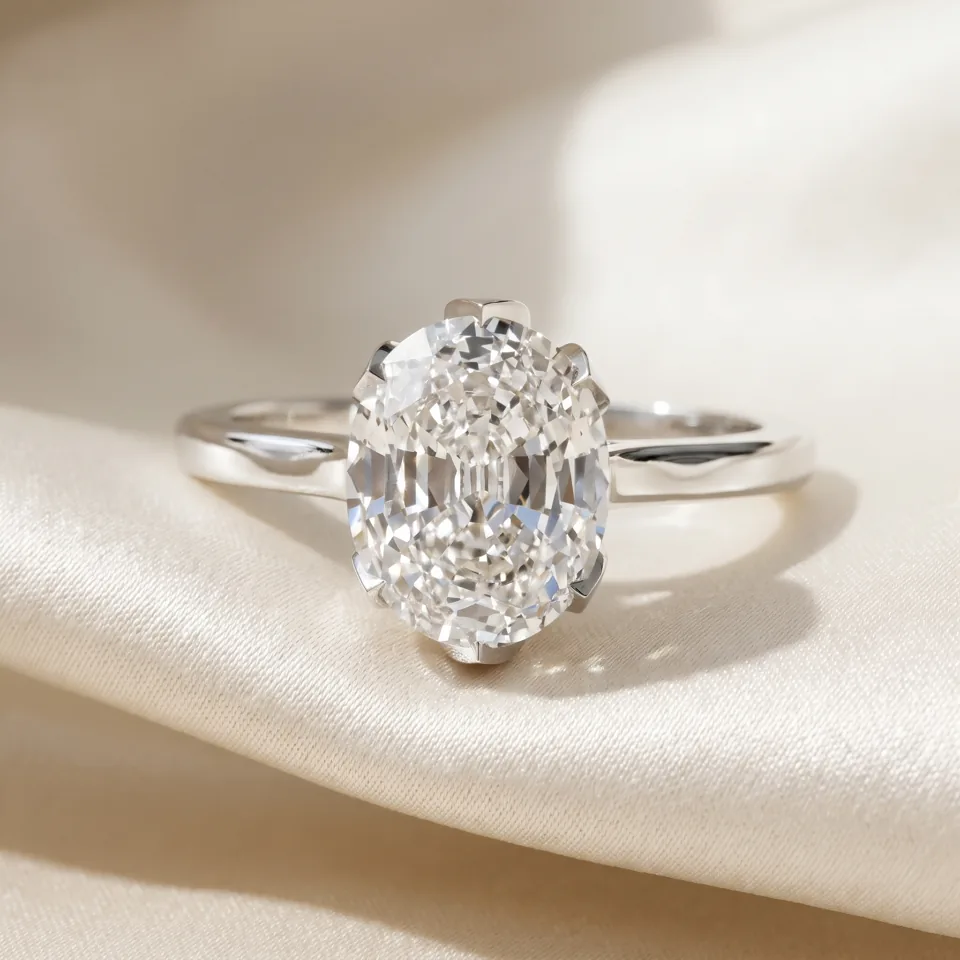 Floral Engagement Rings
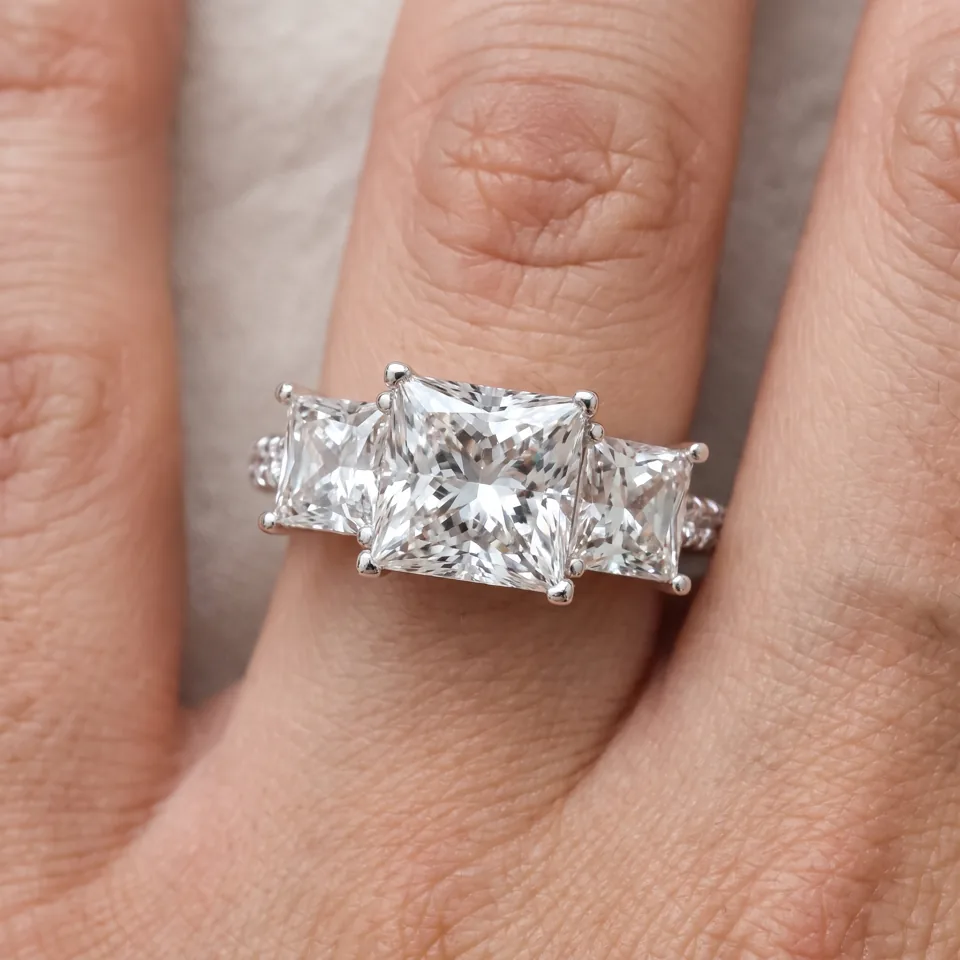 Three Stone Engagement Rings
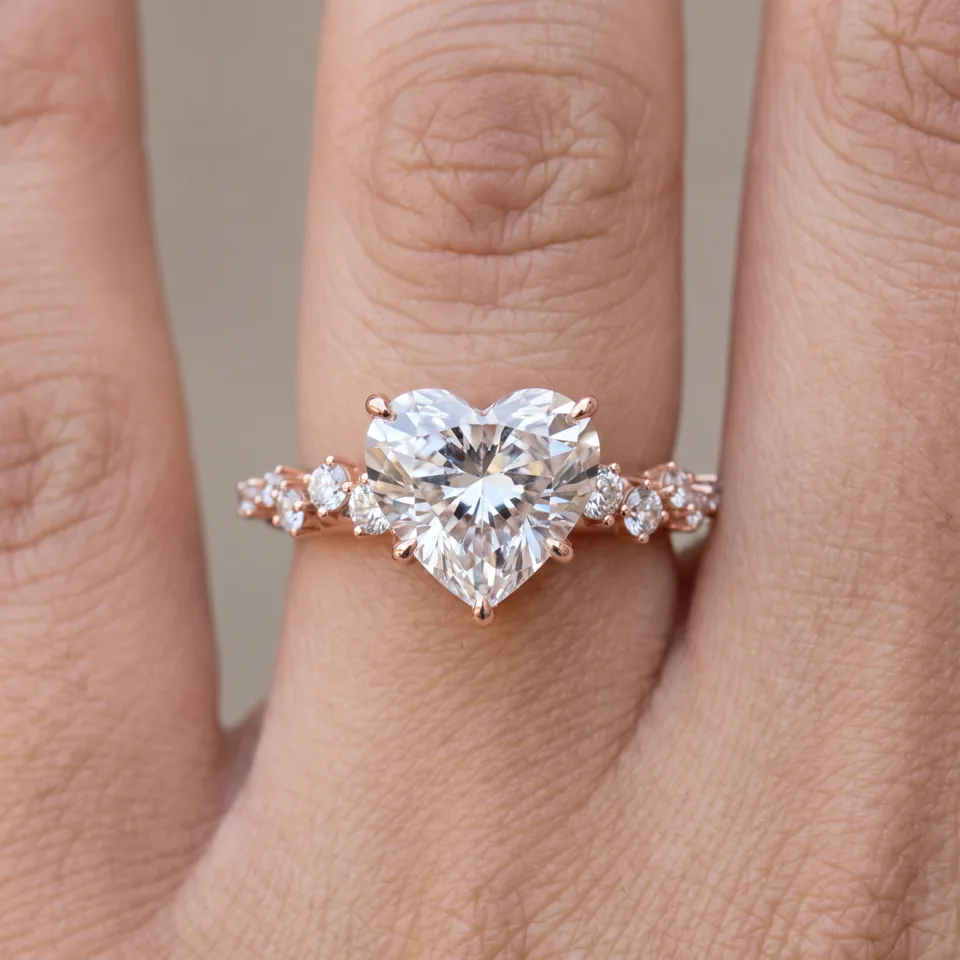 Cluster Side Stone Engagement Rings
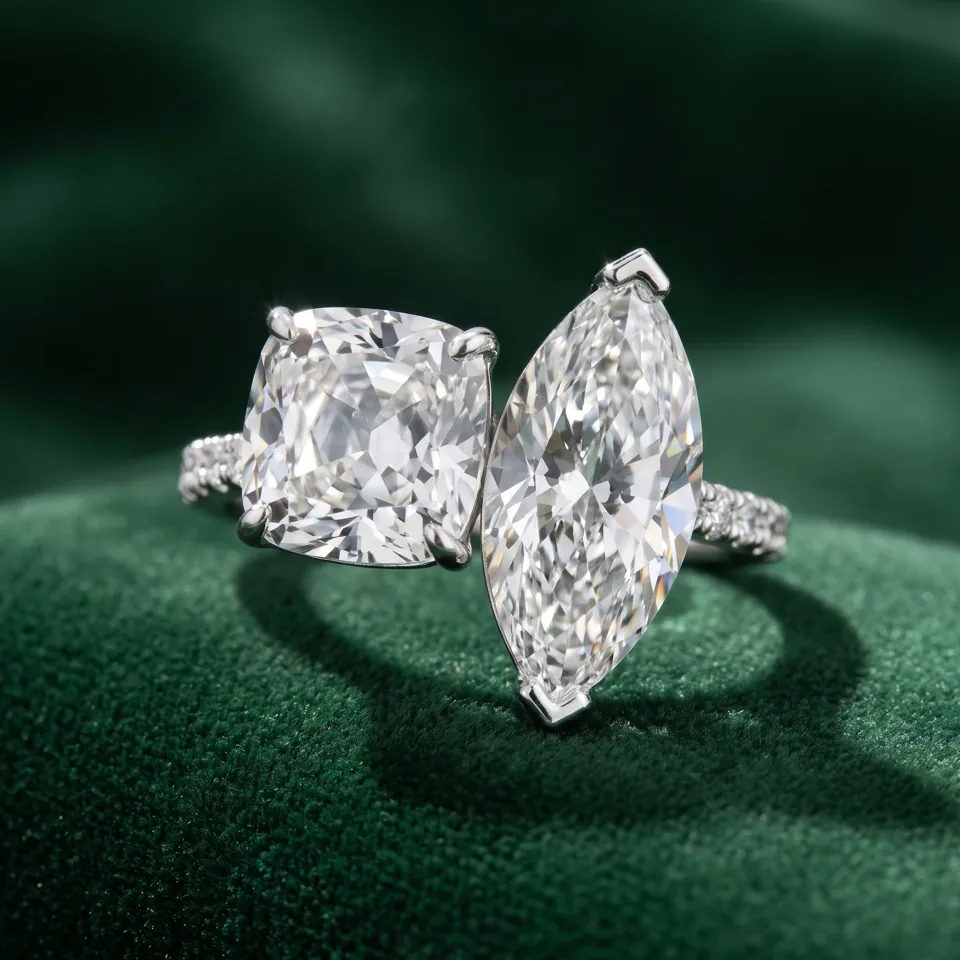 Toi et Moi Two Stone Engagement Rings
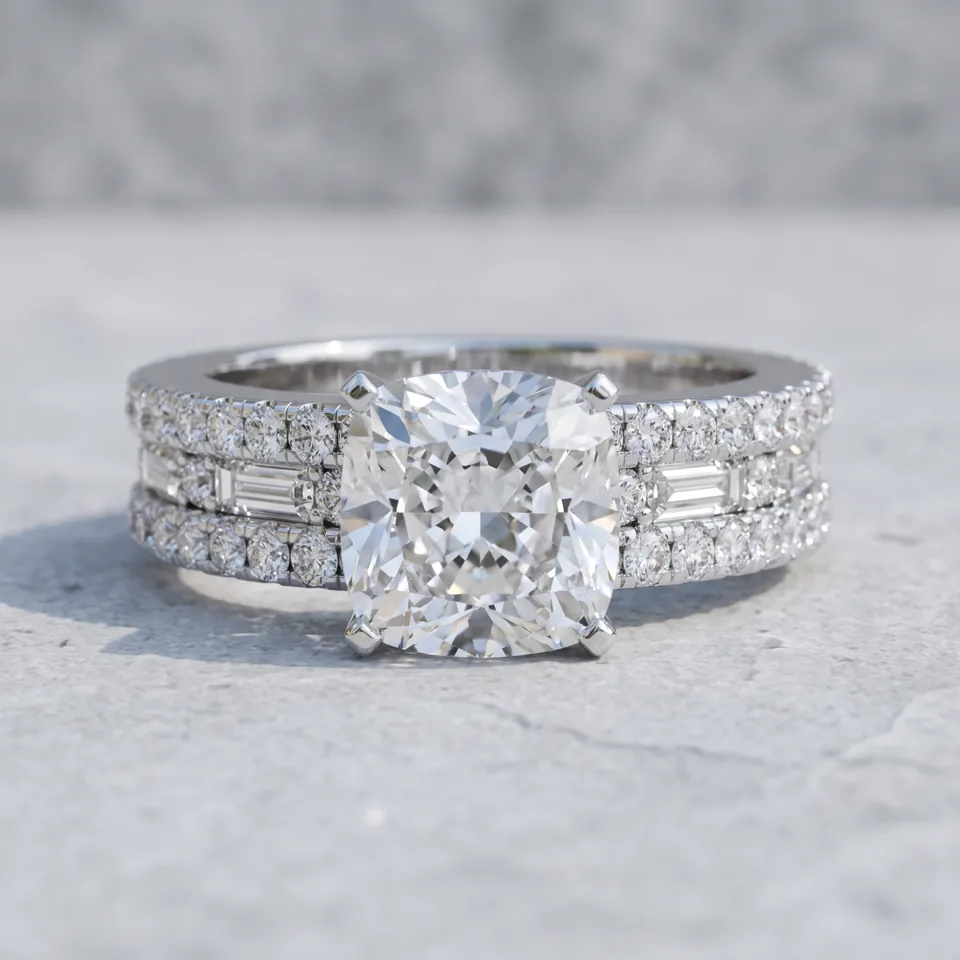 Engagement Rings with Baguette Side Stones
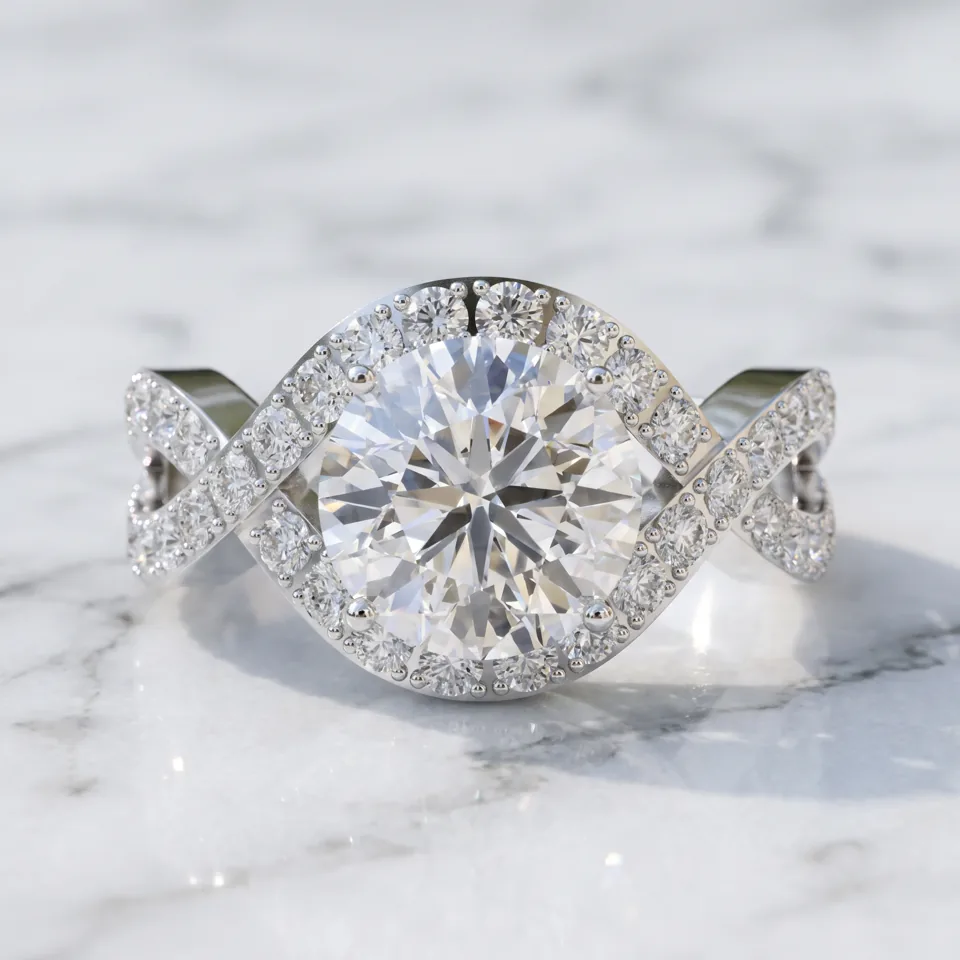 Infinity Rings
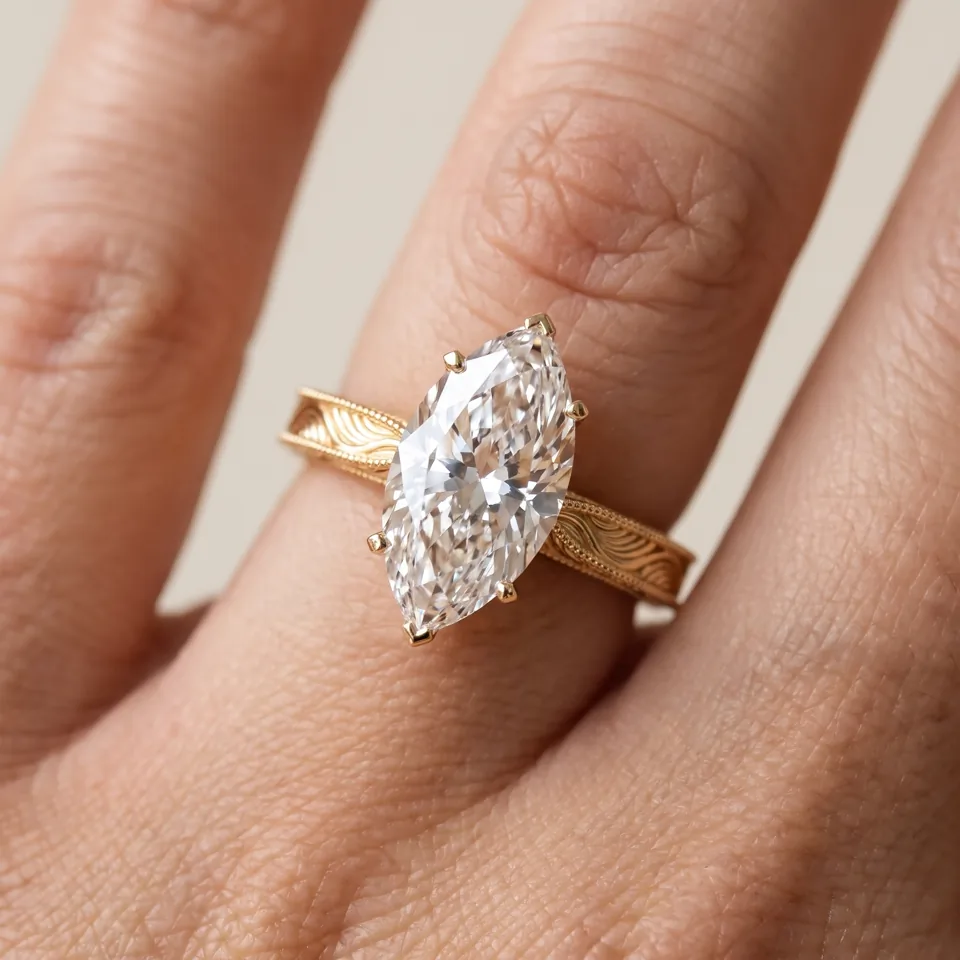 Engraved Rings
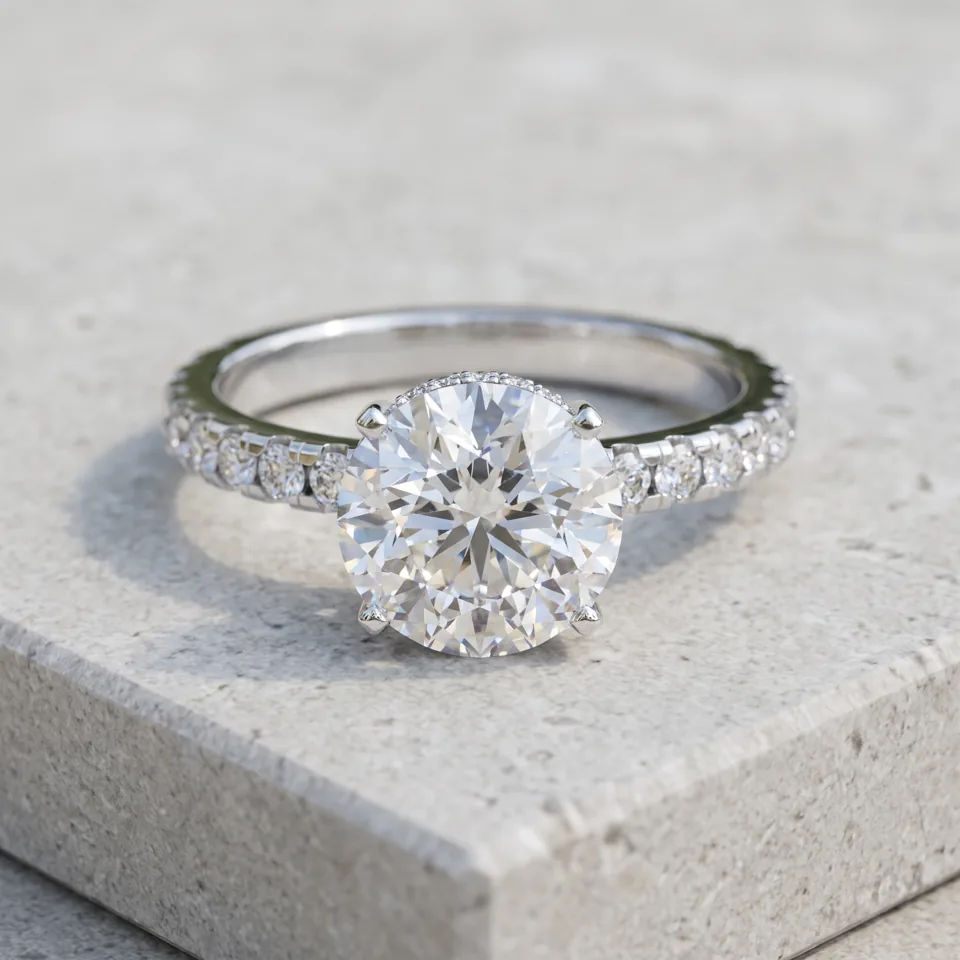 Pave Engagement Rings
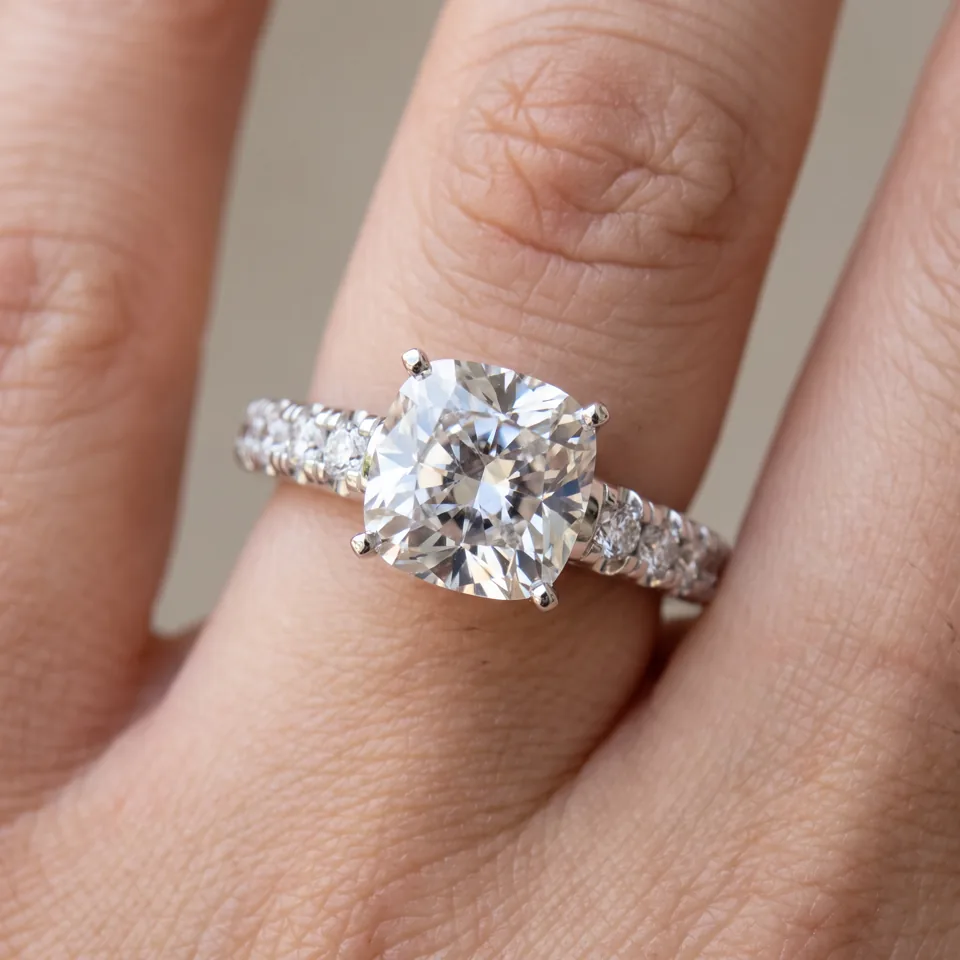 White Gold Cathedral Engagement Rings
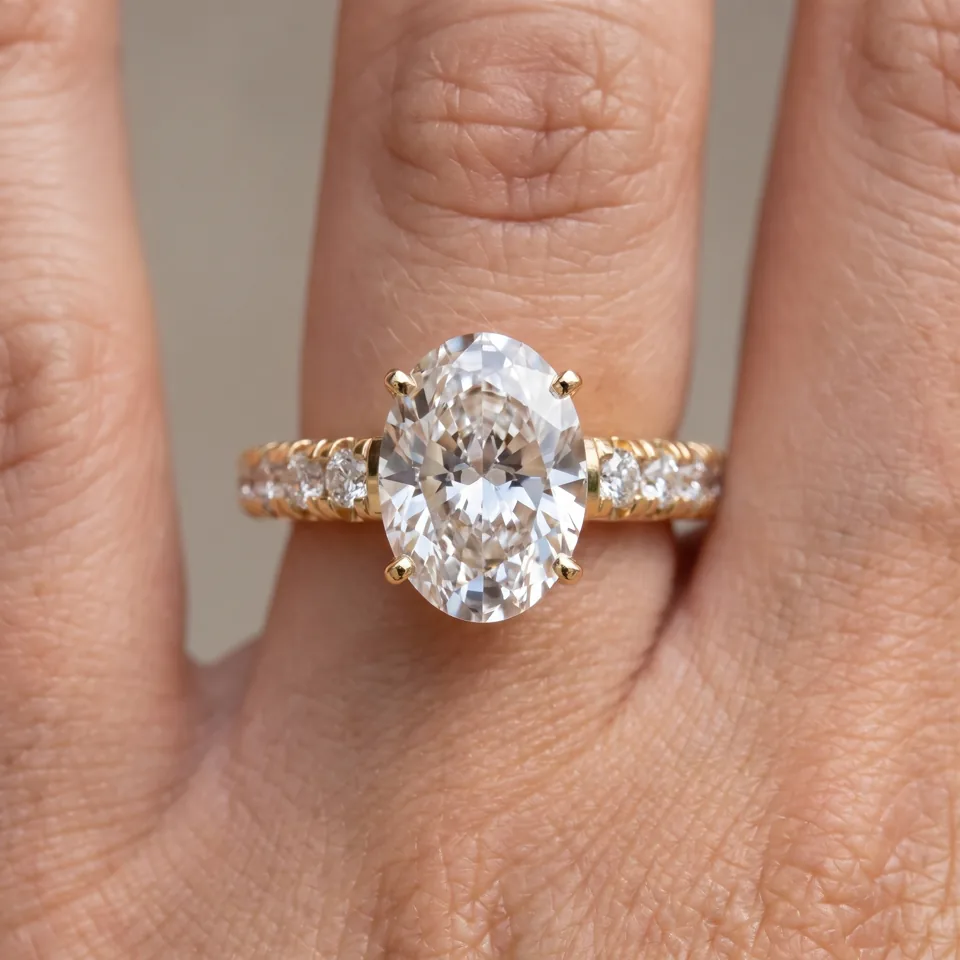 Yellow Gold Cathedral Engagement Rings
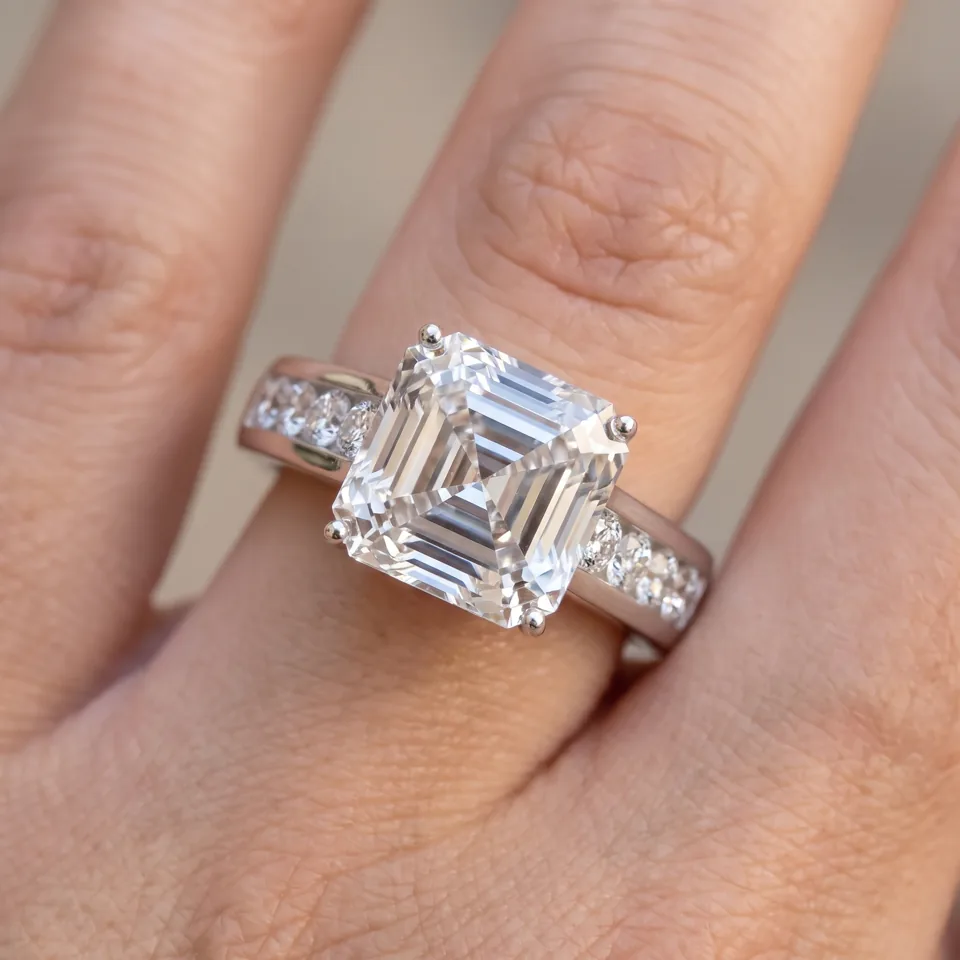 Cathedral Channel Set Engagement Rings
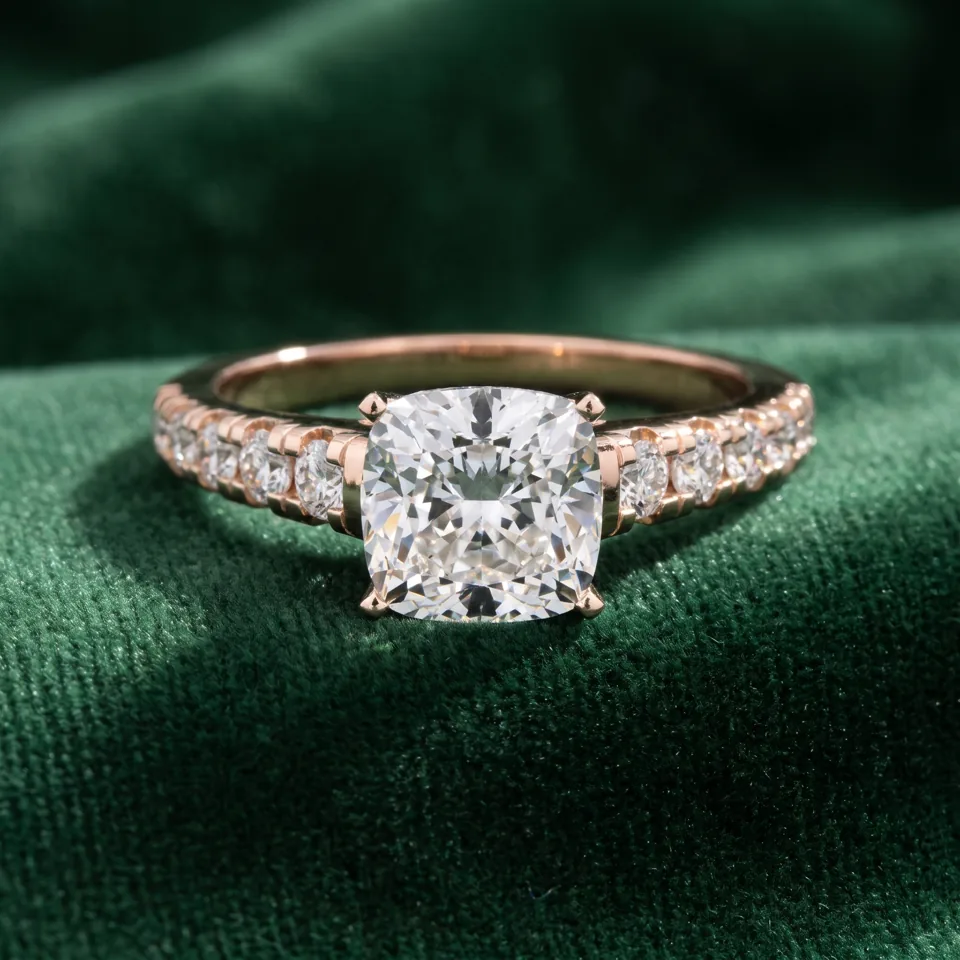 Rose Gold Cathedral Engagement Rings


