Complimentary insured shipping, both waysEngagement ring diamonds certified by IGI or GIAGrown by light. Conflict-free by natureComplimentary insured shipping, both ways
Engagement RingsWedding BandsEarrings

NecklaceBraceletsAbout
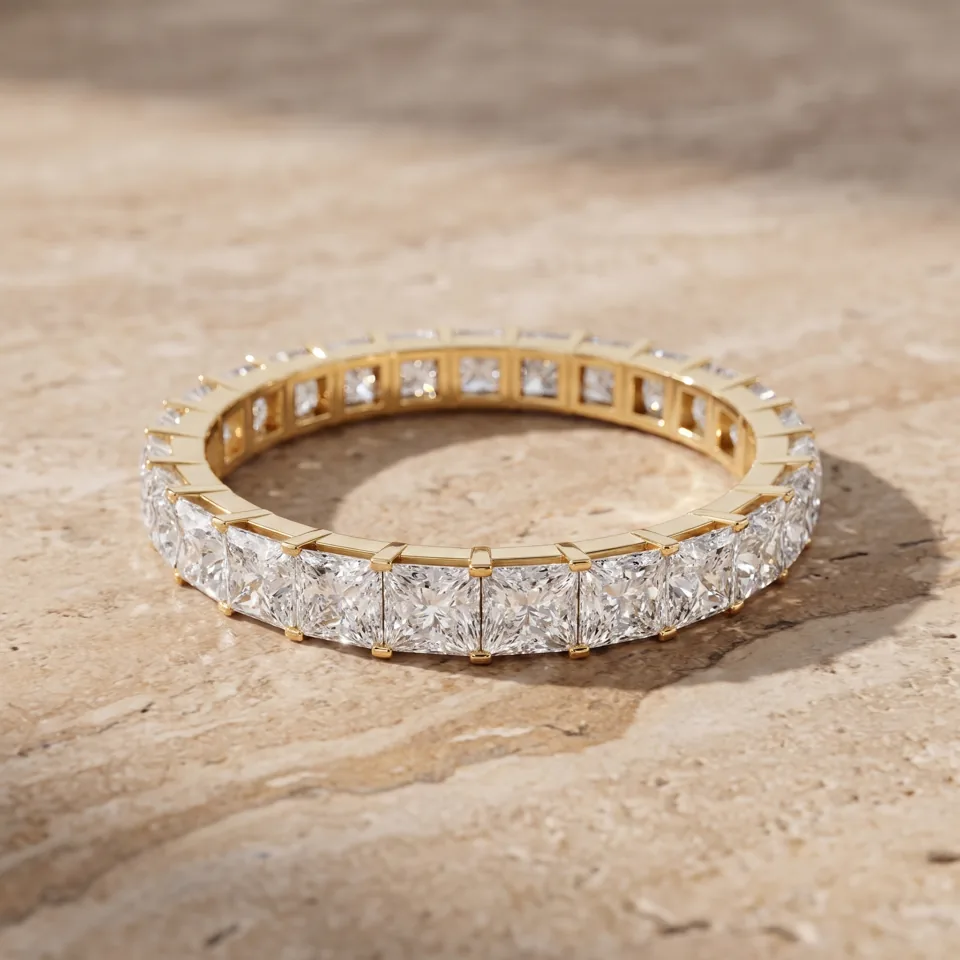
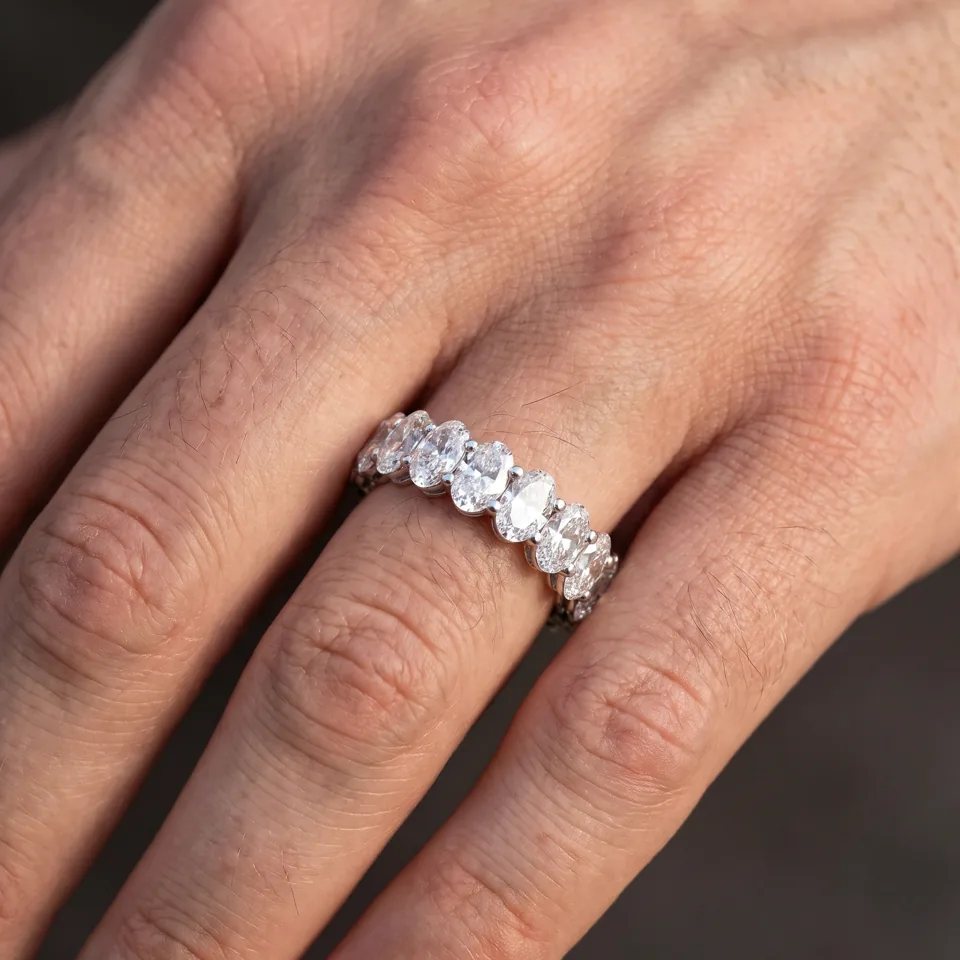
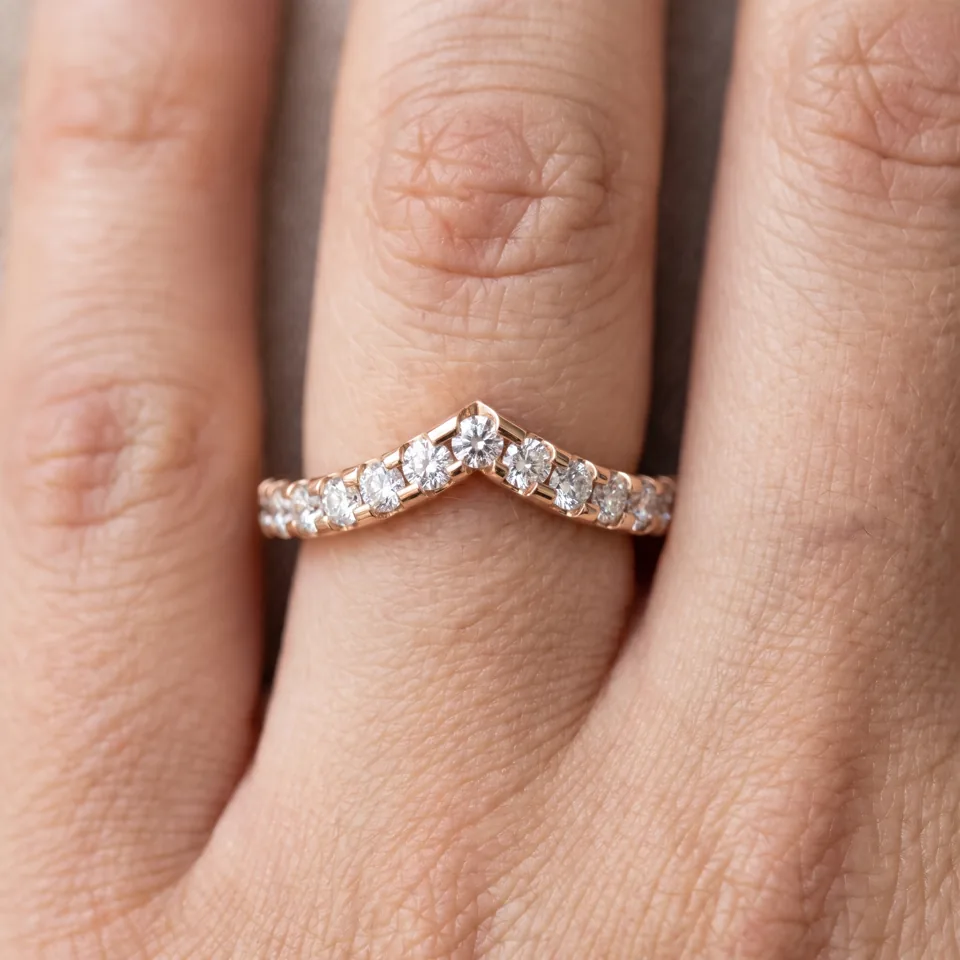
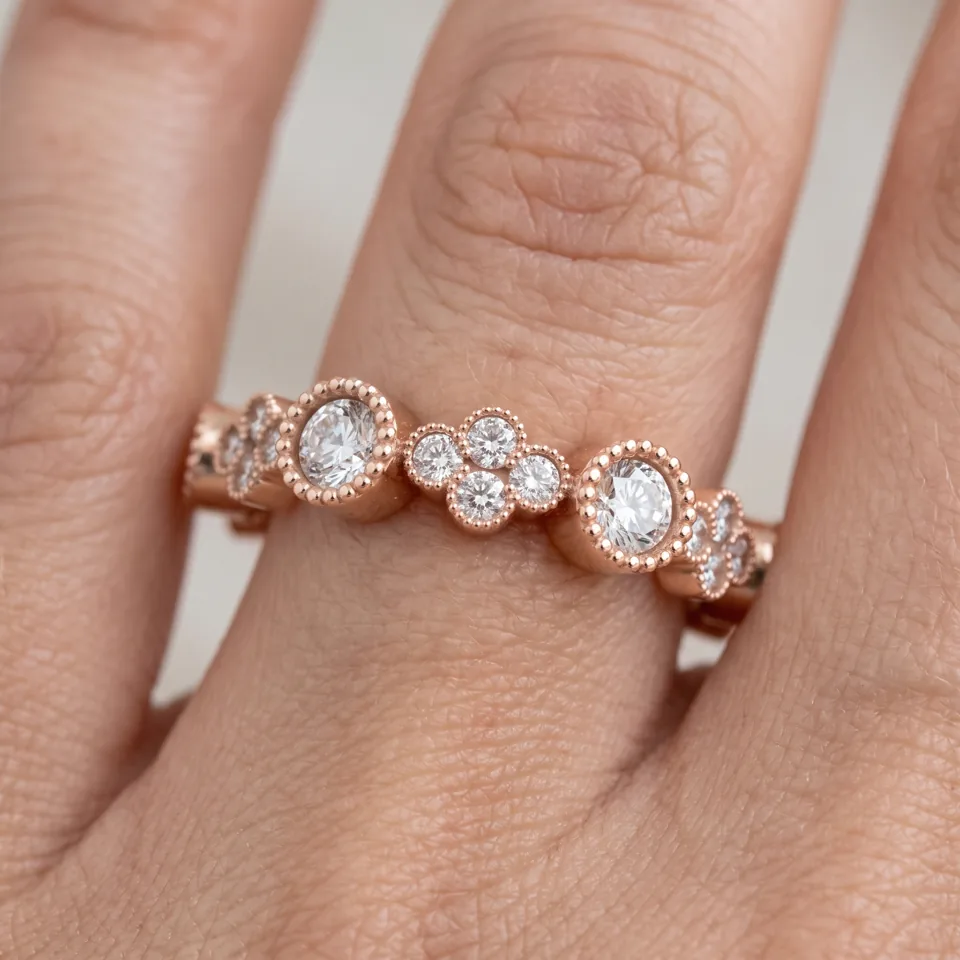
These wedding rings and bands carry lab-grown diamonds and are made to pair with an engagement ring or be worn alone. Most designs are half eternity; you'll also find full eternity bands plus curved and chevron shapes.
Decide how the wedding band meets your engagement ring first, then pick the metal and the total carat weight. Our guide to wedding band types explains each style. Our guide to engagement rings vs wedding rings covers whether you need both. Not sure where it goes? Our guide to which finger a wedding ring goes on explains.
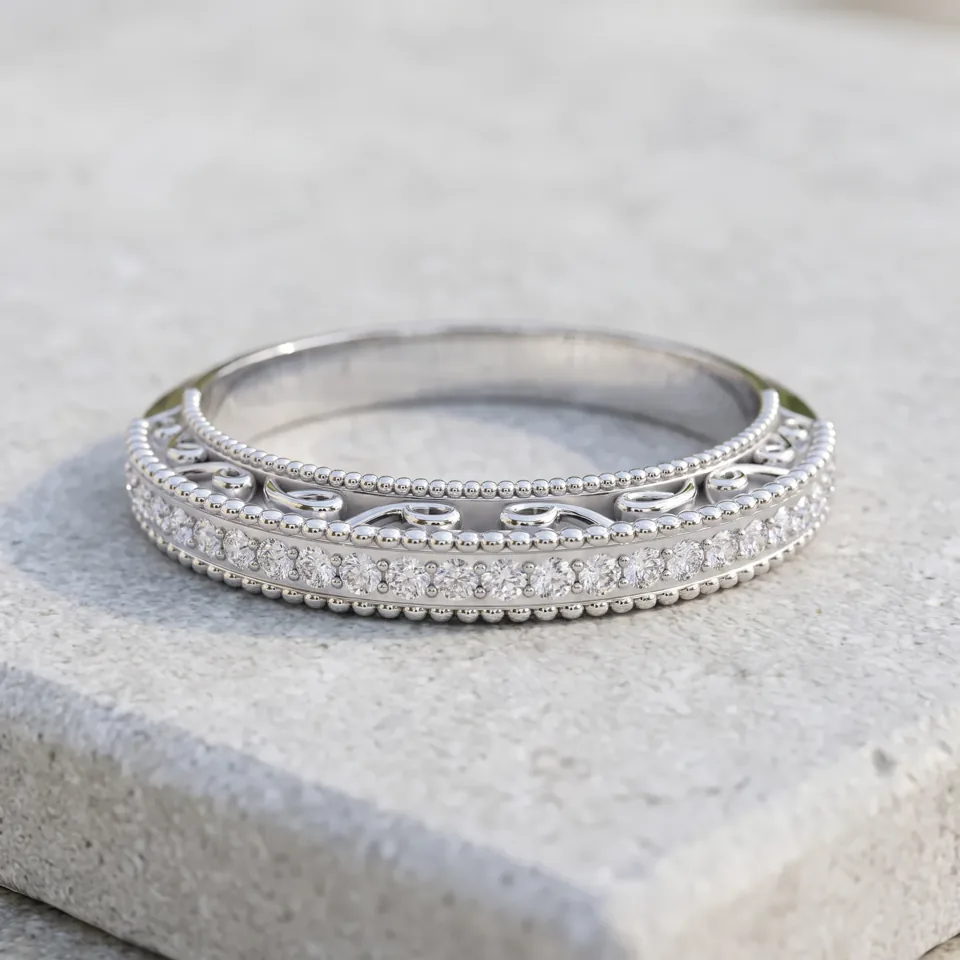
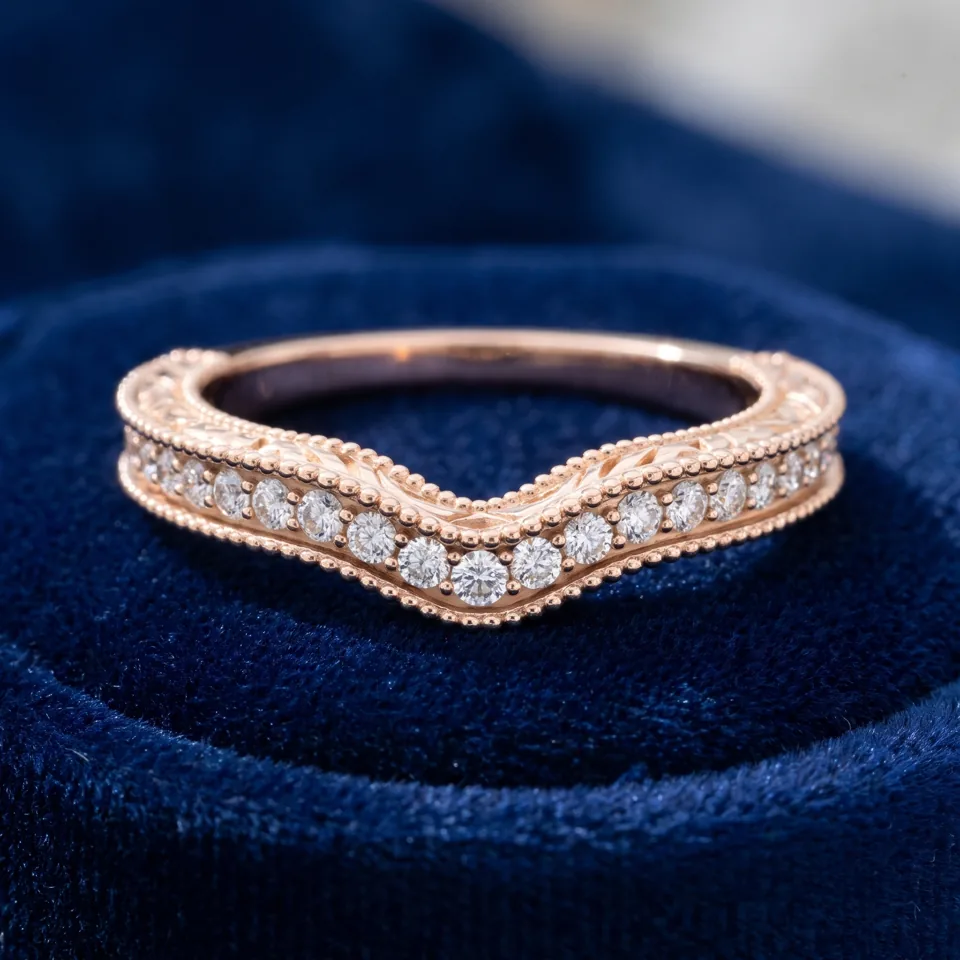 Lab-Grown Diamond Vintage Wedding Bands
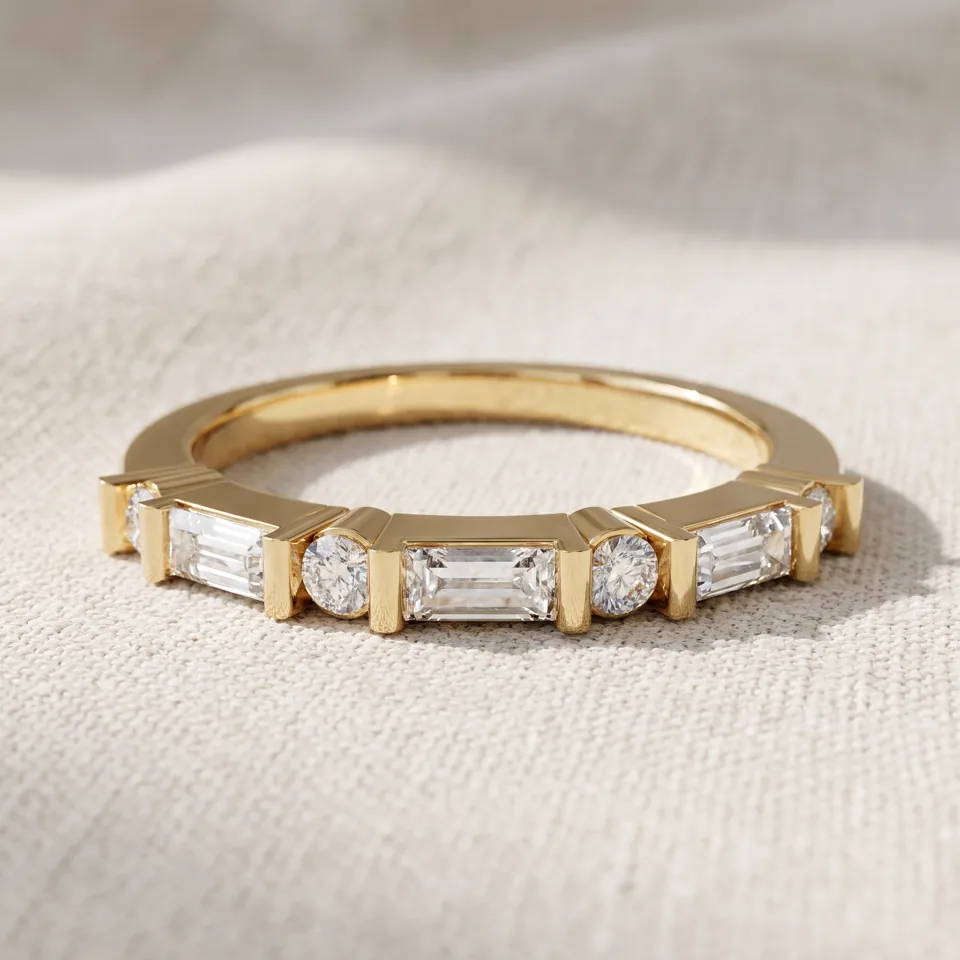 Baguette Lab-Grown Diamond Wedding Bands
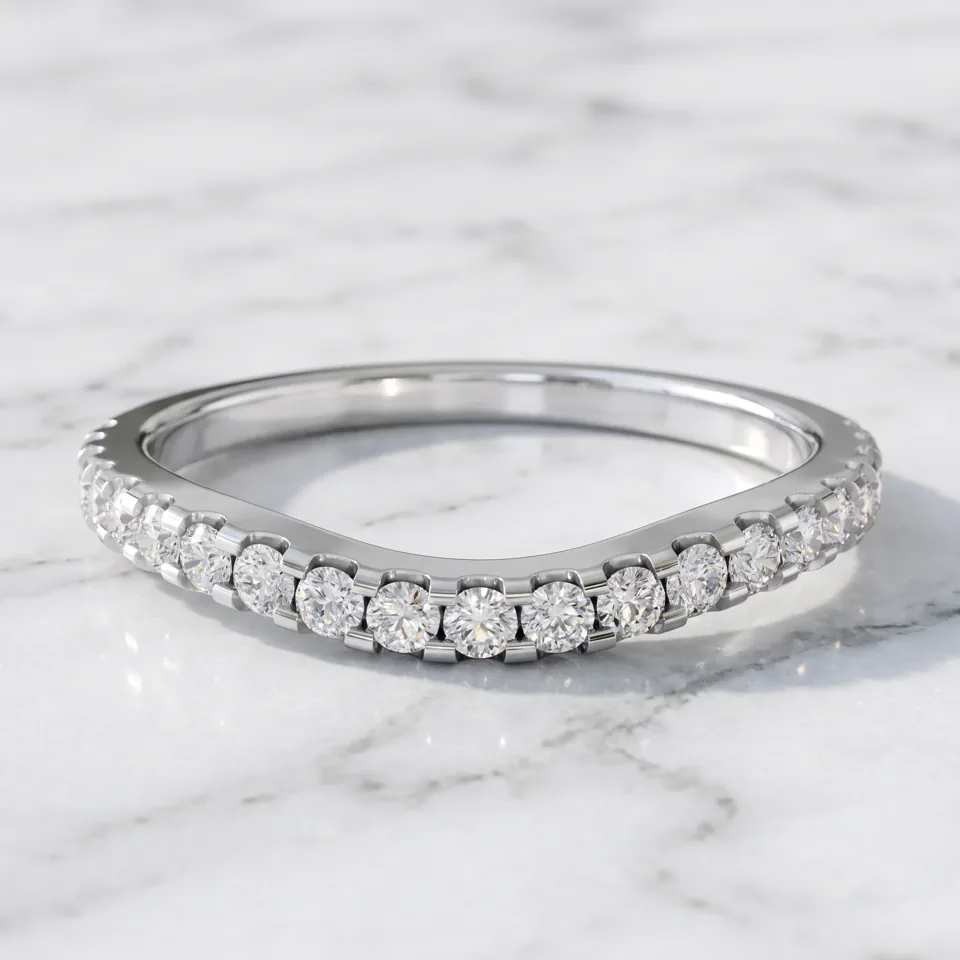 Lab-Grown Diamond Curved Wedding Bands
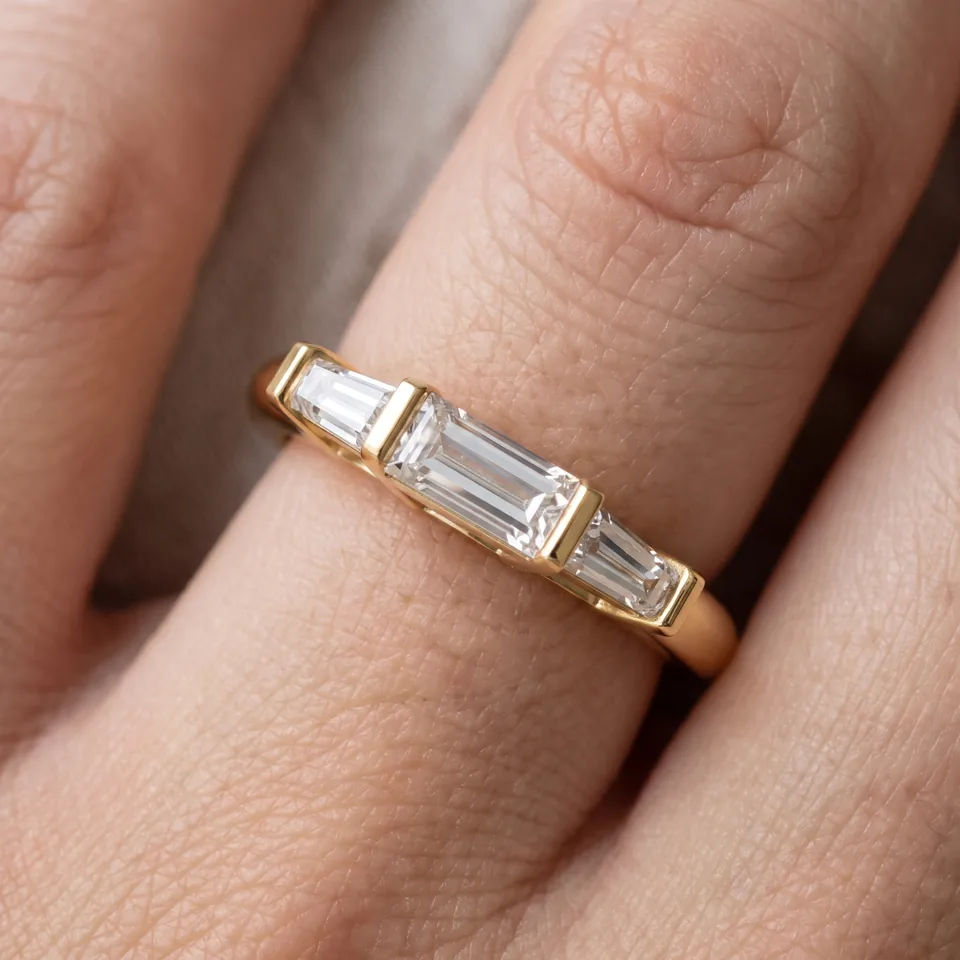 Lab-Grown Diamond Three Stone Wedding Bands
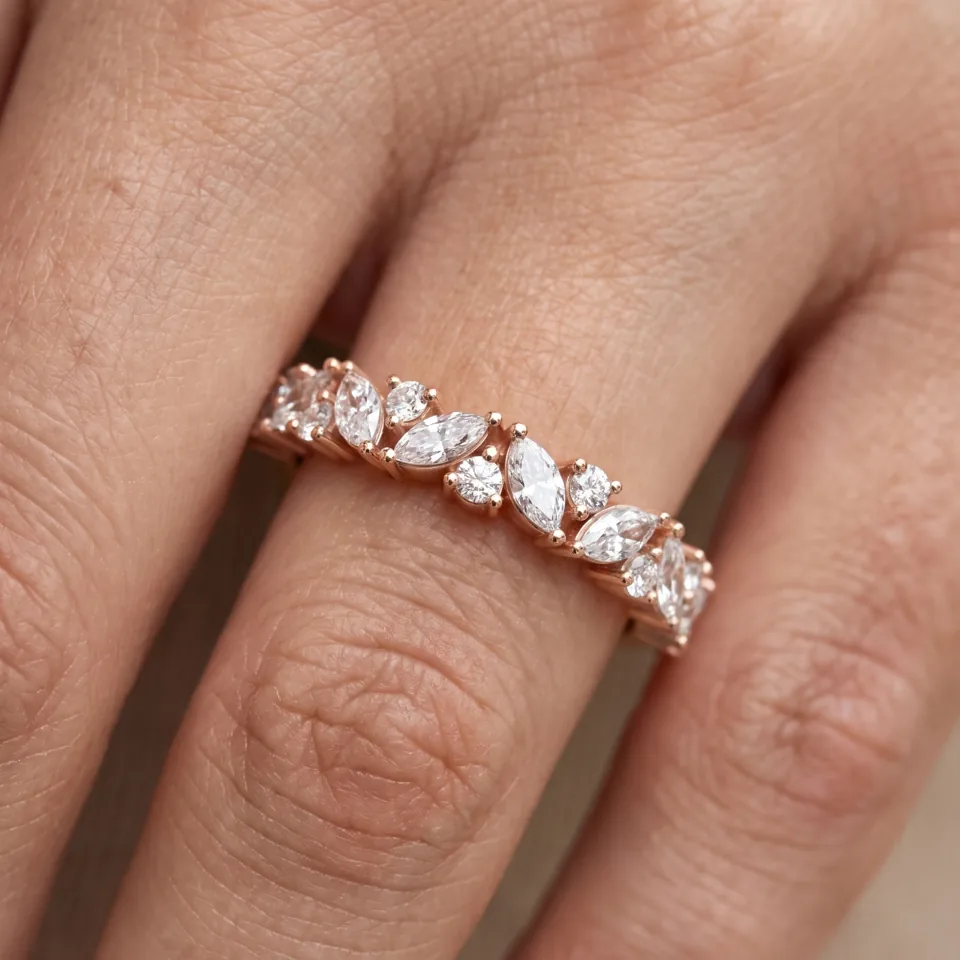 Nature Inspired Wedding Bands
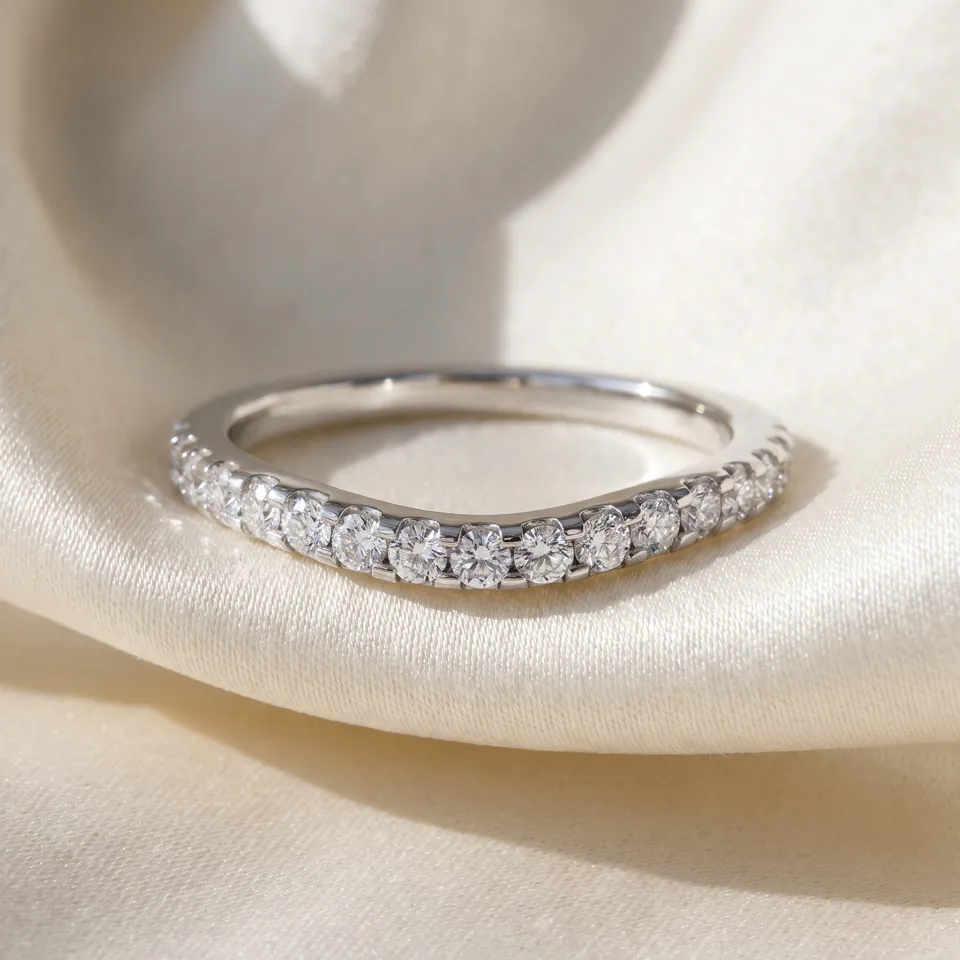 Lab-Grown Diamond Pave Wedding Bands
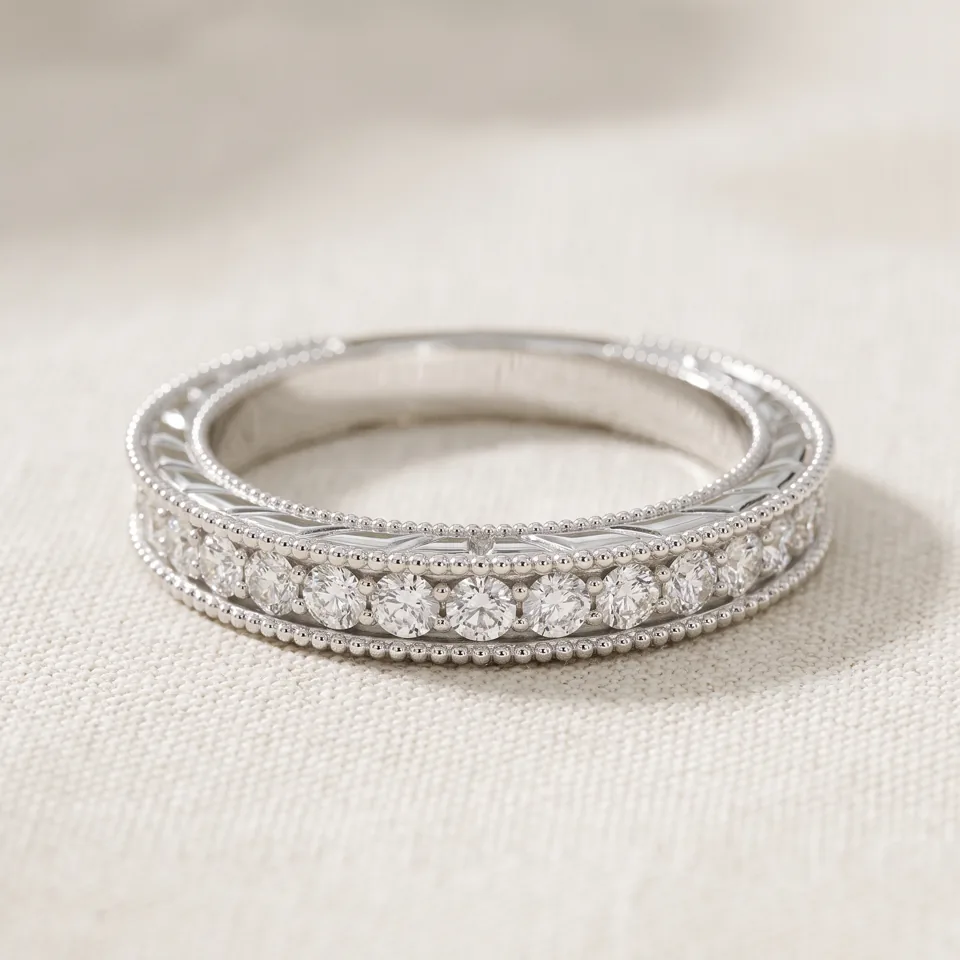 Engraved Wedding Bands
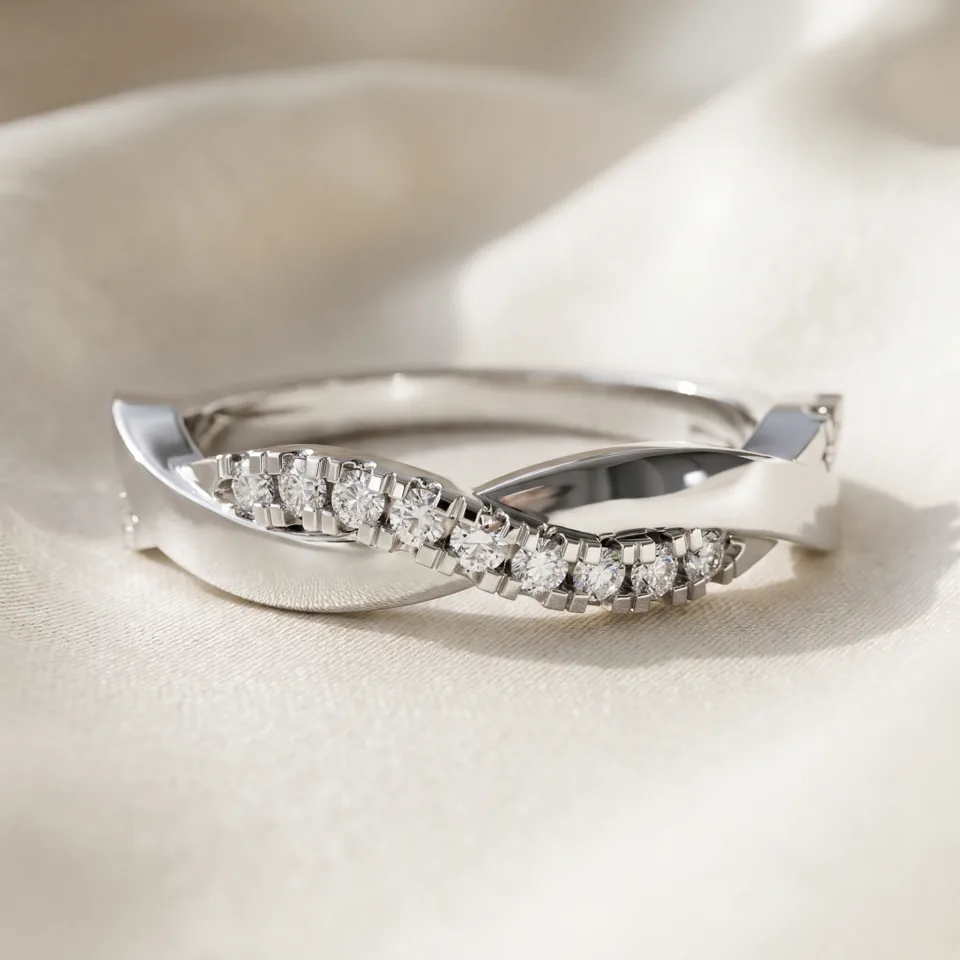 Lab-Grown Diamond Infinity Wedding Bands
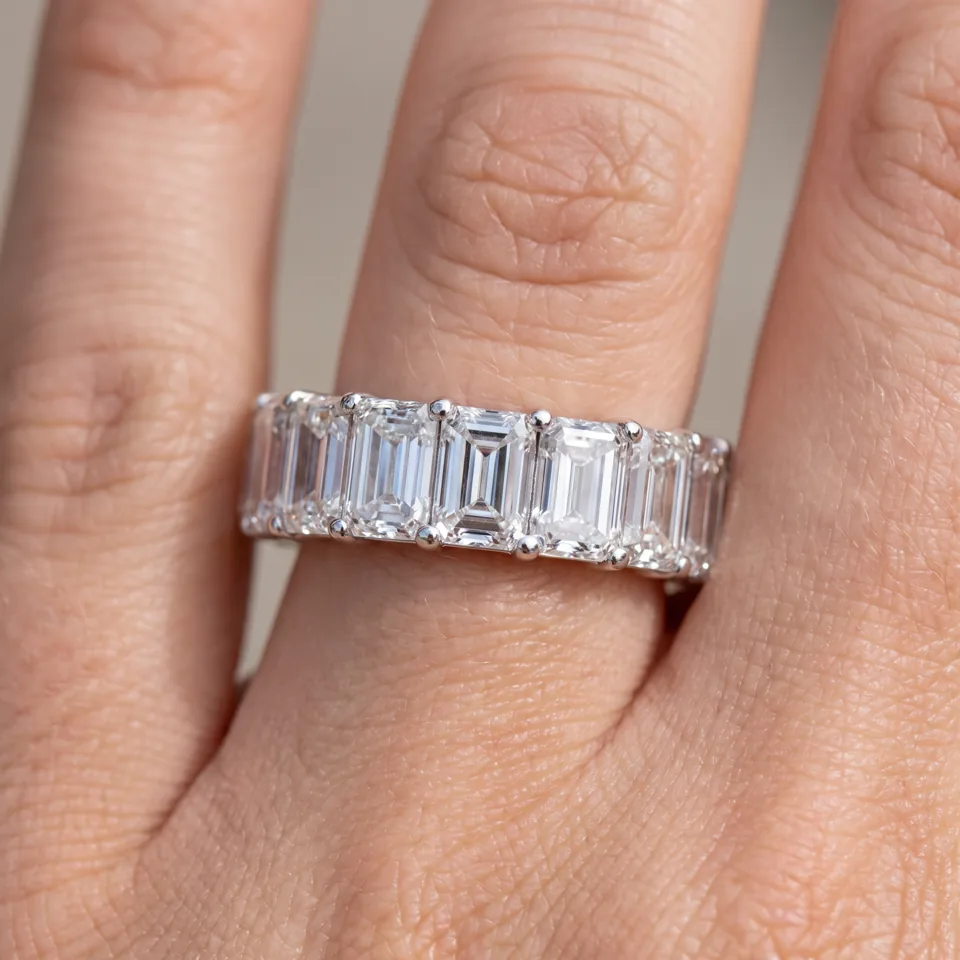 Lab-Grown Diamond Eternity Wedding Bands
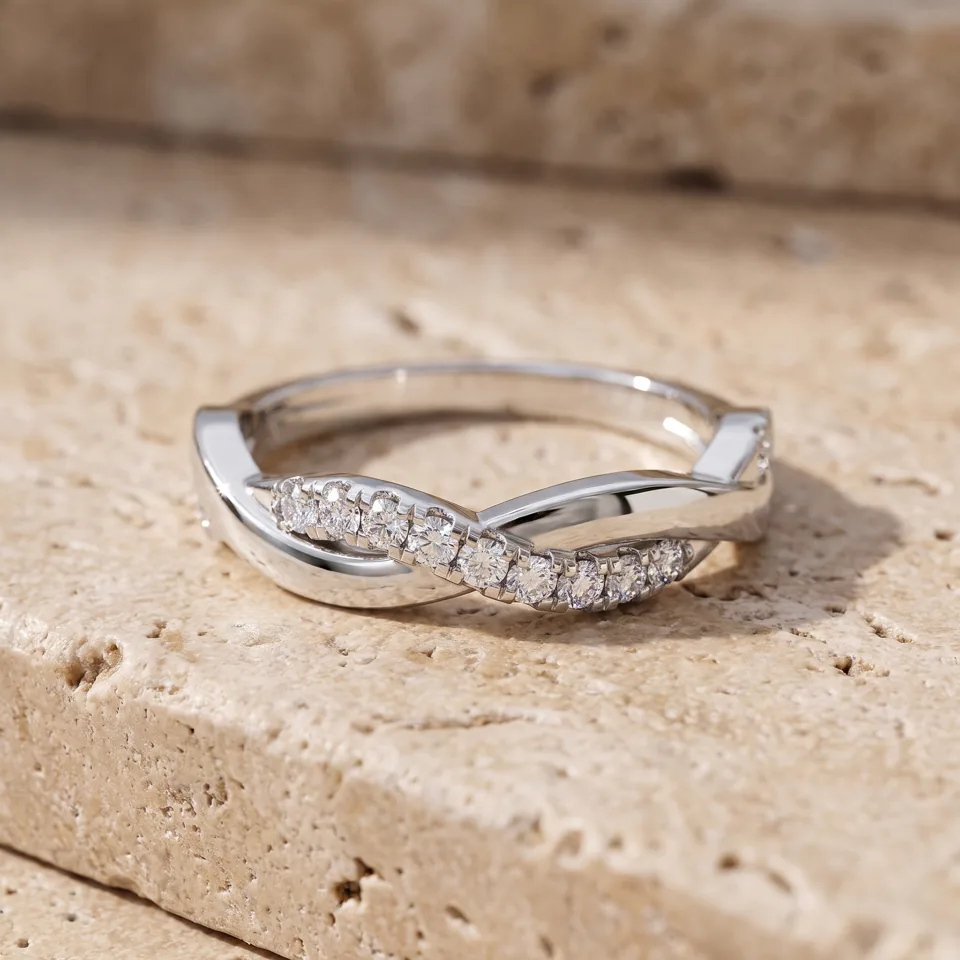 Twisted Wedding Bands
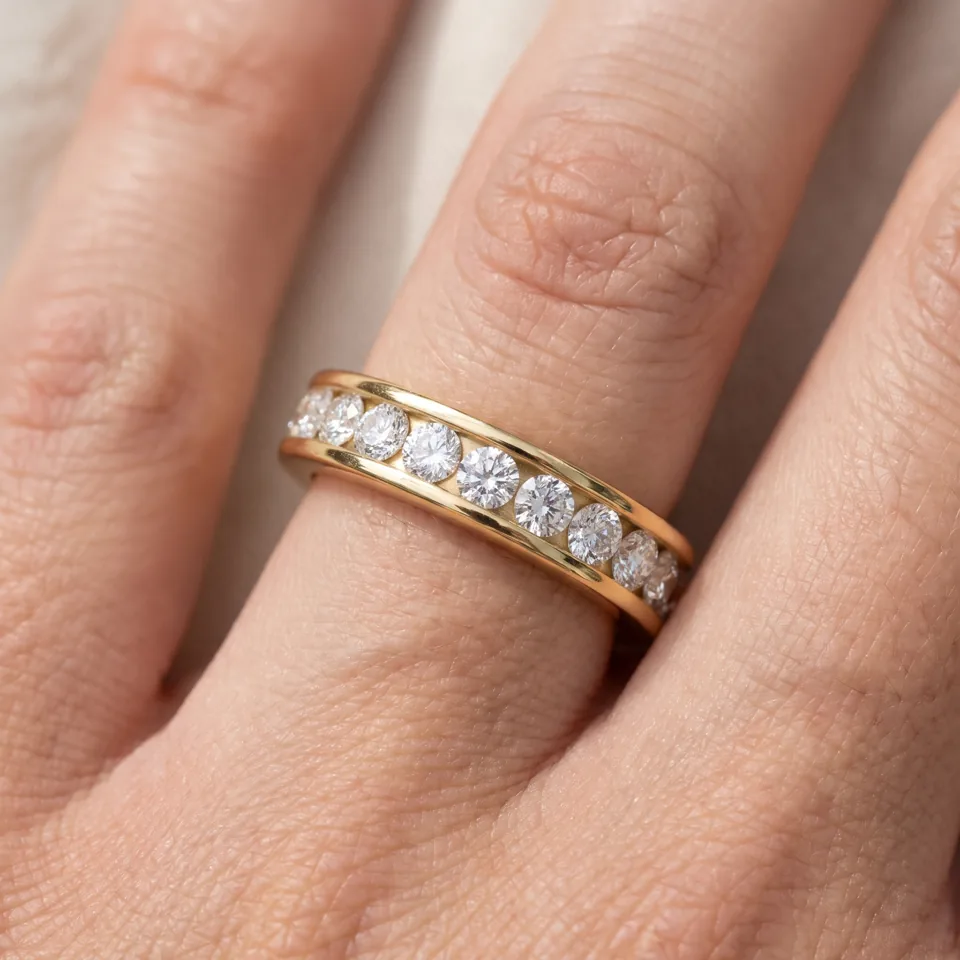 Channel Set Wedding Bands
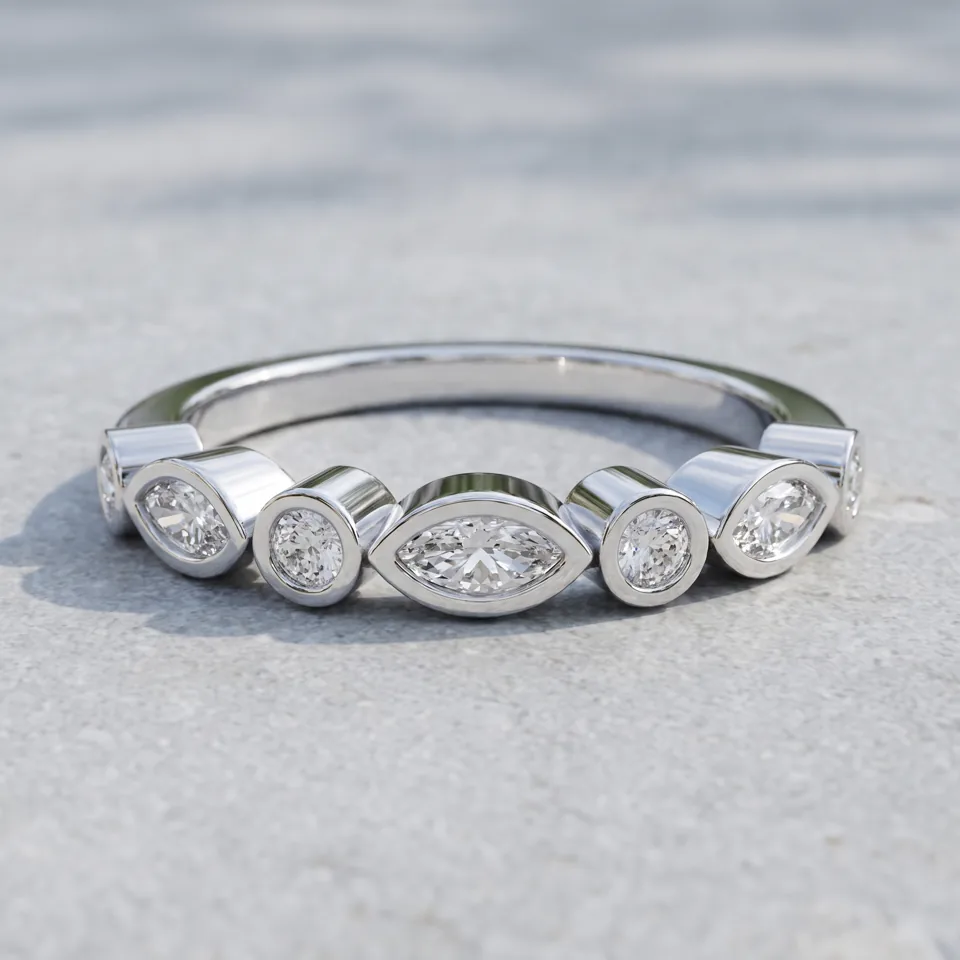 Bezel Set Wedding Bands
Look at your engagement ring from the side first. A low setting or a halo usually needs a curved band, while a raised setting lets a straight band rest close beneath it. Curved designs are one of the larger groups here. Matching the setting style, such as pavé with pavé, keeps the pair looking like a set. If your engagement ring is a solitaire, see which wedding band suits each solitaire shape.
The most common style here is half eternity: lab-grown diamonds run over the top half, and the plain lower half stays comfortable and can be resized. Designs with full eternity circle the finger with stones and look the same however the ring turns. Bands with a single row of bezel or bar-set stones give a lighter look that stacks well.
Every design but a handful comes in platinum, Silvadium (a tarnish-resistant sterling silver), and yellow, white or rose gold, which you can order in 10K, 14K or 18K. Wearing the same metal as your engagement ring means both age at a similar rate. Platinum suits active hands, and silver works as a lower-cost or travel band.
On most designs the weight options run 0.25 to 0.75 carat total weight. That fine line of stones complements a center without competing. Some reach 1 carat total or more, which suits a band worn by itself. Larger stones need taller settings, so check how the band sits against your engagement ring.
Each wedding band is crafted to order in 10–15 days, and free insured shipping covers both directions. One resize within 60 days of delivery is free; full eternity bands are remade for a new size. Our ring resizing guide covers how resizing works. Our ring size chart shows how to measure. Returns are accepted for 30 days if the band is unworn and has its certificate.
Most people spend less on the wedding band than on the engagement ring. At Whitemoon, lab-grown diamond wedding bands start under $200, and most designs at their smallest option cost between about $600 and $850. Total carat weight, full versus half eternity, and the metal move the price most, with platinum and full eternity designs at the higher end.
Most bands with stones land between a quarter of a carat and 1 carat total weight. That is also where most Whitemoon bands sit, with 0.25, 0.35 and 0.5 carat total weight among the most offered options. Full eternity bands hold more stones around the finger, so they often land at 1 carat total or above.
Many do, but plenty don't. Plain metal bands are still very common, especially for men, while plenty of couples pick a stone-set band that echoes the engagement ring. Every band in this collection is set with lab-grown diamonds, from a slim row of small stones to full eternity designs.
Usually, yes. An engagement ring's cost is driven by its center stone, while a wedding band spreads smaller stones across the top or around the finger. A full eternity band with large stones can approach the price of an engagement ring, though. Half eternity bands with a fine line of stones are the most budget-friendly way to add sparkle.
Straight bands with a clean edge suit emerald cut engagement rings best, because they echo the stone's long straight lines. A row of emerald-cut or baguette lab-grown diamonds keeps the geometric look, and a slim pavé band works if the center sits high enough. If the setting sits low, choose a curved band so the two rings close without a gap.