Complimentary insured shipping, both waysEngagement ring diamonds certified by IGI or GIAGrown by light. Conflict-free by natureComplimentary insured shipping, both ways
Engagement RingsWedding BandsEarrings

NecklaceBraceletsAbout
Side stone engagement rings set bigger accents at the shoulders, so light spreads along your hand. Your center is selected afterward, and nearly every cut is supported. About half the settings here are three stone designs; others use marquise, baguette, pear or trillion side stones, channel-set rows, clusters or bezel accents.
Start with the side stone shape.
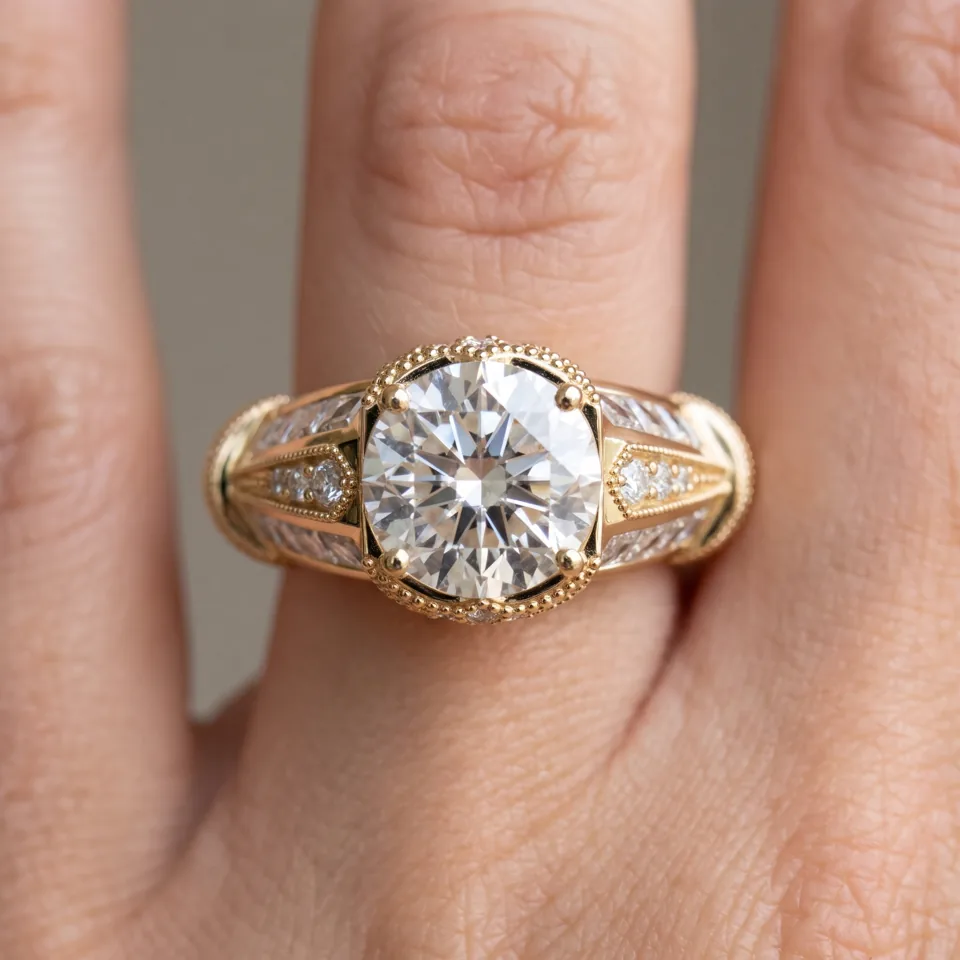 Vintage Engagement Rings
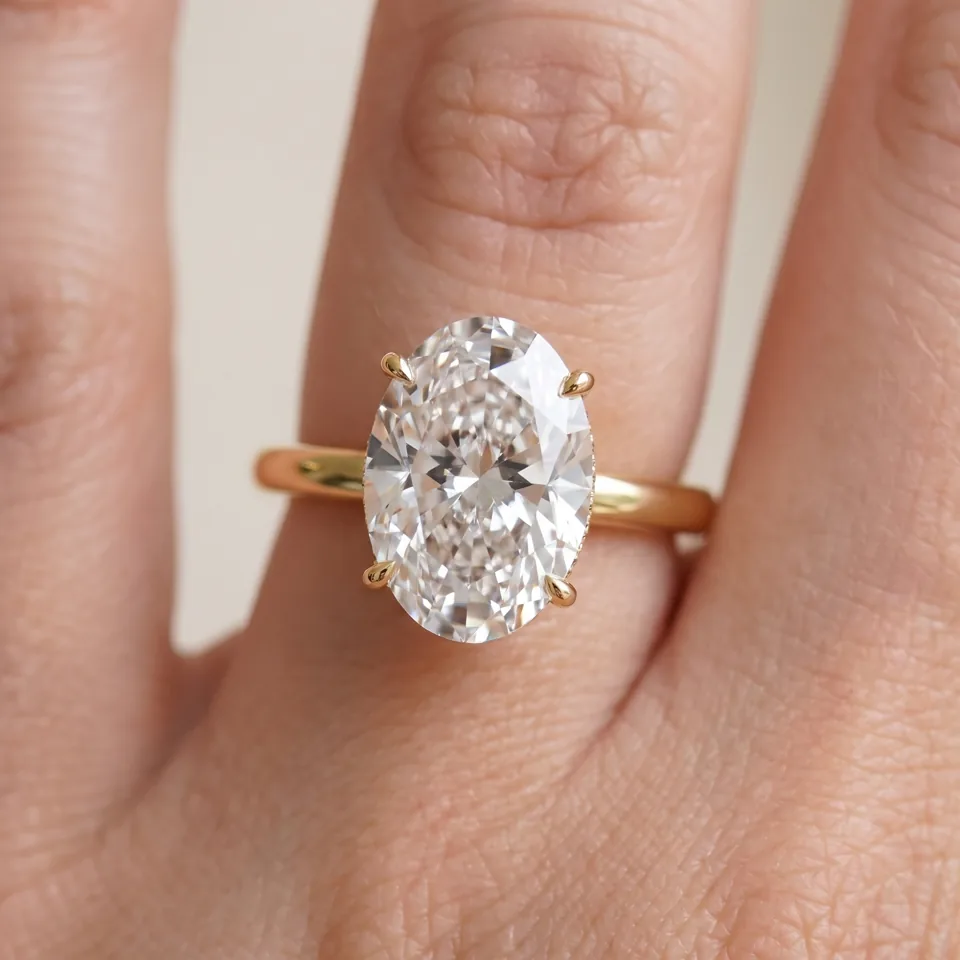 Solitaire Engagement Rings
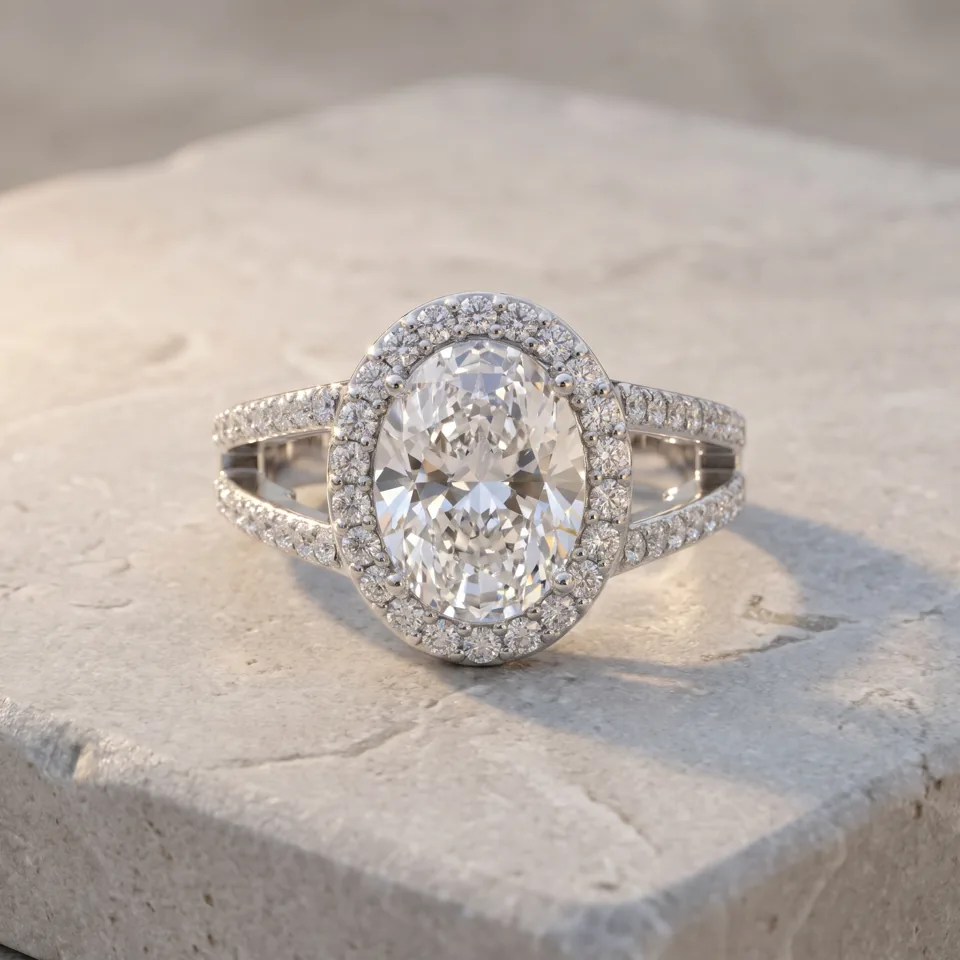 Halo Engagement Rings
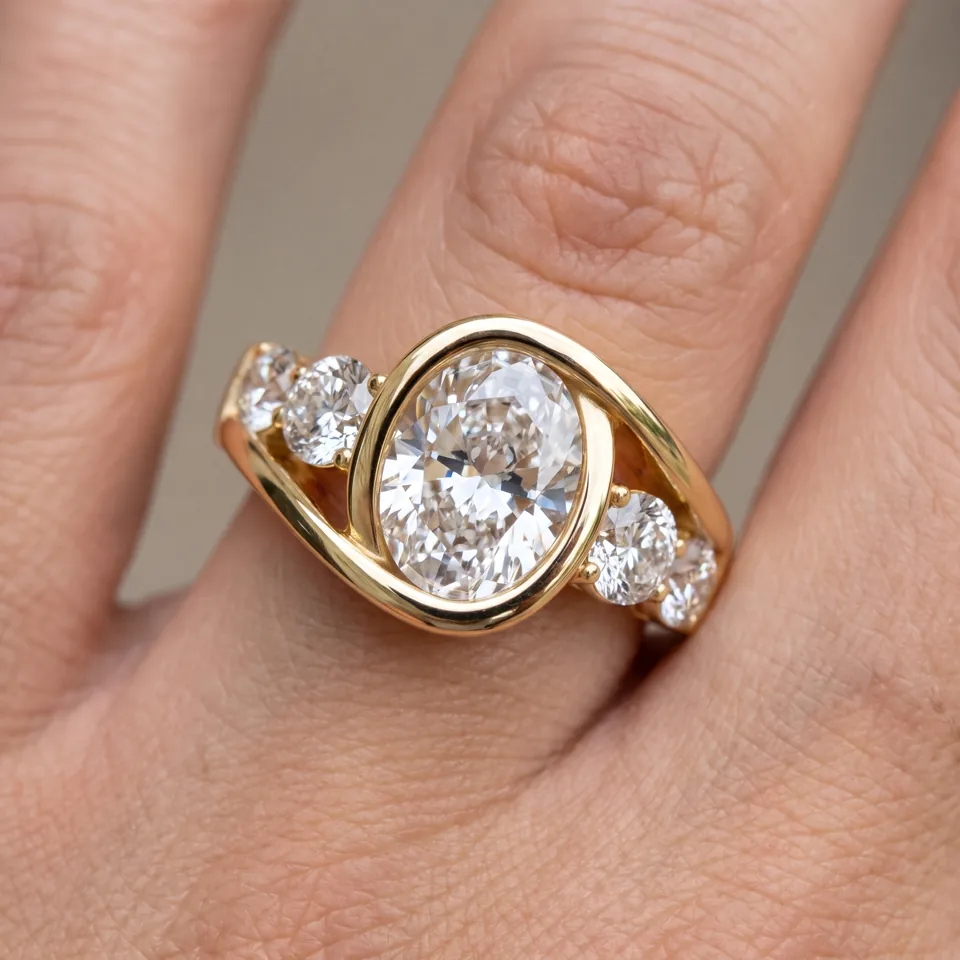 Bezel Engagement Rings
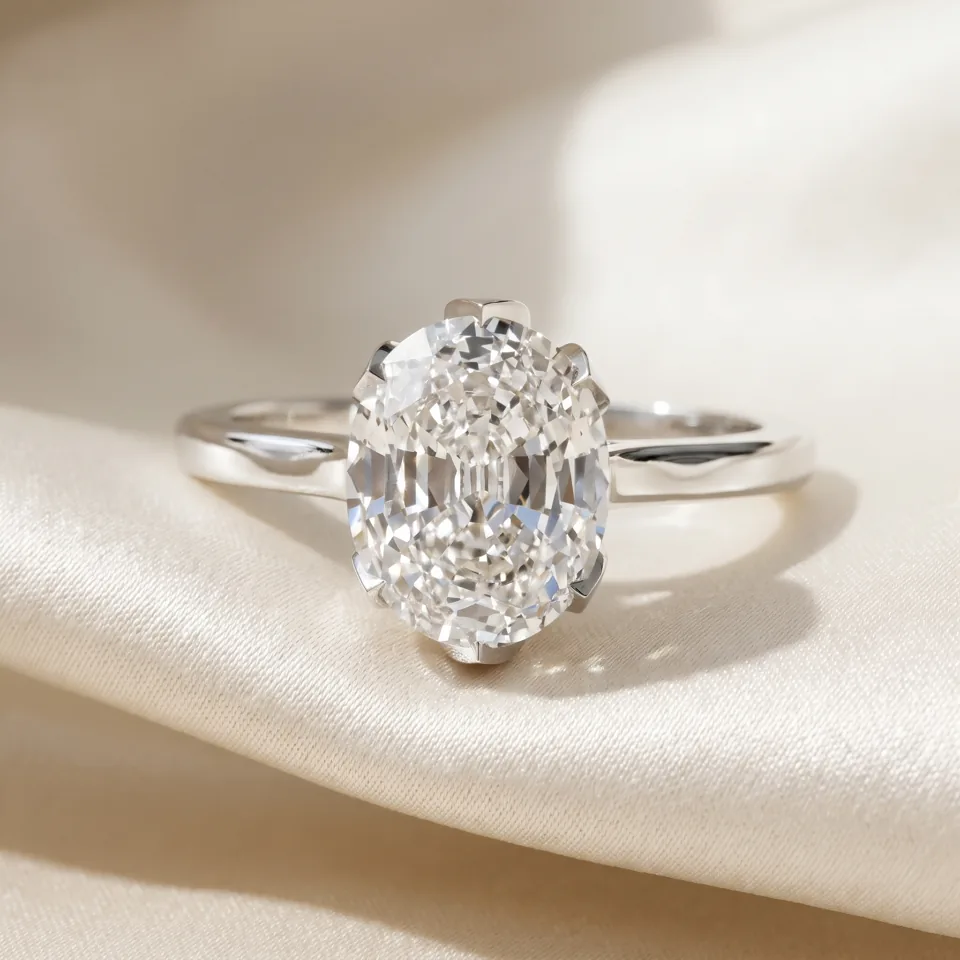 Floral Engagement Rings
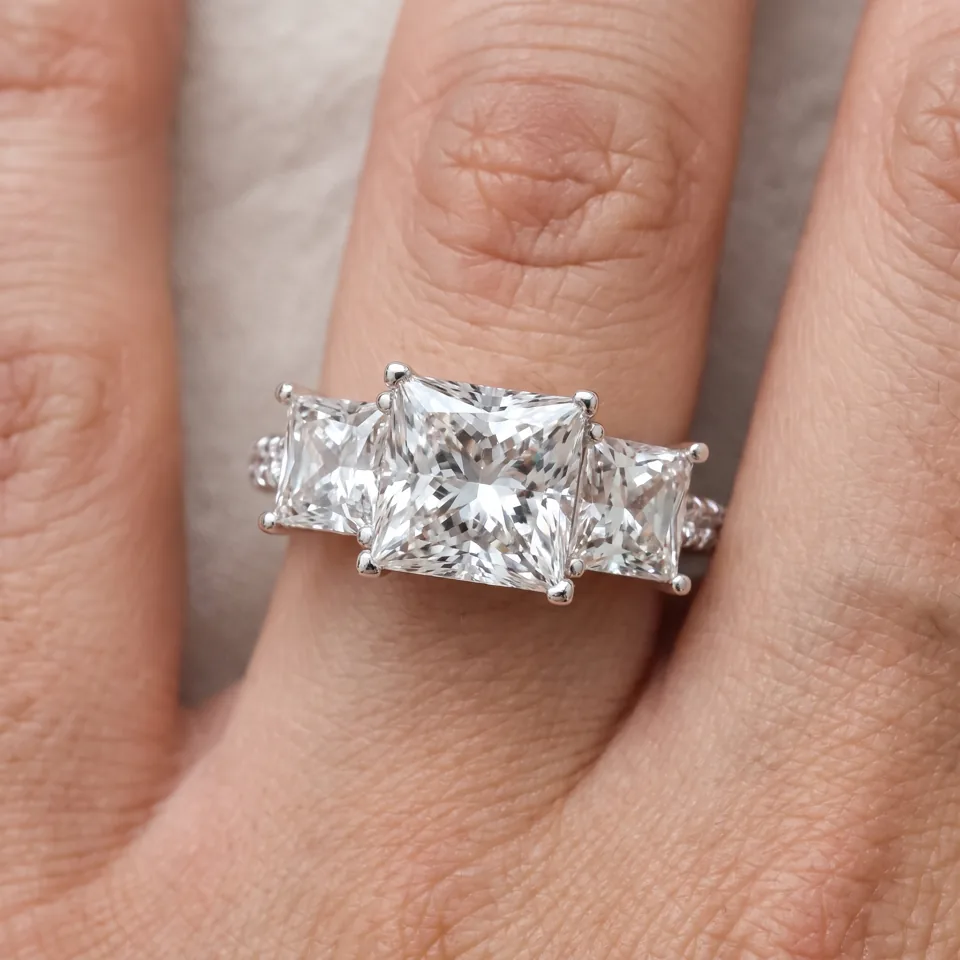 Three Stone Engagement Rings
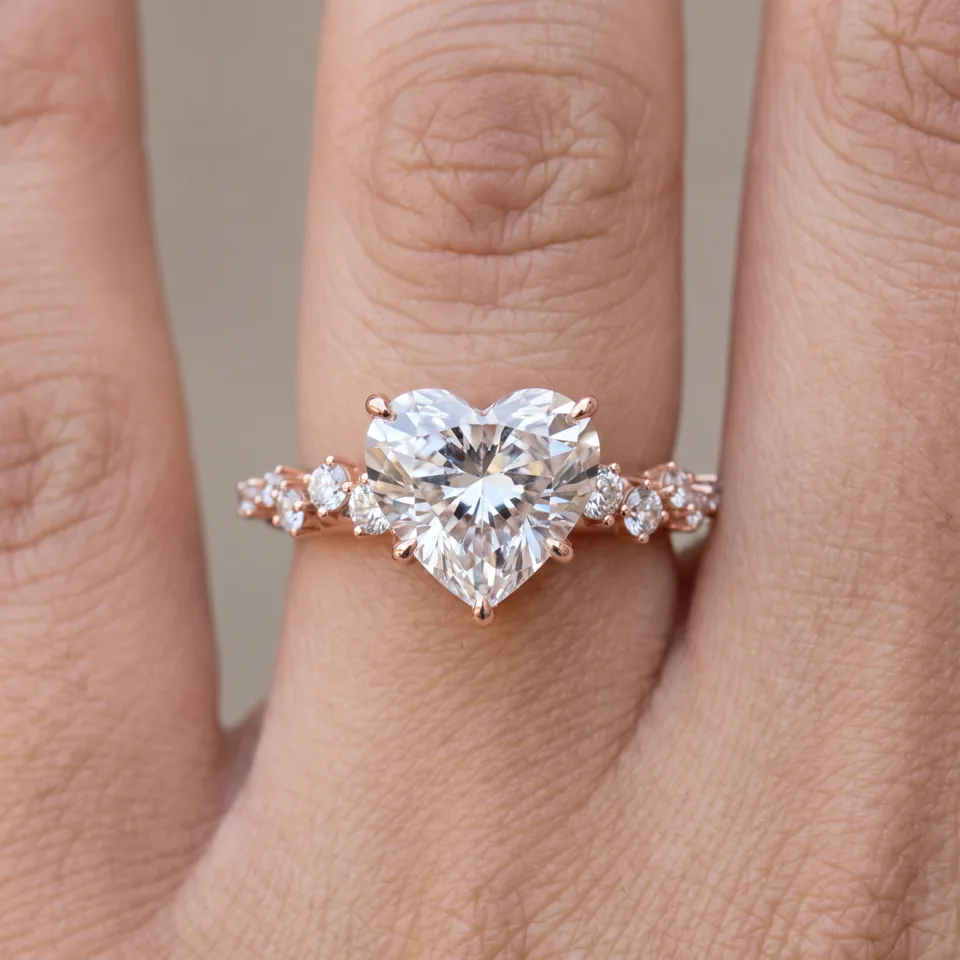 Cluster Side Stone Engagement Rings
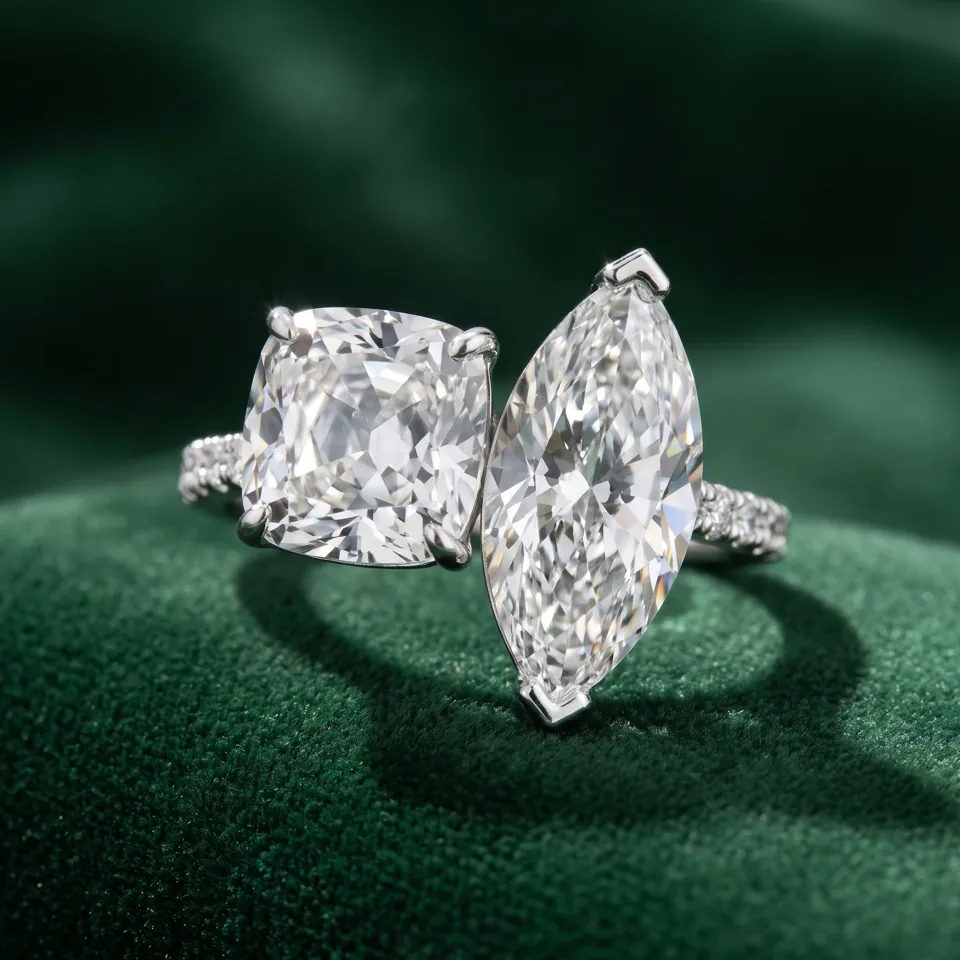 Toi et Moi Two Stone Engagement Rings
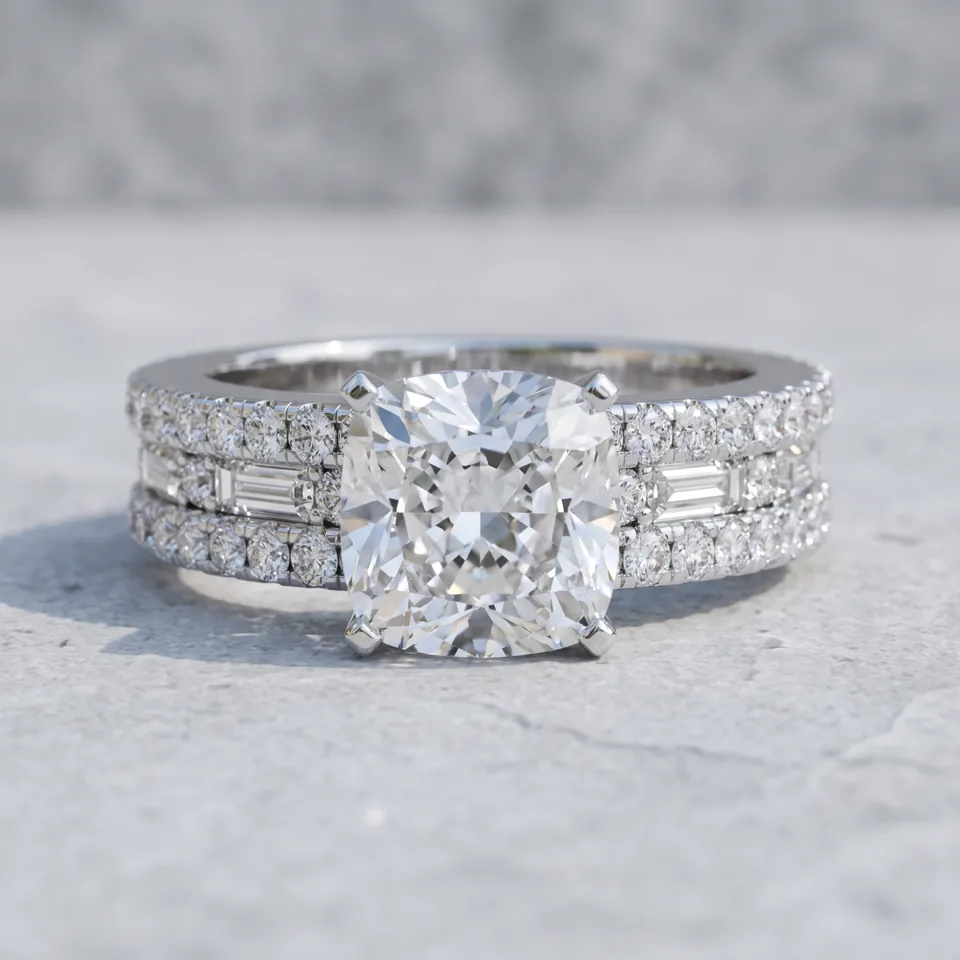 Engagement Rings with Baguette Side Stones
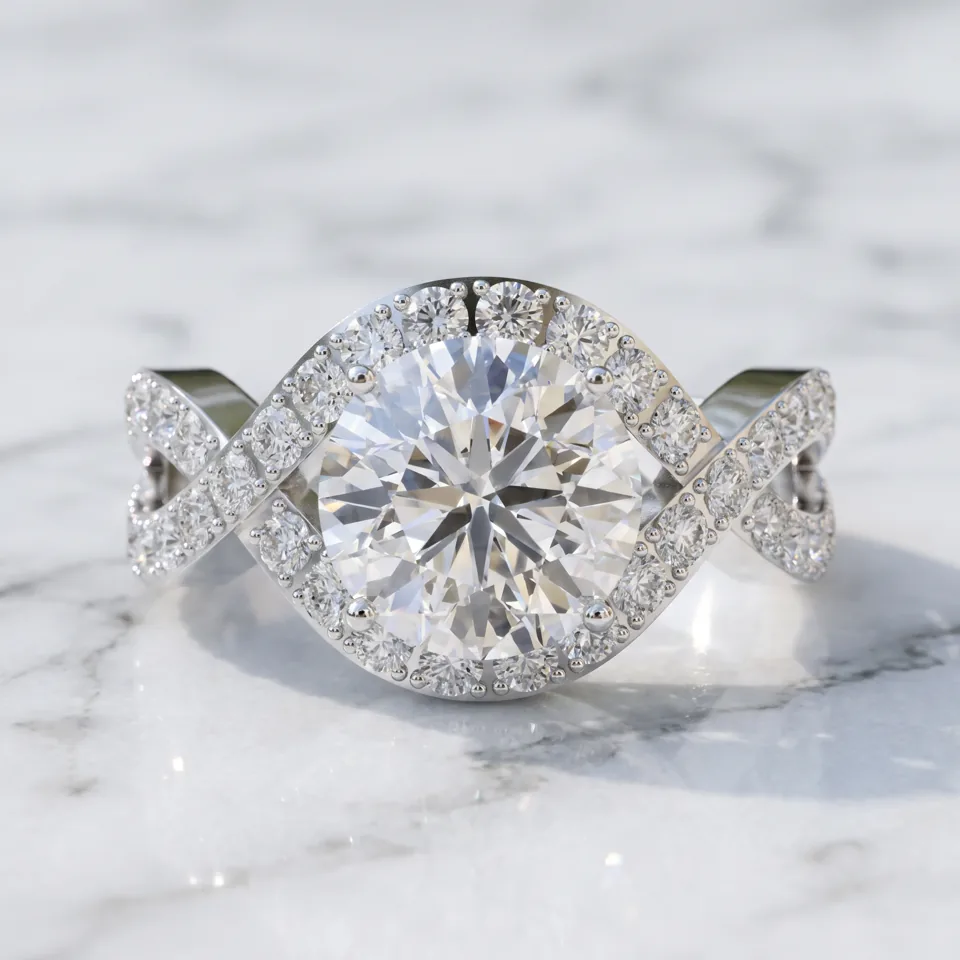 Infinity Rings
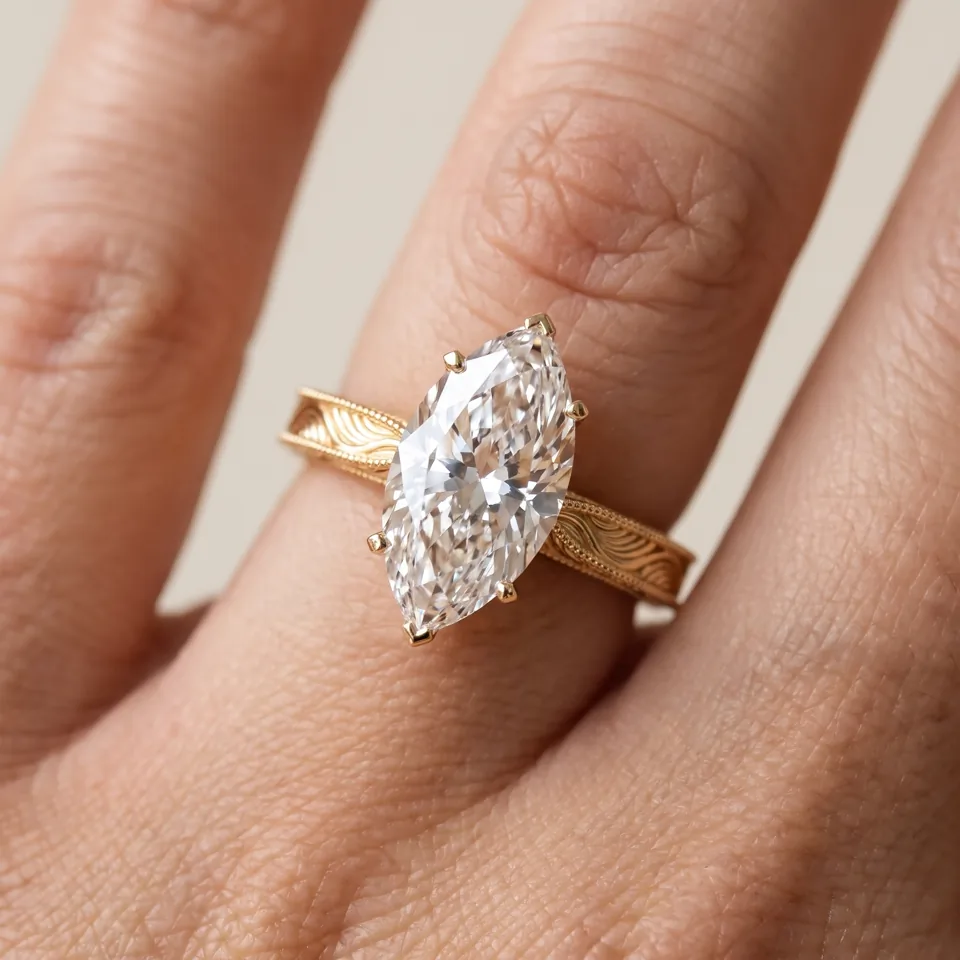 Engraved Rings
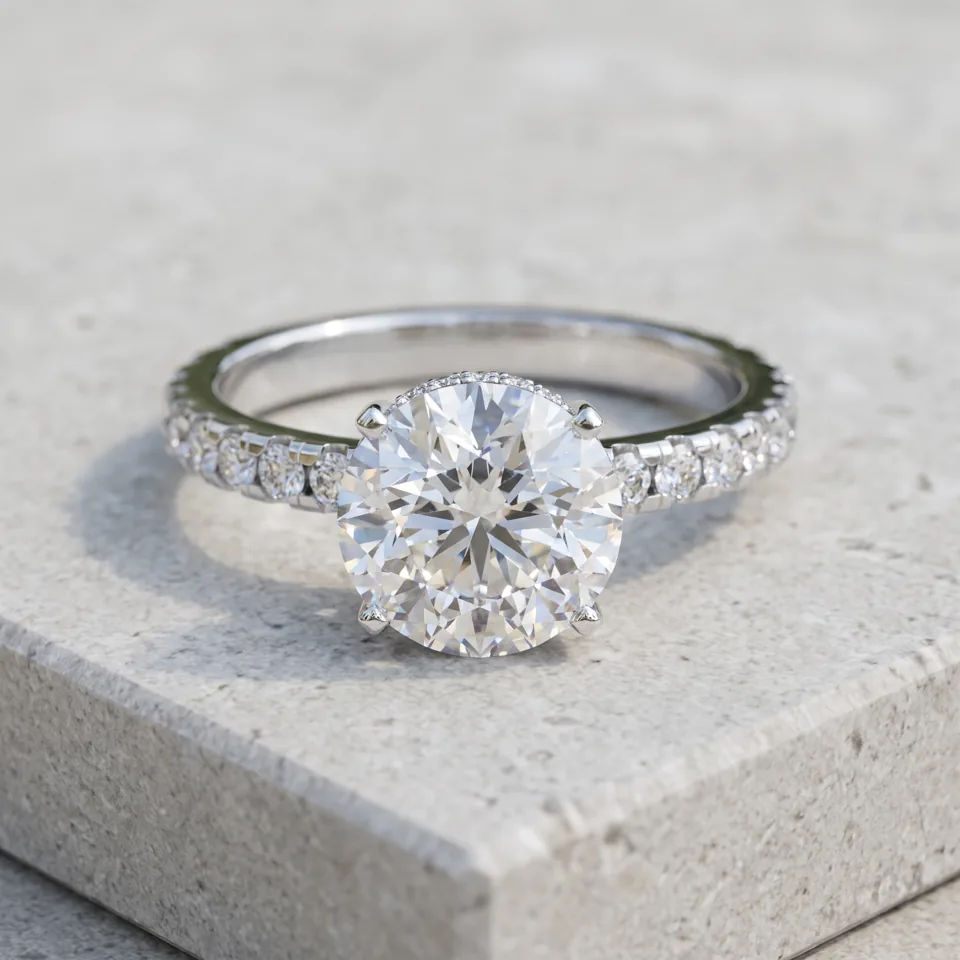 Pave Engagement Rings
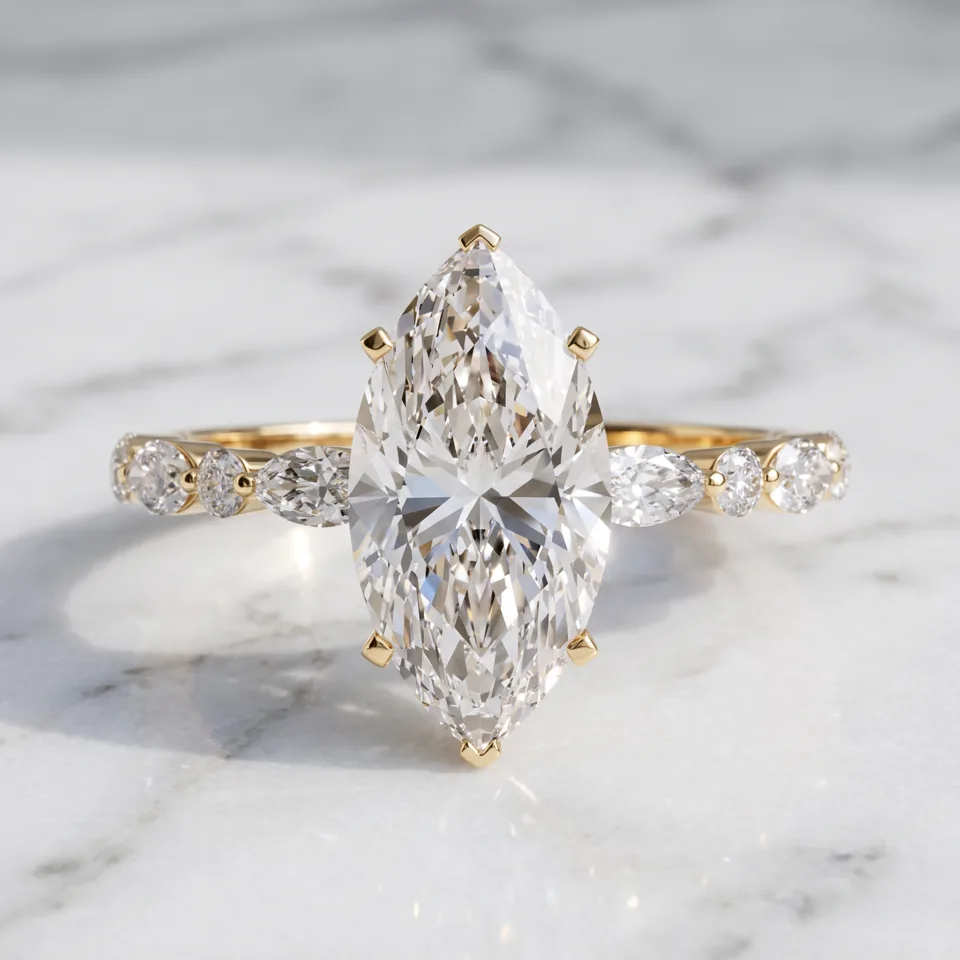 Yellow Gold Side Stone Engagement Rings
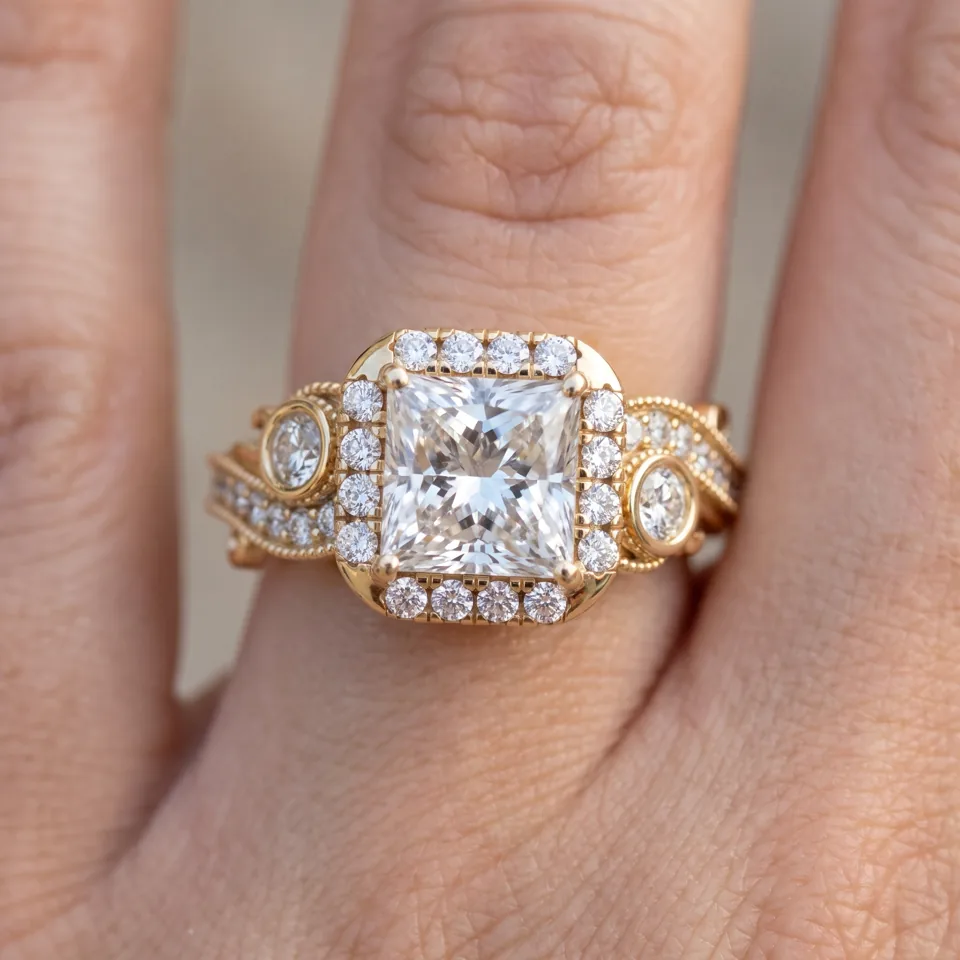 Halo Rings with Side Stones
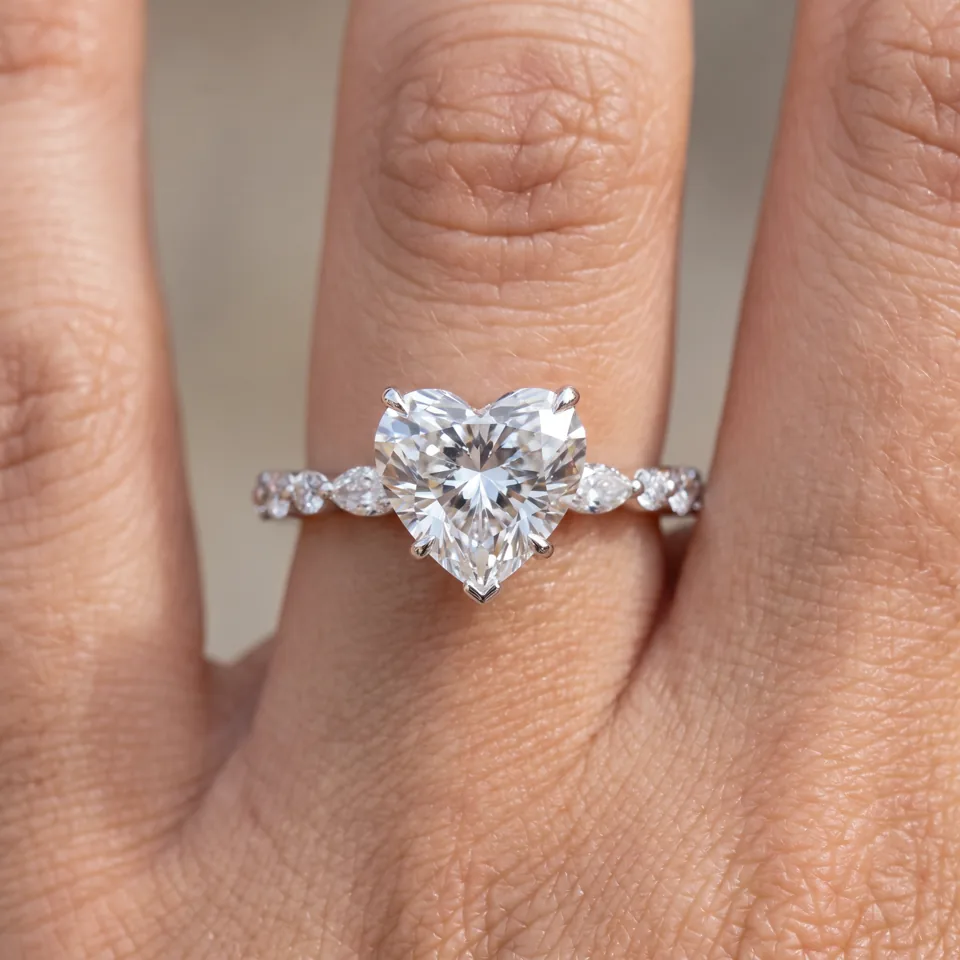 2 Carat Side Stone Engagement Rings
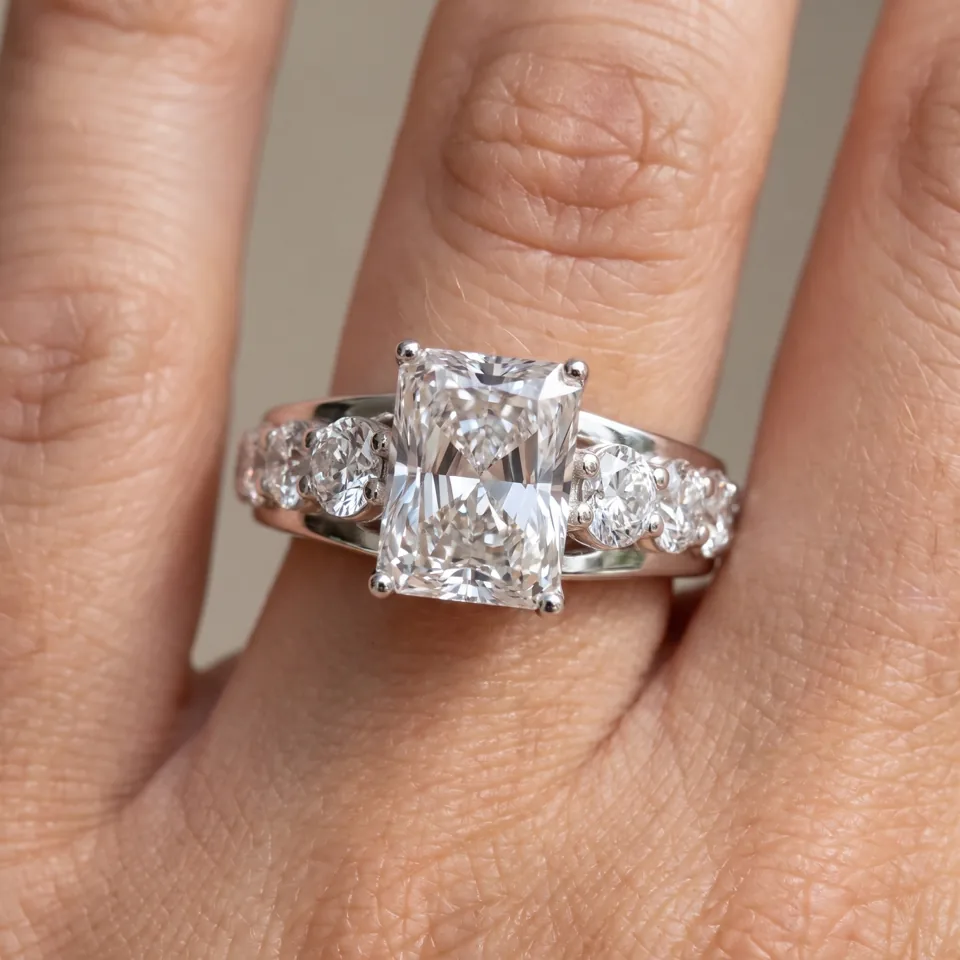 Graduated Side Stone Engagement Rings
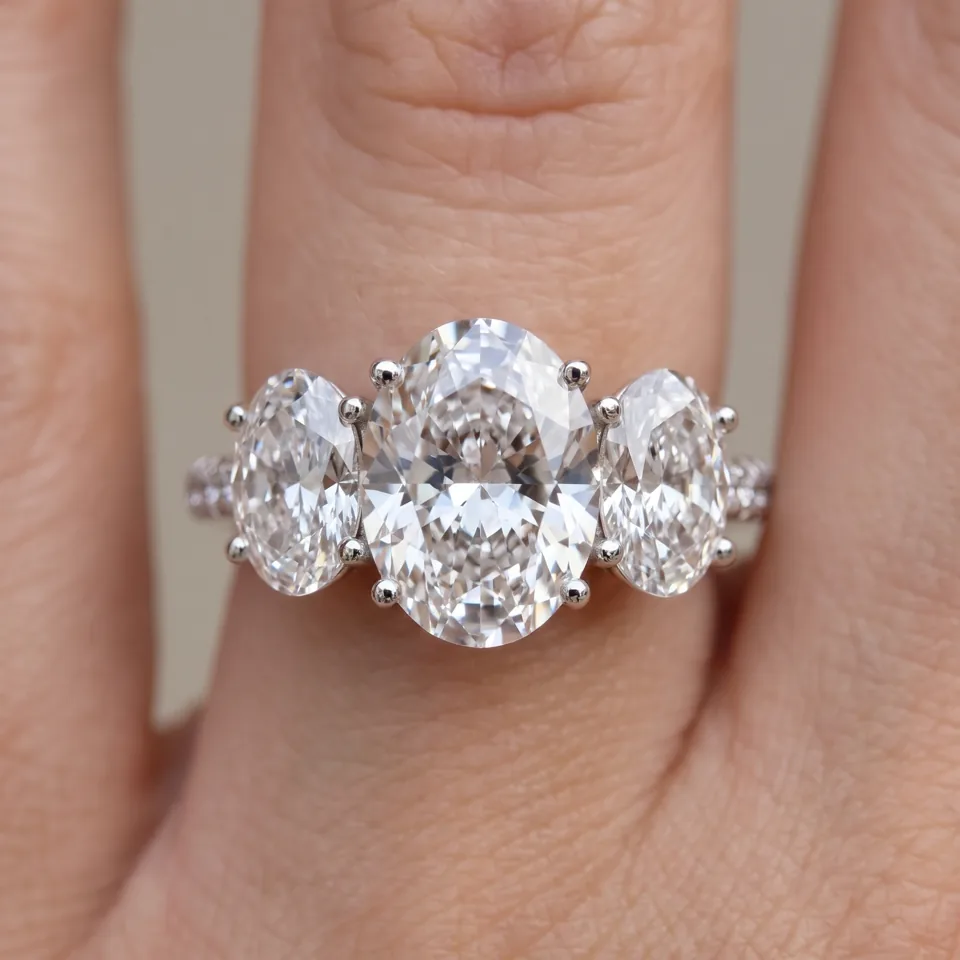 1 Carat Lab-Grown Diamond Rings with Side Stones
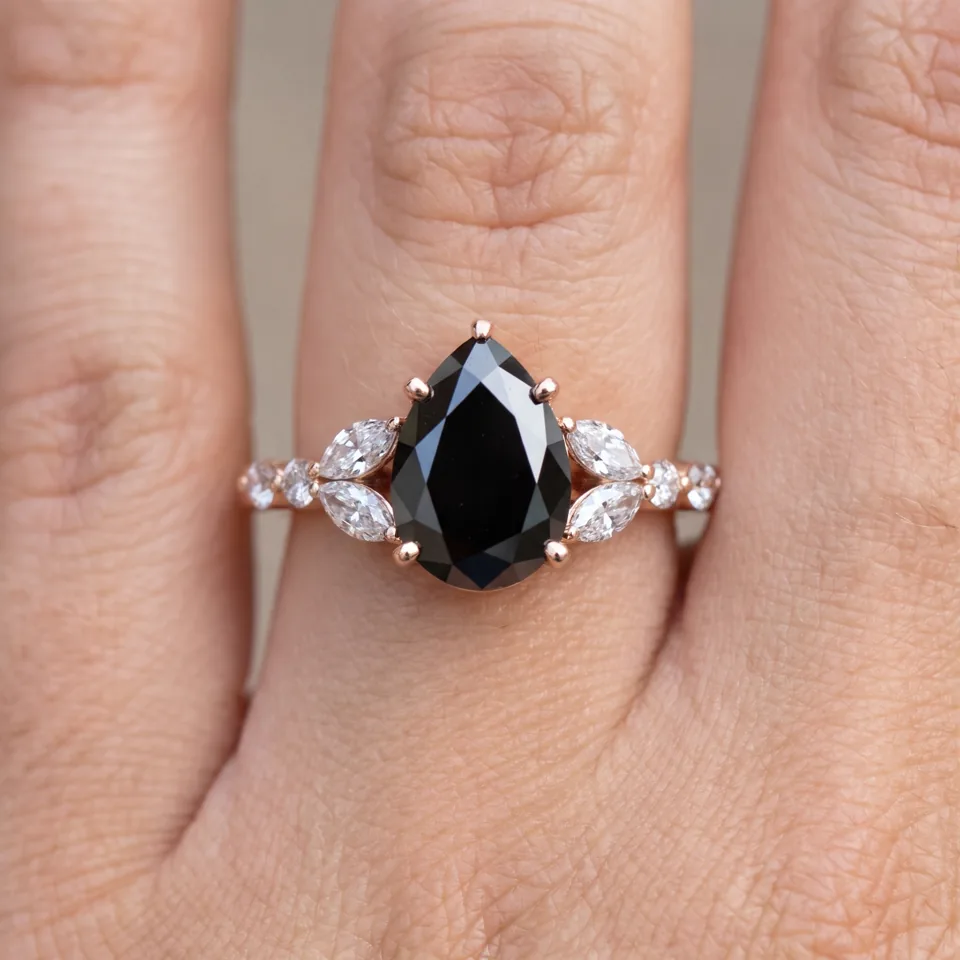 Black Diamond Side Stone Engagement Rings
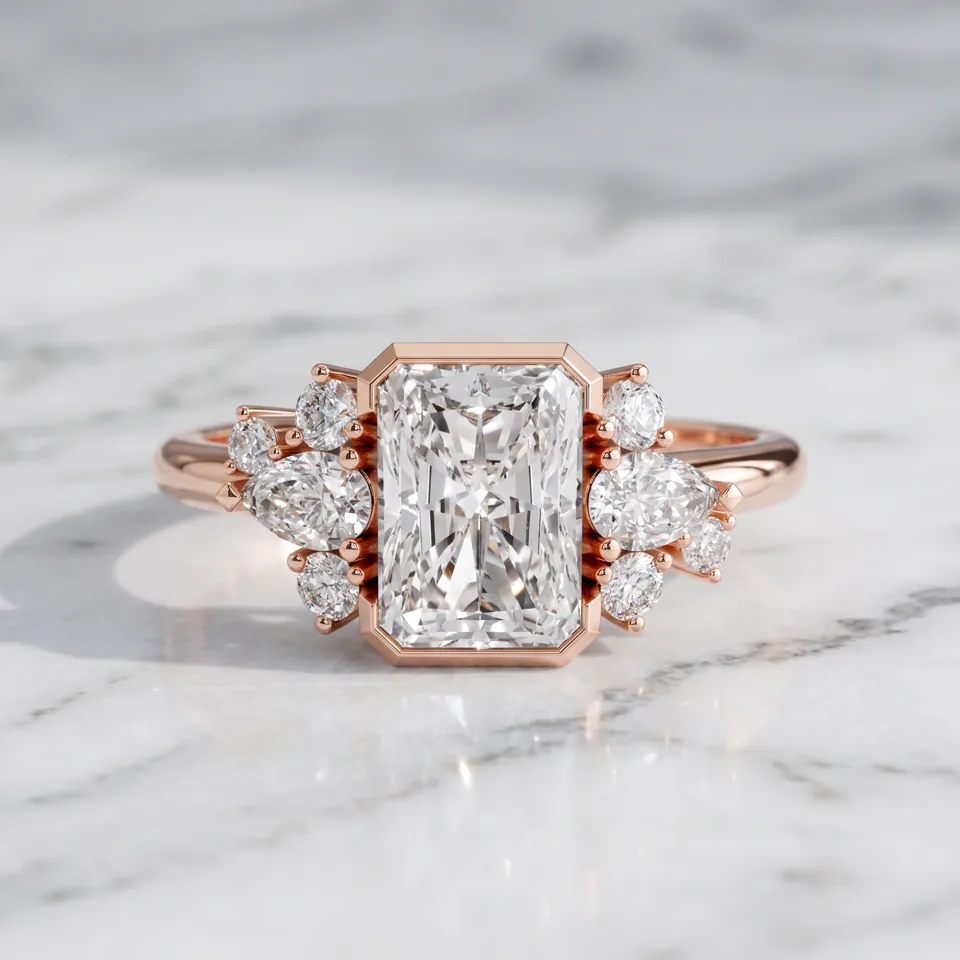 Engagement Rings with Cluster Side Stones
Round and oval centers pair well with round, pear or marquise sides. Emerald, asscher and radiant centers look sharp with baguettes or trapezoids, which echo their straight facets. Pear and marquise centers can take tapered baguettes or small rounds. Settings here cover nearly every shape, so you can match the sides to the center you have in mind.
Side stones lift the shoulders slightly; picture your future wedding ring next to them before you commit. Bypass and split-shank designs give a twist or a wider look; plain or pavé bands keep the focus on the stones.
Settings come in white, yellow or rose gold, platinum, or Silvadium, a tarnish-resistant sterling silver; gold is offered in 10K, 14K or 18K. Color centers are welcome on most: blue, green, yellow or pink, and black on many. Settings start under $170, with most around $950 to $1,390; the center is priced when chosen.
We make your ring to size in 10–15 days, with free insured shipping both ways. Unworn rings may be returned within 30 days, one resize is free within 60 days of delivery, and your center includes an IGI or GIA report.
Jewelers call them side stones, or accents when they're small. Specific names depend on shape and setting: in a three stone ring they're the flanking stones, and small ones set closely along the band are called pavé. Shaped side stones are named by cut, such as baguettes, trillions, pears or marquises. On these settings, side stones are laboratory-grown diamond accents set beside the center you choose.
They can, though less than a halo. Side stones extend the sparkle sideways, so the ring covers more of the finger and the center feels more substantial. Pointed side stones such as pears or marquises draw the eye toward the center, and well-sized sides make it stand out by contrast. Oversized sides, though, fight with the middle stone and can shrink it by comparison.
Usually about a third to a half of the center's size. That keeps the center the clear focal point while the sides add balance. A larger center can carry bigger side stones; with a small center, slimmer accents look better. In a three stone ring, many people choose side stones around half the center's carat weight each, while pavé and channel accents stay much smaller.


