Complimentary insured shipping, both waysEngagement ring diamonds certified by IGI or GIAGrown by light. Conflict-free by natureComplimentary insured shipping, both ways
Engagement RingsWedding BandsEarrings

NecklaceBraceletsAbout
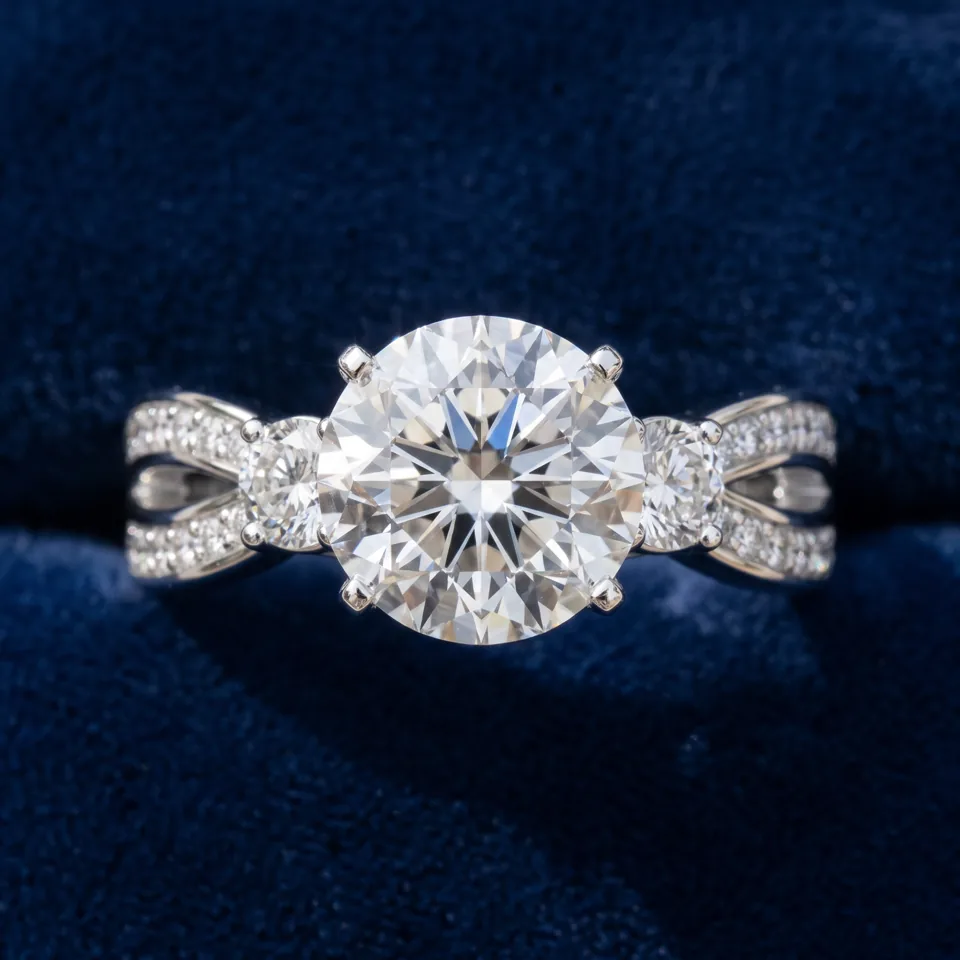
Twisted engagement rings coil two or more metal strands together around the finger, so the band itself becomes part of the design. Every setting here has a twisted shank, some in plain metal and many lined with laboratory-grown diamond accents.
Pick the twist style and the metal now. On most designs, any of ten center shapes can follow when you choose your center diamond.
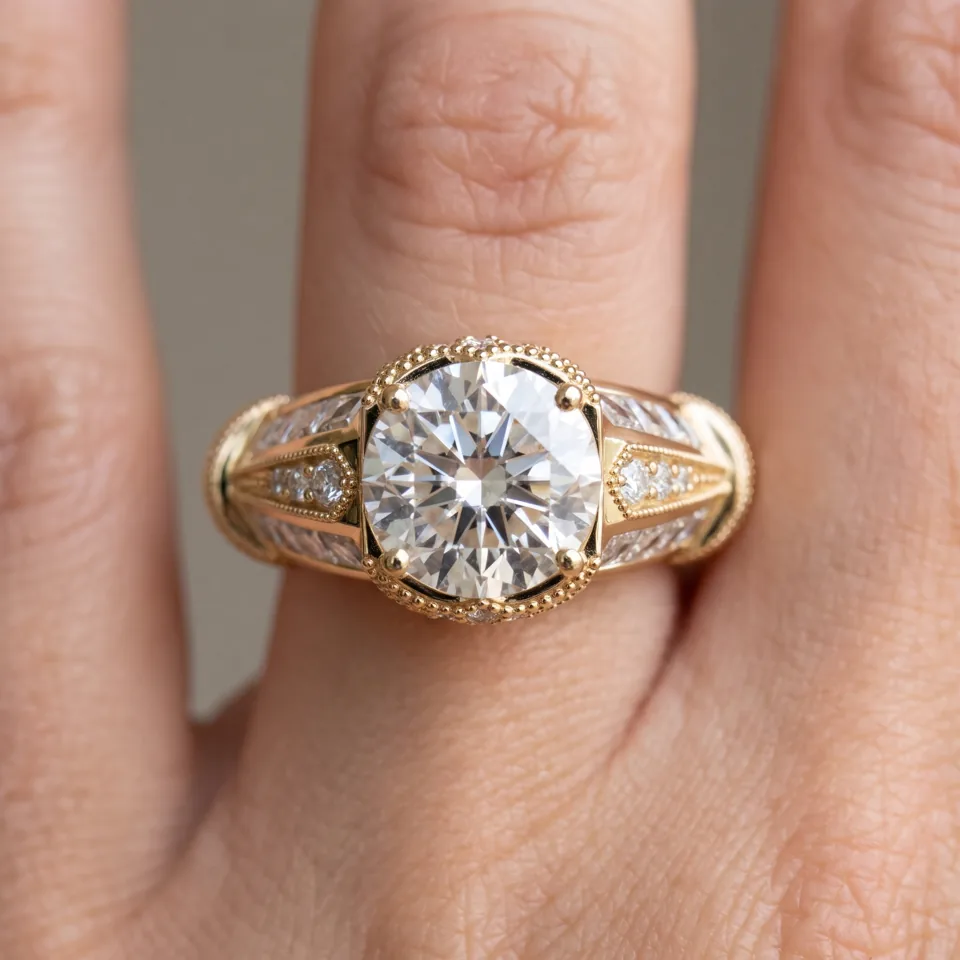 Vintage Engagement Rings
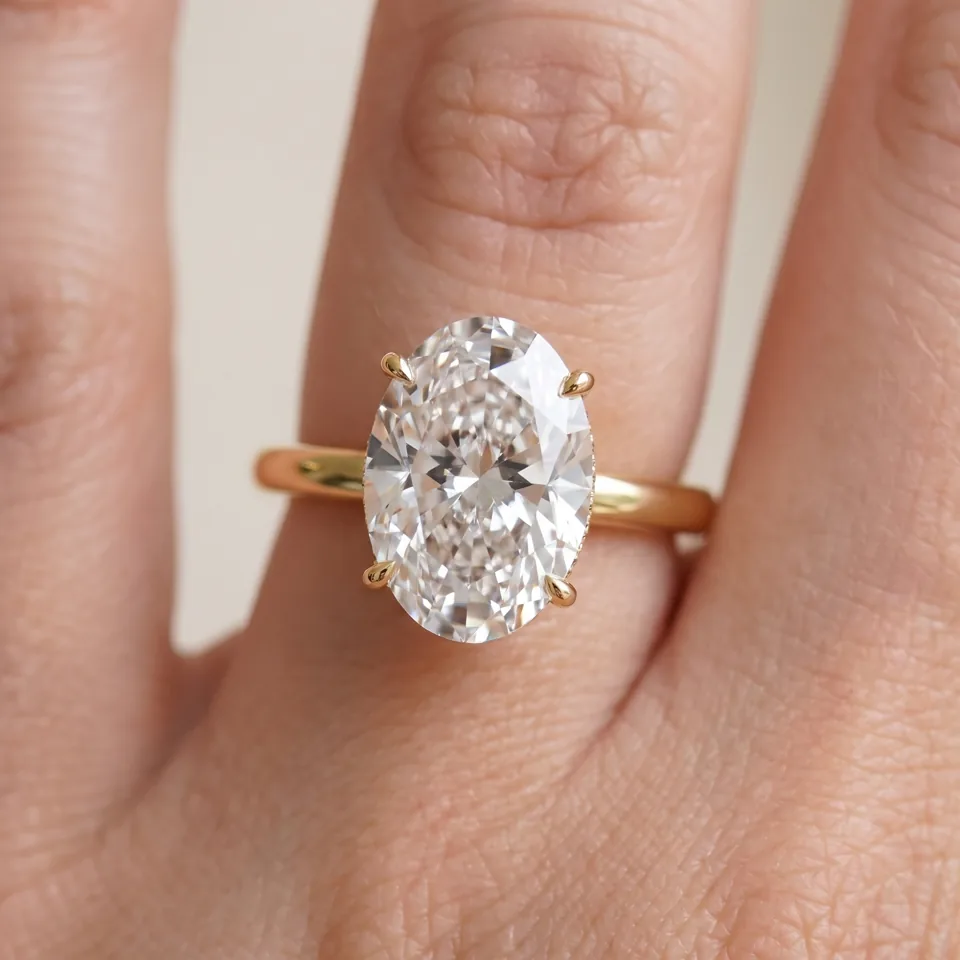 Solitaire Engagement Rings
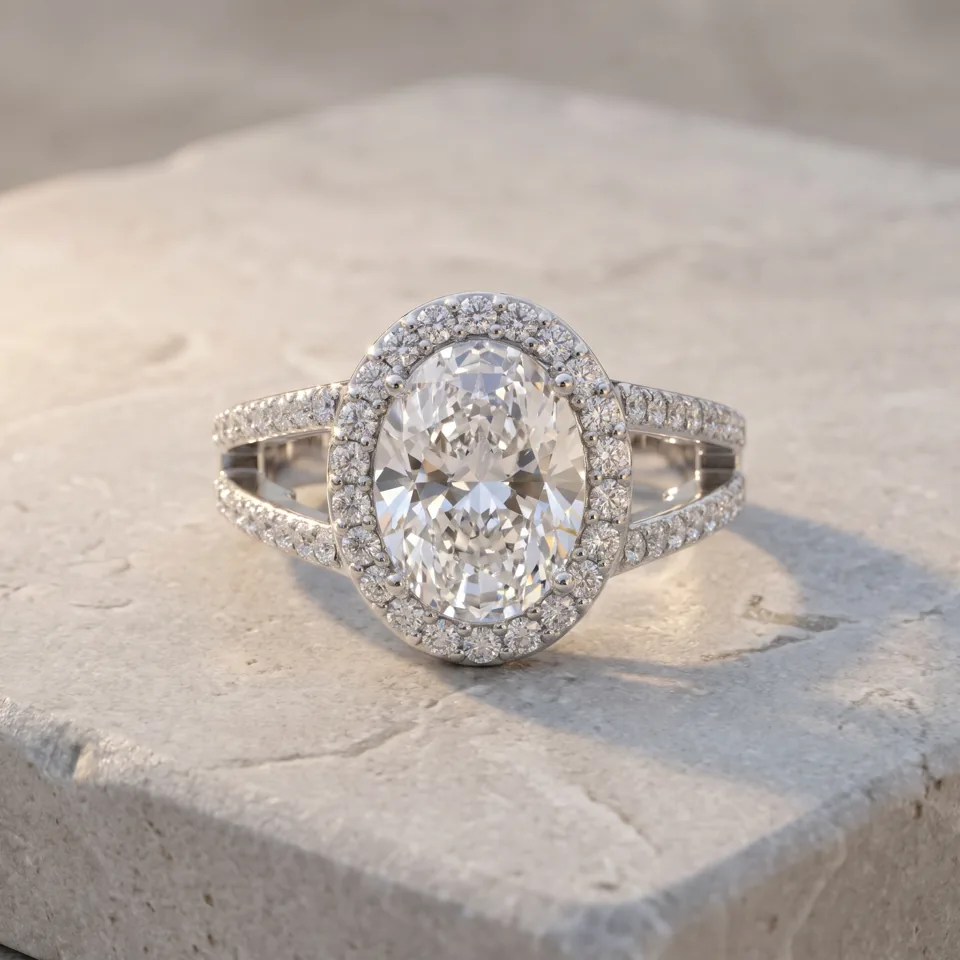 Halo Engagement Rings
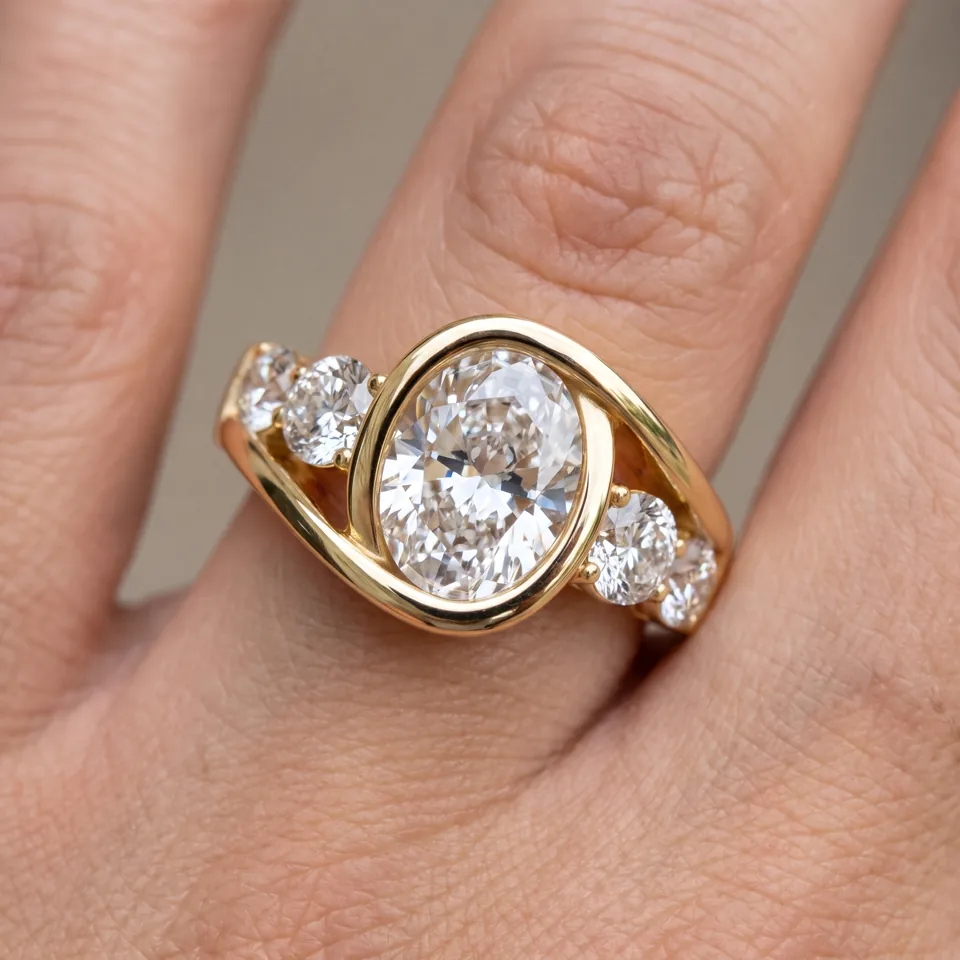 Bezel Engagement Rings
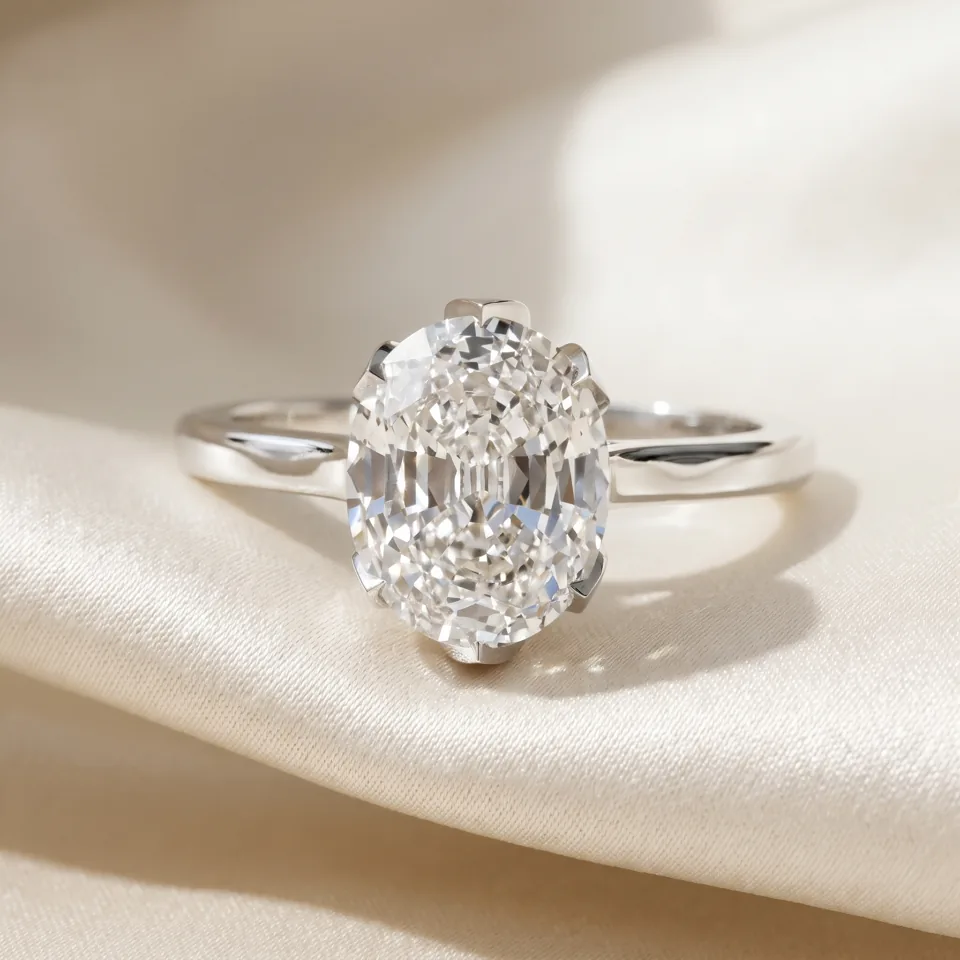 Floral Engagement Rings
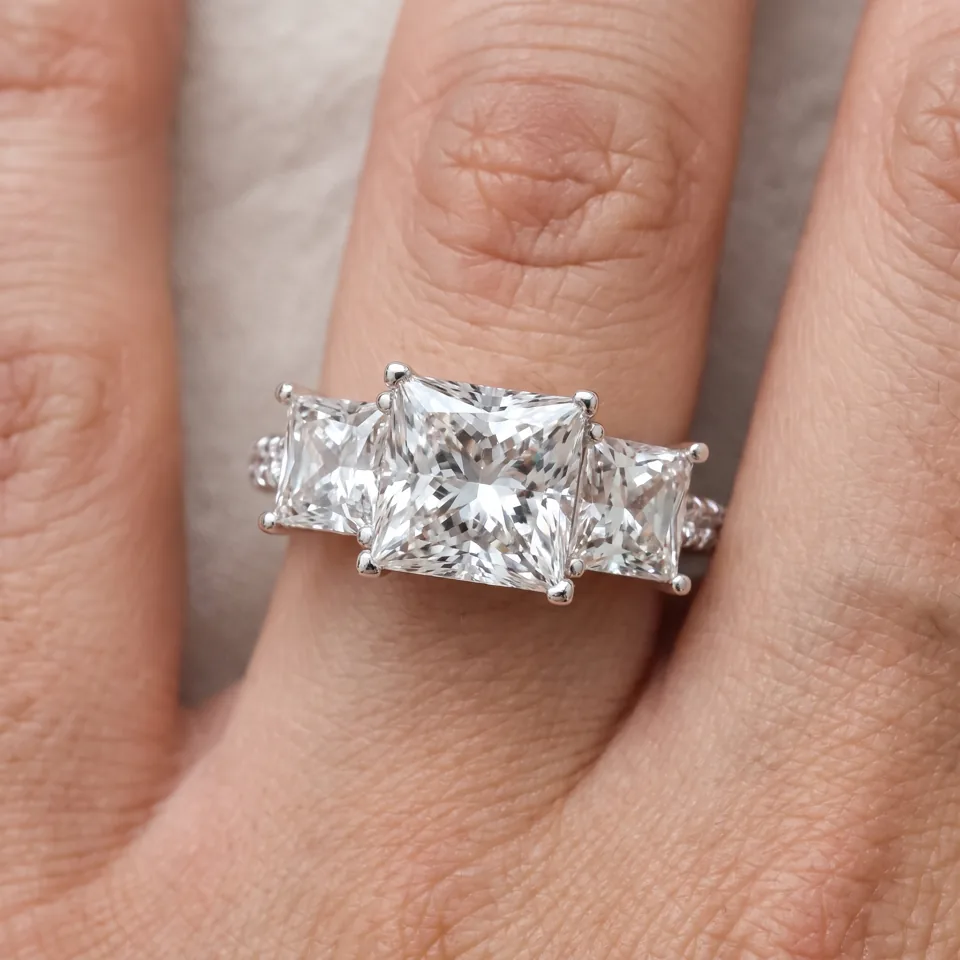 Three Stone Engagement Rings
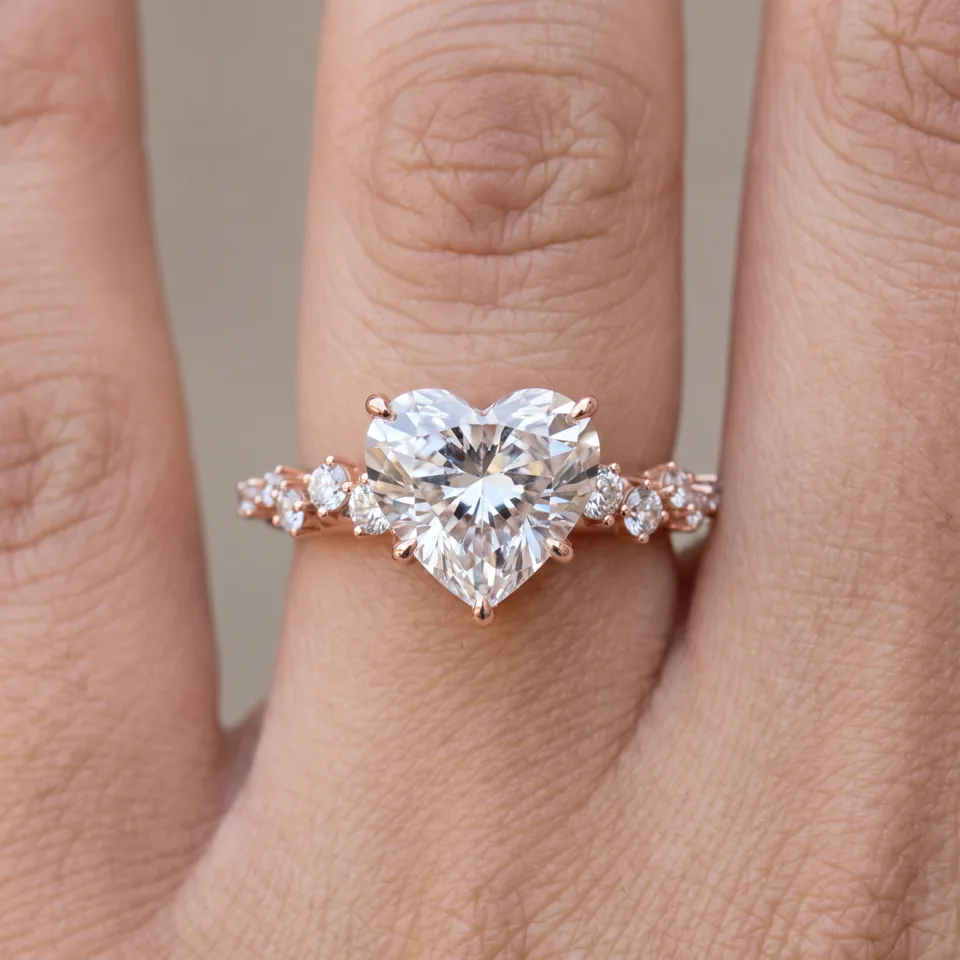 Cluster Side Stone Engagement Rings
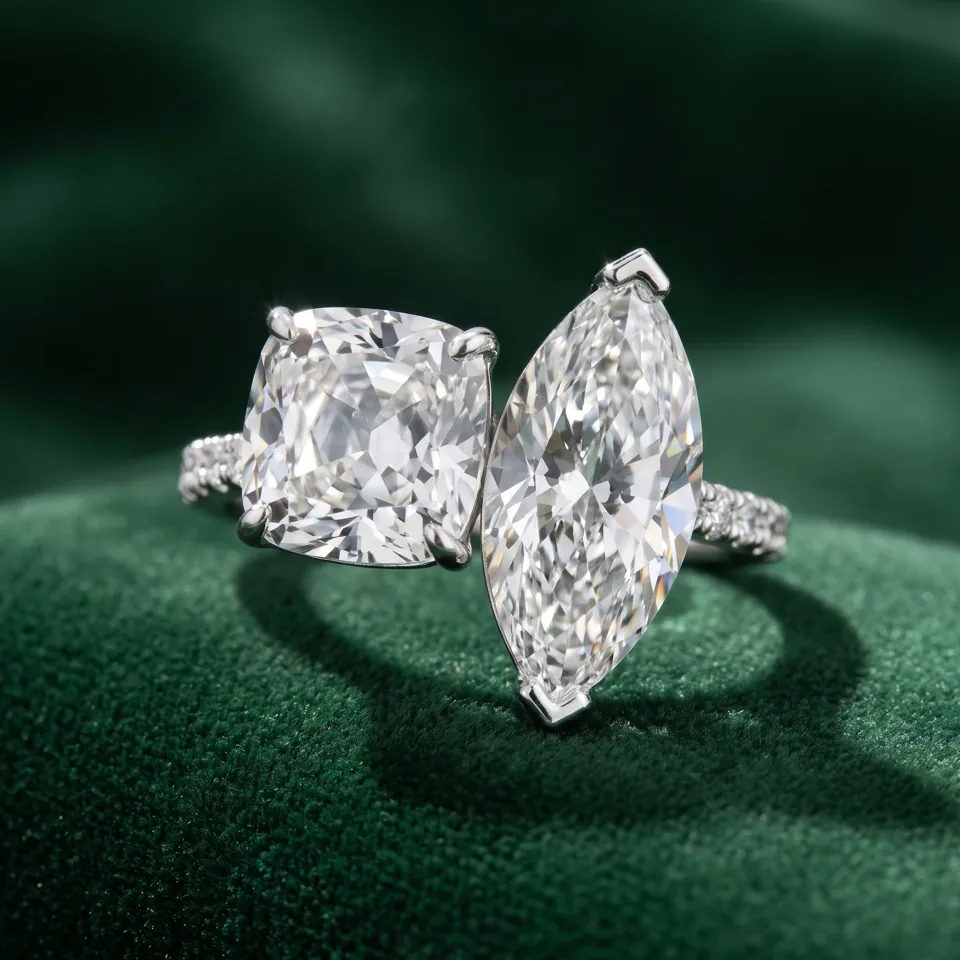 Toi et Moi Two Stone Engagement Rings
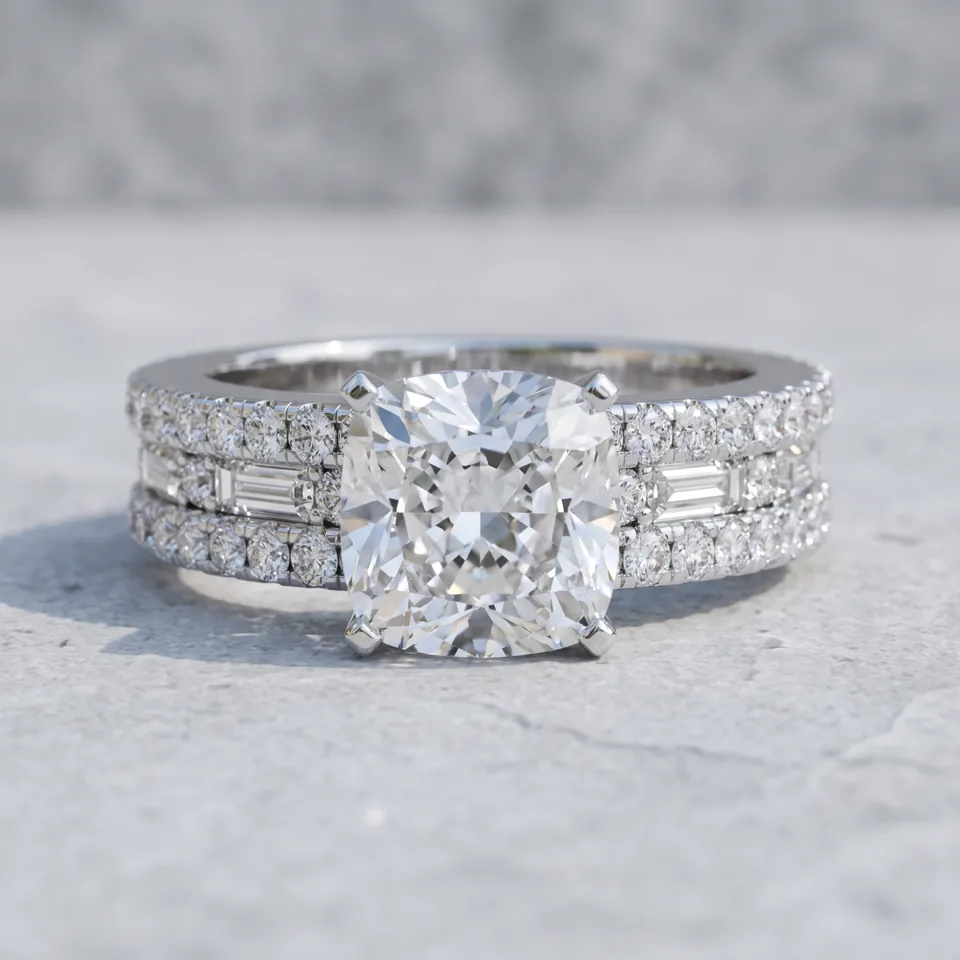 Engagement Rings with Baguette Side Stones
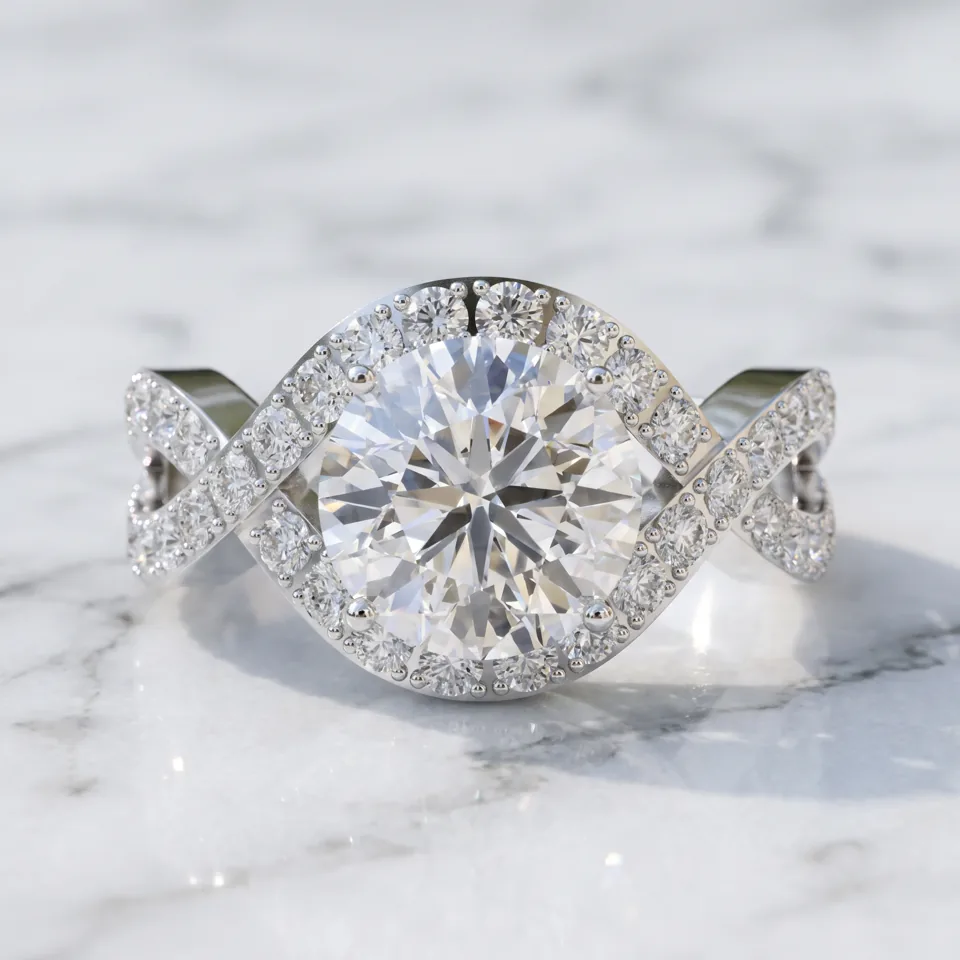 Infinity Rings
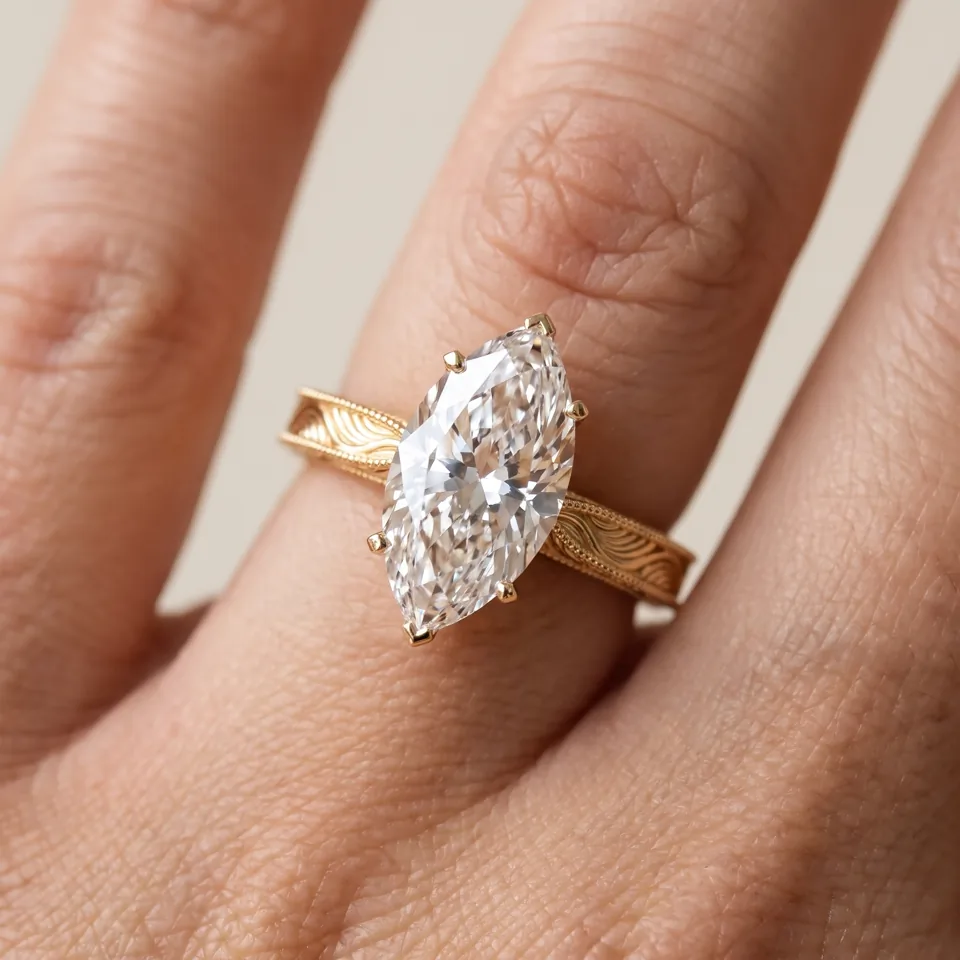 Engraved Rings
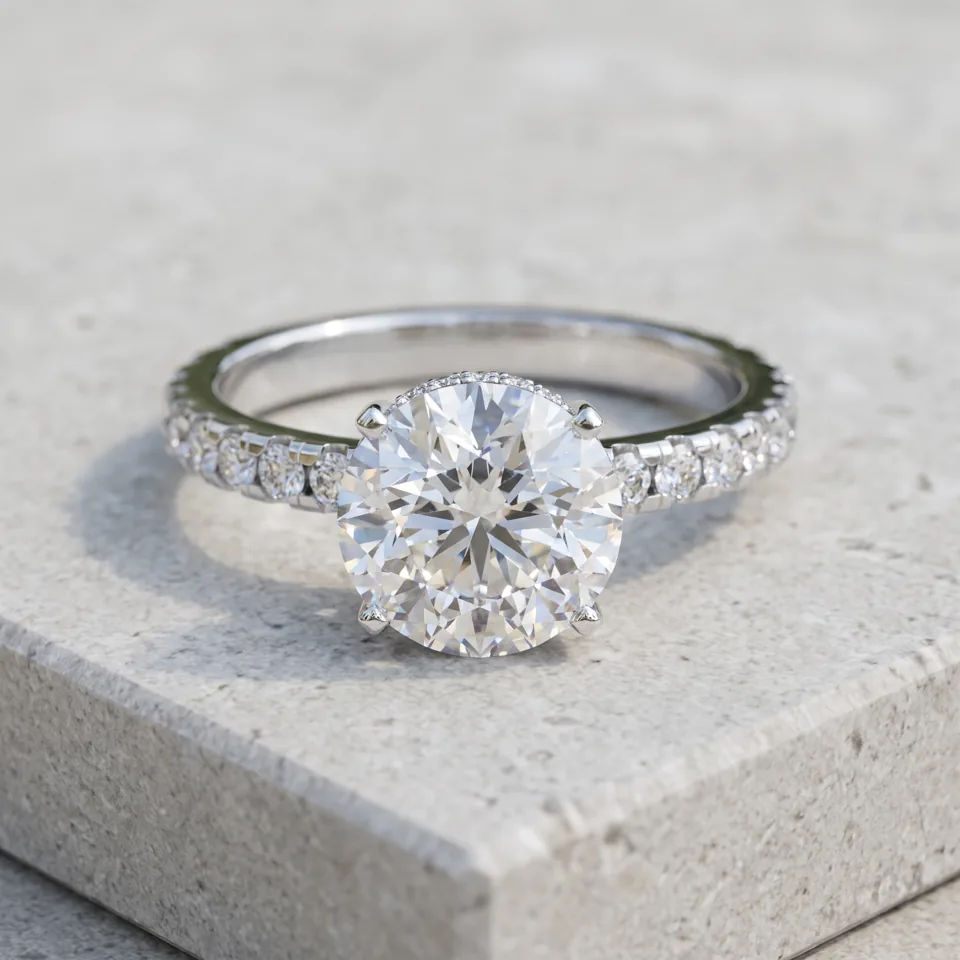 Pave Engagement Rings
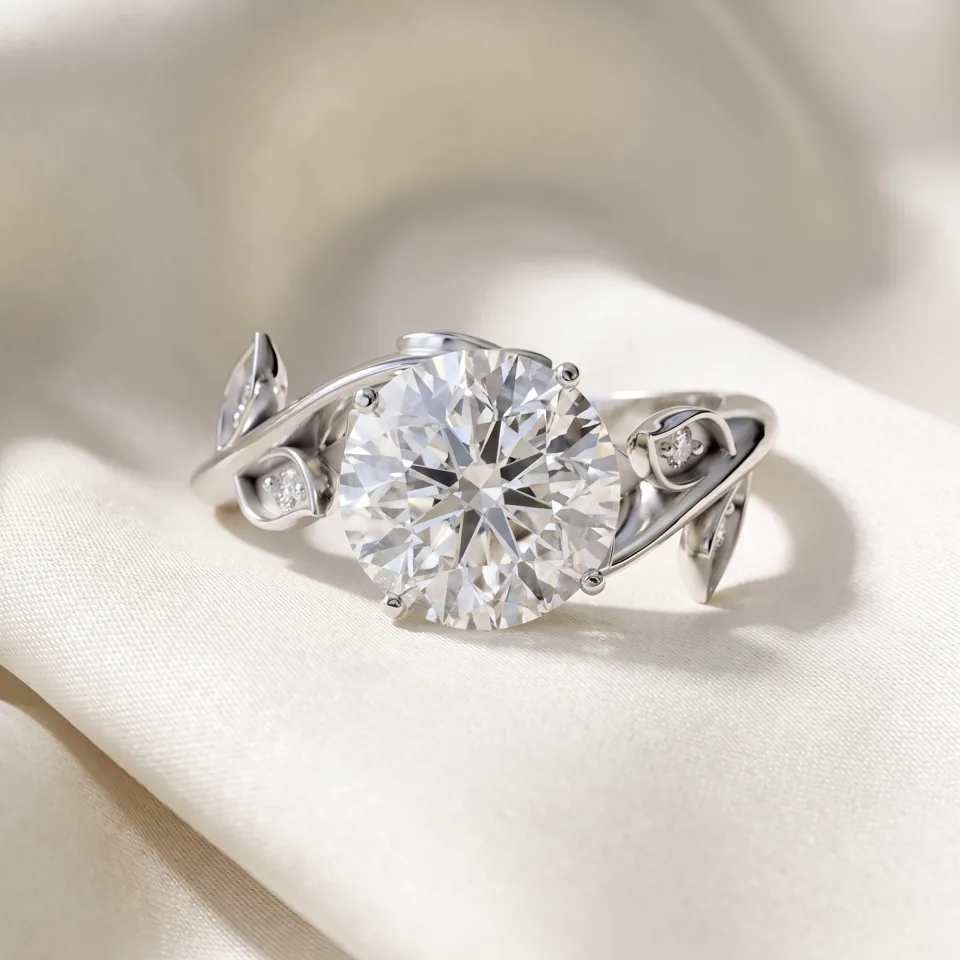 Twisted Vine Engagement Rings
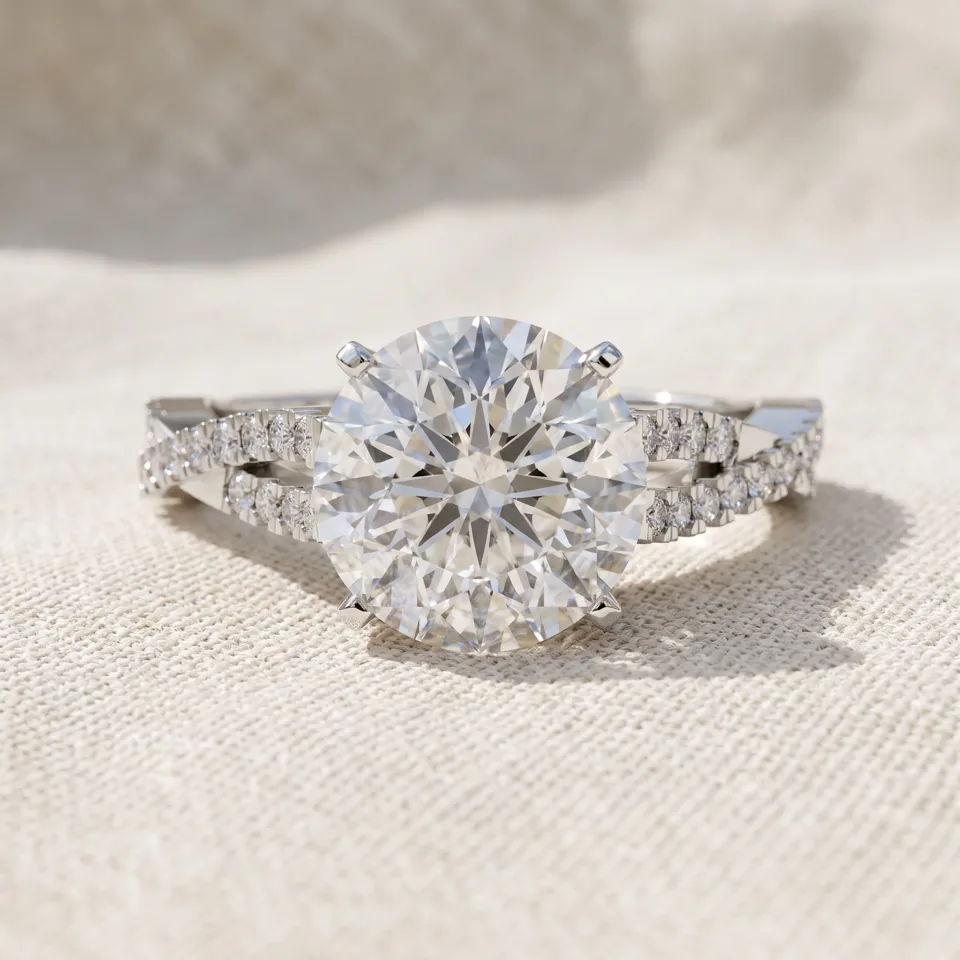 Pavé Twisted Engagement Rings
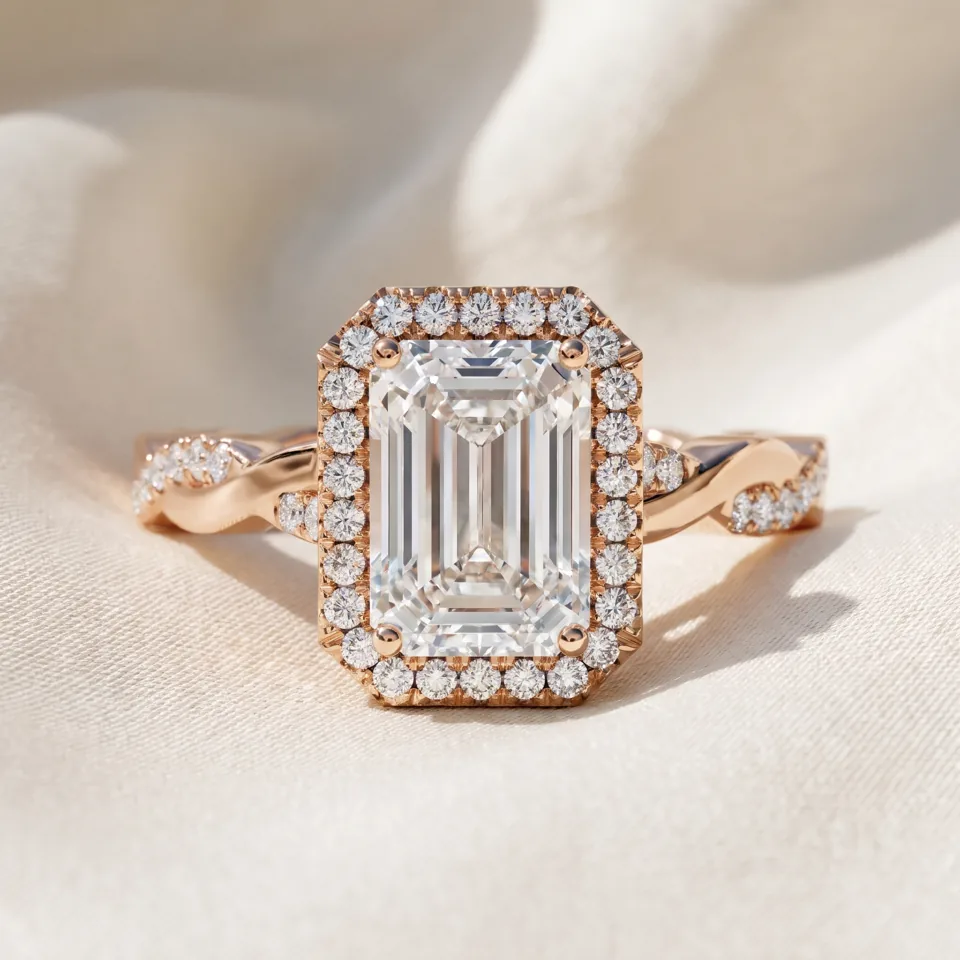 Rose Gold Twisted Rings
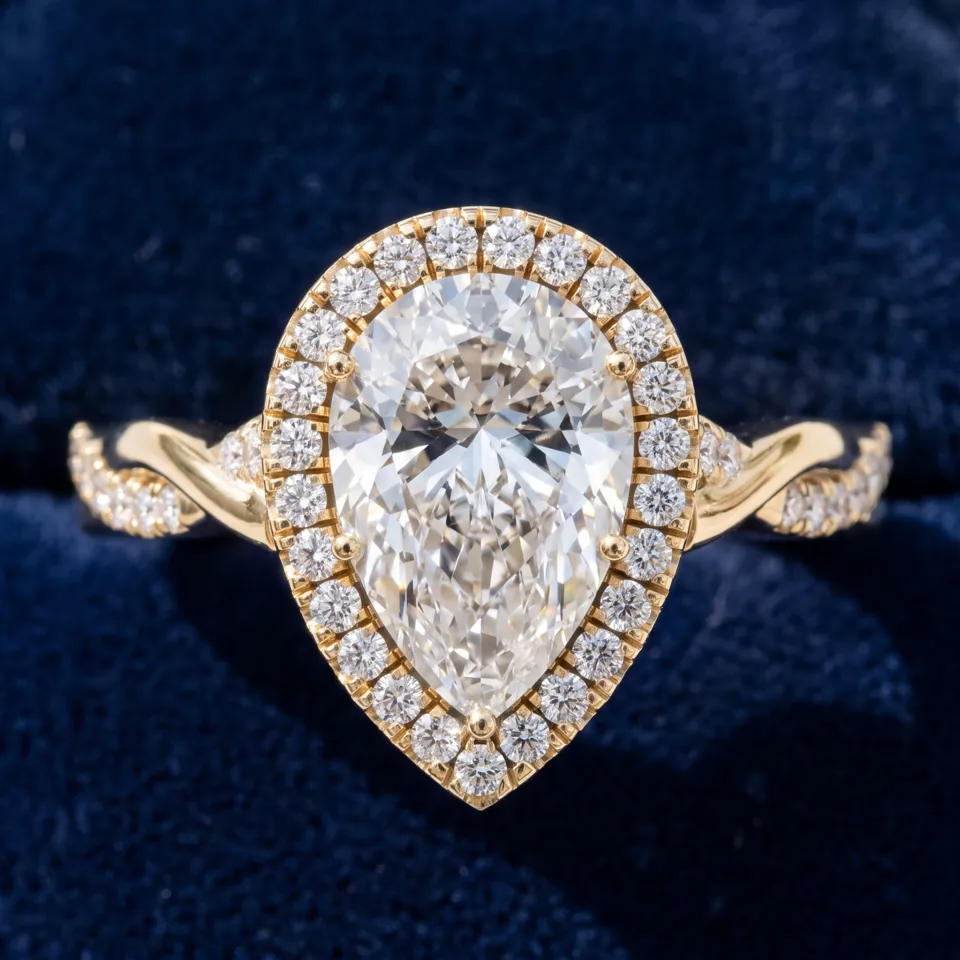 Twisted Halo Engagement Rings
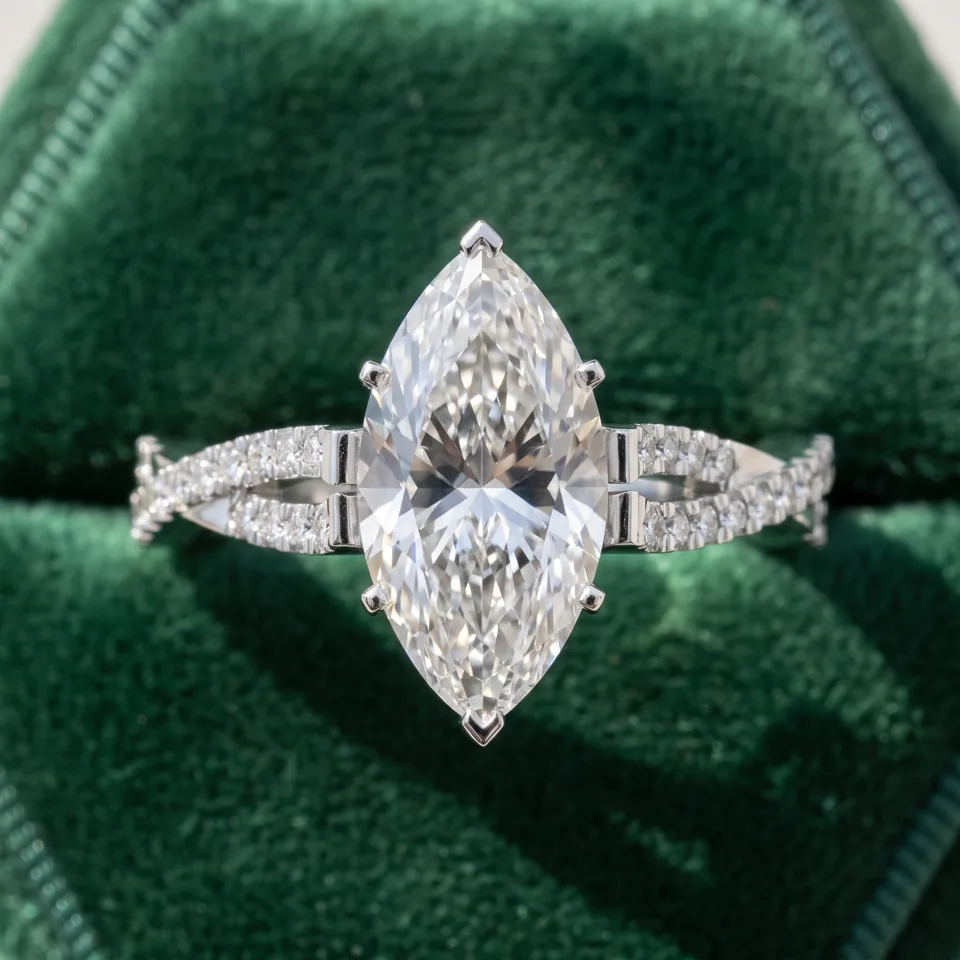 Sterling Silver Twisted Rings
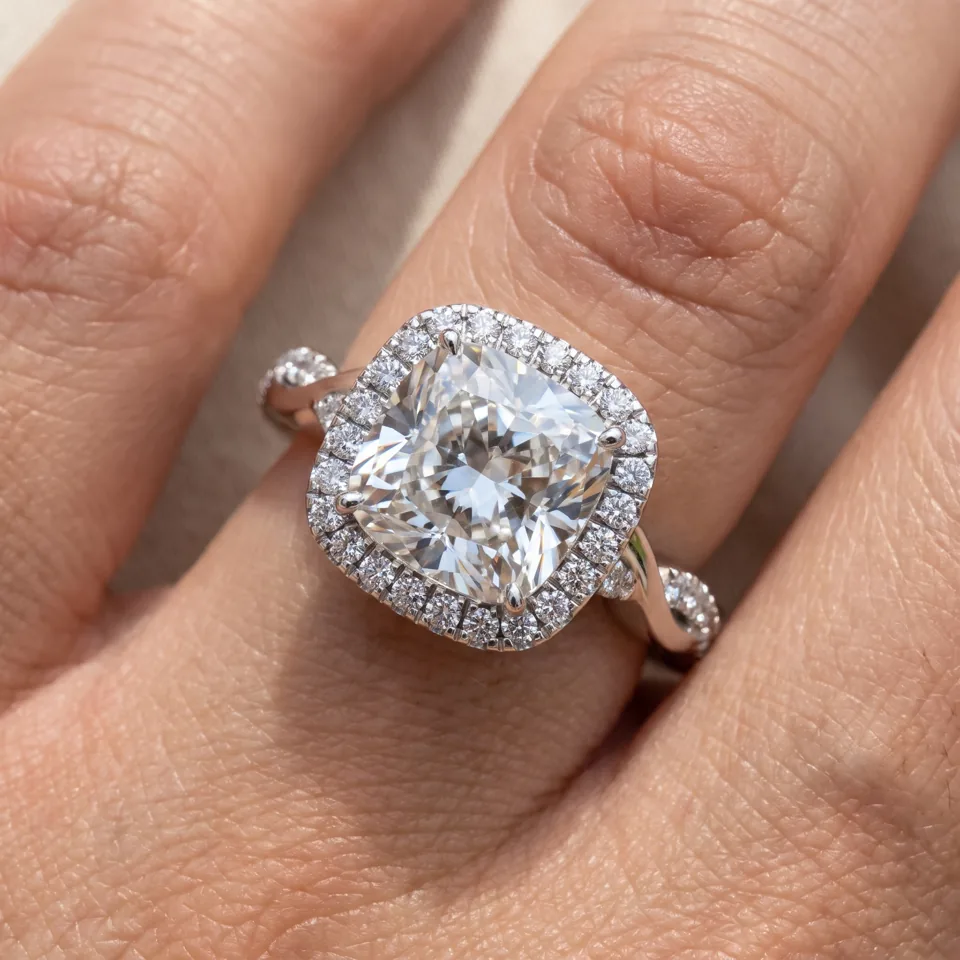 Twisted White Gold Rings
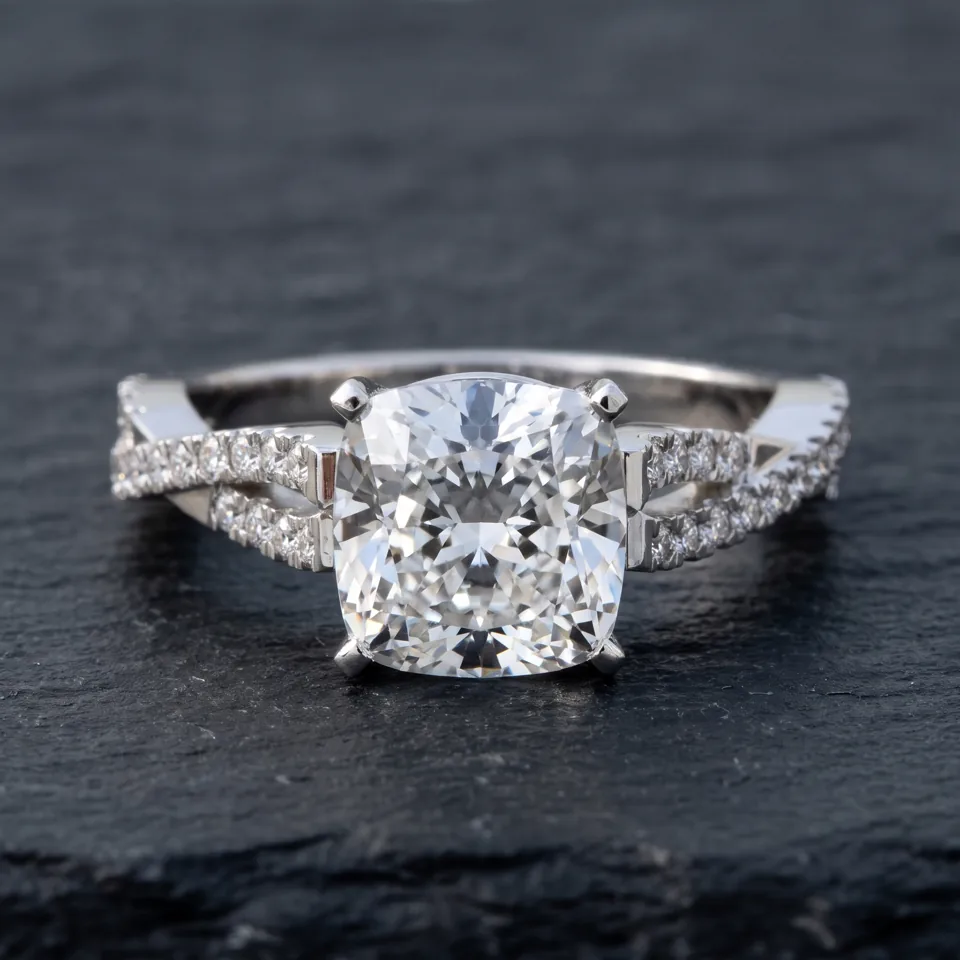 Solitaire Twisted Engagement Rings
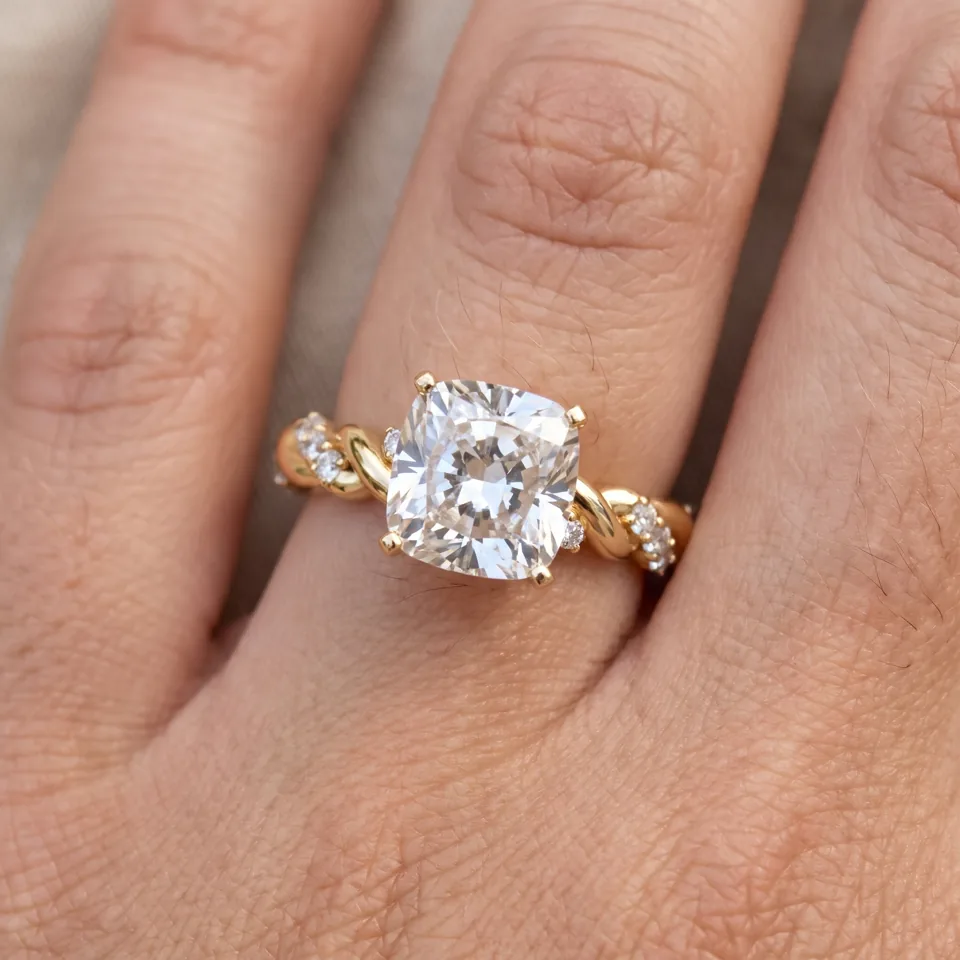 Twisted Yellow Gold Rings
 Twisted Platinum Rings
A plain metal twist has a soft, rope-like look and wears well, since there are no small stones to check. A pavé twist runs lab-grown diamond accents over a single strand or both, adding sparkle that shifts as the band turns. Most rings here are solitaires, letting the spiral of the shank lead the eye to one center; a few add a halo, side stones or a three-stone layout.
Some designs cross the strands into an infinity loop at the shoulders. Bypass styles let the two ends pass each other beside the center. On split shank twists, the band parts into two strands just below the head, so the ring looks broader and more open when worn. Floral twists, with petals or vines, suit anyone who likes softer, nature-inspired lines.
You can order any design in platinum, in Silvadium, a tarnish-resistant sterling silver, or in gold of 10K, 14K or 18K, rose, yellow or white. Rose and yellow gold show the curves of a twist with soft shadow, while white metals make pavé look brighter. Most designs accept round, oval, pear, cushion, radiant, marquise, emerald, Asscher, heart and princess centers, and many offer pink, blue, green or yellow fancy colors. Settings start under $200, with most between about $950 and $1,250.
Your twisted setting is made once you choose the center, ready in 10–15 days and sent with free insured shipping both ways. The center diamond comes with an IGI or GIA report. Unworn rings can be returned within 30 days, and a free resize is included once within 60 days of delivery.
A twisted ring is usually called a twist ring or a twisted shank ring, since the shank is the part of the band that wraps the finger. Depending on the shape of the twist, jewelers also call it a rope band, an infinity ring when the strands cross into a loop, or a bypass ring when the ends pass each other beside the center. You'll find each of these in this collection.
A matching twisted band looks the most cohesive, because its strands line up with the engagement ring along the finger. A slim plain band is the other safe choice: it lets the twist stand out and sits flush when the center is set high. If the engagement ring has a halo or a low head, a curved band avoids a gap between the two. Match the metal color and width.


