Complimentary insured shipping, both waysEngagement ring diamonds certified by IGI or GIAGrown by light. Conflict-free by natureComplimentary insured shipping, both ways
Engagement RingsWedding BandsEarrings
NecklaceBraceletsAbout
A twisted solitaire engagement ring holds one center (your choice comes later) above a shank that spirals. The twist might be a rope of beads, a ribbon of pavé, a vine with leaves, a three-strand braid or a crossover of plain and accented metal. Most bands carry laboratory-grown diamond accents.
Ribbon twist: one or two smooth strands that turn like fabric, often with accents along one edge.
Beaded twist: a textured rope of metal beads; catches light without stones.
Vine twist: a stem wrapping the finger with leaves near the head; romantic and botanical.
Three-strand pavé: three lines of lab-grown diamond accents braided together for the fullest sparkle.
Crossover: pavé and plain strands meeting under the center like an infinity loop.
Why a twist suits a solitaire
A solitaire head is simple, so the band can carry more personality without competing. A twisted shank adds movement and catches light at different angles as you move your hand, while the center stays the clear focus.
Comfort and wedding band pairing
Twisted bands are usually a bit thicker than plain ones, so try your normal size and consider a half size up if you're between sizes. A plain or slim pavé wedding band sits nicely beside a twist; a matching twisted band creates a woven stack.
Metals, colors and price
Each design comes in white, yellow or rose gold, platinum, or Silvadium, a tarnish-resistant sterling silver; gold is 10K, 14K or 18K. For a colored center, nearly every twist accepts green, blue, pink or yellow, while black is limited to a smaller group. Silver settings start around $220; most run about $960 to $1,230 before the center.
Ordering from Whitemoon
Each ring is made to size in 10–15 days and comes with free insured shipping both ways. Return it unworn within 30 days, or have it resized once for free within 60 days of delivery. The center arrives with an IGI or GIA report.

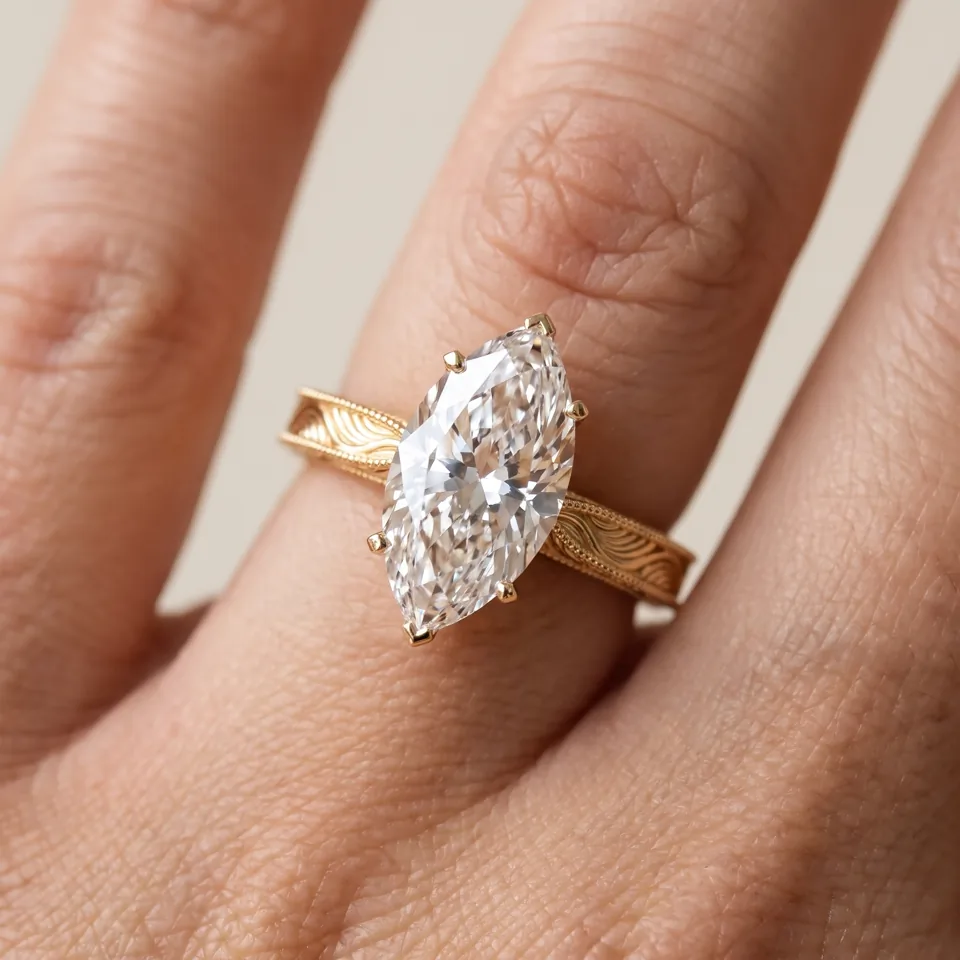 Solitaire Vintage Engagement Rings
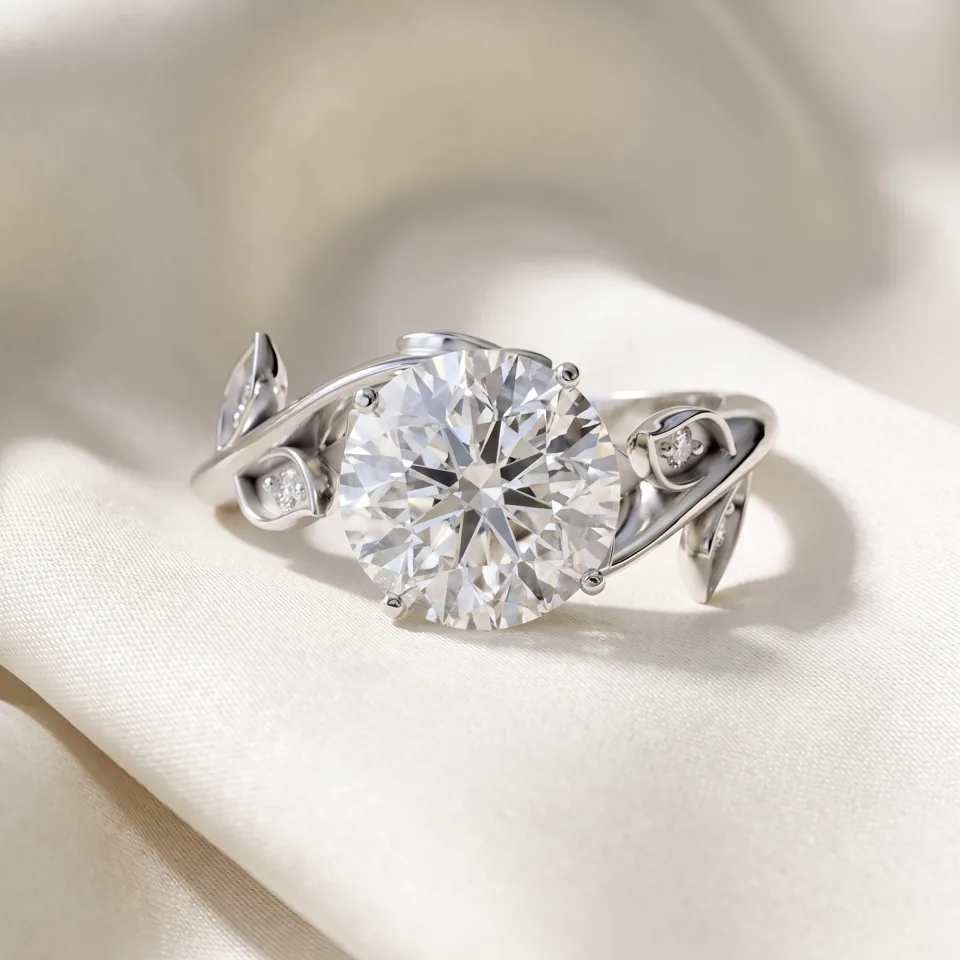 Twisted Vine Engagement Rings
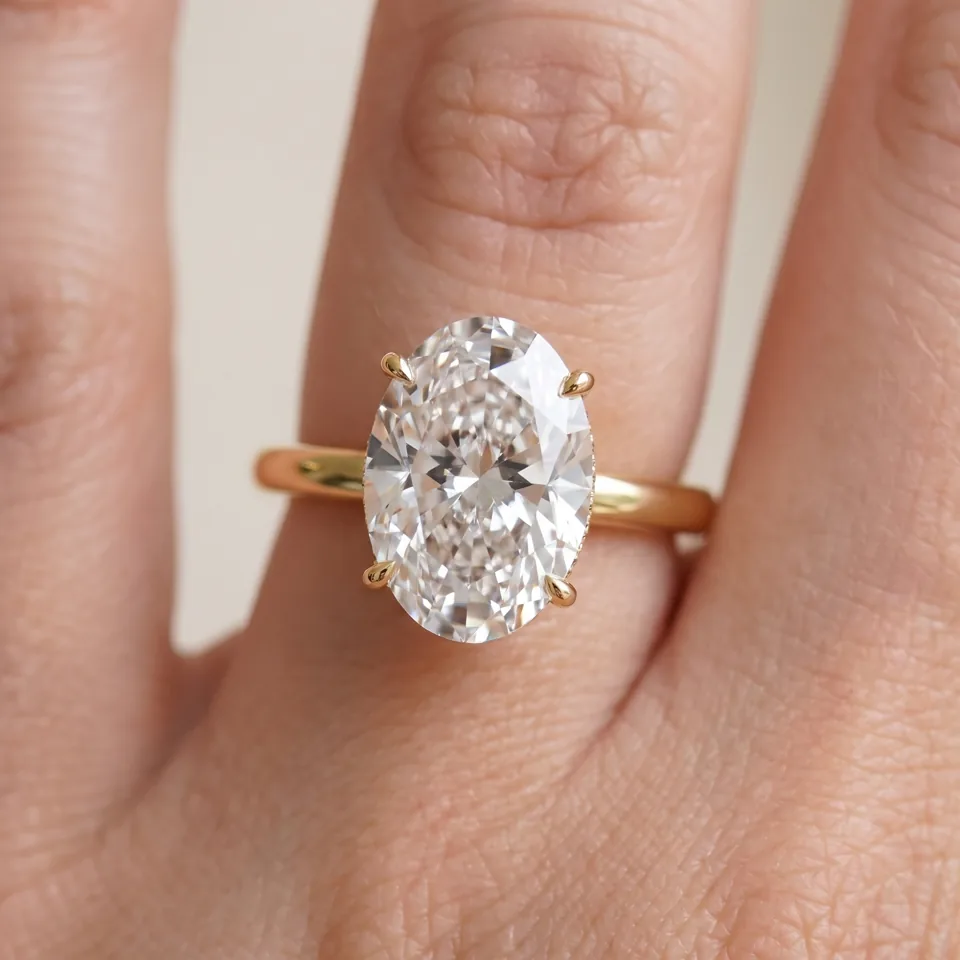 Hidden Halo Solitaire Rings
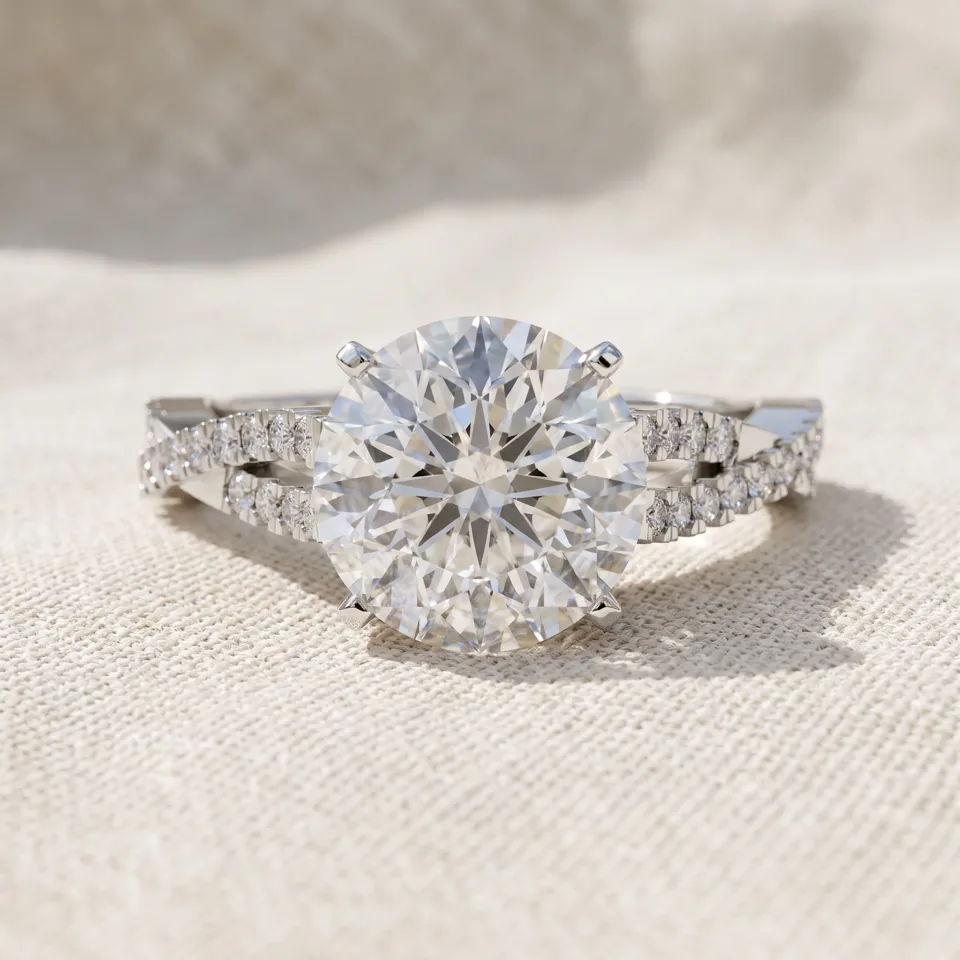 Pavé Twisted Engagement Rings
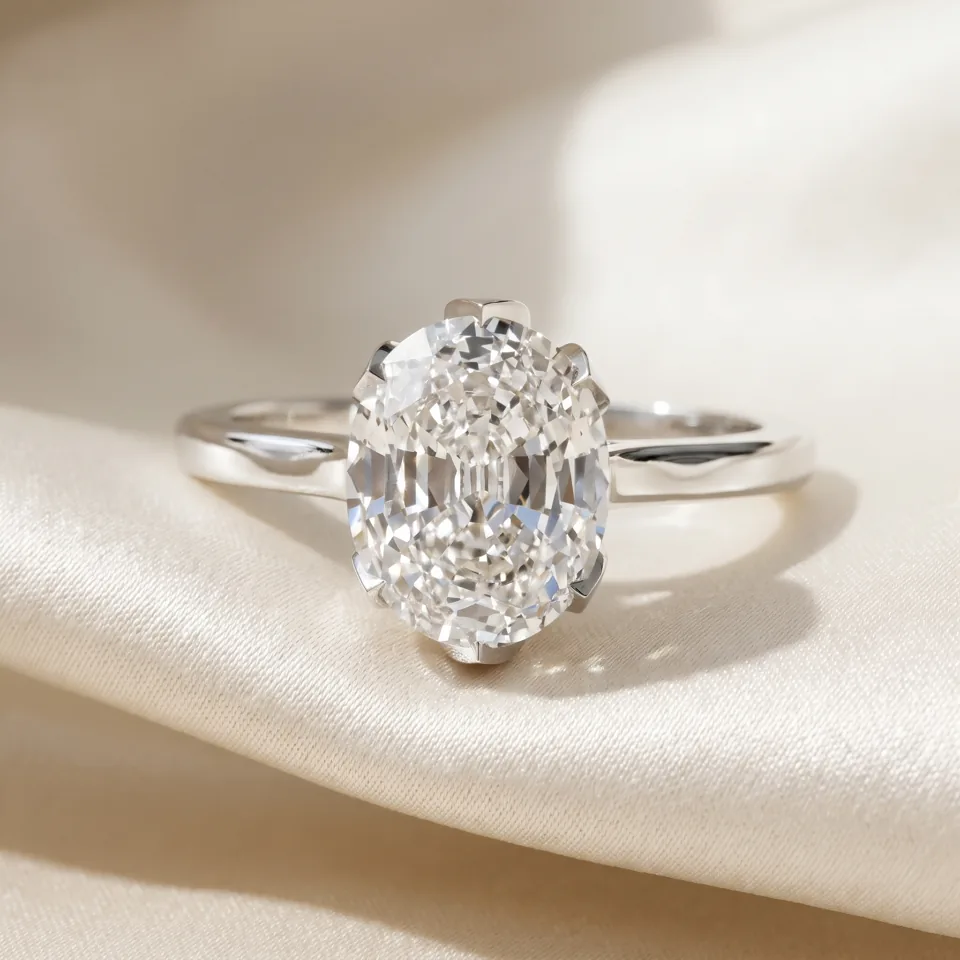 Flower Solitaire Rings
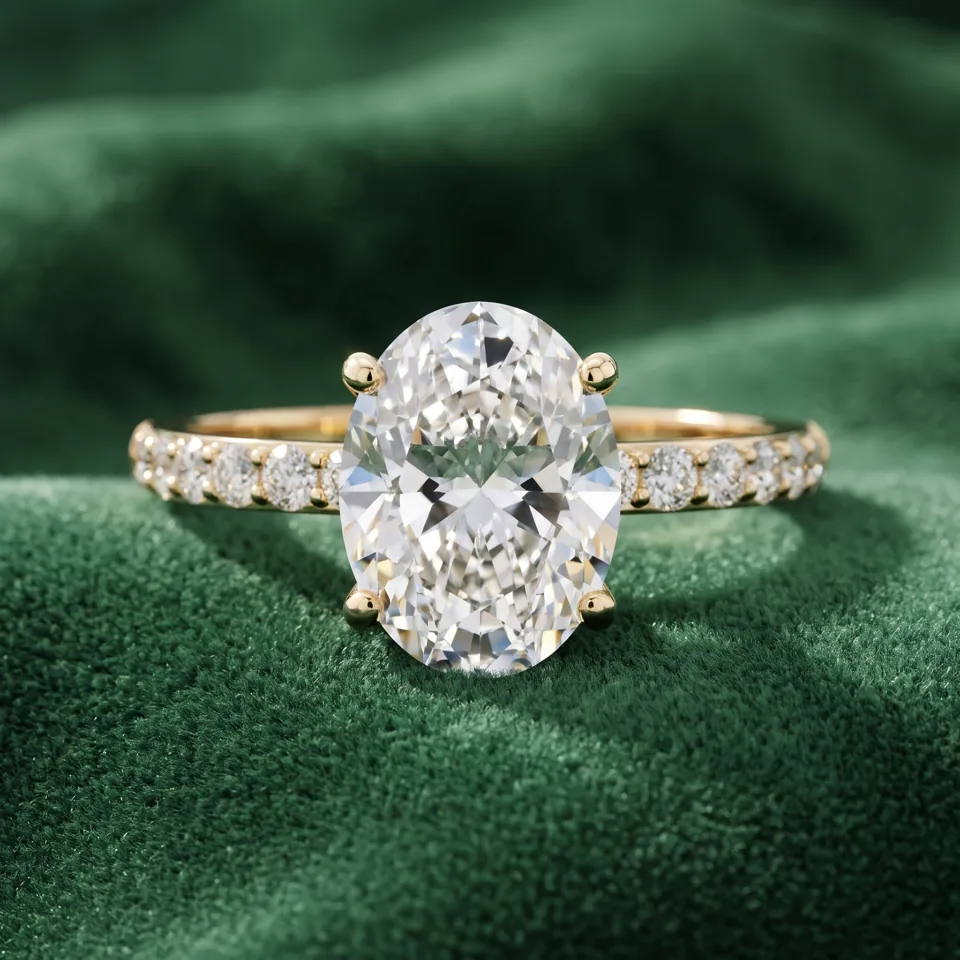 Pavé Solitaire Engagement Rings
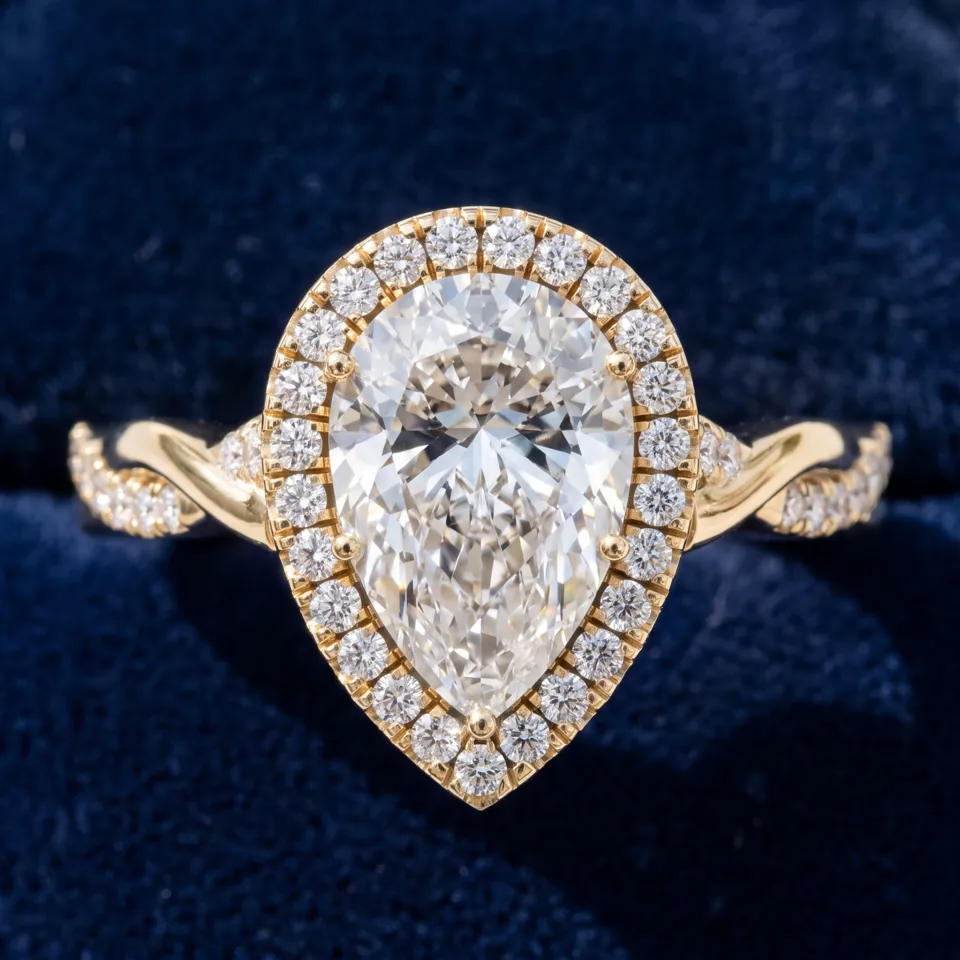 Twisted Halo Engagement Rings
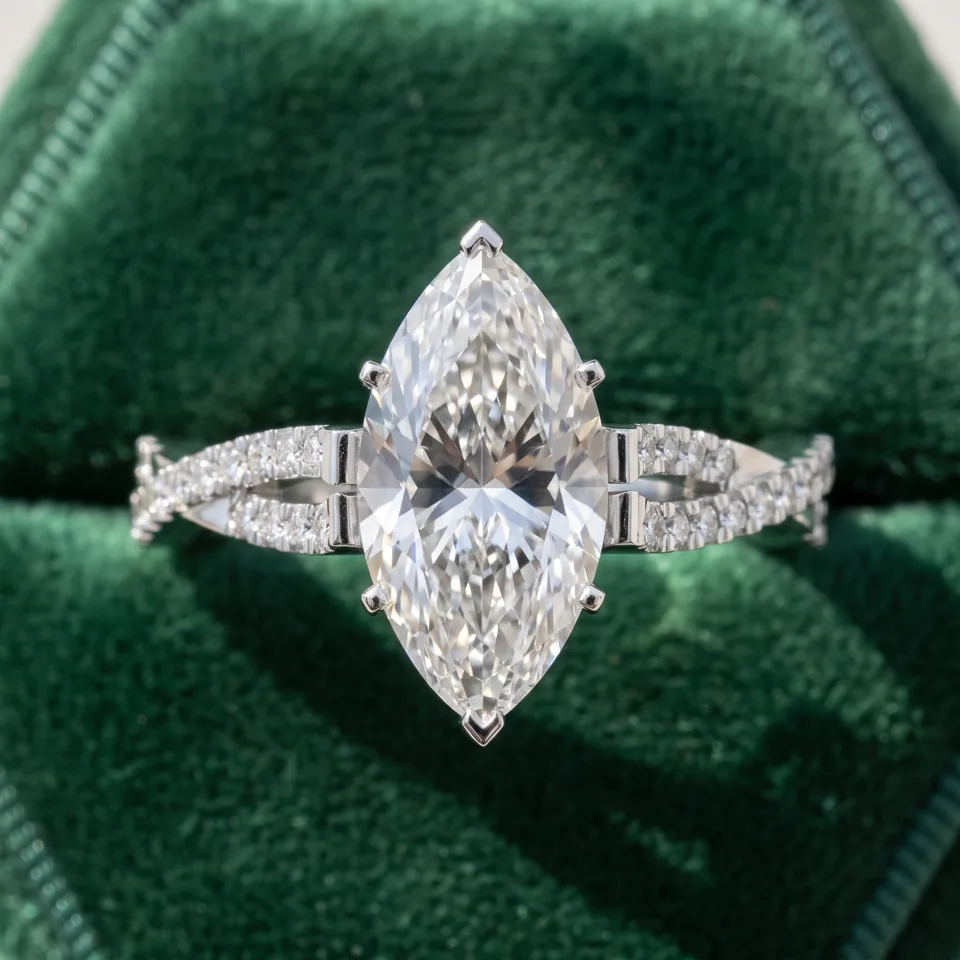 Solitaire Split Shank Engagement Rings
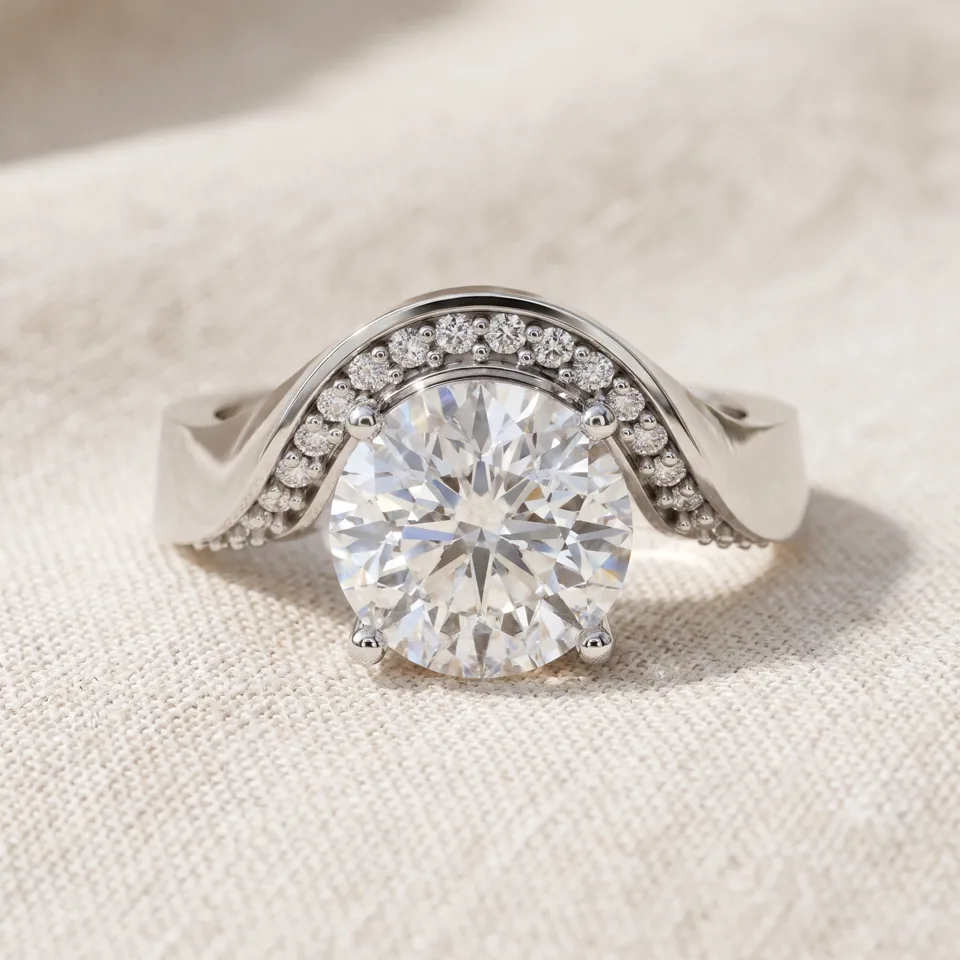 Bypass Solitaire Engagement Rings
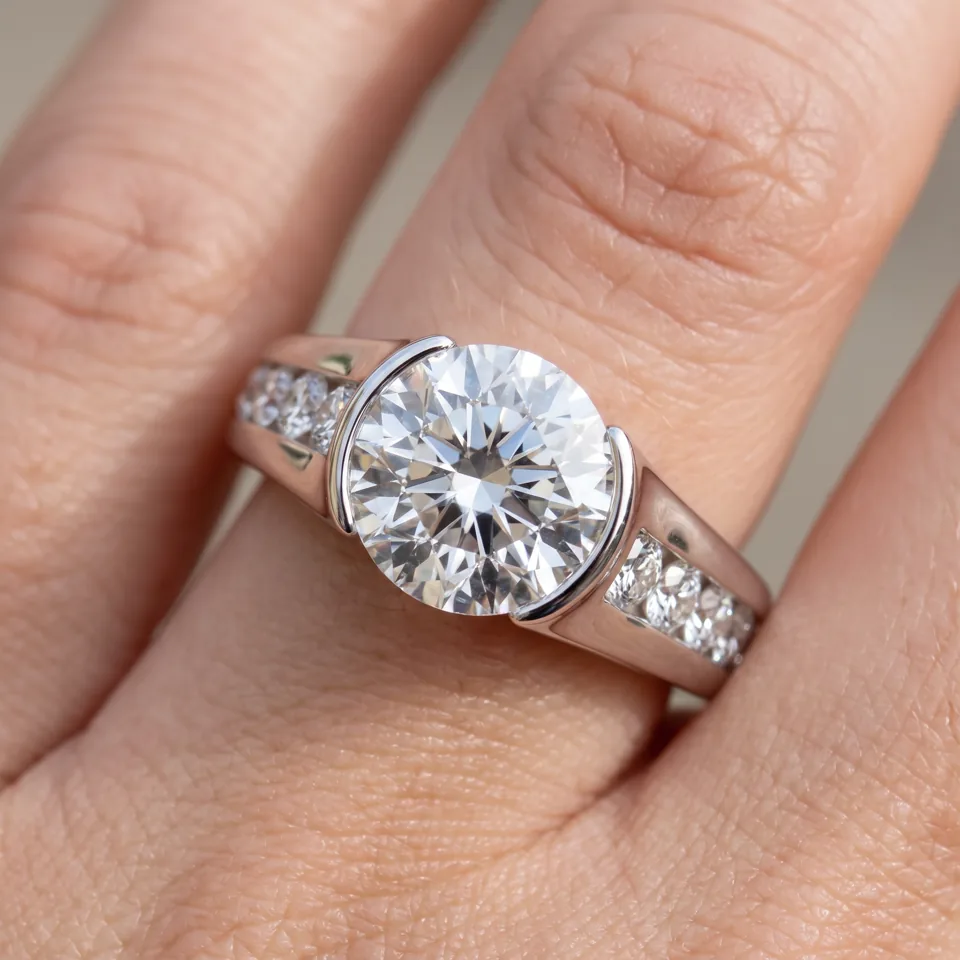 Channel Set Solitaire Engagement Rings
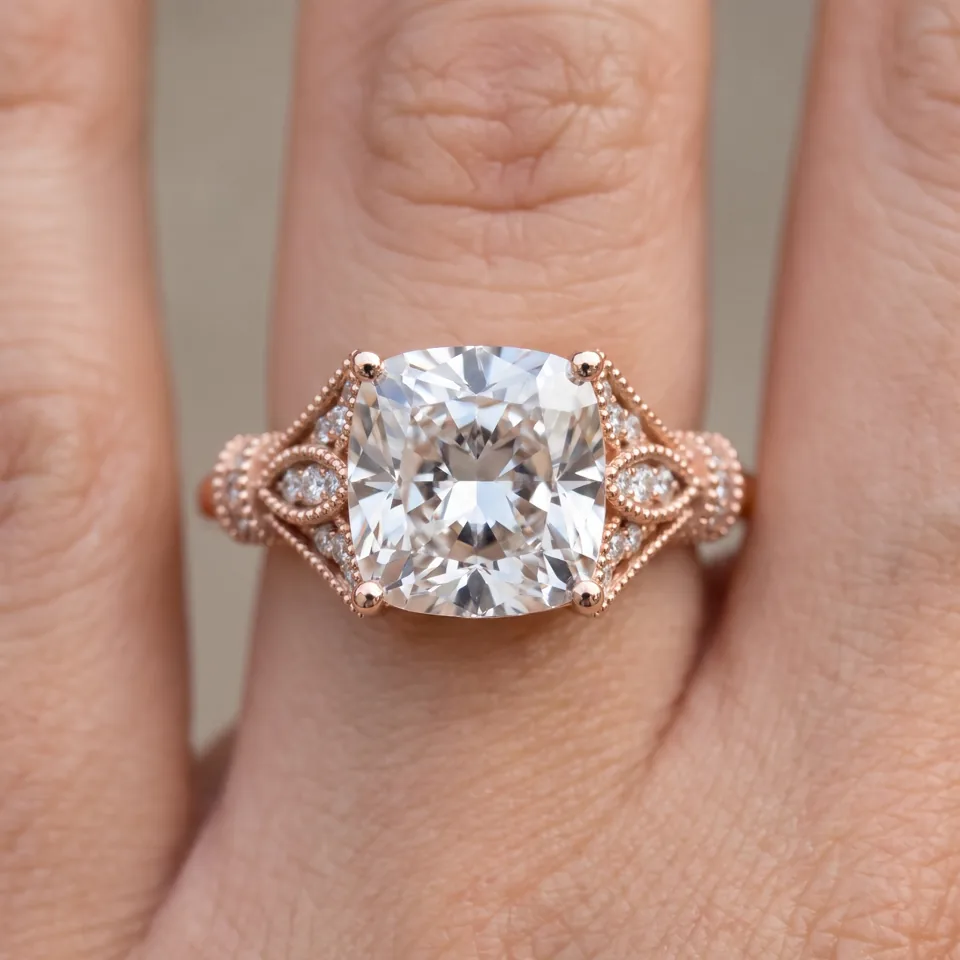 Filigree Solitaire Engagement Rings
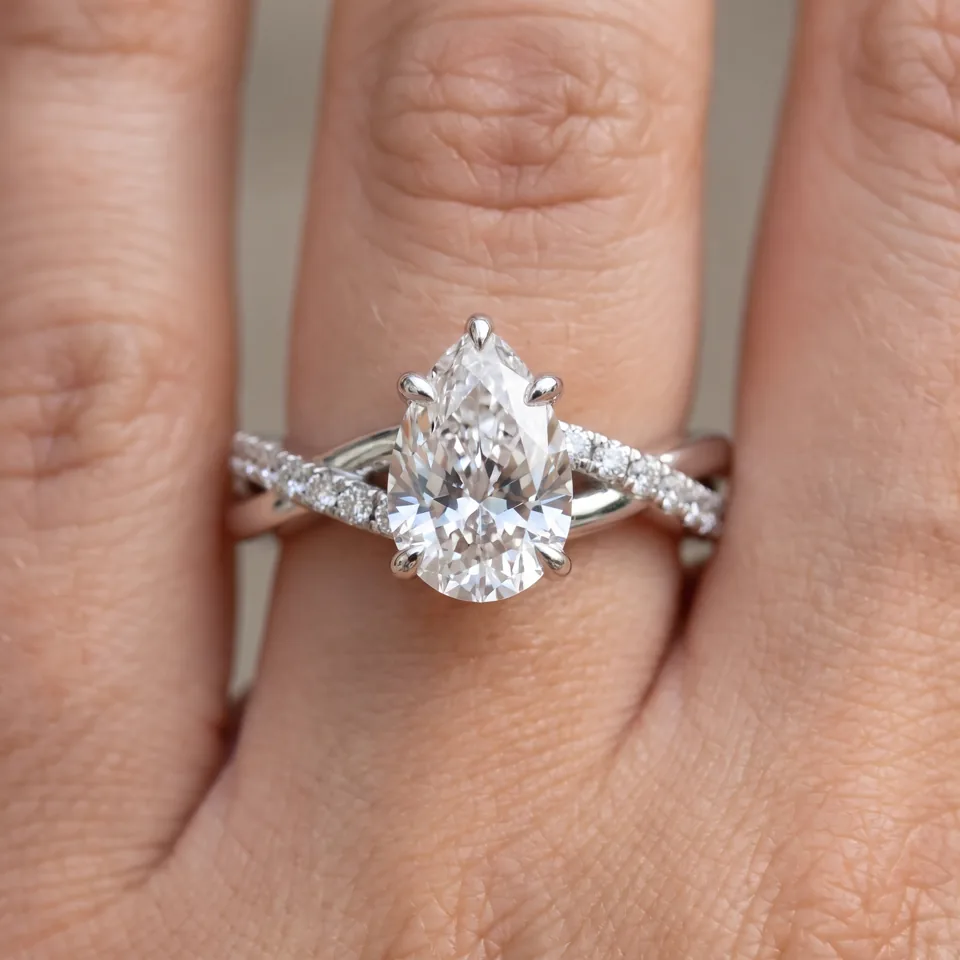 Infinity Solitaire Engagement Rings