Complimentary insured shipping, both waysEngagement ring diamonds certified by IGI or GIAGrown by light. Conflict-free by natureComplimentary insured shipping, both ways
Engagement RingsWedding BandsEarrings
NecklaceBraceletsAbout
An infinity solitaire engagement ring puts one center stone on a band that crosses over itself. No halo competes with the center, so the twist and the stone share the attention. Choose your center shape, decide between a fully paved or half-polished twist, and pick a metal. The stone itself comes in the next step.
Some designs pave the crossover strands for sparkle along the finger. Another pairs a paved strand with a polished one, which looks quieter and is easier to match with a wedding band. A plain metal strand also shows fewer scratches over time, while pave hides small marks among the stones.
Center shapes for a solitaire twist
Pear, radiant and marquise are offered on every design here. Heart, emerald, oval, cushion, asscher, round and princess are offered on most. A pear or marquise follows the flow of the crossing strands. An oval keeps the outline soft and elongates the finger. Round and cushion look balanced on a narrow twist, while emerald and asscher add clean lines against the curves.
Colored centers
Any design here can carry a colored stone (yellow, pink, blue, green) in place of a white one. A colored center on a polished twist stands out the most, because no halo dilutes its color. Pink and blue look soft against rose gold; yellow glows in yellow gold.
Metal and price
Choose 10K, 14K or 18K gold in white, yellow or rose, platinum, or Silvadium, a tarnish-resistant sterling silver. Mountings start near $1,300, with most between about $1,300 and $1,550 including their laboratory-grown diamond accents. Your center stone adds its own price once chosen.
Ordering from Whitemoon
We make the ring after your order, taking 10–15 days, with free insured shipping both ways. Return it within 30 days if you change your mind, and use one free resize within 60 days of delivery. The center diamond comes with a report from IGI or GIA.

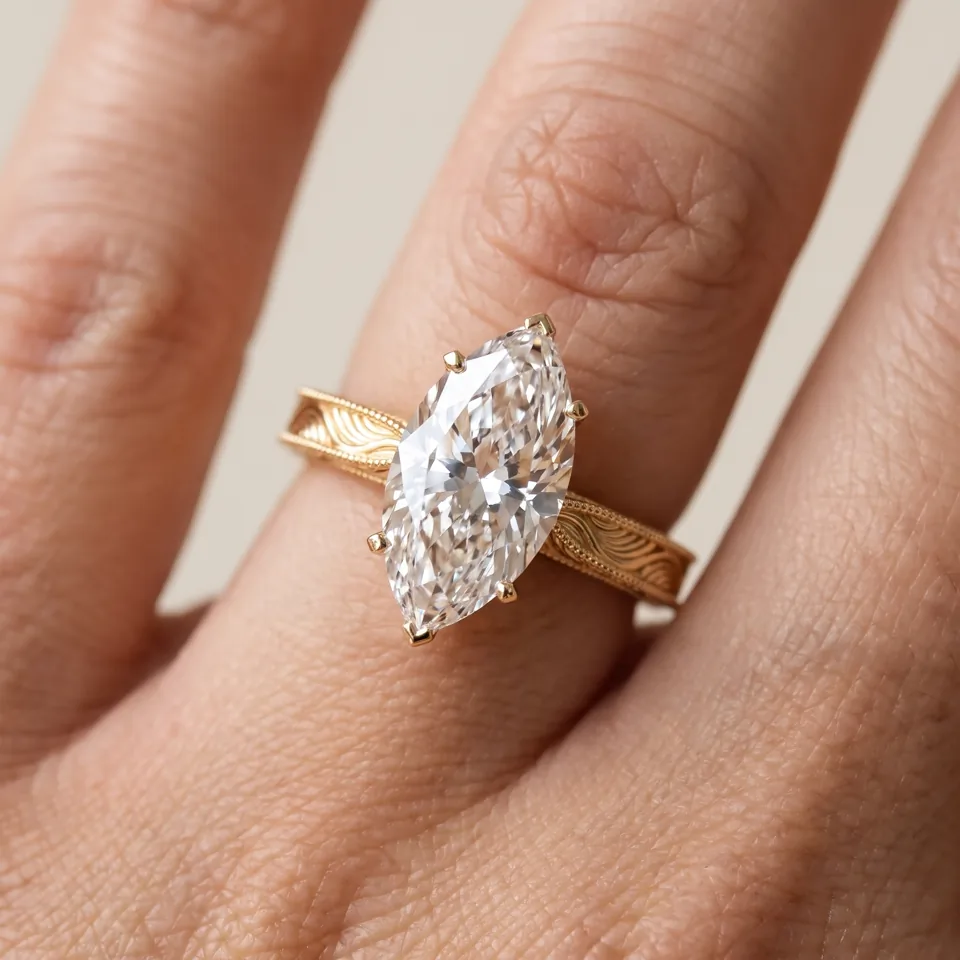 Solitaire Vintage Engagement Rings
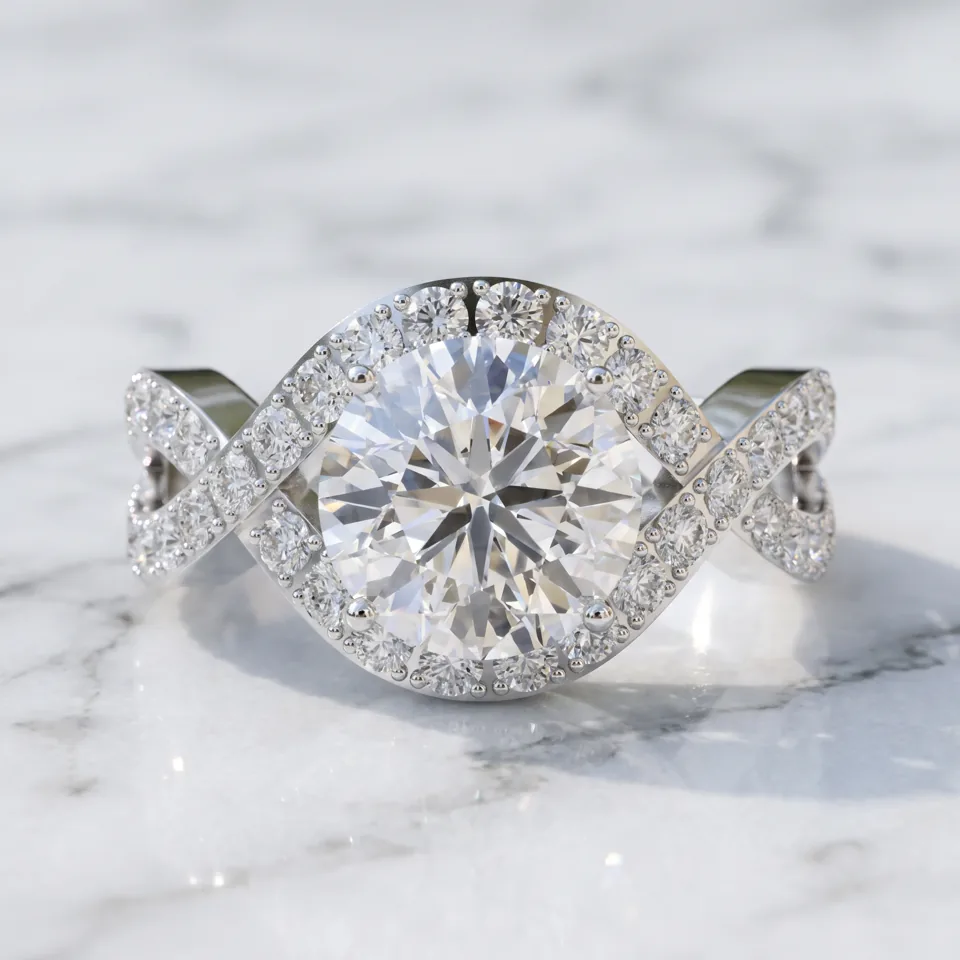 Infinity Pave Rings
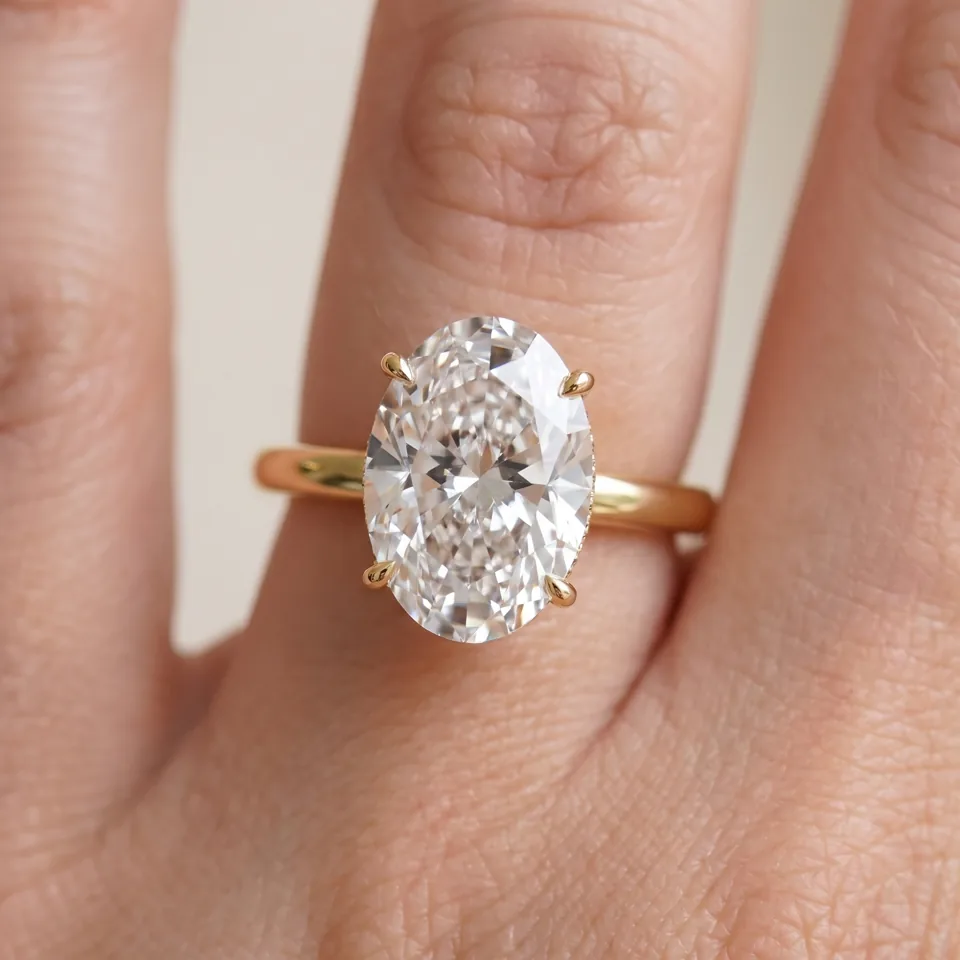 Hidden Halo Solitaire Rings
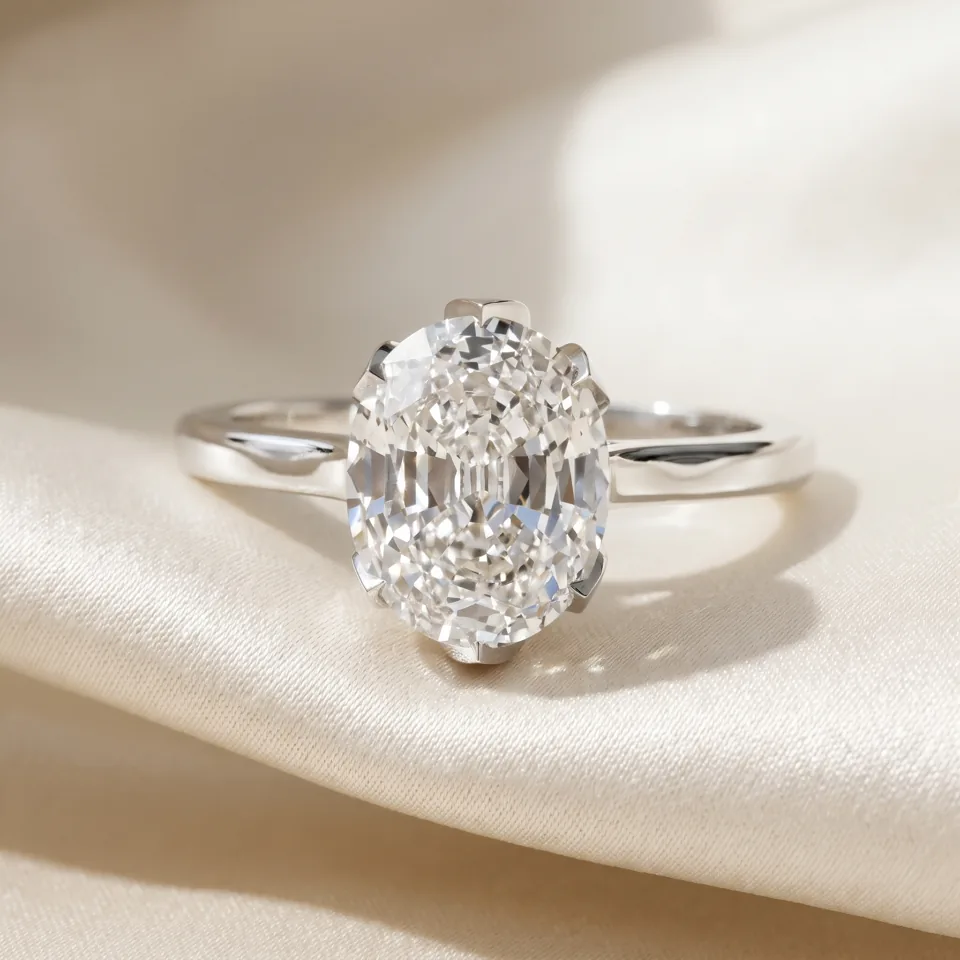 Flower Solitaire Rings
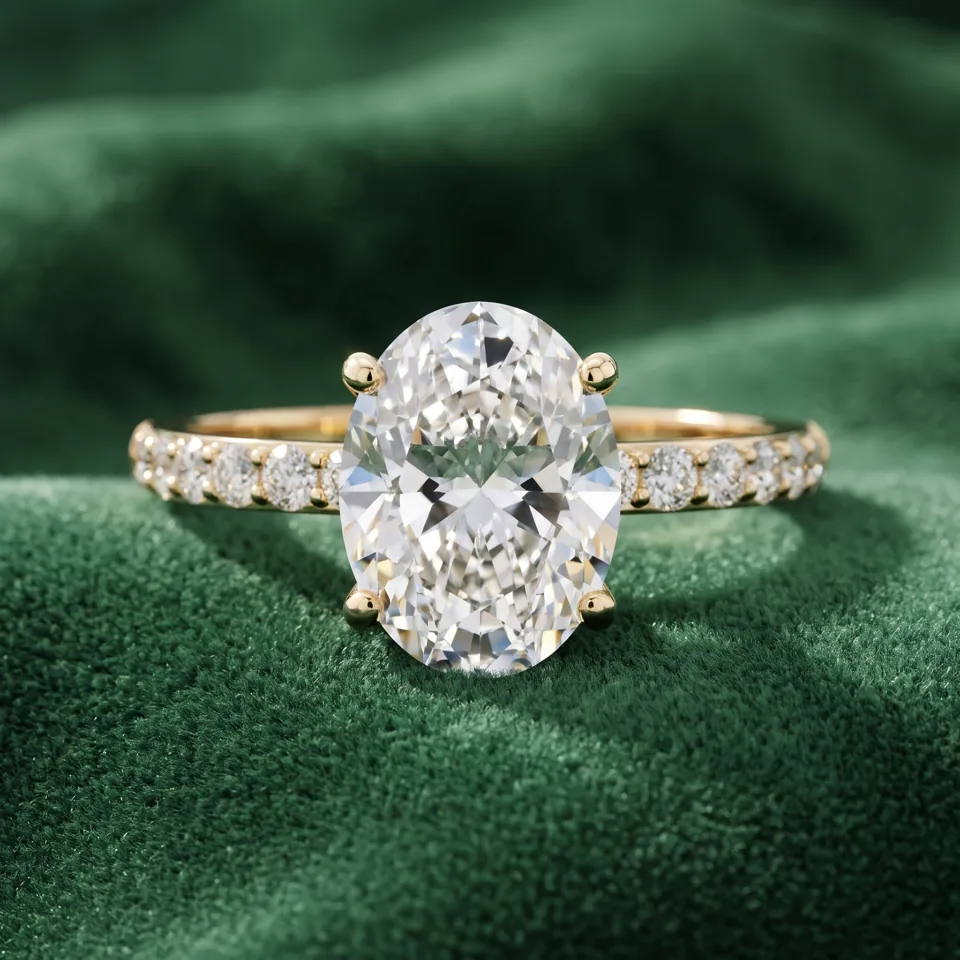 Pavé Solitaire Engagement Rings
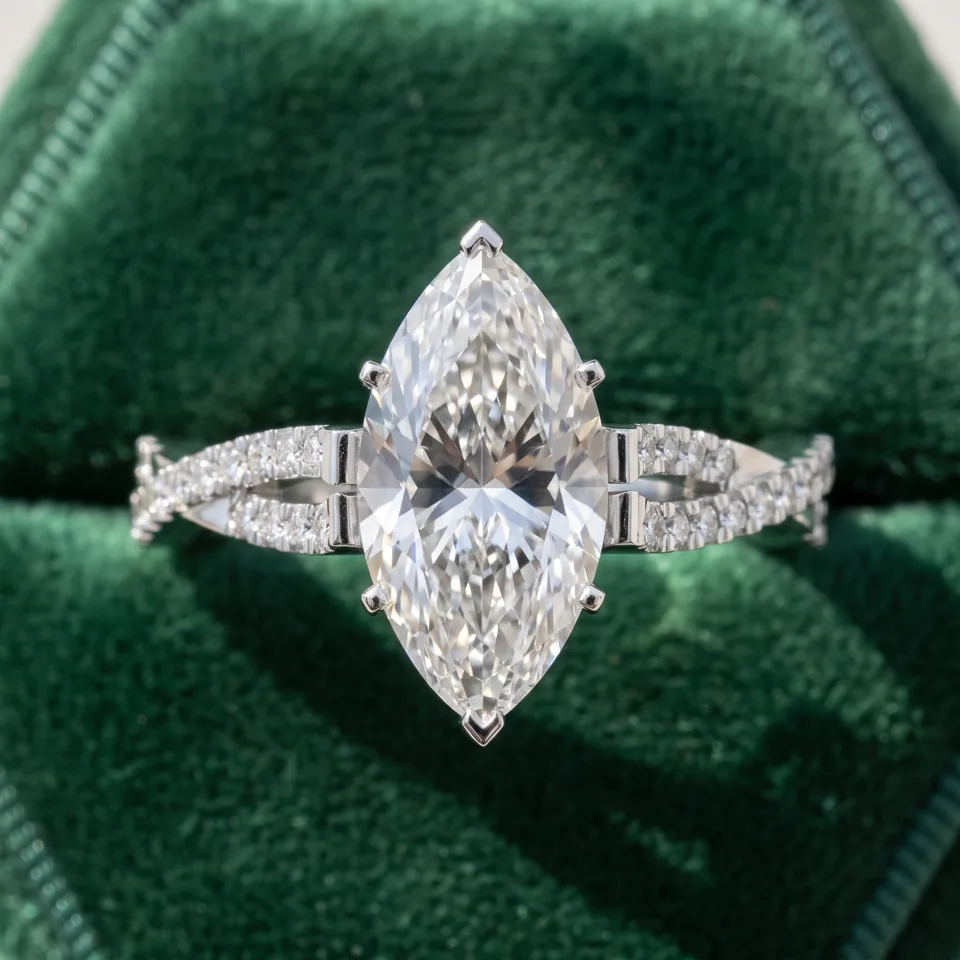 Solitaire Split Shank Engagement Rings
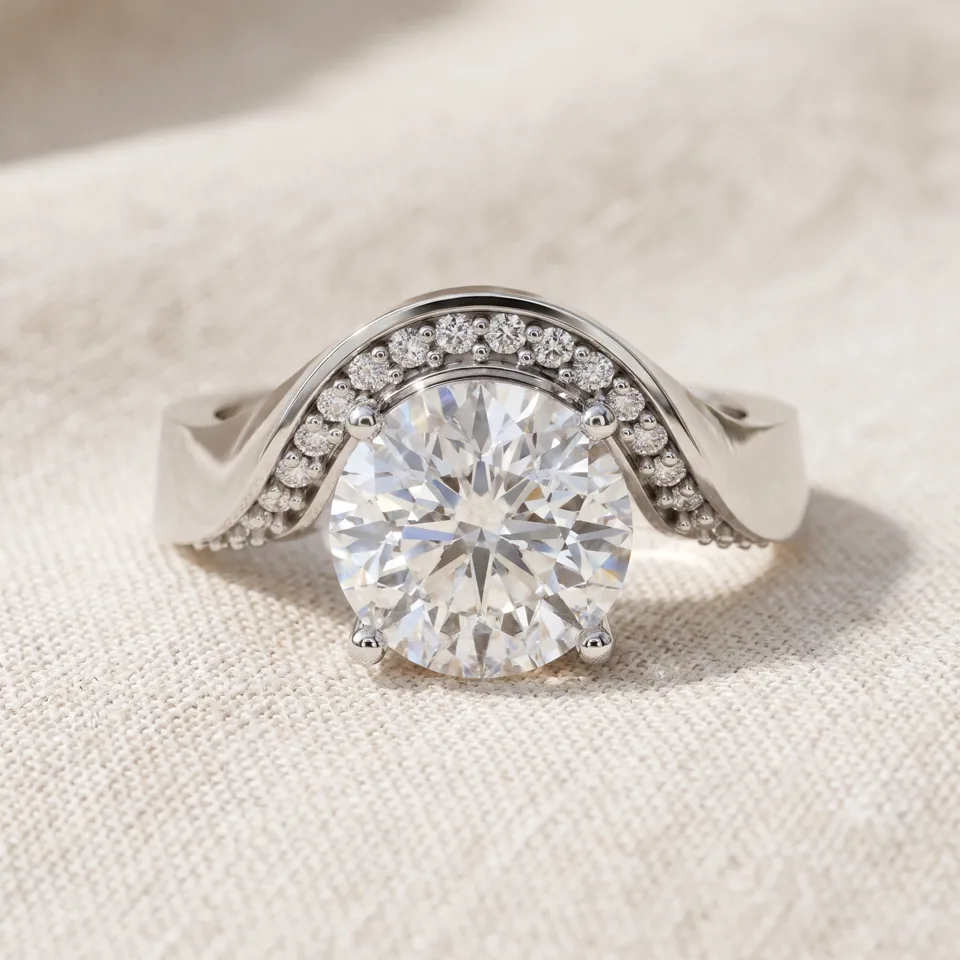 Bypass Solitaire Engagement Rings
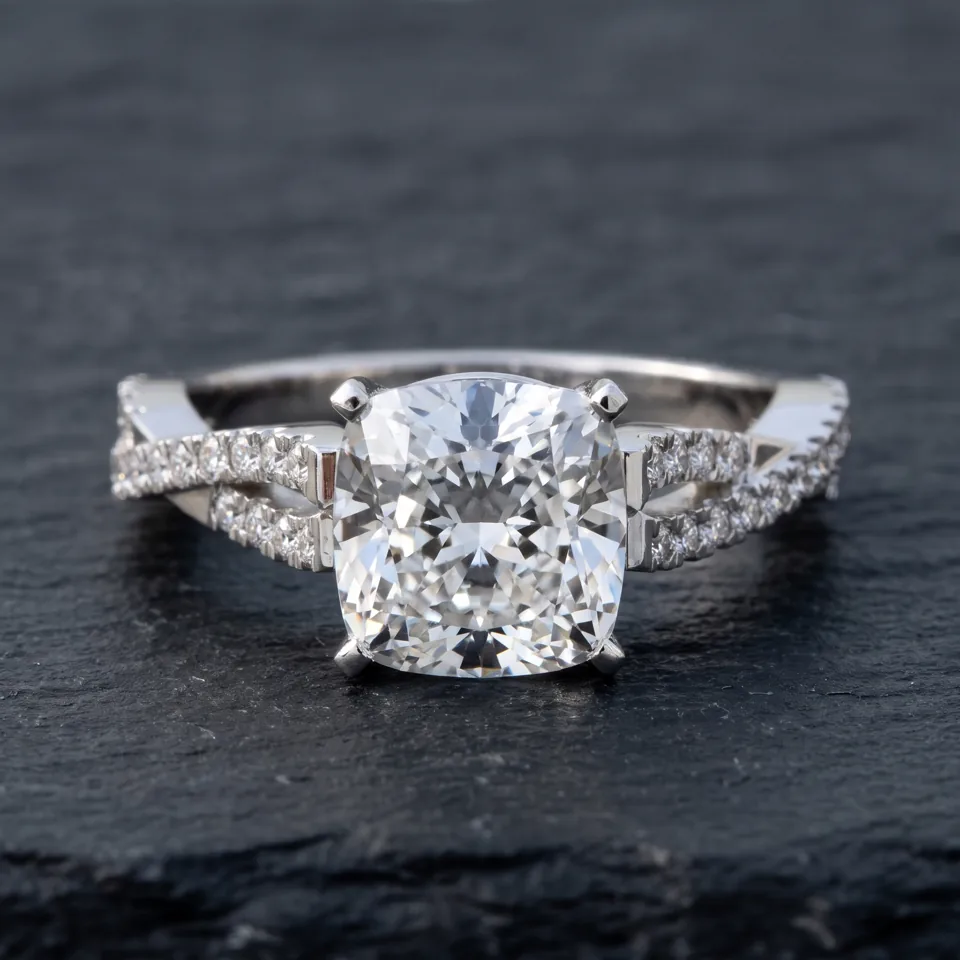 Solitaire Twisted Engagement Rings
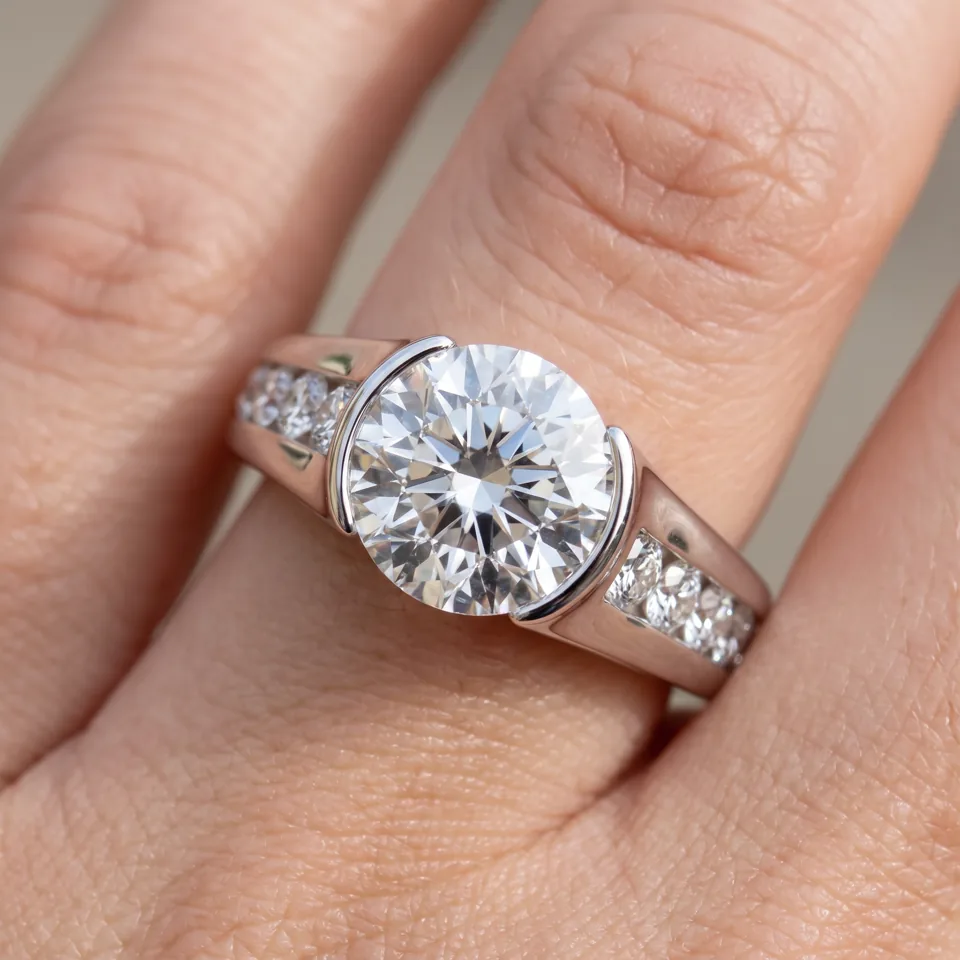 Channel Set Solitaire Engagement Rings
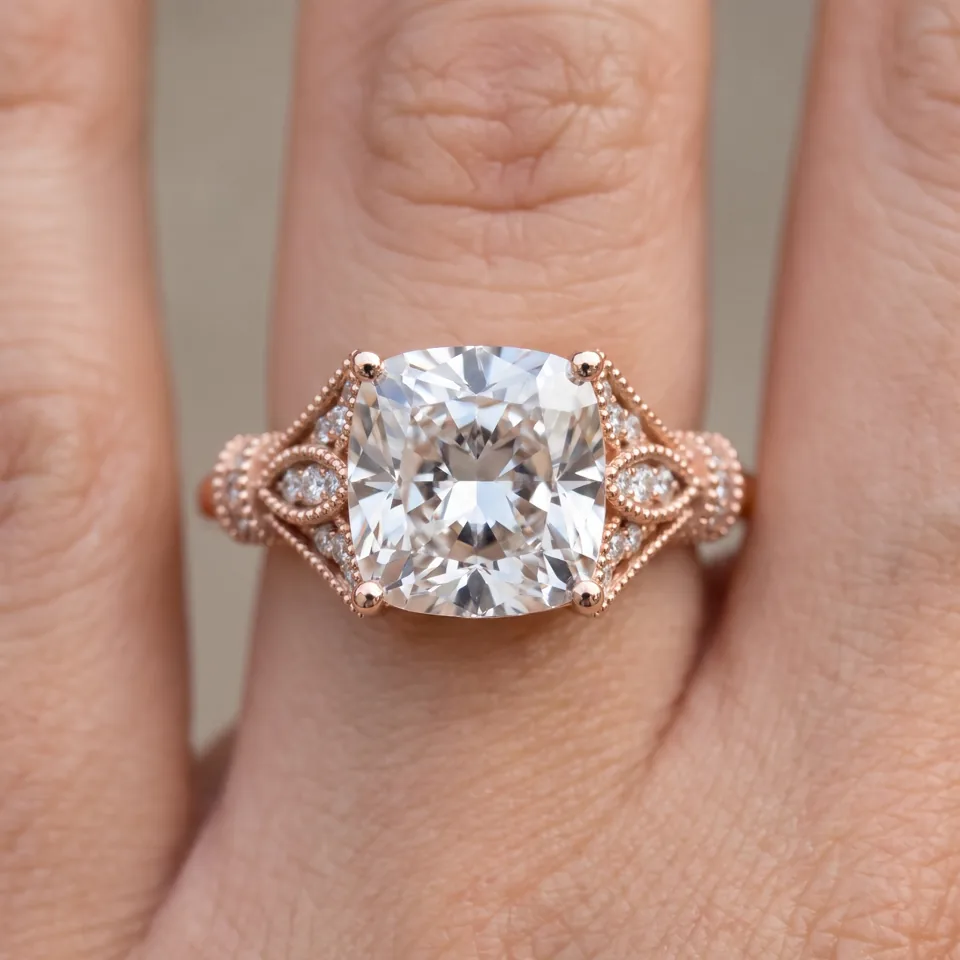 Filigree Solitaire Engagement Rings
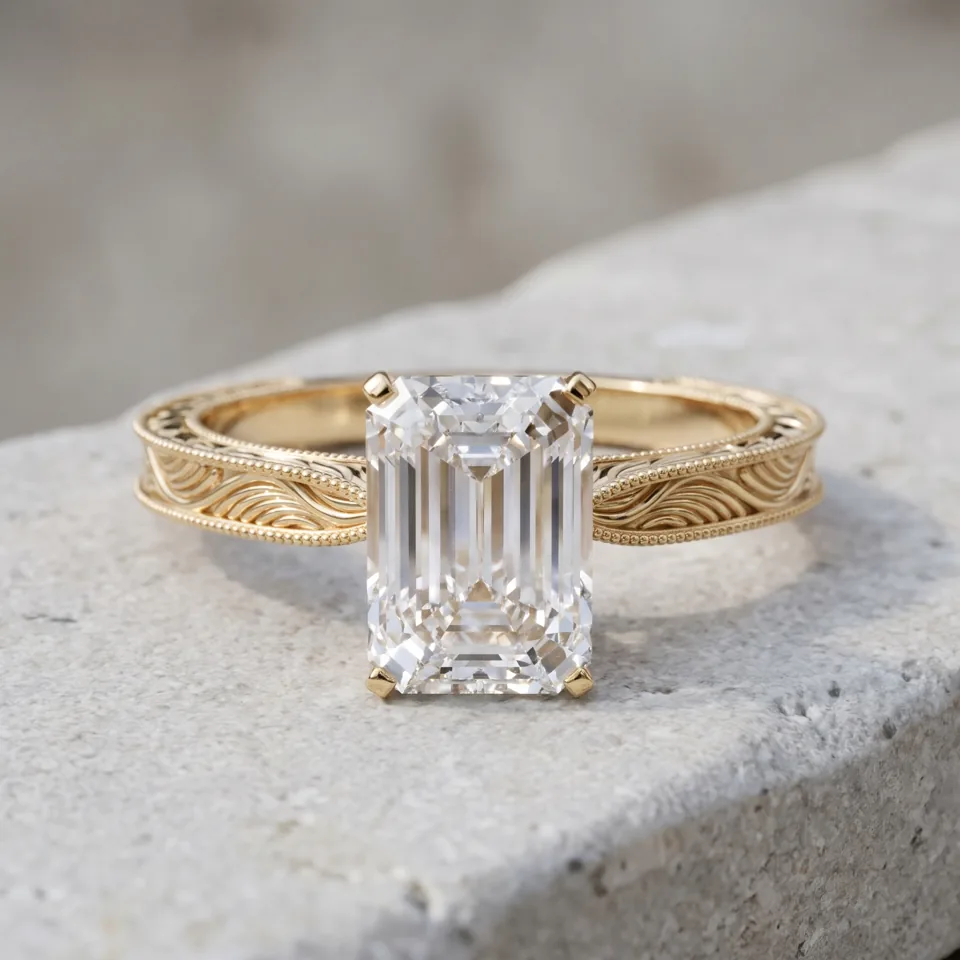 Engraved Solitaire Engagement Rings
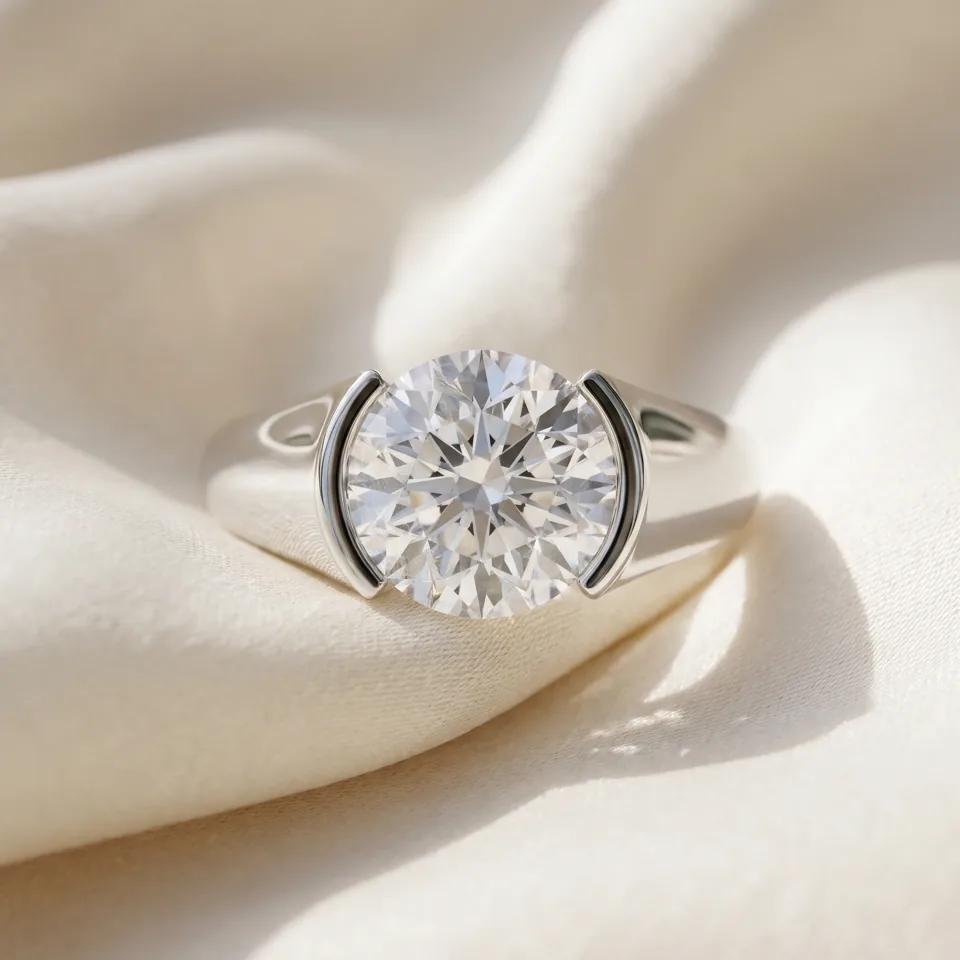 Solitaire Tension Rings