Complimentary insured shipping, both waysEngagement ring diamonds certified by IGI or GIAGrown by light. Conflict-free by natureComplimentary insured shipping, both ways
Engagement RingsWedding BandsEarrings

NecklaceBraceletsAbout
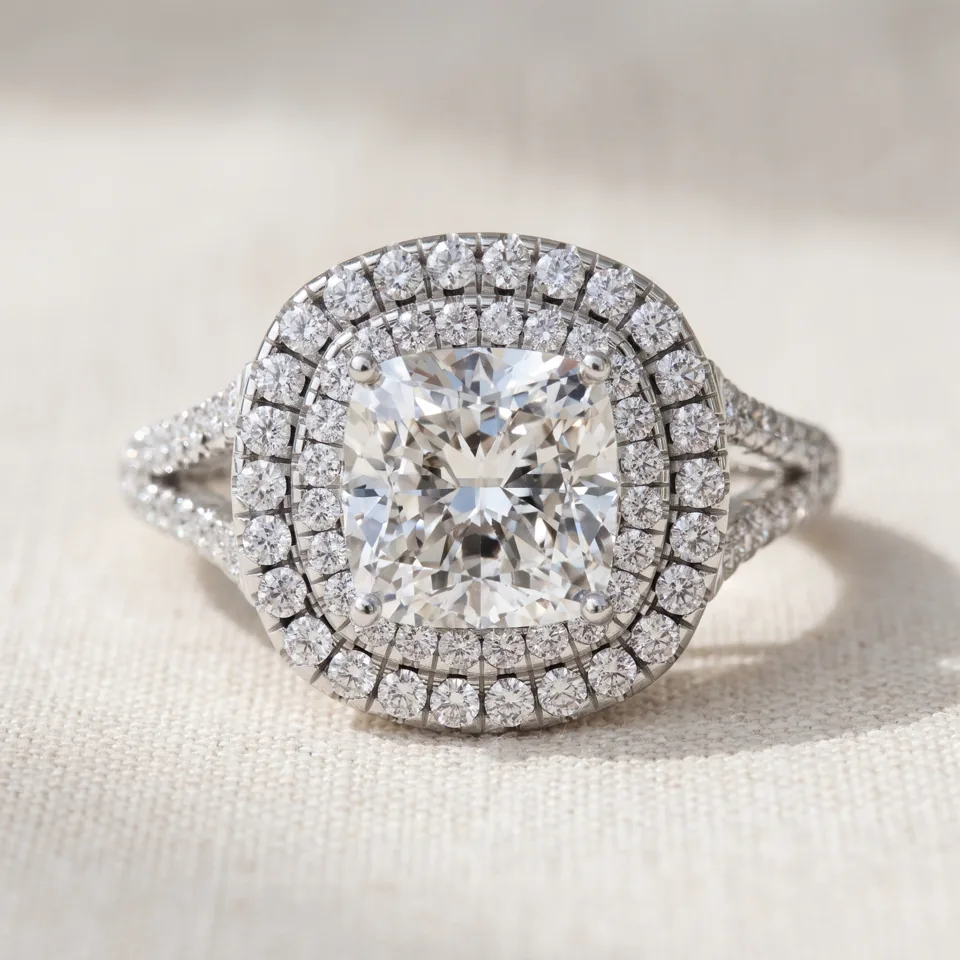
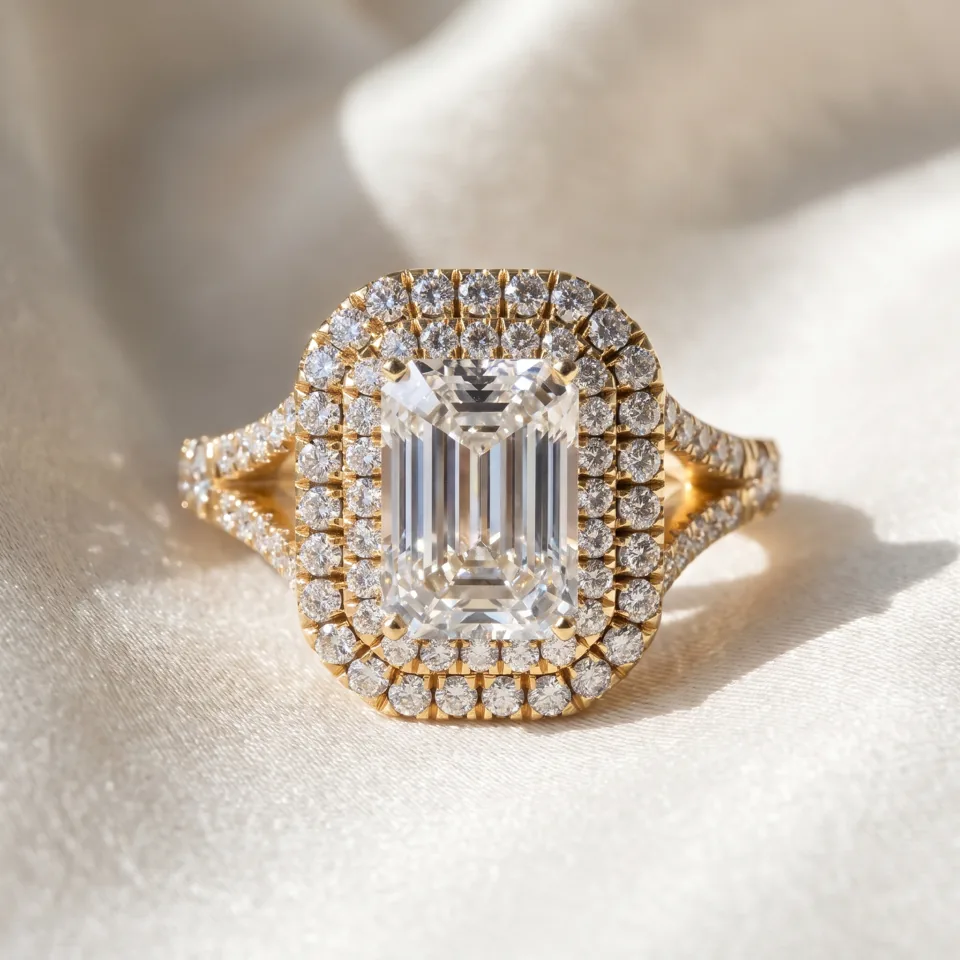
An engagement ring with a double halo frames your center in two rings of small stones, so the middle looks larger and brighter. You pick the outline of the center here, from ten shapes with Asscher among them, and choose the diamond itself in the next step.
Then settle the metal and the band. Most of these settings split the shank into two pave rows below the halos.
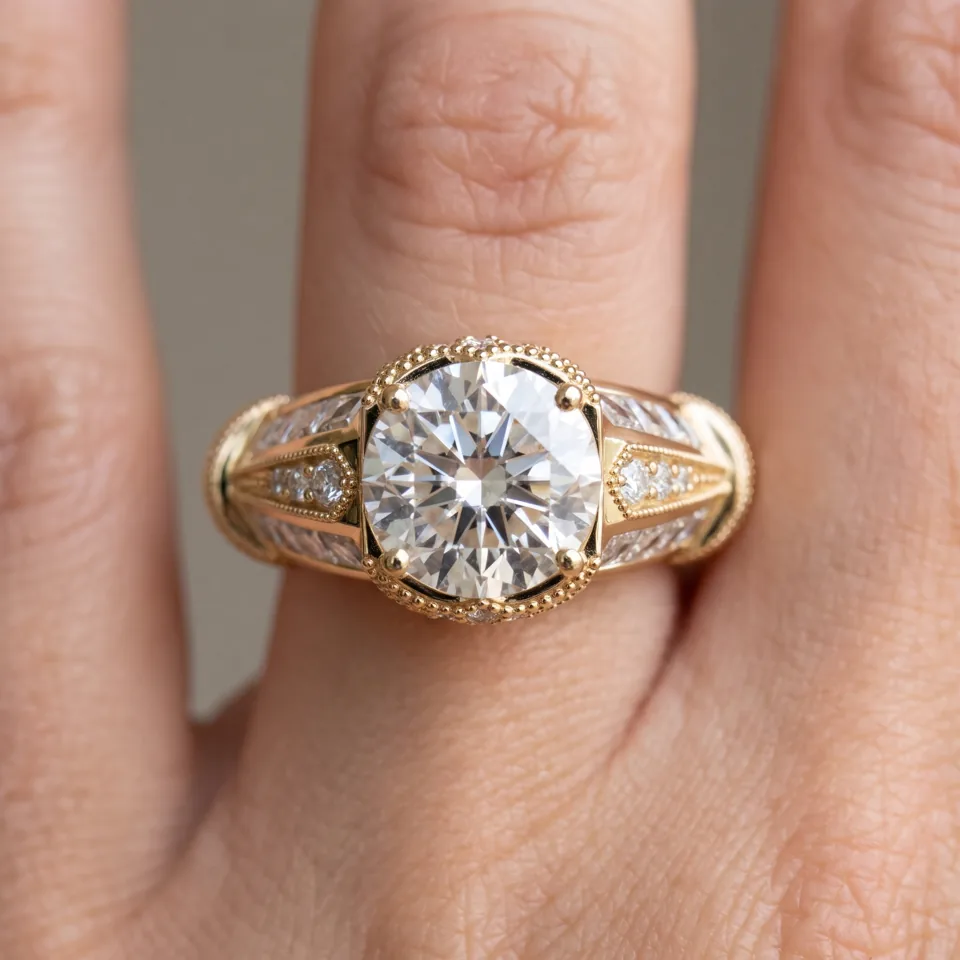 Vintage Engagement Rings
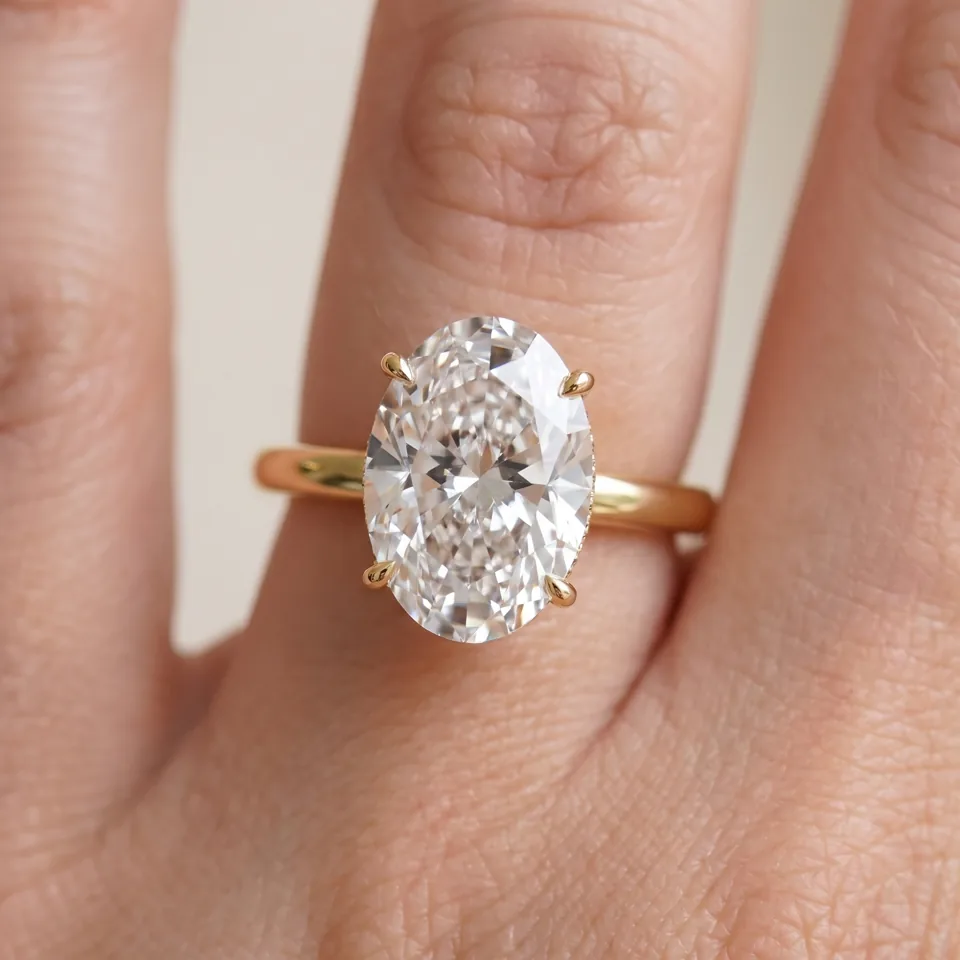 Solitaire Engagement Rings
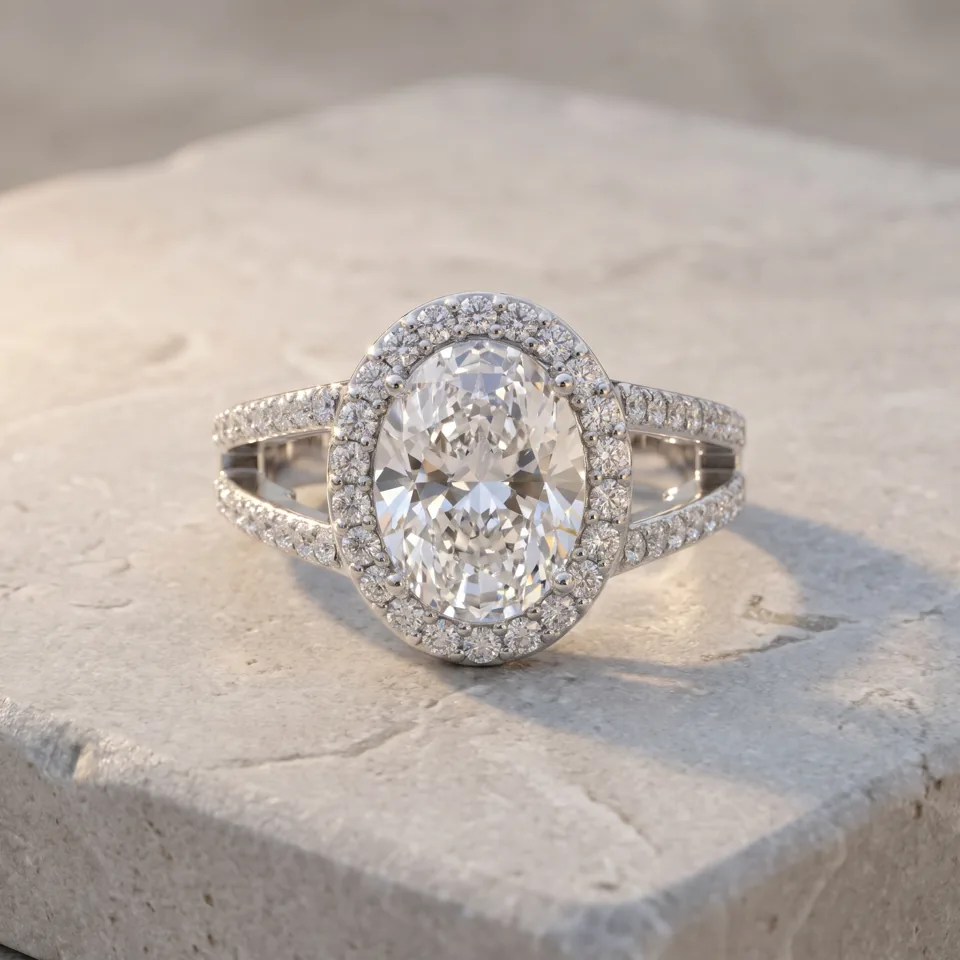 Halo Engagement Rings
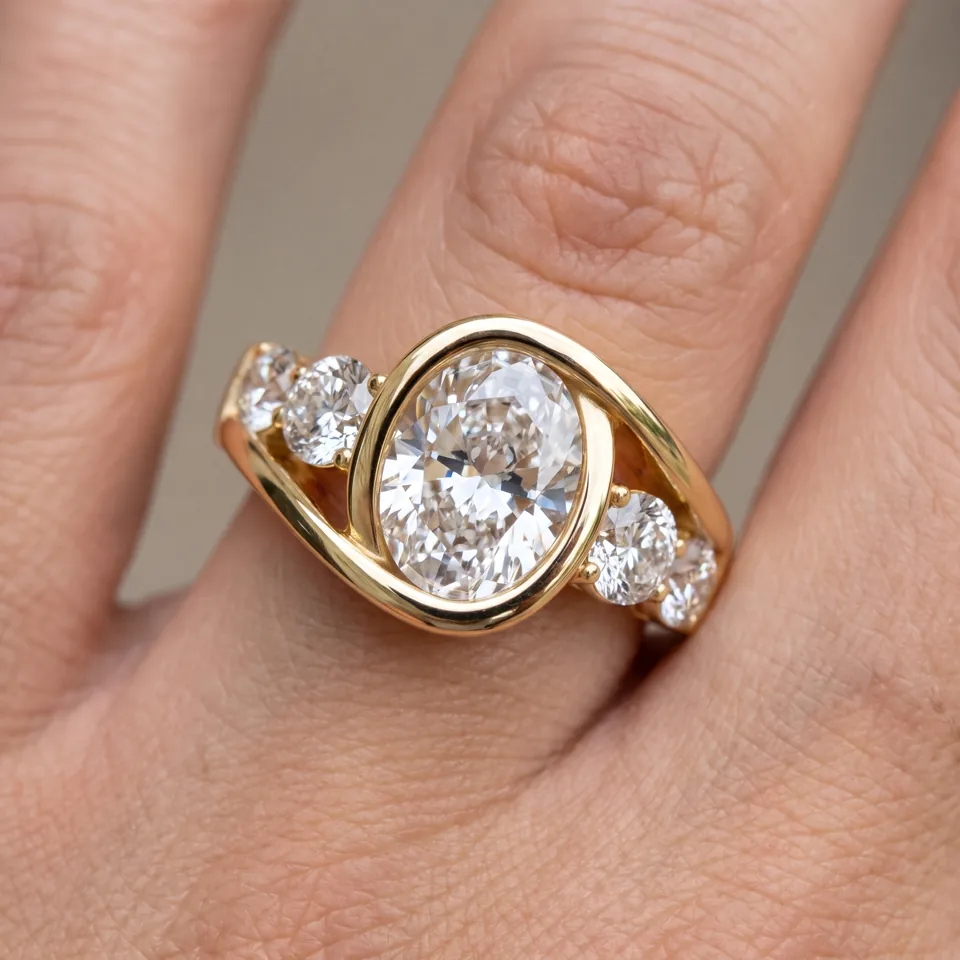 Bezel Engagement Rings
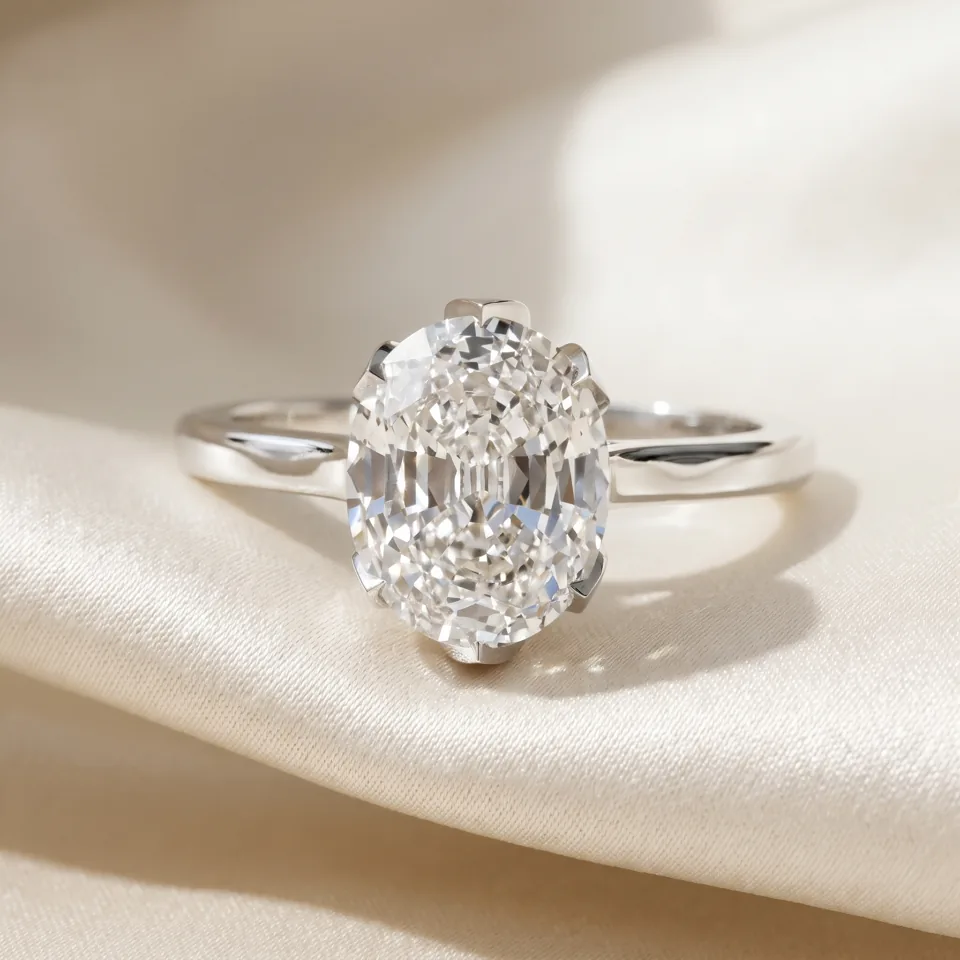 Floral Engagement Rings
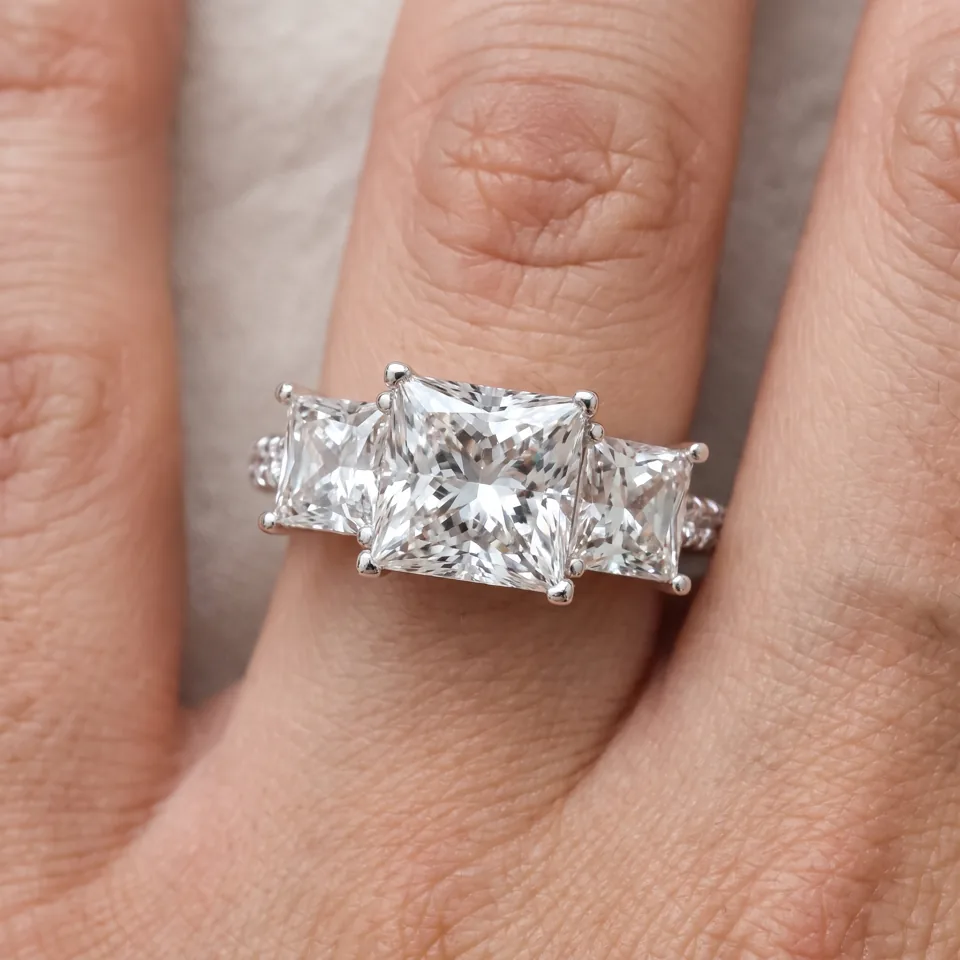 Three Stone Engagement Rings
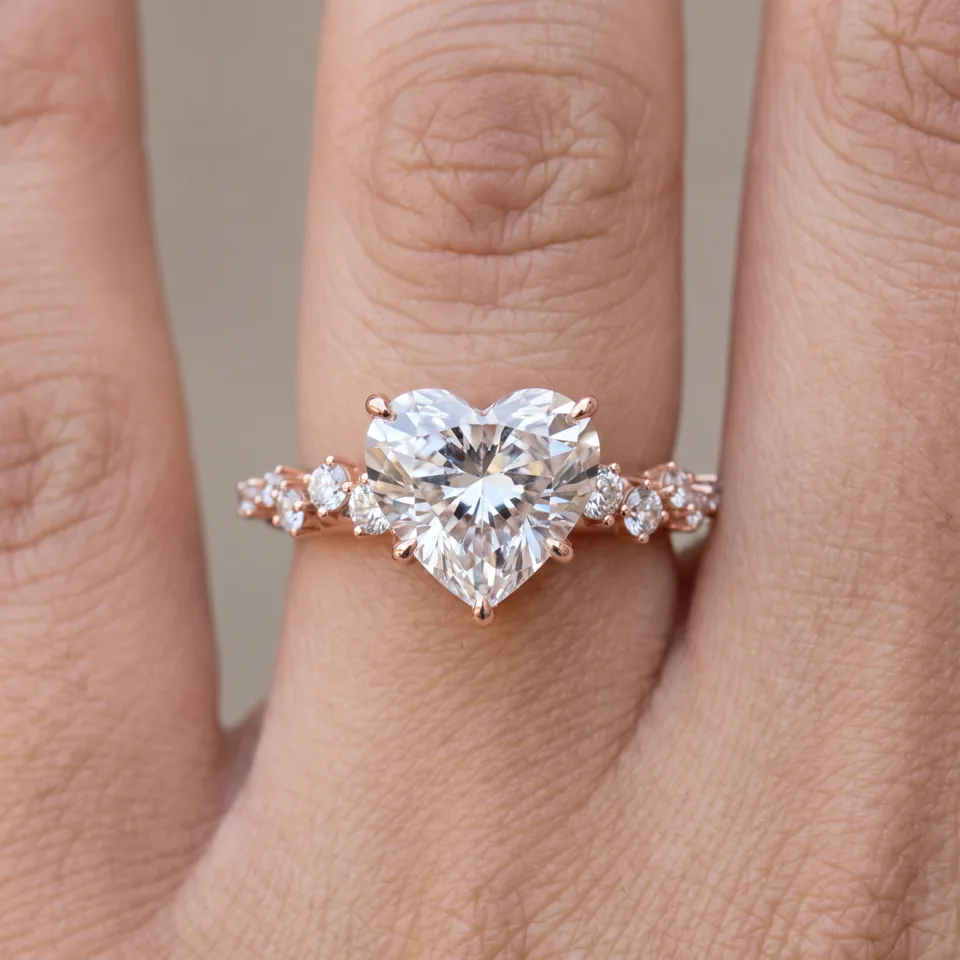 Cluster Side Stone Engagement Rings
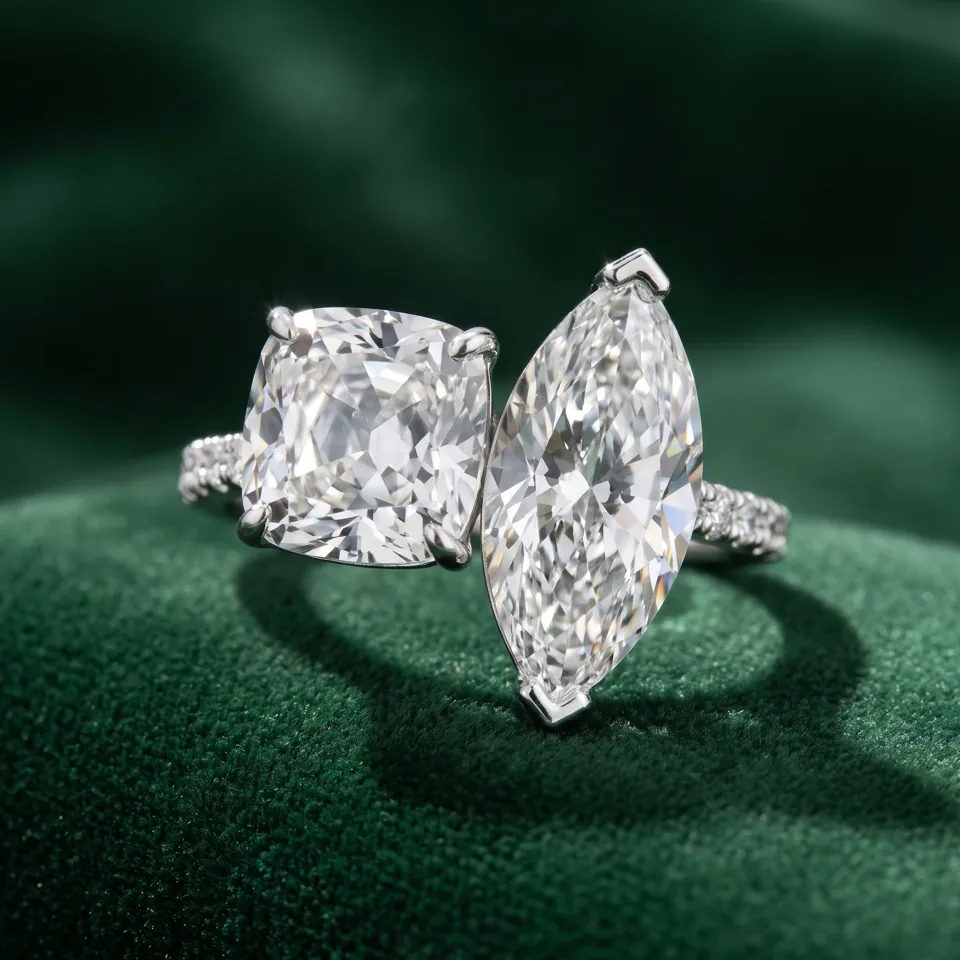 Toi et Moi Two Stone Engagement Rings
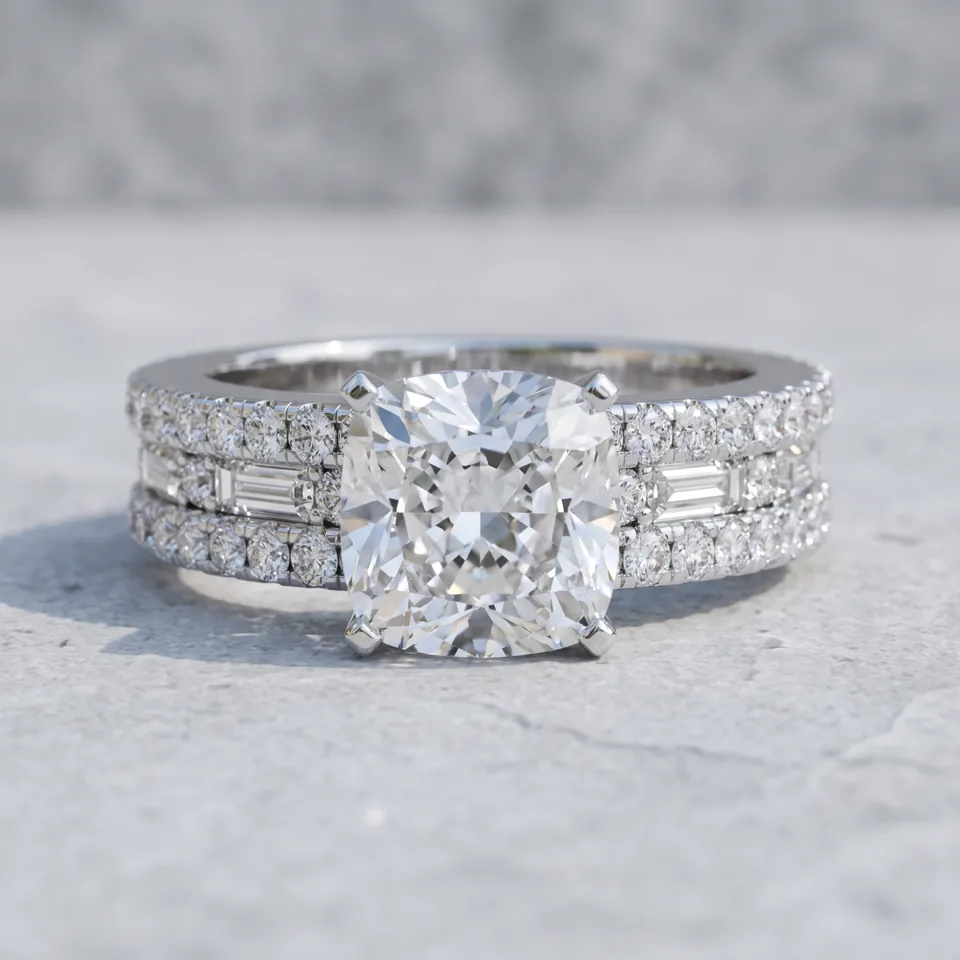 Engagement Rings with Baguette Side Stones
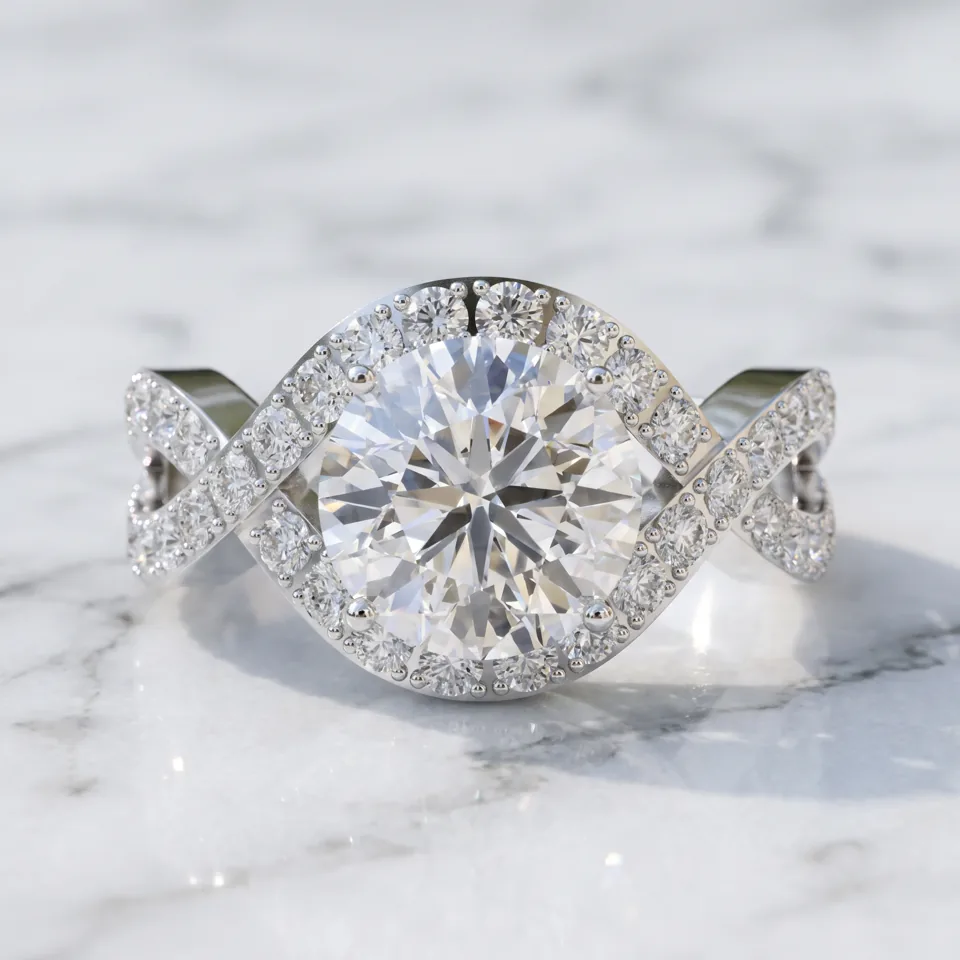 Infinity Rings
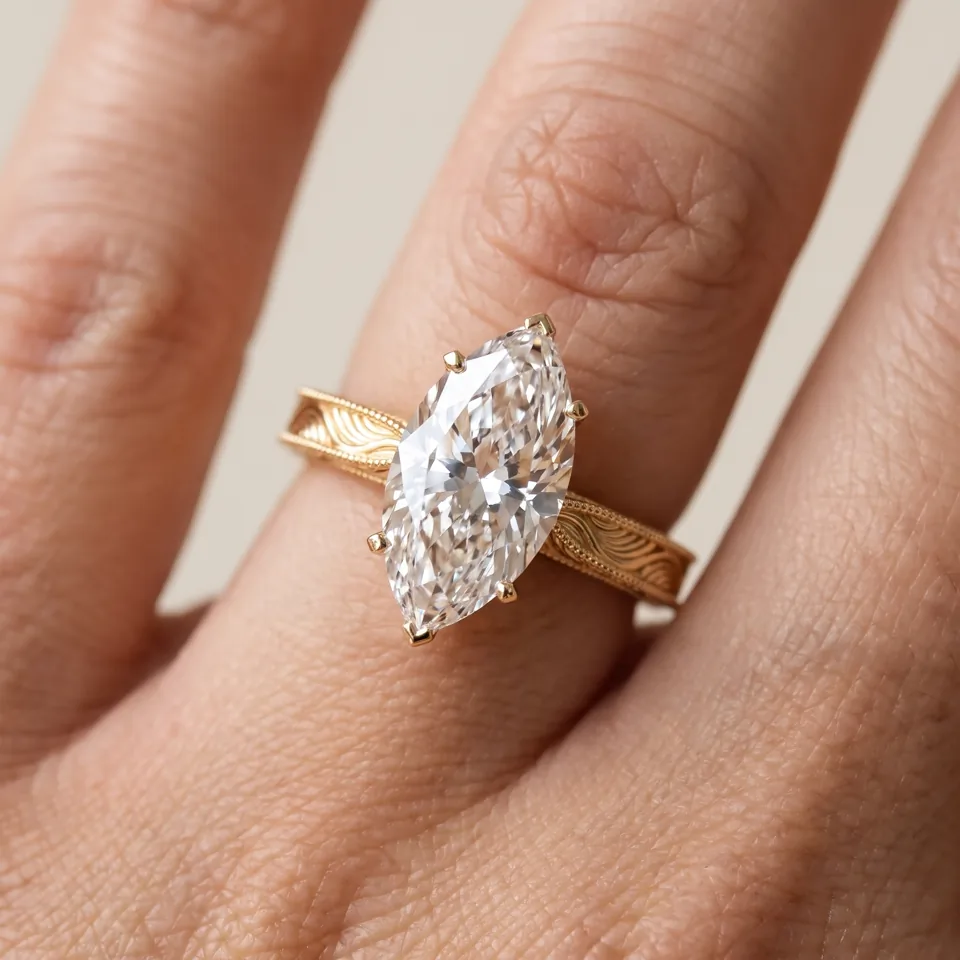 Engraved Rings
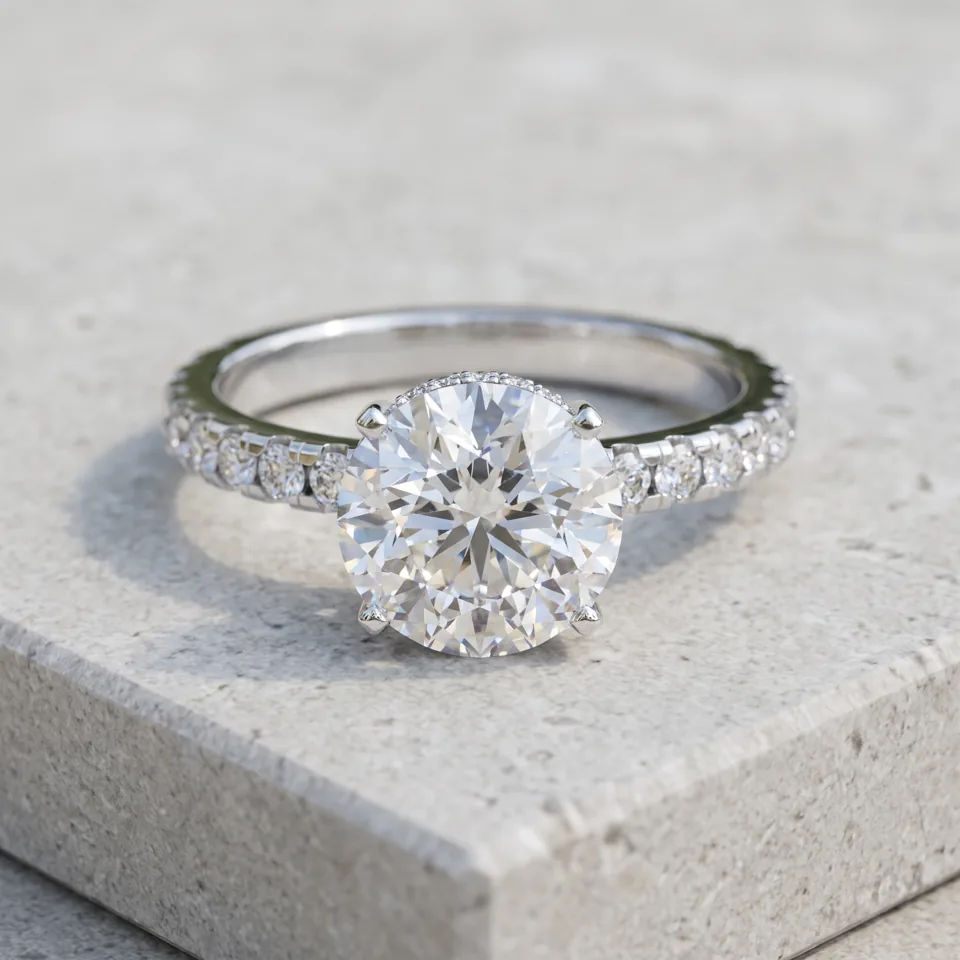 Pave Engagement Rings
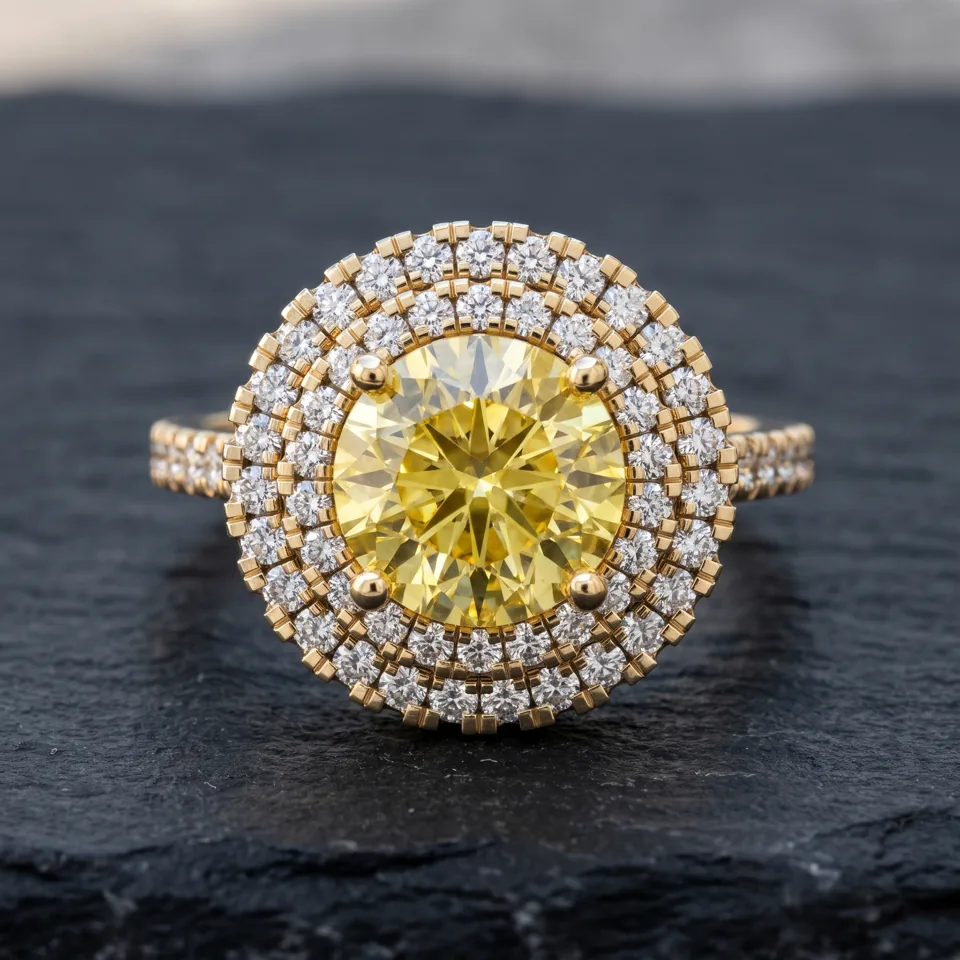 Yellow Diamond Double Halo Engagement Rings
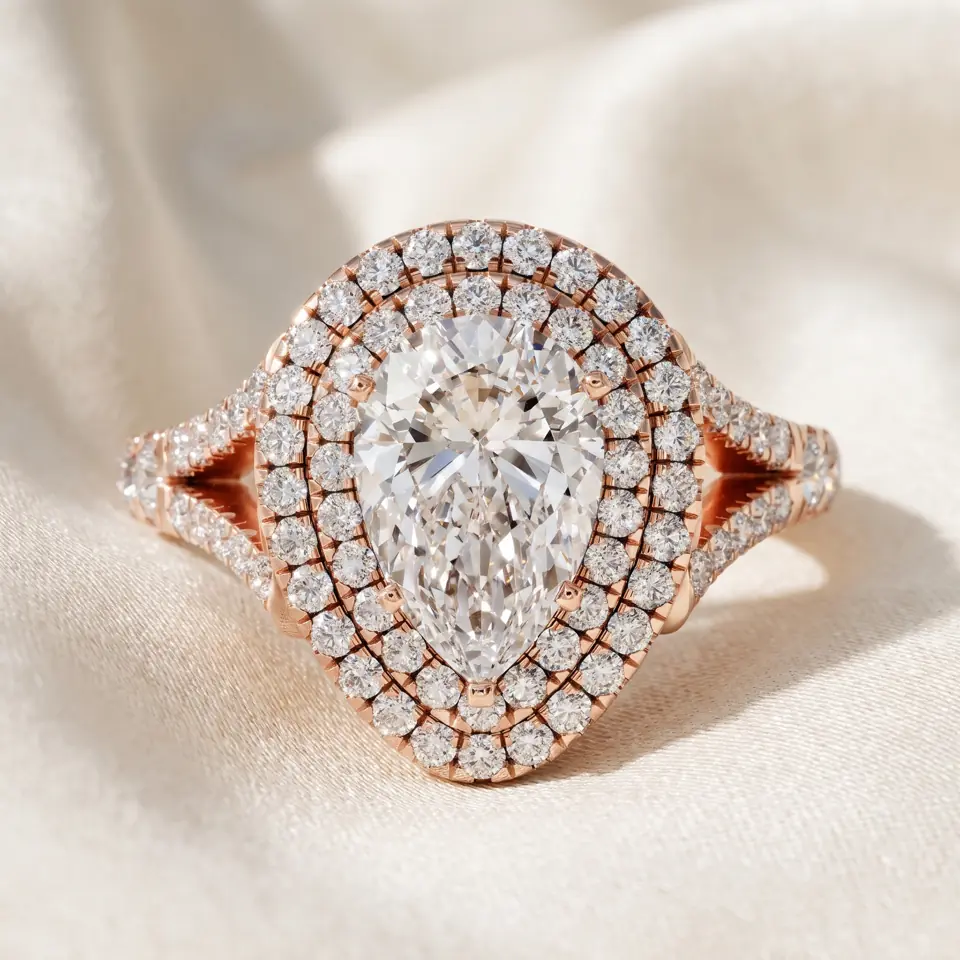 Rose Gold Double Halo Engagement Rings
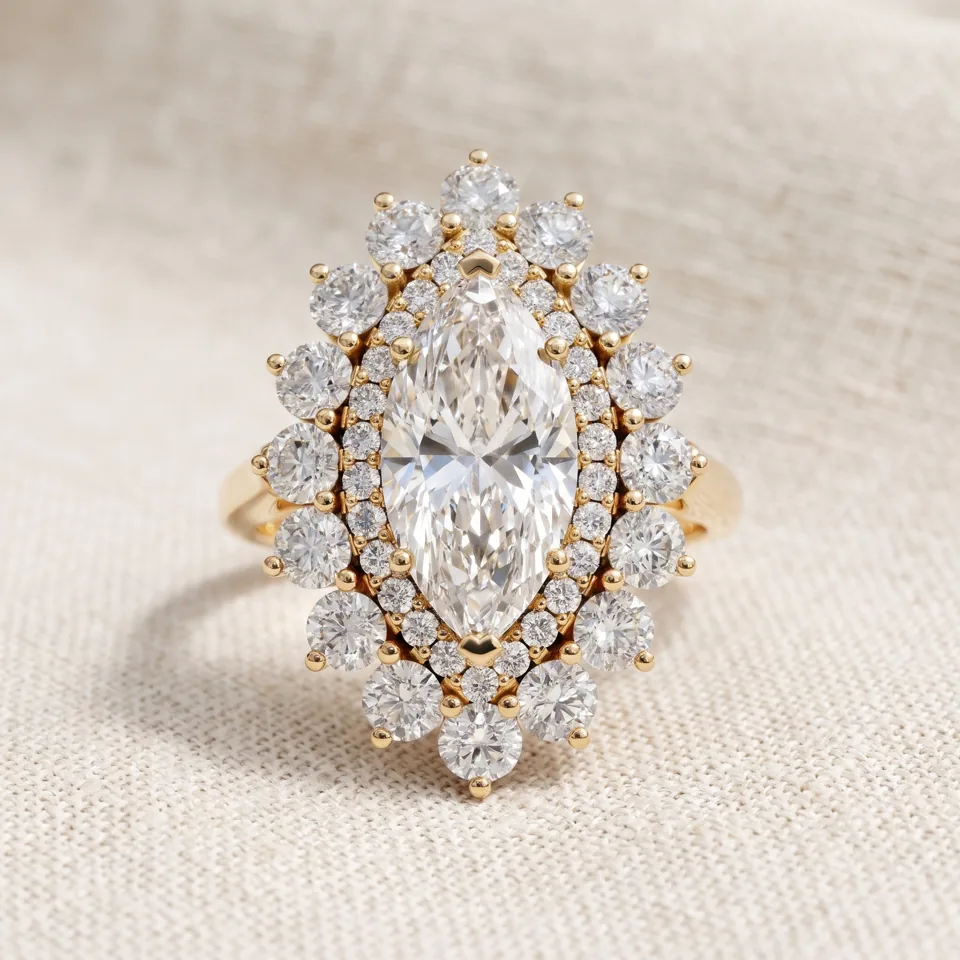 Yellow Gold Double Halo Engagement Rings
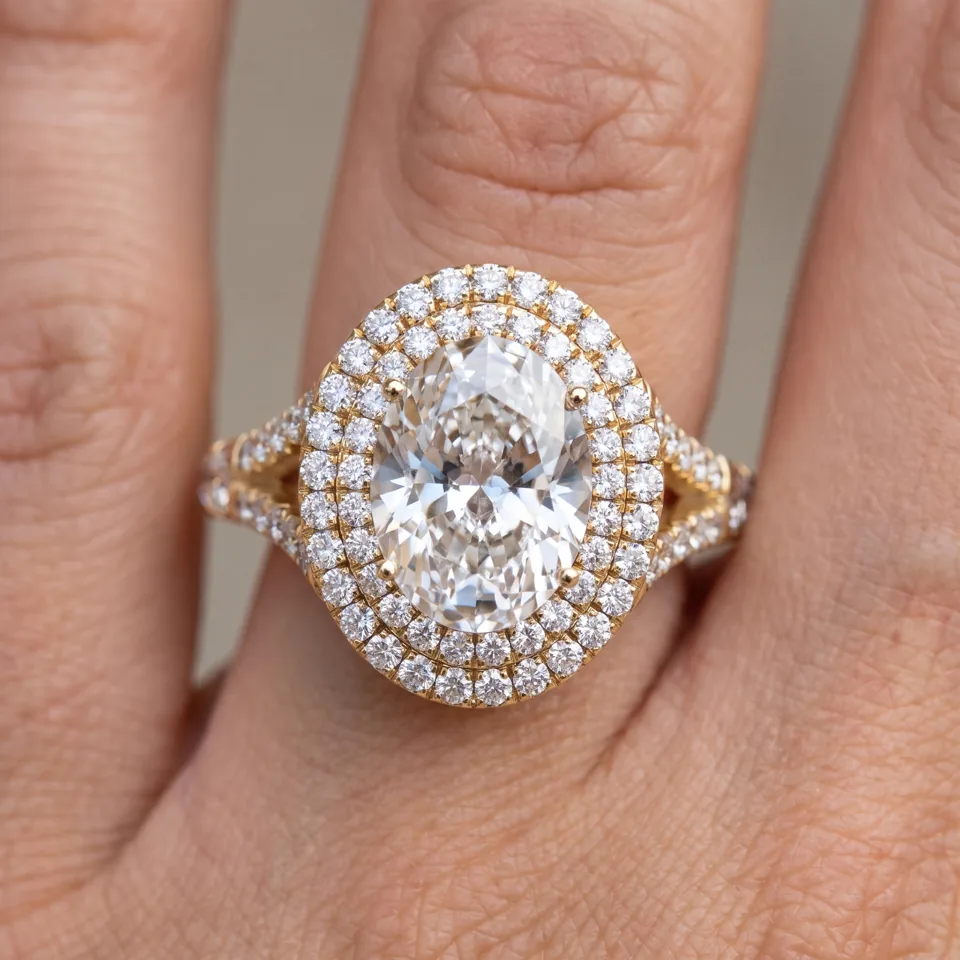 Double Halo Split Shank Engagement Rings
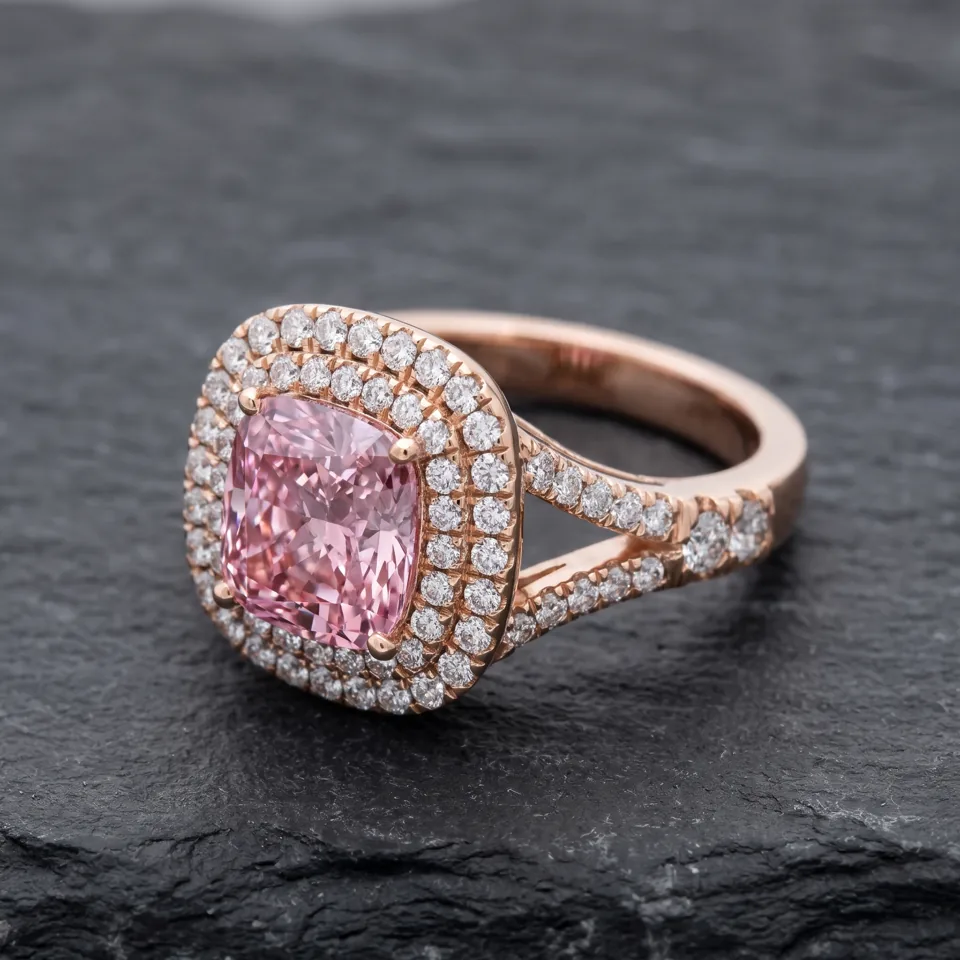 Double Halo Pink Diamond Rings
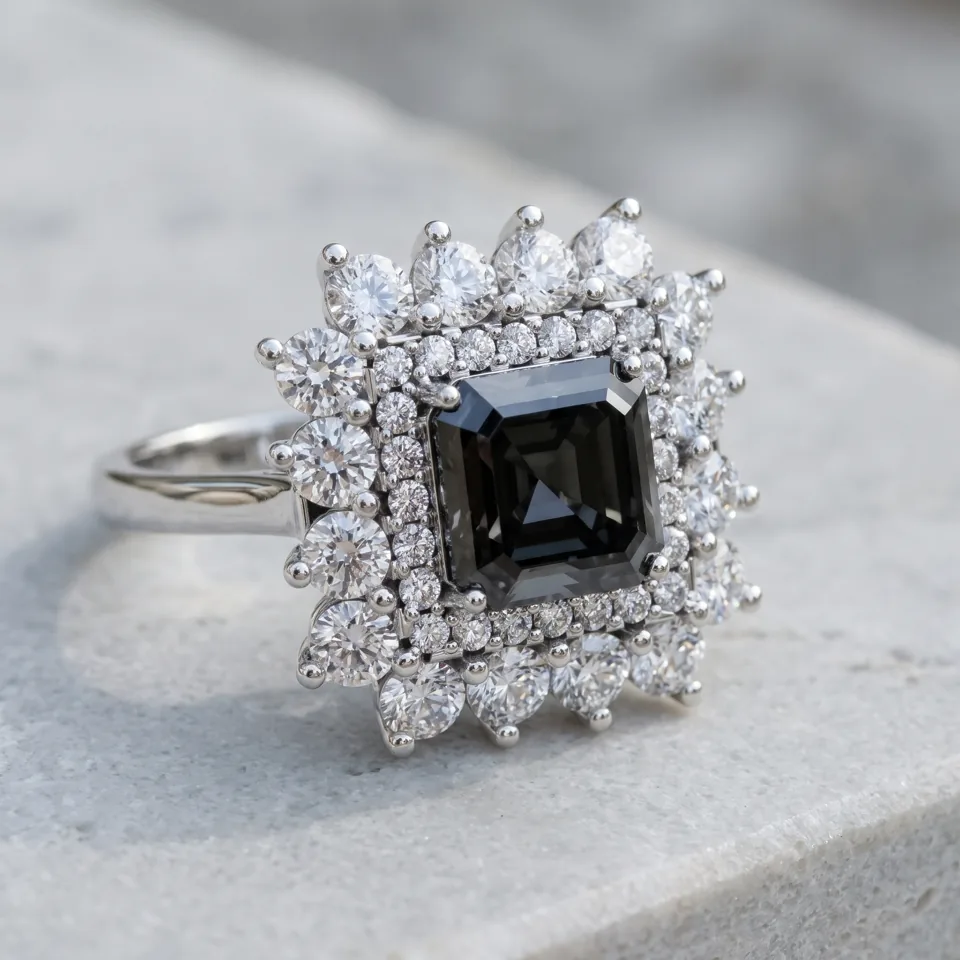 Black Diamond Double Halo Rings
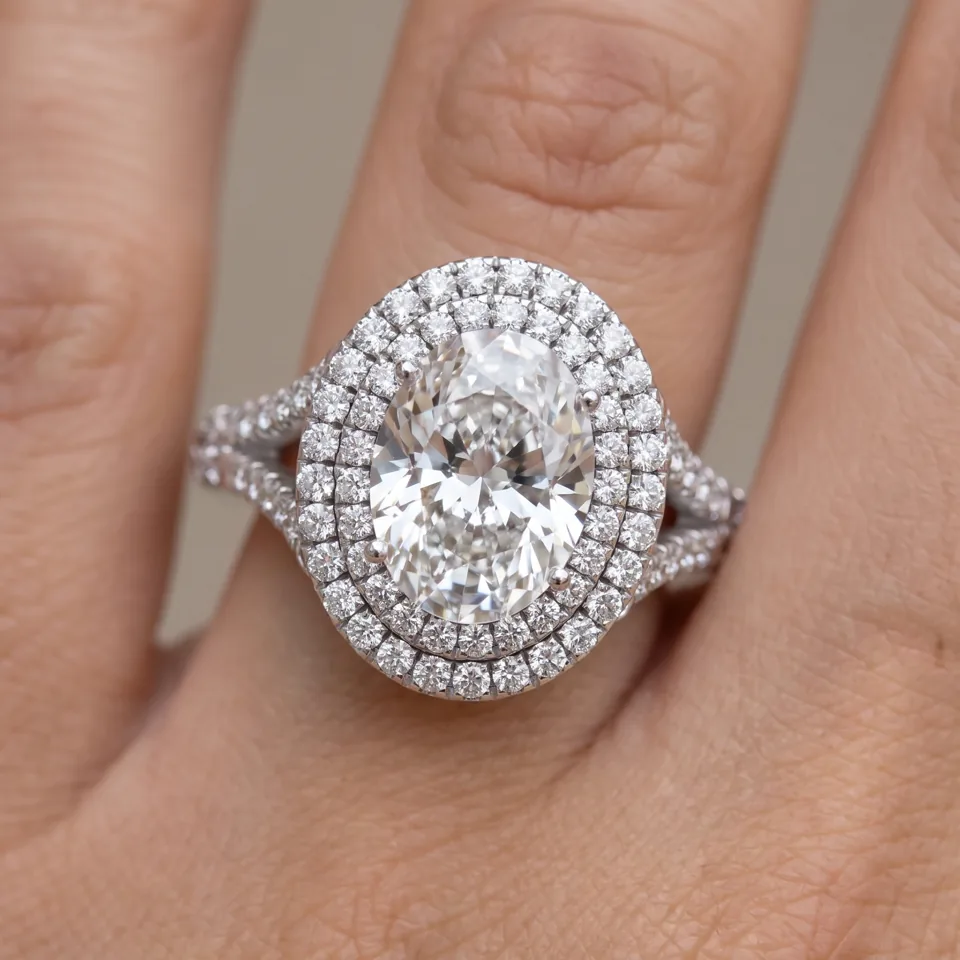 White Gold Double Halo Engagement Rings
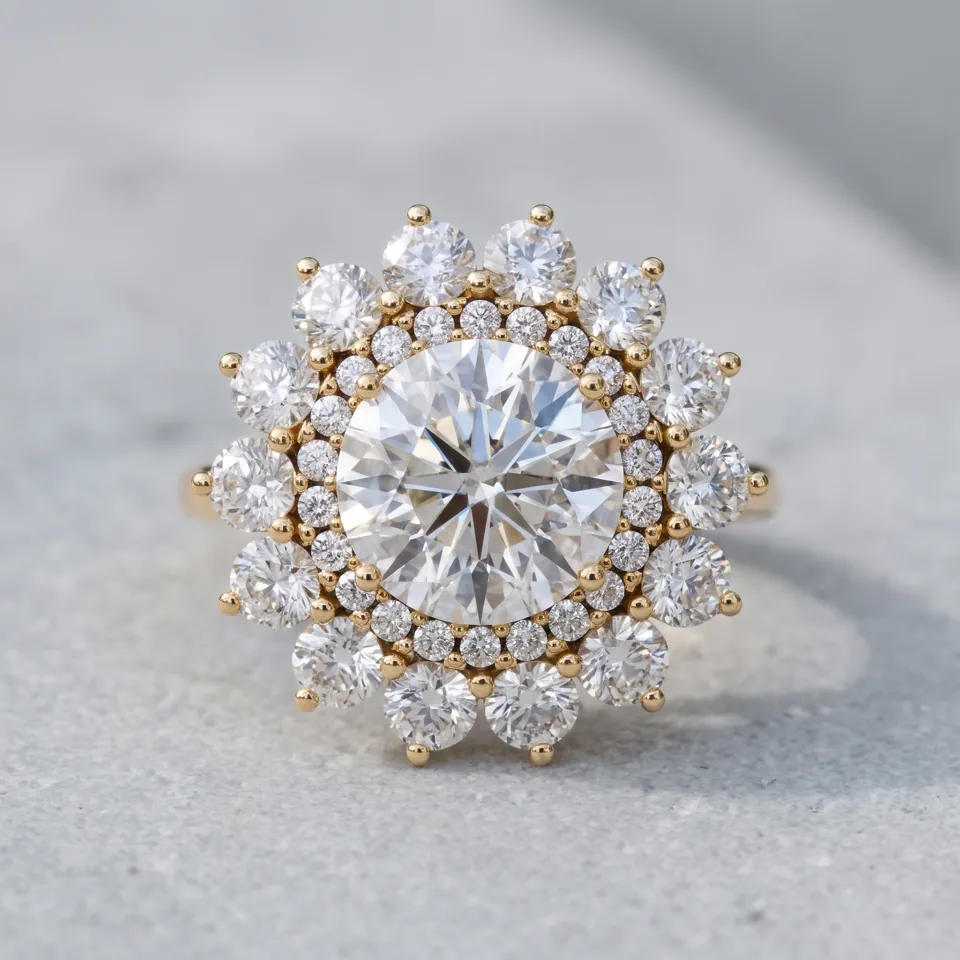 Gold Double Halo Rings
 Platinum Double Halo Engagement Rings
 Double Halo Pave Engagement Rings
Two concentric frames of laboratory-grown diamond accents surround the center. With two of them, the face of the ring spreads well beyond the center stone and covers more of the finger, so a modest center reads bigger. The head also sits wider, which matters if you work with your hands or wear gloves often: the outer halo can catch on fabric.
On most designs the shank forks into two strands just under the halos. That balances the wide head and adds more lab-grown diamond accents along the finger. Strand width varies from narrow to wide pave. One design adds a scalloped inner halo, another opens up the gallery under the center, and a floral version surrounds the stone with petal accents on a plain band.
Round fits every setting, and nearly all also take princess, oval, cushion, emerald, radiant, marquise, pear and heart, with Asscher on most. The two frames trace whatever shape sits inside them, so a pear ends up wrapped in teardrops. Most designs also accept fancy pink, yellow, blue or green centers; black works on a few.
Gold versions come in three colors, yellow, rose and white, at 10K, 14K or 18K. Platinum and Silvadium, a tarnish-resistant sterling silver, are the other two metals. Platinum is dense and keeps its grip on small pave stones over years of wear. Silver costs least, but it is softer than gold and shows scratches sooner.
We make your setting in 10–15 days, and your center diamond comes with an IGI or GIA report. You get free insured shipping both ways, returns within 30 days if the ring is unworn with its certificate, and one free resize within 60 days of delivery.
A double halo engagement ring has two rings of small diamonds around the center stone. The inner halo hugs the center and the outer one frames it again, so the ring's top looks wider and brighter. On these settings the halos hold lab-grown diamond accents, and most designs add a pave split shank below them.
It is if you want the most size and sparkle from a given center. Two halos make a smaller stone look bigger, so you can choose a lighter center and still get a wide, bright face. Prices for the setting begin under $400, typically close to $950–$1,000, and the center stone is added to the price once you select it. The tradeoff is more small stones to keep clean.
No, though taste is personal. A double halo is a bold, classic look, and it can be kept refined. If you worry it may seem busy, pick a slimmer split shank or the floral design on a plain band, and keep the center shape simple. A round or oval center with two neat halos looks clean and balanced.


