Complimentary insured shipping, both waysEngagement ring diamonds certified by IGI or GIAGrown by light. Conflict-free by natureComplimentary insured shipping, both ways
Engagement RingsWedding BandsEarrings

NecklaceBraceletsAbout
Lab-grown diamond studs are the pair most people reach for every morning, and every Whitemoon stud here is set with lab-grown stones. Wondering about value? Read are lab-grown diamonds worth it. Our guide to whether lab-grown diamonds are real diamonds explains what that means. Choose a single stone, a halo, or a cluster that mixes several shapes.
Then decide on total carat weight and metal. Round studs lead the range, with oval, pear and marquise options when you want a different outline.
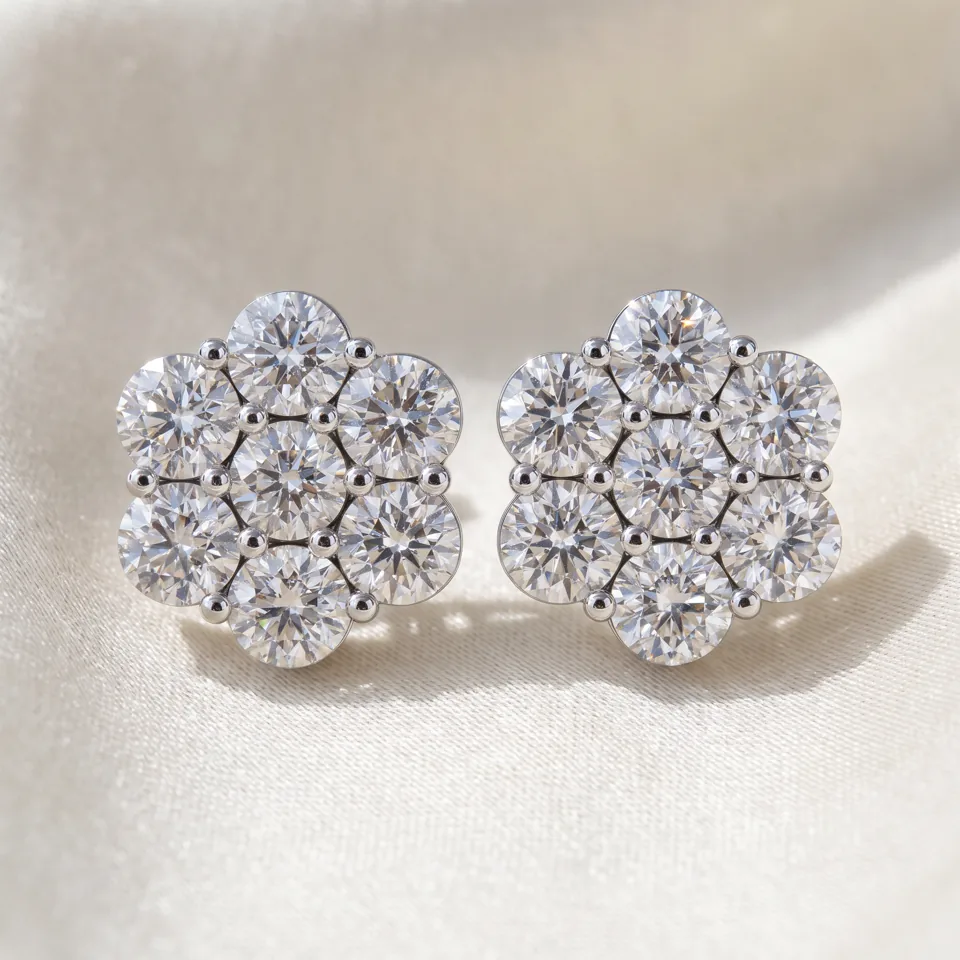 Lab-Grown Diamond Floral Stud Earrings
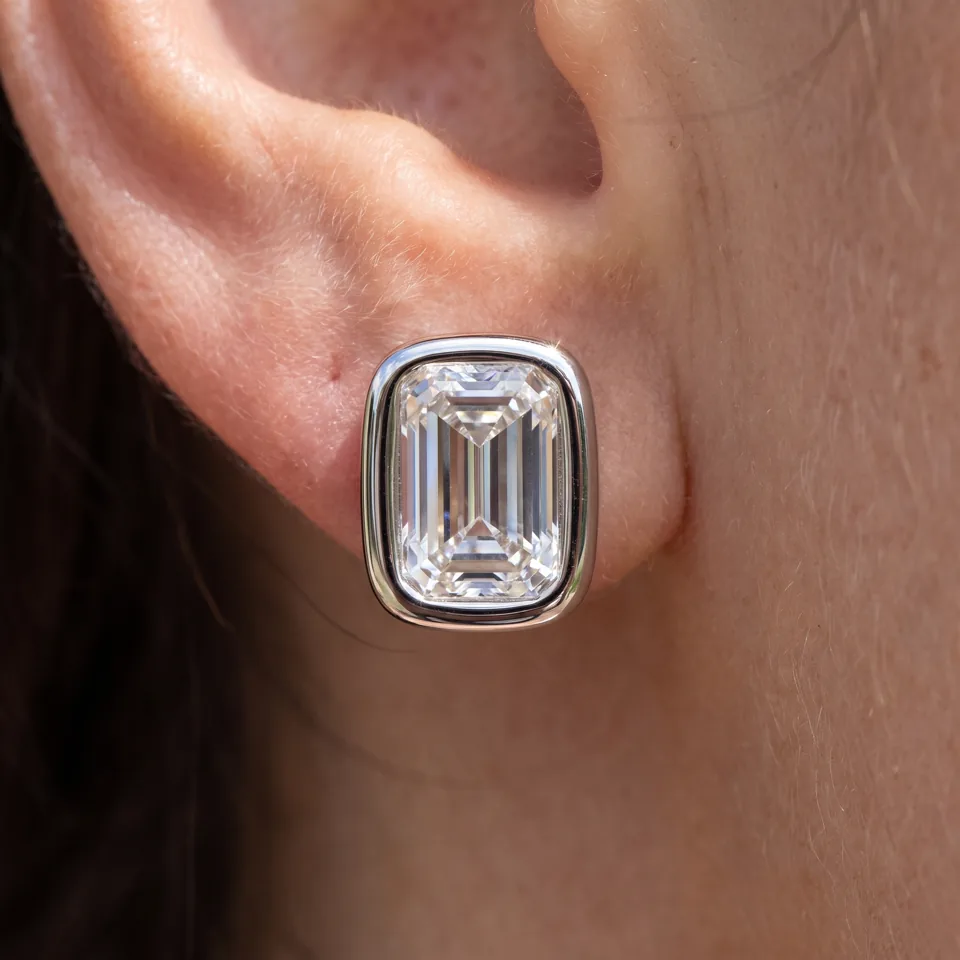 Lab-Grown Diamond Solitaire Stud Earrings
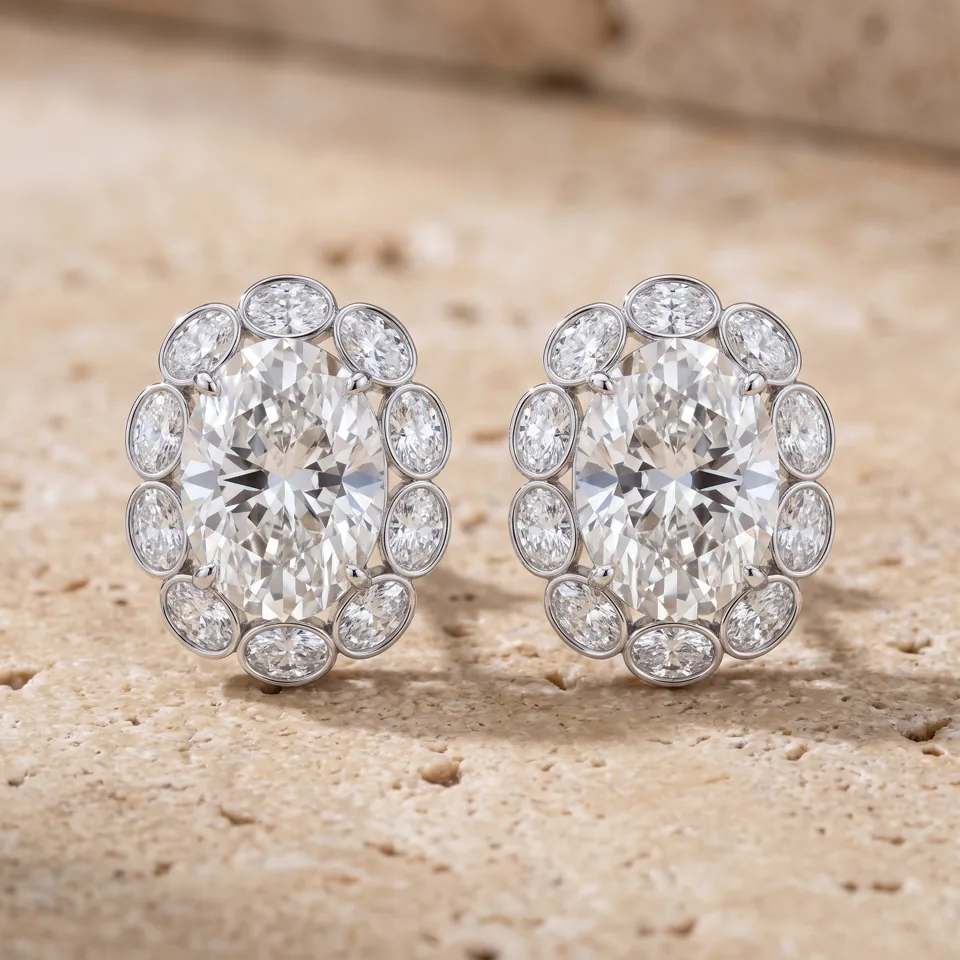 Lab-Grown Diamond Halo Stud Earrings
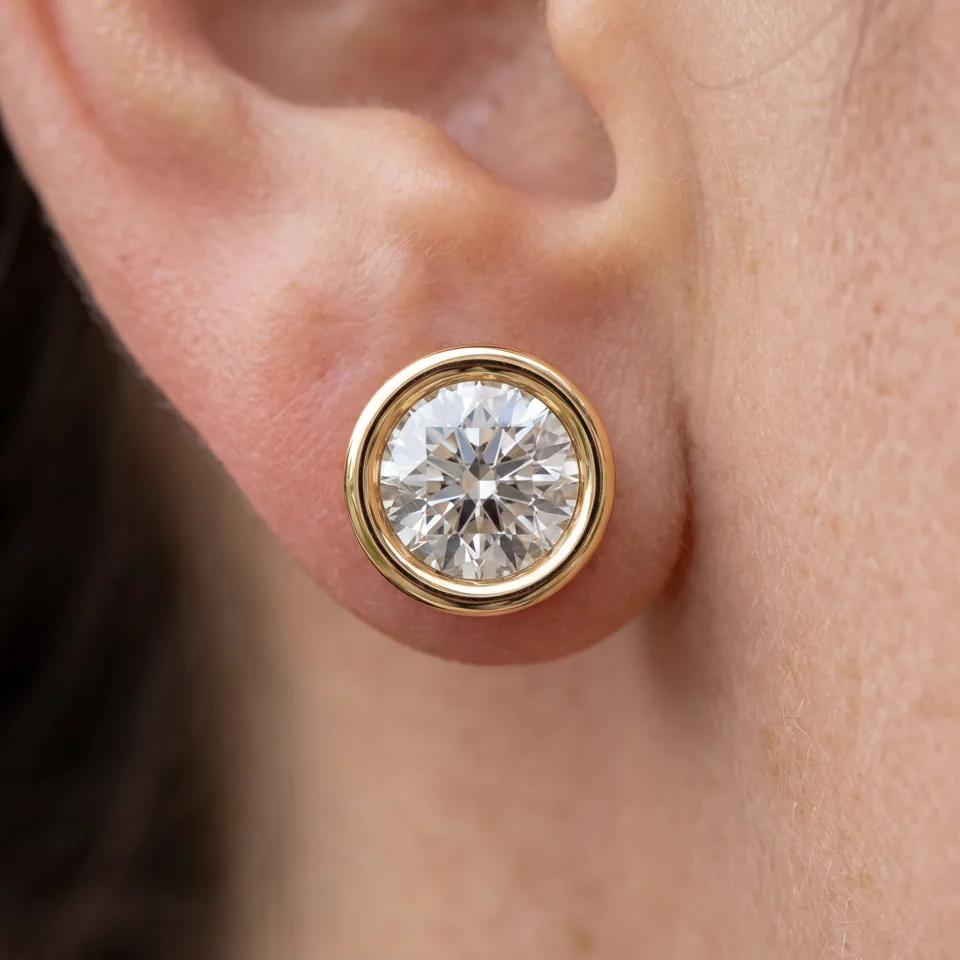 Lab-Grown Diamond Bezel Stud Earrings
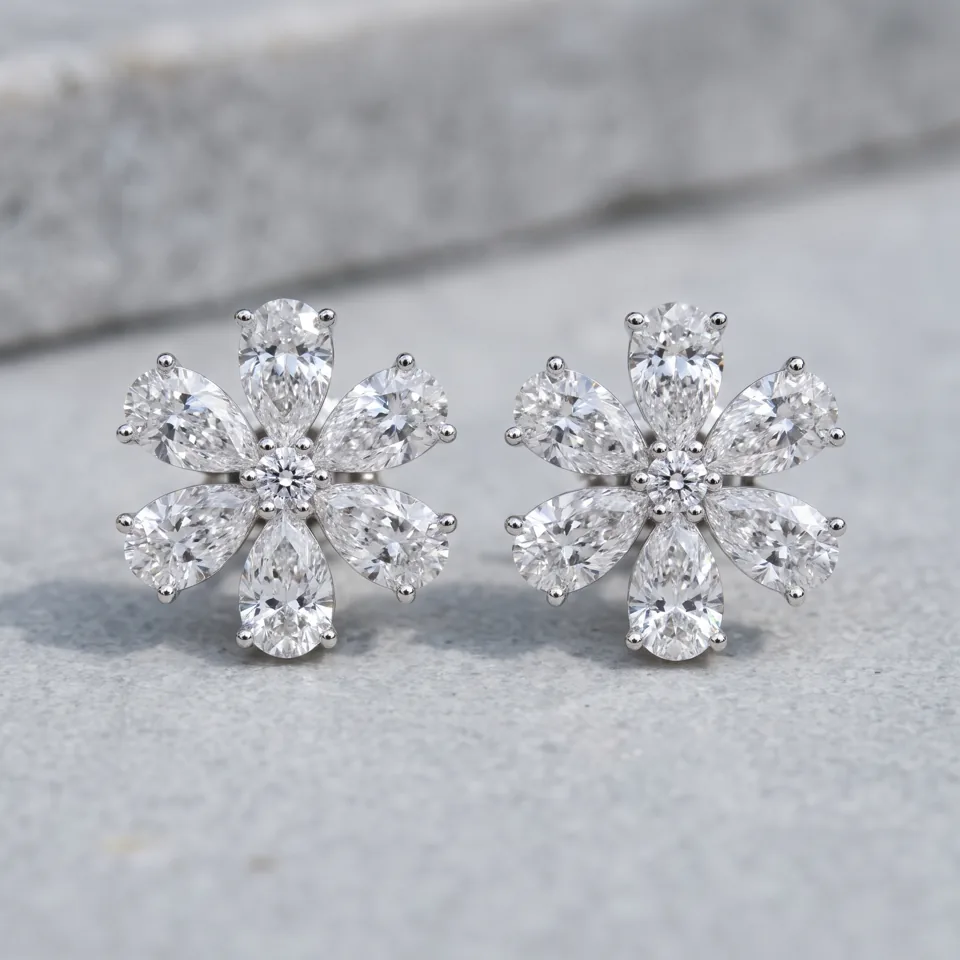 Lab-Grown Diamond Cluster Stud Earrings
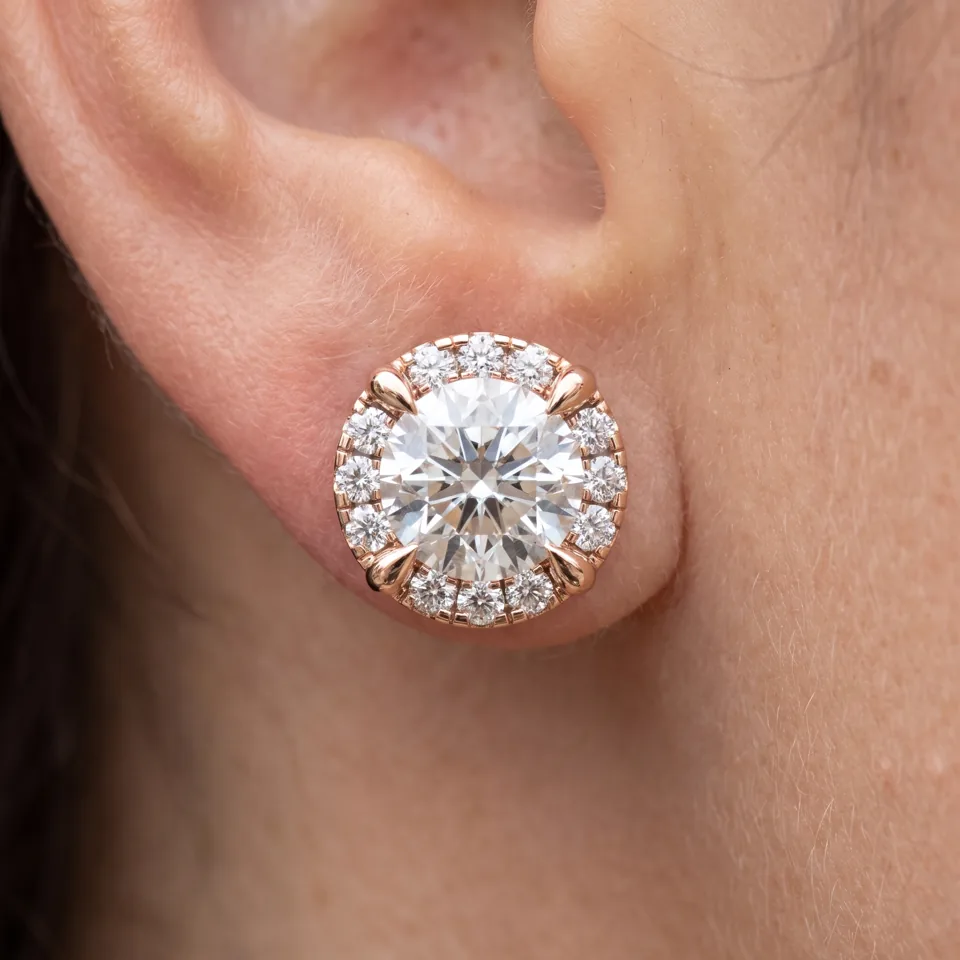 Lab-Grown Diamond Pave Stud Earrings
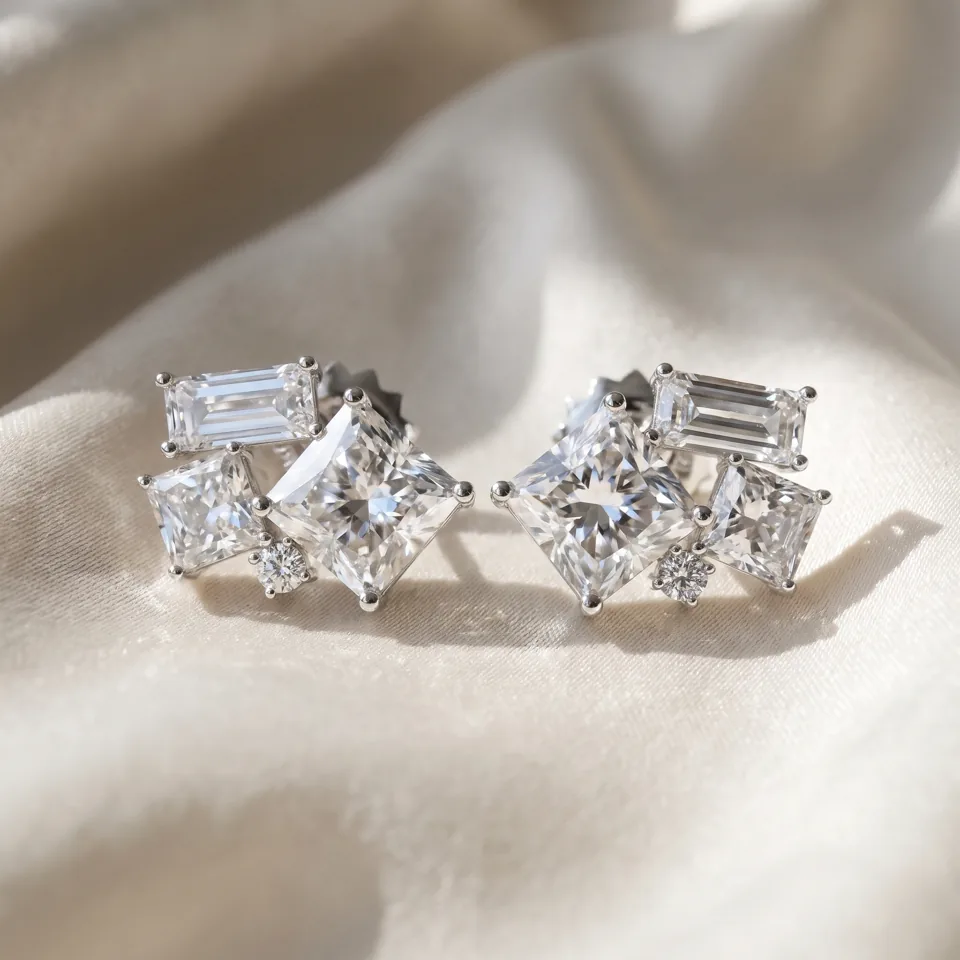 Baguette Lab-Grown Diamond Stud Earrings
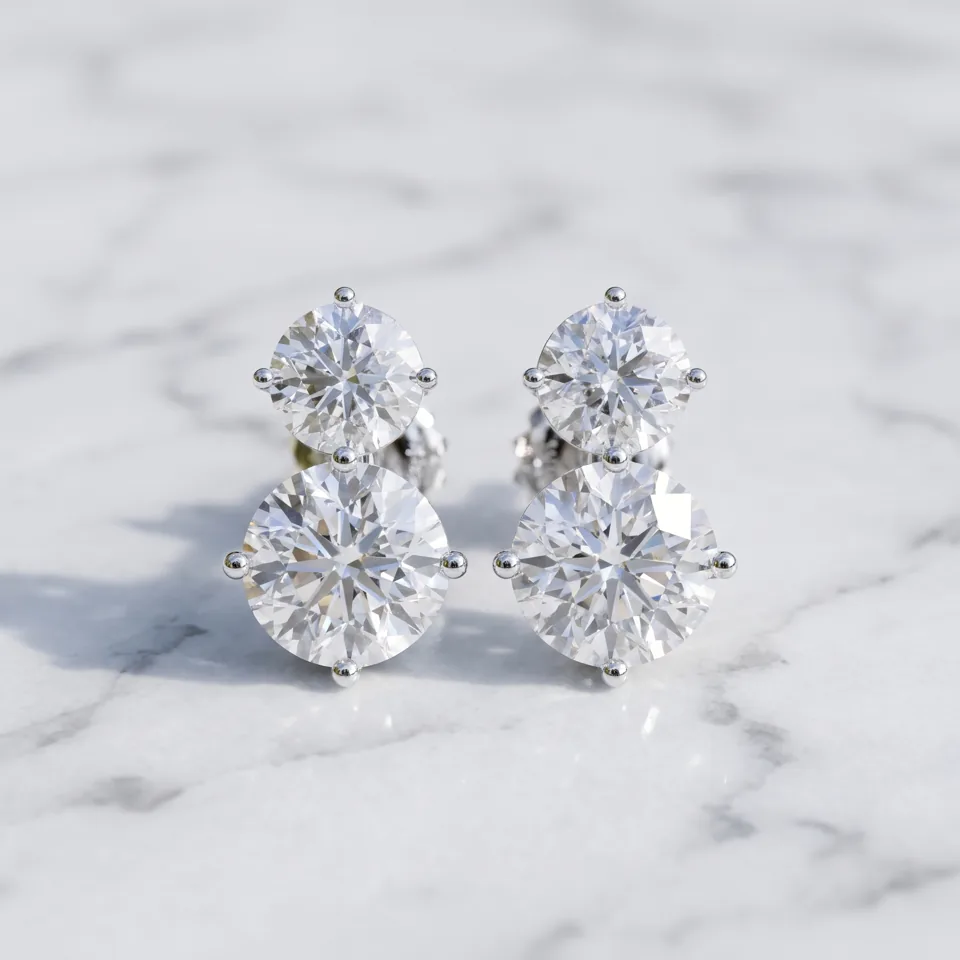 Lab-Grown Diamond Toi Et Moi Stud Earrings
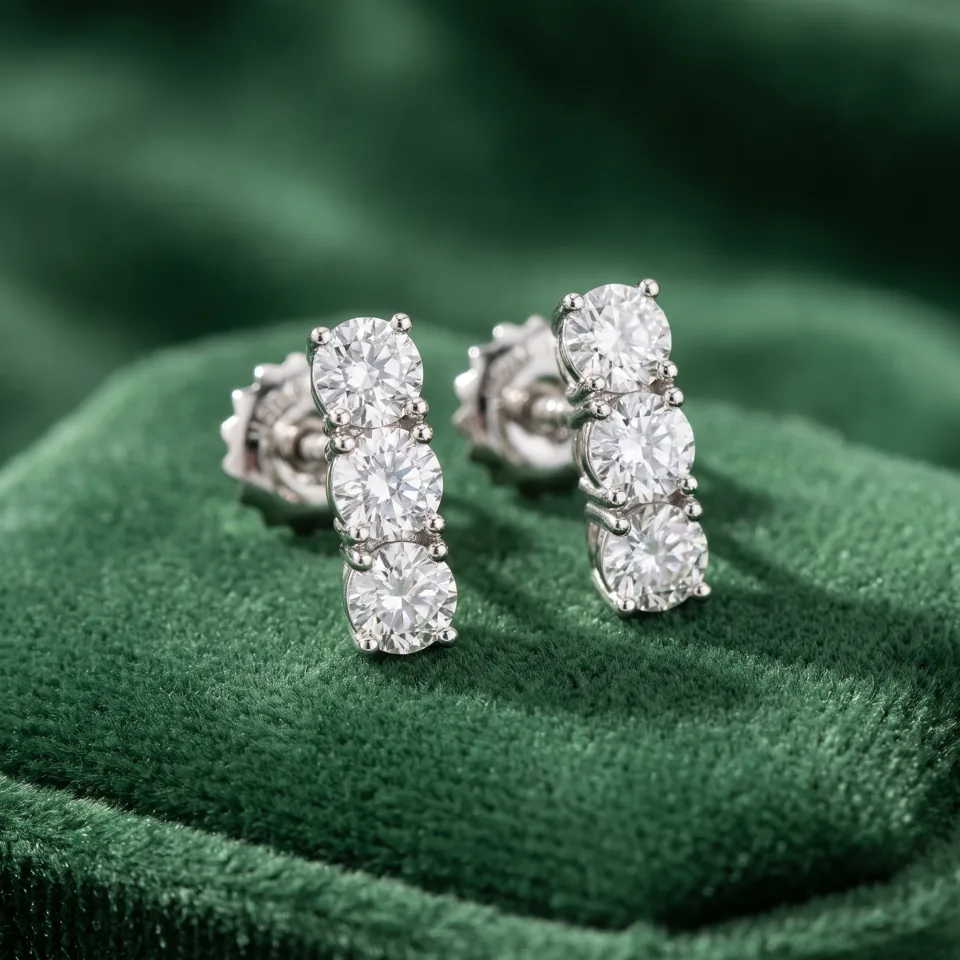 Lab-Grown Diamond Three Stone Stud Earrings
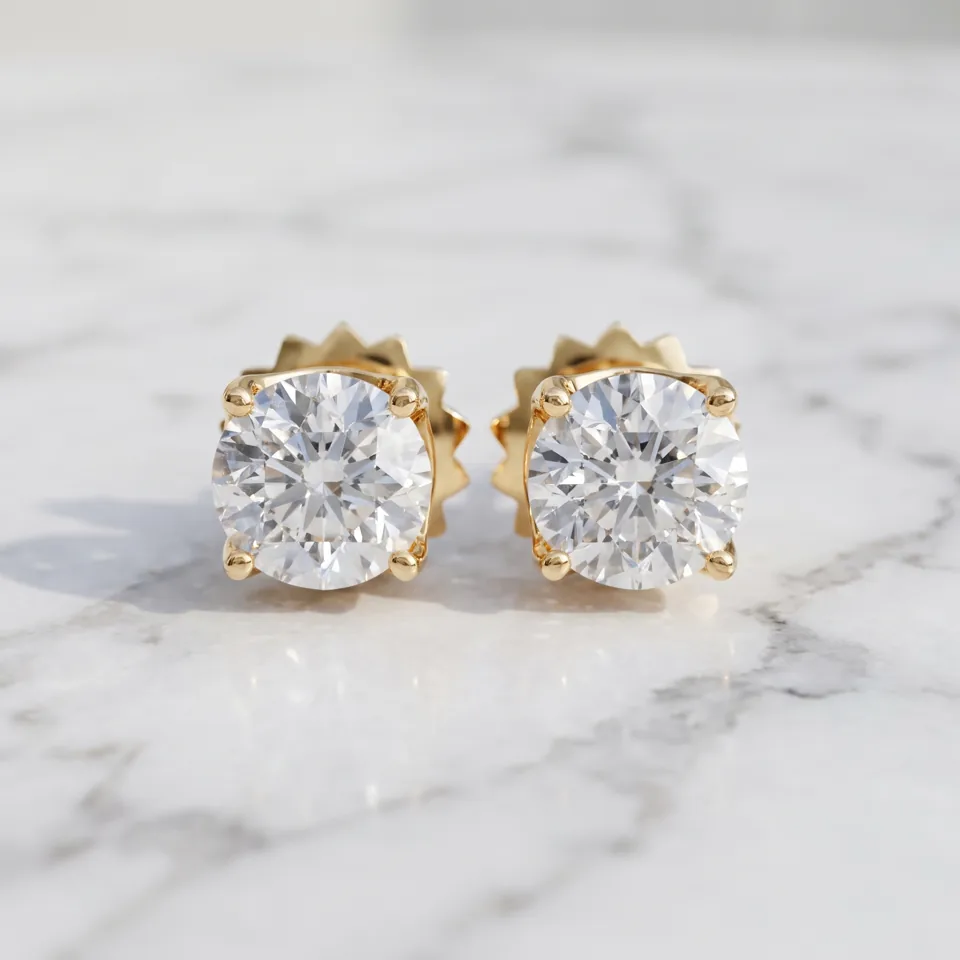 Gold Lab-Grown Diamond Stud Earrings
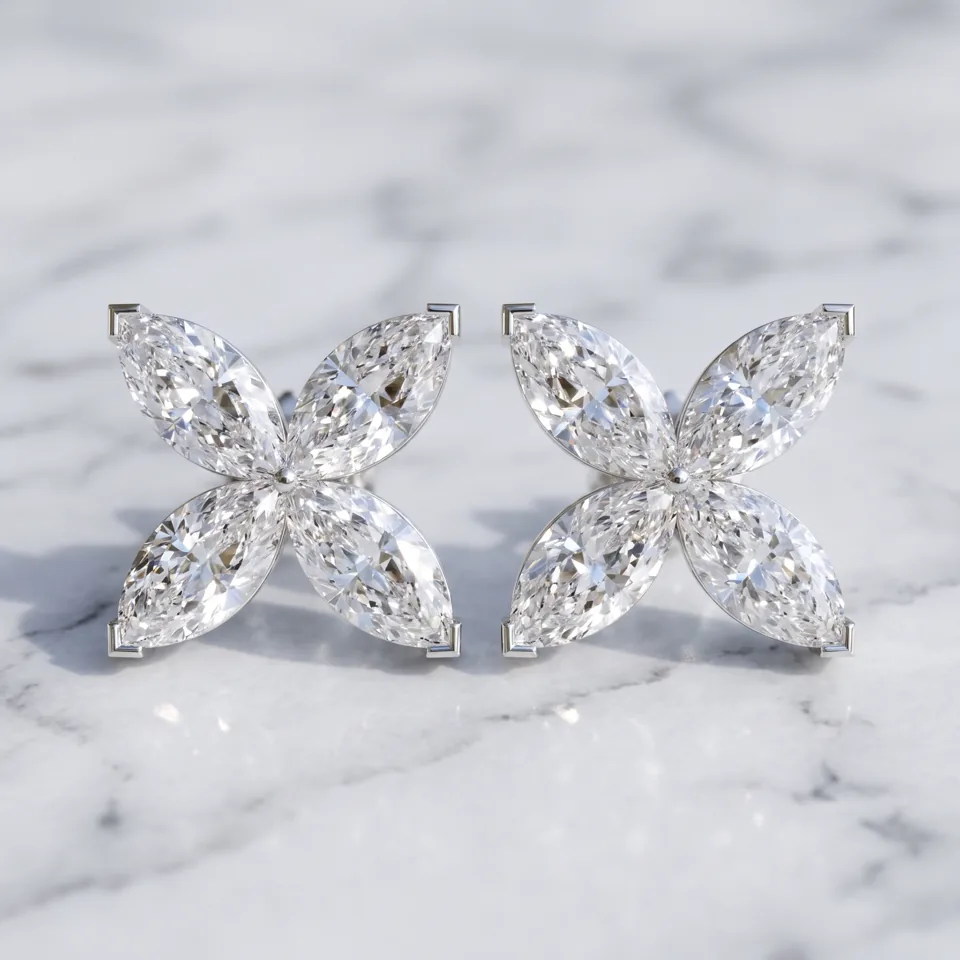 Sterling Silver Lab-Grown Diamond Stud Earrings
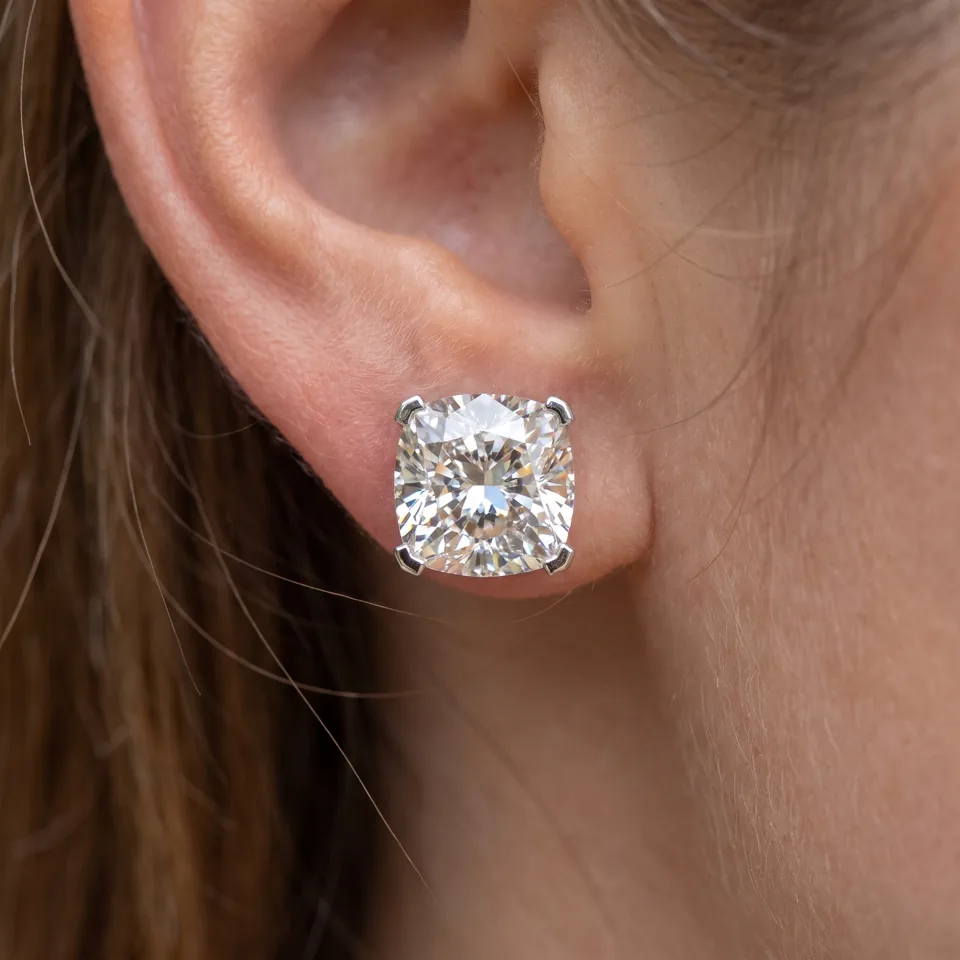 White Gold Lab-Grown Diamond Stud Earrings
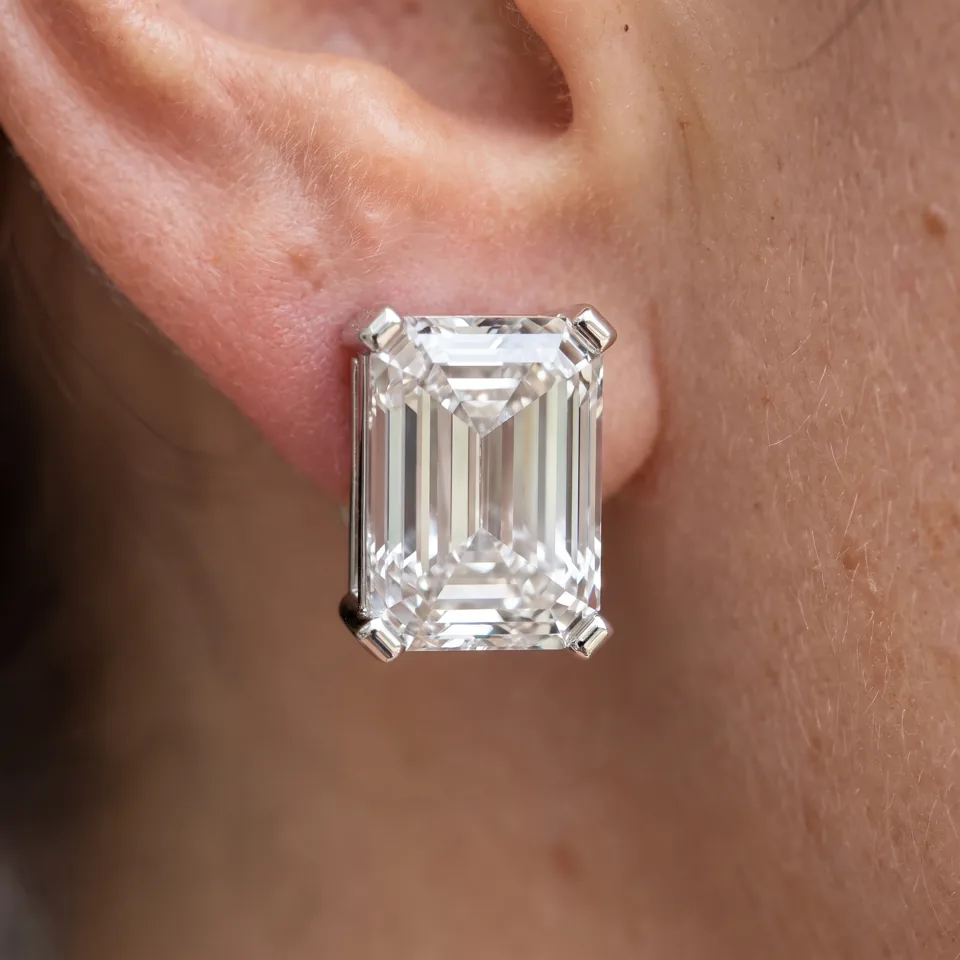 Platinum Lab-Grown Diamond Stud Earrings
With a solitaire, each ear gets a single lab-grown diamond that shows its shape cleanly. A halo of small stones around the center makes it look larger for its weight. Cluster studs group several stones, often mixing round, marquise and pear, into a flower or fan. Clusters cover more of the lobe at a lower total weight, so they read big without the cost of one large stone.
The weight on a stud listing covers both earrings together, so a 1-carat pair holds roughly half a carat per ear. A good share of designs let you climb from a single carat up to 10 carats total weight, some start at half a carat, and a few delicate pieces sit as low as 0.05 carat total weight. For a first pair or small lobes, 0.5 to 1 carat total looks clean; 2 carats total and up makes a clear statement.
You can have every stud in yellow, rose or white gold at 10K, 14K or 18K. Silvadium, a tarnish-resistant sterling silver, brings the price down, and most studs can also be made in platinum. If you wear one metal every day, match it so the studs sit well with your rings and chains. White metals keep colorless stones looking bright, and yellow gold gives a warmer, vintage feel. Studs also make an easy gift for an April birthday, as April’s birthstone is diamond.
Some designs let you set the grade of the lab-grown diamonds yourself: color in E–F or F–G, clarity in VVS–VS or VS–SI. Our diamond clarity chart explains those grades. At stud size, the gap between these grades is hard to see once the pair is on. Put the budget into carat weight or metal first, and step up the grade only if close inspection matters to you.
Each pair of studs is made for you in 10–15 days and travels with free insured shipping both ways. You have 30 days to send back an unworn pair along with its certificate.
Around 1 carat total weight, about half a carat in each ear, is the size most people choose for a daily pair. Studs are also a common push present for a new mother. It's large enough to see across a room and still sits neatly on most lobes. At Whitemoon, 1 carat total weight is one of the most offered options on studs, and 0.5 carat total weight suits a smaller, quieter look.
Prices for Whitemoon's lab-grown diamond studs begin under $50, with most designs at their smallest option between about $400 and $650. The figure goes up as you add total carat weight, move to a pricier metal or, where offered, choose a higher color and clarity grade. Pick your options on the product page to see the exact figure before you order.
Not for most people. Two carats total weight means about one carat in each ear, roughly 6.5 mm across for a round stone, which looks bold but still wearable every day. On small lobes it can feel large, so 1 to 1.5 carats total is a safer middle. Halo and cluster studs reach a similar look at a lower weight of lab-grown diamonds.
Round is the classic pick for studs because its facets return the most light and it looks the same however the earring turns. Princess and cushion shapes give a squarer outline, and oval, pear and marquise shapes give a slimmer, longer outline on the lobe. If you want something less common, a cluster stud that mixes several shapes gives more texture than one stone.
Yes. Lab-grown diamond studs remain one of the most worn pieces of fine jewelry because they suit work, weekends and formal events alike. Current styling pairs them with huggies and climbers across several piercings, and east-west ovals and clusters give a fresher take on the classic round pair.


