Complimentary insured shipping, both waysEngagement ring diamonds certified by IGI or GIAGrown by light. Conflict-free by natureComplimentary insured shipping, both ways
Engagement RingsWedding BandsEarrings

NecklaceBraceletsAbout
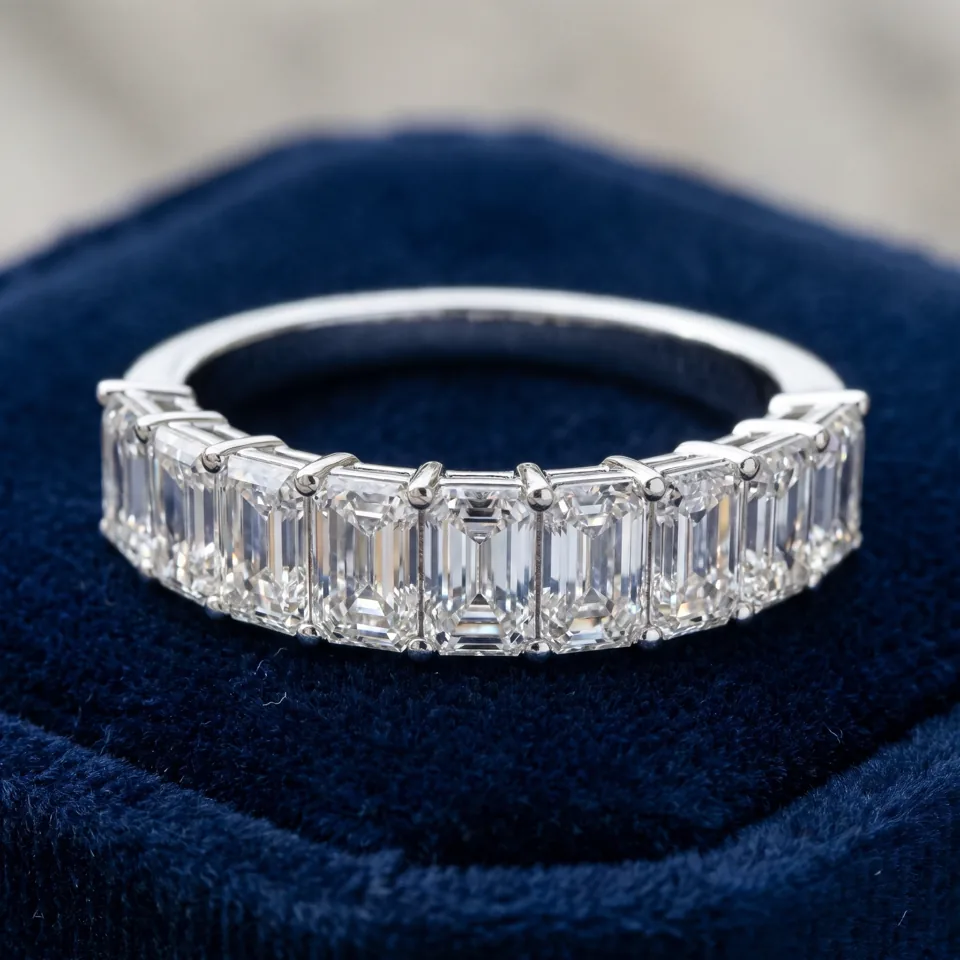
Platinum wedding bands are dense, naturally white and built for a ring you never take off. Every band here sets lab-grown diamonds in platinum, mostly as half eternity rows of round stones, with curved, chevron and vintage outlines too.
Settle the shape that fits your engagement ring, then decide how much lab-grown diamond weight the band should carry.
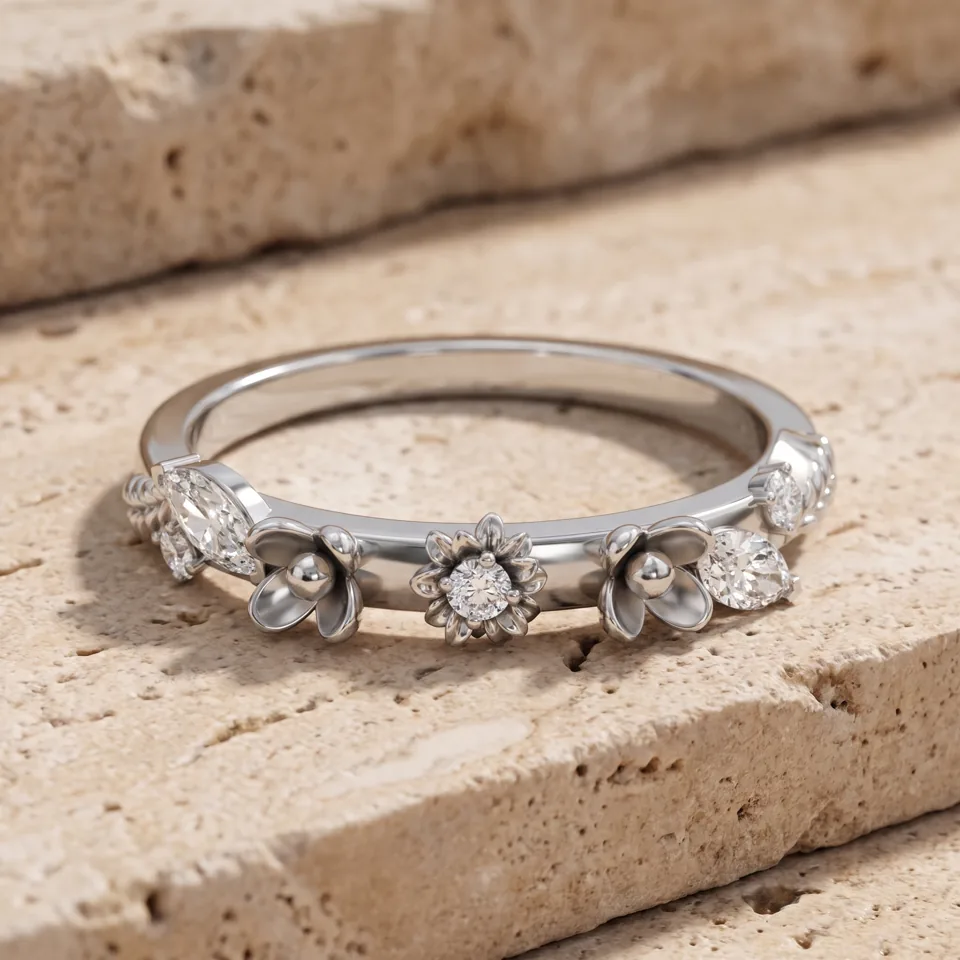
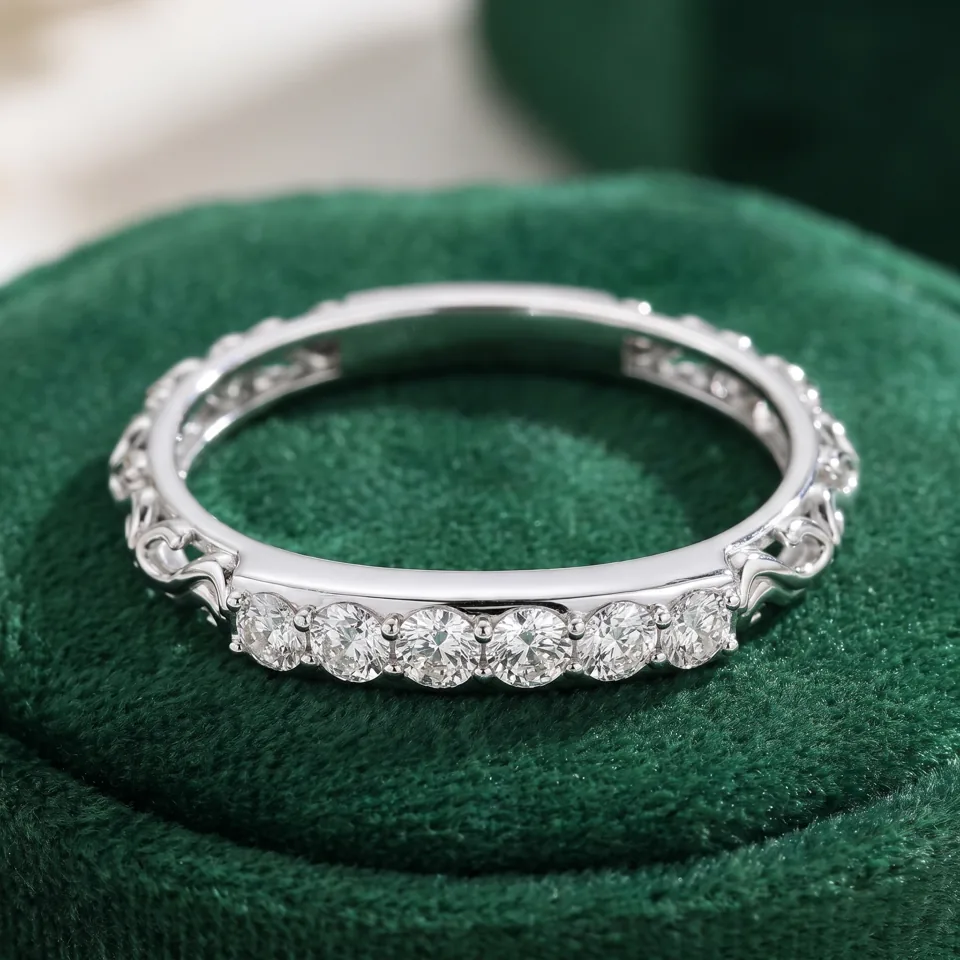 Platinum Lab-Grown Diamond Vintage Wedding Bands
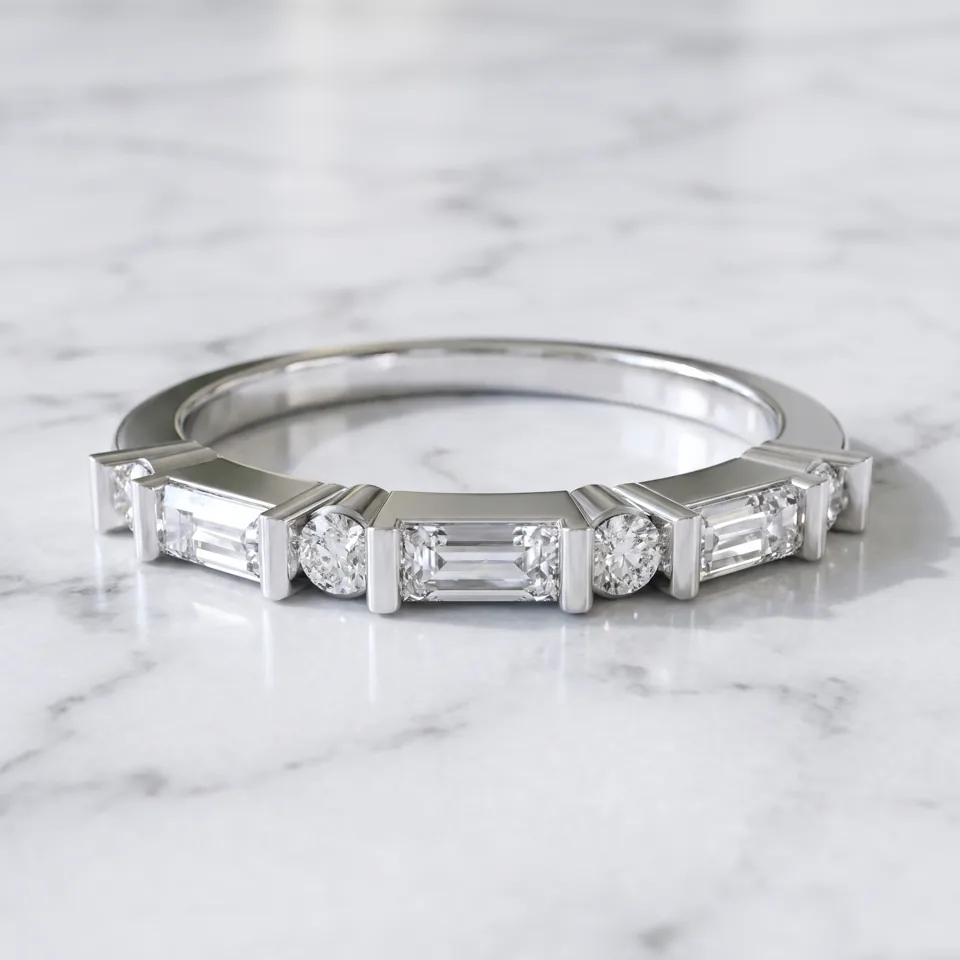 Platinum Baguette Lab-Grown Diamond Wedding Bands
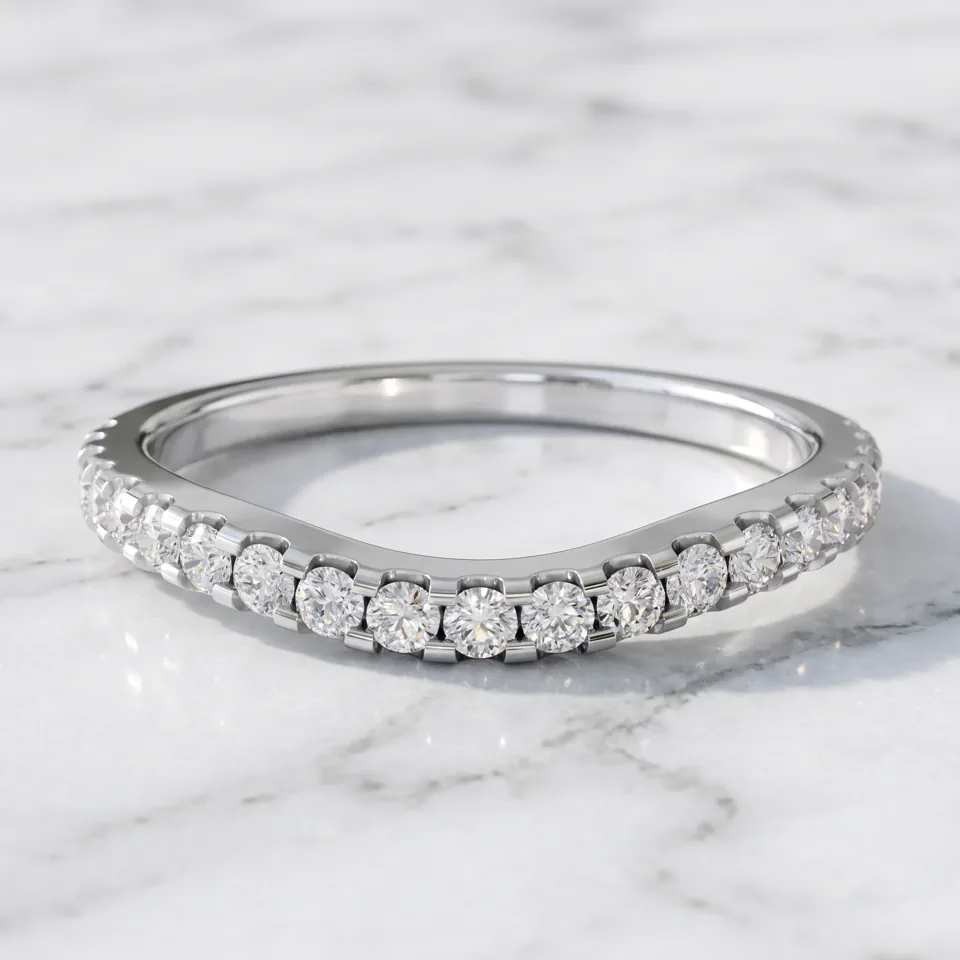
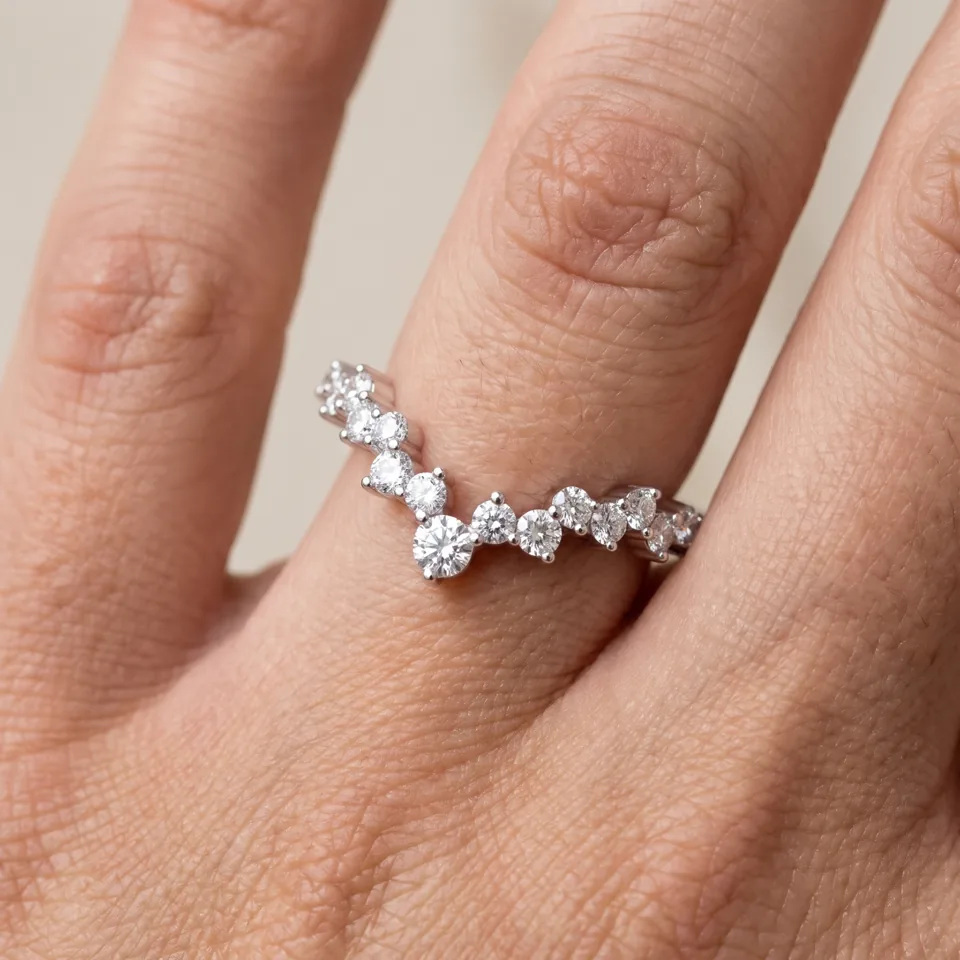 Platinum Lab-Grown Diamond Curved Wedding Bands
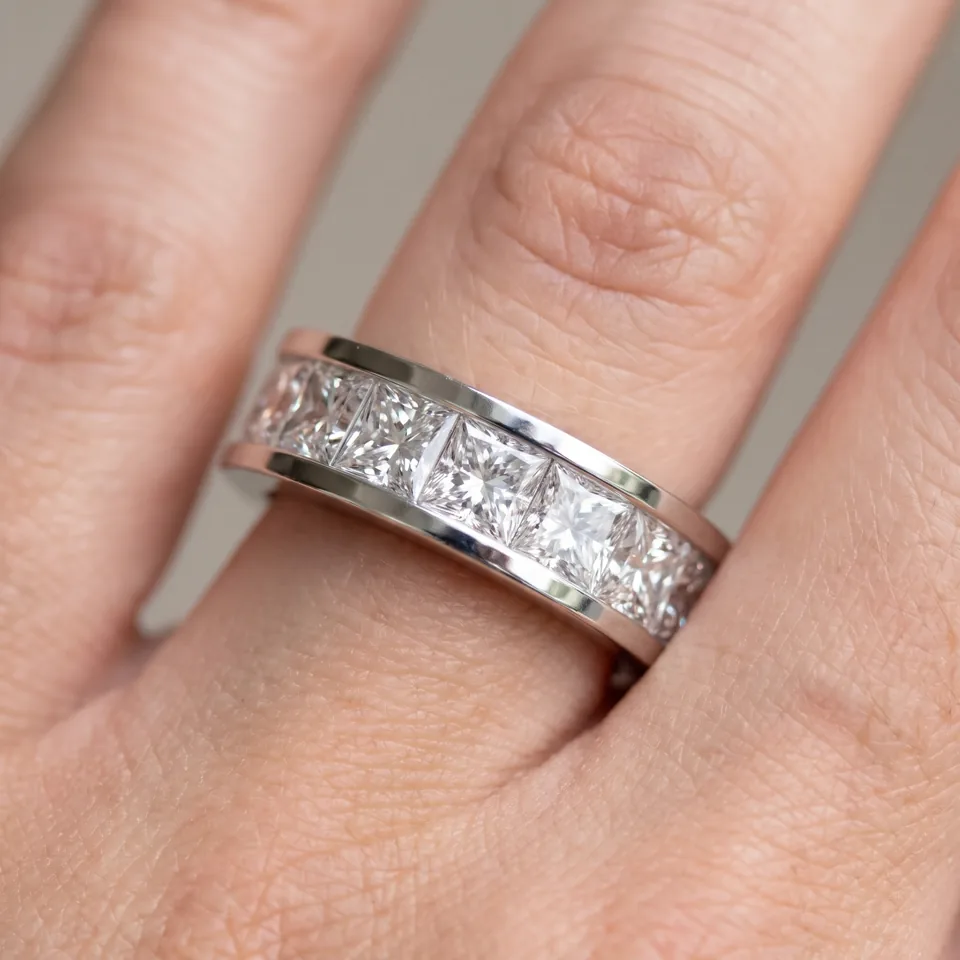 Platinum Lab-Grown Diamond Channel Set Wedding Bands
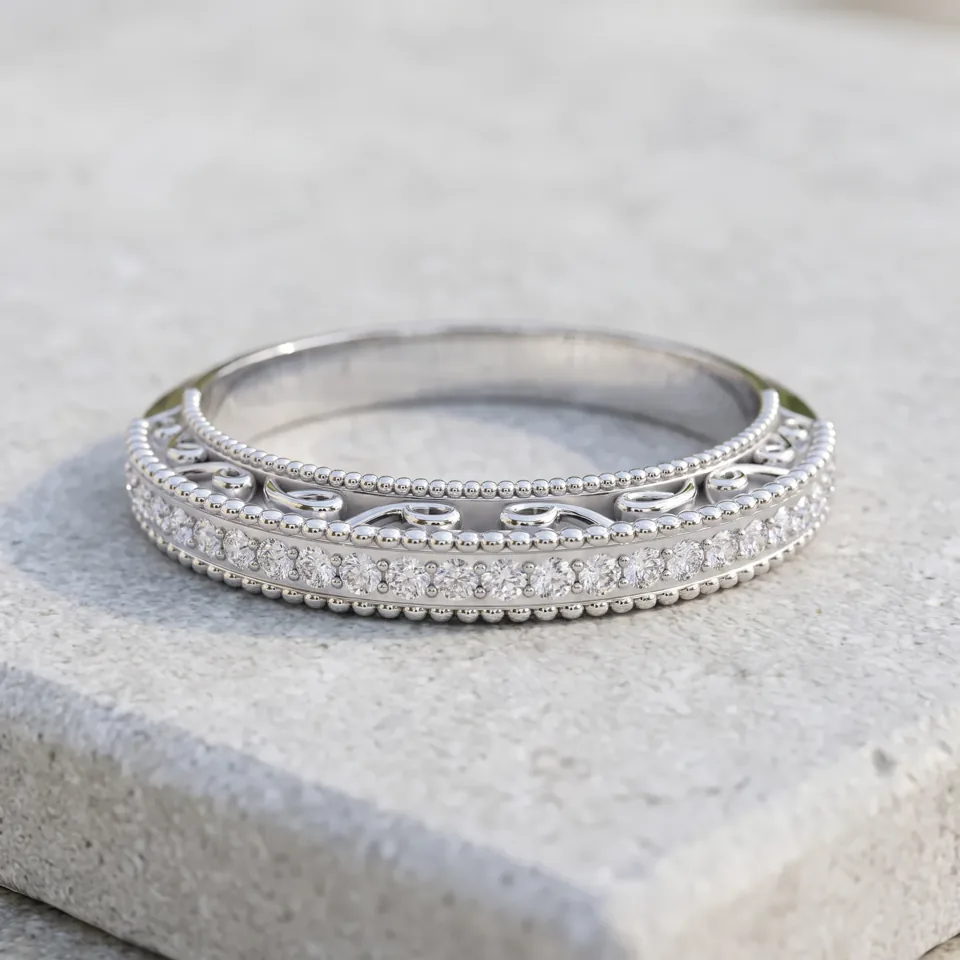 Platinum Lab-Grown Diamond Pave Wedding Bands
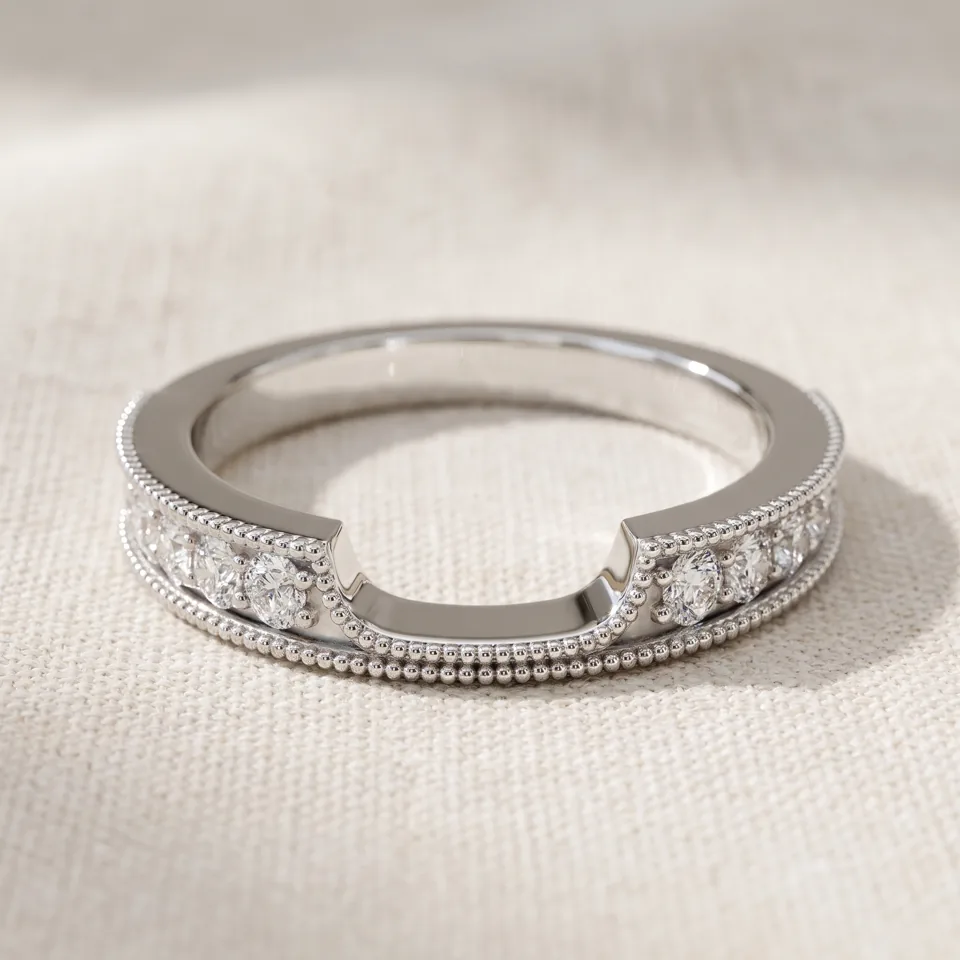 Platinum Milgrain Wedding Bands
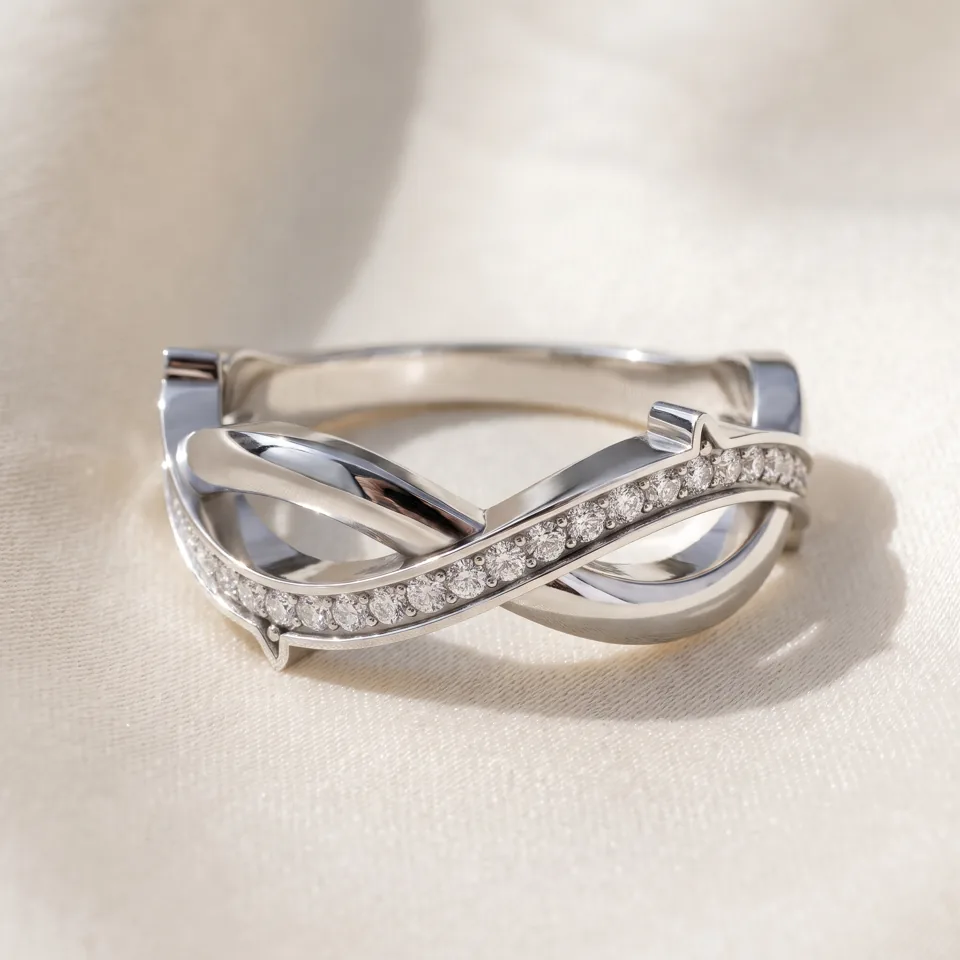 Platinum Lab-Grown Diamond Twisted Wedding Bands
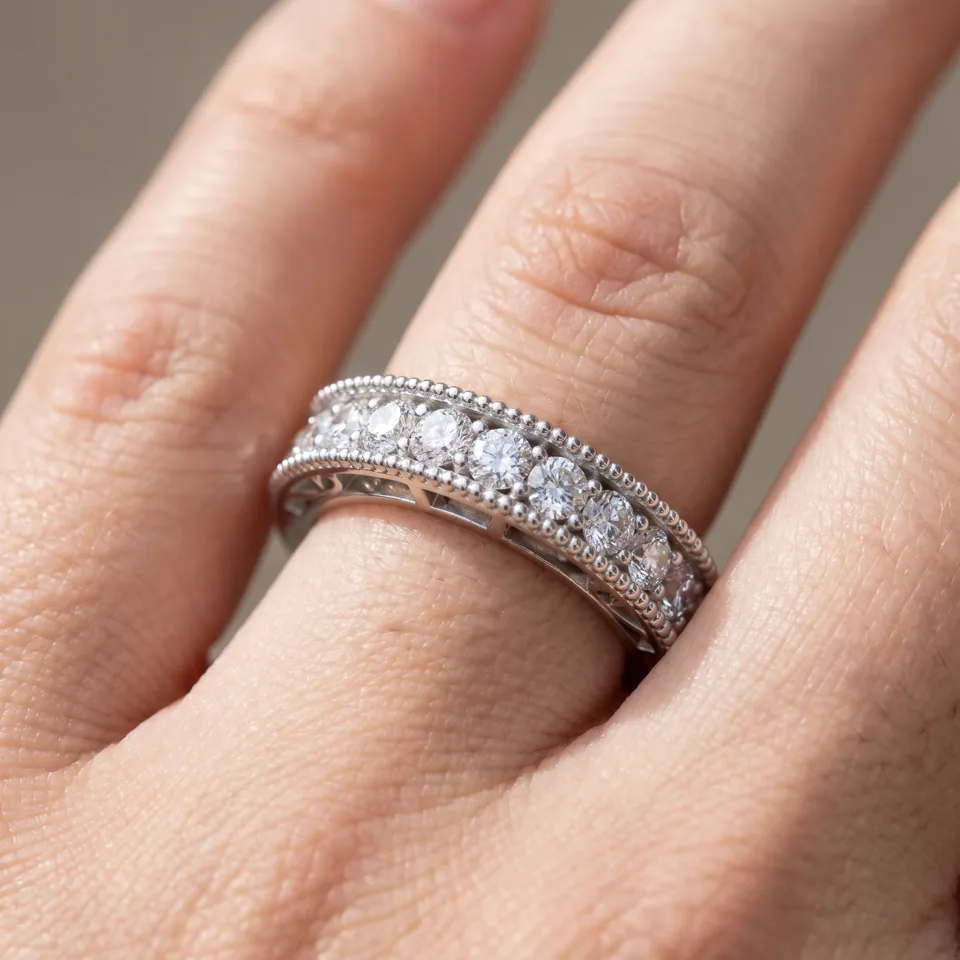 Platinum Lab-Grown Diamond Filigree Wedding Bands
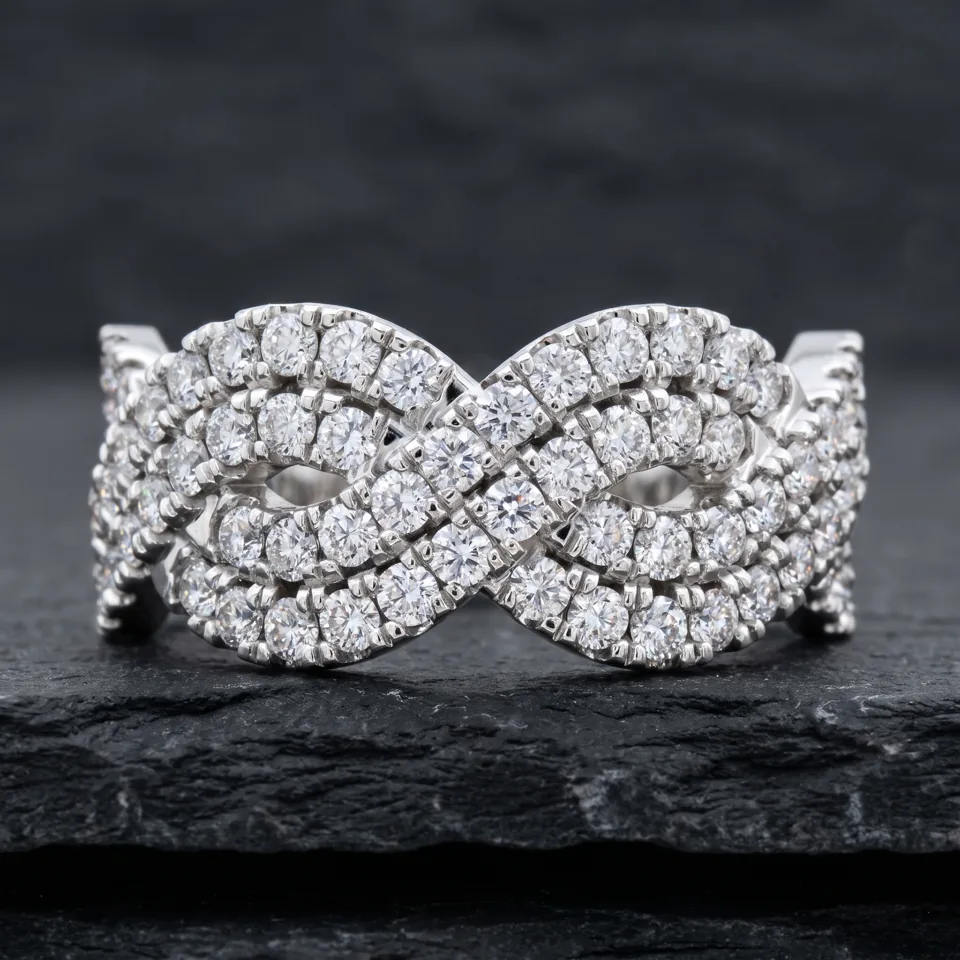 Platinum Infinity Wedding Bands
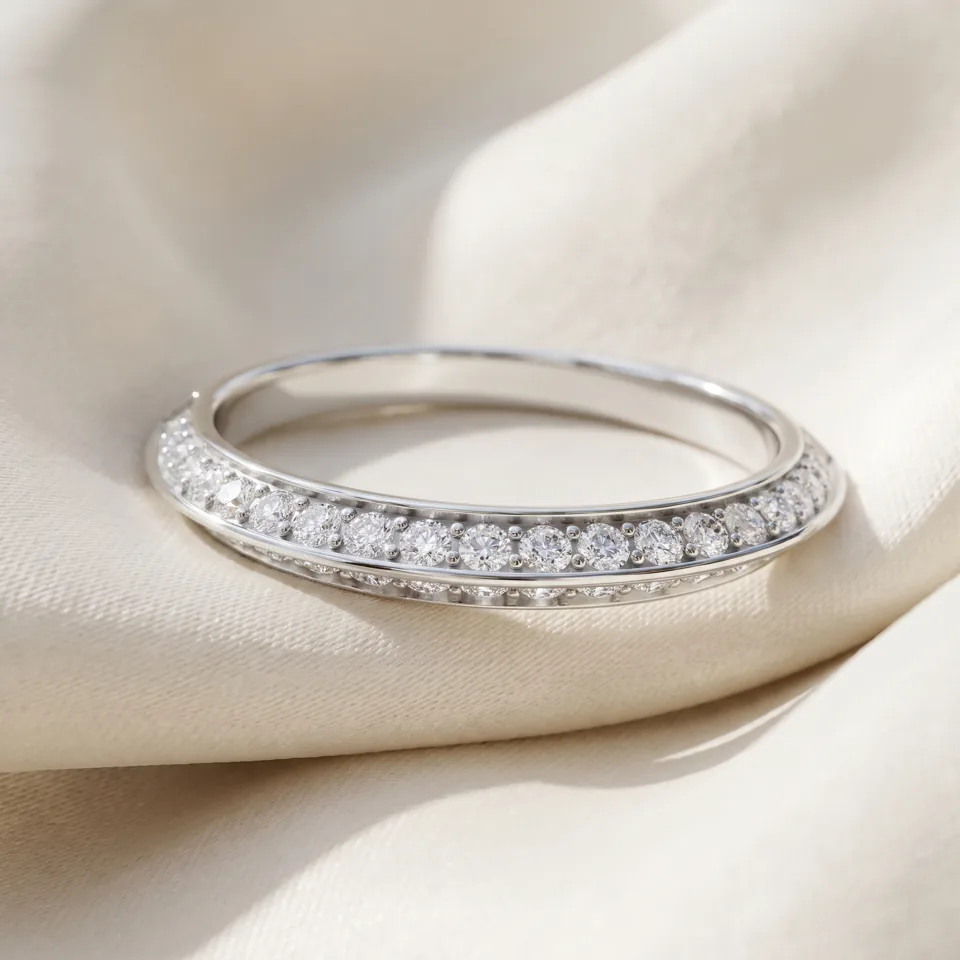 Platinum Lab-Grown Diamond Knife Edge Wedding Bands
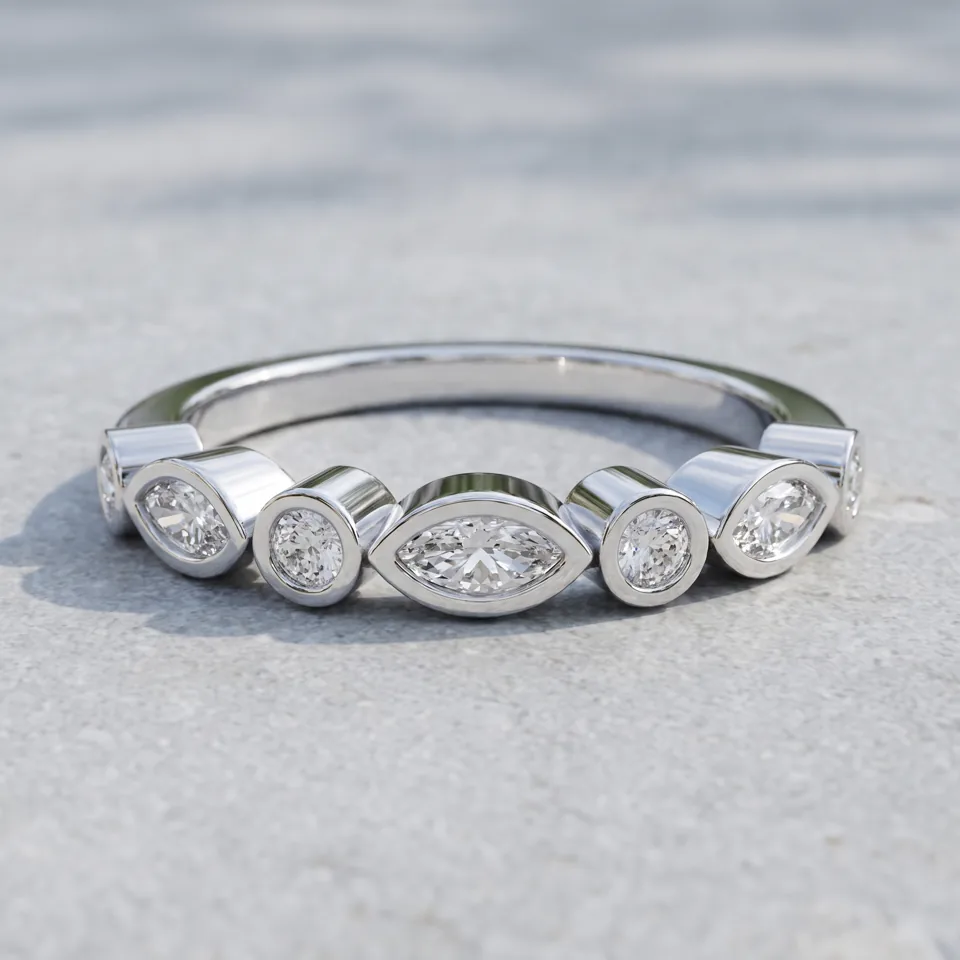 Platinum Bezel Lab-Grown Diamond Wedding Bands
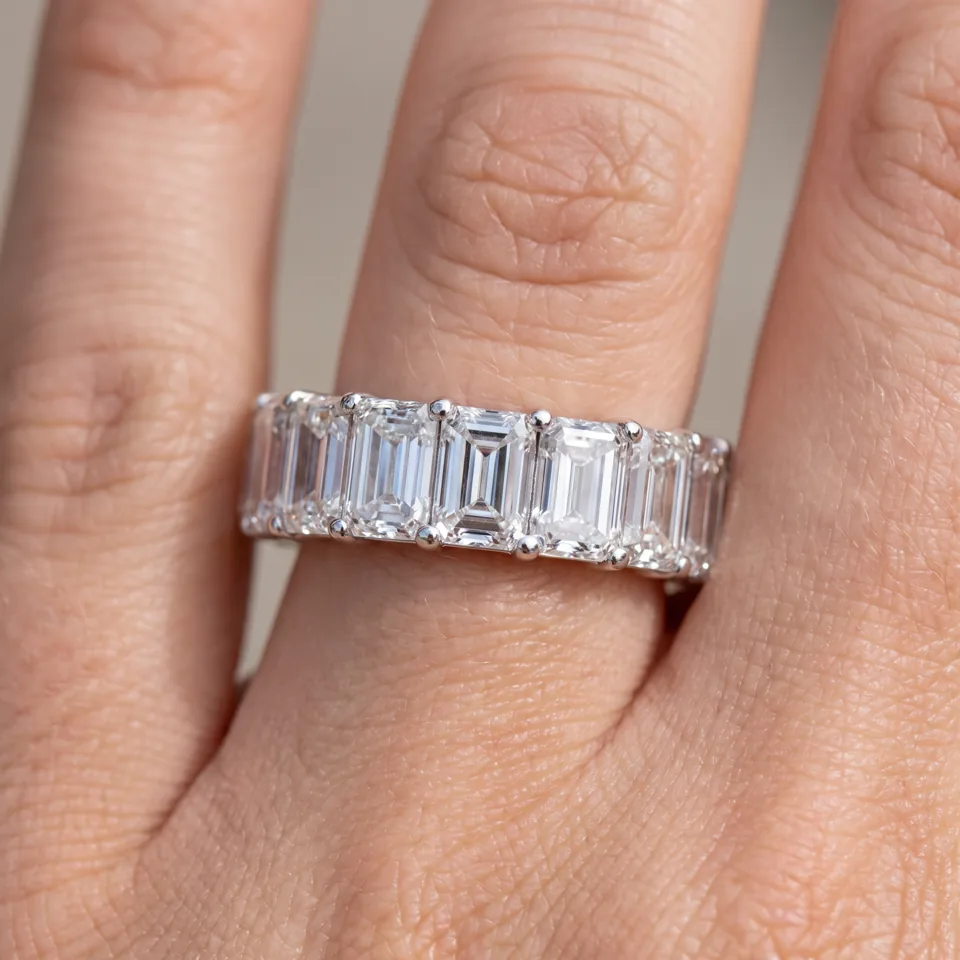 Platinum Lab-Grown Diamond Eternity Wedding Bands
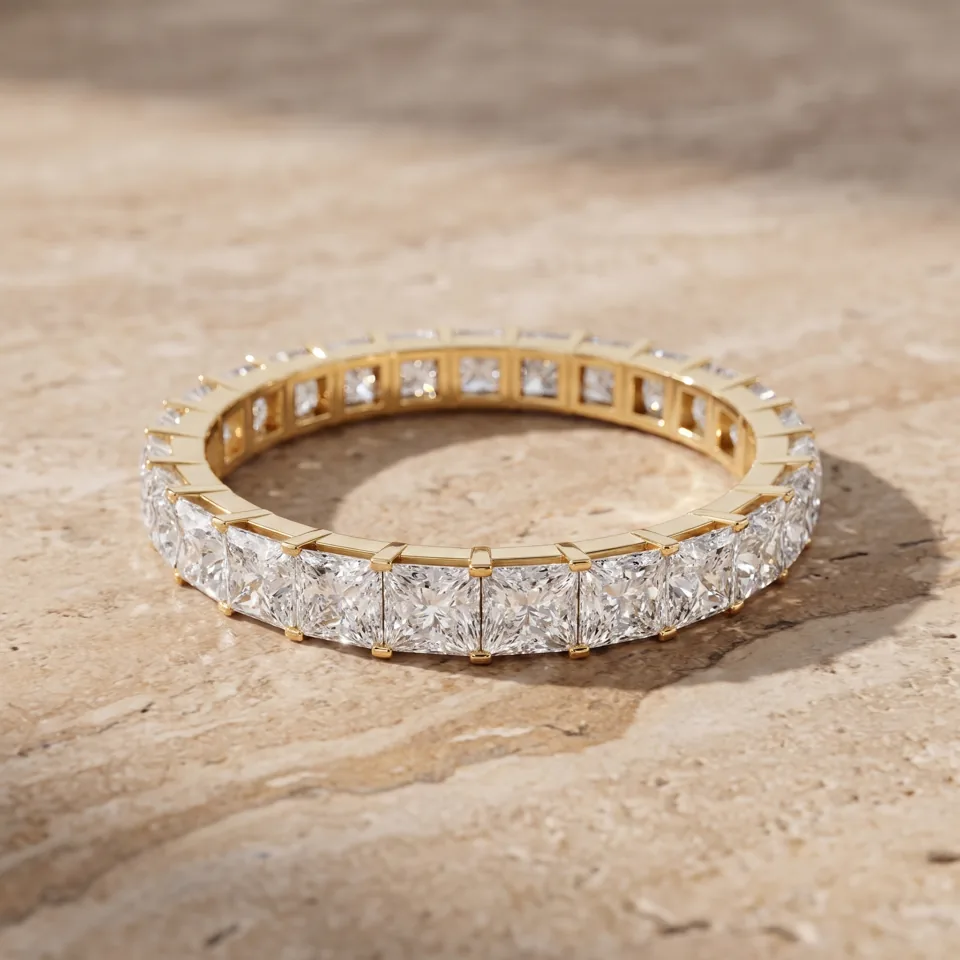 Gold Lab-Grown Diamond Wedding Bands
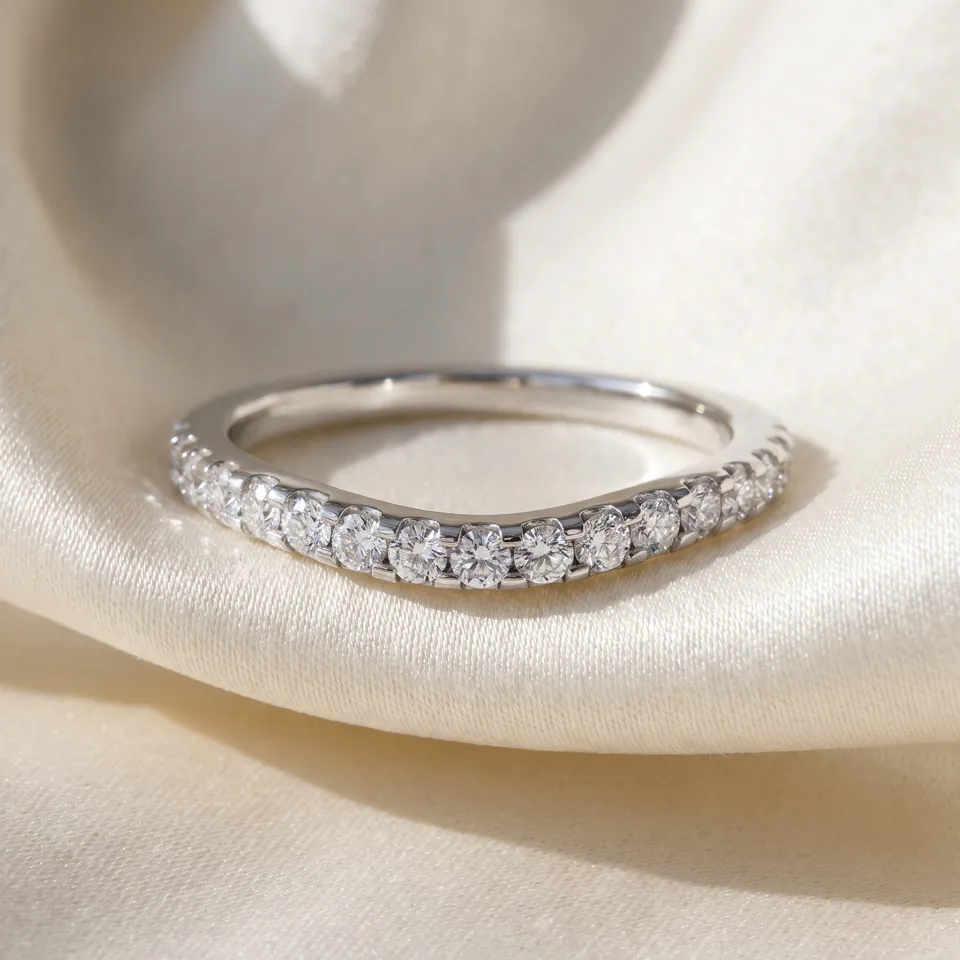 White Gold Lab-Grown Diamond Wedding Bands
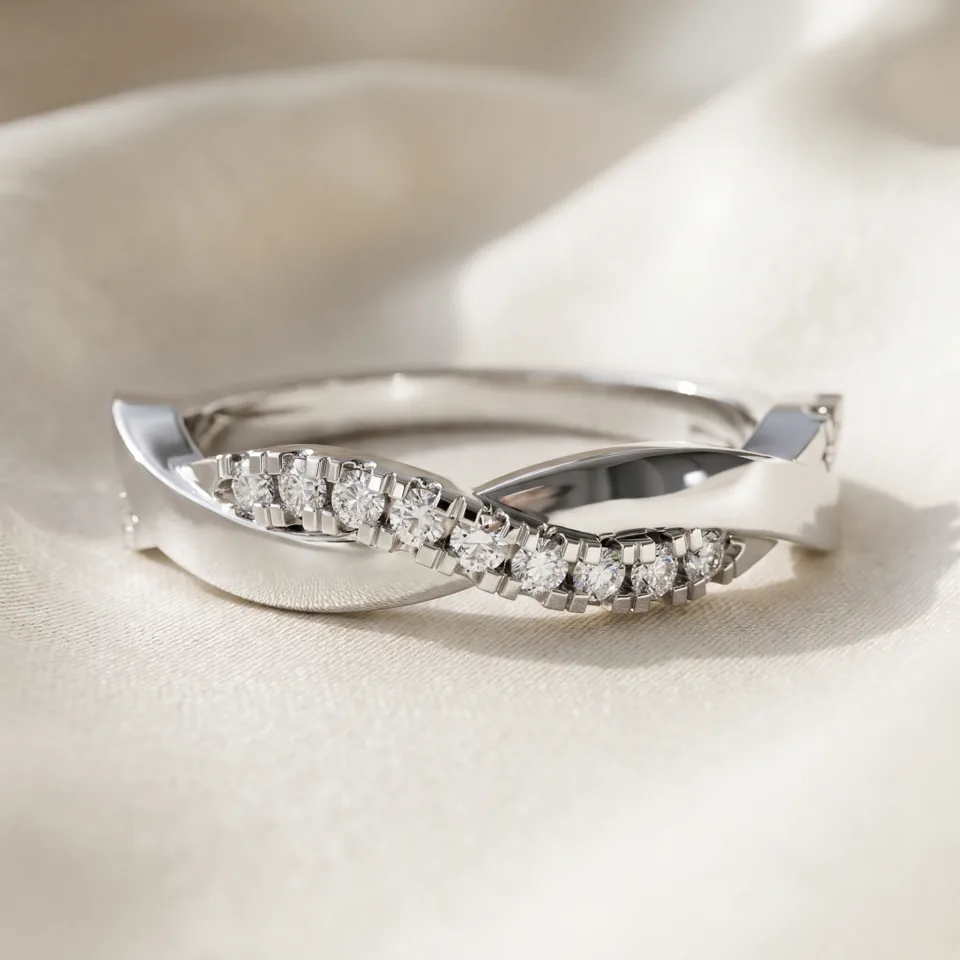 Sterling Silver Lab-Grown Diamond Wedding Bands
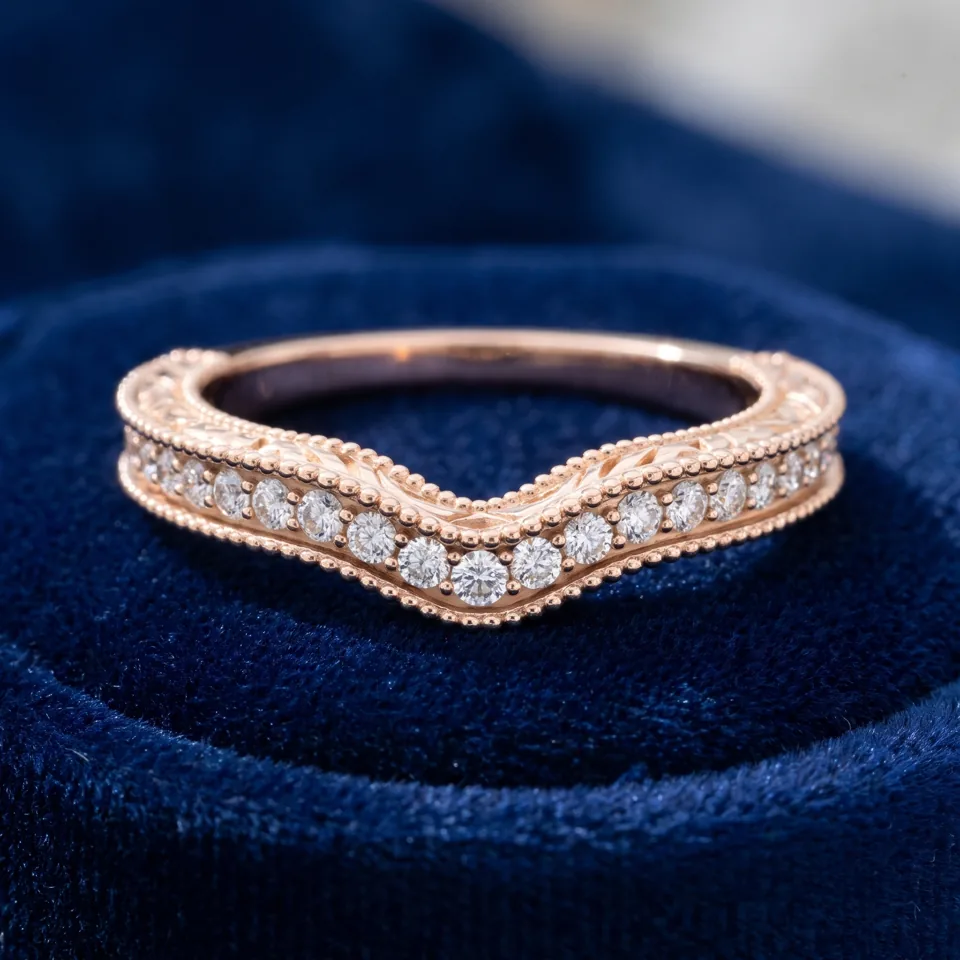 Rose Gold Wedding Bands
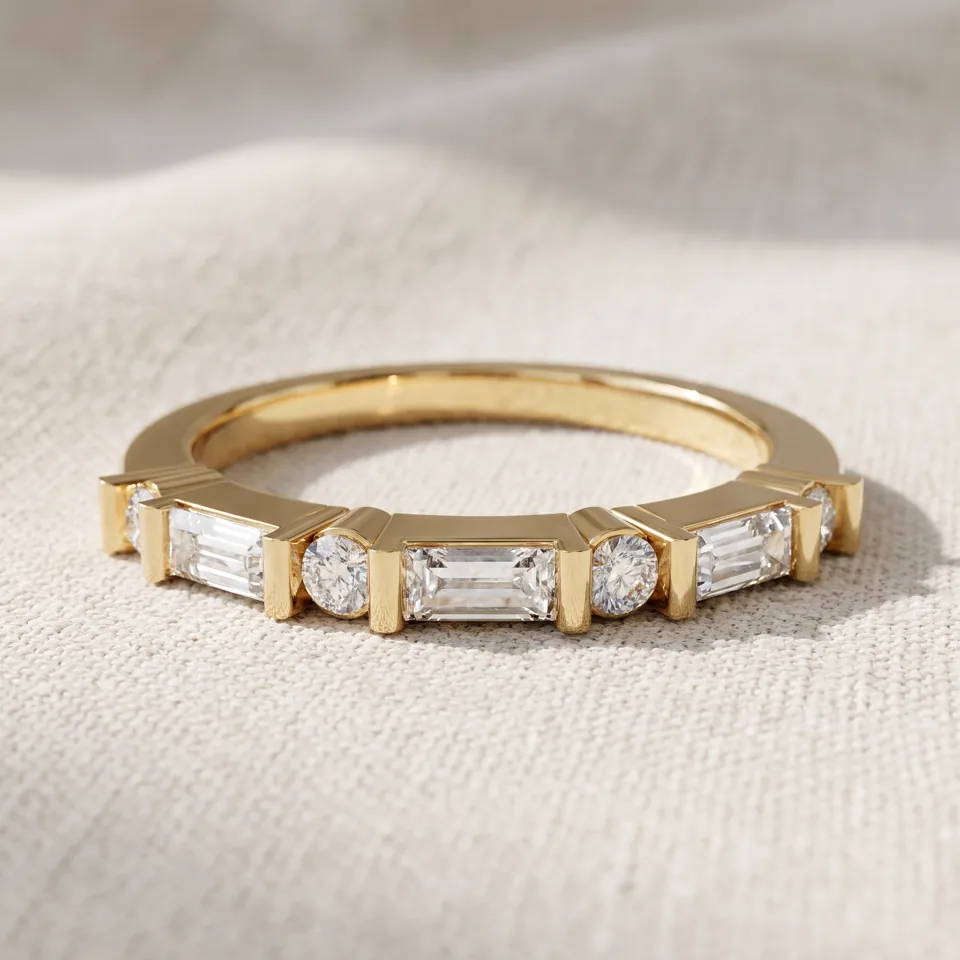 Yellow Gold Wedding Bands
Platinum outweighs gold for the same size and is white all the way through, with no coating to wear off. A scratch pushes the metal aside instead of removing it, so the band slowly develops a soft, matte patina that many wearers like. Any jeweler can buff it bright again. The same toughness keeps the small prongs on a lab-grown diamond band tight.
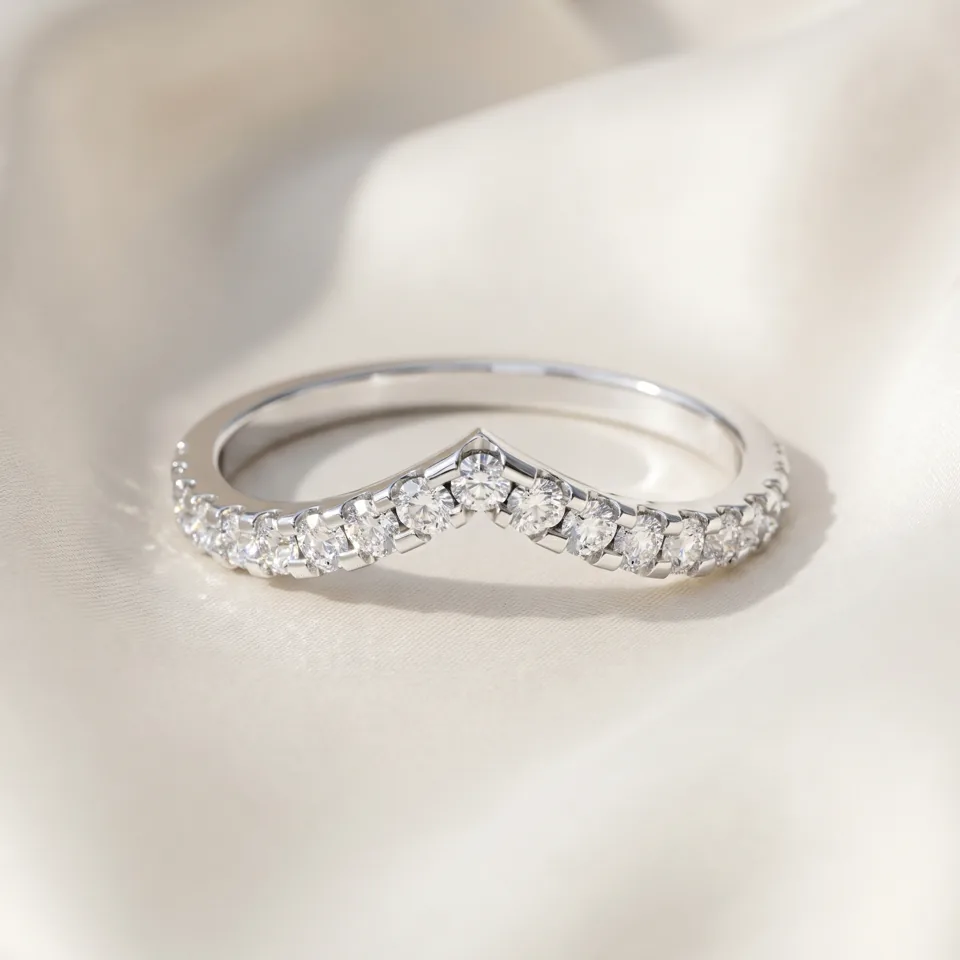
Straight half eternity bands are the core of this collection and pair well with raised solitaires. Curved designs bend to hug a low center or halo, closing the gap between rings. Chevron bands come to a point and suit pear, marquise or oval centers. Some designs double as men's wedding bands.
A majority of these platinum bands let you choose 0.25 to 0.75 carat total weight, a slim row of lab-grown diamonds that sits politely next to an engagement ring. Many add a 1 carat option, and some climb to 3 carats total weight or more for a band worn solo. Channel and bezel settings protect the stones and suit very active hands.
Full eternity platinum bands show stones all the way around and look the same however they turn. They cannot be resized, so measure your finger at a normal temperature and late in the day, when it is at its usual size, before ordering one.
Expect your platinum band 10–15 days after ordering, since each one is made for you, and insured shipping is free for delivery and for any return. One resize within 60 days of delivery is on us; full eternity bands are remade to the new size. You may return an unworn band with its certificate within 30 days.
It varies widely with width, weight and the lab-grown diamonds you choose. Because platinum is denser, a band uses more metal by weight than gold would, which pushes the price up. At Whitemoon, platinum bands with lab-grown diamonds start under $850, and most designs cost about $1,250 to $1,500 at their smallest option. Larger total carat weights and full eternity designs cost more.
Yes, it ranks among the top choices. Platinum is tough, keeps prongs firm and stays white with no plating, so it handles decades of daily wear on your hand. Our rhodium plating guide explains the coating white gold relies on. It is hypoallergenic for most people. The trade-offs are a higher price and a slow fade to a satin finish; a jeweler's polish brings back the original gleam.
Platinum is better for long-term durability and low upkeep, while white gold is better for budget. Platinum stays white naturally and loses very little metal over the years. White gold is lighter and costs less but is usually plated and needs replating to stay bright. If your engagement ring is platinum, a matching platinum band will wear evenly beside it.
Yes, the platinum itself keeps metal value, which depends on the market price and the weight of the band. The lab-grown diamonds add little resale value, so a diamond band is worth far less secondhand than it cost new. Buy it to wear for a lifetime, not as an investment. The metal value is a modest floor.