Complimentary insured shipping, both waysEngagement ring diamonds certified by IGI or GIAGrown by light. Conflict-free by natureComplimentary insured shipping, both ways
Engagement RingsWedding BandsEarrings

NecklaceBraceletsAbout
Whitemoon's lab-grown diamond necklaces range from a single solitaire pendant to graduated tennis necklaces. Lab-grown diamonds aren’t mined, as our conflict-free diamonds guide explains. Most are pendants, with halos, three stone drops and floral shapes among them.
Choose the style, then the metal, then the total carat weight. Our guide to buying diamond jewelry online covers chains, clasps and return terms. Round stones lead the range, and oval and princess cuts appear on some designs.
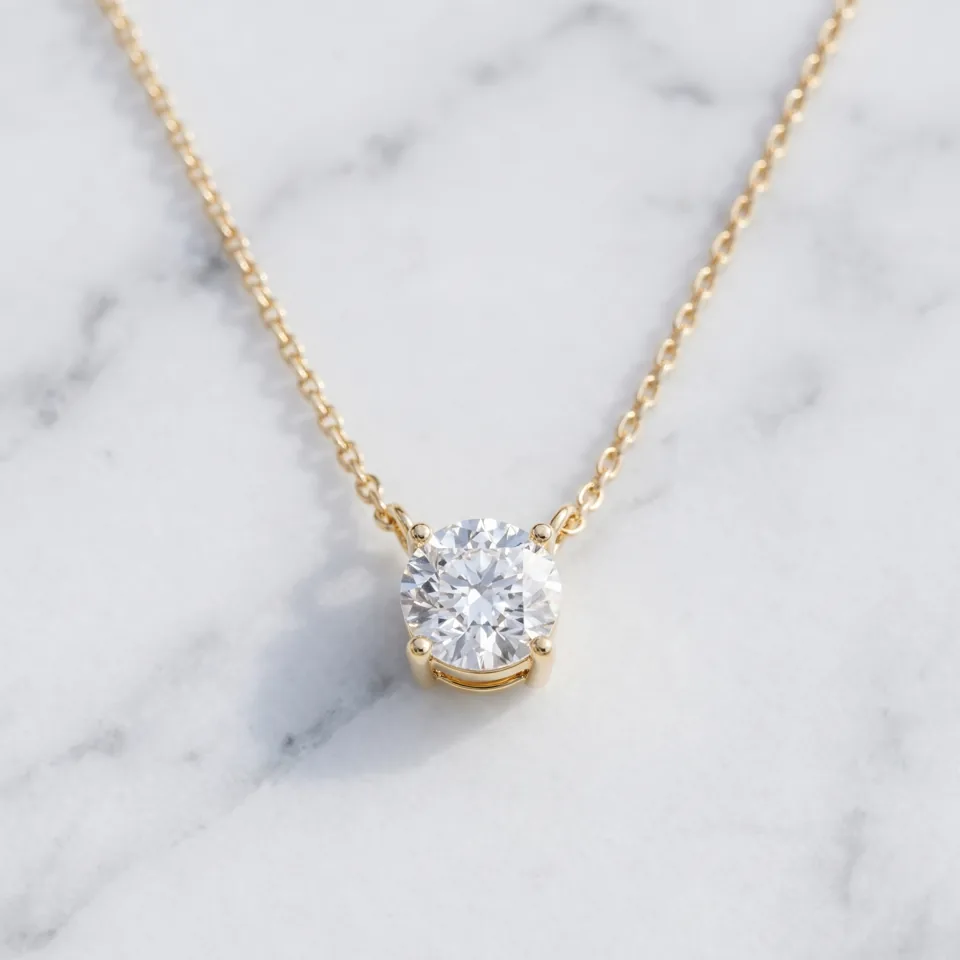 Lab-Grown Diamond Solitaire Necklaces
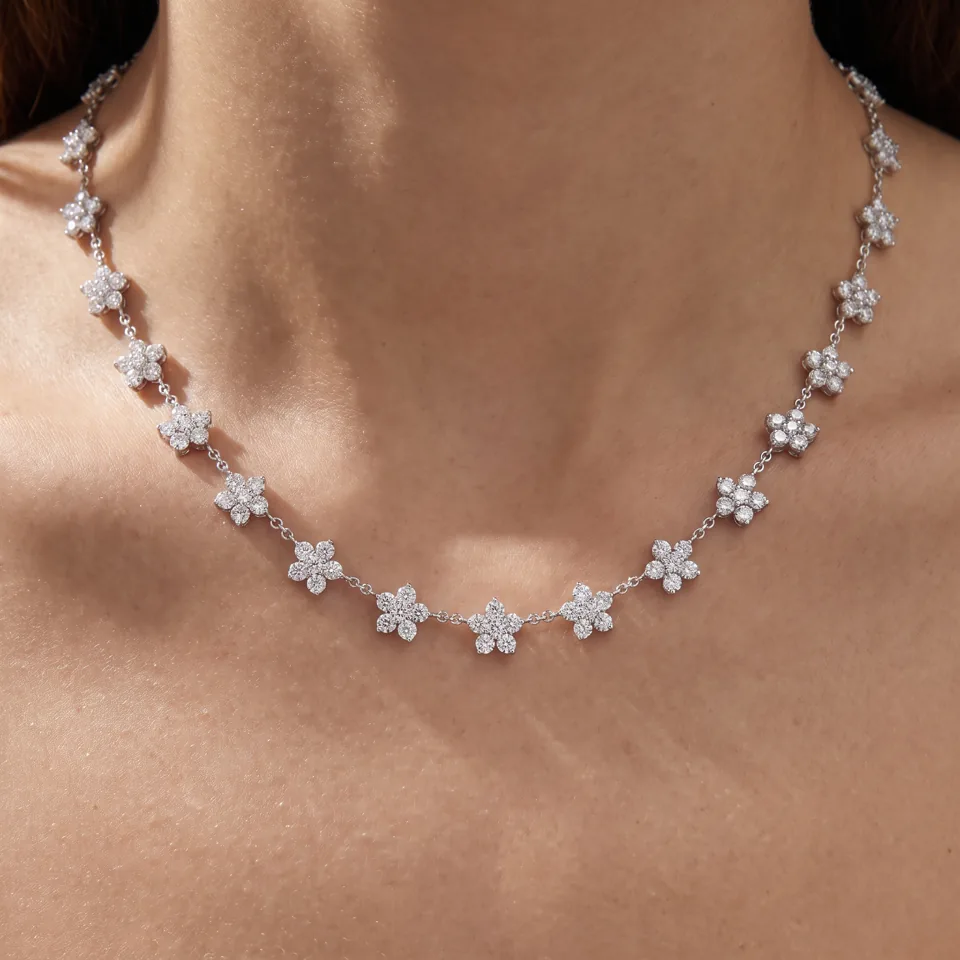 Lab-Grown Diamond Floral Necklaces
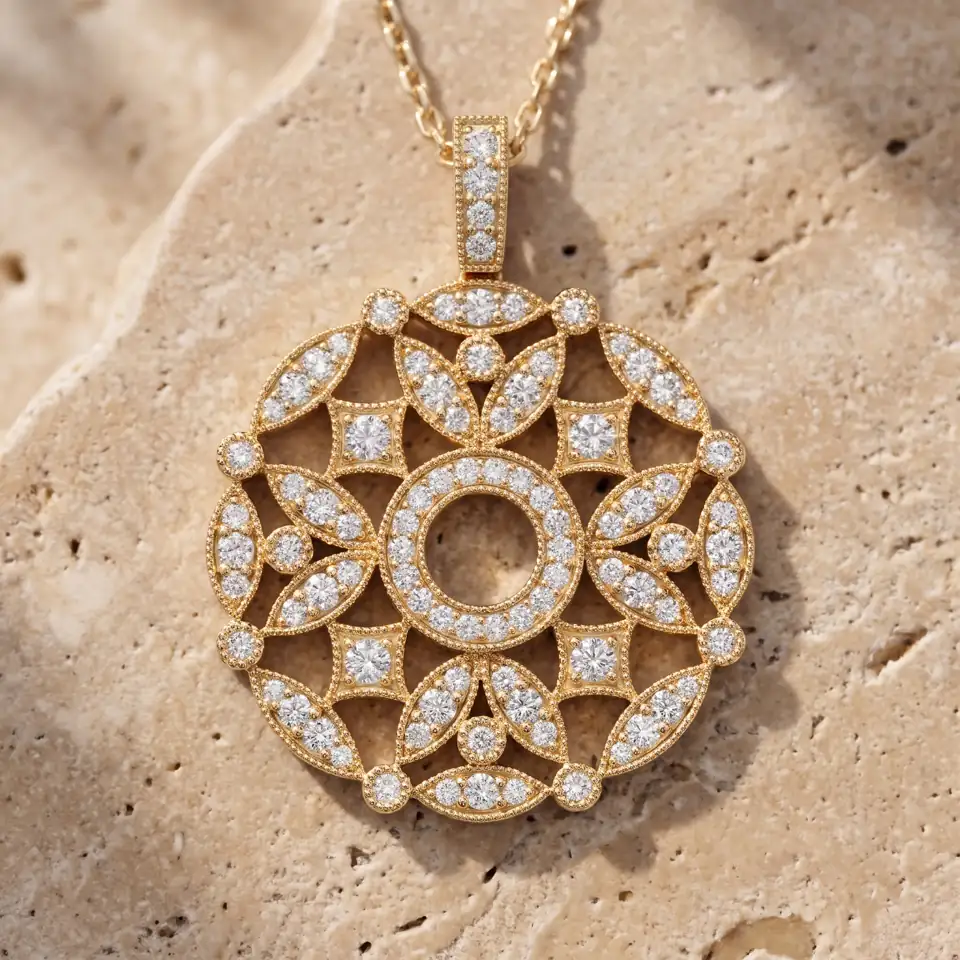 Lab-Grown Diamond Vintage Necklaces
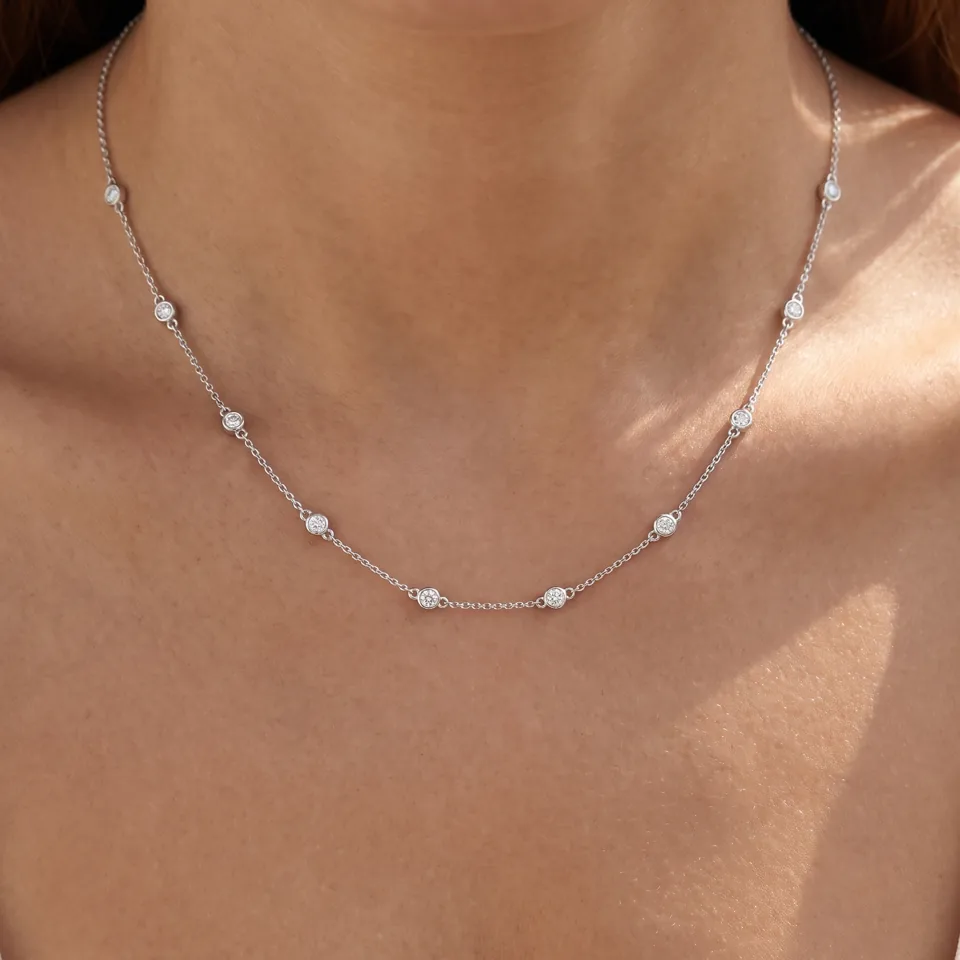
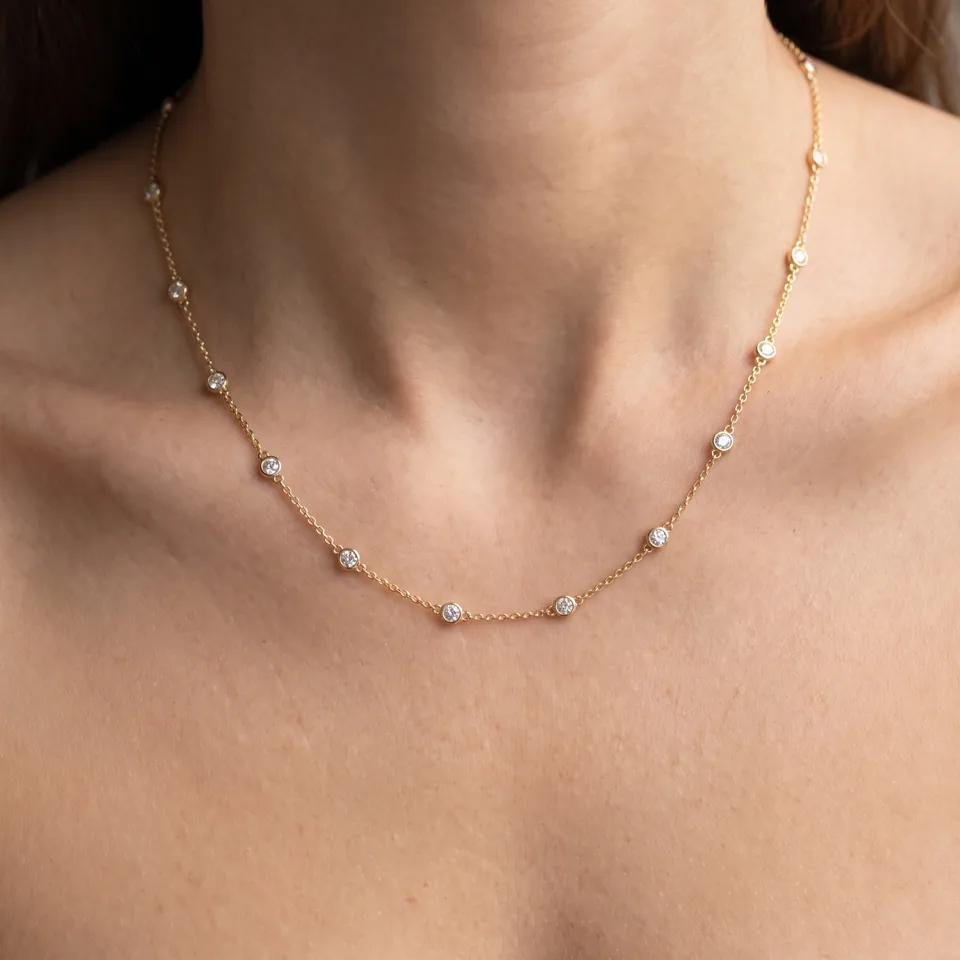 Lab-Grown Diamond Bezel Necklaces
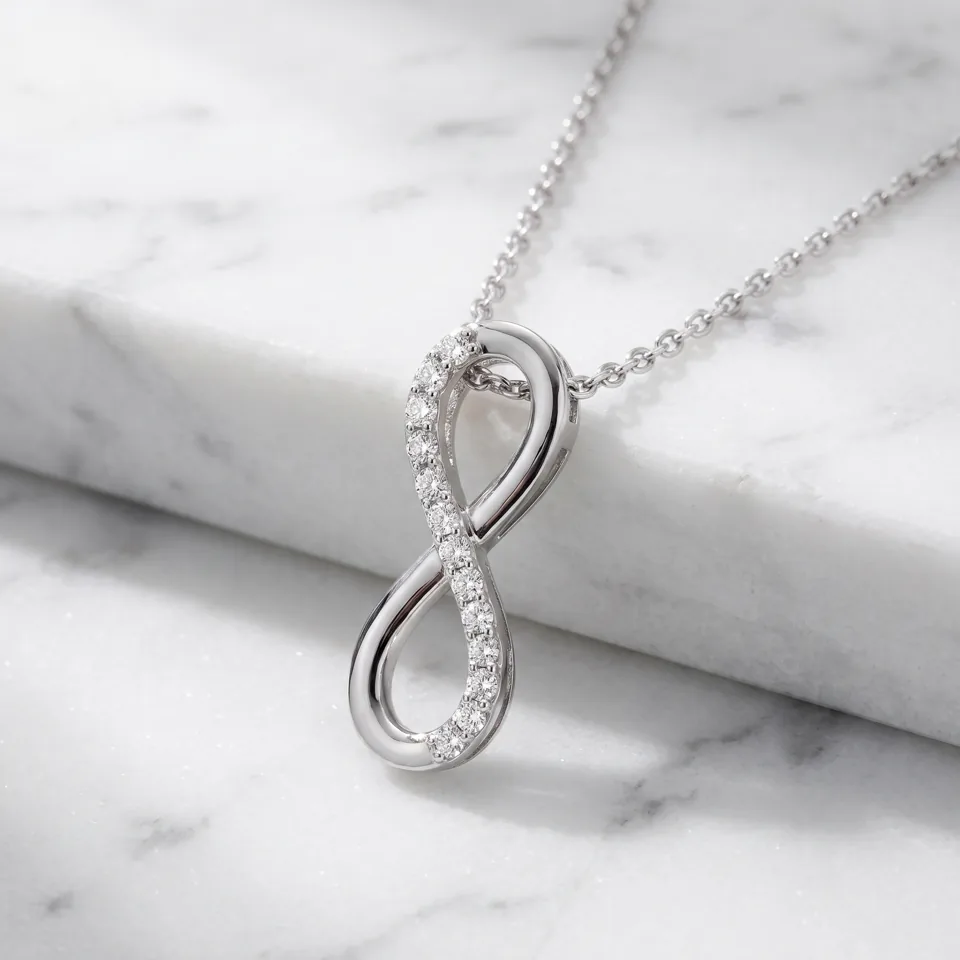 Lab-Grown Diamond Infinity Necklaces
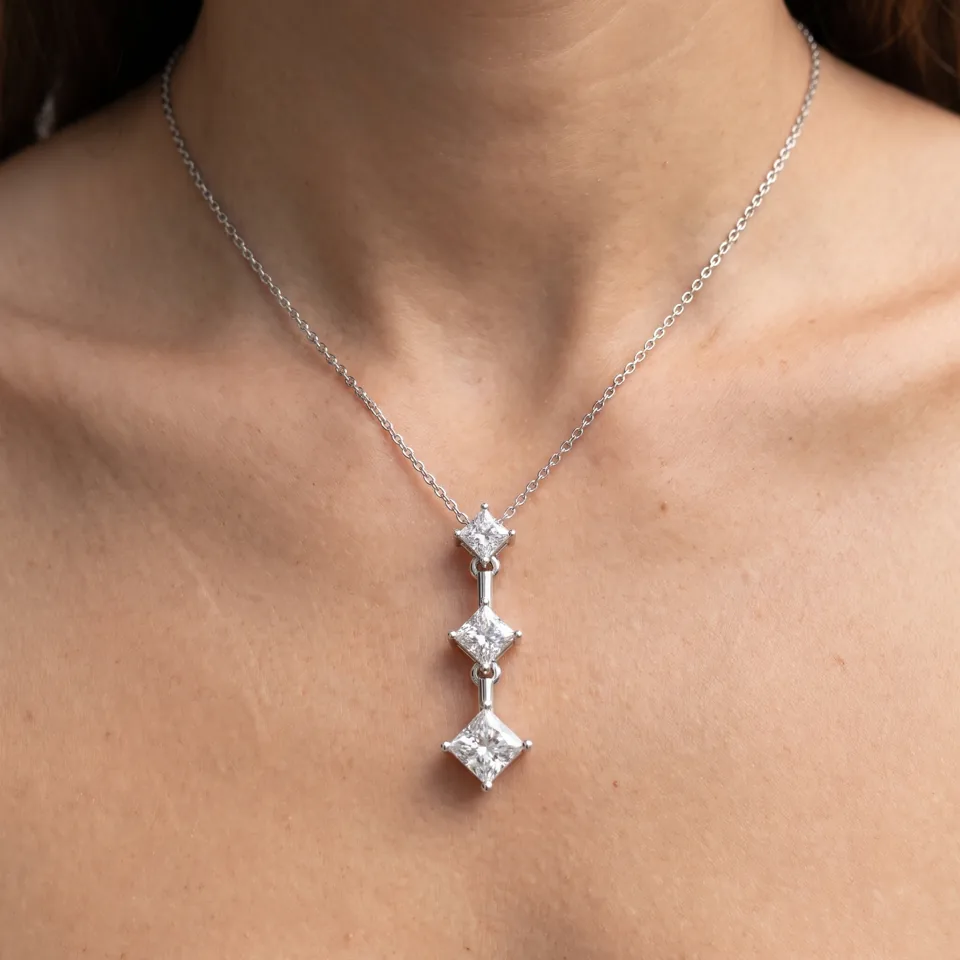 Lab-Grown Diamond Three Stone Necklaces
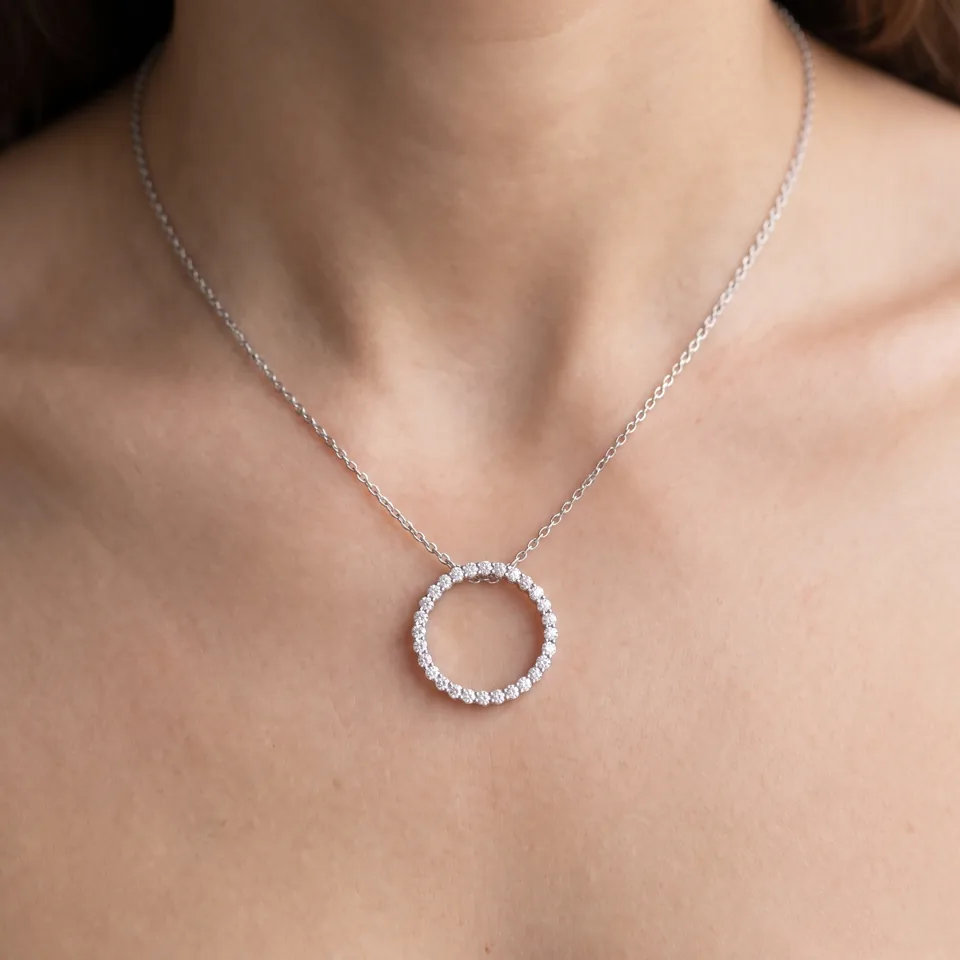 Lab-Grown Diamond Eternity Necklaces
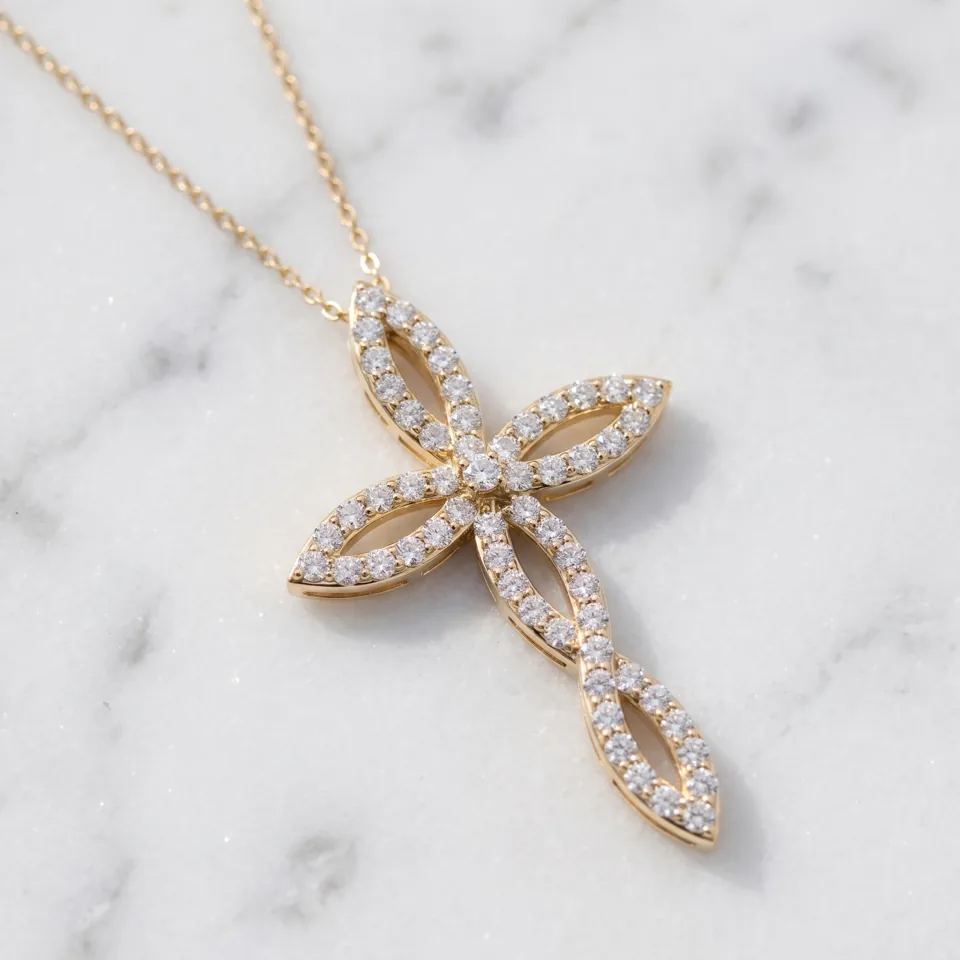 Lab-Grown Diamond Pave Necklaces
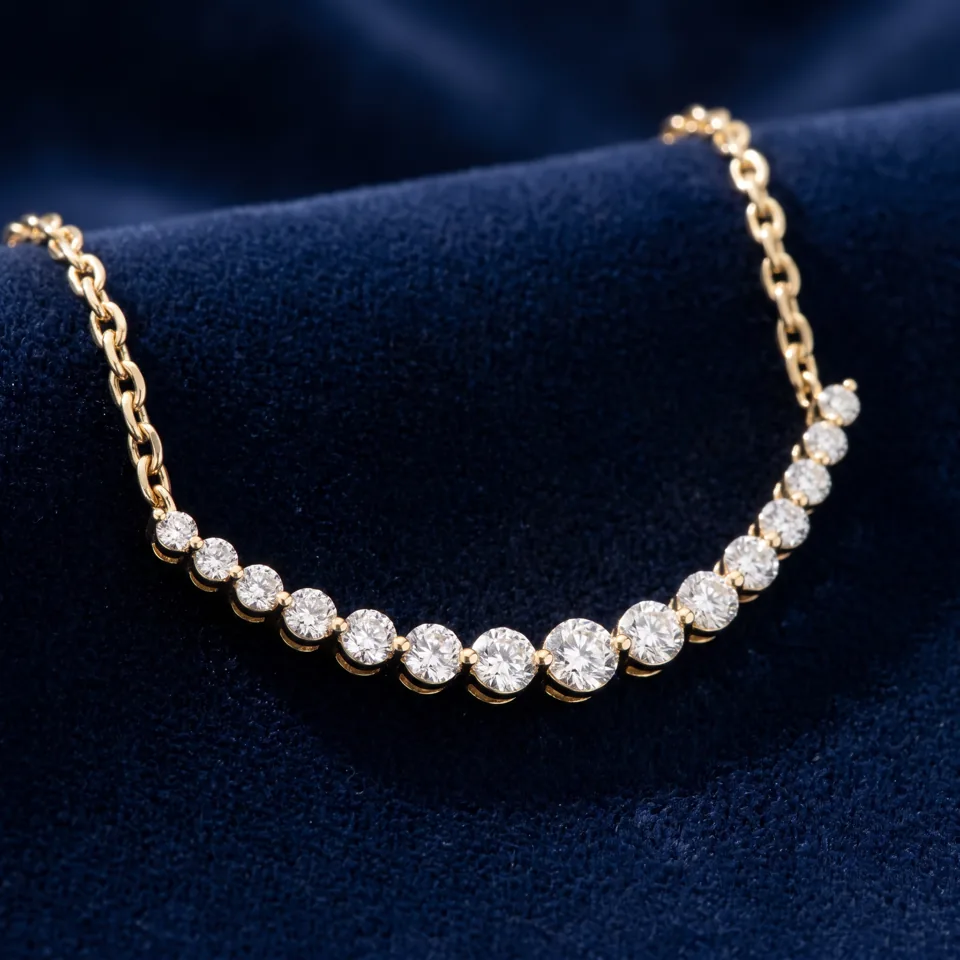 Curved Lab-Grown Diamond Bar Necklaces
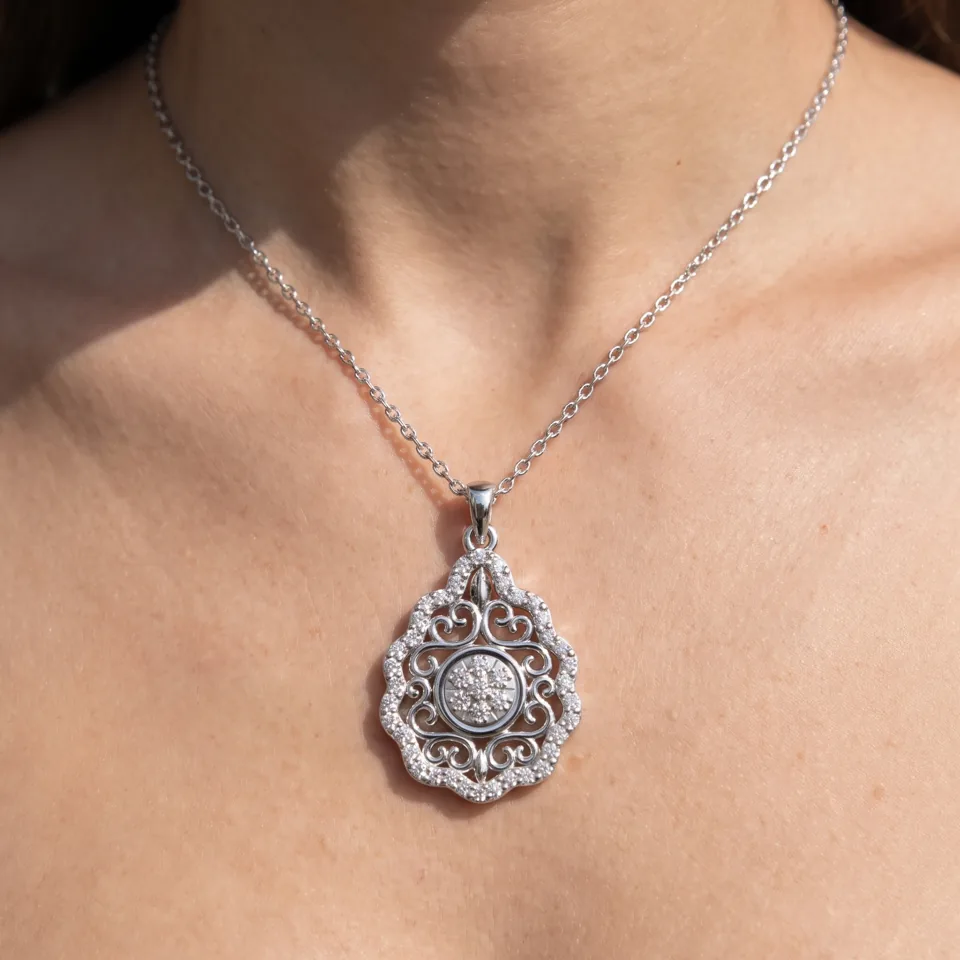 Lab-Grown Diamond Filigree Necklaces
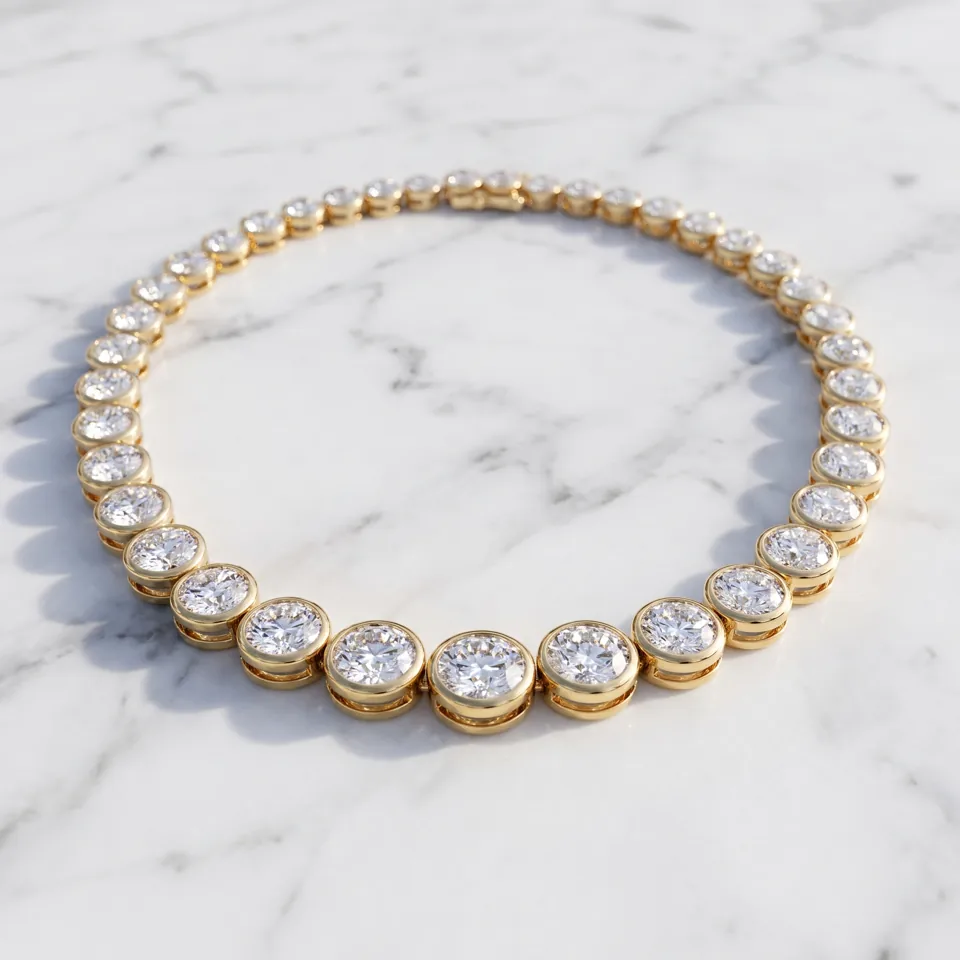
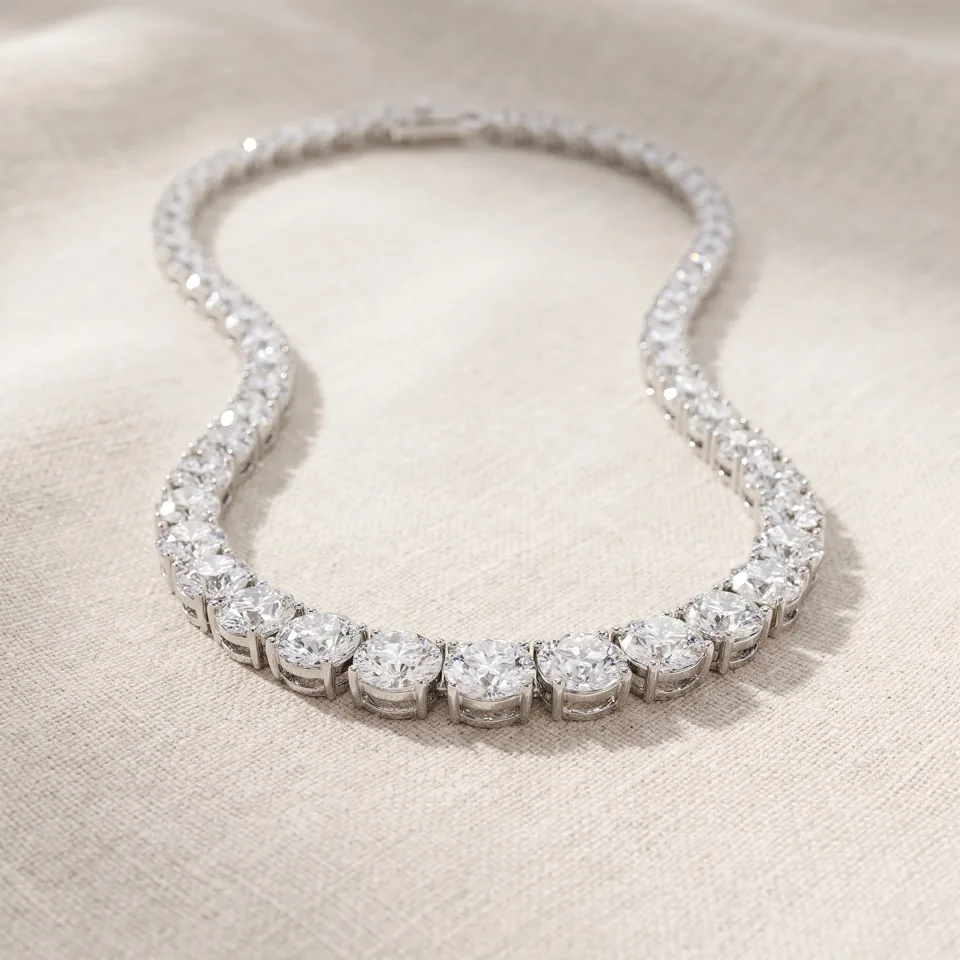 Lab-Grown Diamond Graduated Necklaces
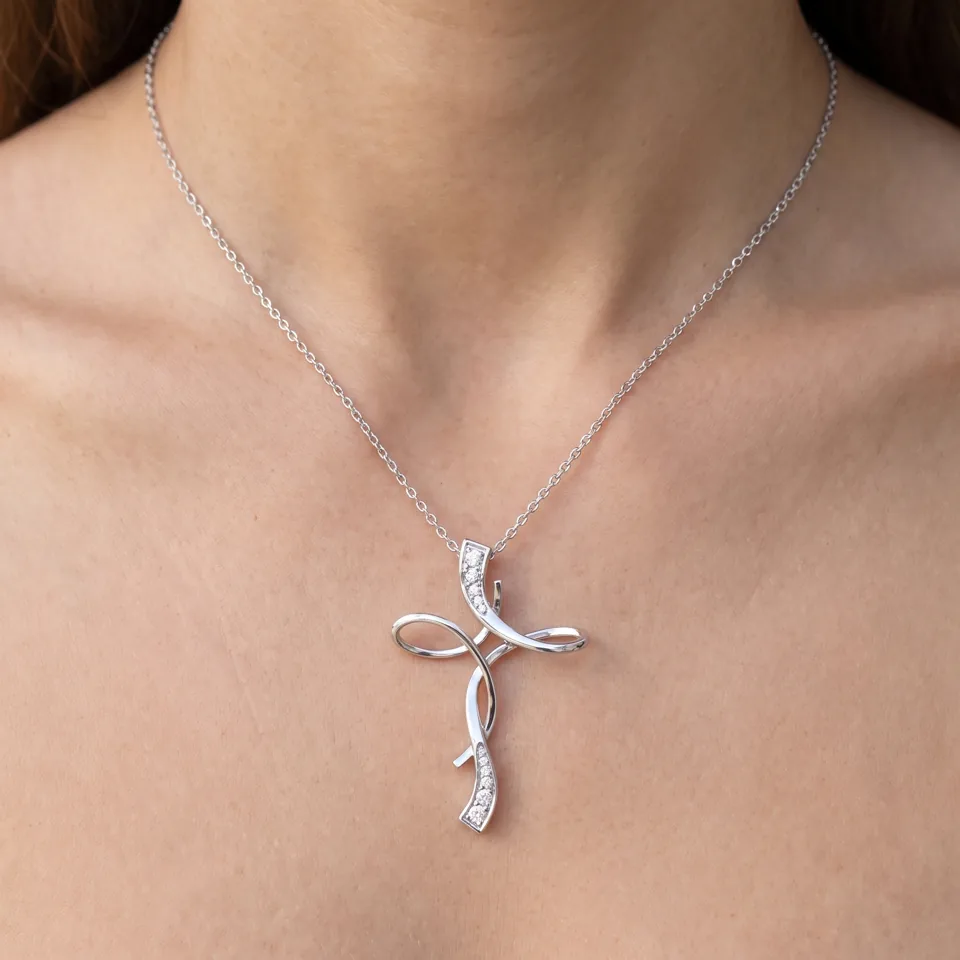 Lab-Grown Diamond Twisted Necklaces
A small solitaire or bezel pendant is the easiest piece to wear daily: it sits flat, rarely flips, and goes with work clothes. Halo and three stone pendants catch more light and suit evenings out. Tennis necklaces circle the neck with an unbroken row of lab-grown diamonds and are best saved for occasions or worn alone so they don't tangle with other chains.
Almost all designs are offered in three gold colors, plus Silvadium, a tarnish-resistant sterling silver that makes a gentle first step in price. Gold necklaces come in 10K or 14K, with 18K offered on a few. Silver is the budget choice for a first pendant, while gold holds up better on a chain worn every day.
The listed figure adds up every lab-grown diamond in the necklace. Pendants and tennis styles here run from roughly half a carat up to 3 carats total weight on most designs, and many offer 5 or 6. A solitaire puts its weight in one stone, so 1 carat there looks far larger than 1 carat spread along a tennis line.
Round stones dominate the range because they sparkle evenly when the pendant turns. Oval faces up a touch bigger than round at the same weight and draws the eye down the neckline. Princess gives a crisp square outline that pairs well with structured clothing. Whatever shape you choose, a bezel frame protects the edges and keeps the look modern.
Every necklace is made for you in 10–15 days and sent with free insured shipping both ways. If it isn't what you hoped for, return it unworn with its certificate within 30 days. One length change is free within 60 days of delivery: we remake the necklace to the new length, which takes 10–15 days, and a pendant simply gets a new chain.
Whitemoon lab-grown diamond necklaces start under $250, and most designs at their smallest option cost between about $600 and $800. Adding total carat weight or choosing gold over silver raises the price, and tennis necklaces cost more than pendants because they hold many more stones. Because lab-grown stones are far cheaper than mined ones of equal size, you can afford a bigger pendant on the same budget.
The best everyday choice is a small solitaire or bezel-set pendant hung on a sturdy chain. Bezel settings wrap metal around the lab-grown diamond, so nothing snags on sweaters or hair. Half a carat to one carat total weight is visible without feeling formal. Choose gold over silver if the necklace will rarely come off.
An 18 inch chain is the usual pick for a pendant: it falls just below the collarbone on most people and keeps the stone in view with open necklines. Our necklace length chart shows where every length sits. A 20 inch chain sits a little lower, which suits higher necklines, layering under a shorter chain, or a taller frame. If you're unsure, measure a necklace you already wear and like.
Start with two or three necklaces at different lengths, spaced about 2 inches apart, so each one shows. Put the boldest piece, such as a pendant or a tennis line of lab-grown diamonds, in the lowest position, and keep the others simple. Stick to one metal color, or two you already mix, and vary textures, for example a station chain above a solitaire.
For most people, a pendant weighing 0.5 to 1 carat total looks balanced at the collarbone. It catches light across a room without overwhelming a delicate frame. Larger frames and higher necklines can carry 1.5 to 2 carats total. Halo pendants make a smaller lab-grown diamond look bigger, a good option if you want presence at a lower weight.