Complimentary insured shipping, both waysEngagement ring diamonds certified by IGI or GIAGrown by light. Conflict-free by natureComplimentary insured shipping, both ways
Engagement RingsWedding BandsEarrings

NecklaceBraceletsAbout
Knife edge rings are built on a shank whose two sloped sides rise to a sharp crest, so the band appears slim from above and catches a line of light. All the designs here are knife edge engagement rings sold as settings, and you add the center diamond in the next step.
Choose between a plain solitaire and a halo, then the shape and metal.
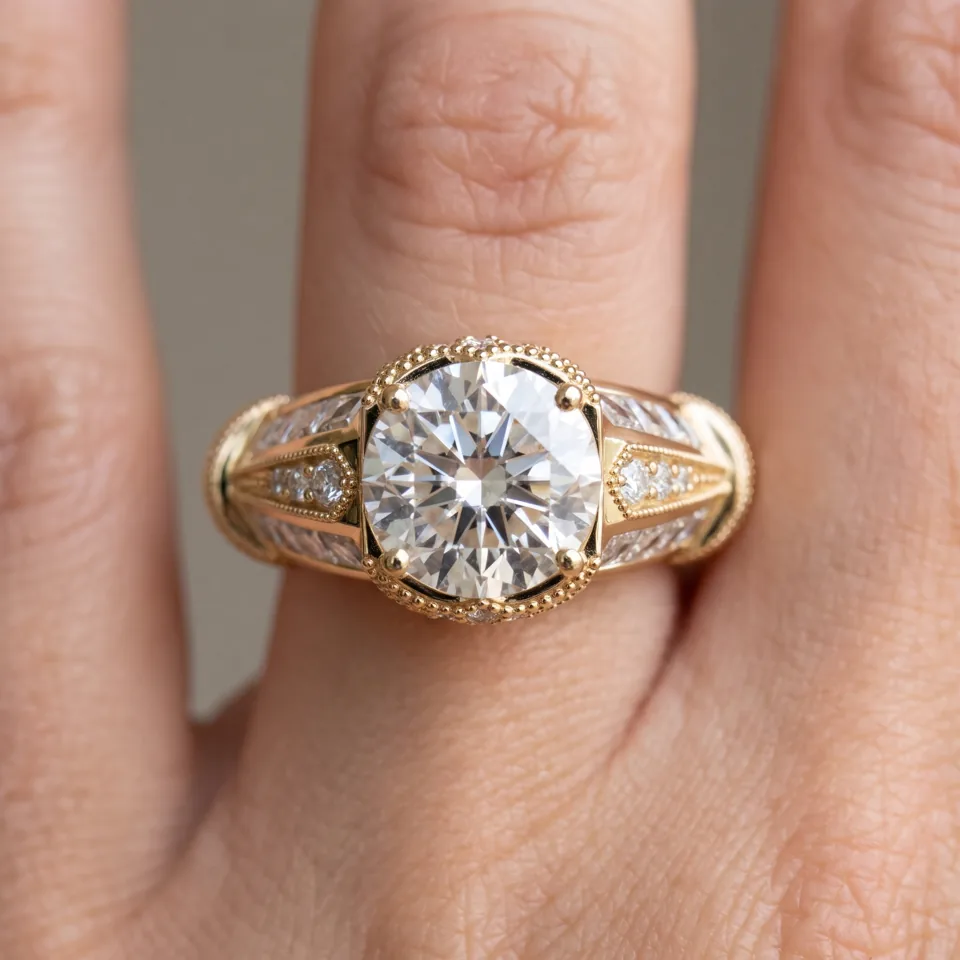 Vintage Engagement Rings
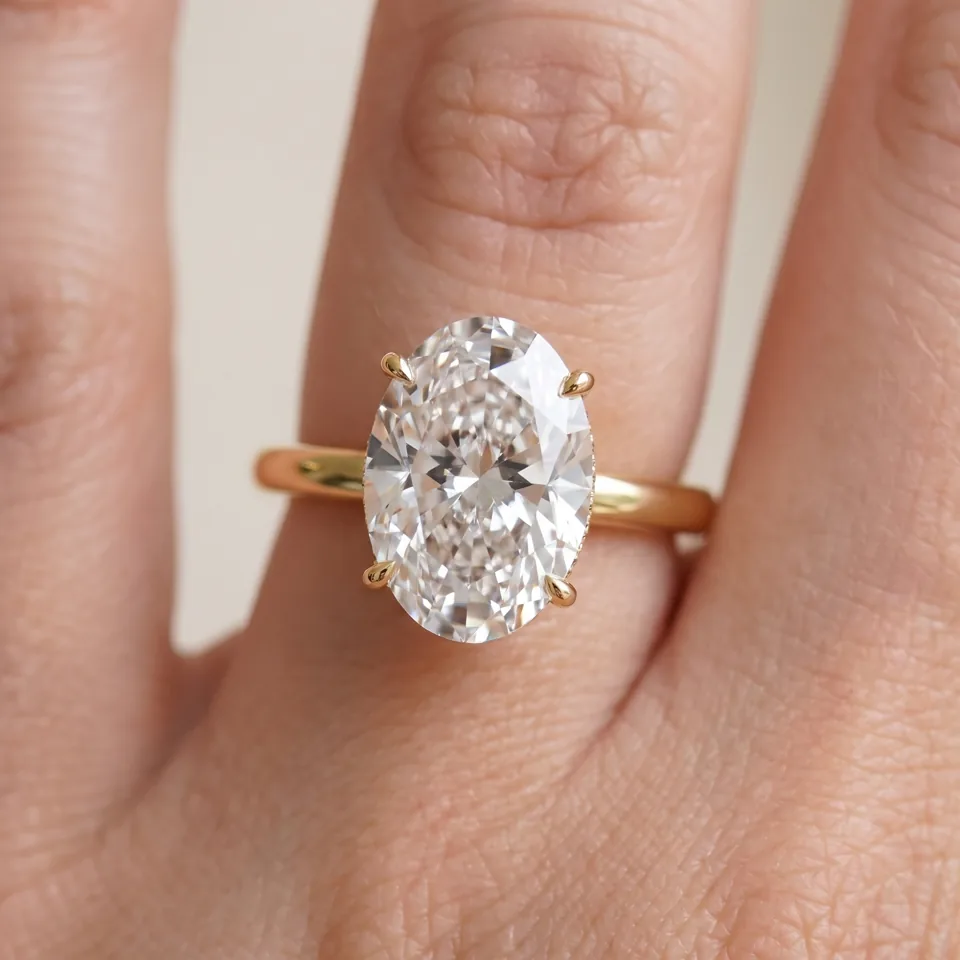 Solitaire Engagement Rings
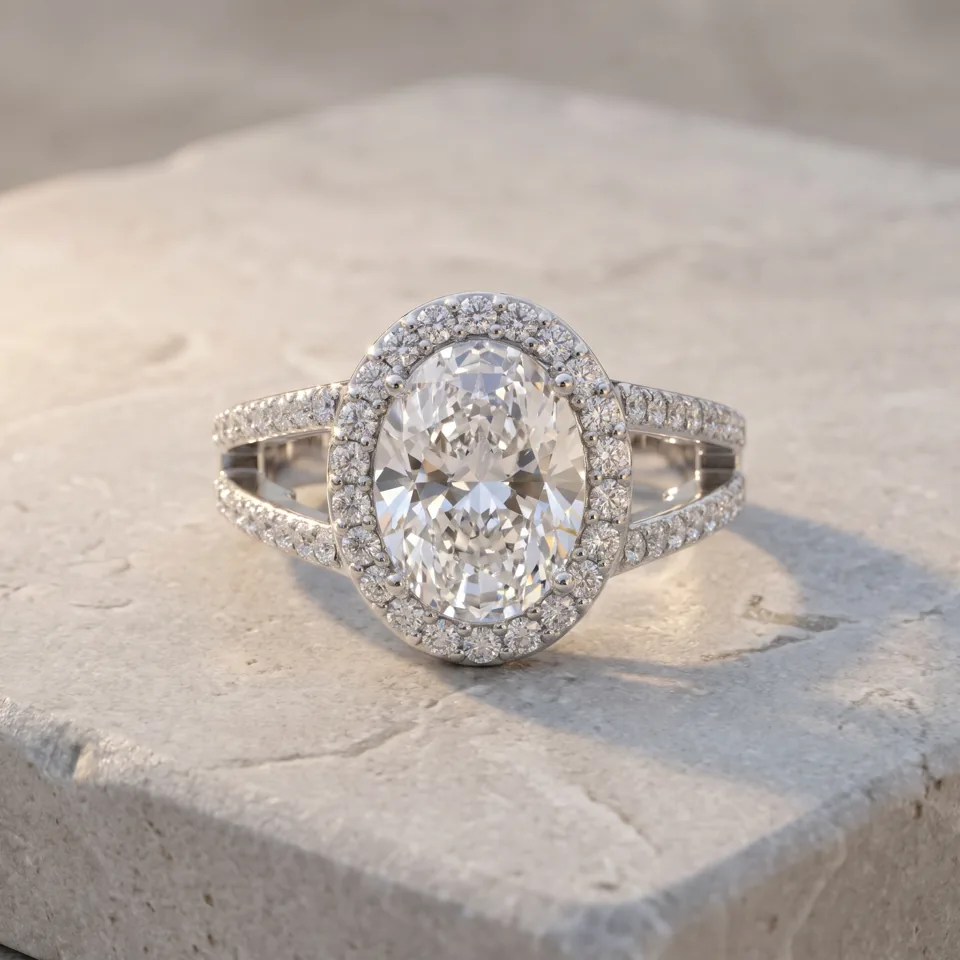 Halo Engagement Rings
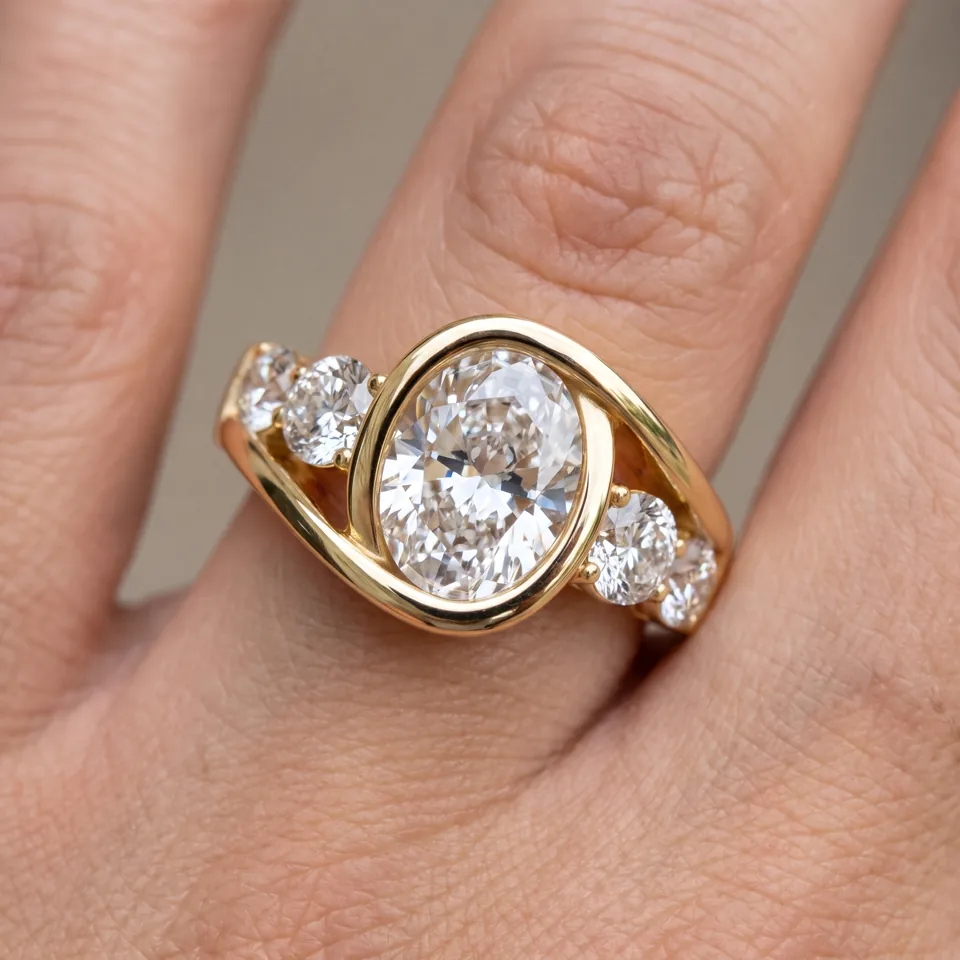 Bezel Engagement Rings
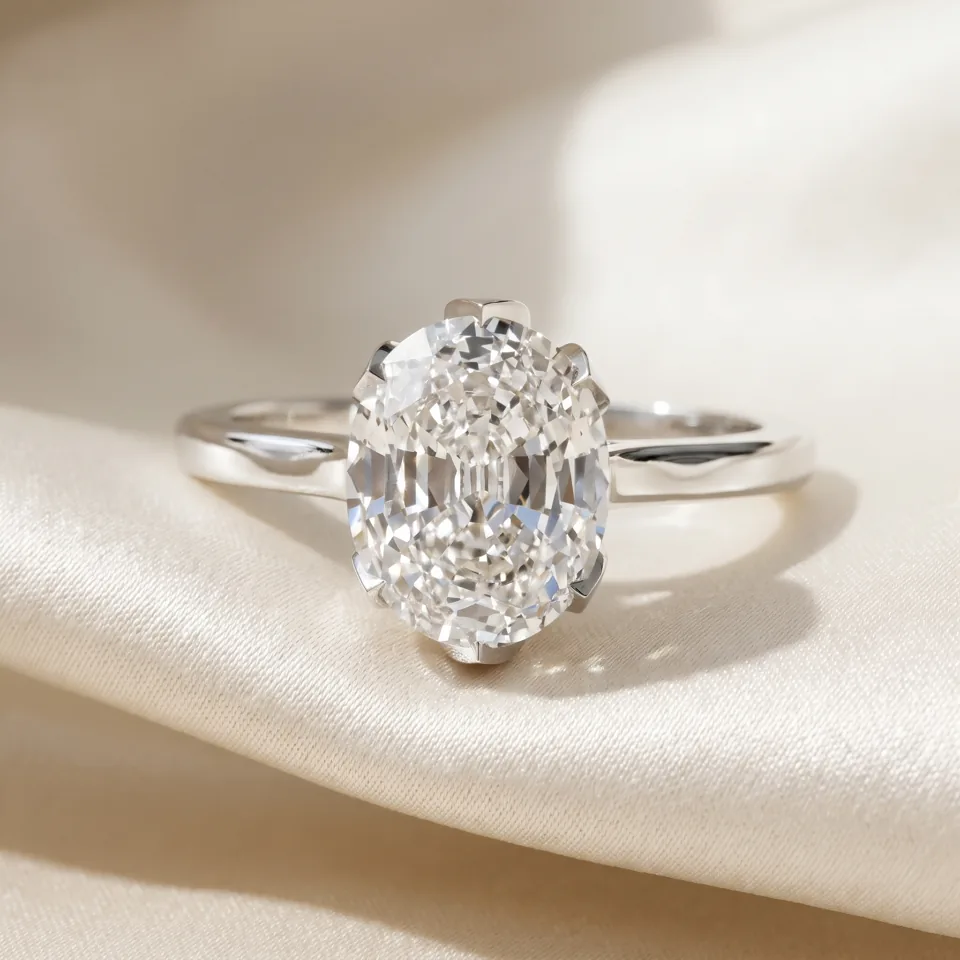 Floral Engagement Rings
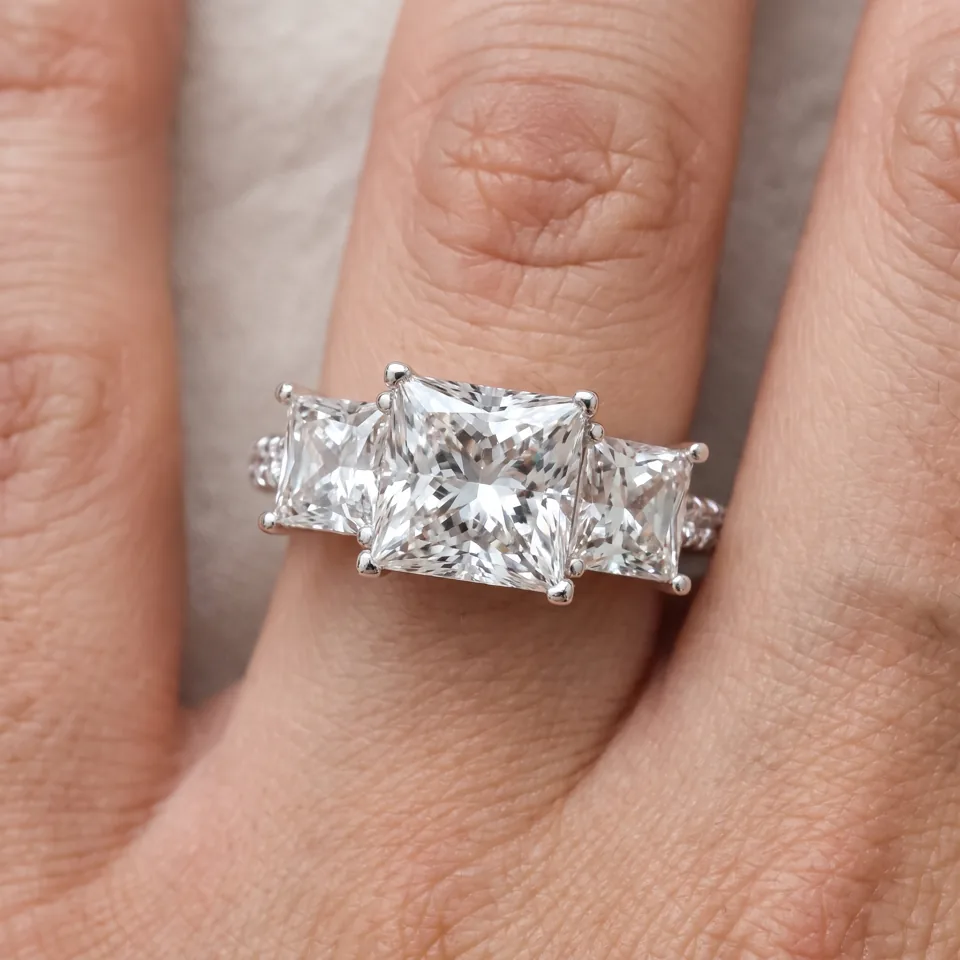 Three Stone Engagement Rings
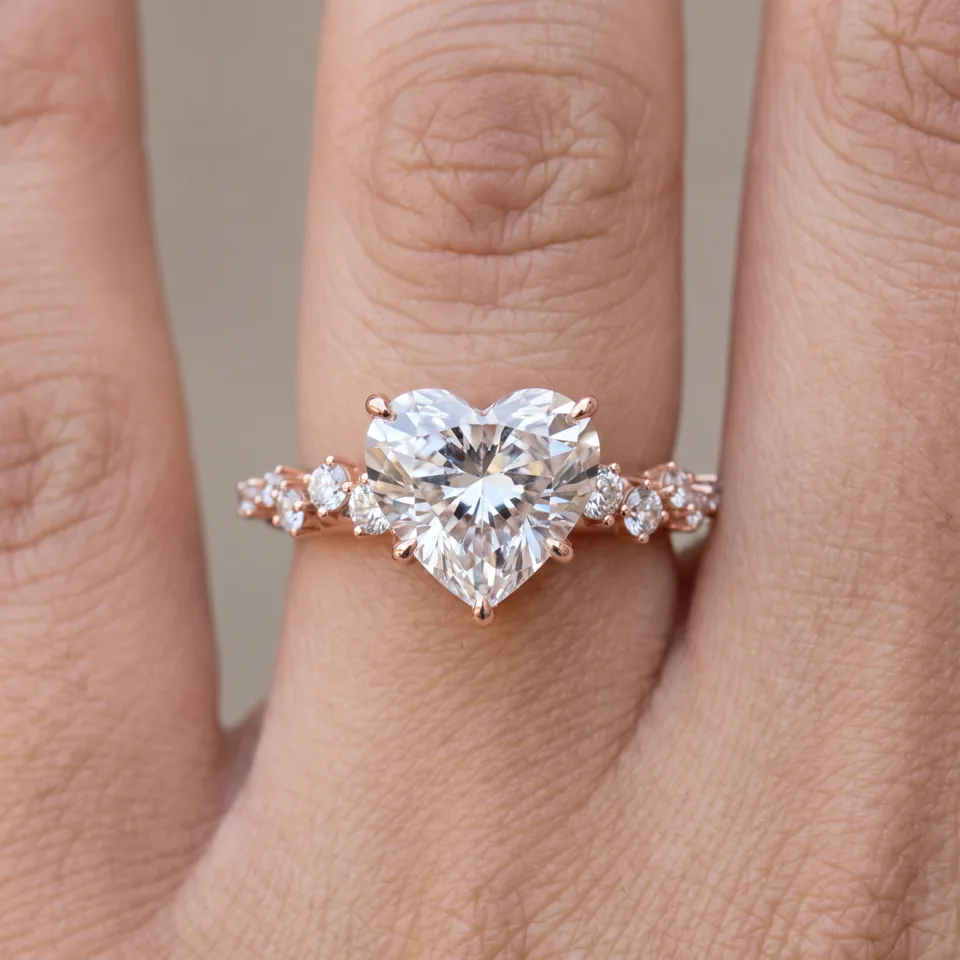 Cluster Side Stone Engagement Rings
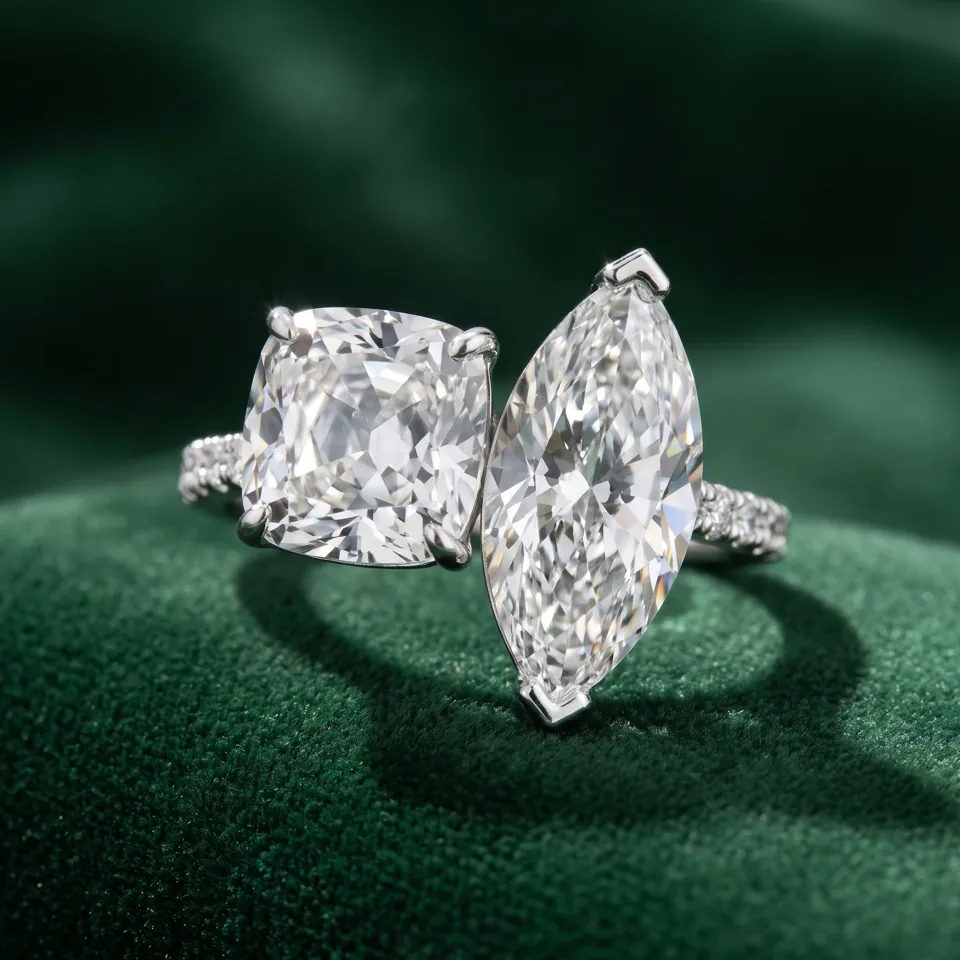 Toi et Moi Two Stone Engagement Rings
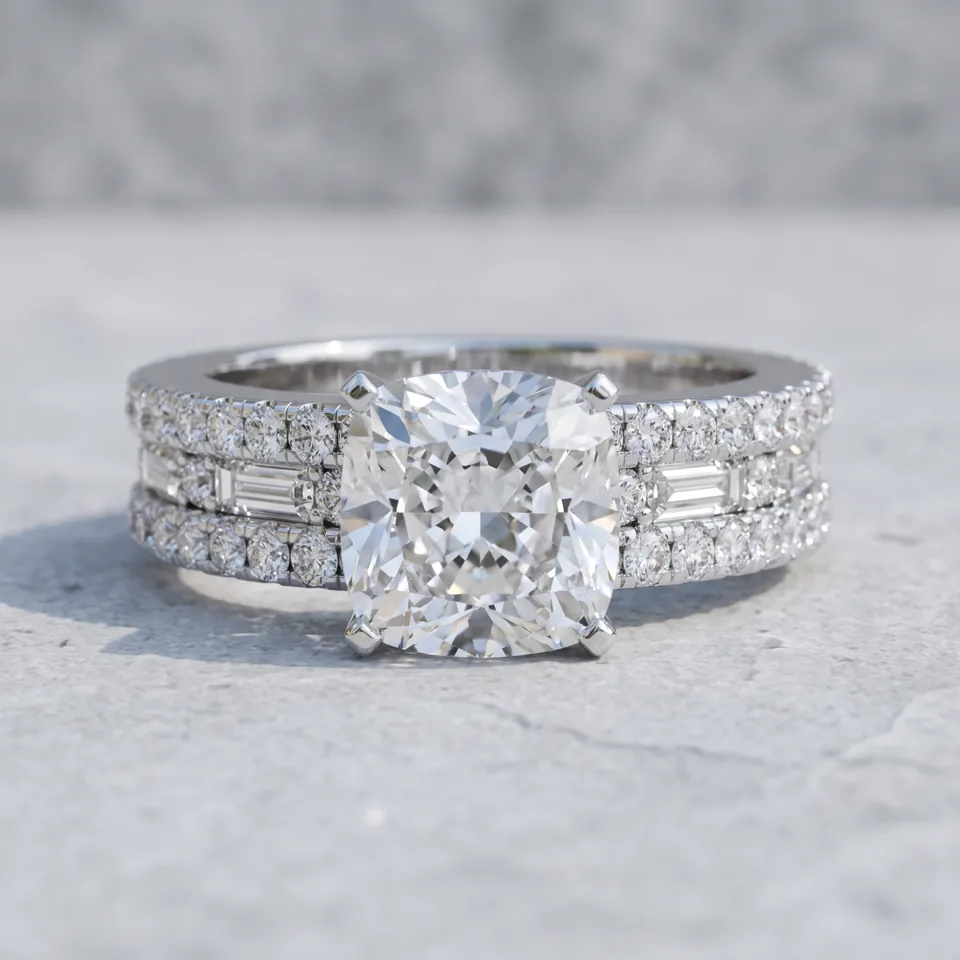 Engagement Rings with Baguette Side Stones
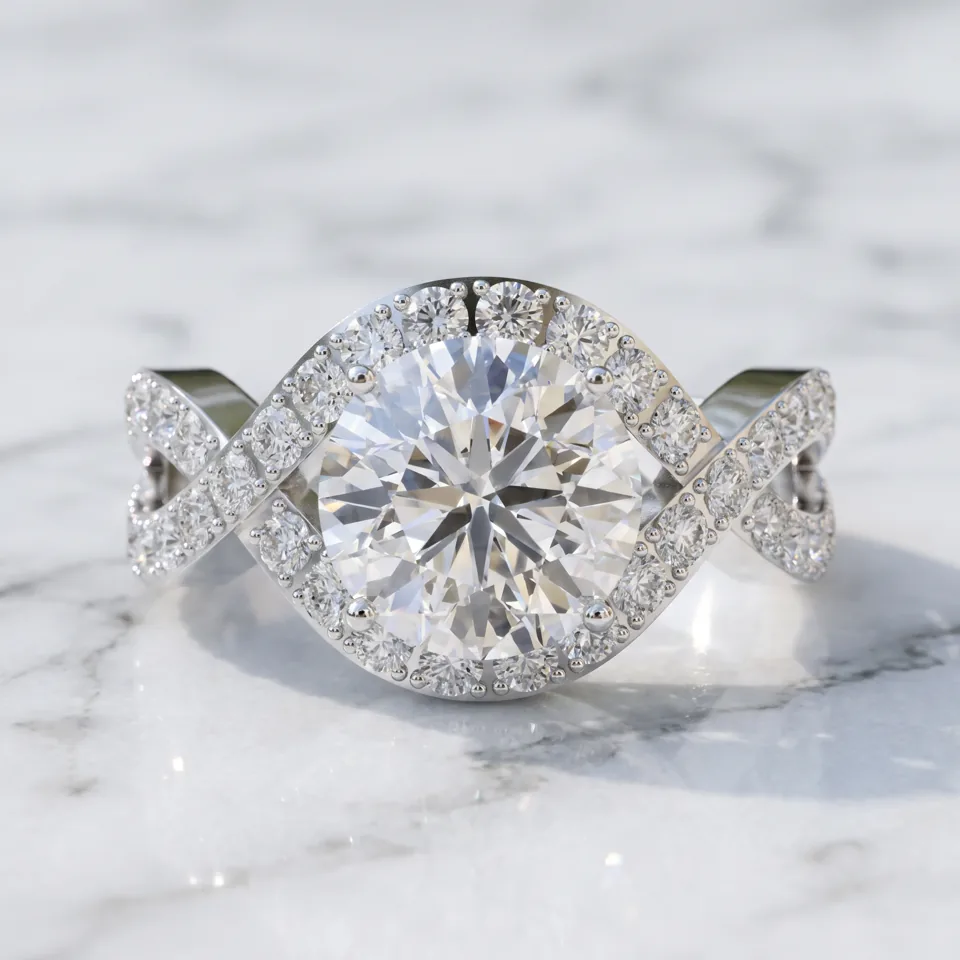 Infinity Rings
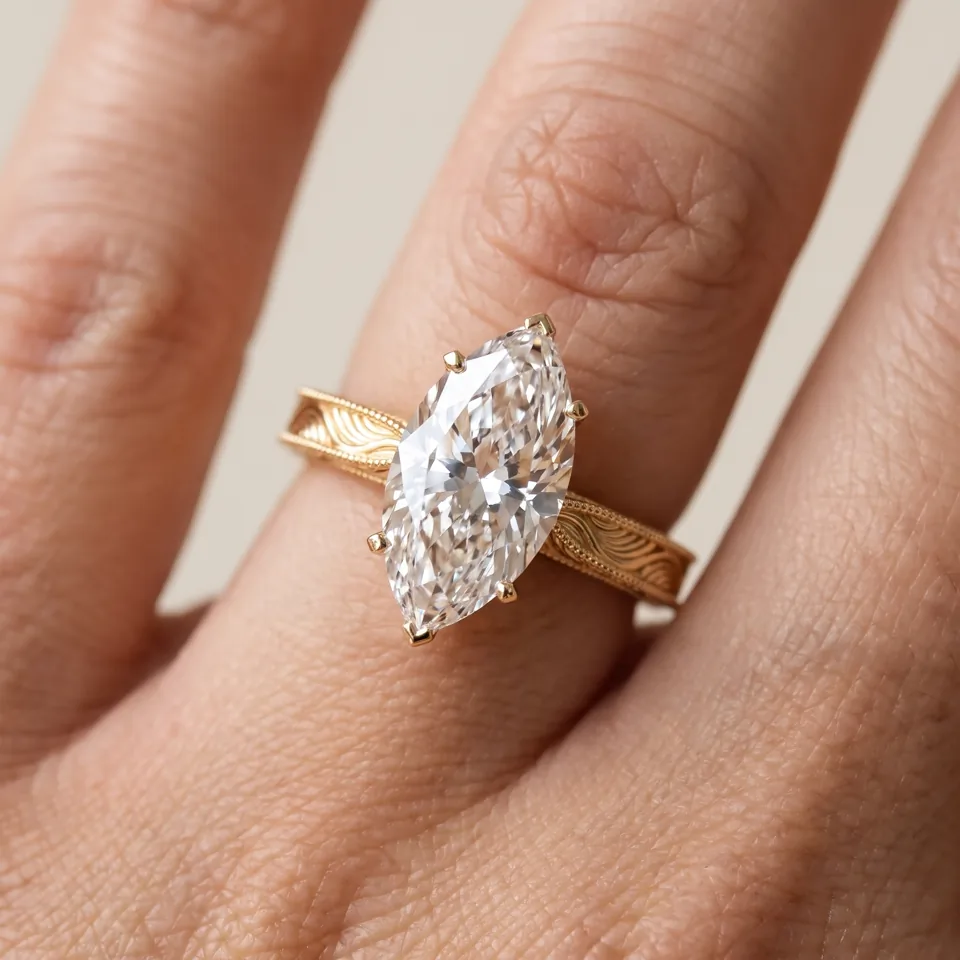 Engraved Rings
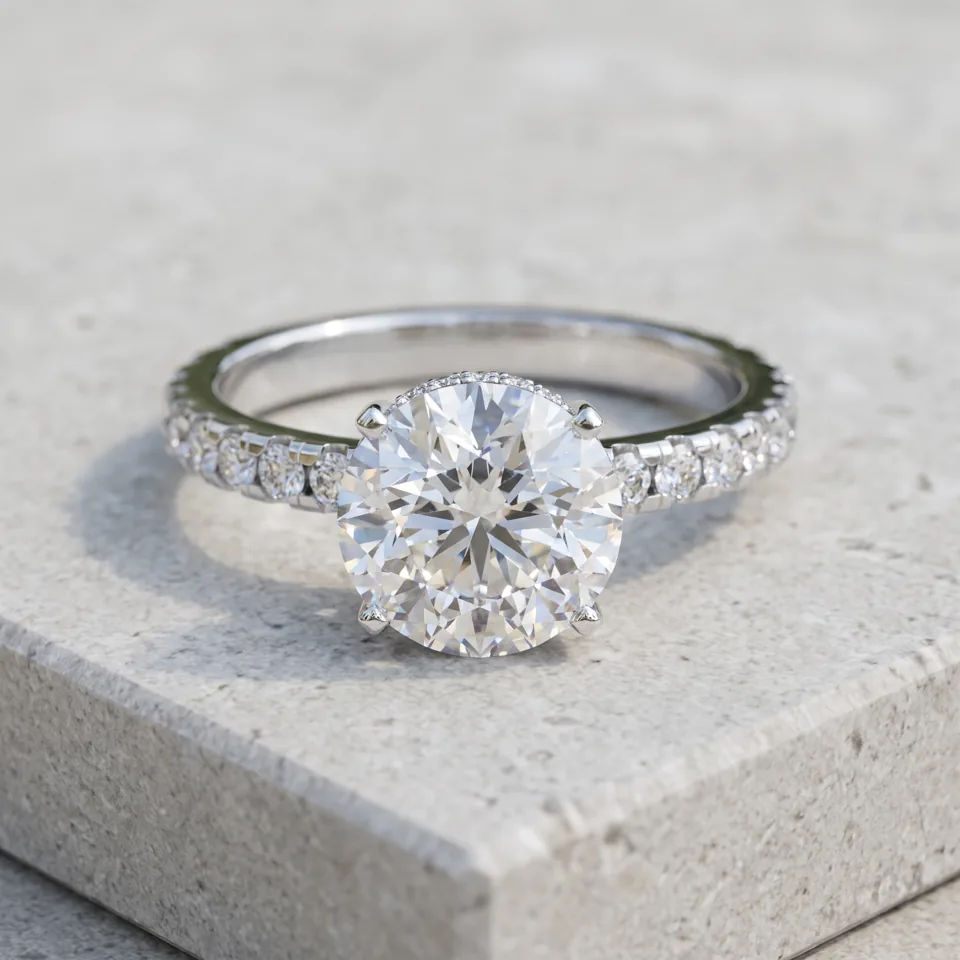 Pave Engagement Rings
The plain solitaires let the ridged band do the work; one of them uses claw prongs to grip the center. Another design adds a halo of laboratory-grown diamond accents, and one pairs a hidden halo with a graduated double row of pavé running down a knife-edge shank. Those two give more sparkle while keeping the angled profile.
Round is available on every design, and most also take heart, marquise, emerald, princess, asscher, radiant, pear, cushion or oval. The thin top line of the band makes any center look a little larger, which suits elongated shapes such as oval and marquise especially well. Most designs can also hold a colored center in pink, yellow, blue or green.
The ridge is the first part of the band to show wear, so a durable metal helps it stay crisp. Platinum is dense and wears slowly, and 10K and 14K gold are harder than 18K, which has the richer color. Silvadium, a tarnish-resistant sterling silver, keeps the price lowest, though its ridge will round off sooner with daily wear. You can start below $300; the usual price sits near $950–$1,050, before the center.
Your knife edge setting is made for you within 10–15 days, with free insured shipping on delivery and on any return. Unworn rings with their certificate are returnable within 30 days, and one free resize is available within 60 days of delivery. An IGI or GIA report comes with the center diamond.
It describes a band shaped like the blade of a knife: its two sides angle upward to a narrow ridge along the top. Seen from above, the shank appears slimmer than it really is, so the center stone looks larger. Here the style comes as solitaire, halo and hidden halo engagement settings, with gold, platinum and silver options.
The advantages are a slim look from above, a sharp line of light along the ridge, and a center that seems bigger by contrast. The drawbacks are that the ridge slowly wears down over years, especially in softer metals, a wedding band may not sit flush beside it, and the peaked top feels different from a flat band at first. Platinum or 14K gold helps the ridge last.
Yes, for most people. The ridge runs along the outside of the band, and the inside of a knife edge band is normally smooth, so it meets the finger like any other ring. Some wearers notice the peak against neighboring fingers for the first week or so. A plain knife edge solitaire feels lightest; the pavé hidden halo design is a little fuller at the top.
Mostly for the look. The tapered ridge makes the band appear delicate while keeping enough metal to stay sturdy, and its sloped faces send a crisp streak of light up toward the center. The style also suits almost any center shape and works with or without accents, from a bare solitaire to a halo, so it feels modern without looking busy.
