Complimentary insured shipping, both waysEngagement ring diamonds certified by IGI or GIAGrown by light. Conflict-free by natureComplimentary insured shipping, both ways
Engagement RingsWedding BandsEarrings

NecklaceBraceletsAbout
Graduated diamond rings arrange their accents in sizes that step down from the center outward, an old jeweler's trick for pulling attention to the center. The settings here hold a center you choose next, with graduated pavé, side stones or stations along the band. Pick the center shape, a metal and a design to begin.
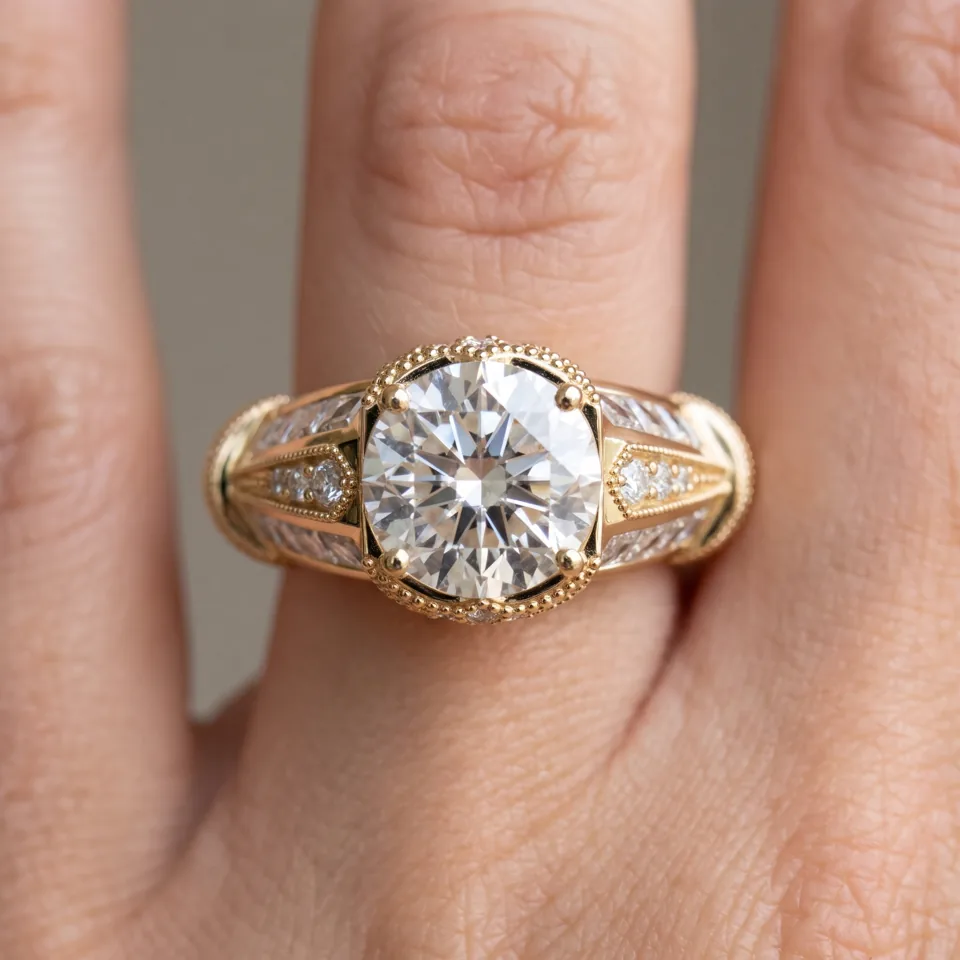 Vintage Engagement Rings
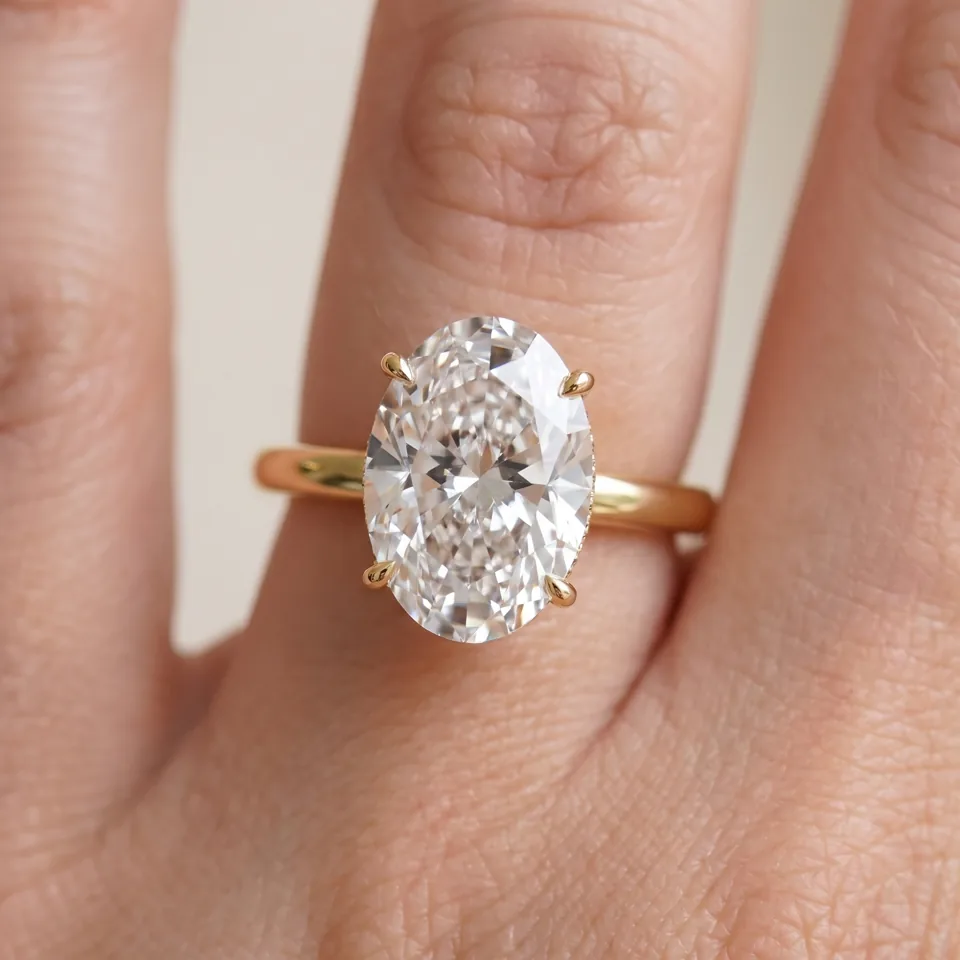 Solitaire Engagement Rings
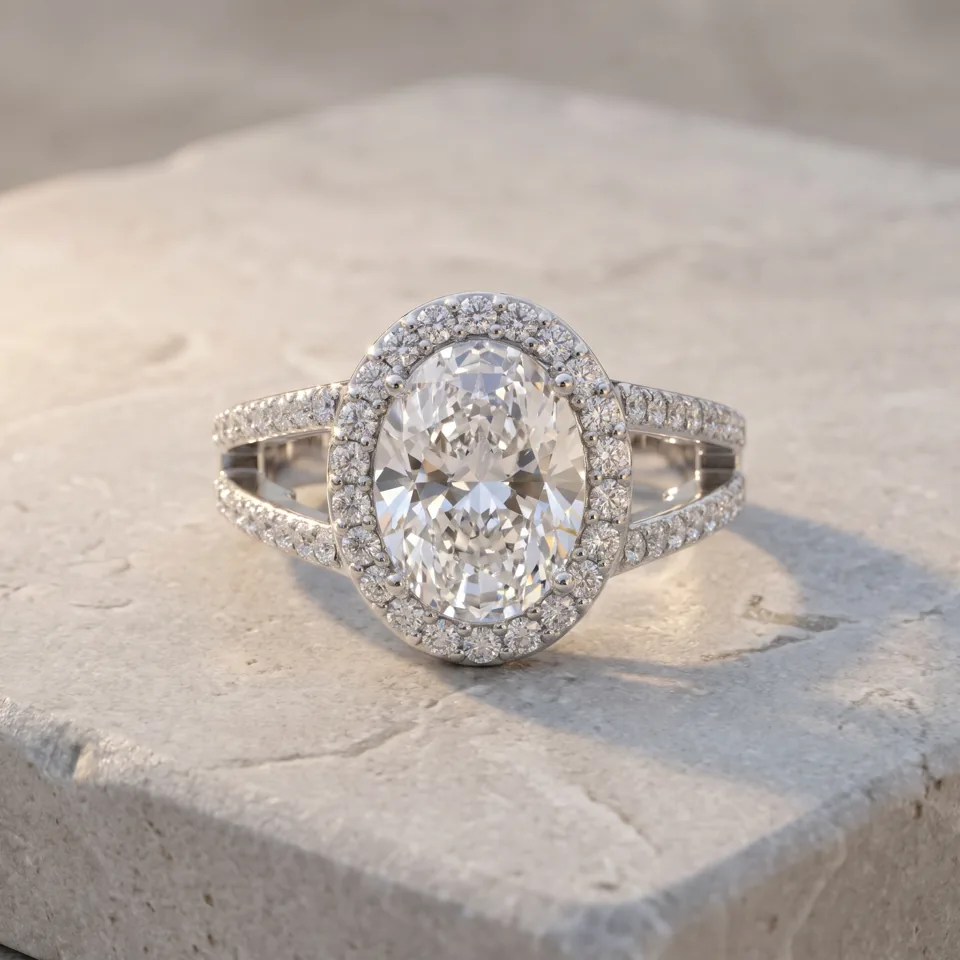 Halo Engagement Rings
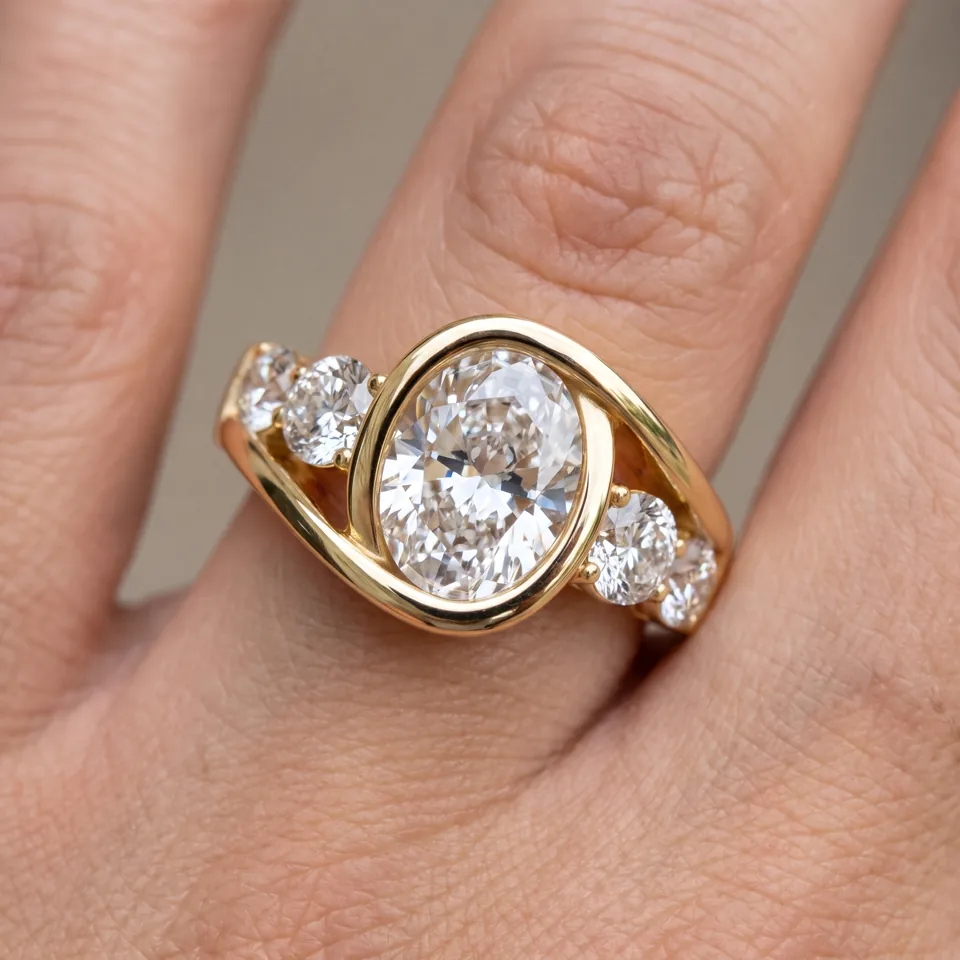 Bezel Engagement Rings
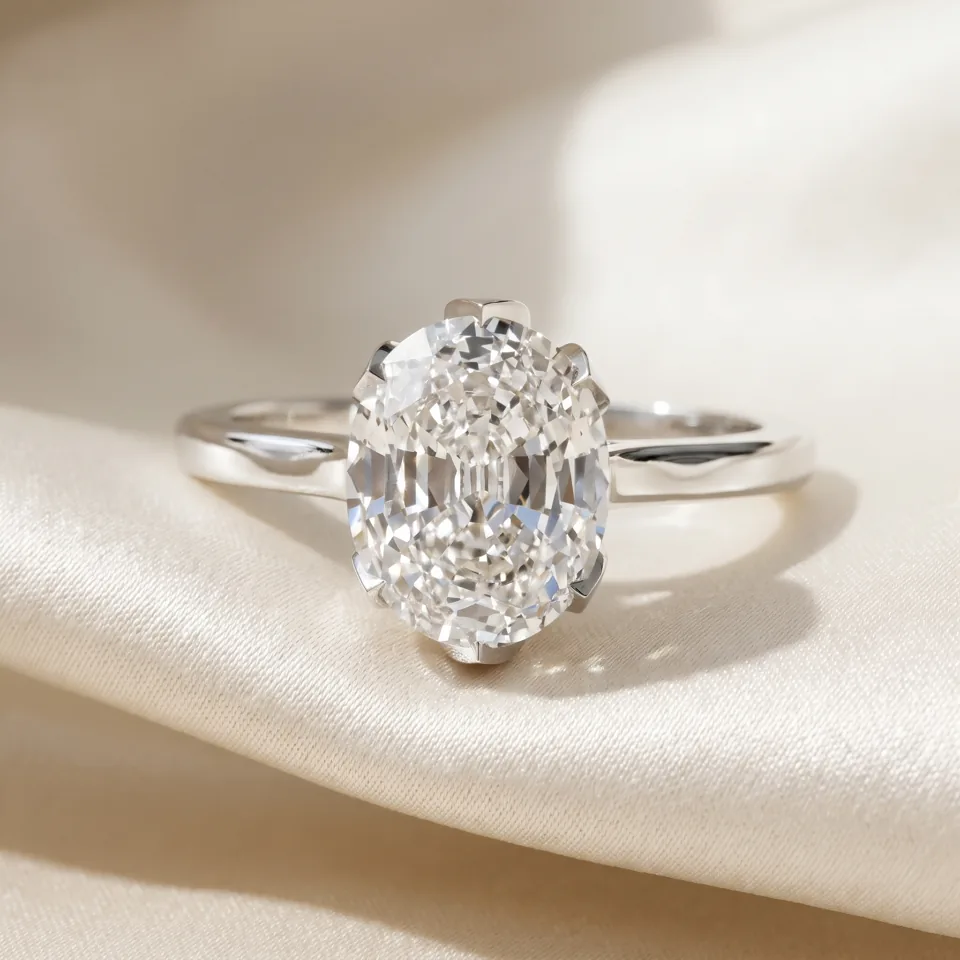 Floral Engagement Rings
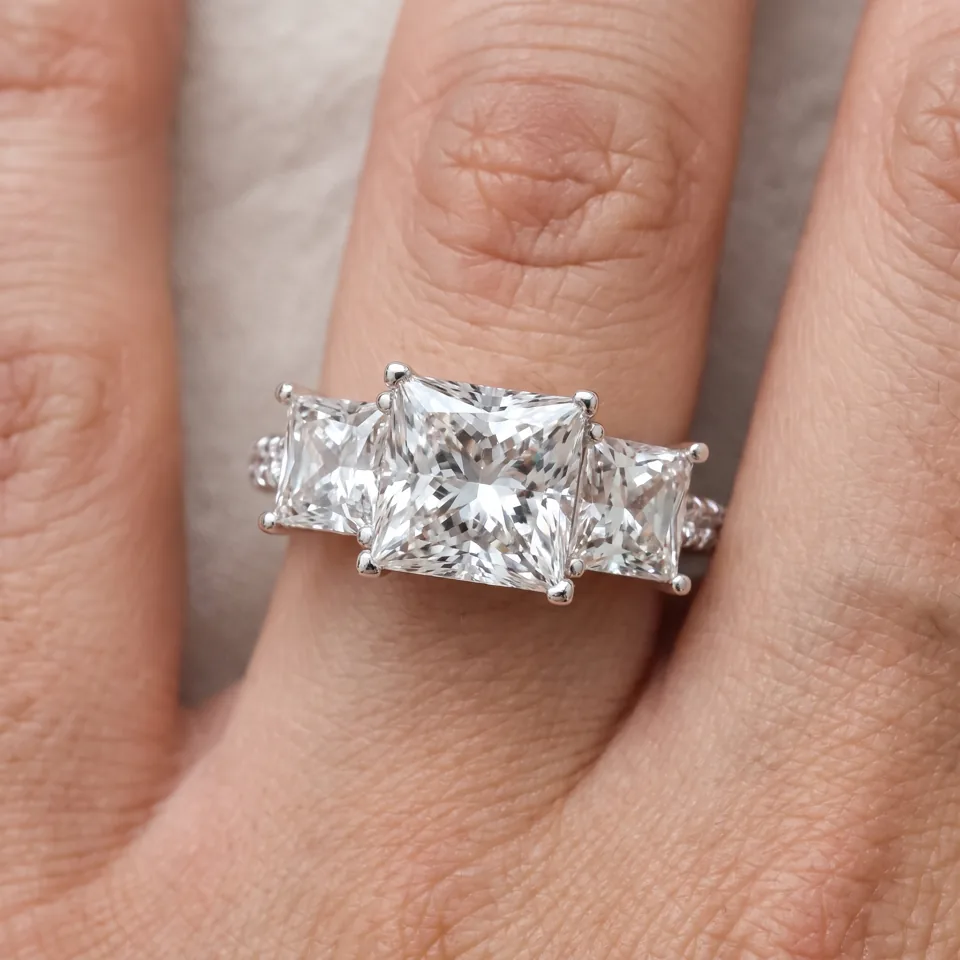 Three Stone Engagement Rings
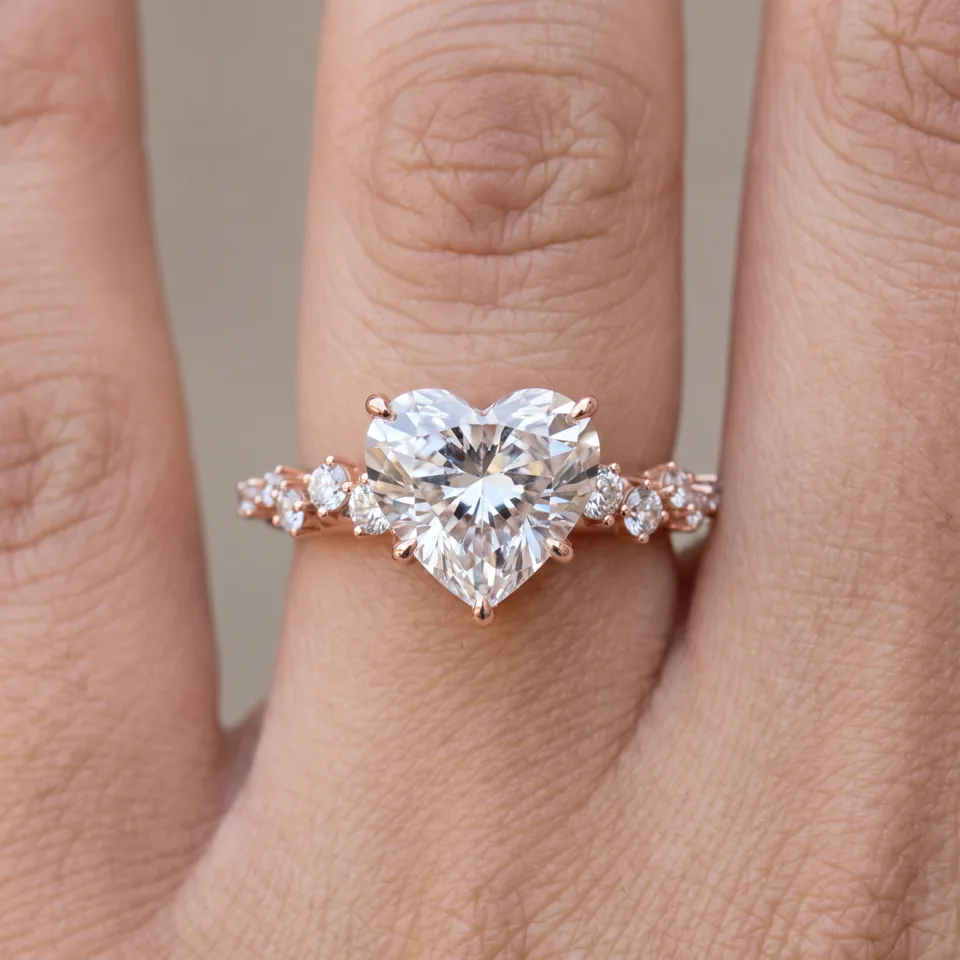 Cluster Side Stone Engagement Rings
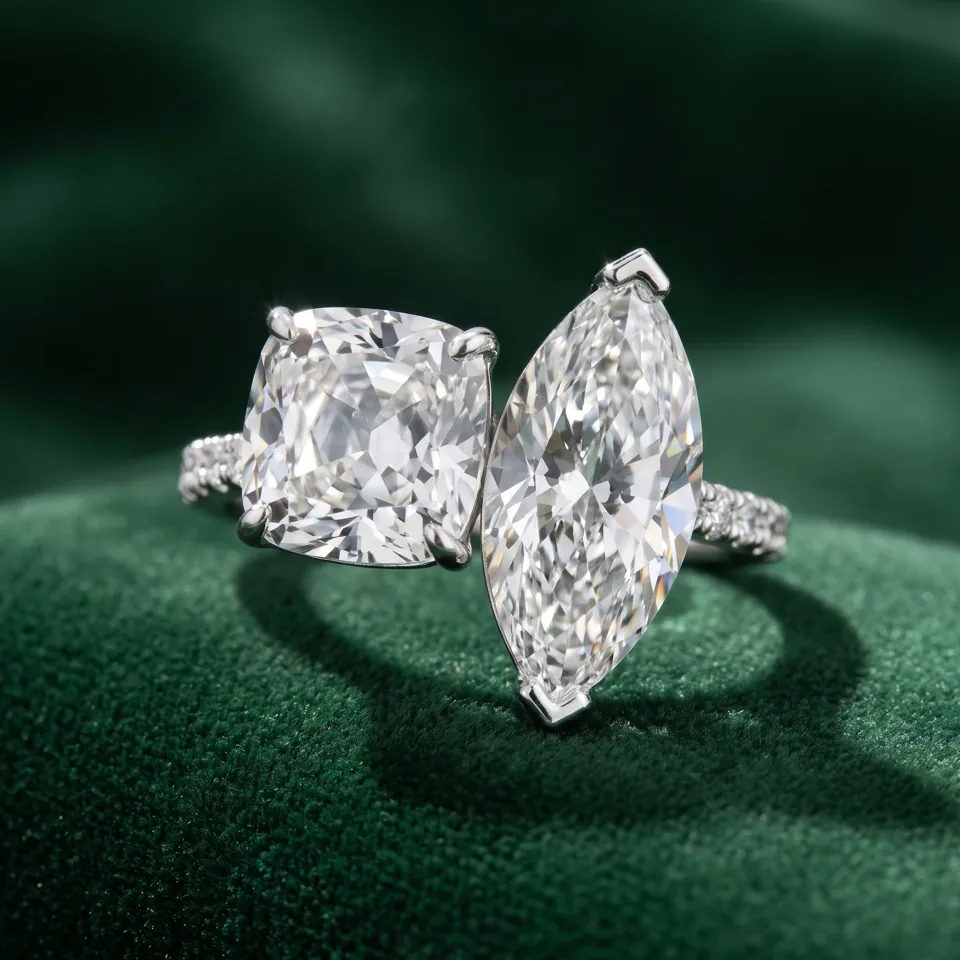 Toi et Moi Two Stone Engagement Rings
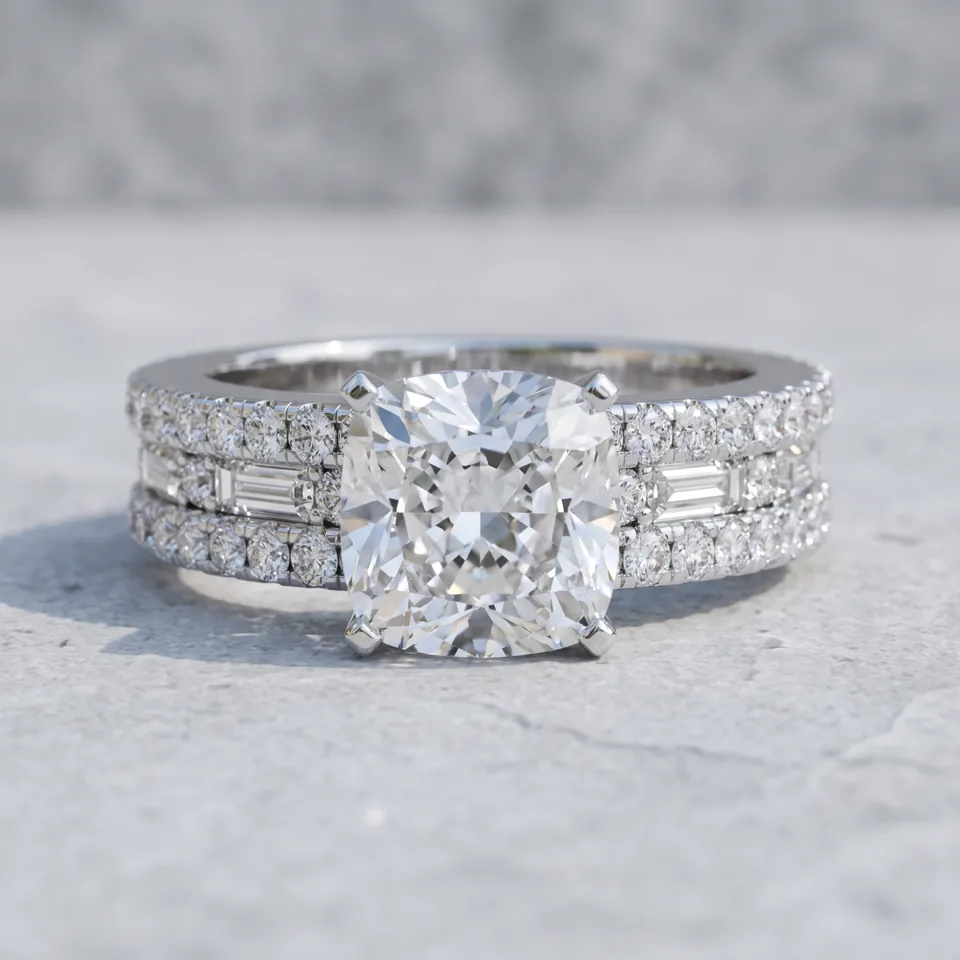 Engagement Rings with Baguette Side Stones
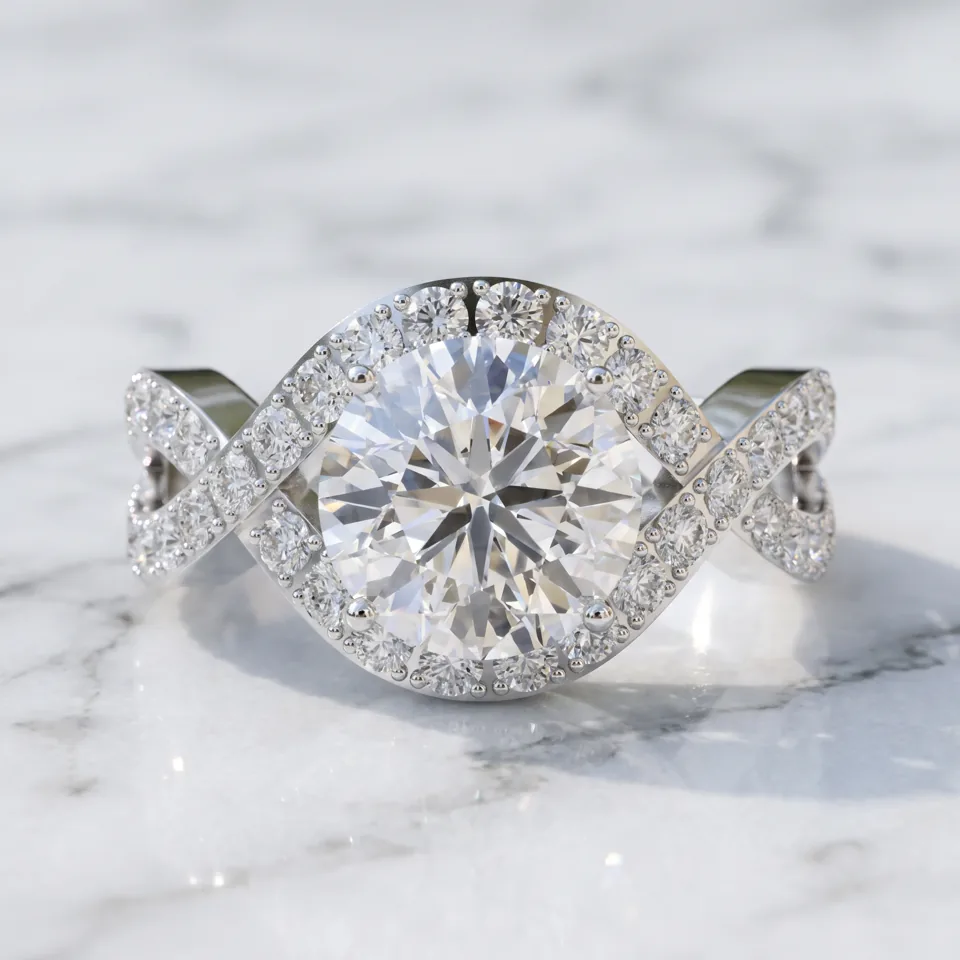 Infinity Rings
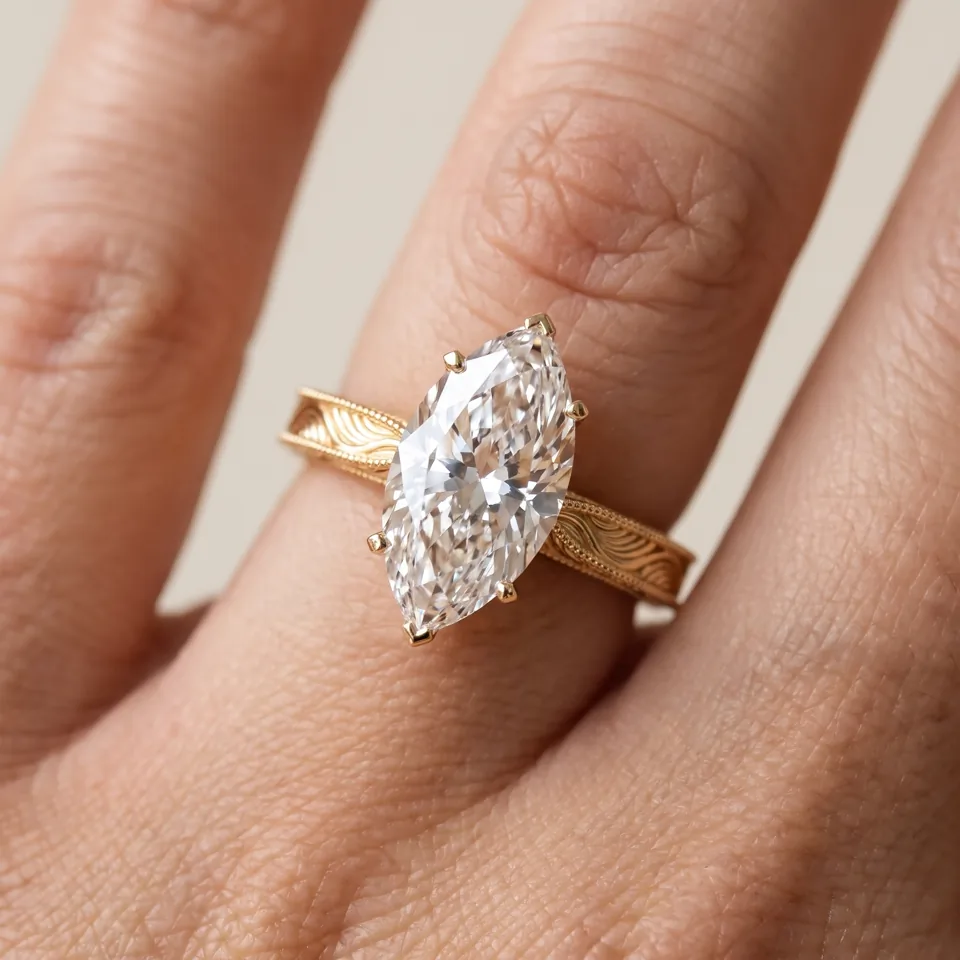 Engraved Rings
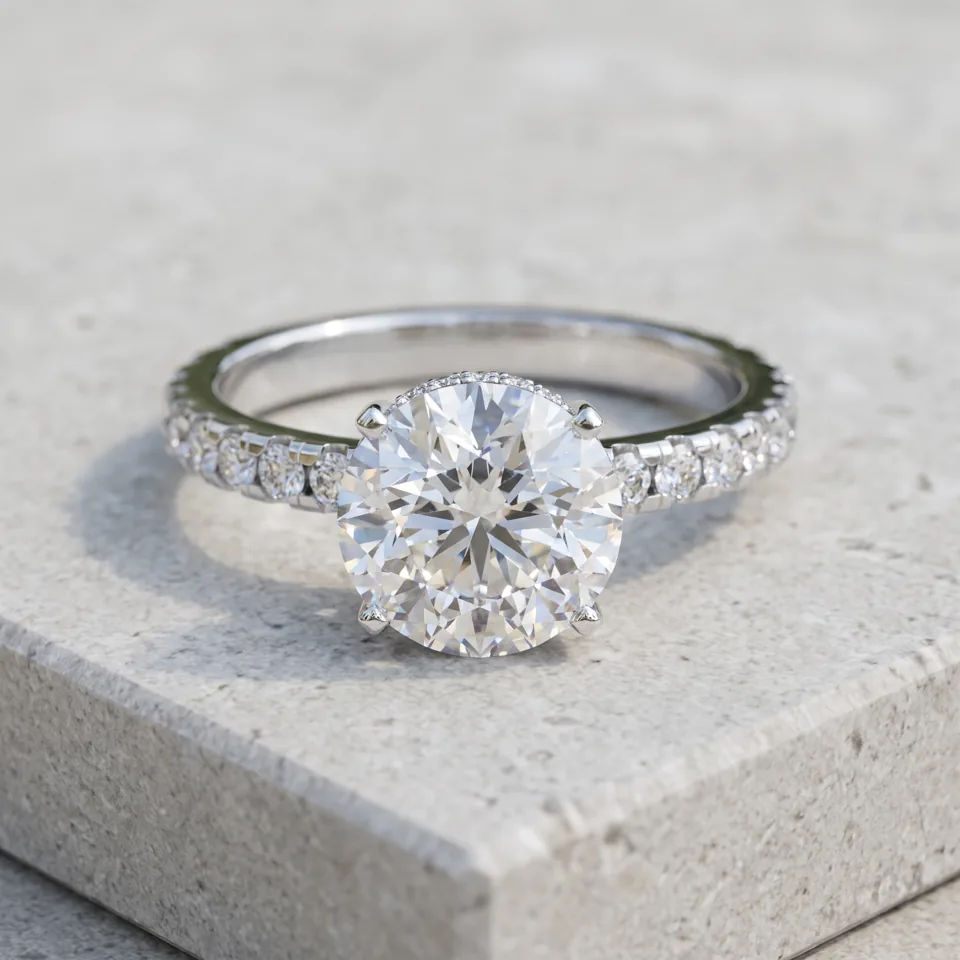 Pave Engagement Rings
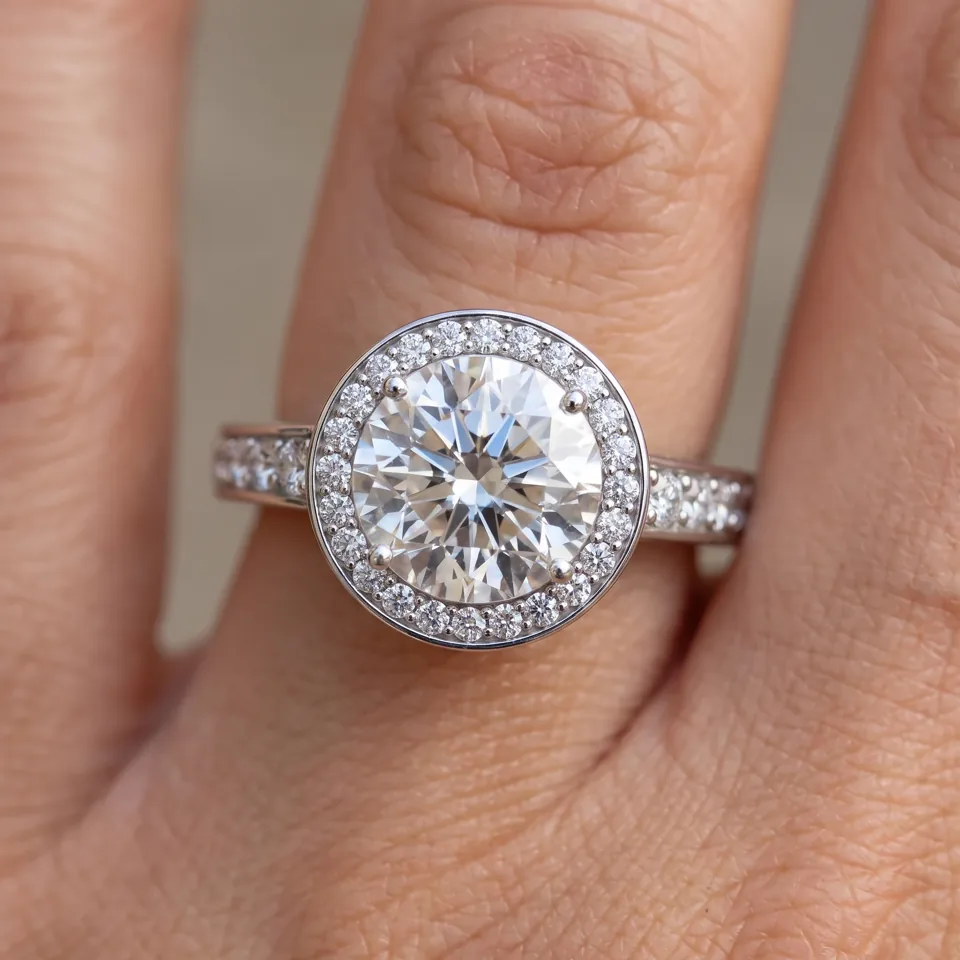 Graduated Halo Engagement Rings
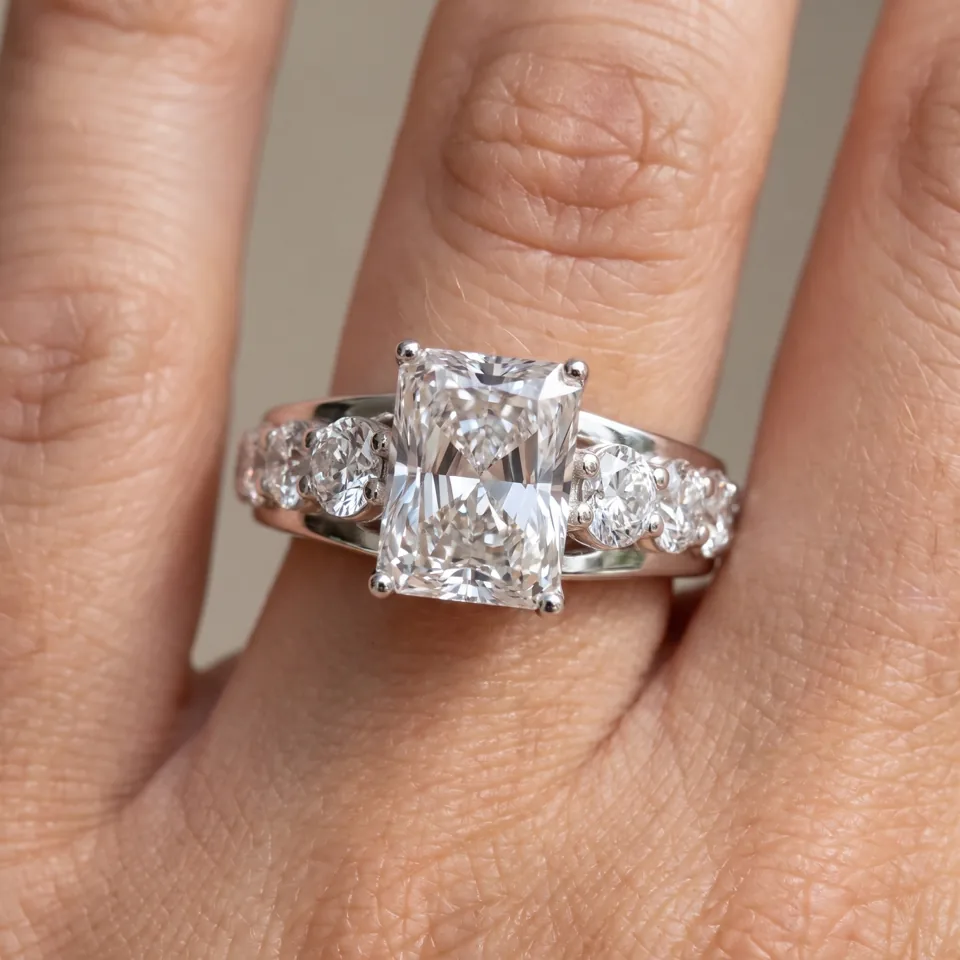 Graduated Side Stone Engagement Rings
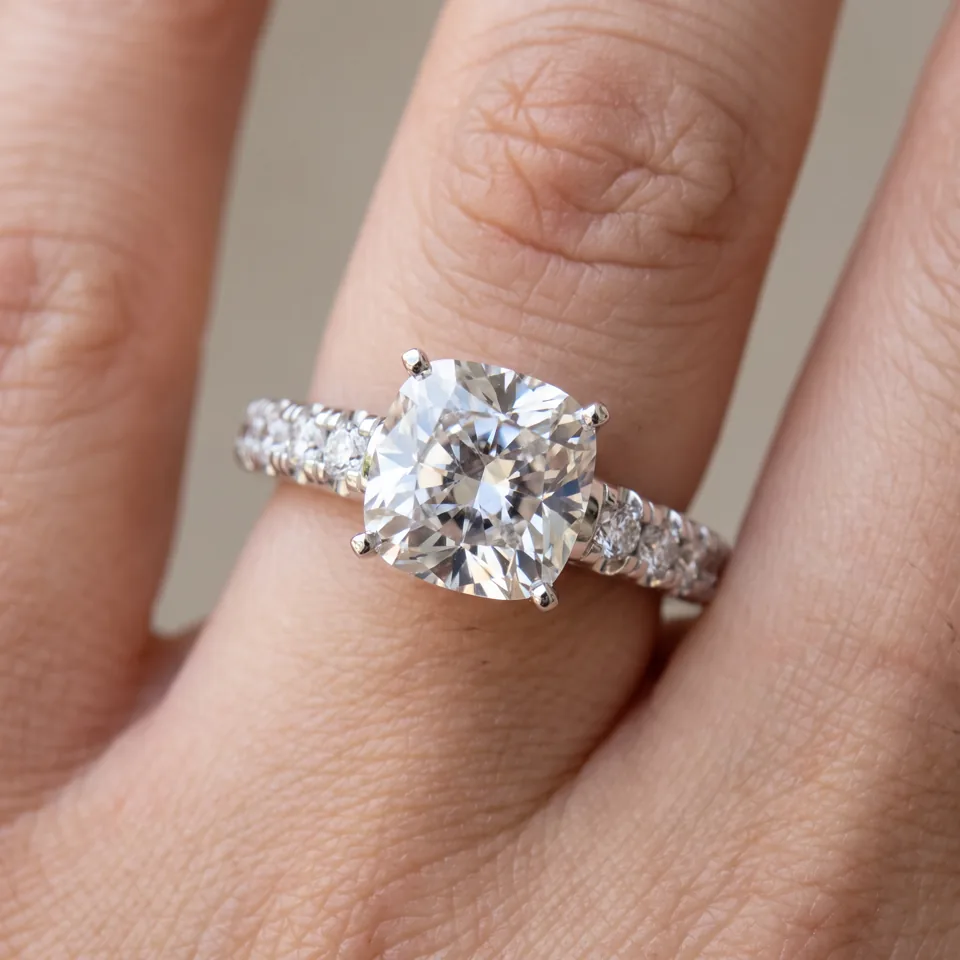 Graduated Pavé Engagement Rings
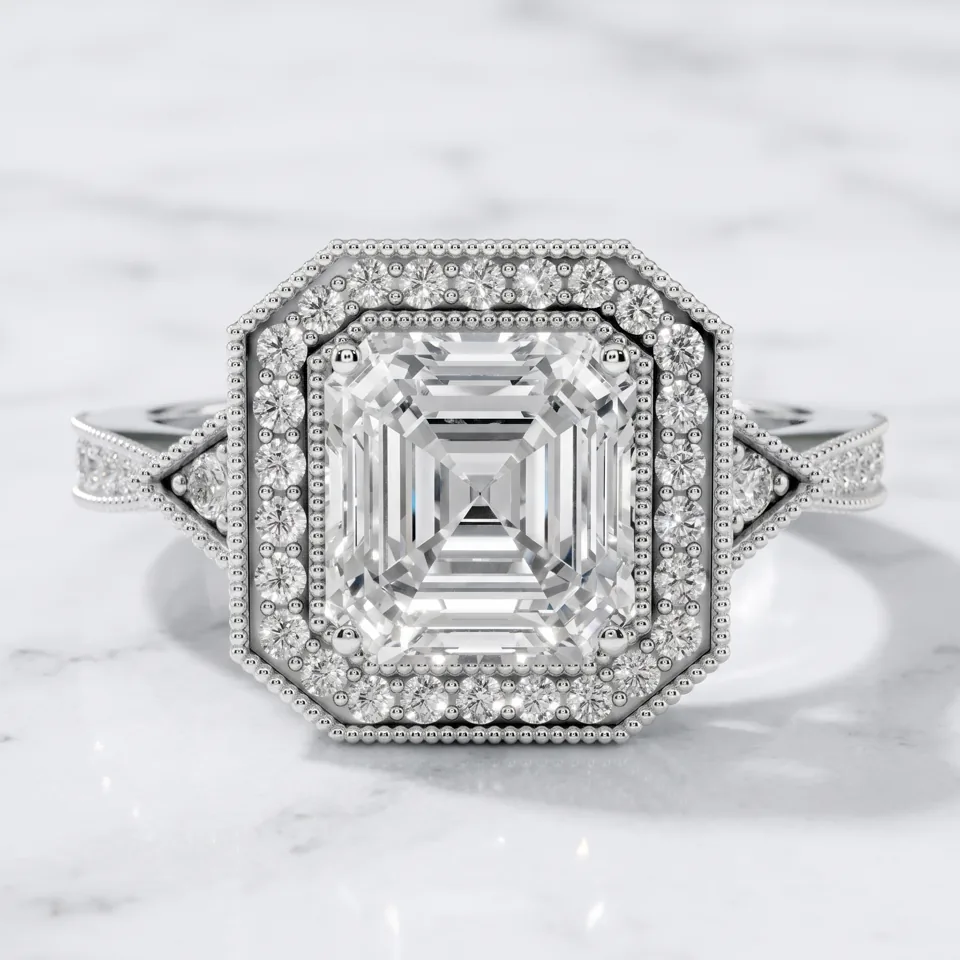 Graduated Milgrain Engagement Rings
Many designs are solitaires with a tapering band, which keeps the outline classic and leaves space for a wedding band to sit close. Halo versions circle the stone with lab-grown diamond accents before the taper begins. Side-stone designs, including marquise and baguette sides, and a few three-stone rings put more weight on the shoulders.
Each design comes in white, yellow or rose gold (10K, 14K or 18K), platinum, or Silvadium, a tarnish-resistant sterling silver. Platinum suits fine pavé best because it is dense and wears slowly; silver costs least and is softer.
Pear, princess, emerald, oval, radiant and cushion fit nearly every design, with the other shapes on most. If you lean toward color, the majority accept a green, yellow, blue or pink center, with black possible on fewer. Settings start under $200, and most sit between about $900 and $1,110 before the center.
We make your setting in 10–15 days and send it with free insured shipping both ways. Unworn rings may be returned within 30 days, and one resize within 60 days of delivery is free. The center diamond you choose arrives with an IGI or GIA report.