Complimentary insured shipping, both waysEngagement ring diamonds certified by IGI or GIAGrown by light. Conflict-free by natureComplimentary insured shipping, both ways
Engagement RingsWedding BandsEarrings
NecklaceBraceletsAbout
A channel set ring setting lines up small laboratory-grown diamond accents edge to edge inside a track sunk into the band, with metal rails on either side holding them in place. Nothing sticks up to snag, and the row reads as one bright stripe. First pick a center shape, such as round, oval, marquise or heart, then the band style and metal. The center diamond itself is picked on the next screen.
Most channel set engagement rings here line the track with small round lab-grown diamond accents, which give a bright, glittering stripe. A few use baguettes, slim rectangles whose step facets read cleaner and more architectural. Baguettes look sharp next to emerald, asscher and radiant centers; round accents suit almost any shape.
How far the channel should run
A channel can cover just the shoulders near the center, run partway down the band, or fill a wide band with a double row. Shoulder-only channels leave the lower band plain, which keeps resizing simple. Wider channels look bolder but add width, so think about how a wedding band will sit beside the ring.
Pairing the channel with a center setting
Solitaire head: the channel band is the only accent, for a clean side view.
Halo: a frame around the center plus the channel gives the most sparkle.
Half bezel or cathedral: a few designs wrap the center's sides in metal or lift it on arches.
Metal choice and setting prices
Each design is offered in platinum, in rose, yellow or white gold at 10K, 14K or 18K, and in Silvadium, a tarnish-resistant sterling silver. Platinum is dense enough to keep the channel rails straight through decades of wear, while silver is the thrifty pick. The least expensive setting is under $300; a typical one falls near $1,100 to $1,600, before the center is added.
Ordering from Whitemoon
Each ring is cast and set for you in 10–15 days and sent with free insured shipping, and a return within 30 days rides the same way. The center diamond carries an IGI or GIA report, and you get one free resize within 60 days of delivery.
FAQ
Questions about Channel Set Engagement Rings
What are channel set diamonds?
They are small stones sitting in a row inside a narrow trough of metal, held by the trough's two walls instead of individual prongs. The walls pinch the edge of each stone, so from above the line looks unbroken. Here that trough carries laboratory-grown diamond accents along the shoulders or shank, while the center rests in its own head.
Channel set vs pavé: which is better?
Neither wins outright; each suits a different wearer. A channel tucks its stones behind metal rails and leaves a smooth surface, handy if you work with your hands. Pavé holds each tiny stone with little beads of metal, giving more sparkle with less visible metal, though those beads can wear down sooner. A few designs here combine both, with pavé close to the center and channel-set shoulders.
Do channel-set diamonds sparkle?
Yes, though a little less than pavé or prong-set stones. The metal walls cover the sides of each stone, so less light enters from the edges. Light still comes in through the top, and a row of round accents gives a steady glint as your hand moves. Baguette channels flash in broad steps rather than tiny points, a calmer look many people like.
Are channel set diamonds safe?
Yes, it ranks among the safest ways to hold accent stones. Each stone is gripped on two sides by unbroken metal, and there are no prongs to hook on fabric or bend. A hard knock can still push a rail out of line, so have a jeweler look the ring over once a year and avoid stretching the band several sizes.
How much is a channel set ring?
Our channel set engagement ring settings begin under $300, and a typical one costs about $1,100 to $1,600; metal and design make the difference. That figure covers the setting only. The center diamond is chosen and paid for on the next screen, and its shape, size and grade decide your final total.

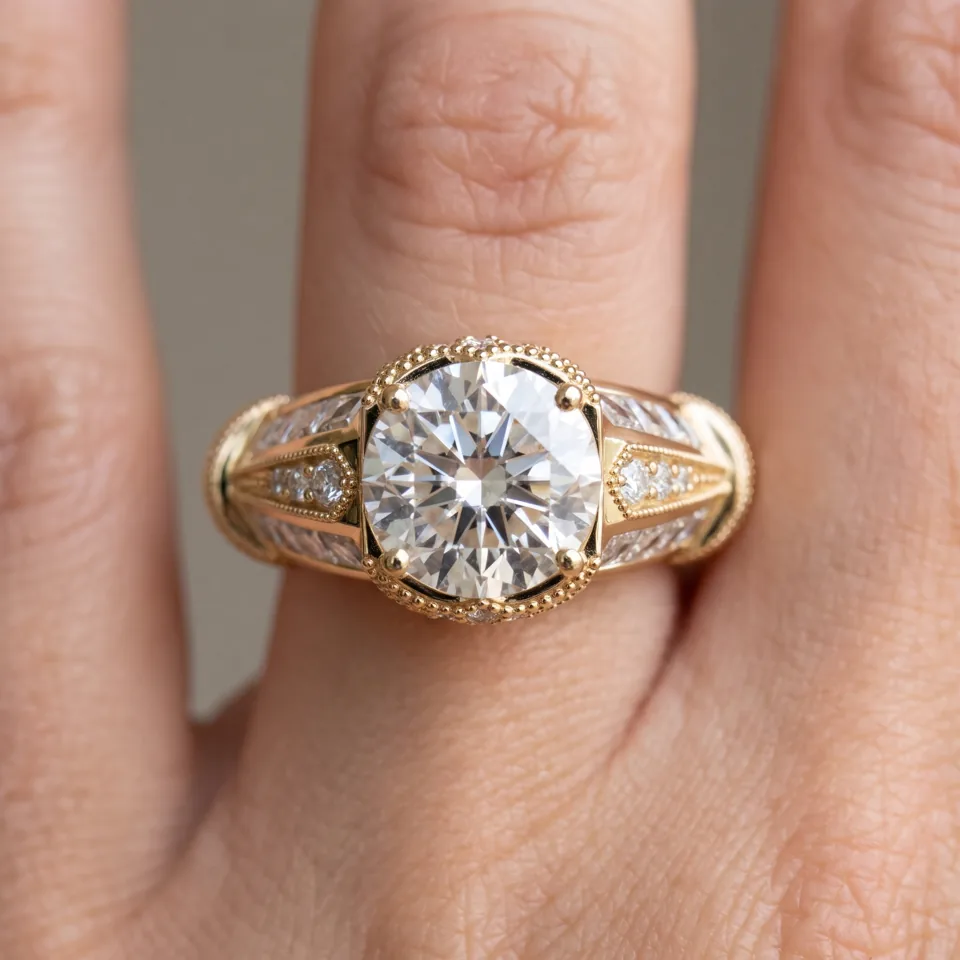 Vintage Engagement Rings
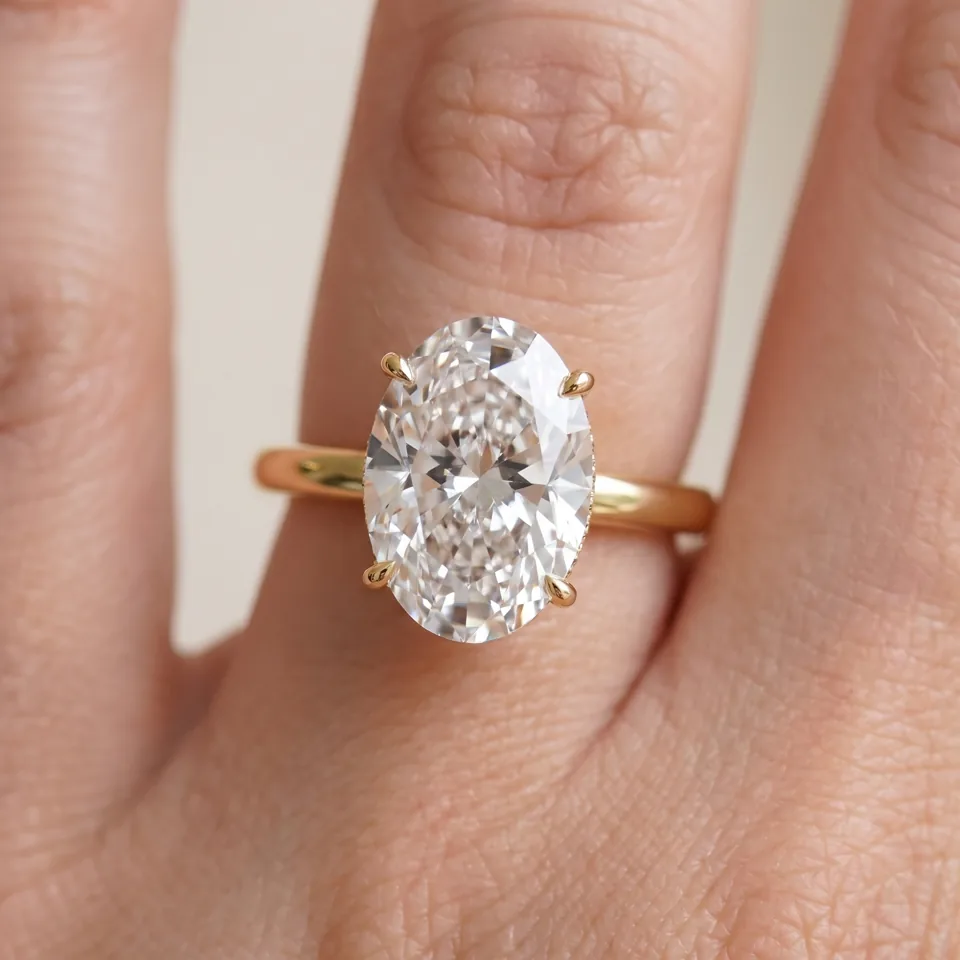 Solitaire Engagement Rings
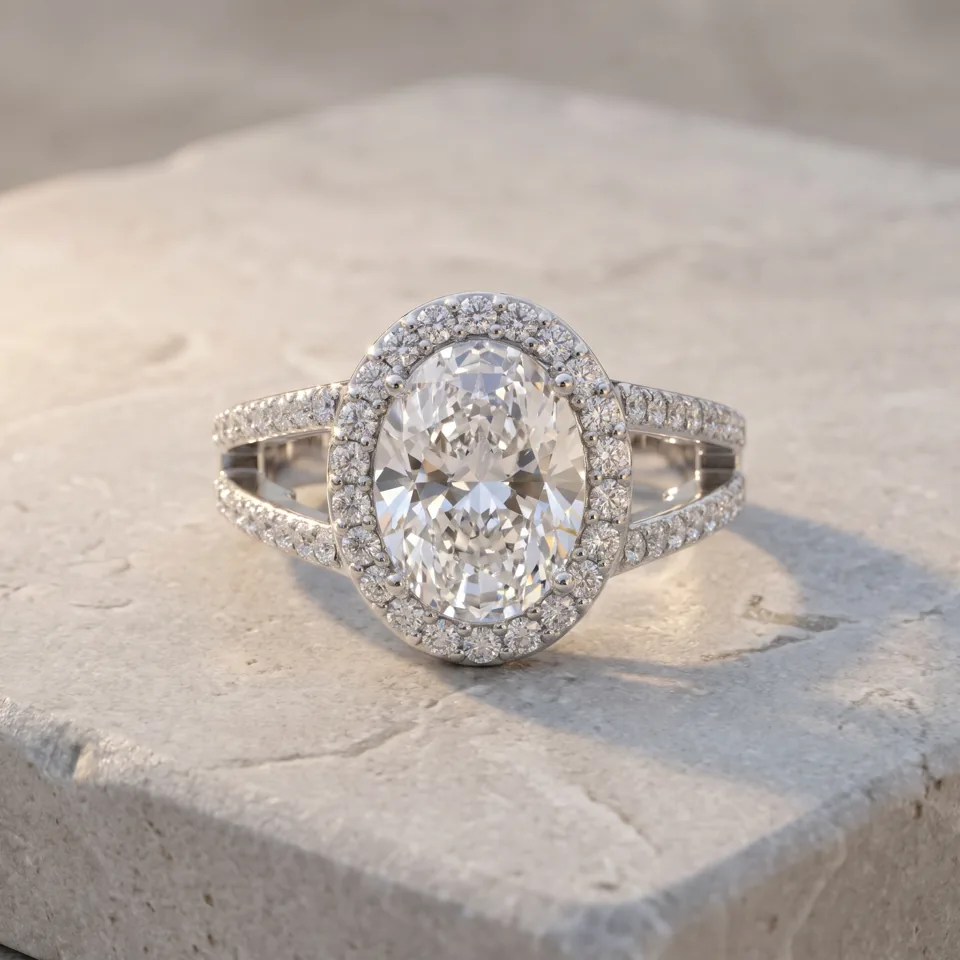 Halo Engagement Rings
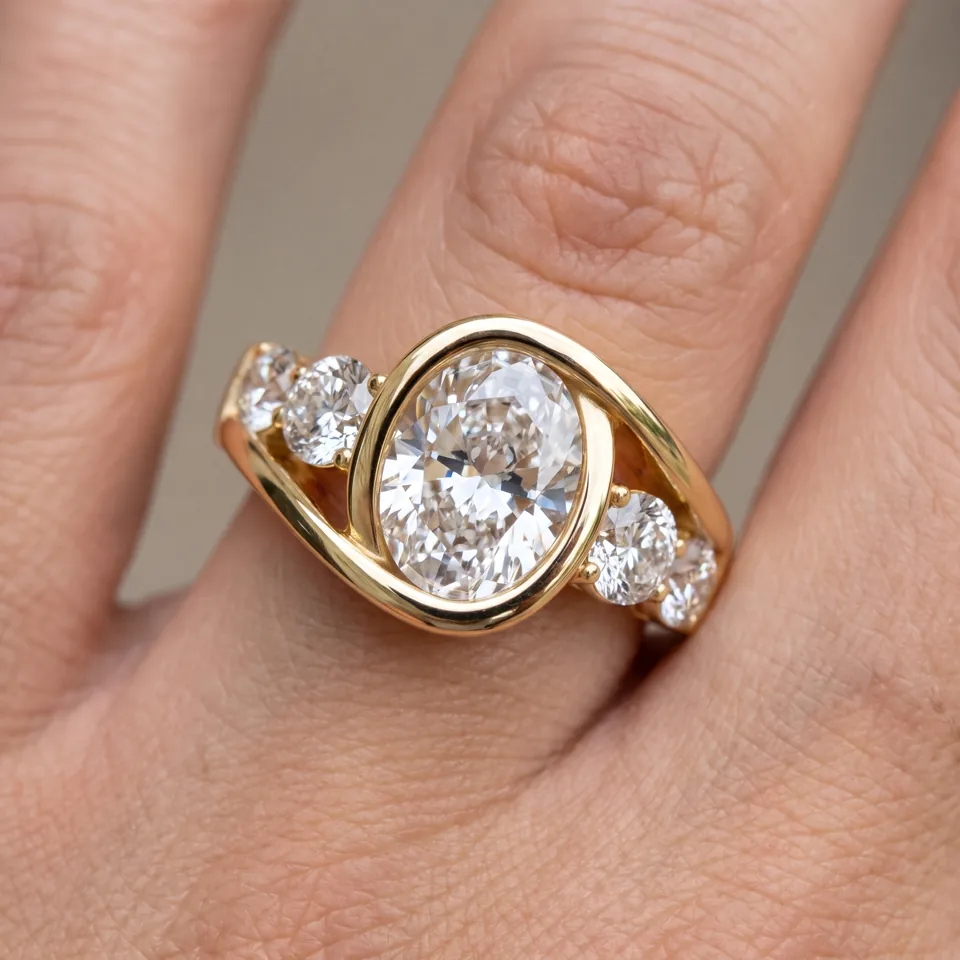 Bezel Engagement Rings
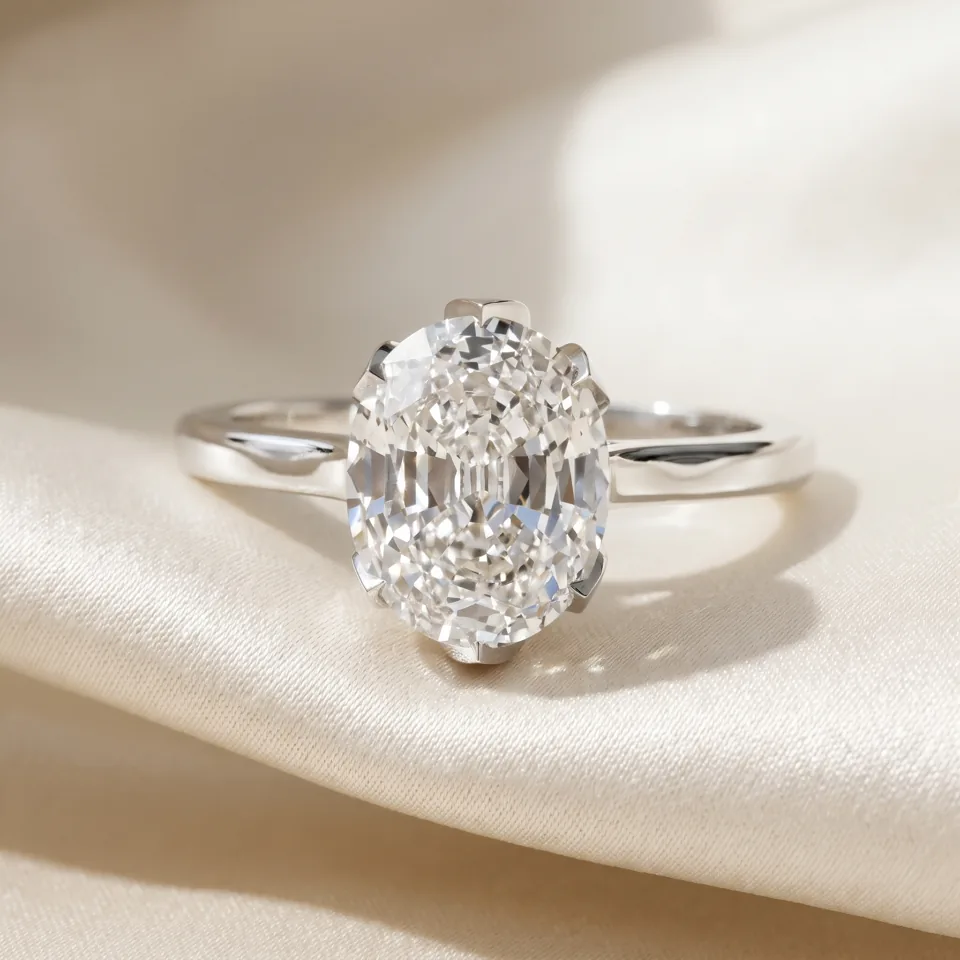 Floral Engagement Rings
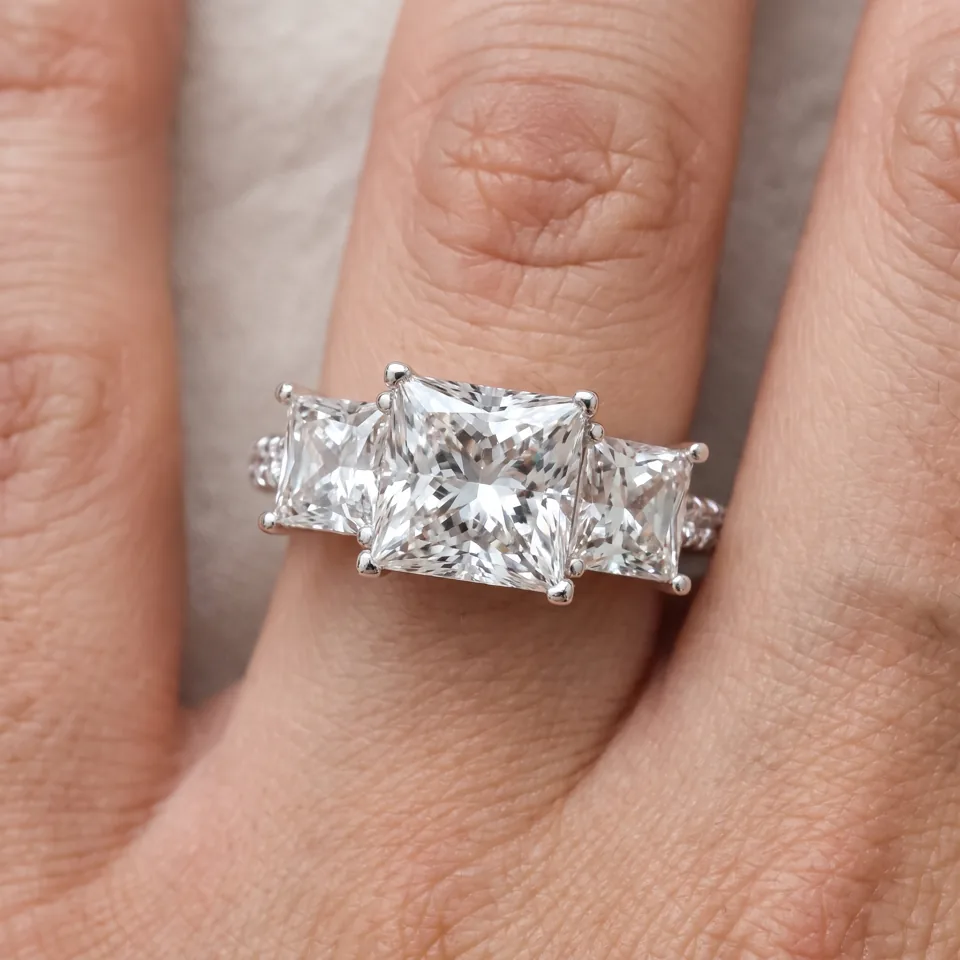 Three Stone Engagement Rings
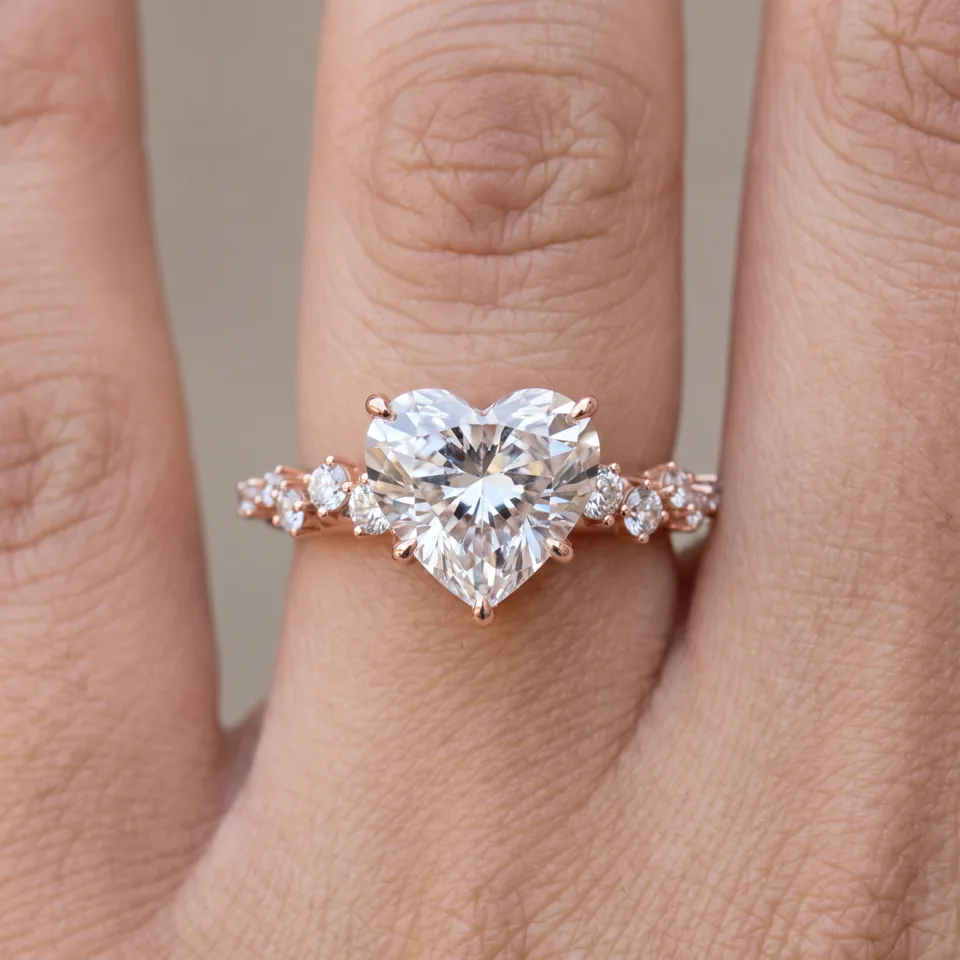 Cluster Side Stone Engagement Rings
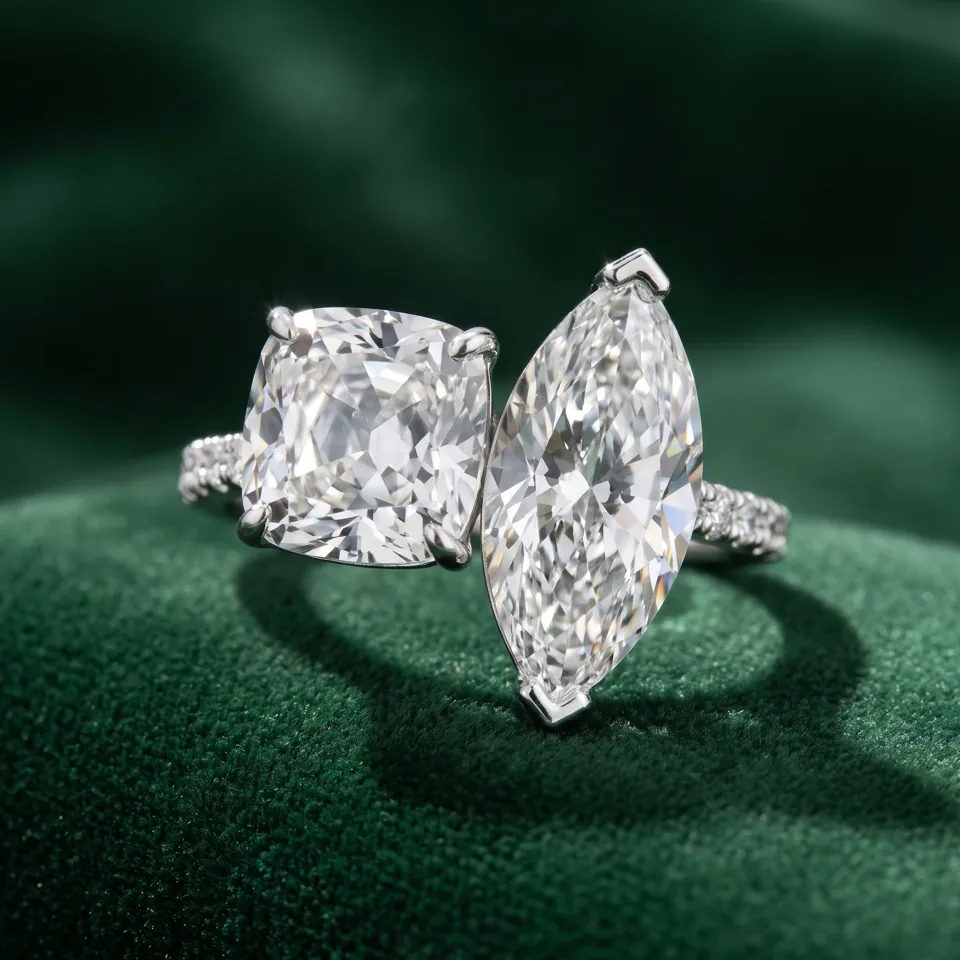 Toi et Moi Two Stone Engagement Rings
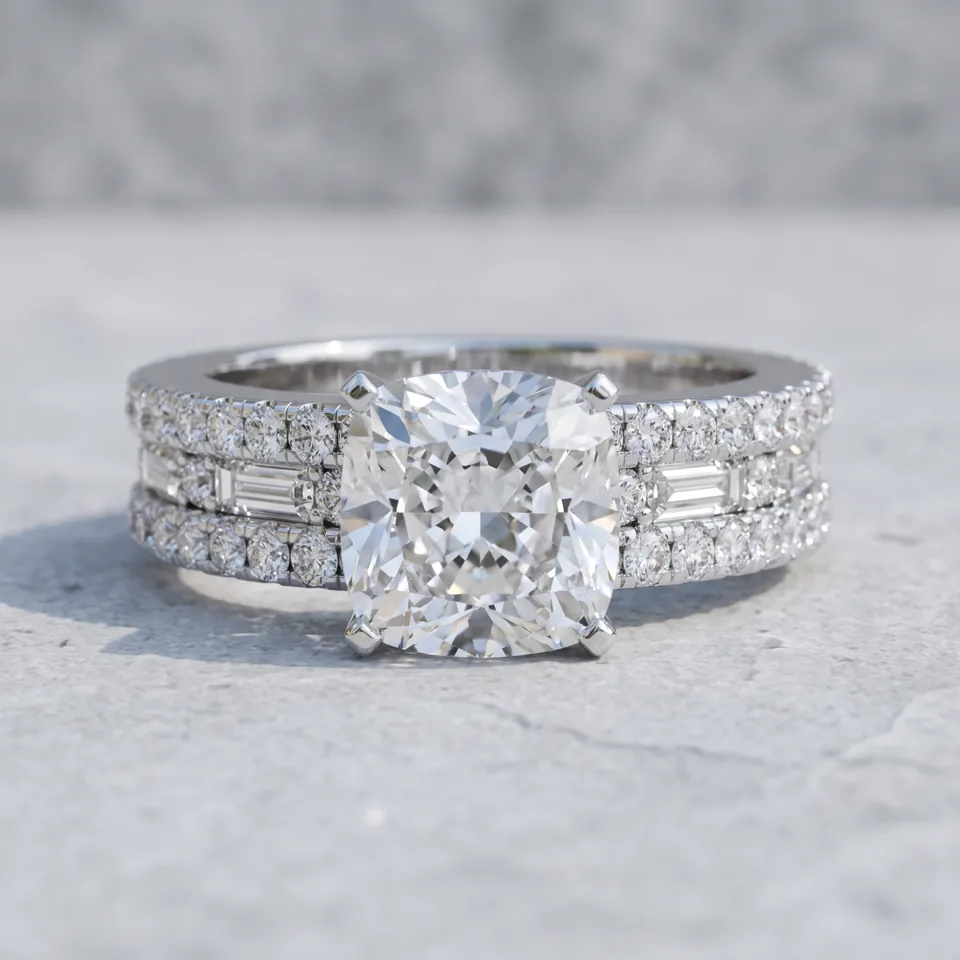 Engagement Rings with Baguette Side Stones
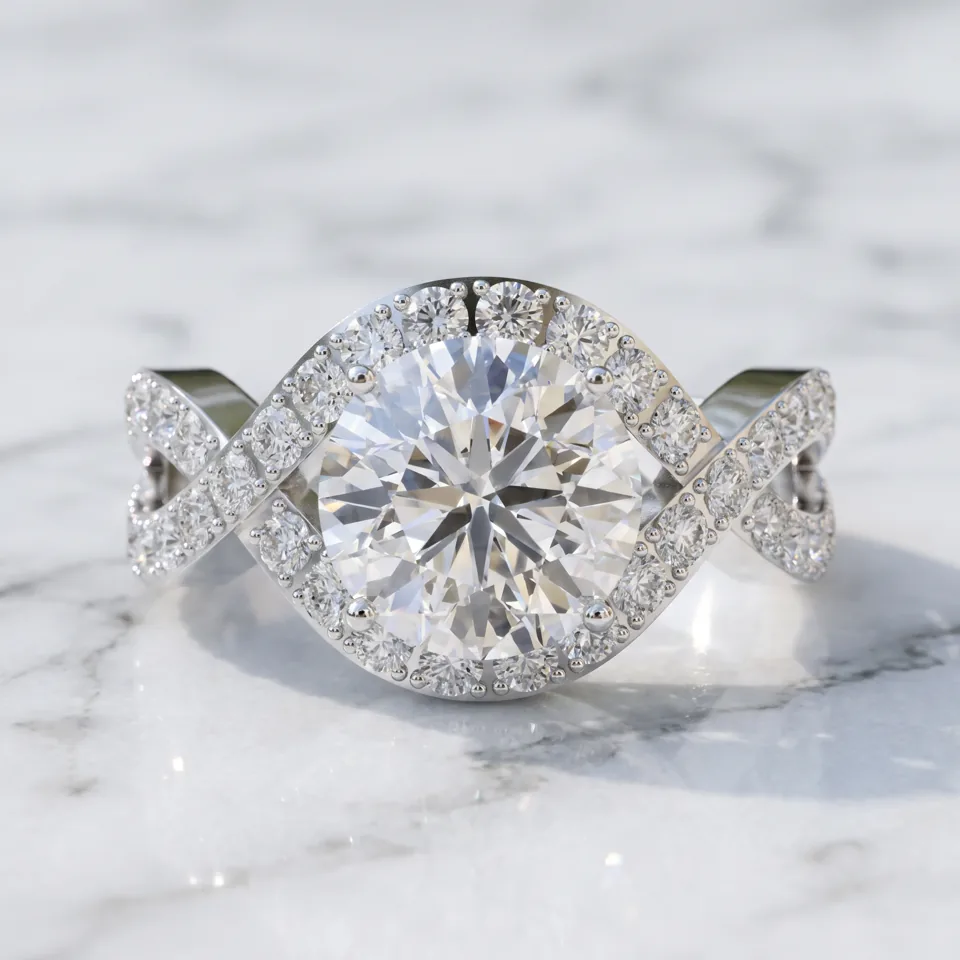 Infinity Rings
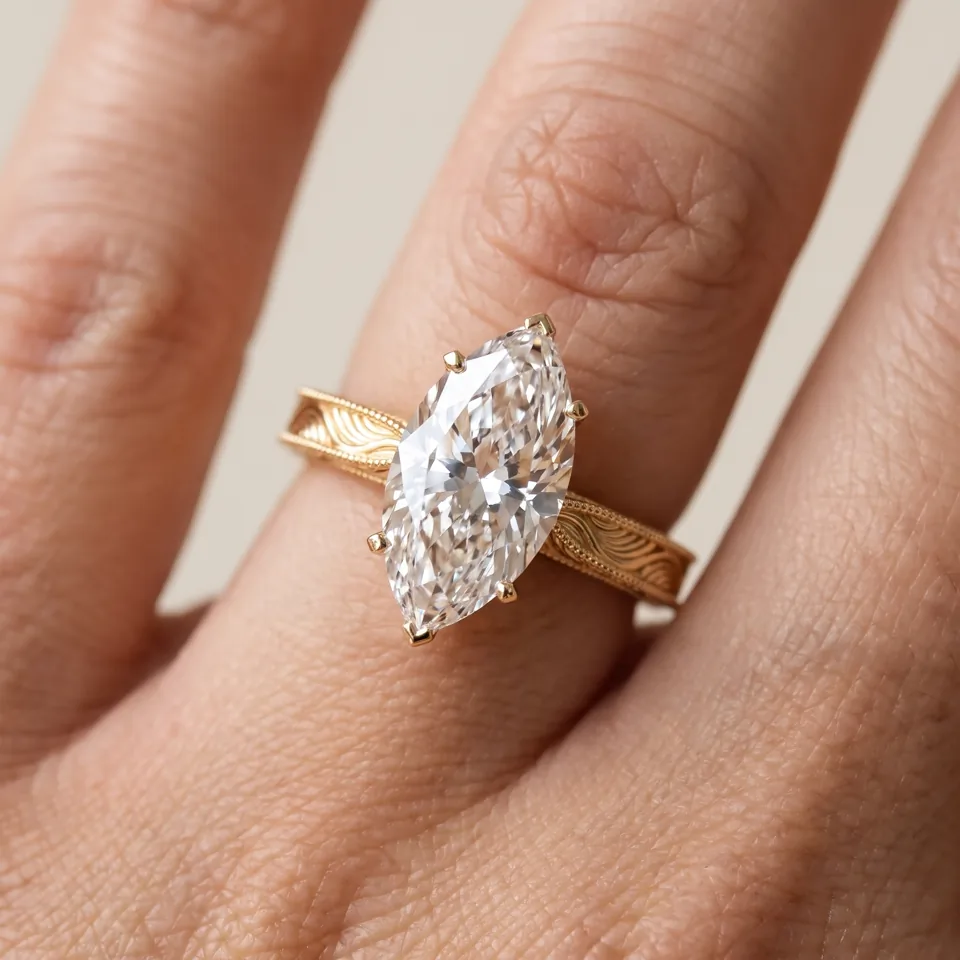 Engraved Rings
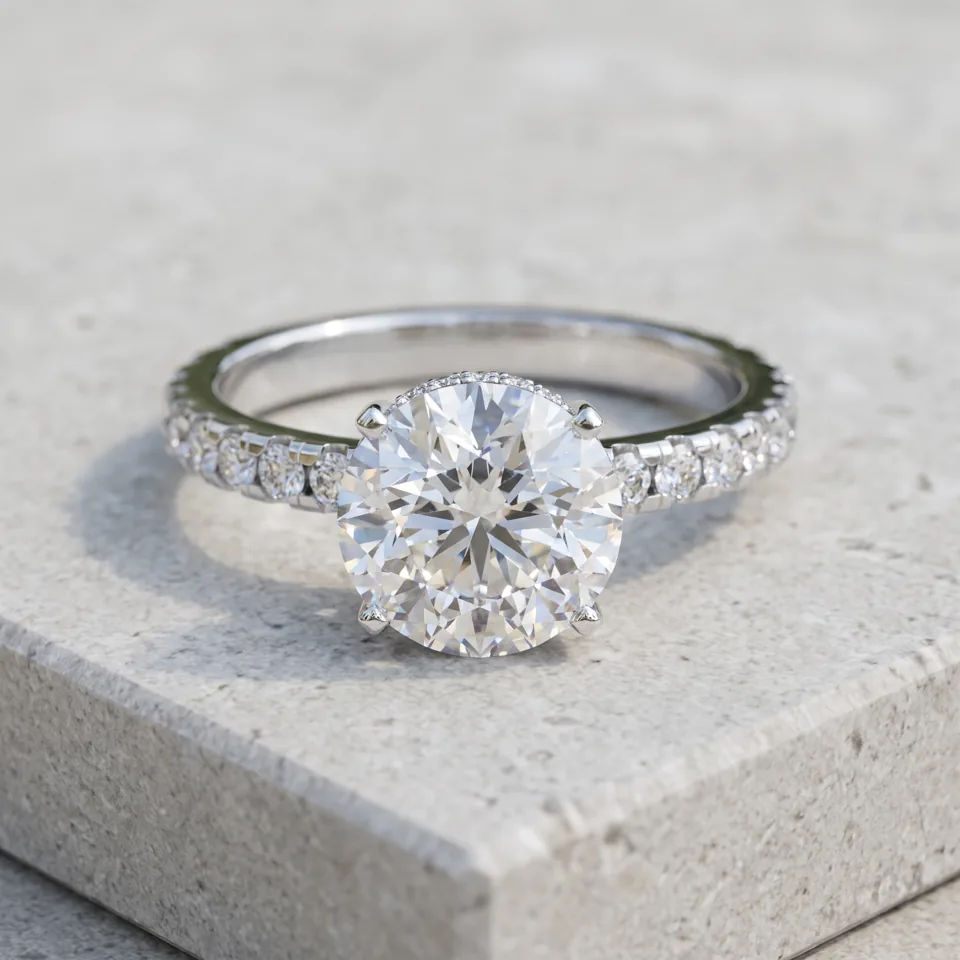 Pave Engagement Rings
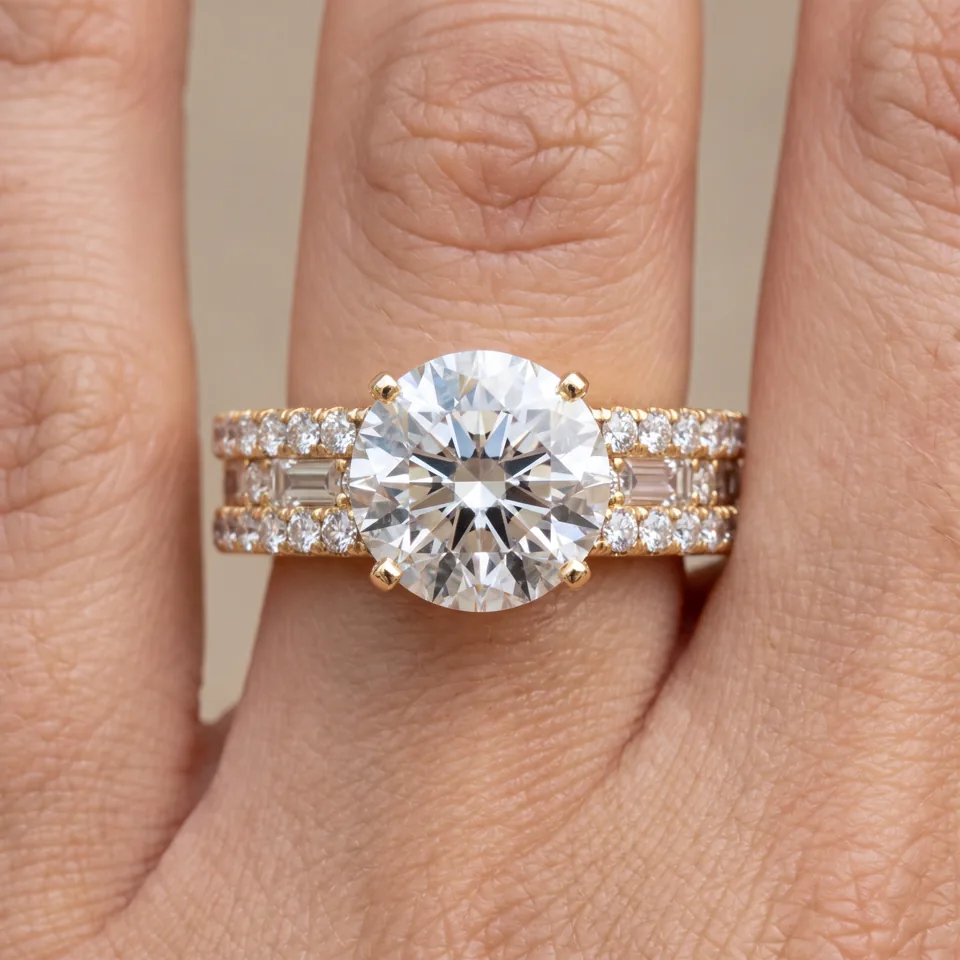 Gold Channel Set Rings
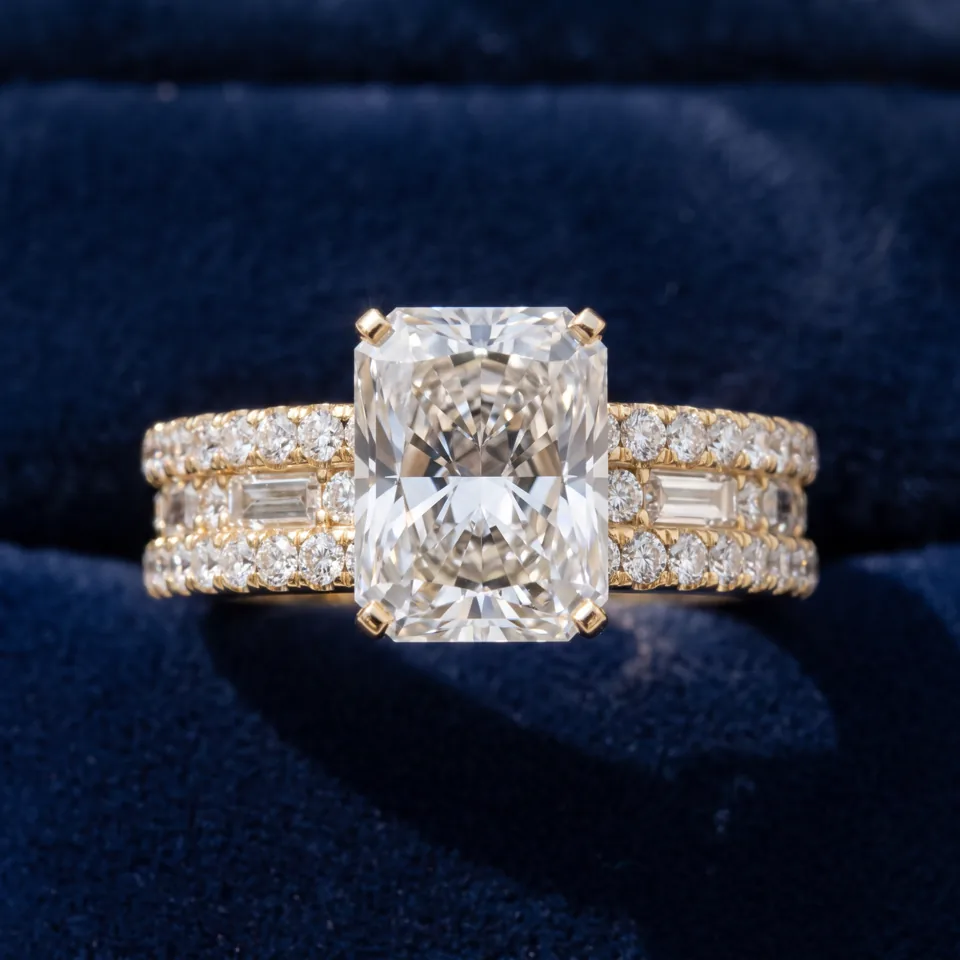 Yellow Gold Channel Set Rings
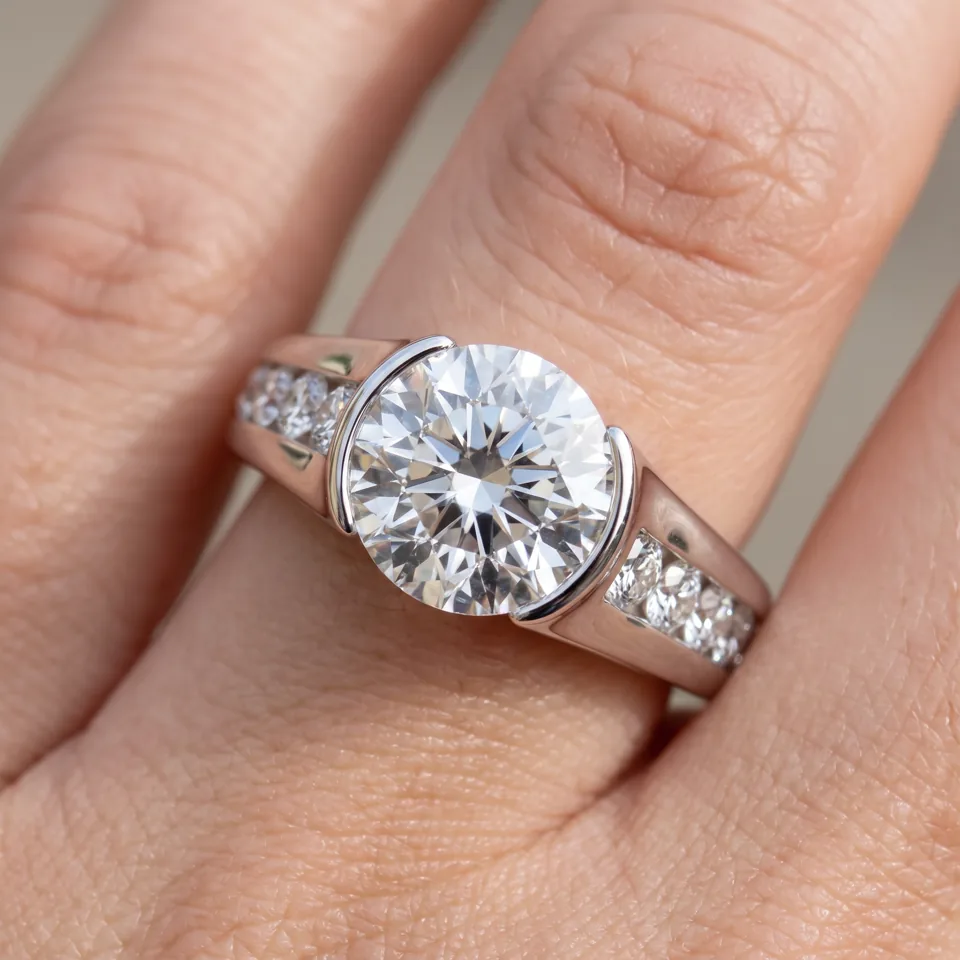 Channel Set Solitaire Engagement Rings
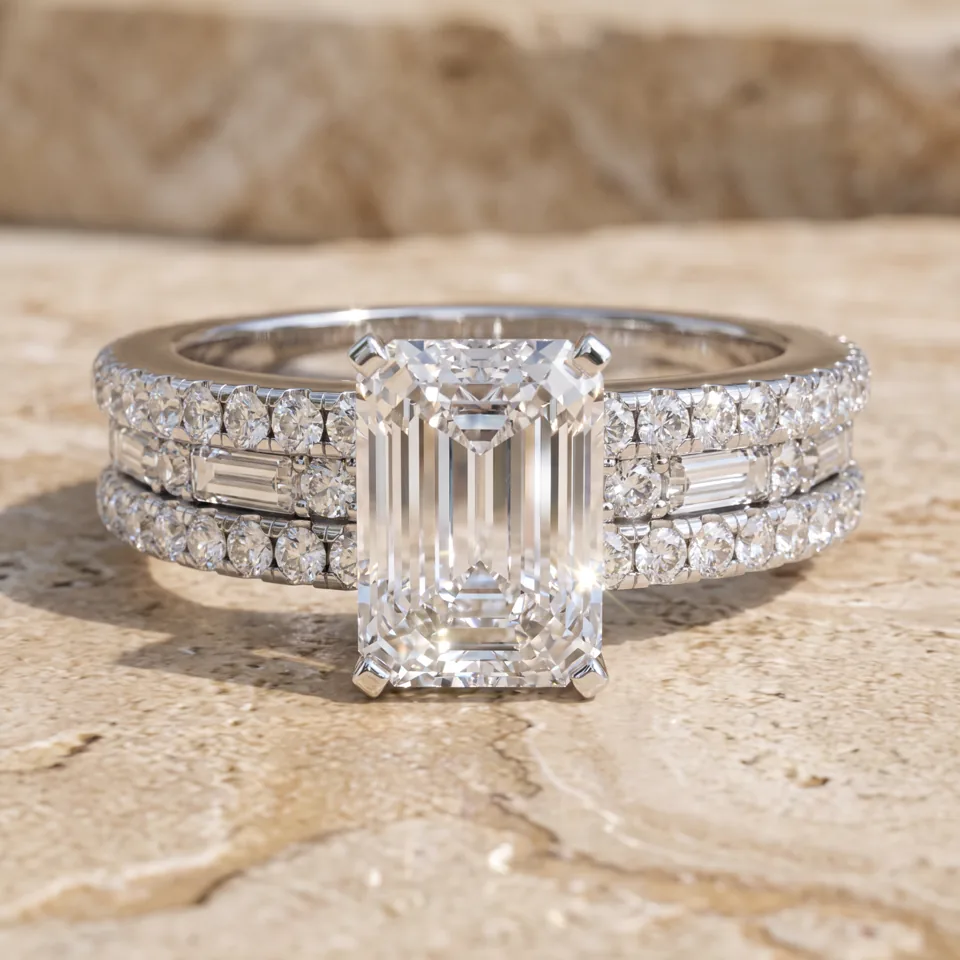 White Gold Channel Set Rings
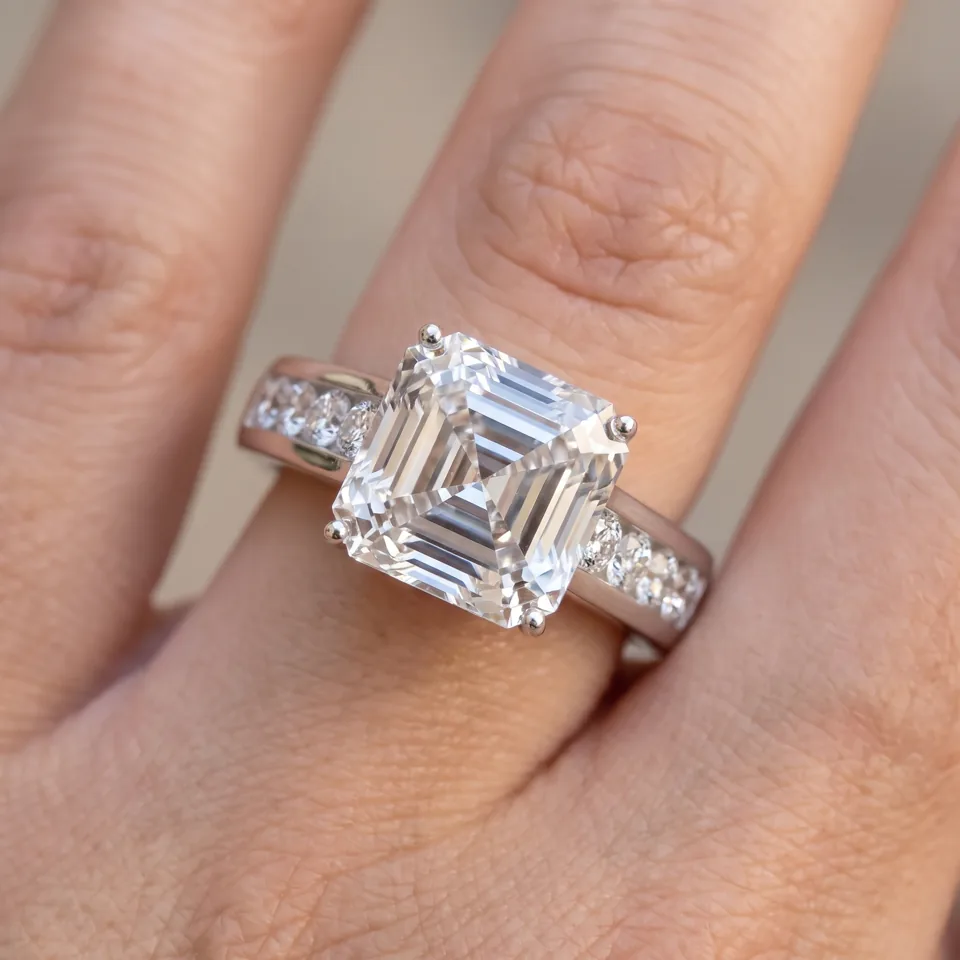 Cathedral Channel Set Engagement Rings
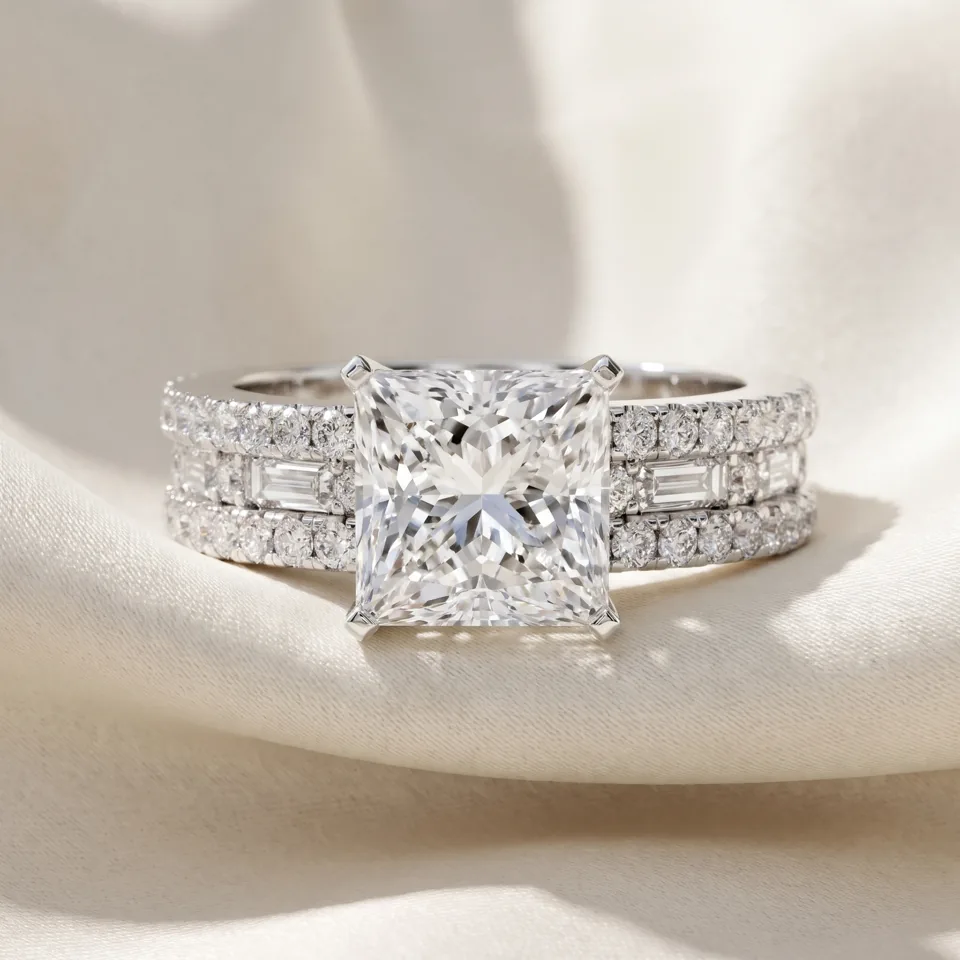 Platinum Channel Set Engagement Rings
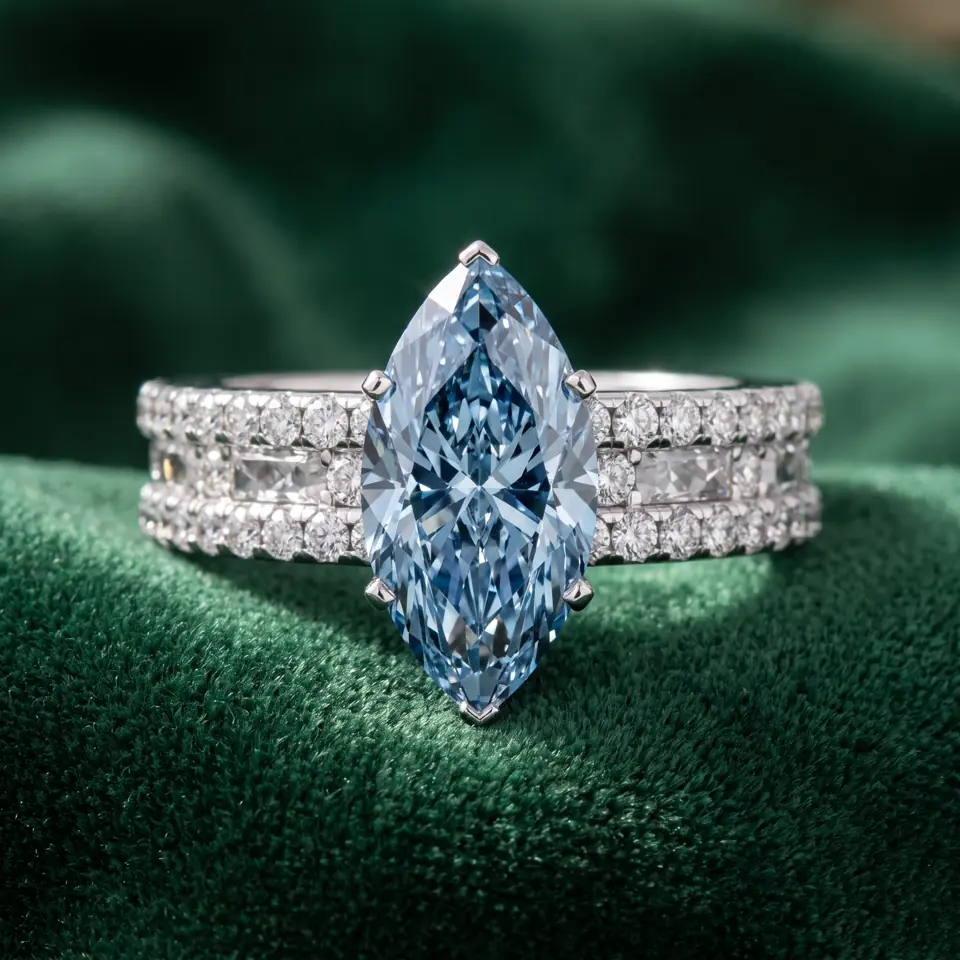 Blue Diamond Channel Set Rings
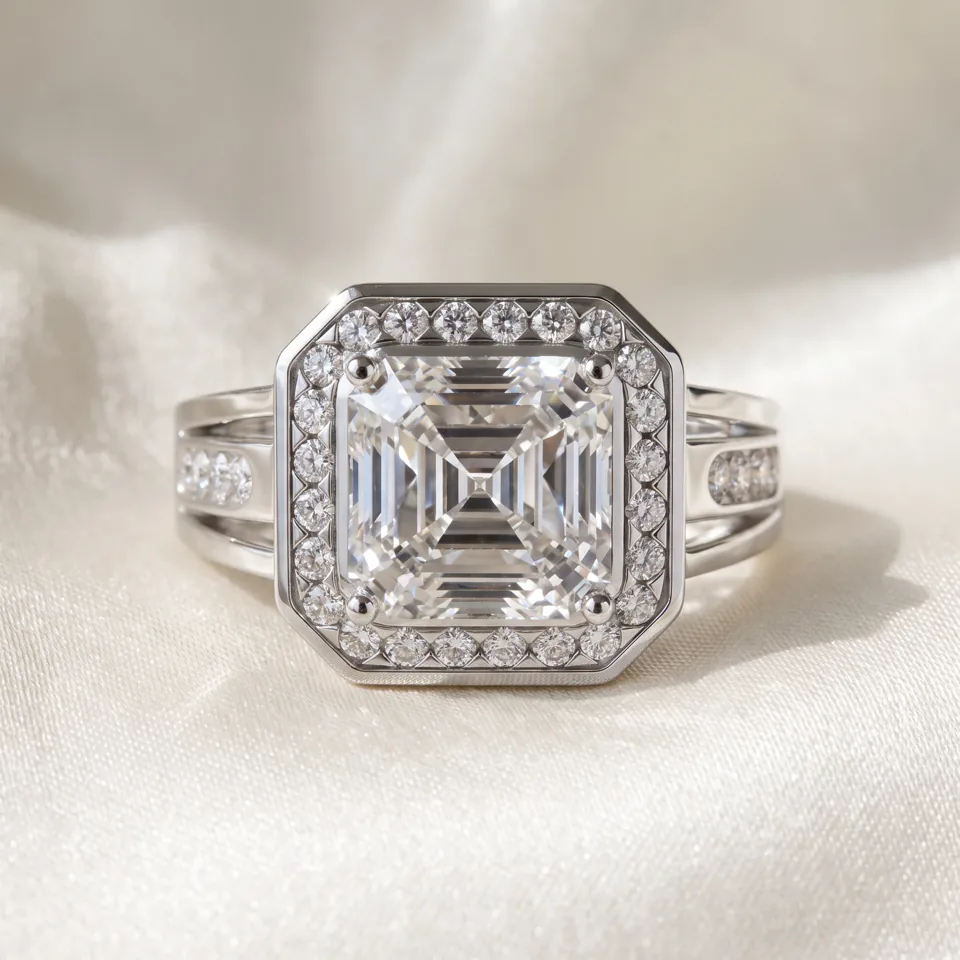 Channel Set Halo Engagement Rings
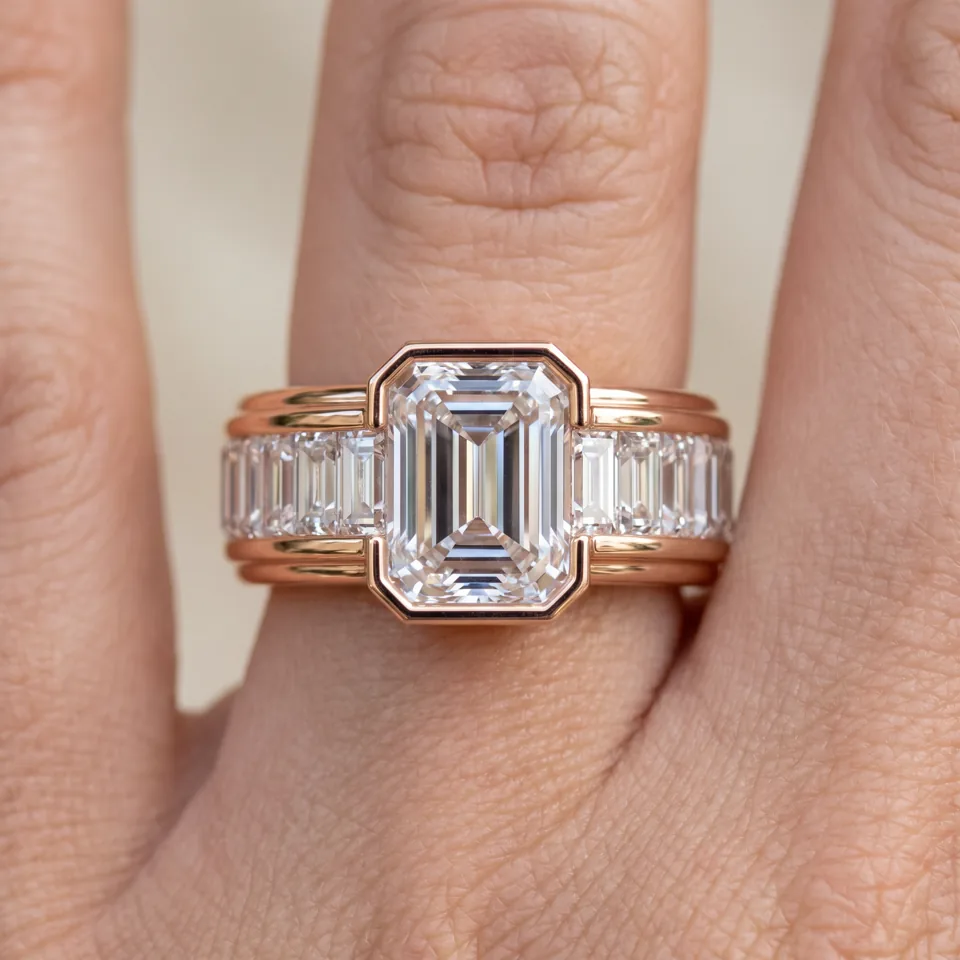 Rose Gold Channel Set Engagement Rings


