Complimentary insured shipping, both waysEngagement ring diamonds certified by IGI or GIAGrown by light. Conflict-free by natureComplimentary insured shipping, both ways
Engagement RingsWedding BandsEarrings
NecklaceBraceletsAbout
On a bypass ring, the shank's two ends glide alongside one another rather than joining, and the center diamond rests in the curve between them. These bypass engagement ring settings let you choose the center diamond in the next step.
You also pick the center's shape, from round or oval to heart or marquise, the band detail and the metal.
Most designs take nearly every shape: round, oval, cushion, princess, radiant, pear, emerald, Asscher, heart and marquise. Rounded shapes follow the swirl of the band. Pears and marquises add direction, and many look best tilted slightly along the curve. Square shapes such as princess or Asscher give a crisp contrast to the soft lines.
Solitaire bypass or one with accents
Half the range is solitaire, with nothing but the curving shank and the center. Others add pavé, a twisted band, a split shank, or marquise and pear side stones made of laboratory-grown diamond accents that trace the crossover. A few designs use a leaf or floral motif, and one combines a vintage halo with bezel accents.
Matching a wedding band later
Because the shank swoops, a straight band worn beside it often leaves a sliver of space. A curved or contoured band fills that space, or you can wear a thin straight band with the gap as part of the look. Try the pairing before you commit.
Metal and price
You can order any design in platinum, Silvadium, a tarnish-resistant sterling silver, or 10K, 14K or 18K gold in white, yellow or rose. The lowest setting price is under $200, with typical designs near $850–$1,150. The center diamond is priced on its own when you select it.
Ordering from Whitemoon
Your bypass ring is crafted in 10–15 days and sent with free insured shipping, and returns travel the same way at no cost. We include an IGI or GIA report with the center diamond. Send it back unworn with the certificate within 30 days if it isn't right, and use one free resize in the 60 days after delivery.
FAQ
Questions about Bypass Engagement Rings
What is a bypass ring in jewelry?
A bypass ring is one whose band doesn't close in a simple circle: the two ends pass alongside each other at the top. The center stone sits between those ends, so the ring has a swirl or crossover shape. In this collection that idea is used for engagement ring settings, ranging from bare solitaires to pavé or split shank styles.
What wedding band goes with a bypass engagement ring?
A curved or contoured band usually sits best, since it follows the swoop of the bypass shank. A thin straight band works too if you don't mind a small gap between the rings. Match the metal and the width of your engagement ring, and try both rings together before choosing, because each bypass curve is slightly different.
Are bypass rings trendy?
Yes, they're popular right now, though the style itself has been around for generations. Their soft, flowing shape suits shoppers who want something less formal than a classic solitaire. Because the band and center work as one design, a bypass ring doesn't date quickly, especially in a simple solitaire version with a single swirl.
Are bypass rings adjustable?
No, not the rings in this collection. Each one is made to your ring size with a closed band, even though the top looks open. Your order includes one free resize within 60 days of delivery; going up or down within one size is a resize, while more than one size means remaking the ring in 10–15 days.

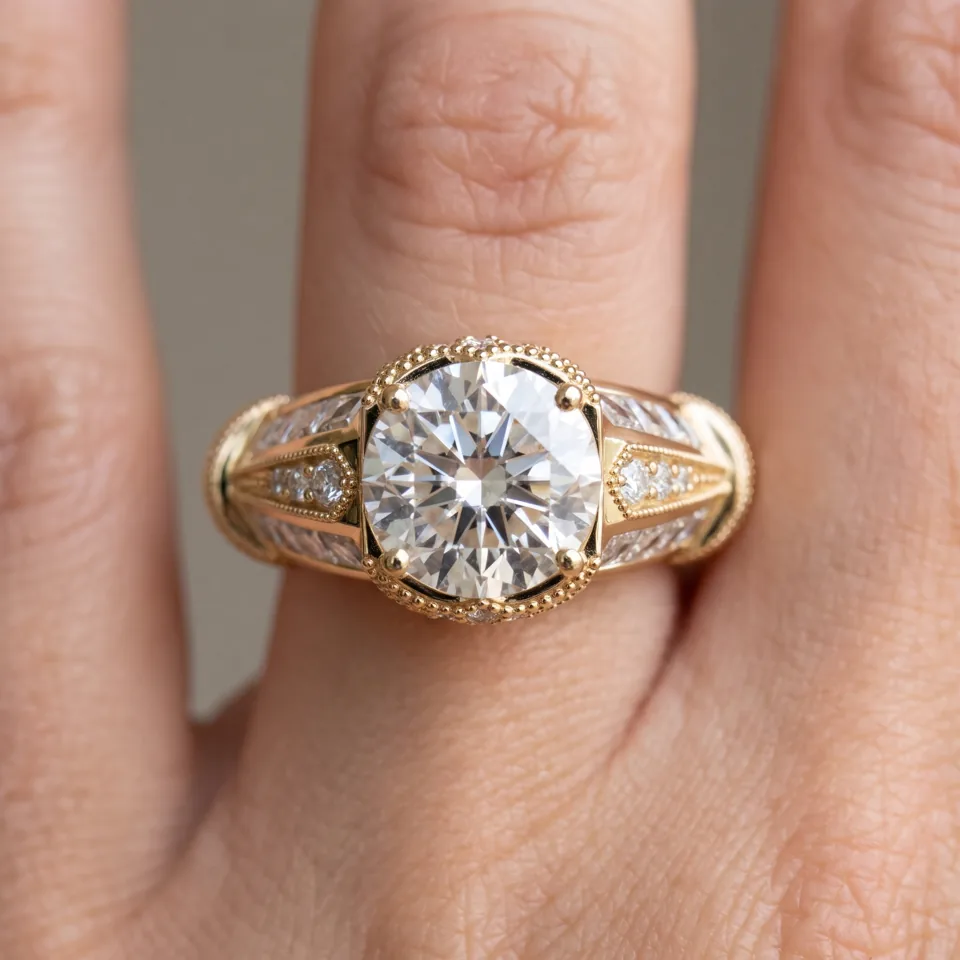 Vintage Engagement Rings
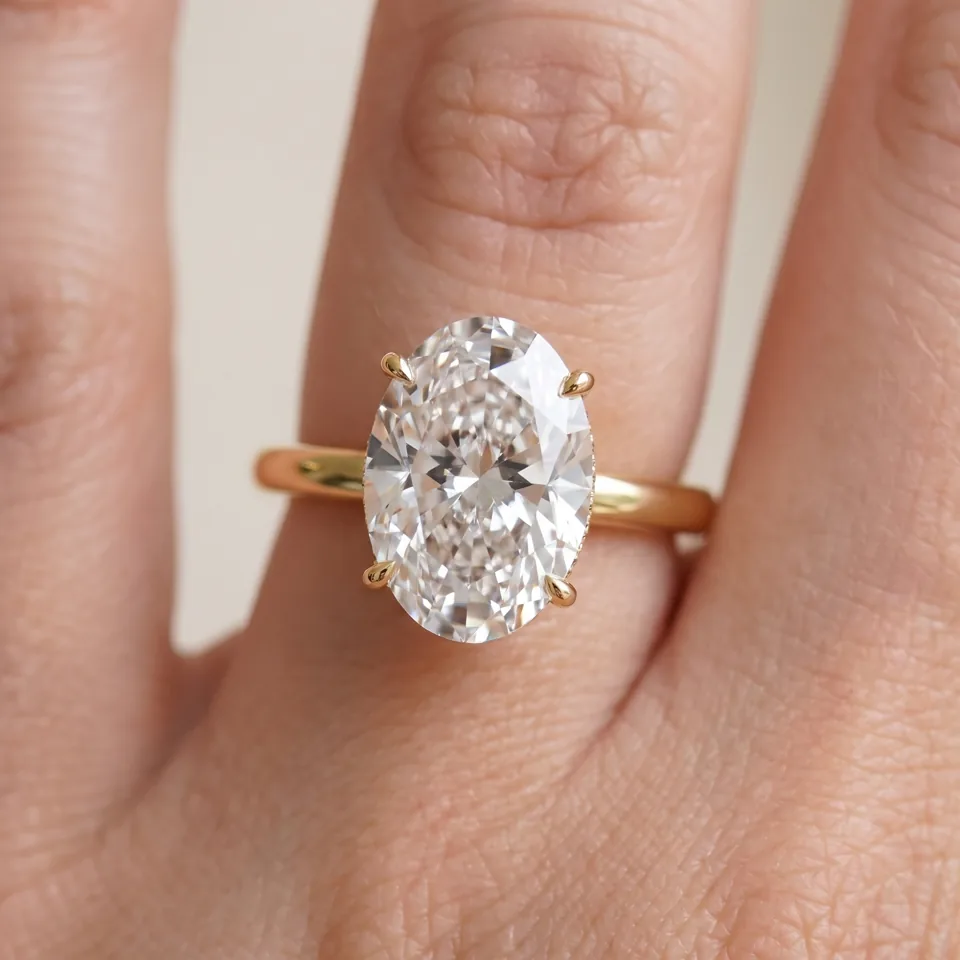 Solitaire Engagement Rings
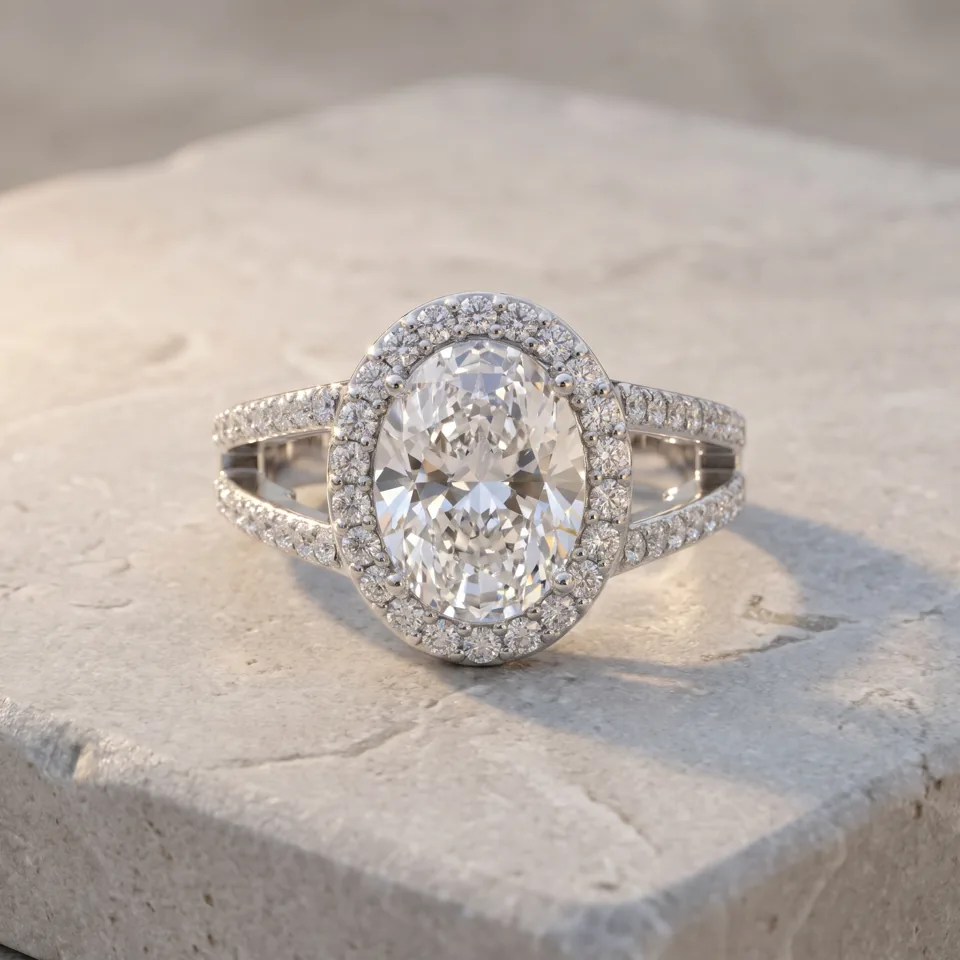 Halo Engagement Rings
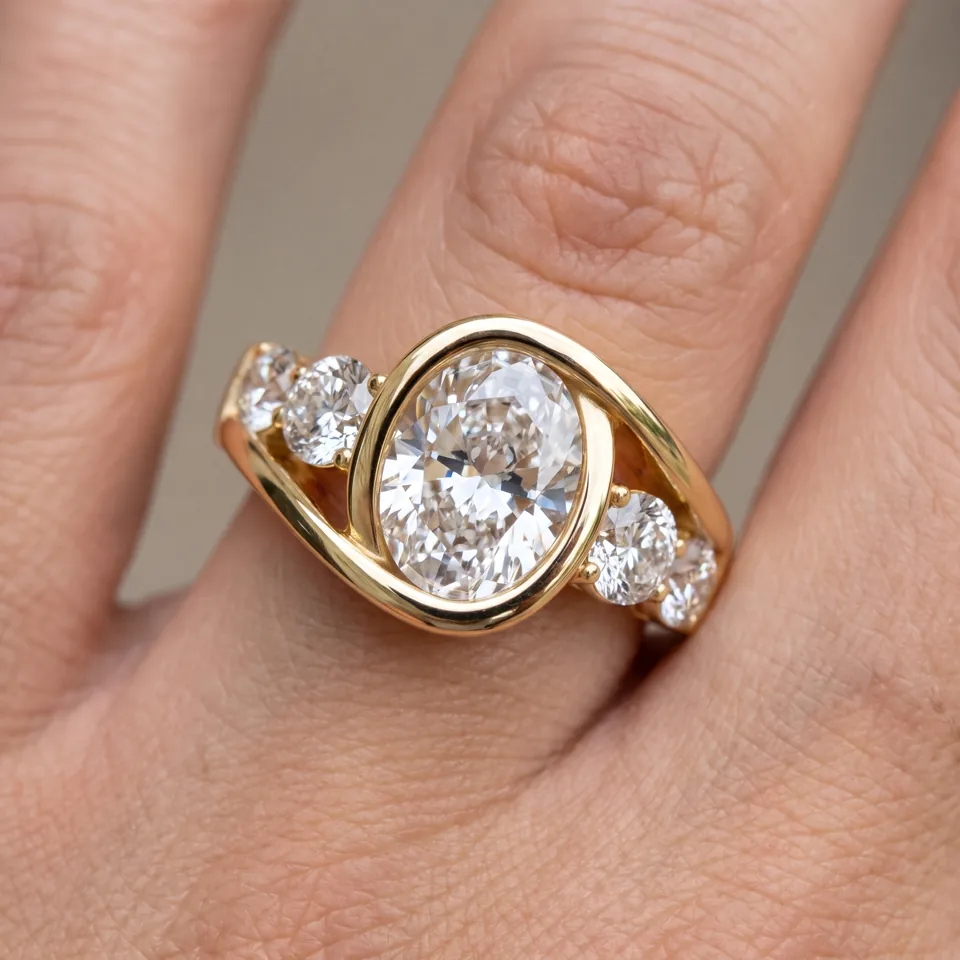 Bezel Engagement Rings
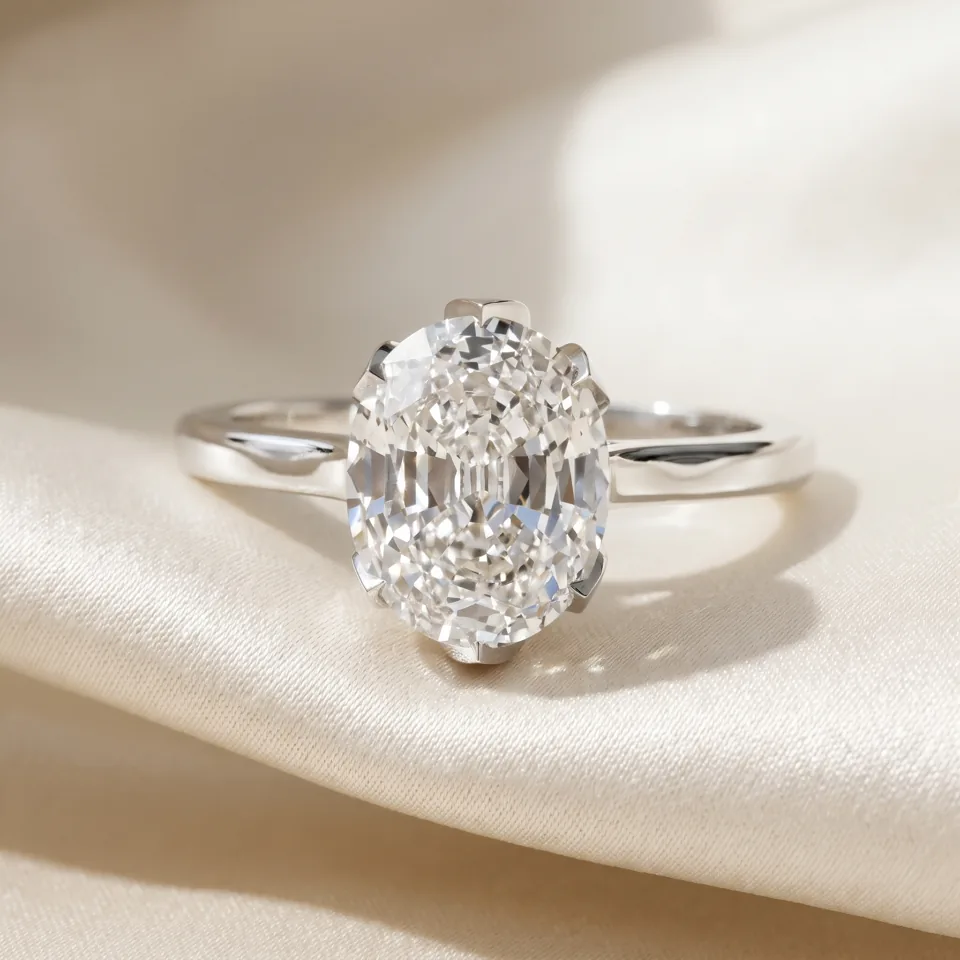 Floral Engagement Rings
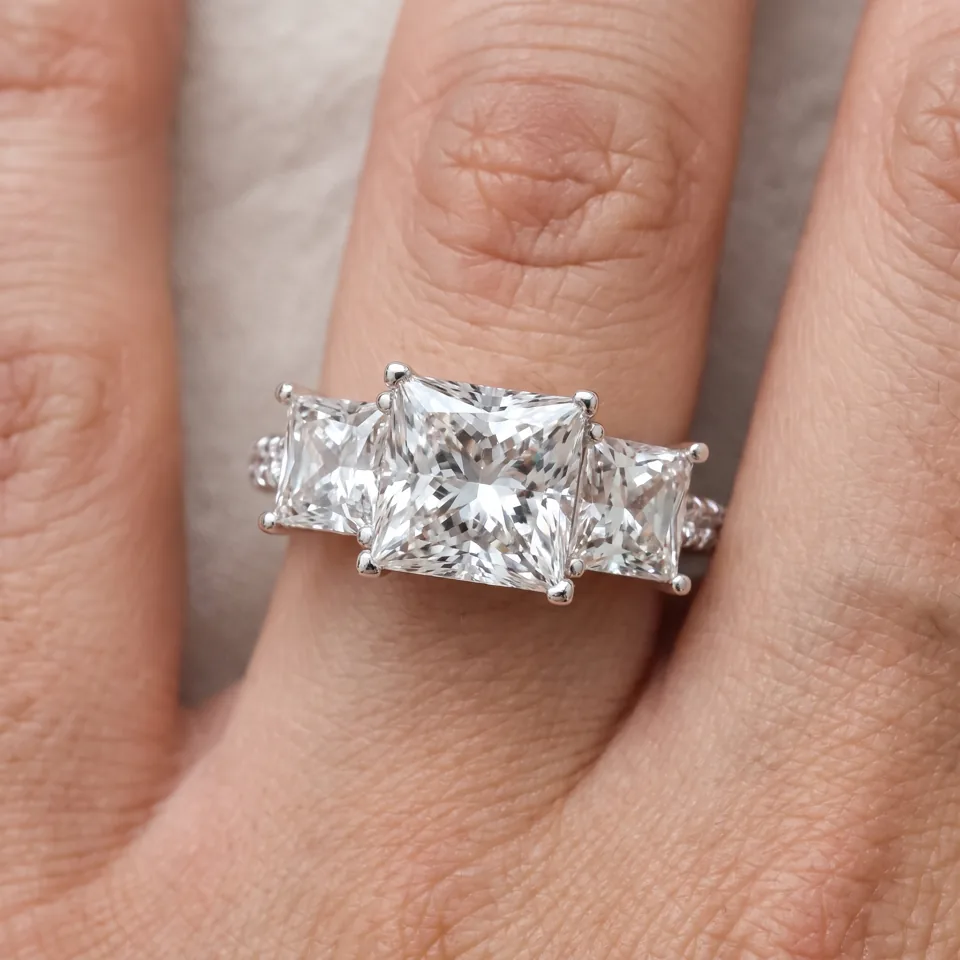 Three Stone Engagement Rings
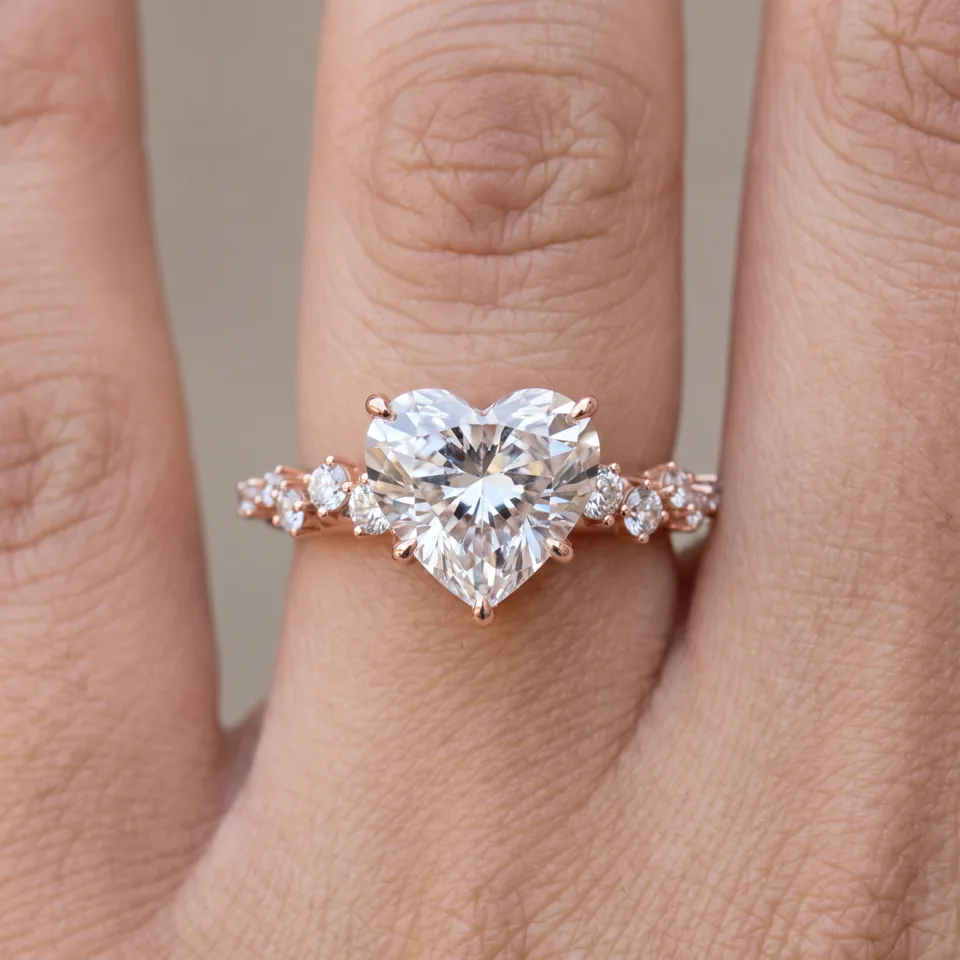 Cluster Side Stone Engagement Rings
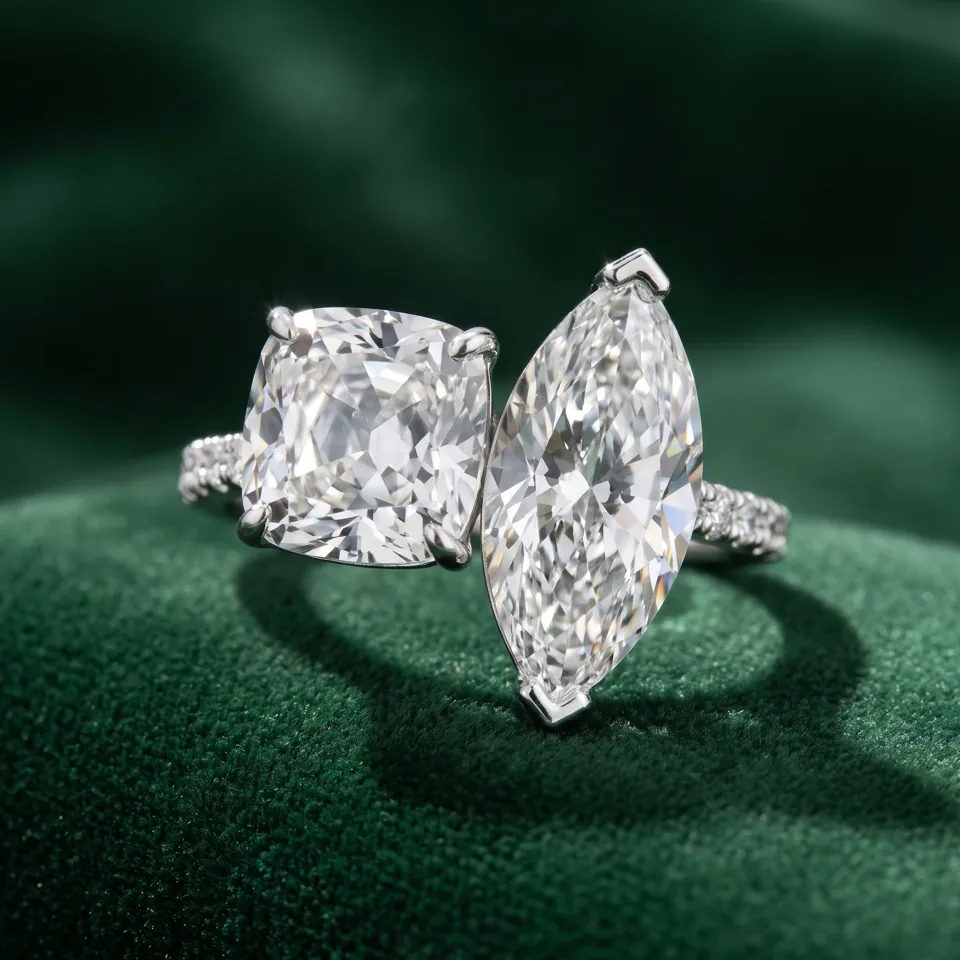 Toi et Moi Two Stone Engagement Rings
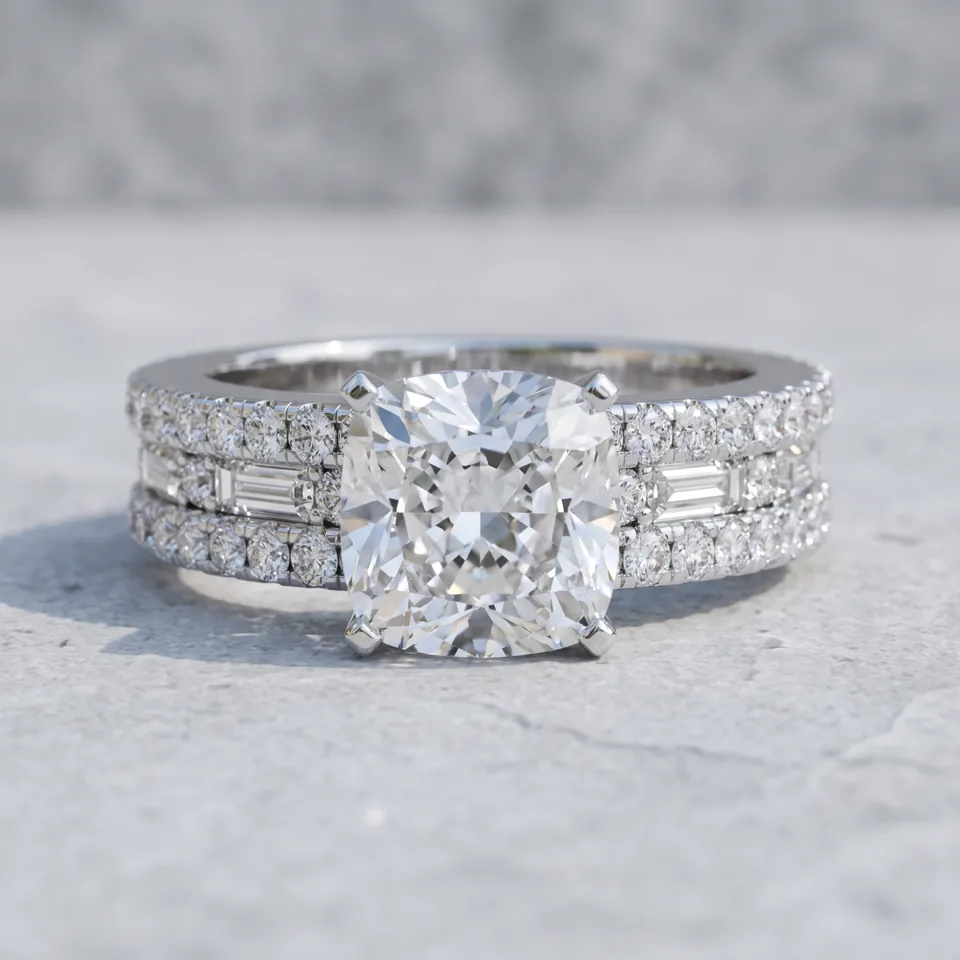 Engagement Rings with Baguette Side Stones
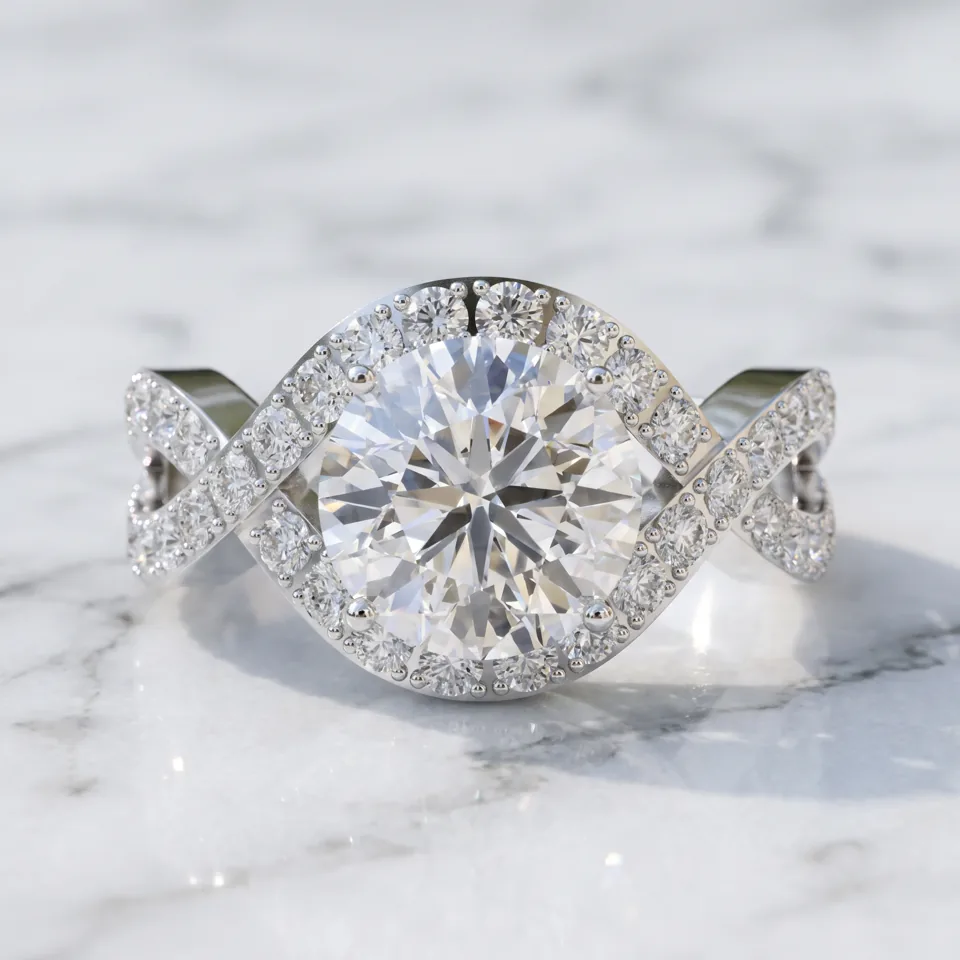 Infinity Rings
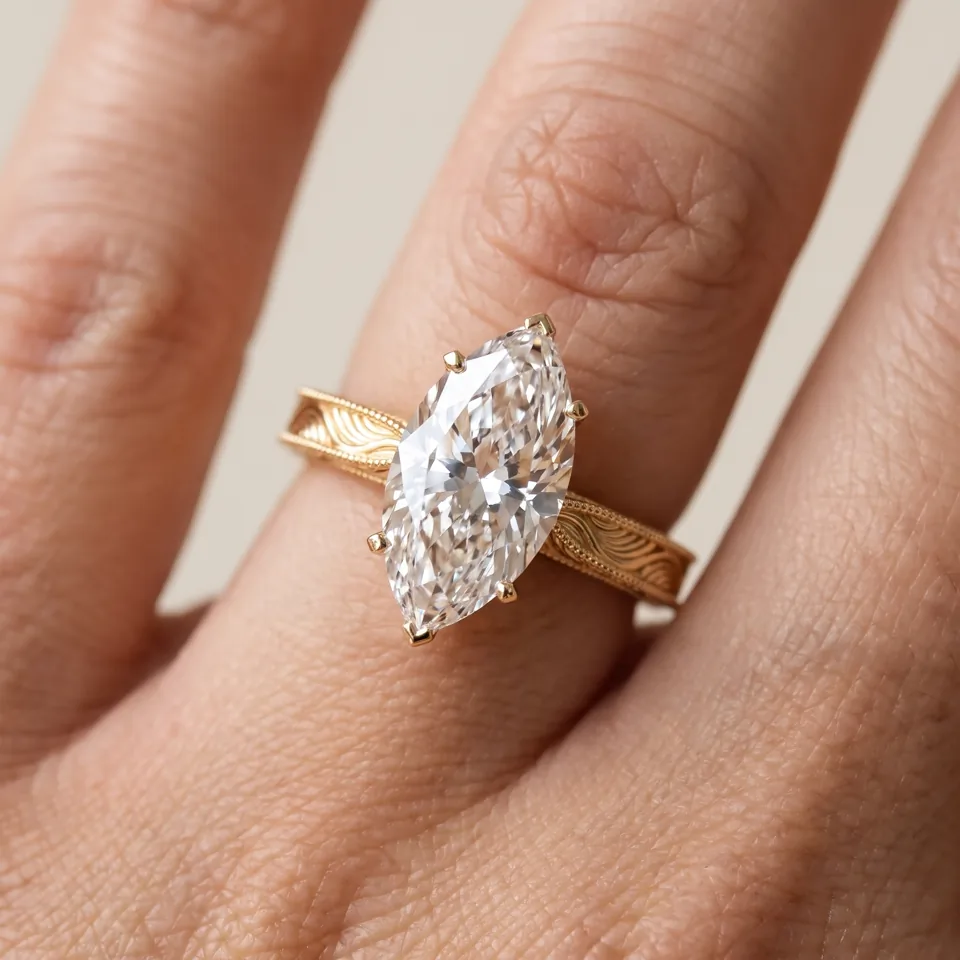 Engraved Rings
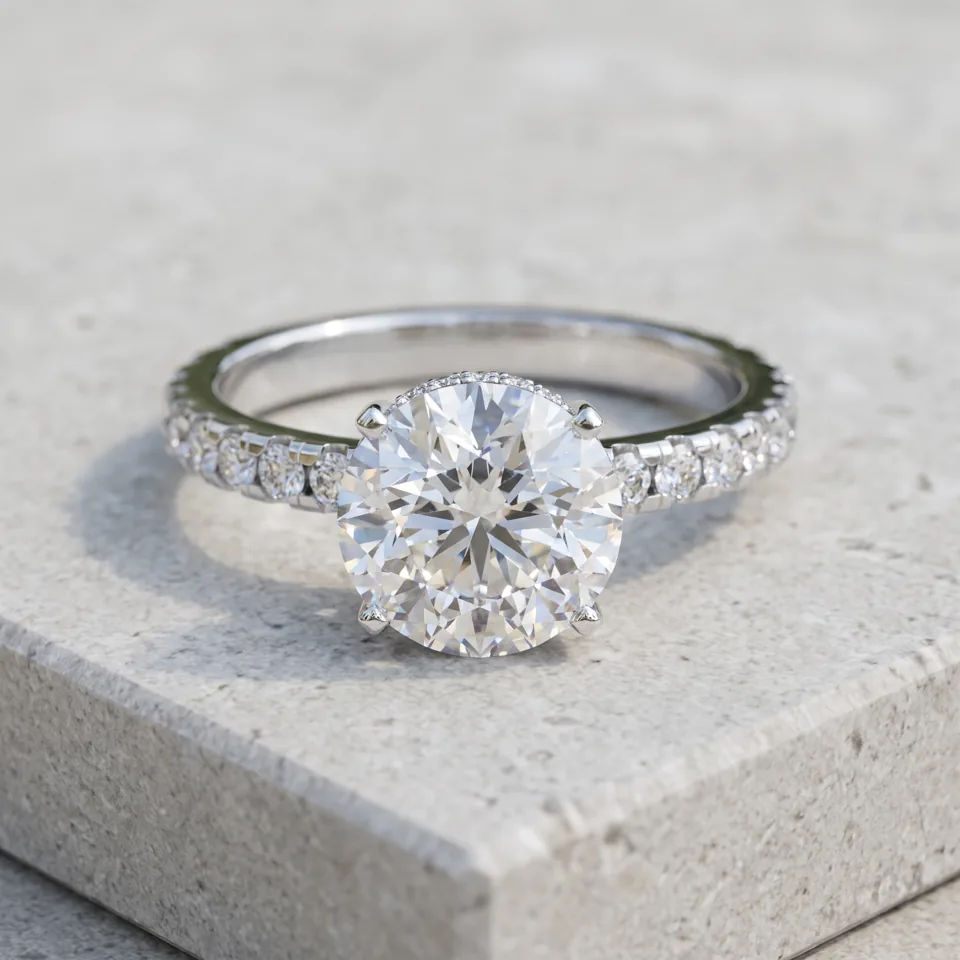 Pave Engagement Rings
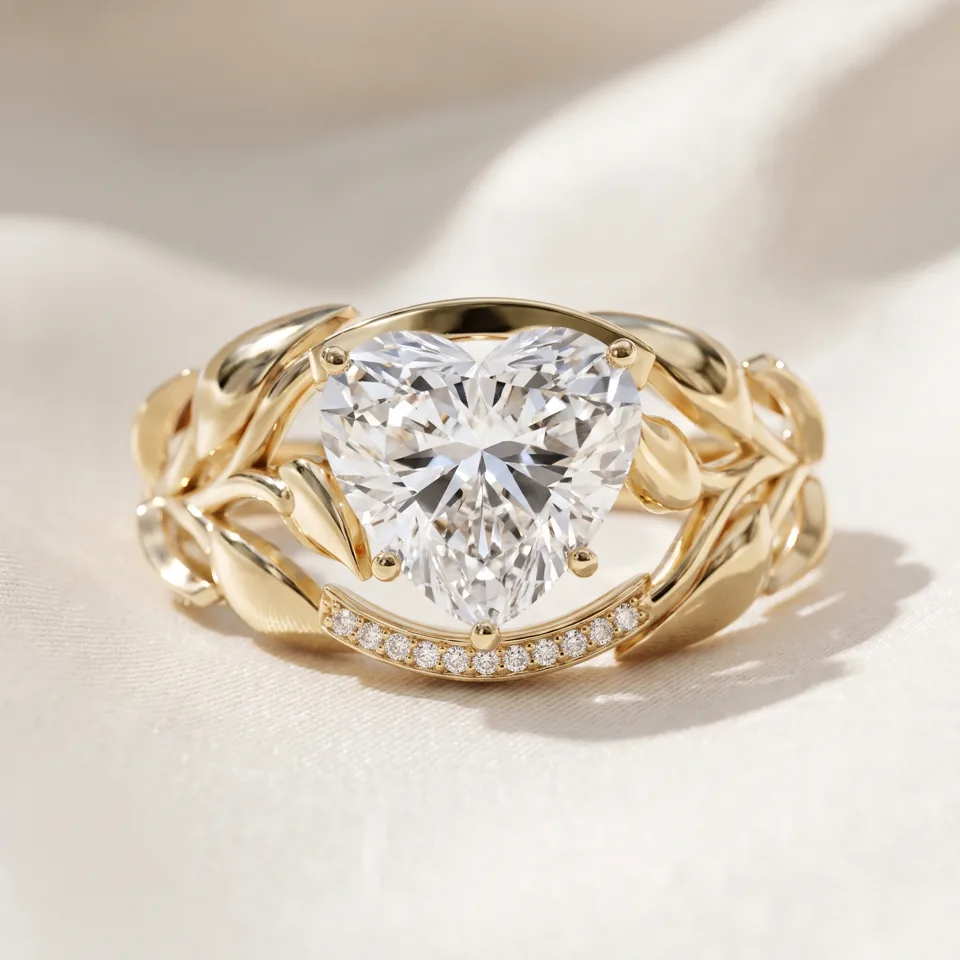 Yellow Gold Bypass Engagement Rings
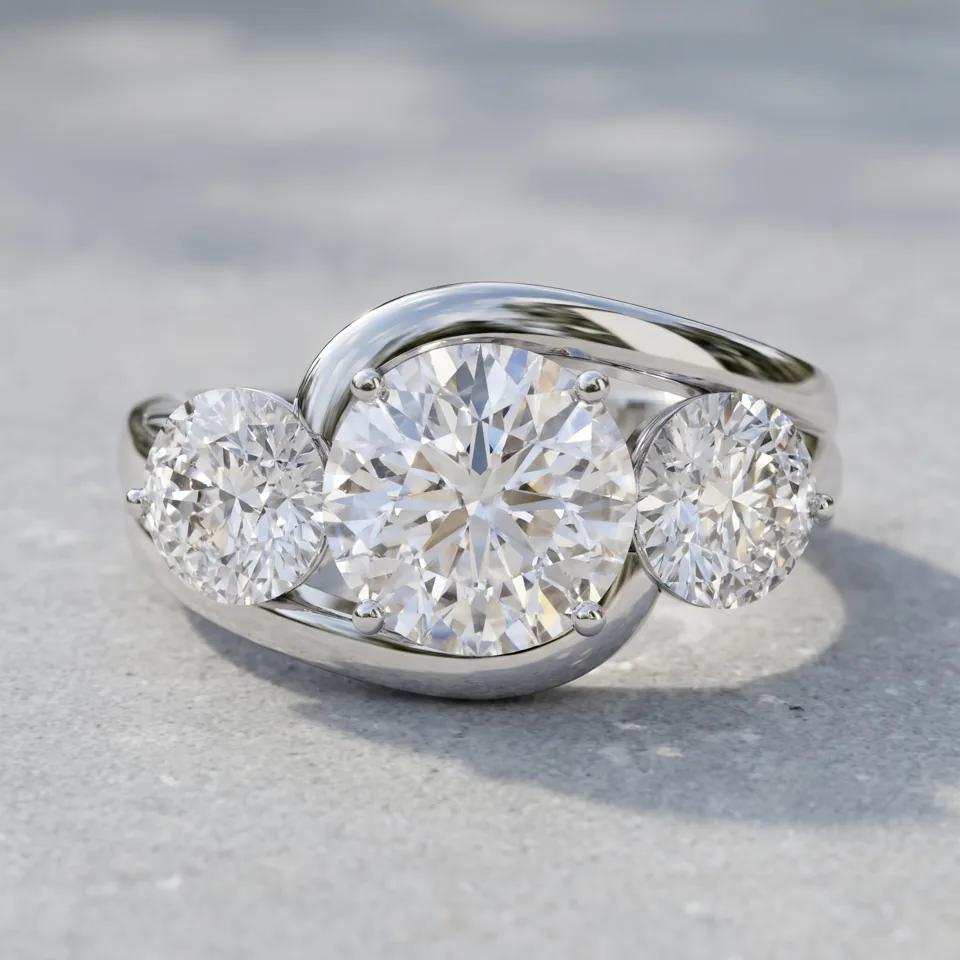 Three Stone Bypass Rings
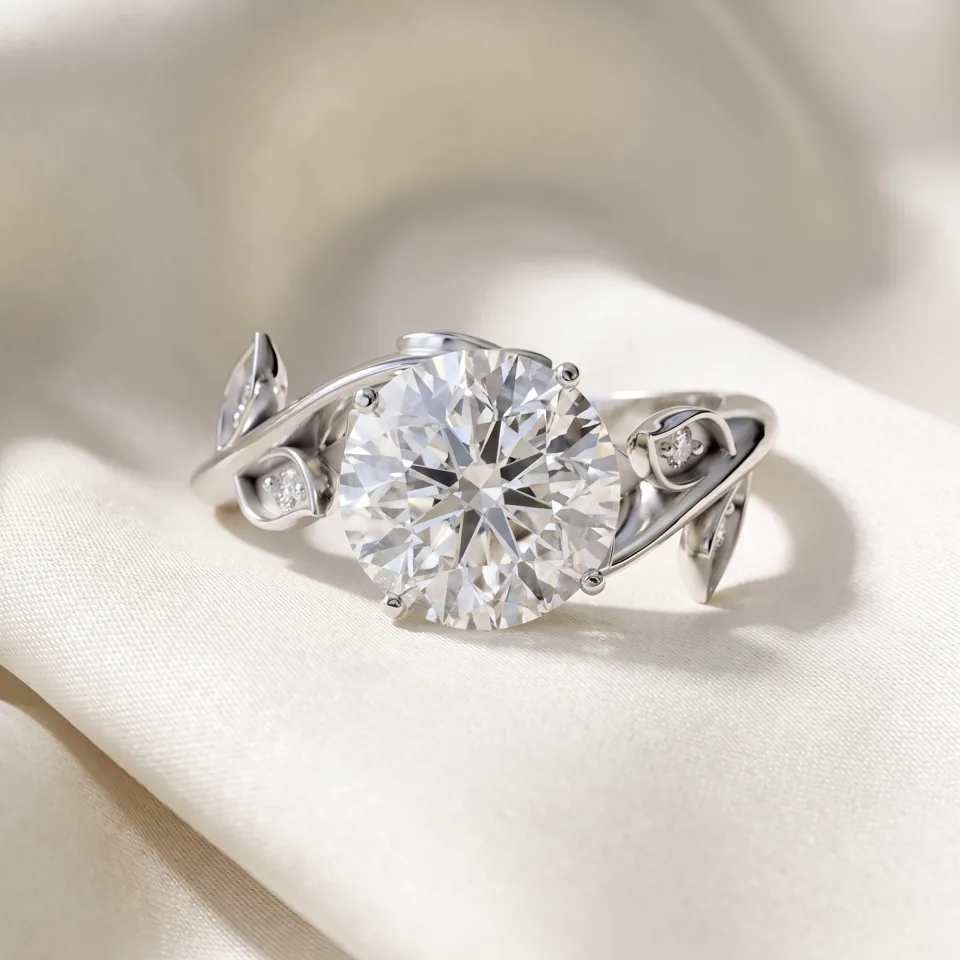 Sterling Silver Bypass Rings
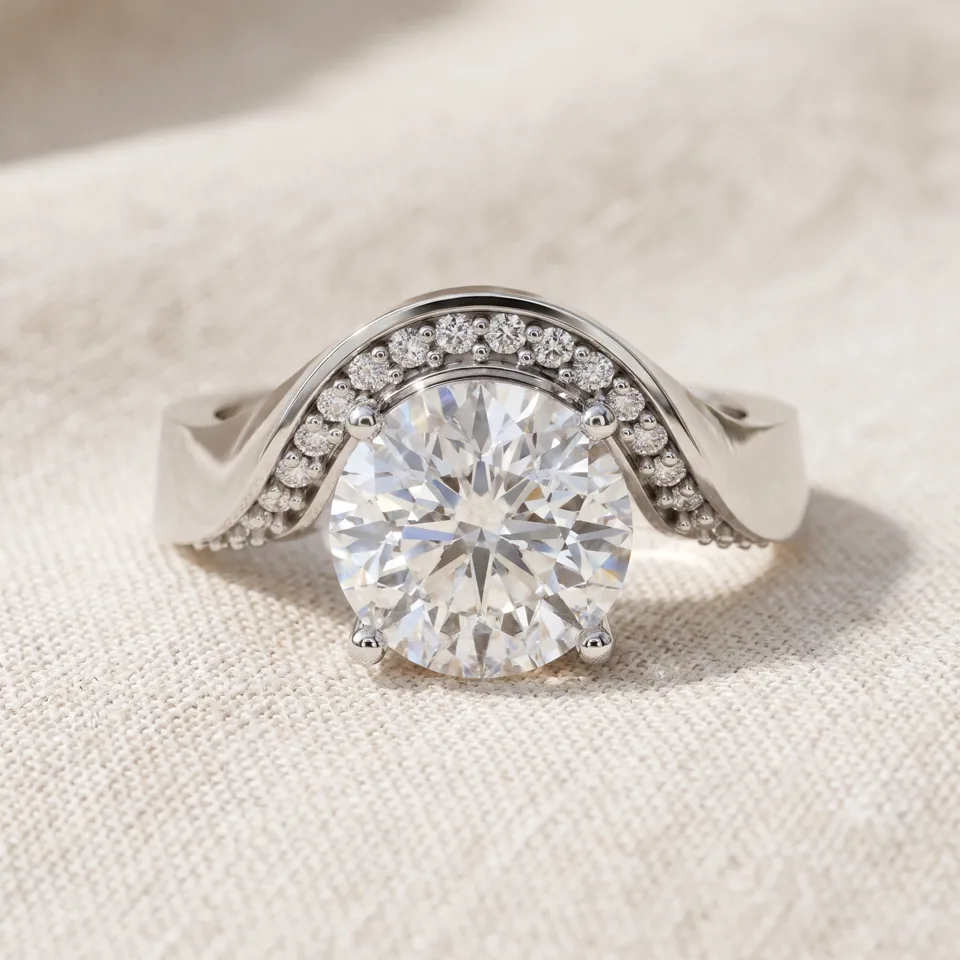 Bypass Solitaire Engagement Rings
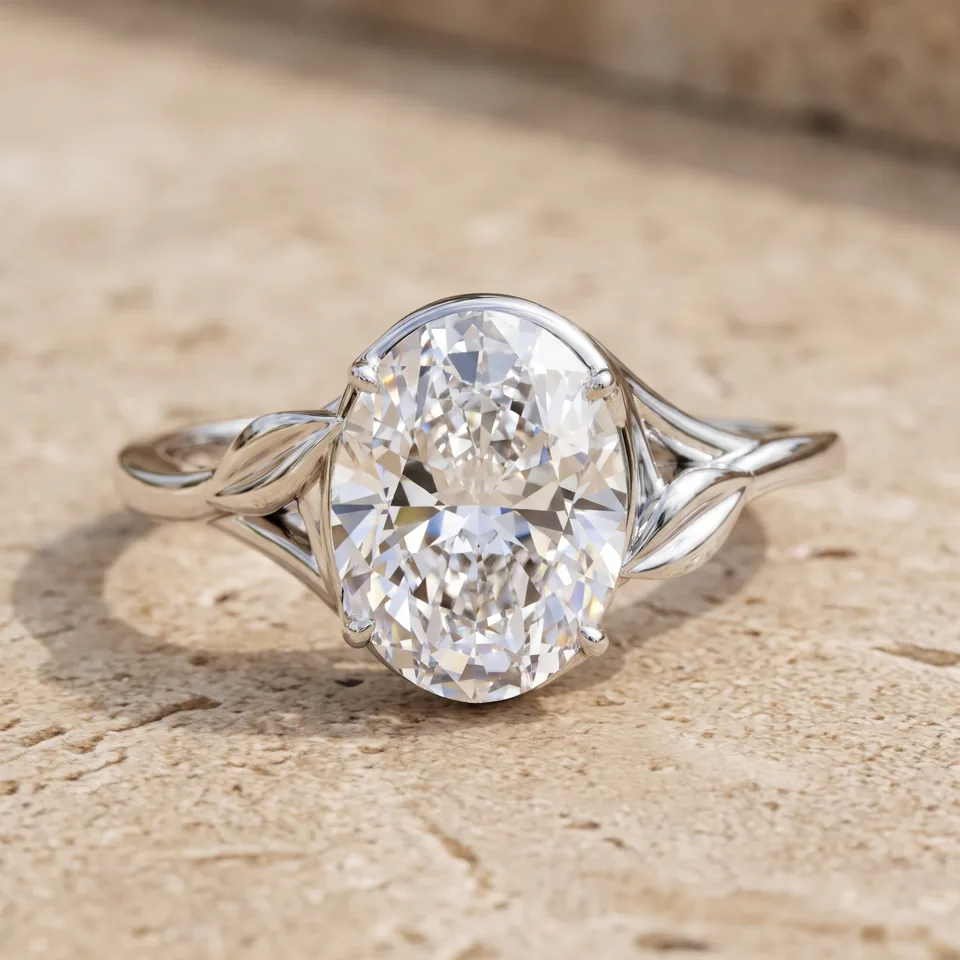 Flower Bypass Rings
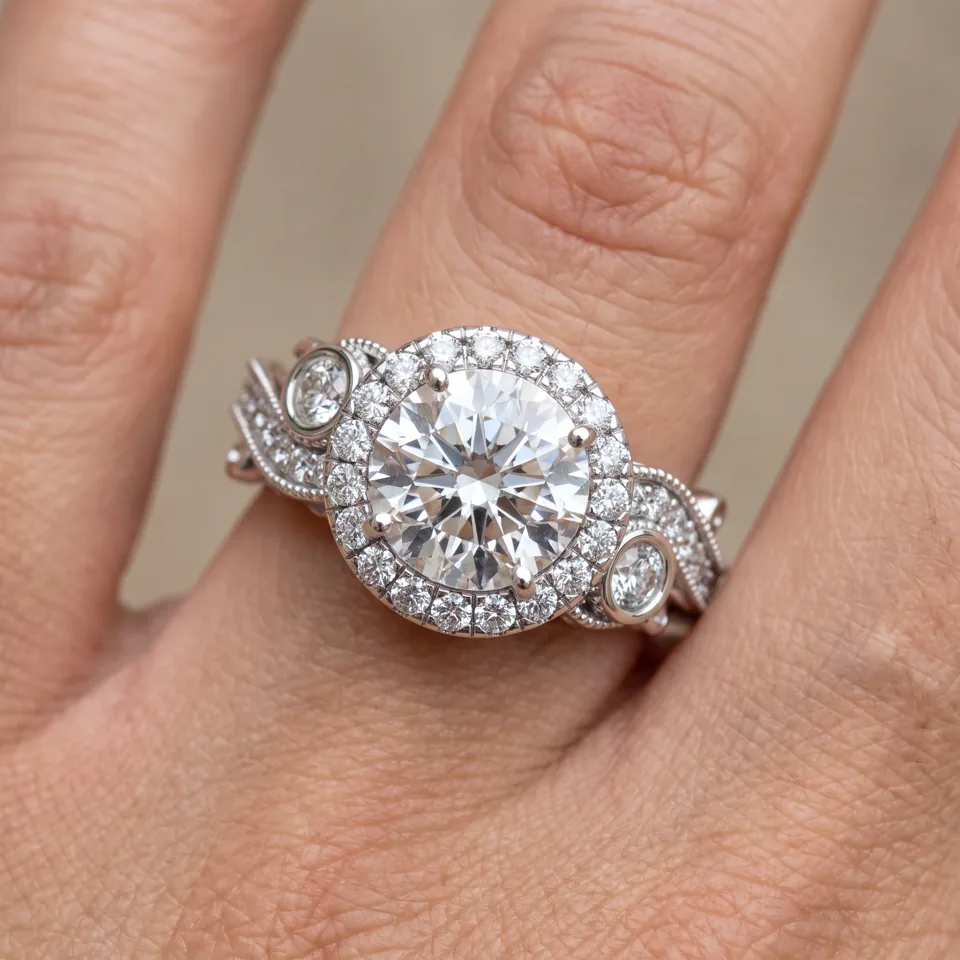 White Gold Bypass Rings
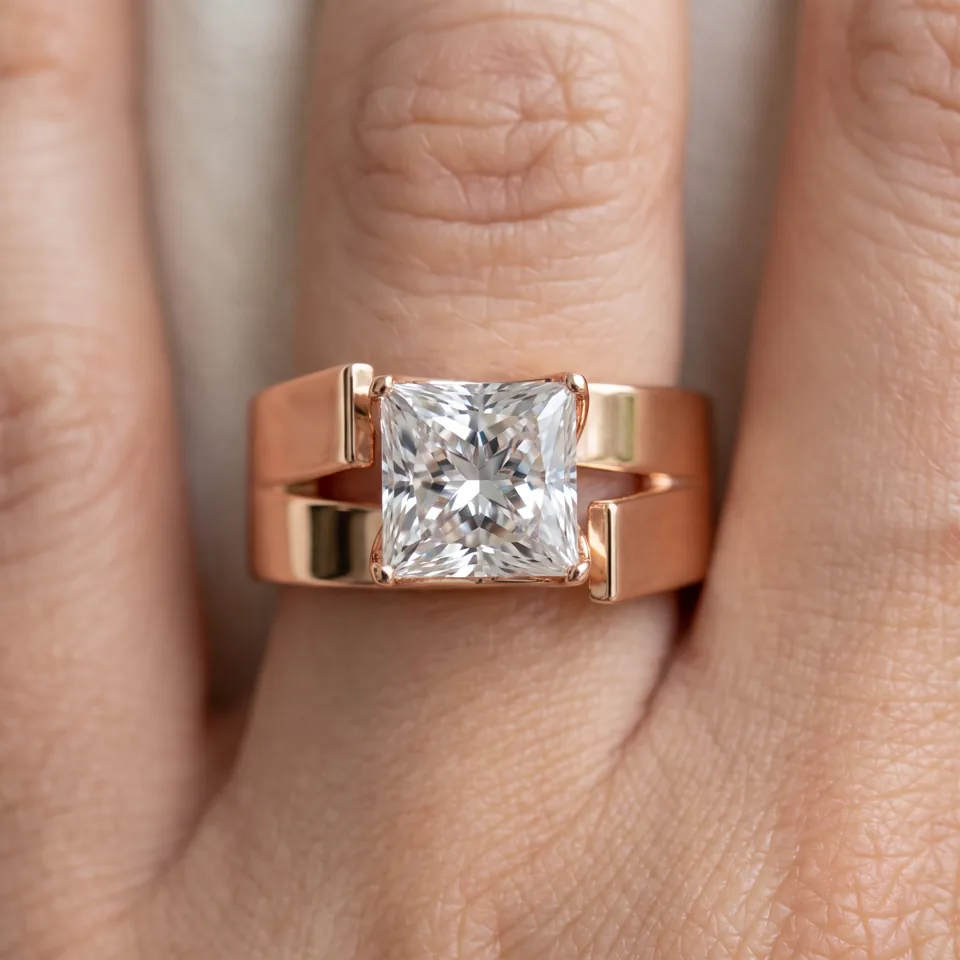 Rose Gold Bypass Engagement Rings
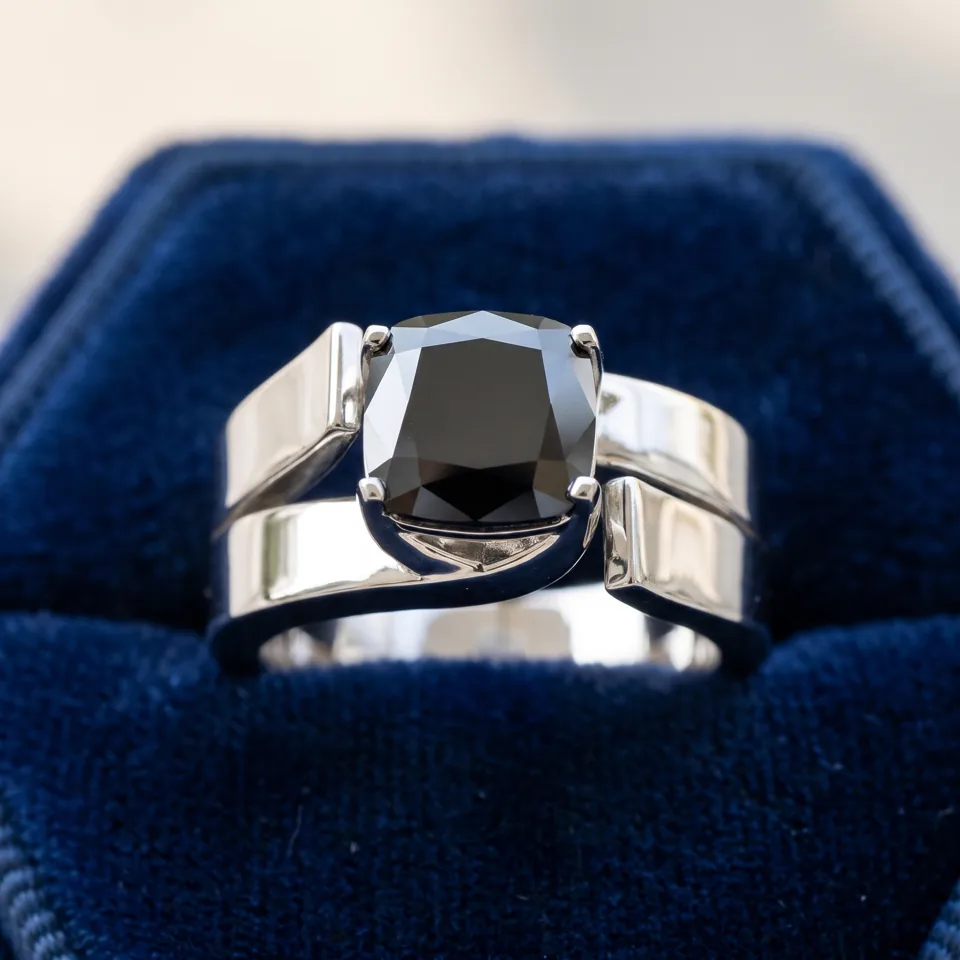 Black Diamond Bypass Rings
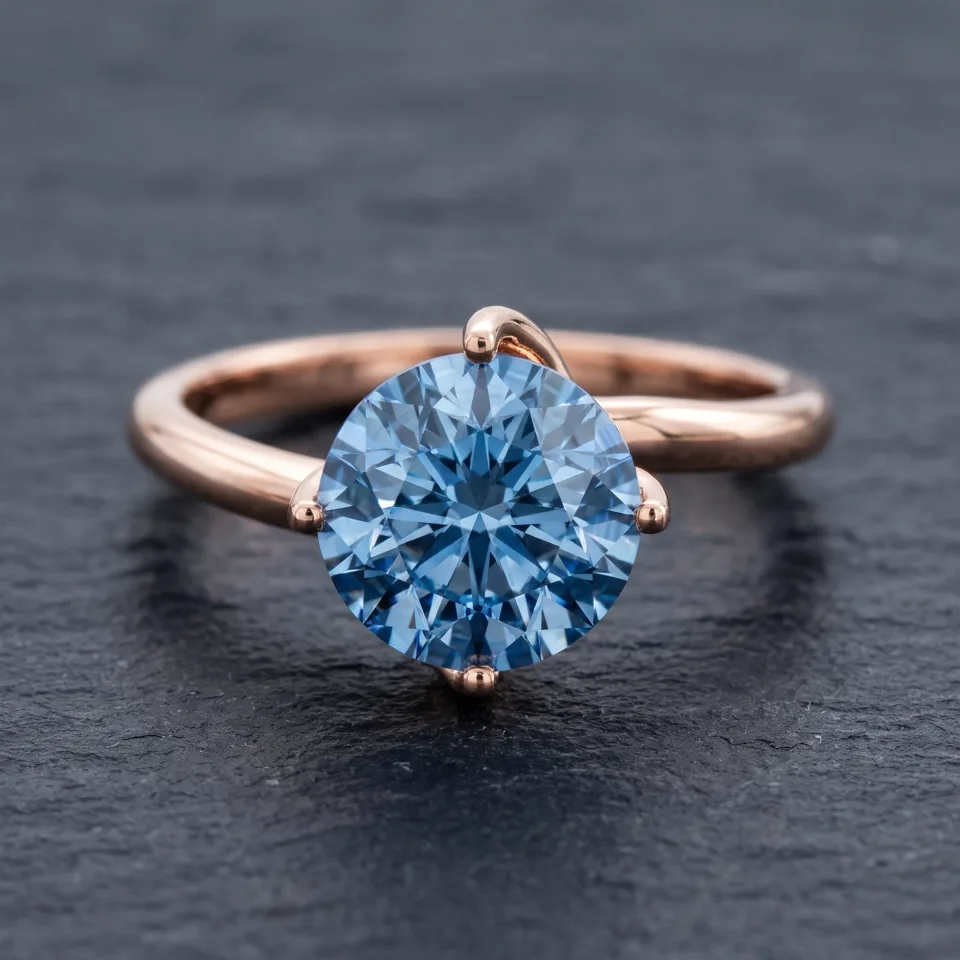 Blue Diamond Bypass Rings
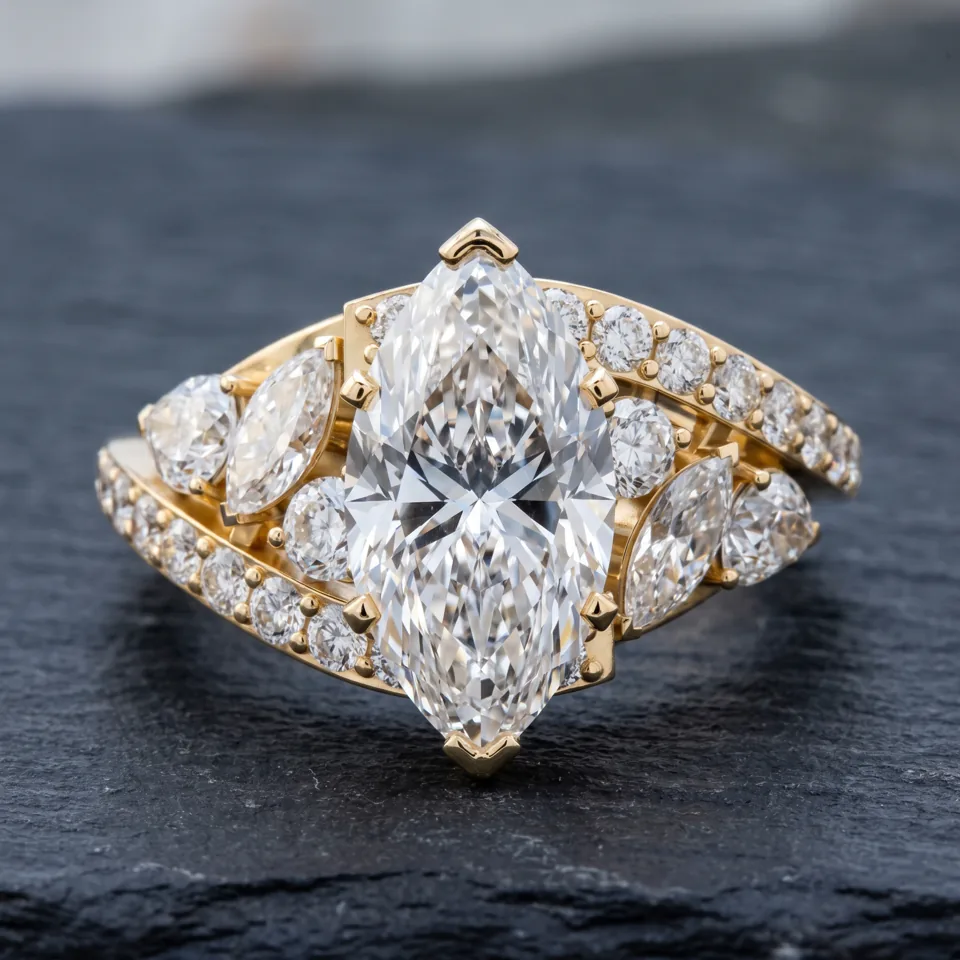 Bypass Pave Rings


