Complimentary insured shipping, both waysEngagement ring diamonds certified by IGI or GIAGrown by light. Conflict-free by natureComplimentary insured shipping, both ways
Engagement RingsWedding BandsEarrings

NecklaceBraceletsAbout
A gold split shank engagement ring parts its shank in two just below the head, leaving an open gap across the top of the finger.
Choose the shape first, since most designs take round, oval, princess, marquise, radiant, pear, cushion, Asscher, heart and emerald. Then pick a style, from pavé halos to twisted or open-loop splits, and your gold color. The center diamond gets chosen on the next screen.
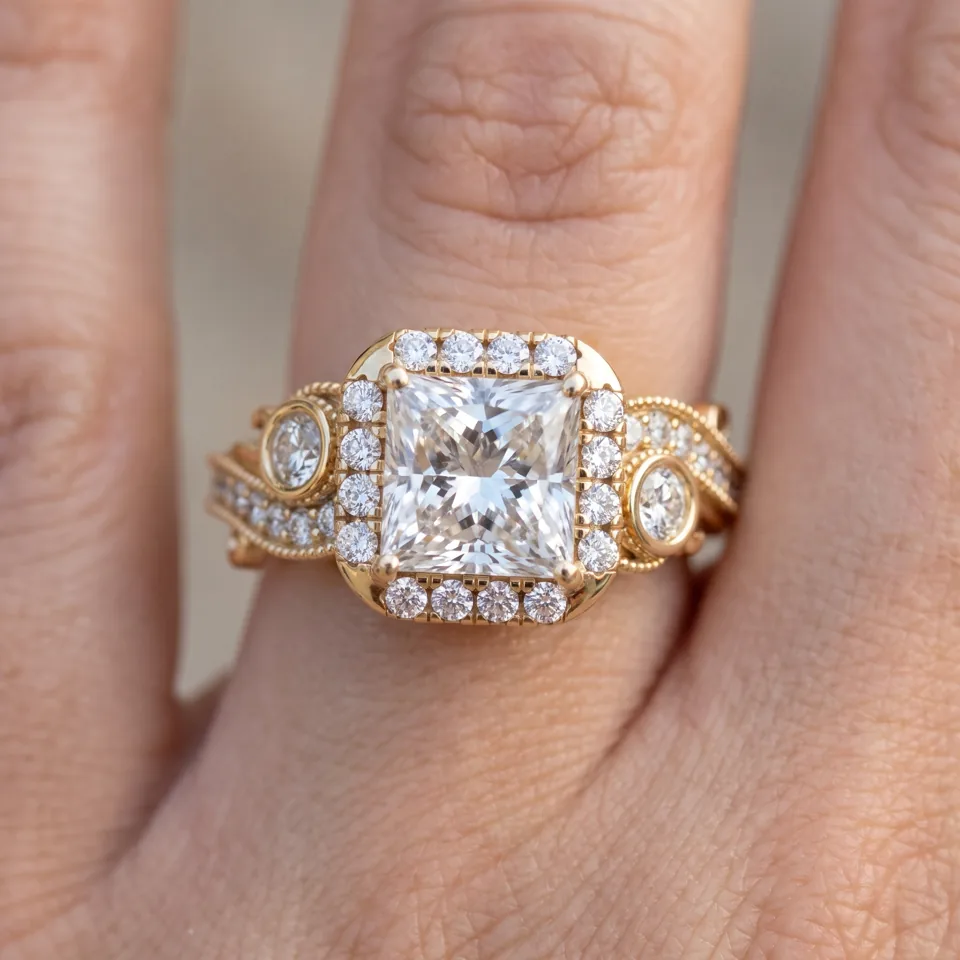 Vintage Gold Engagement Rings
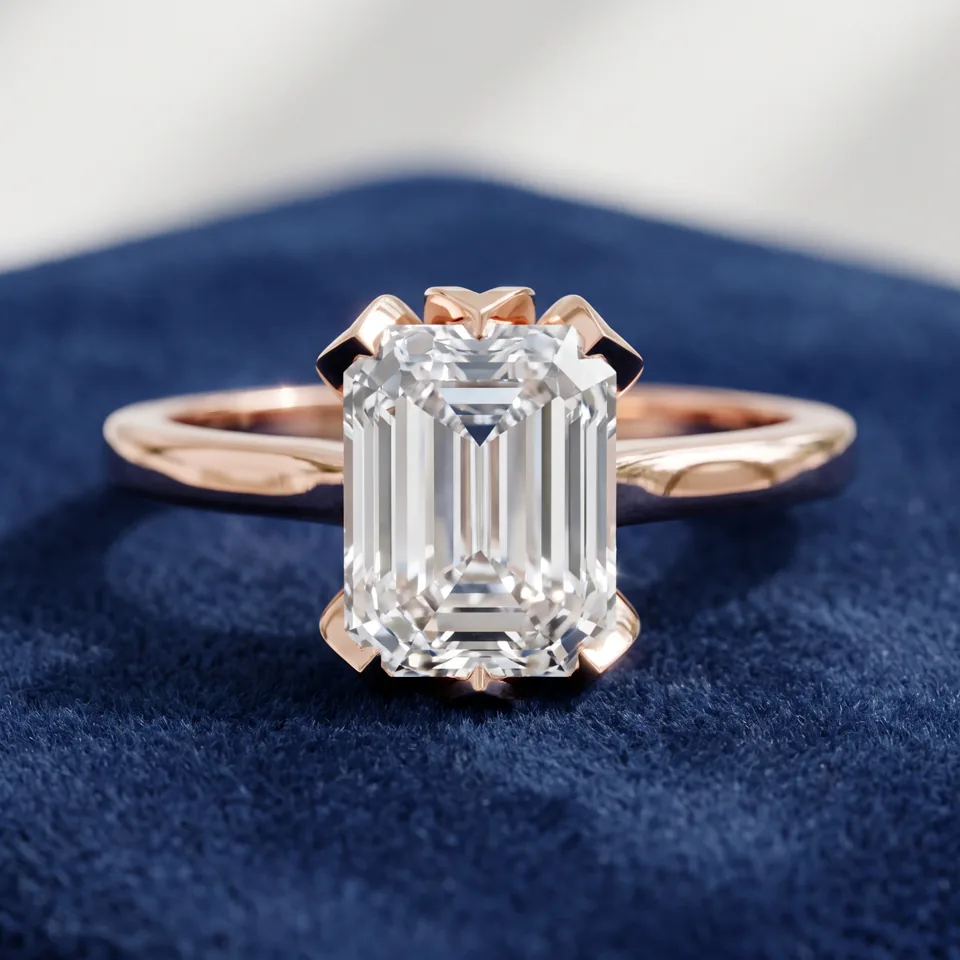 Floral Gold Rings
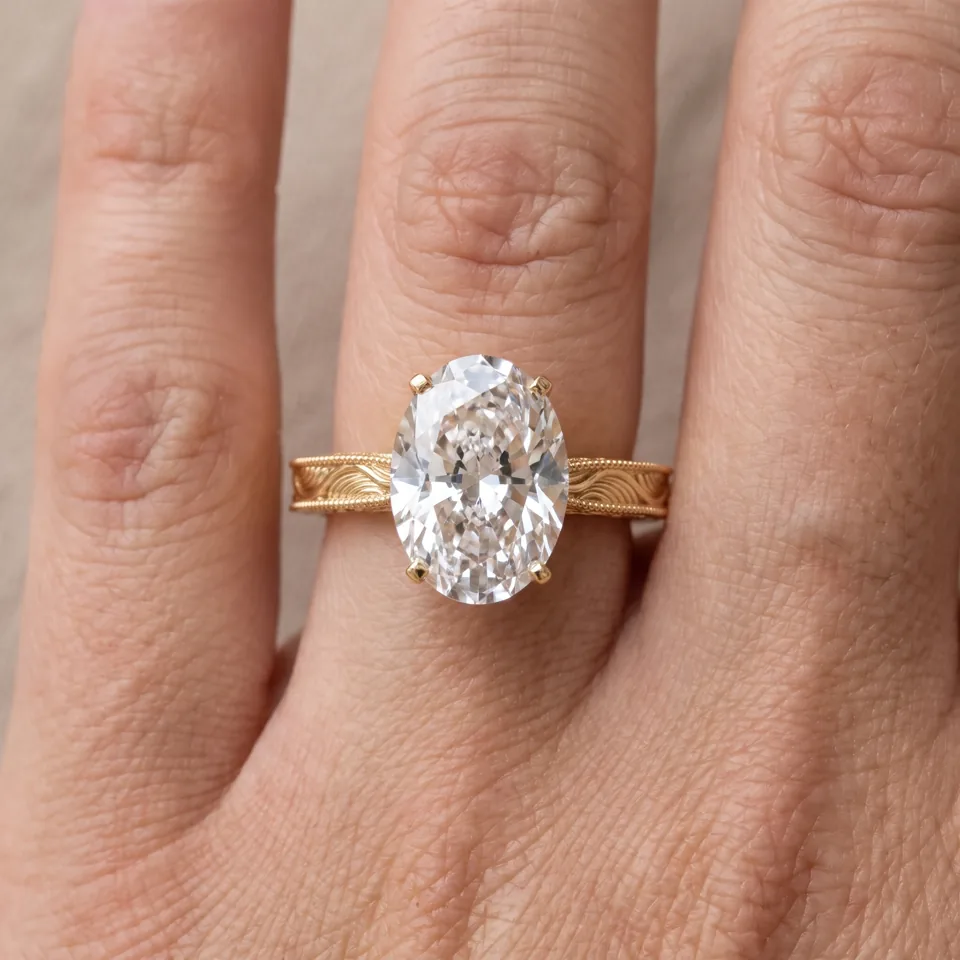 Engraved Gold Rings
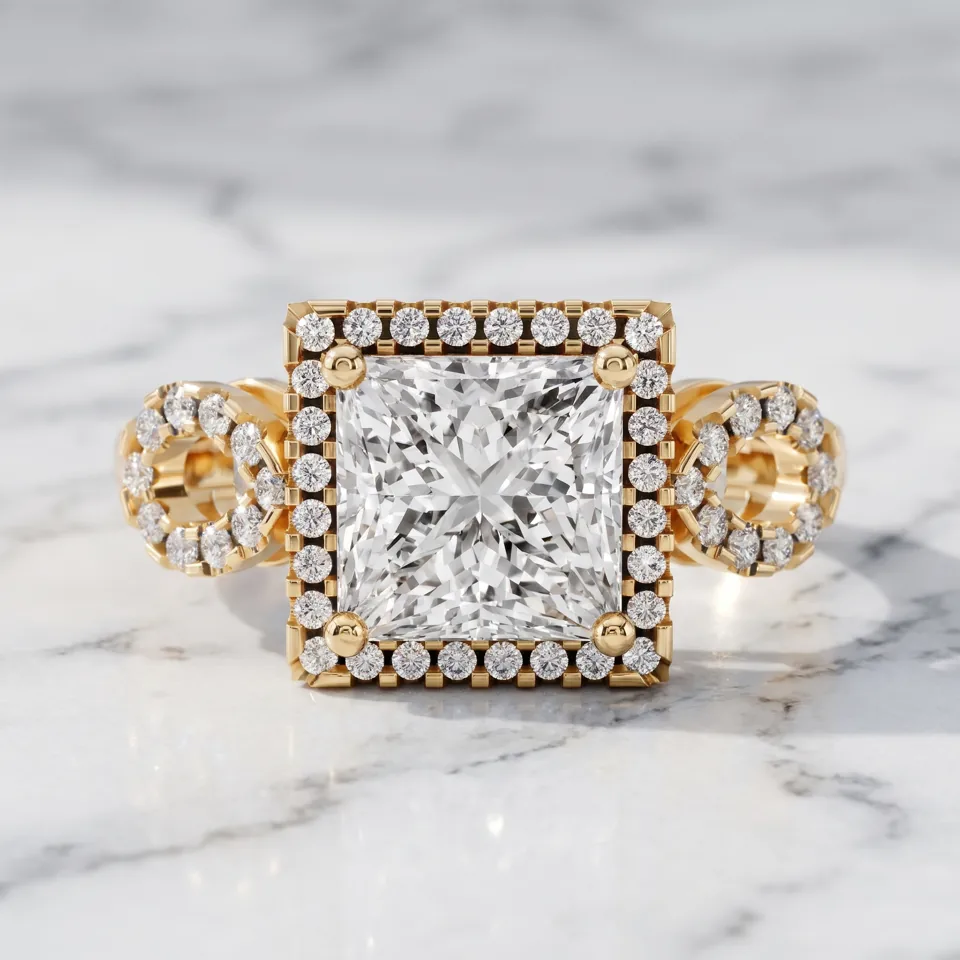 Gold Infinity Rings
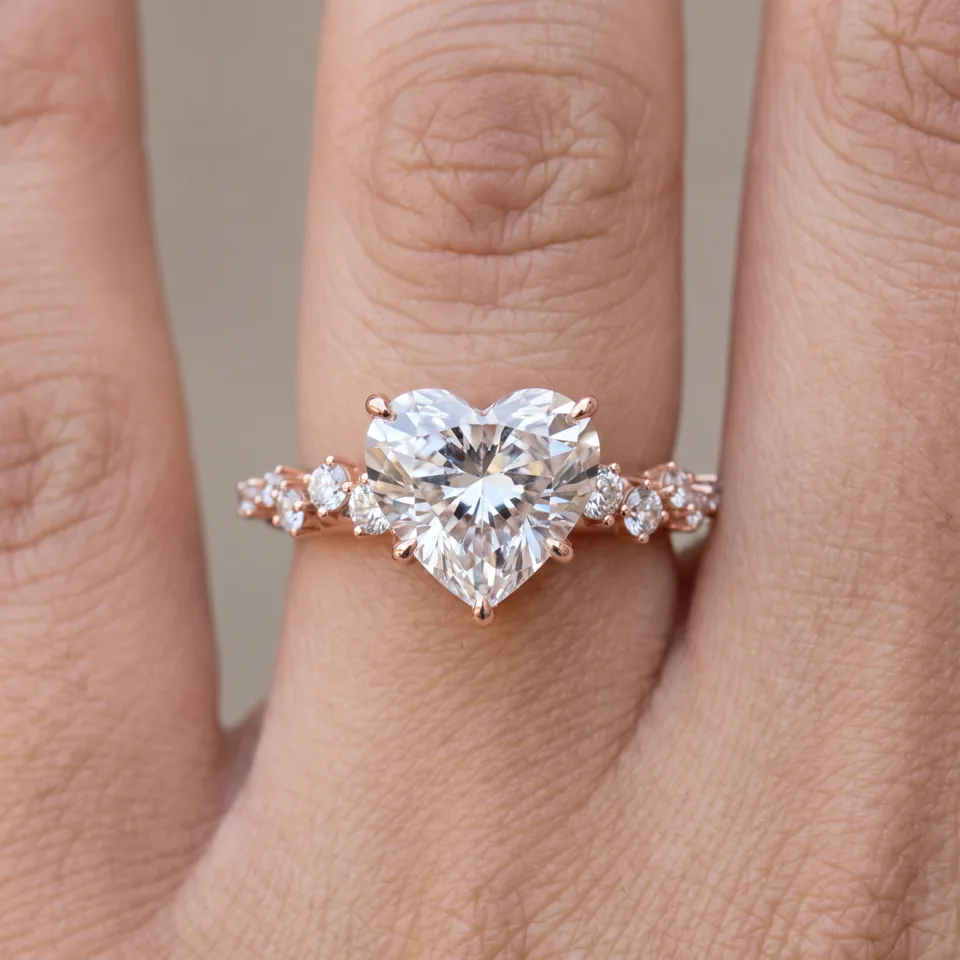 Gold Cluster Rings
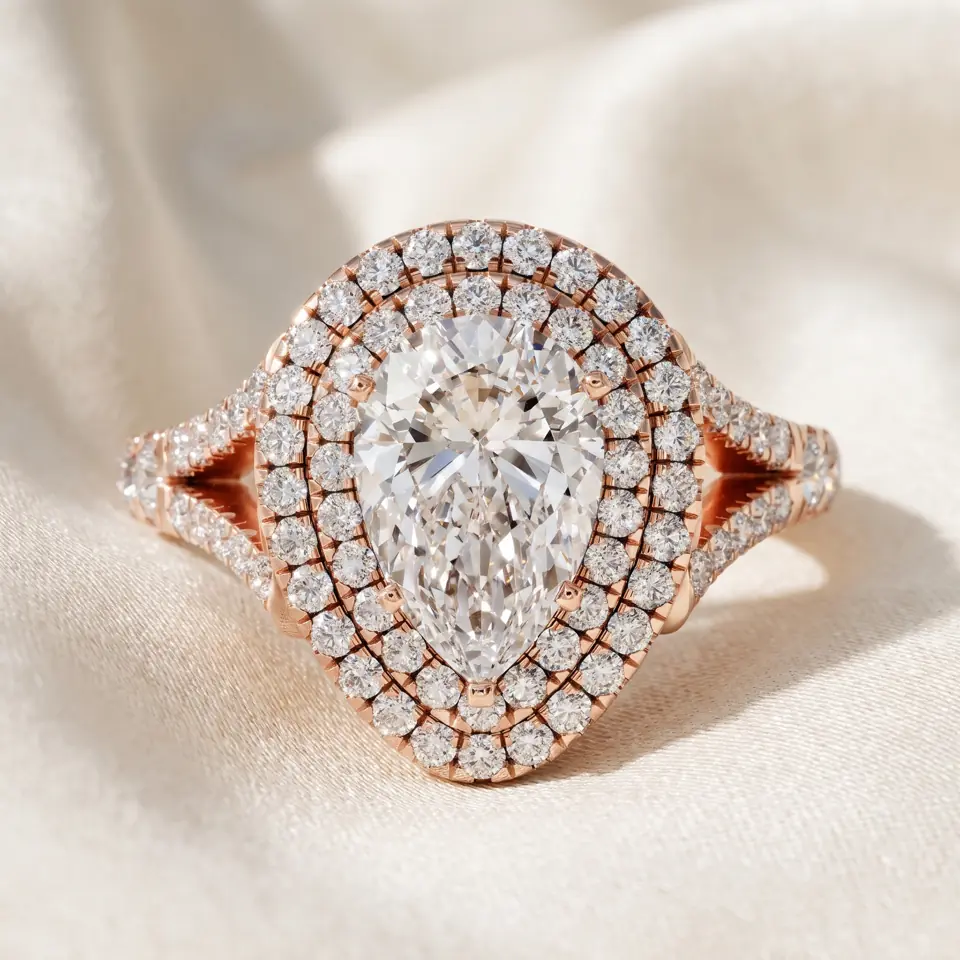 Gold Halo Engagement Rings
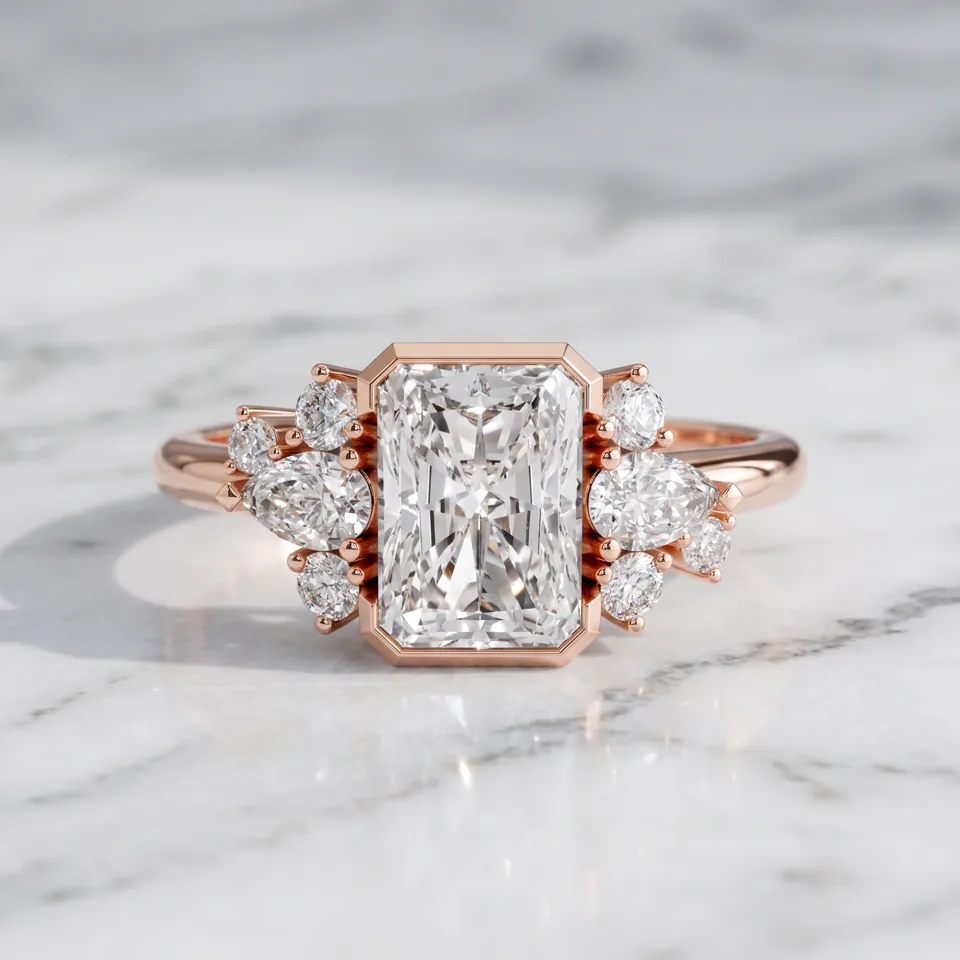 Gold Bezel Rings
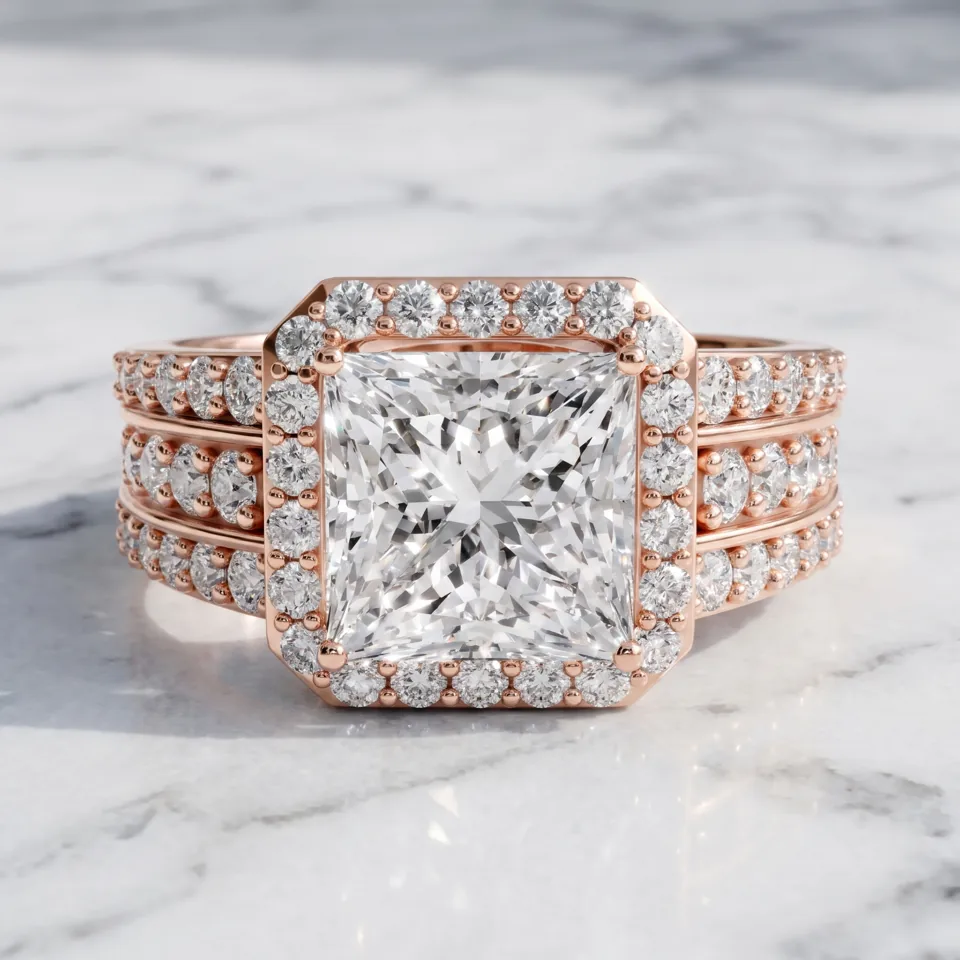 Gold Filigree Rings
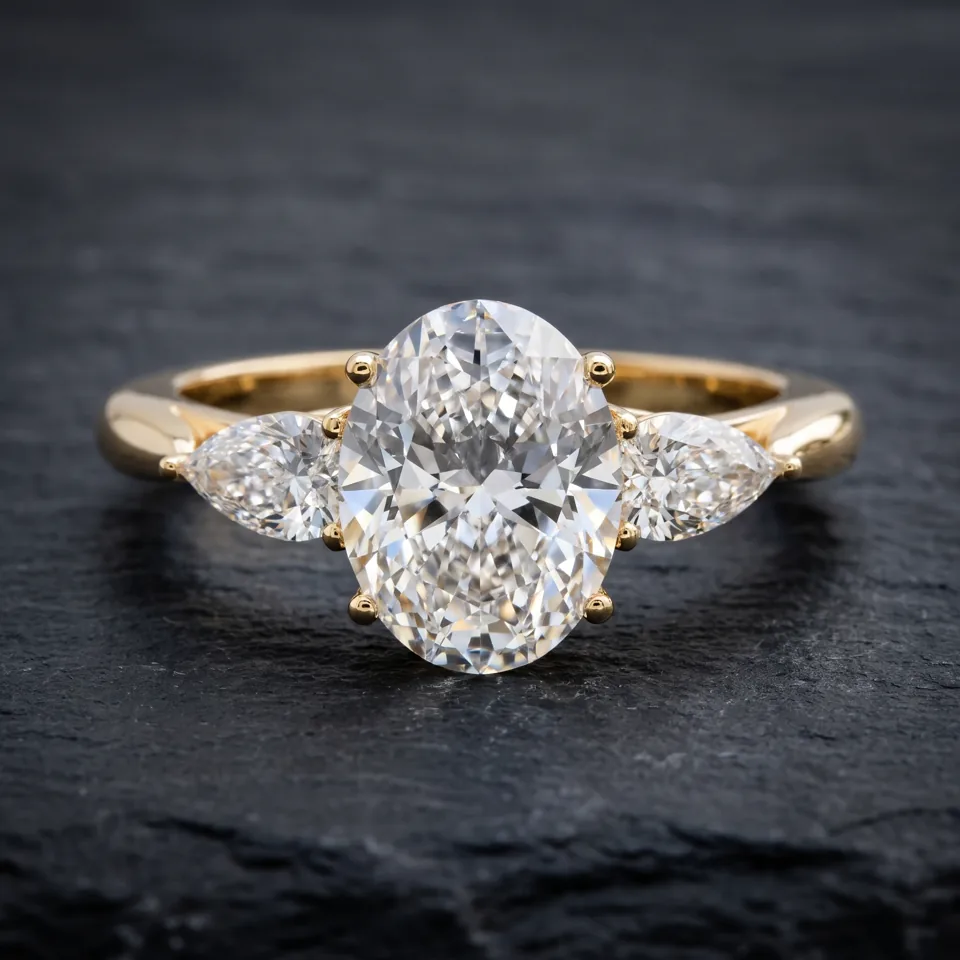 Gold Three Stone Engagement Rings
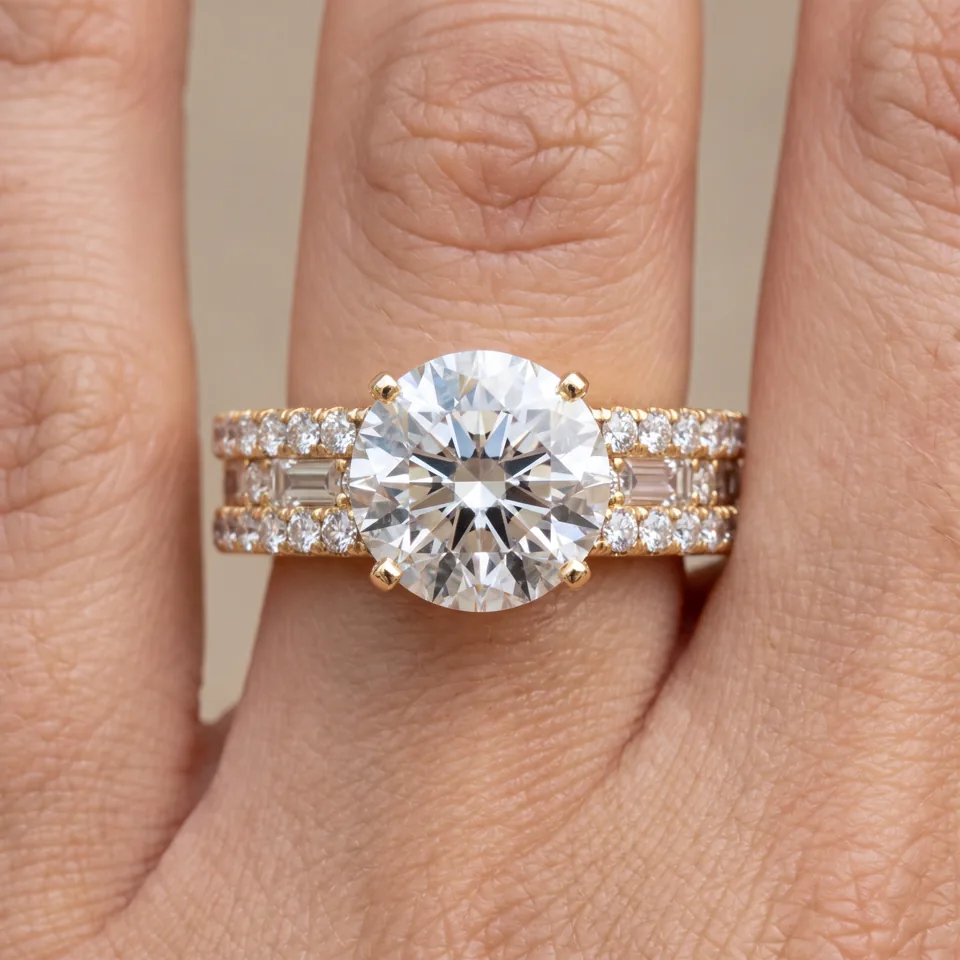 Gold Baguette Side Stone Rings
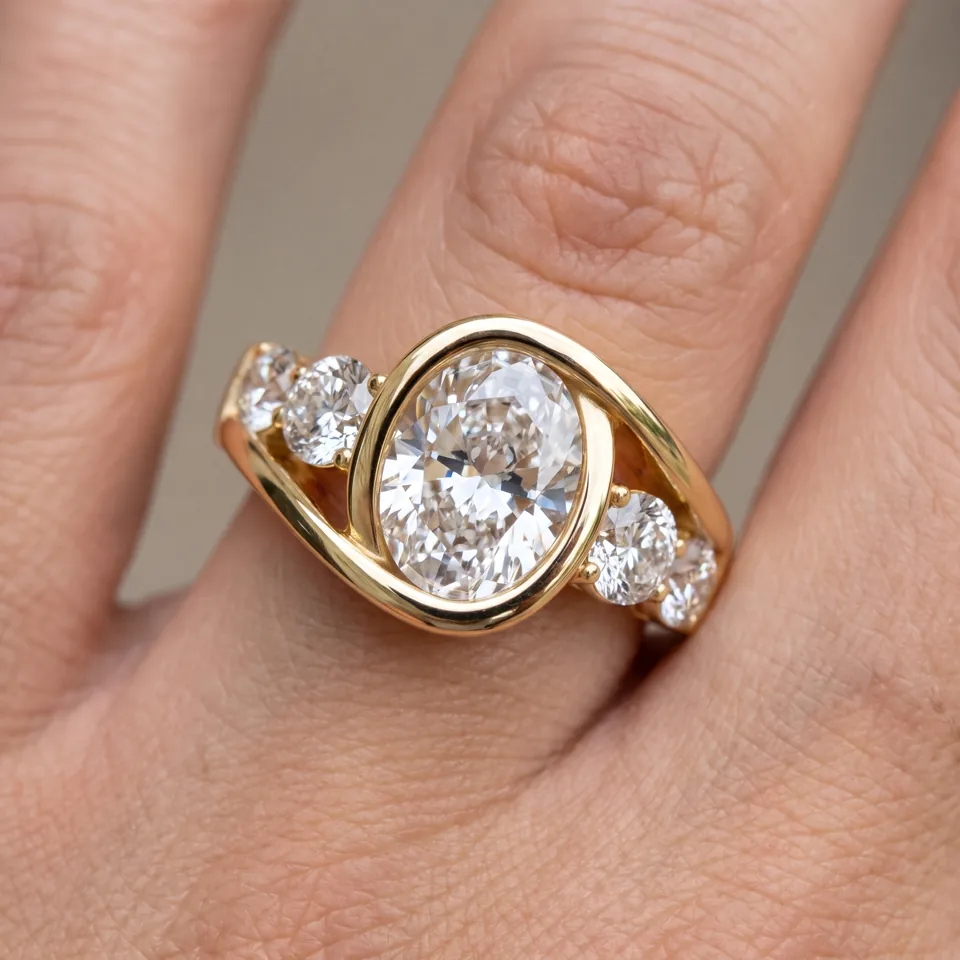 Gold Bypass Rings
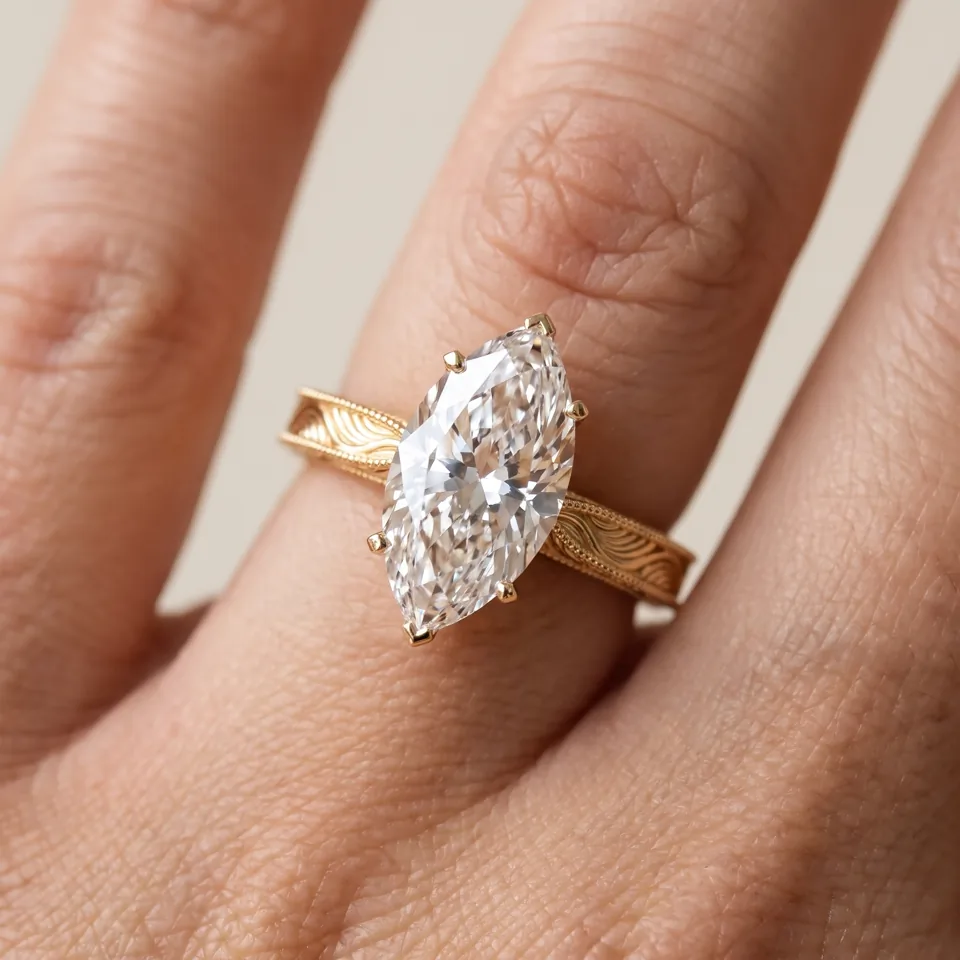 Gold Milgrain Rings
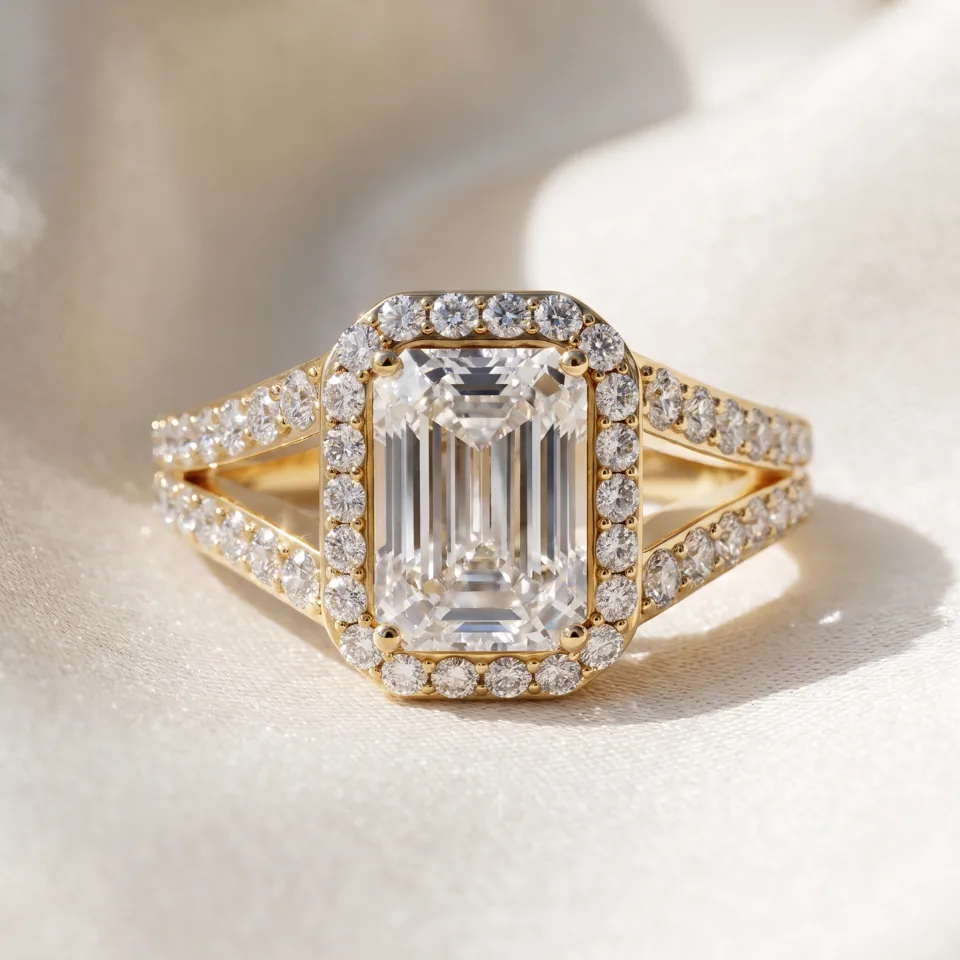 Yellow Gold Split Shank Engagement Rings
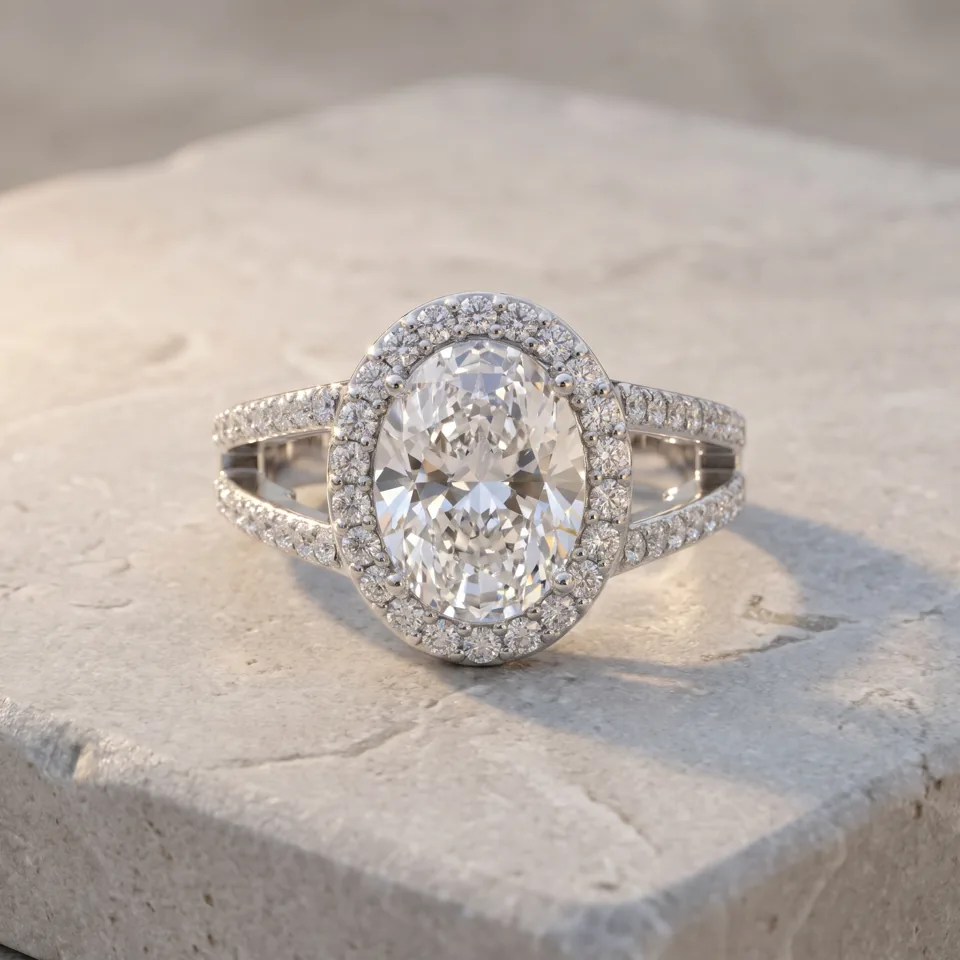 White Gold Split Shank Engagement Rings
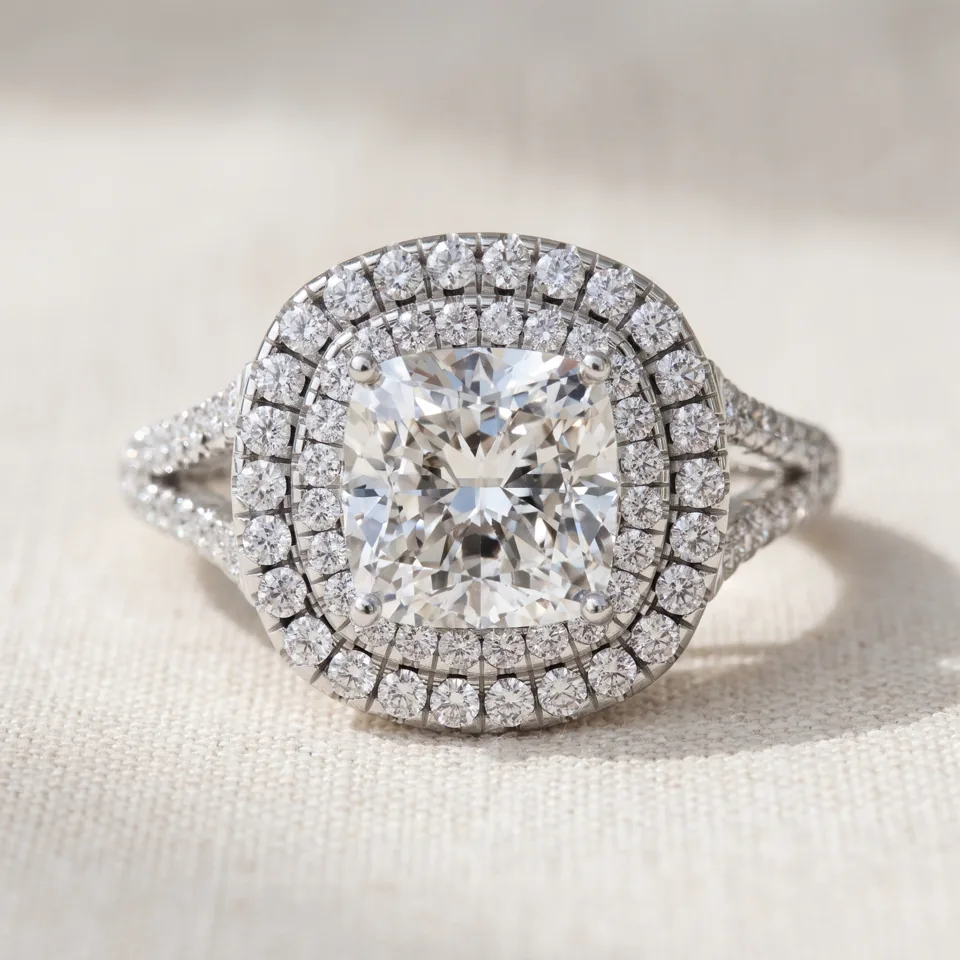 Platinum Split Shank Engagement Rings
Two strands share the load of the head, so it feels steadier and the ring looks broader from above. Light passes through the opening between them, which helps a medium center look larger. Narrow splits stay delicate; wide, open splits make a bolder statement and suit longer fingers.
Most designs carry pavé laboratory-grown diamond accents on one strand or both. Twisted designs wrap the two strands around each other like rope. Bypass styles curve them past the center, and a few solitaires keep one strand plain for contrast. More pavé means more sparkle and a little more upkeep, since tiny stones trap lotion; a soft brush in mild suds clears them.
Many designs add a halo, built from lab-grown diamond accents; several use two rows. That wider face echoes the broad split underneath, so the ring looks even from top to bottom. A solitaire head on a split shank does the opposite, keeping attention on the center. Plenty of designs accept a colored center too, in pink, green, blue or yellow, and some in black.
Because the shank flares out near the head, a straight band worn next to it can leave a gap. Curved or notched bands close it, or you can wear the two with a small space as a design choice. Gold comes in 10K, 14K or 18K. Settings start under $750 and typically run $980 to $1,350, with the center's price added once you pick one.
After you choose your center, the ring is made for you in 10–15 days, and the center comes with an IGI or GIA report. We cover insured shipping both ways, accept returns for 30 days, and resize the ring once free within 60 days of delivery.