Complimentary insured shipping, both waysEngagement ring diamonds certified by IGI or GIAGrown by light. Conflict-free by natureComplimentary insured shipping, both ways
Engagement RingsWedding BandsEarrings

NecklaceBraceletsAbout
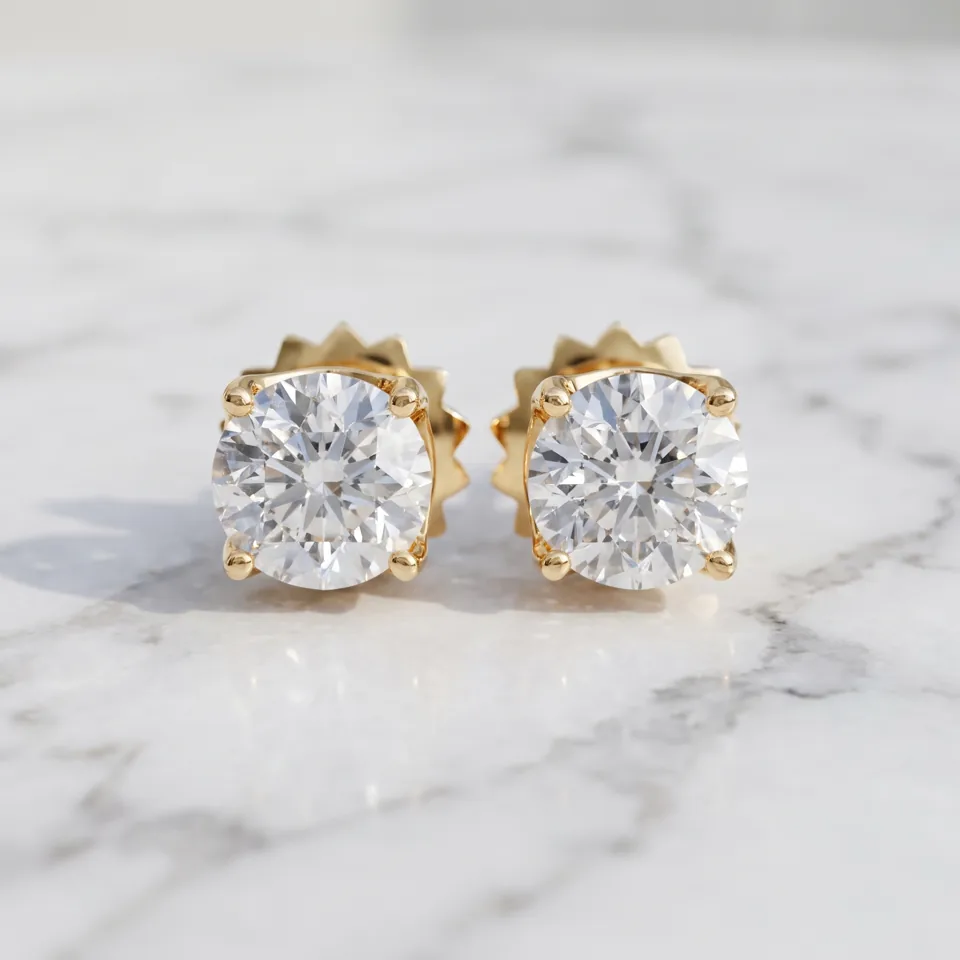
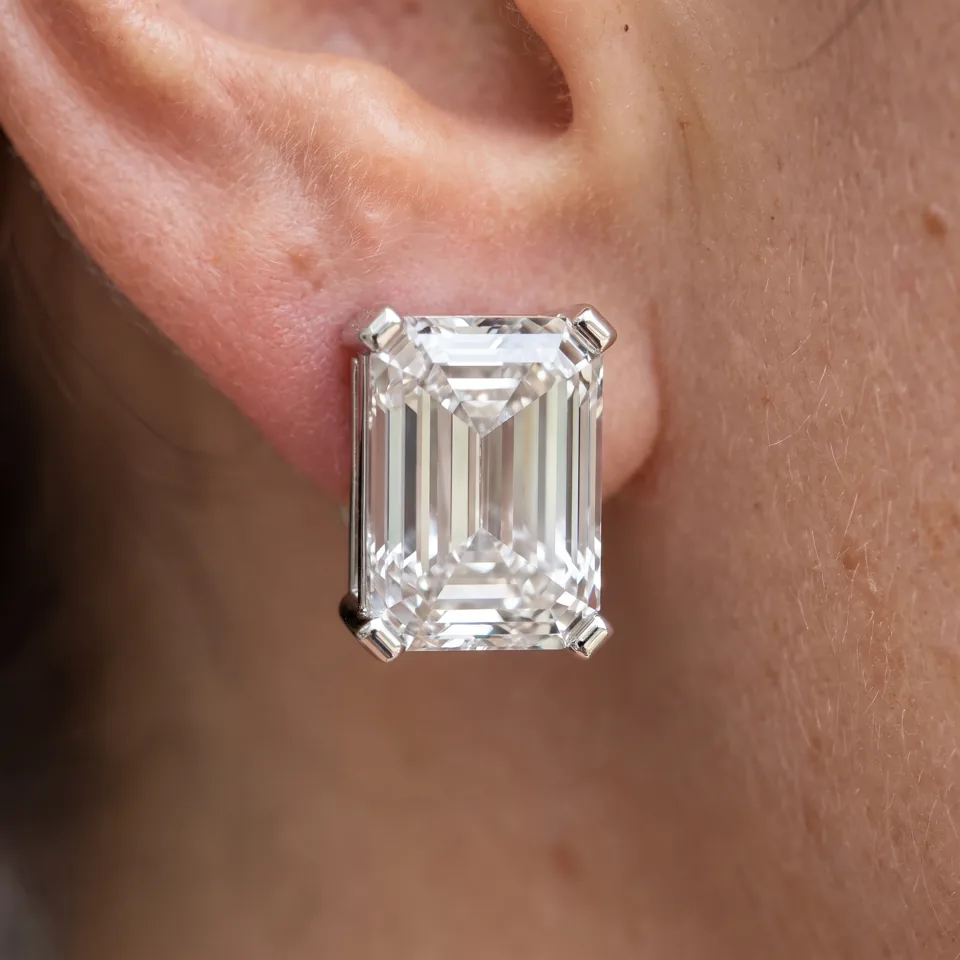
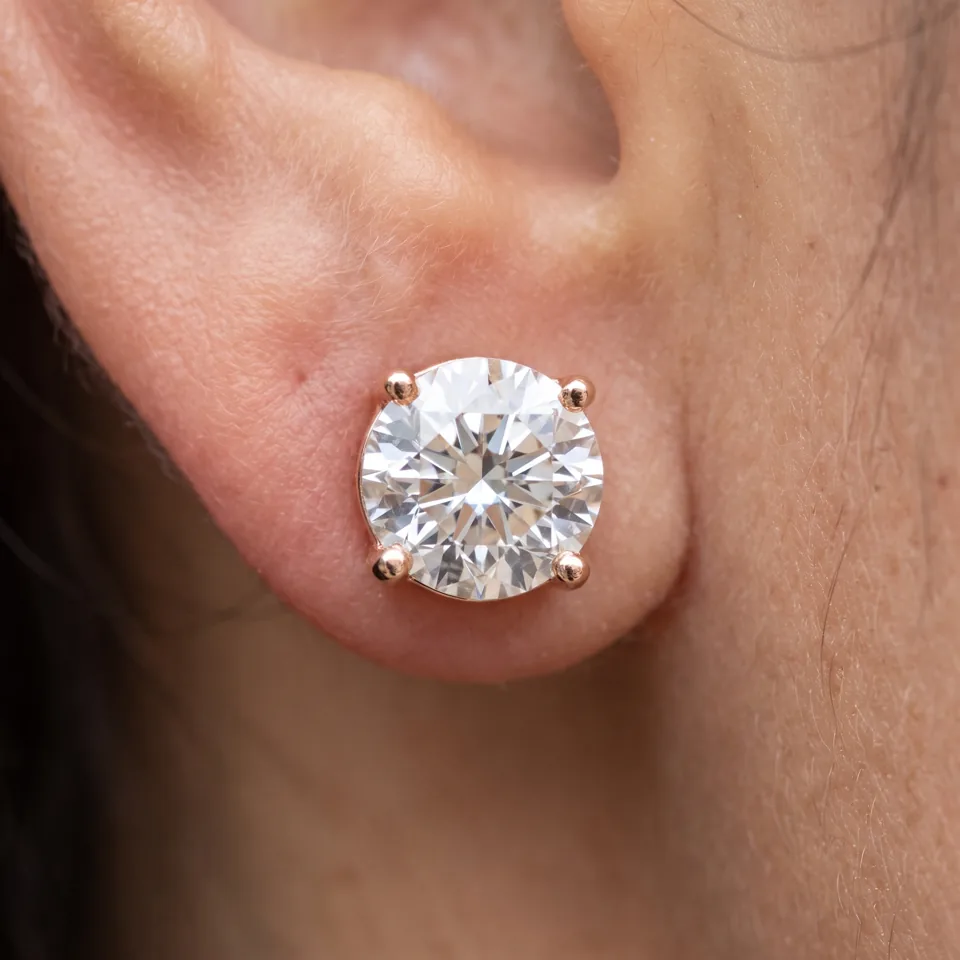
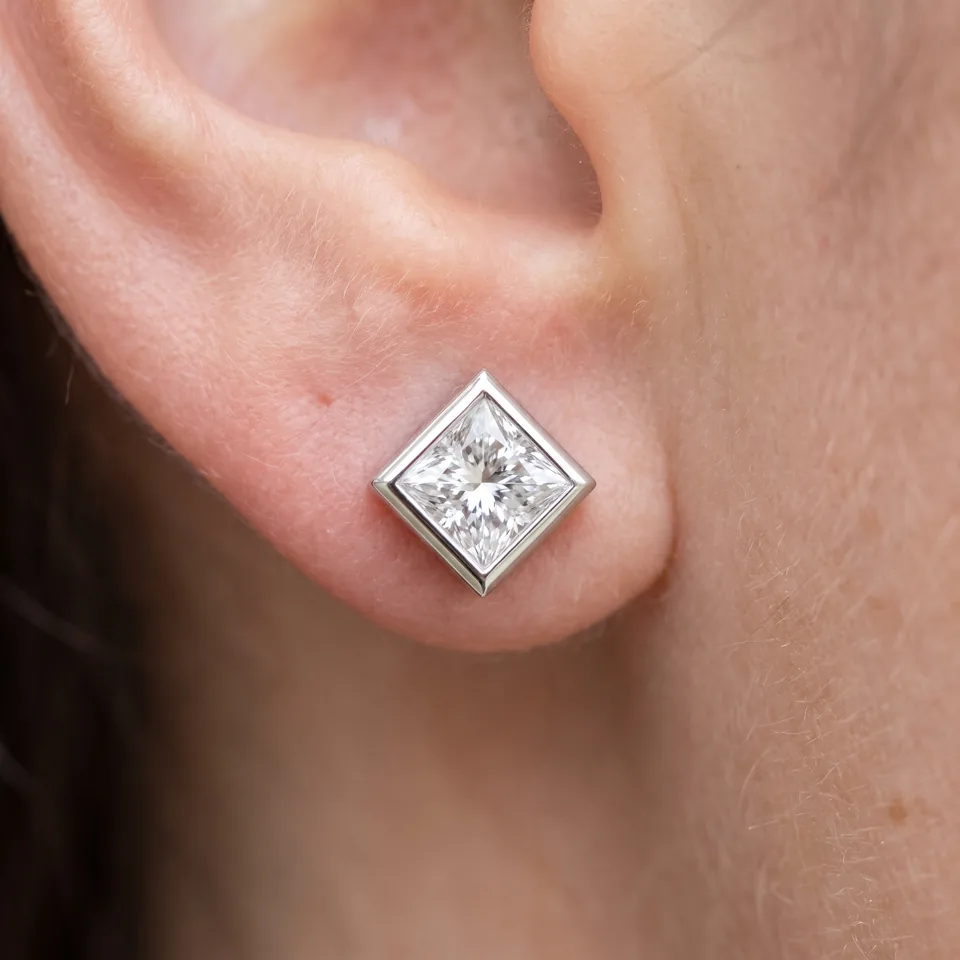
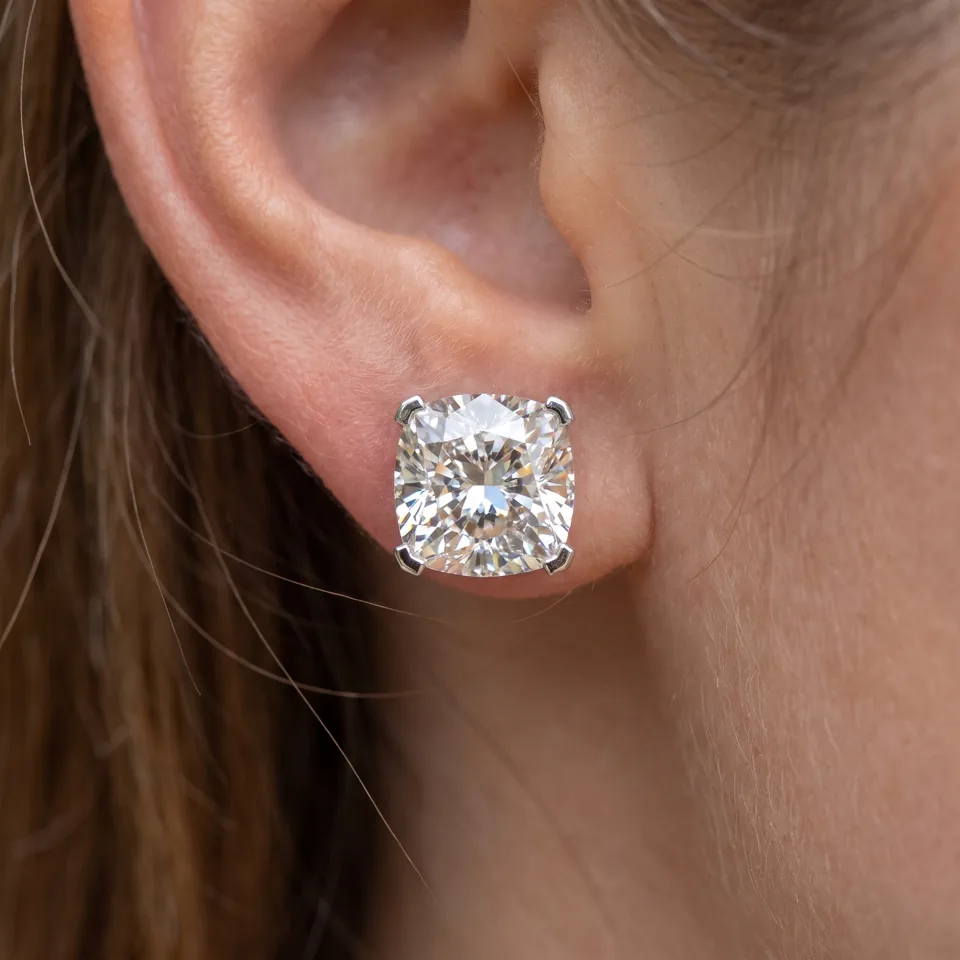
A pair of 14K white gold lab-grown diamond solitaire earrings puts one stone in each ear, nothing else. You can also pick 10K or 18K white gold. Most pairs here are studs, with a few huggie hoops. Round is the most common shape, and some designs offer emerald, pear, princess and other cuts. Then choose the setting and the total weight.
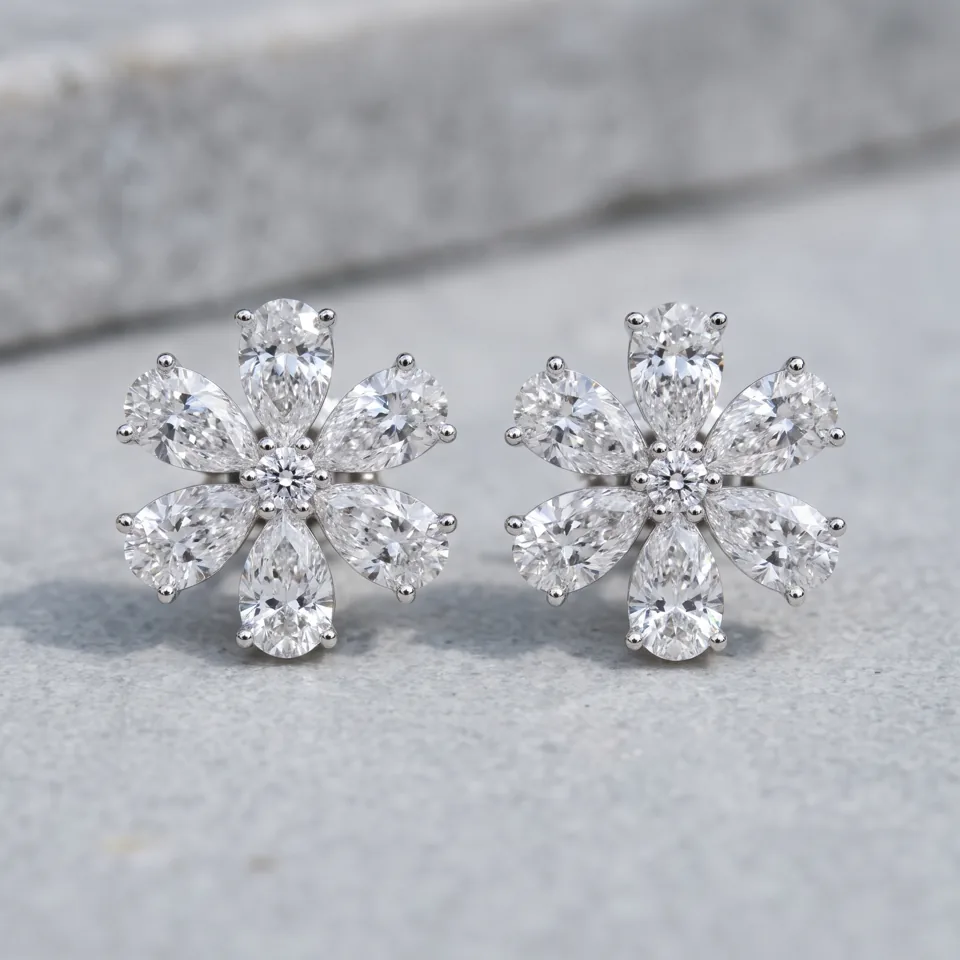 White Gold Lab-Grown Diamond Floral Earrings
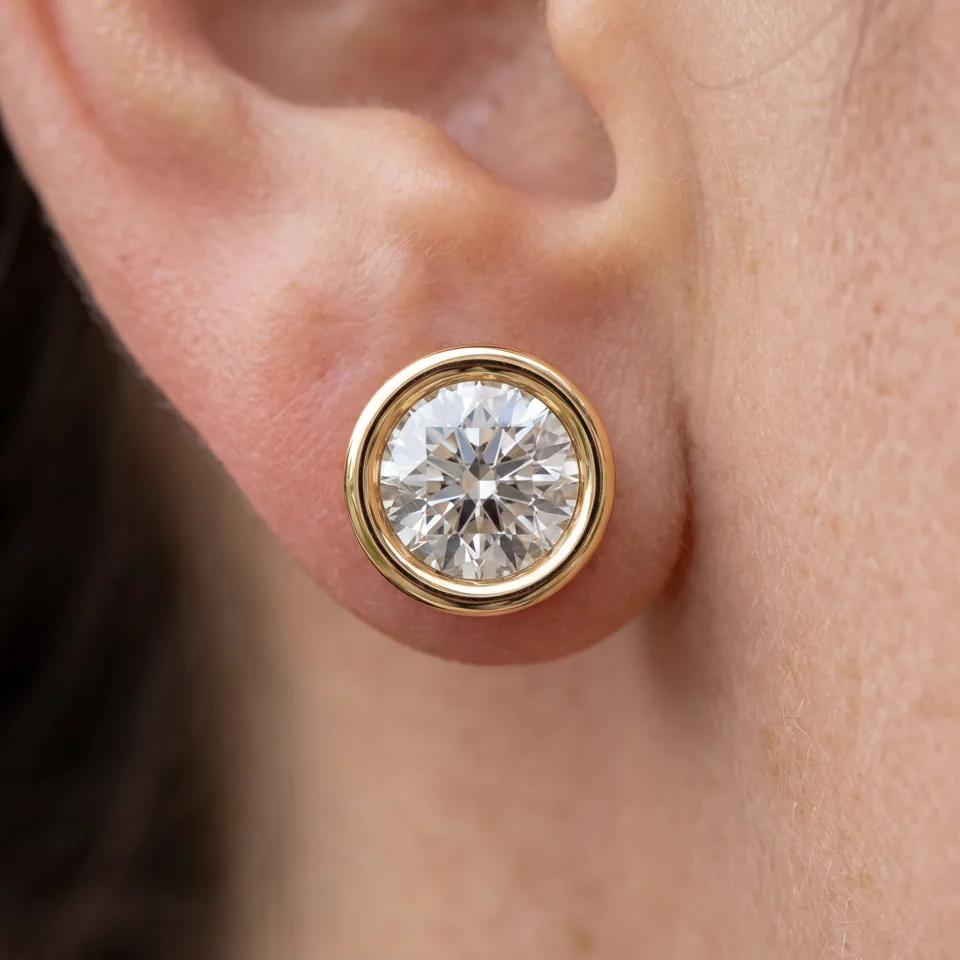
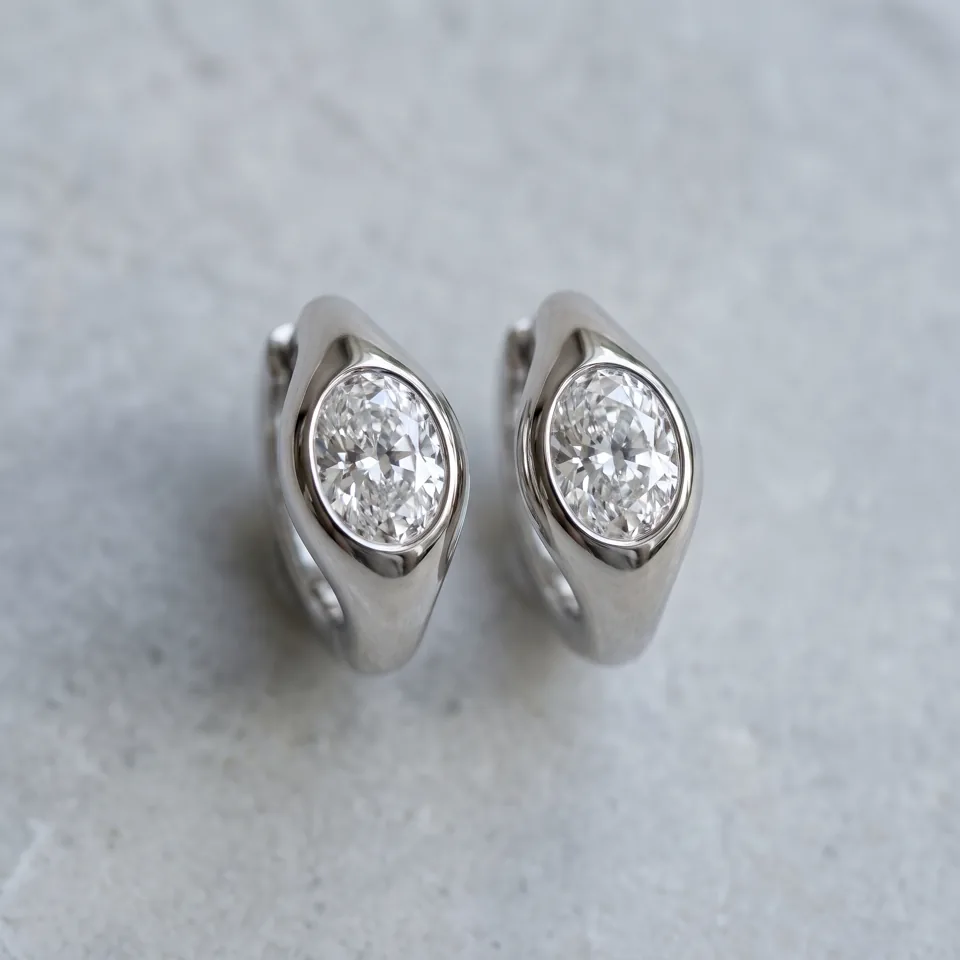 White Gold Lab-Grown Diamond Bezel Earrings
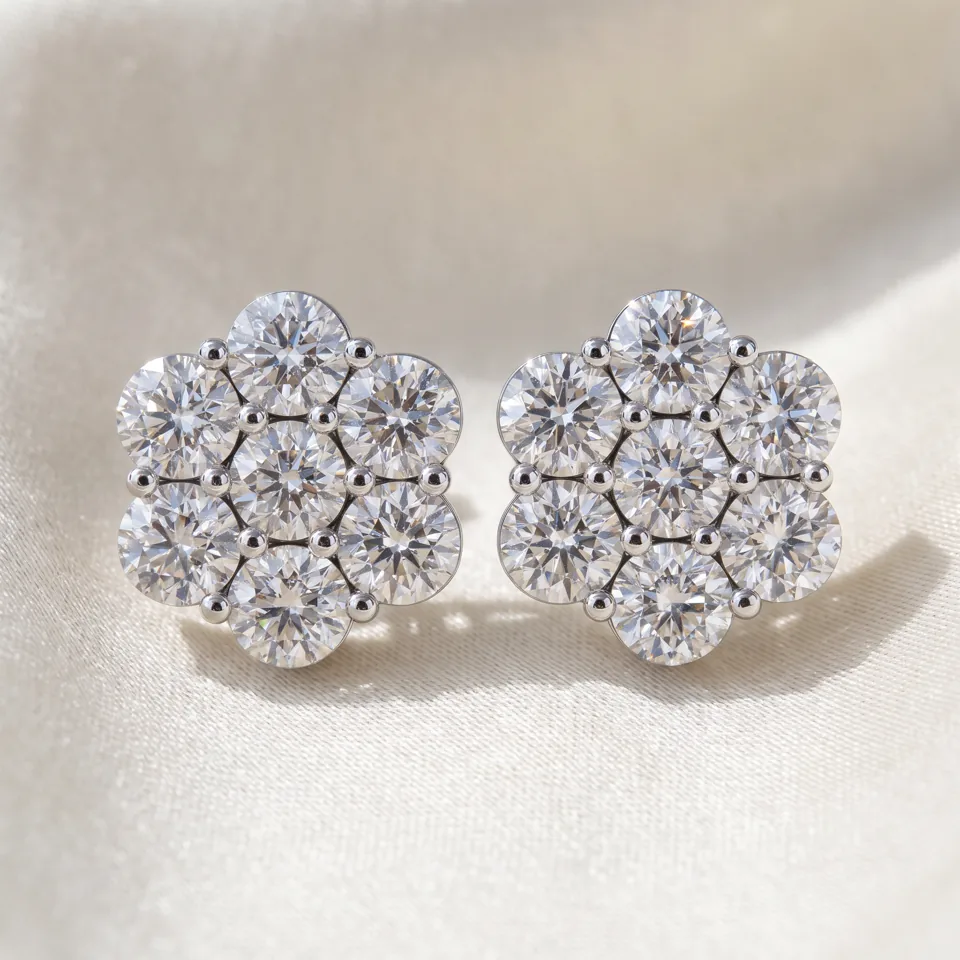 White Gold Lab-Grown Diamond Cluster Earrings
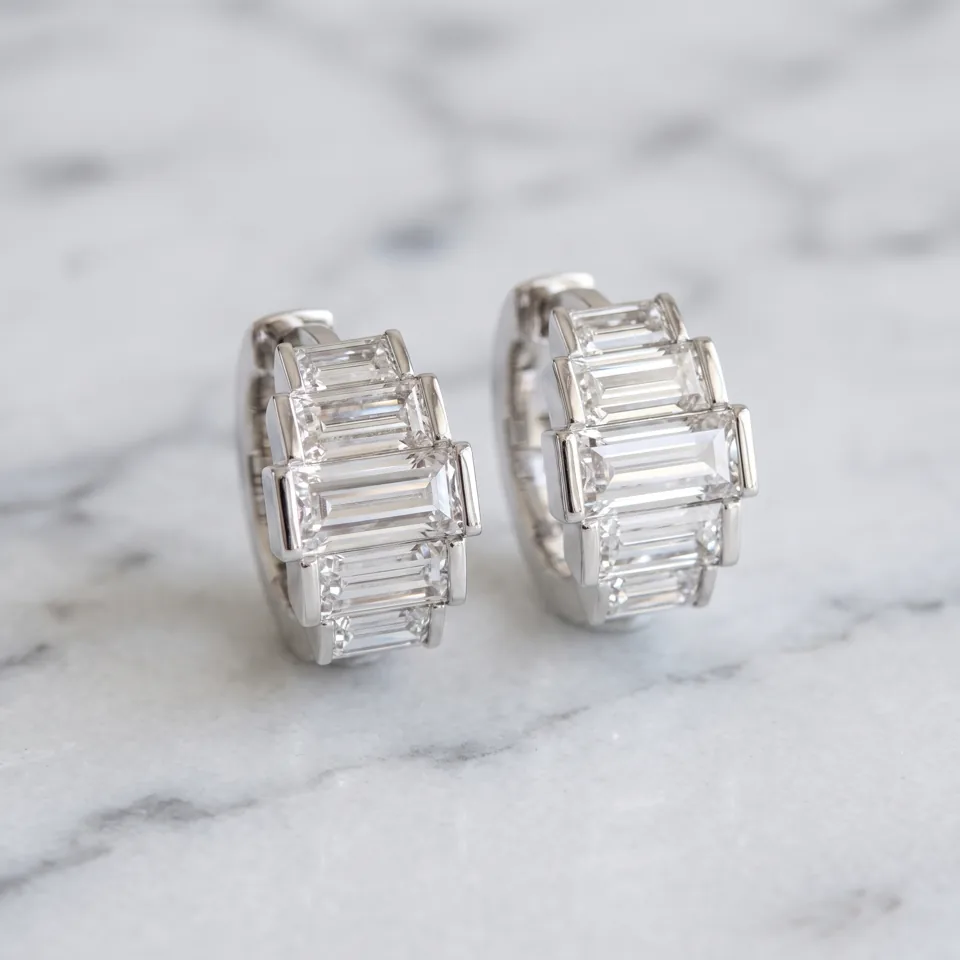 White Gold Baguette Lab-Grown Diamond Earrings
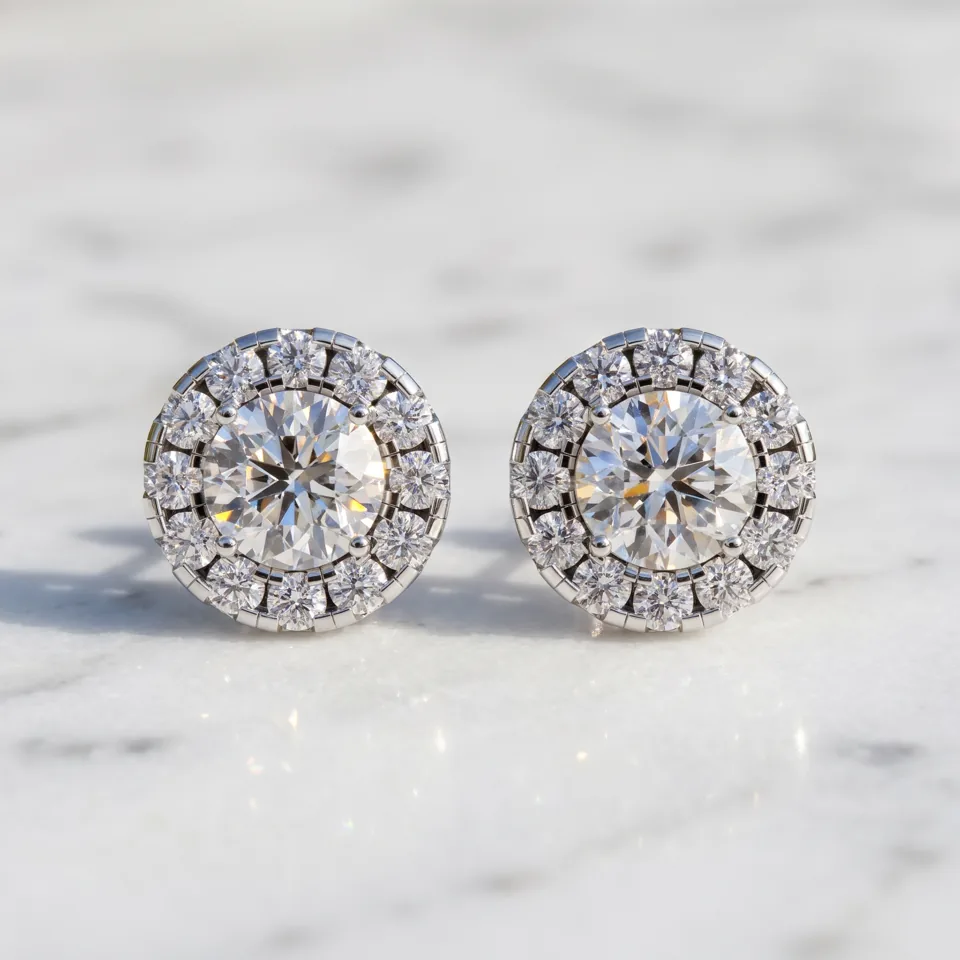 White Gold Lab-Grown Diamond Halo Earrings
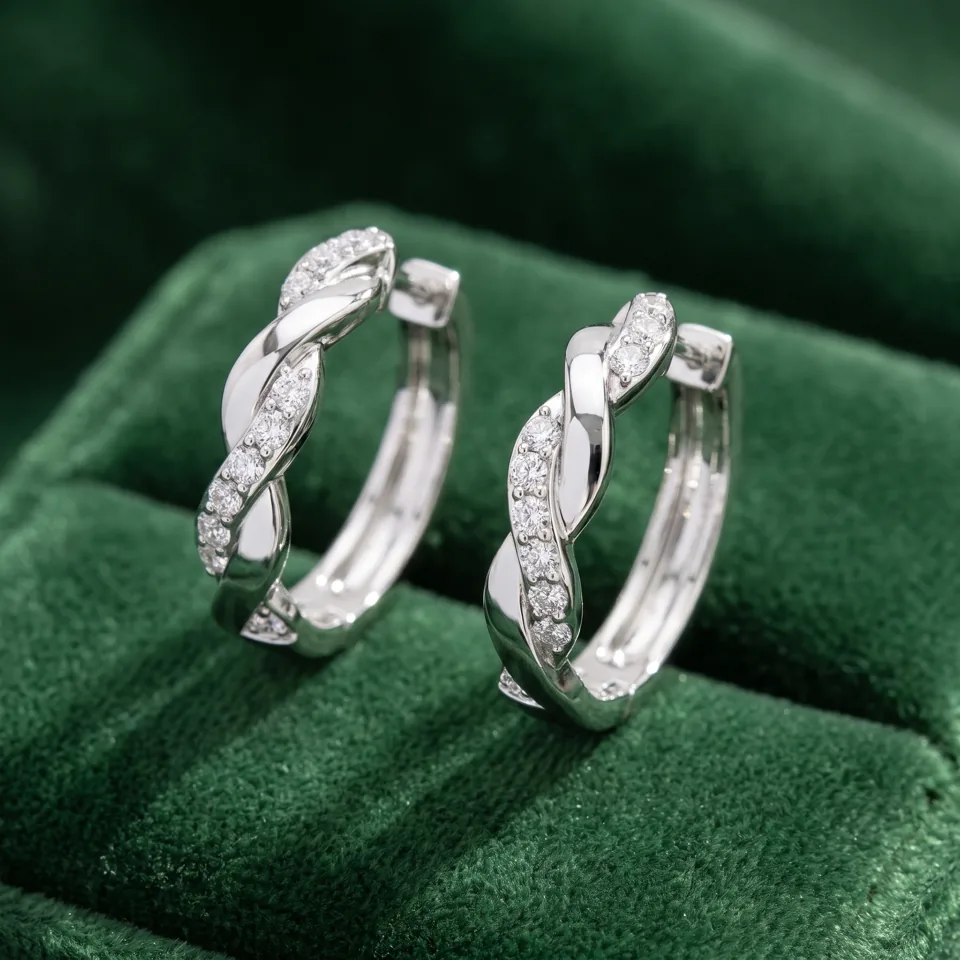 White Gold Lab-Grown Diamond Pave Earrings
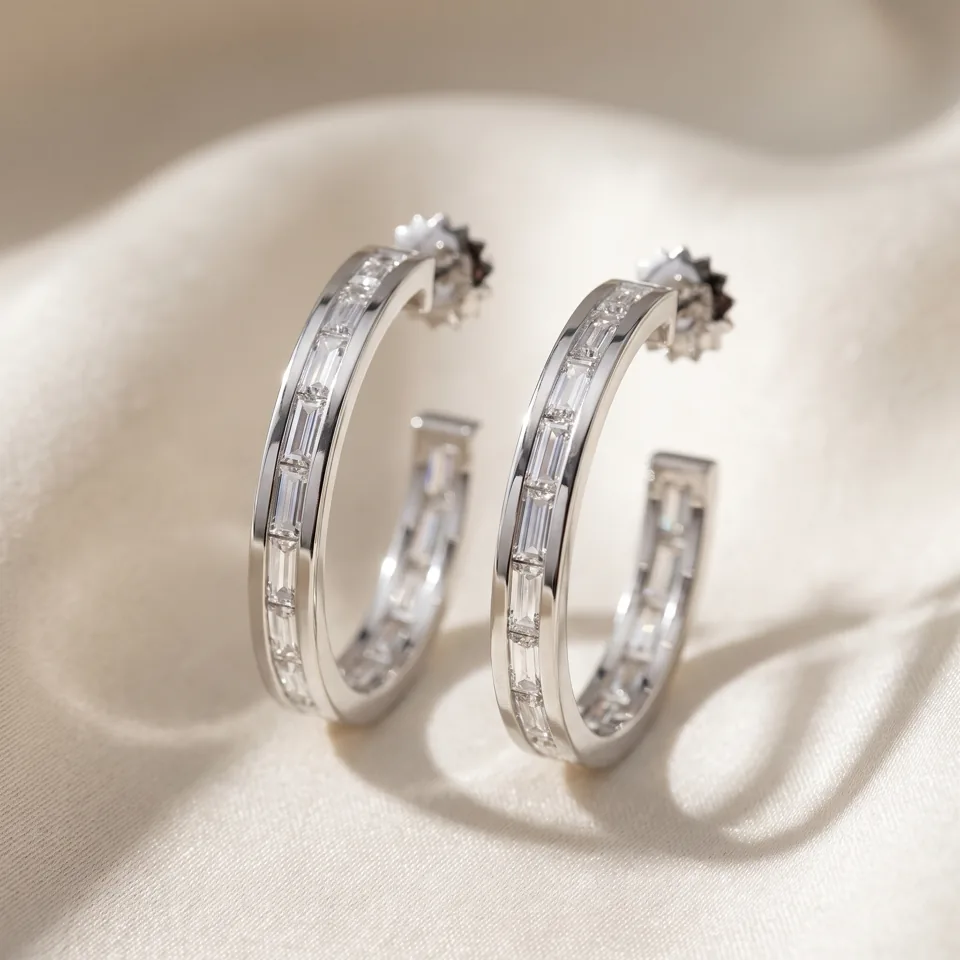 White Gold Lab-Grown Diamond Channel Set Earrings
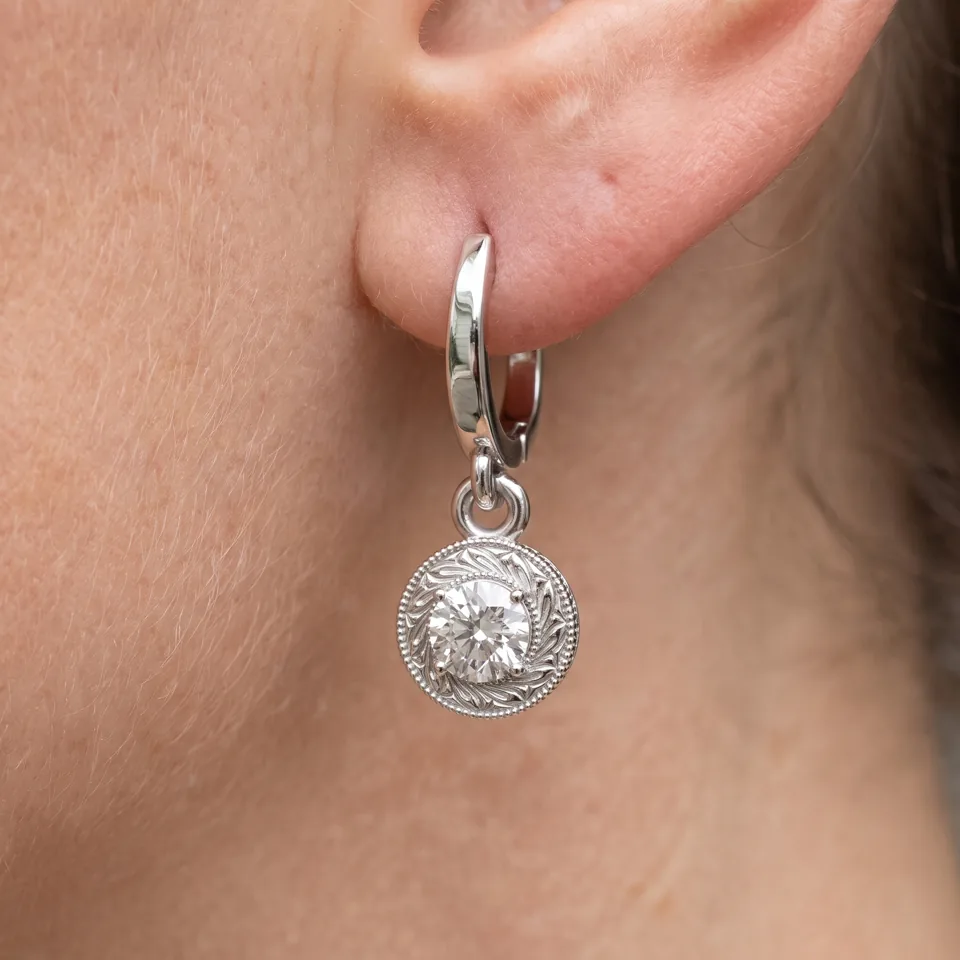 White Gold Lab-Grown Diamond Engraved Earrings
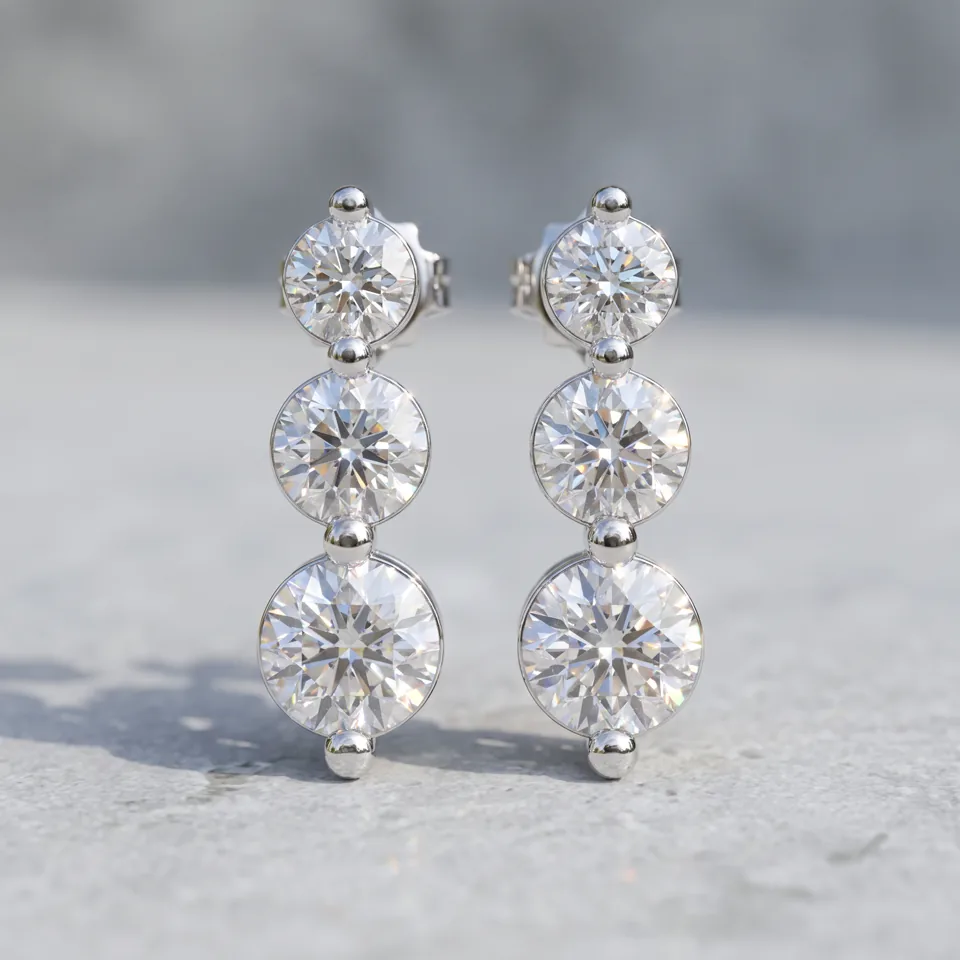 White Gold Lab-Grown Diamond Three Stone Earrings
Listed carats count both lab-grown diamonds combined, so a 1 carat pair holds two half-carat stones. Most designs offer 1/2 and 1 carat total weight. About half go much higher, from 2 carats up to 10 carats total weight. For everyday studs, 1/2 to 1 carat sits comfortably; larger pairs suit a screw back for security.
On most pairs you pick a color pair, E–F or F–G, and a clarity pair, VVS–VS or VS–SI. Half the designs add individual grades too, D through G in color and VVS2 through VS2 in clarity. In white gold, a G color still looks bright white to the eye, while E–F suits larger stones where tint shows more.
For everyday studs, 14K balances durability and price. 10K resists scratches best and costs least, while 18K has a higher gold content and a higher price. Screw backs, offered on a few styles, stay put better than push backs. Pairs start under $300, and most cost between about $400 and $450.
Each pair is made for you and ready in 10–15 days, with free insured shipping both ways. You have 30 days to send them back unworn.